Guayaquil, Ecuador: Pre-Operation

Image

Image

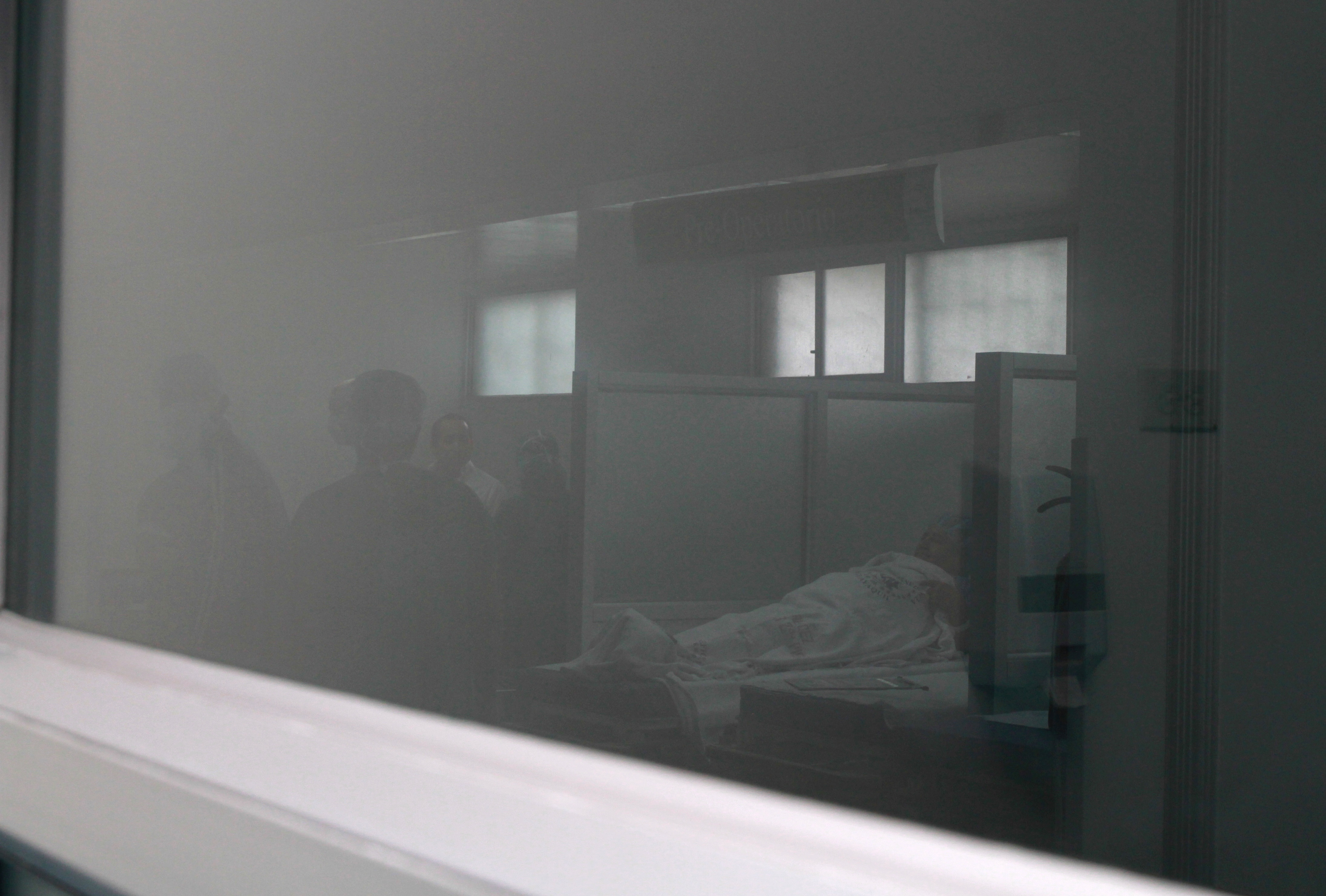
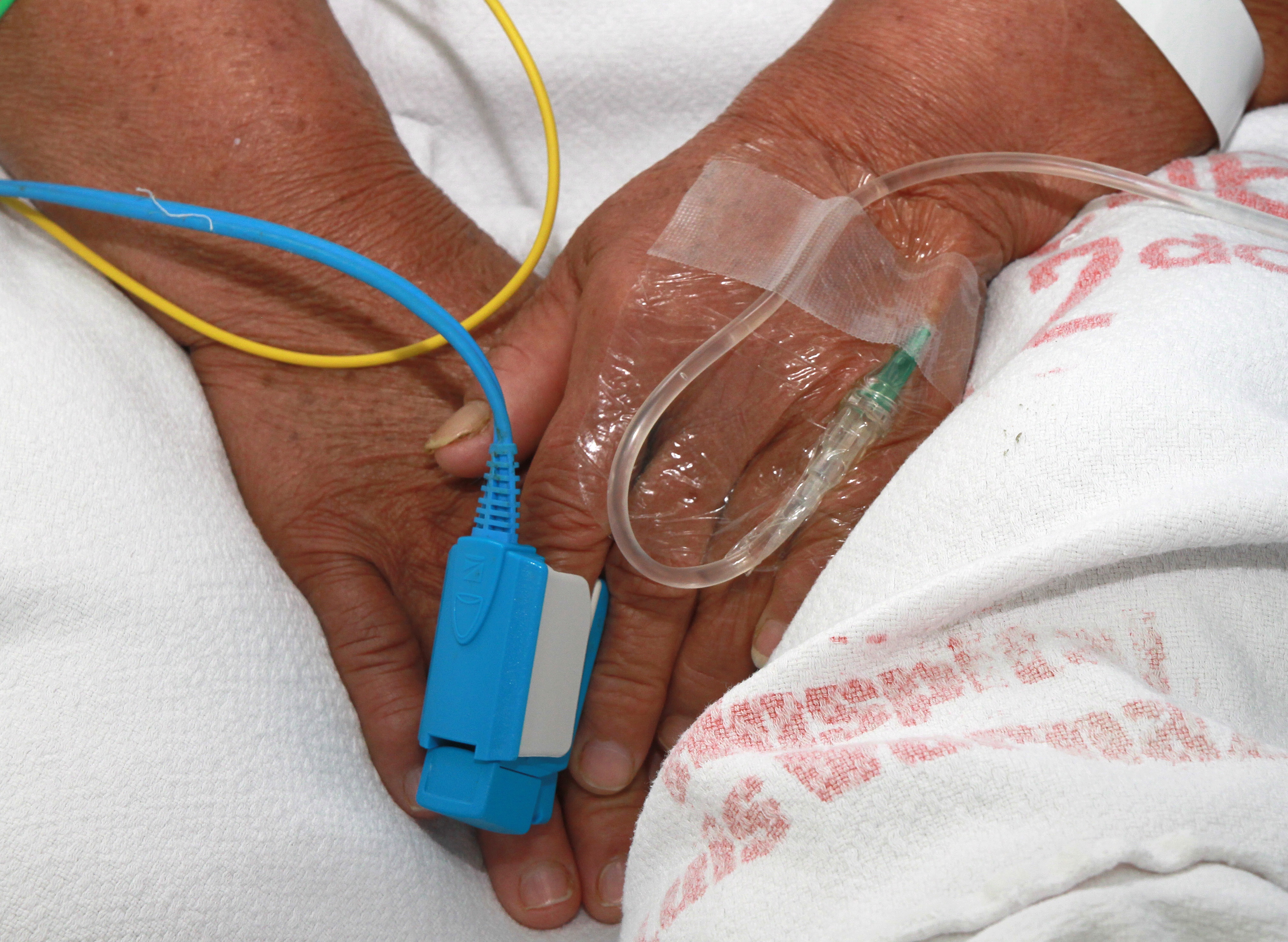
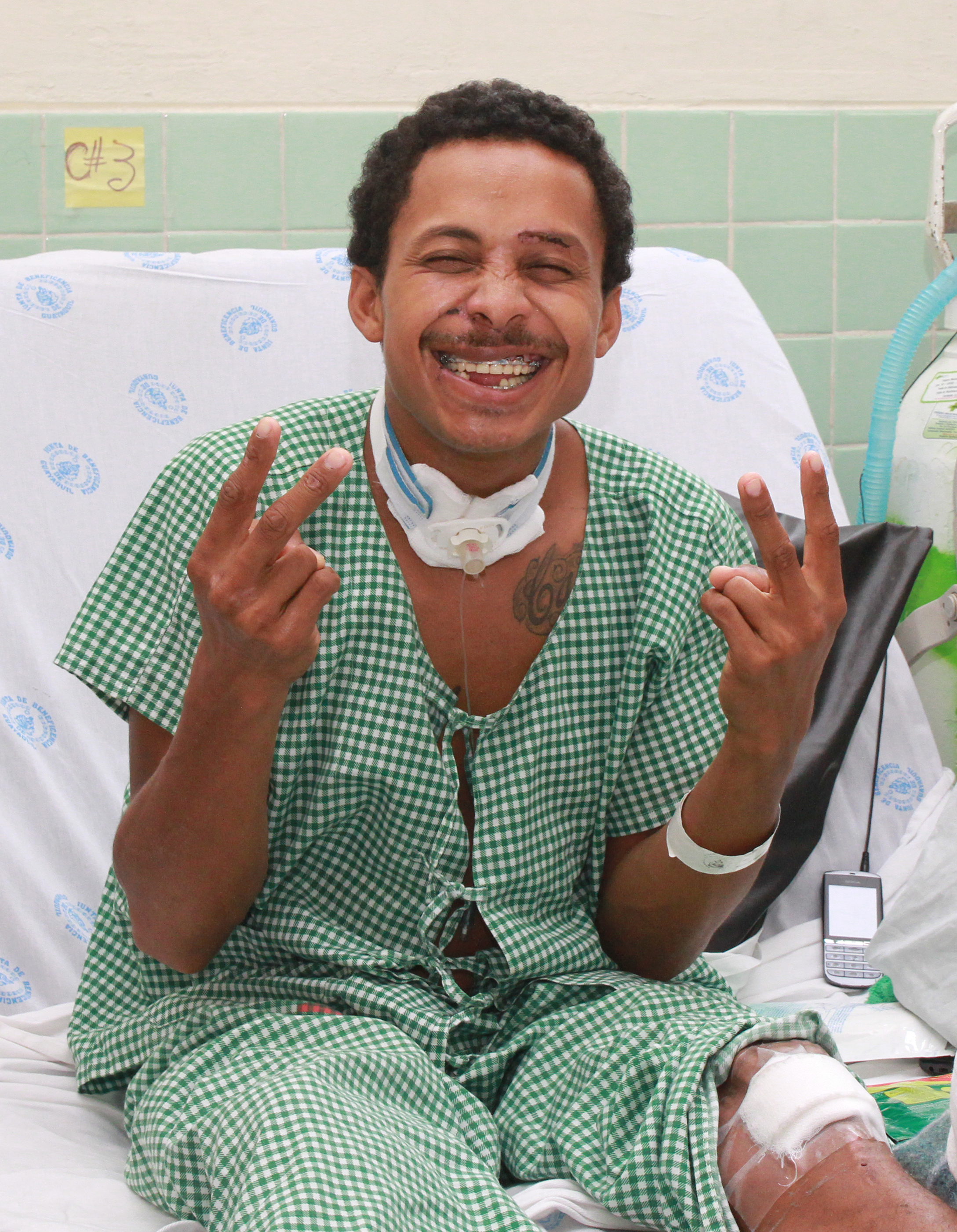
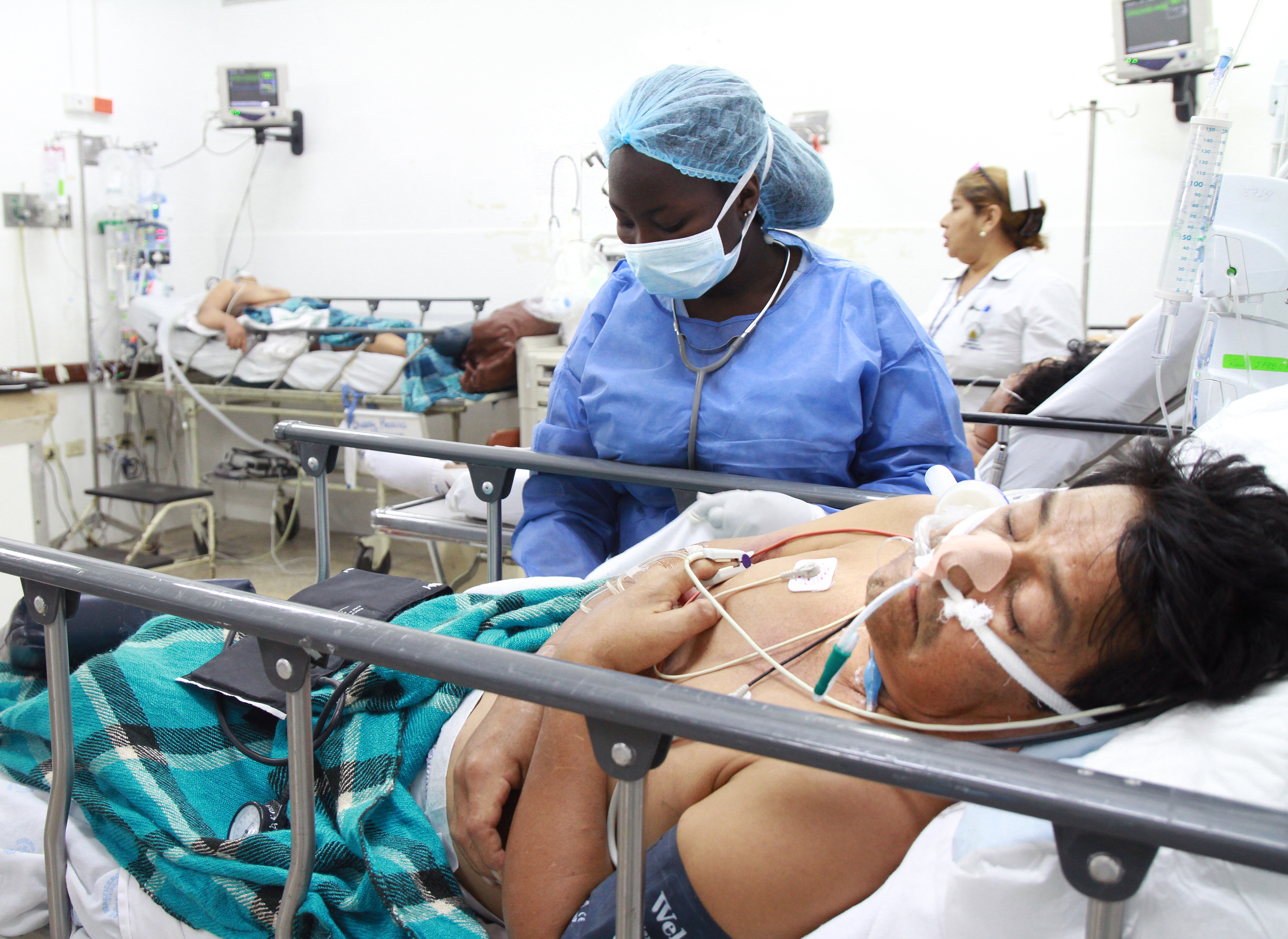
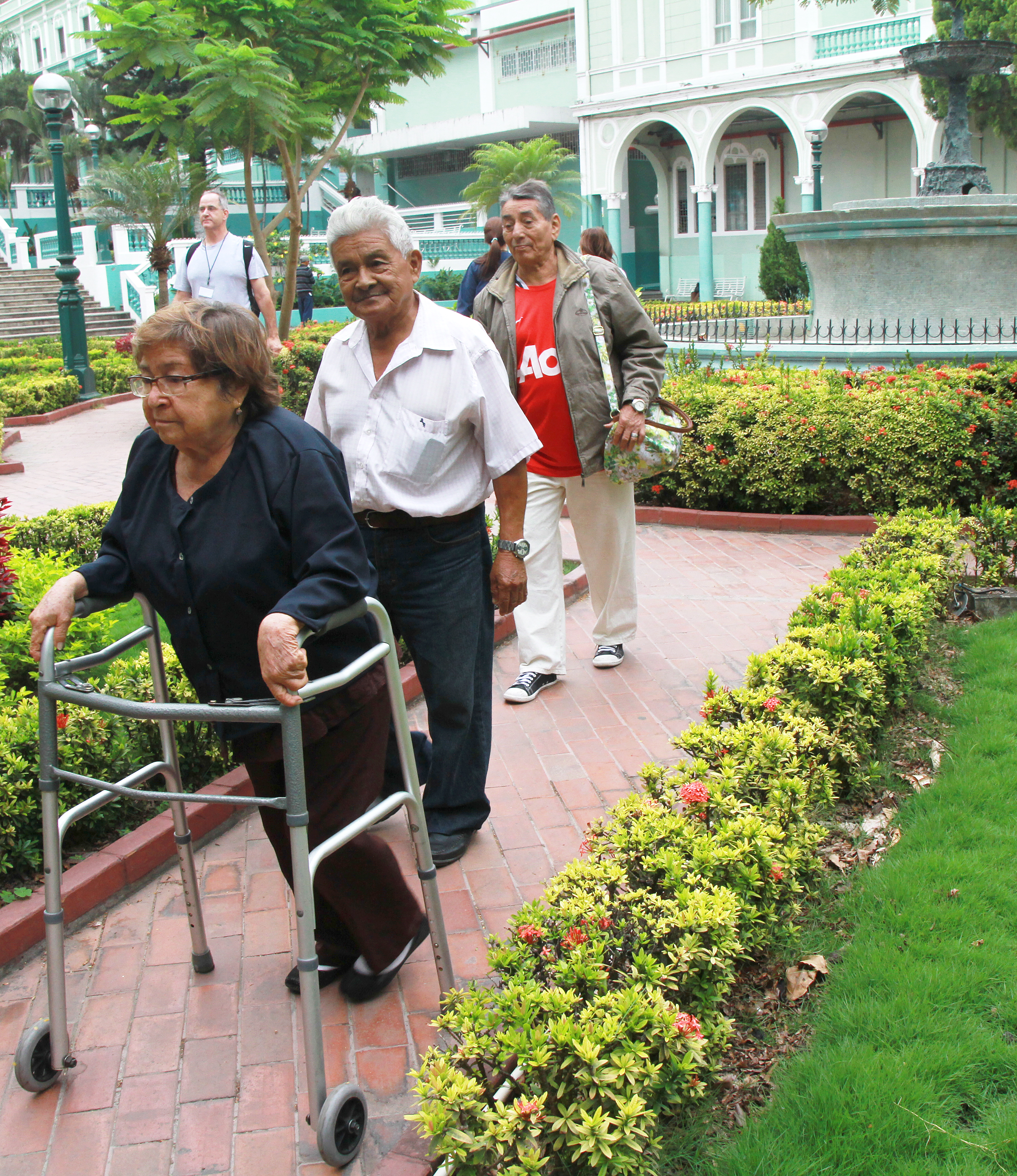
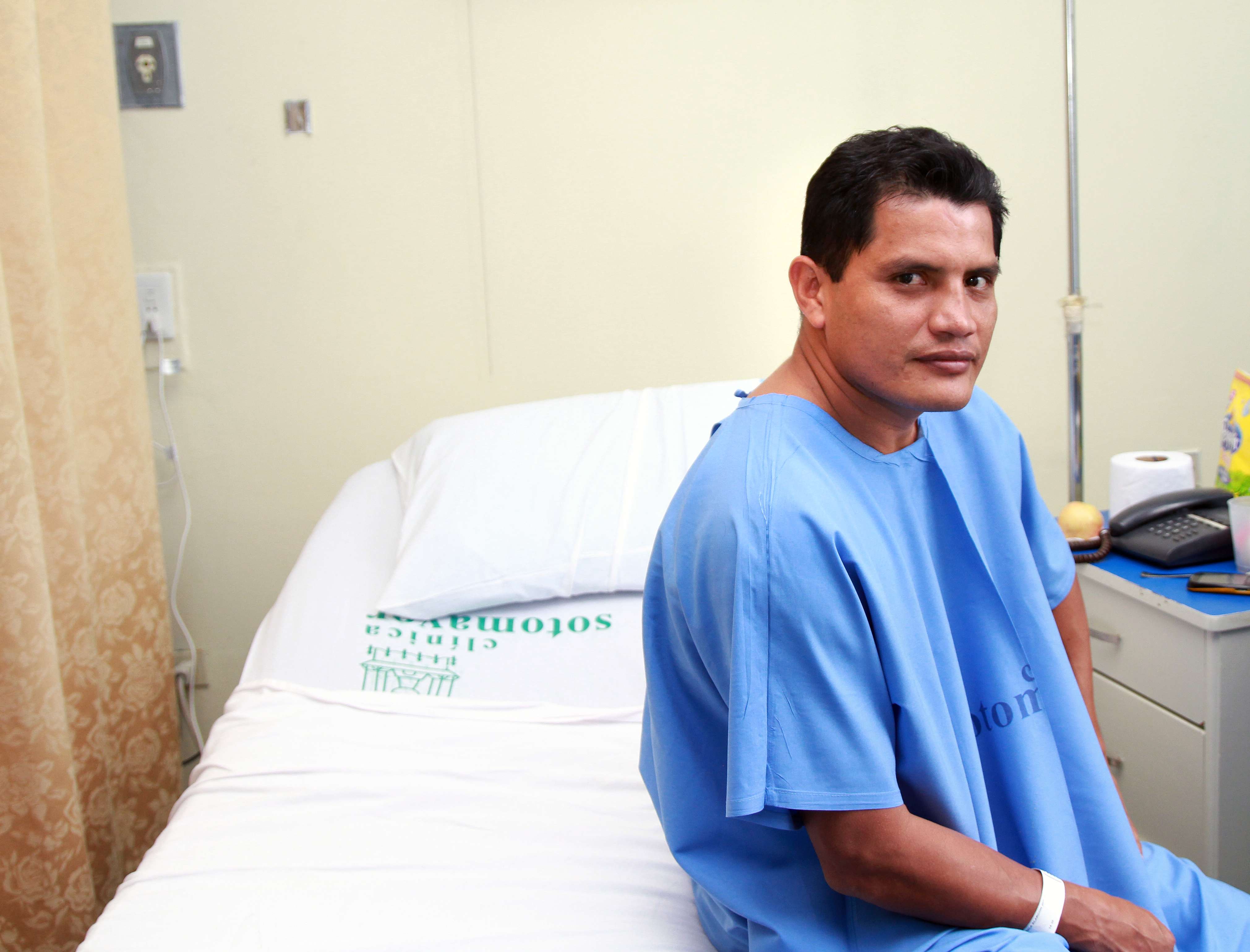
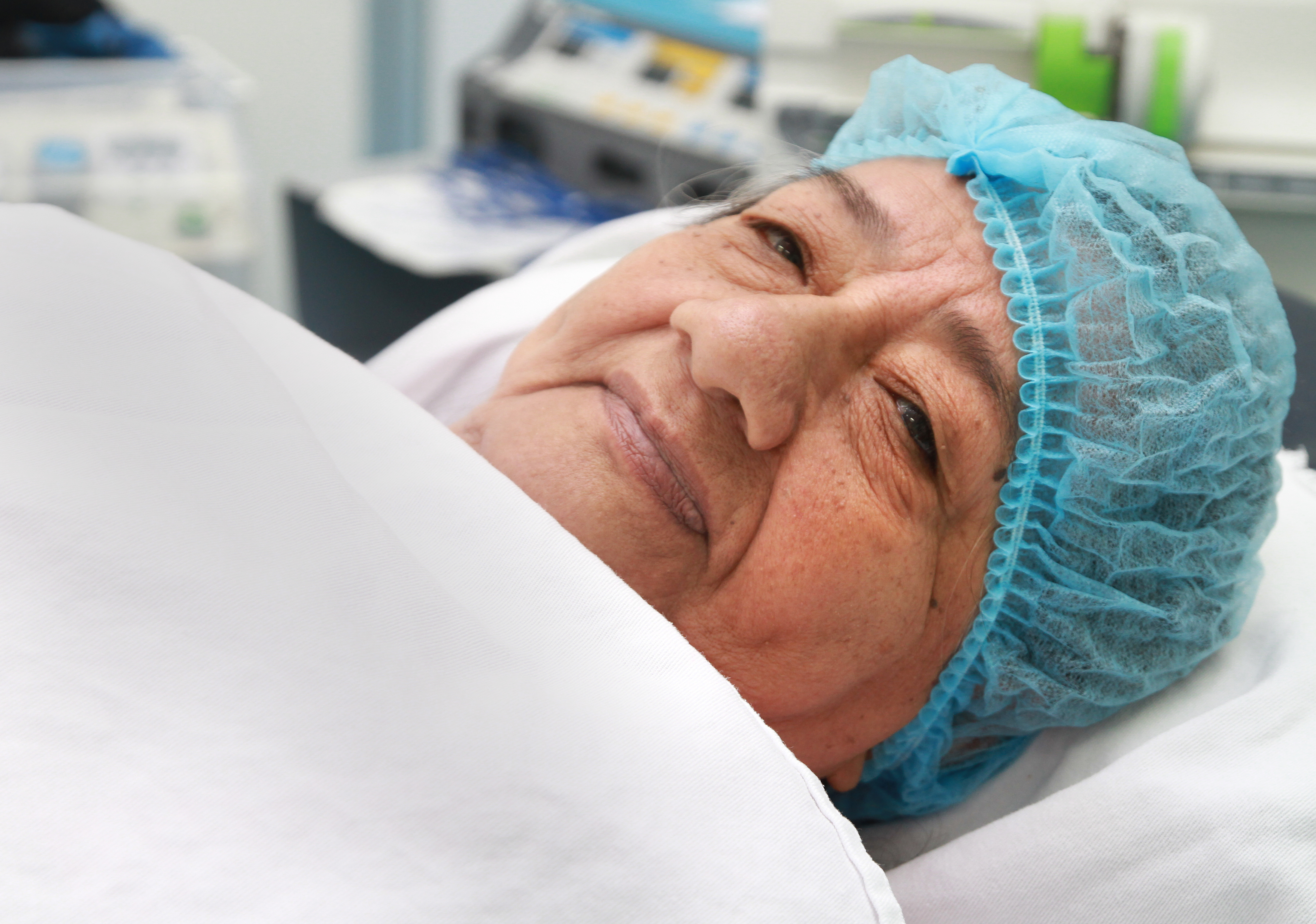
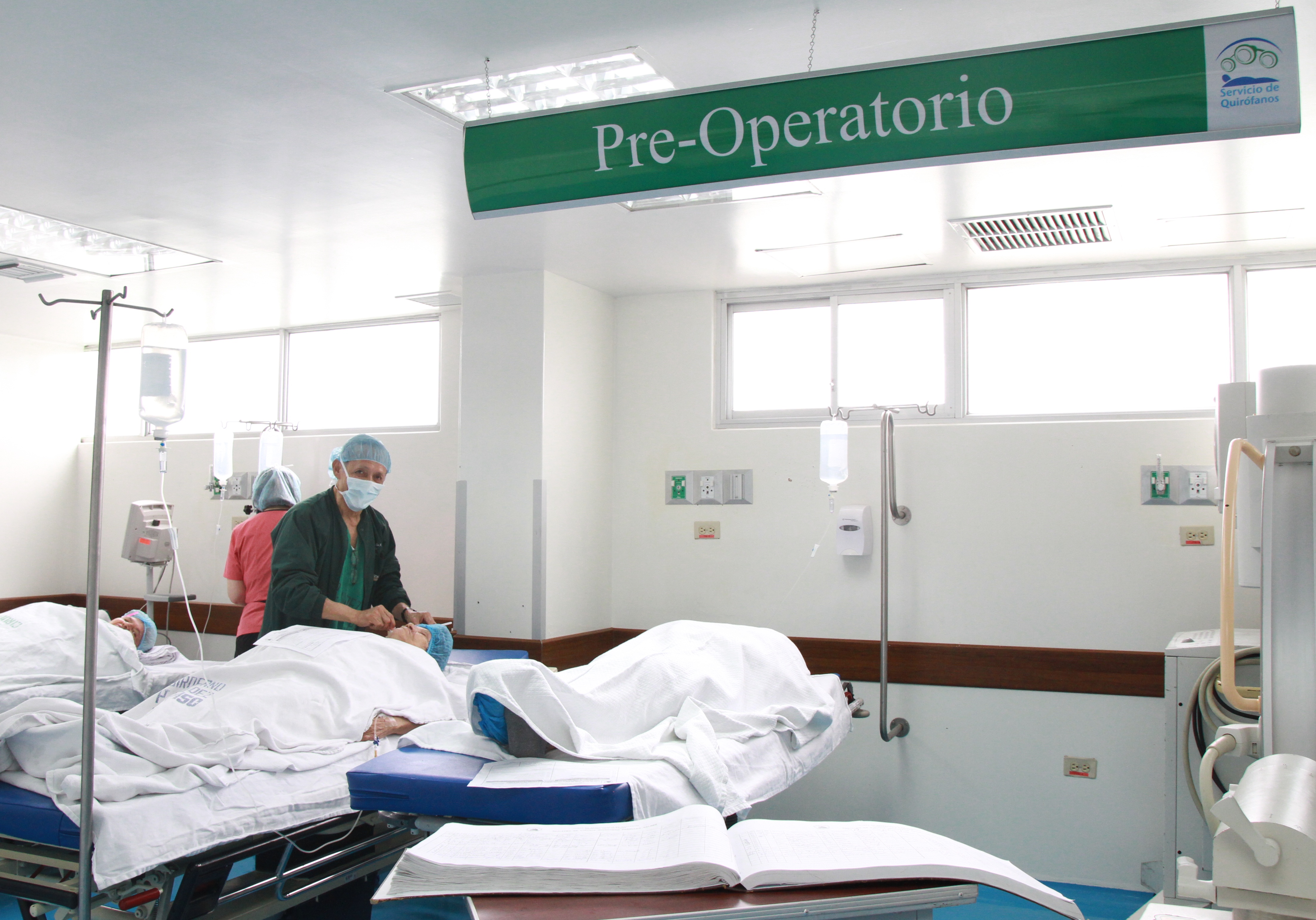
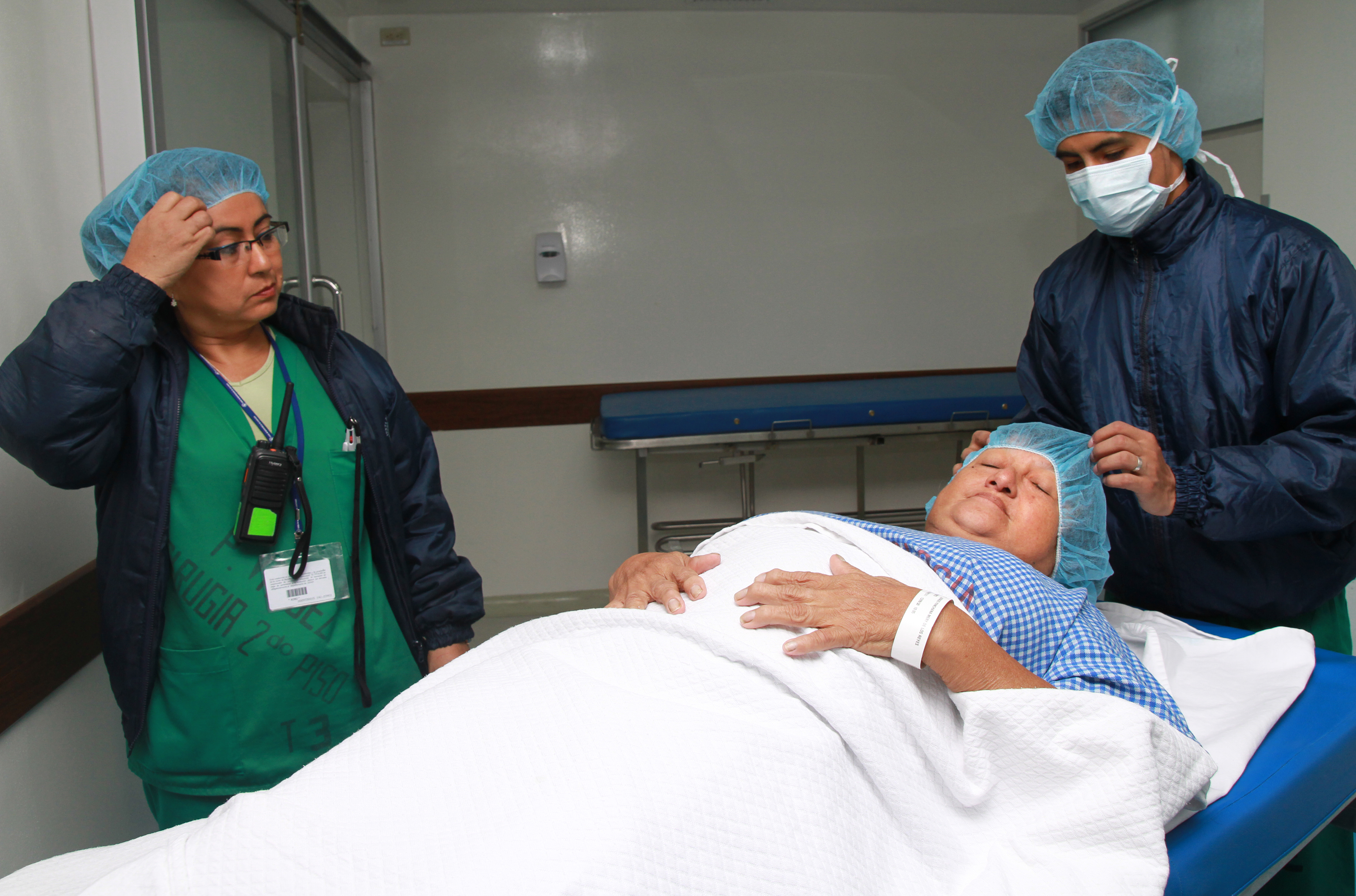
After setting up and picking our cases on Sunday, we began performing surgeries bright and early Monday morning. Two of our patients, Manuel (top) and Vargas are shown here awaiting their surgery. Manuel had surgery on his spine and Vargas had a knee replacement. Again, I must remind the viewer that we had permission to take these photos as privacy laws are very different in Ecuador.

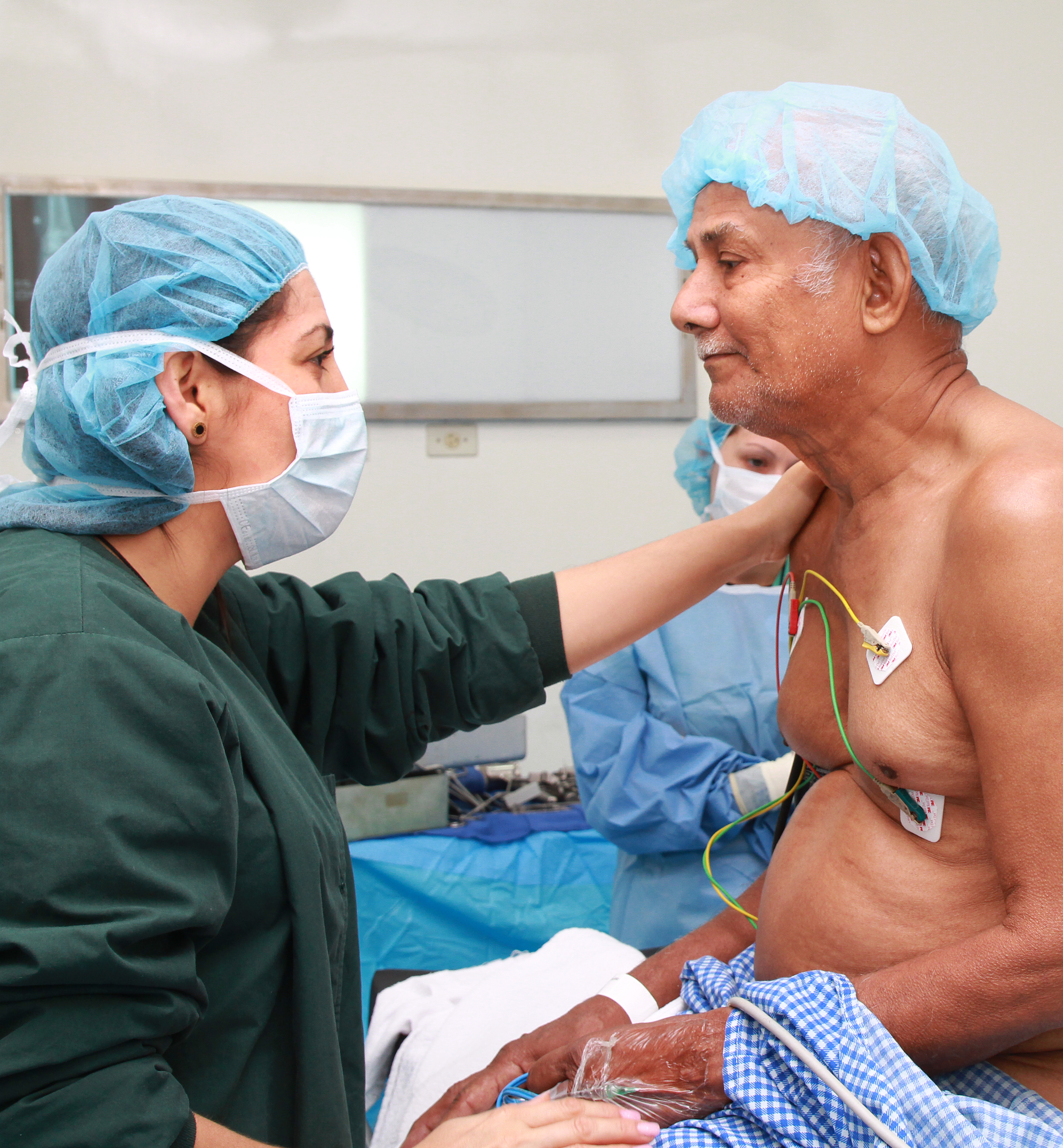
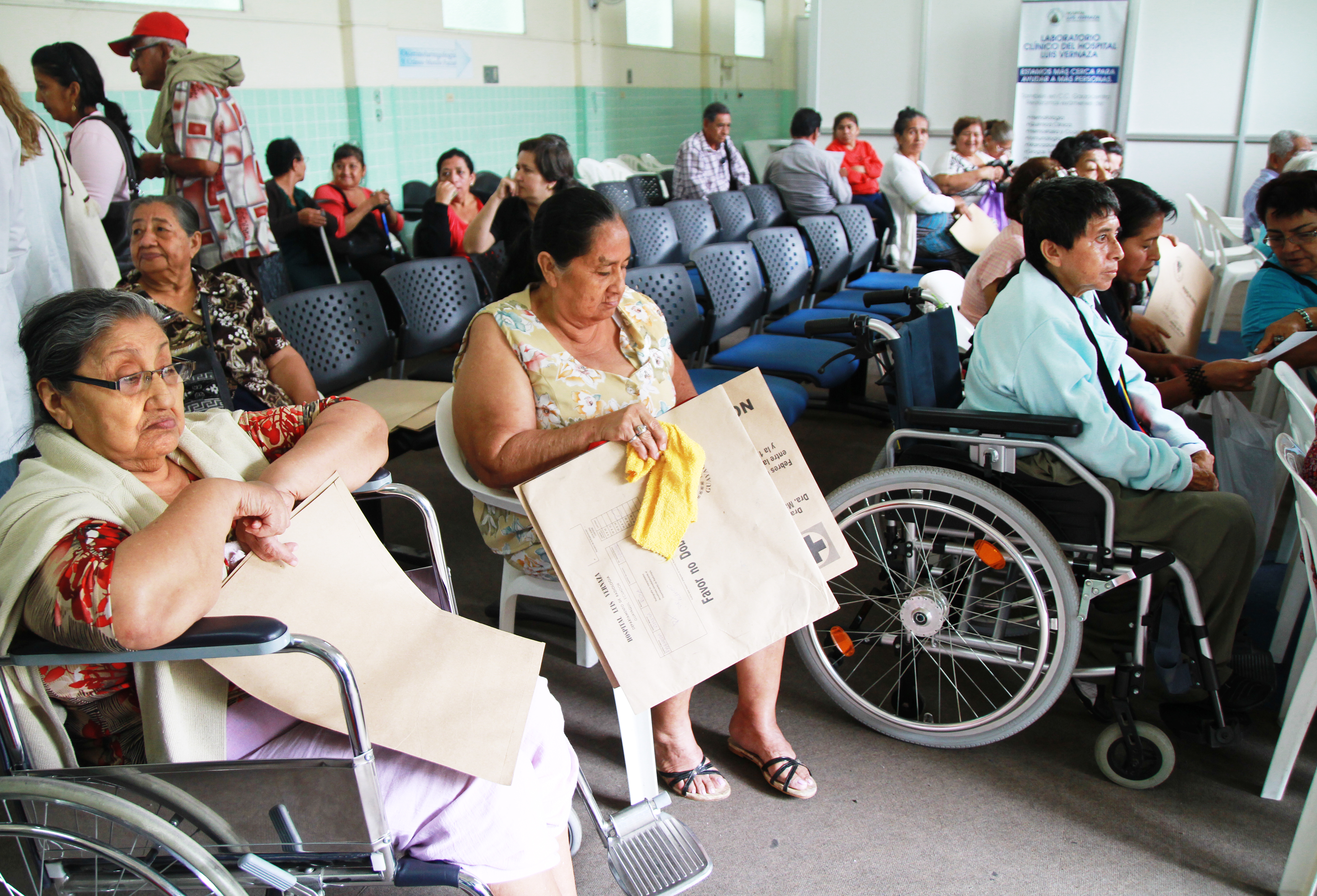
I’ll start this post by showing some of the preparations for the knee replacement surgeries and a view of those patients as they prepare for surgery and await their turn. The holding area for pre-operation was small.
Image

Image

Image

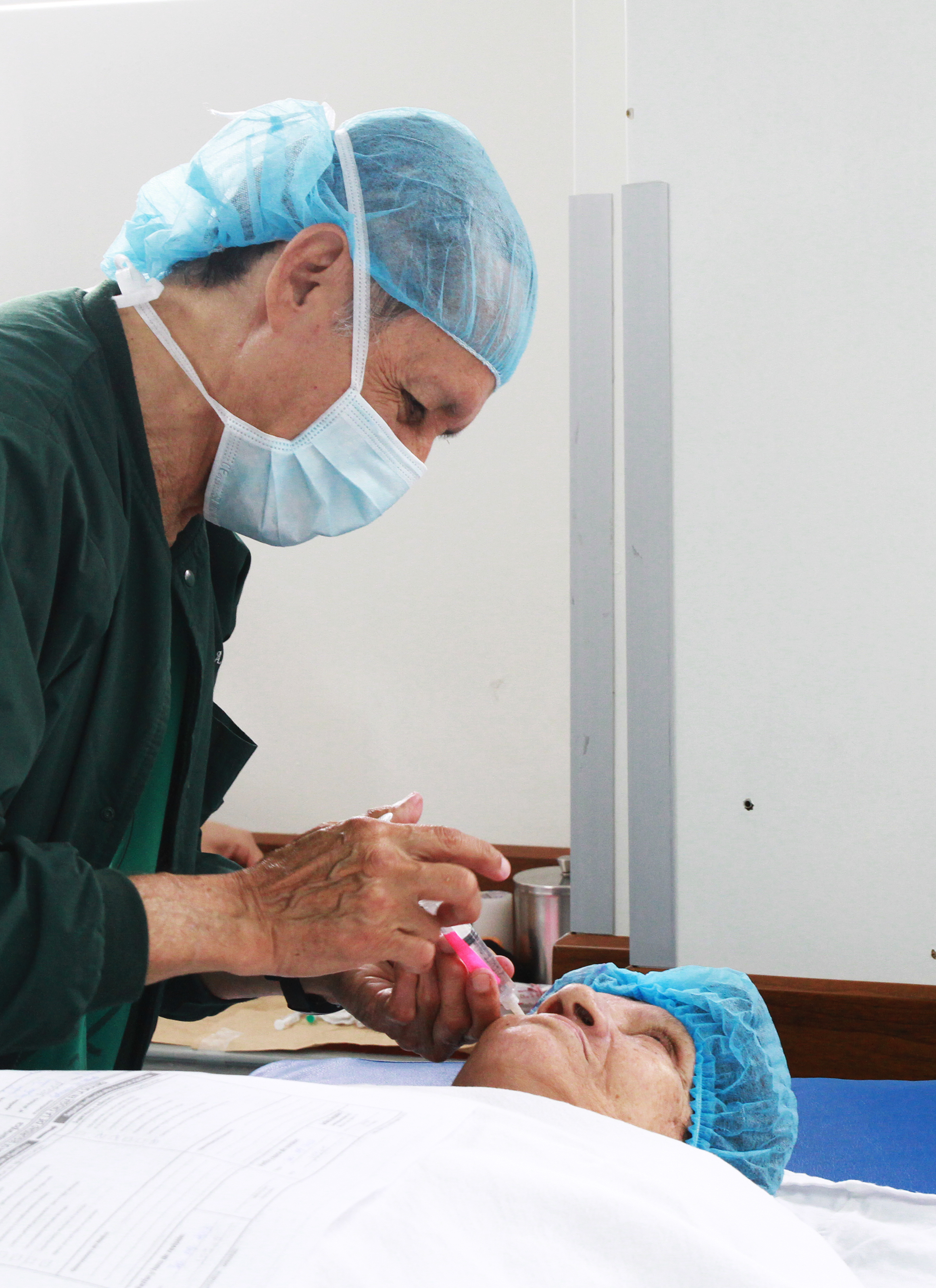
Dr. Estrada reviews x-rays with his next patient in the pre-operation area.

Image

Image

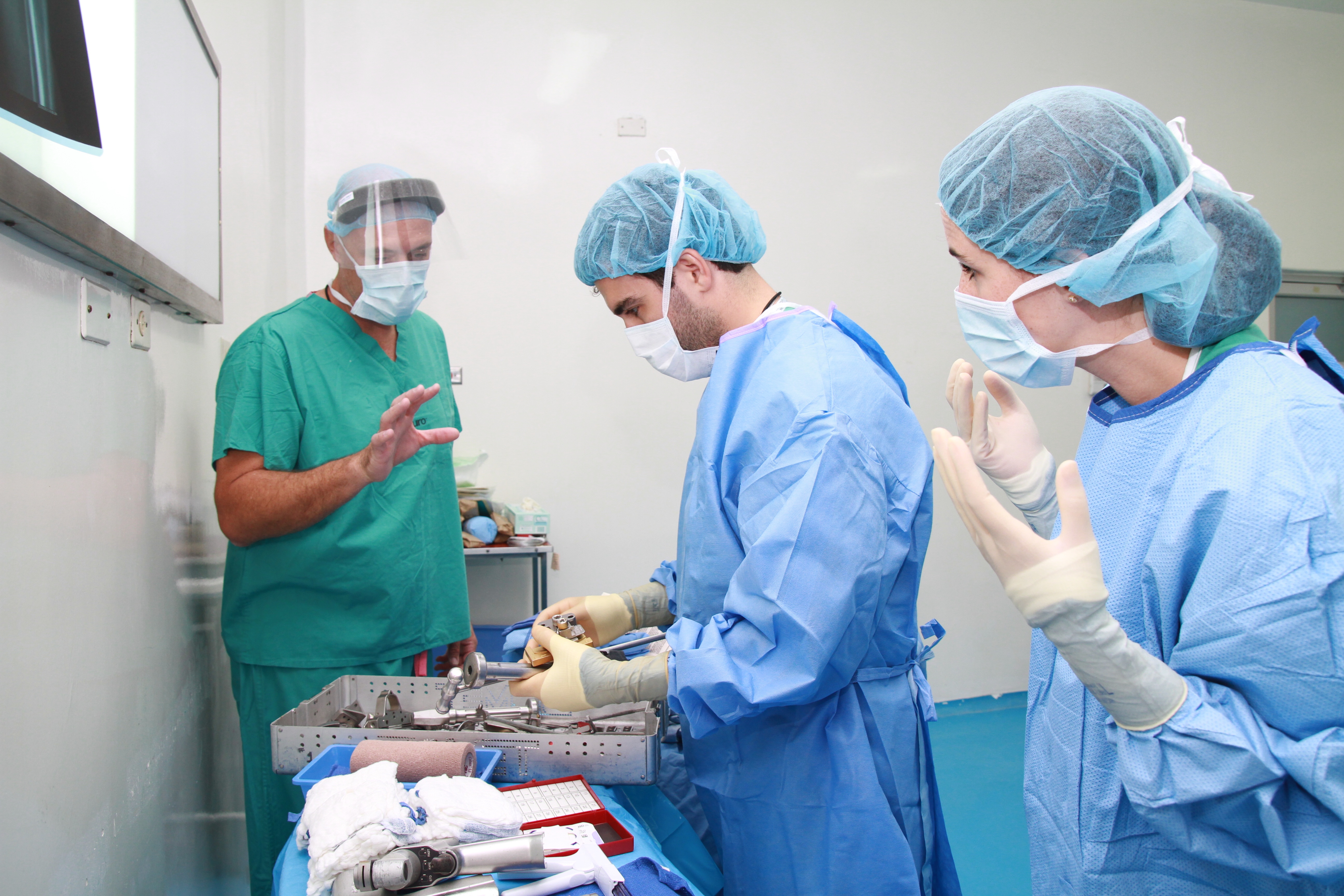
Meanwhile, it was the responsibility of the nurses to set up the surgical rooms, scrub in, and prepare the sterile equipment for use.
Image

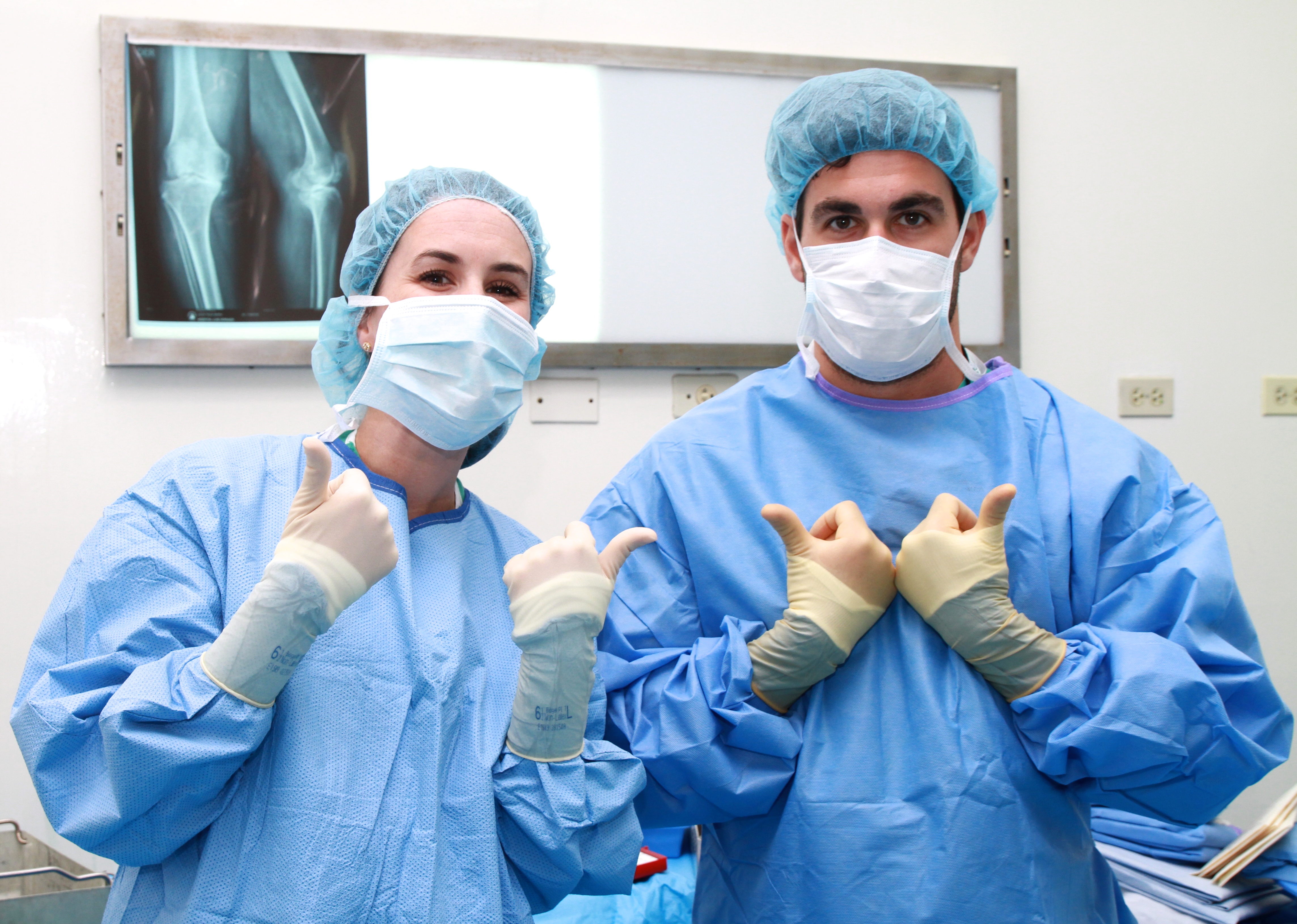
The following photo is of Kaitlin and me scrubbed in before a surgery, and the one after that is Kaitlin and Lance. I figured I’d make a cameo on the blog to show I did do nursing while I was there too. Thanks to Alexis Brown for snapping this photo. None of us had OR experience. I work in the ER, along with Kala who is pictured later, and Kaitlin and Lance both work in ICU. The local staff, Dr. Estrada and the physician assistant with us, Kentucky Skinner, were all very patient with us. I think we all learned a lot.

Image

Image

Once the room was ready for the patient, he or she was moved from Pre-Operation to the surgical suite.
Image

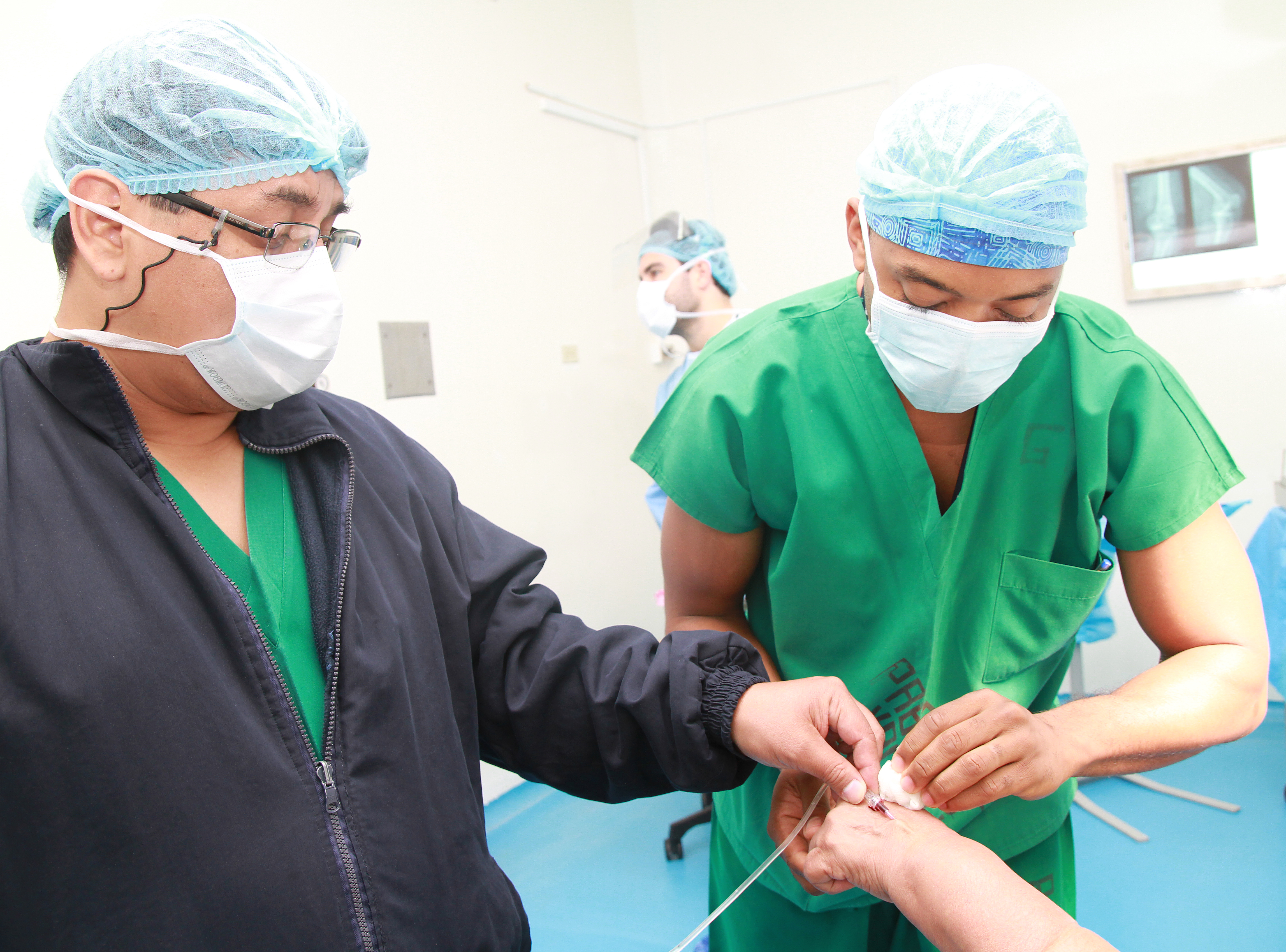
The Ecuadorian nursing and surgical staff placed an IV and catheter while we finished setting up the surgical equipment and either our anesthesiologist or theirs prepared the patient. Here, a nursing student named Junior places the IV for our next case. He often scrubbed in with me for surgeries. He became a rather vital part of our orthopedic team. It was rewarding getting to know the local staff. We learned a great deal from them and we taught them our techniques. It was a wonderful cross-cultural learning experience for everyone. Junior spoke Portuguese primarily with some English and some Spanish. We were able to communicate on about the same level in Spanish.
Image

Image

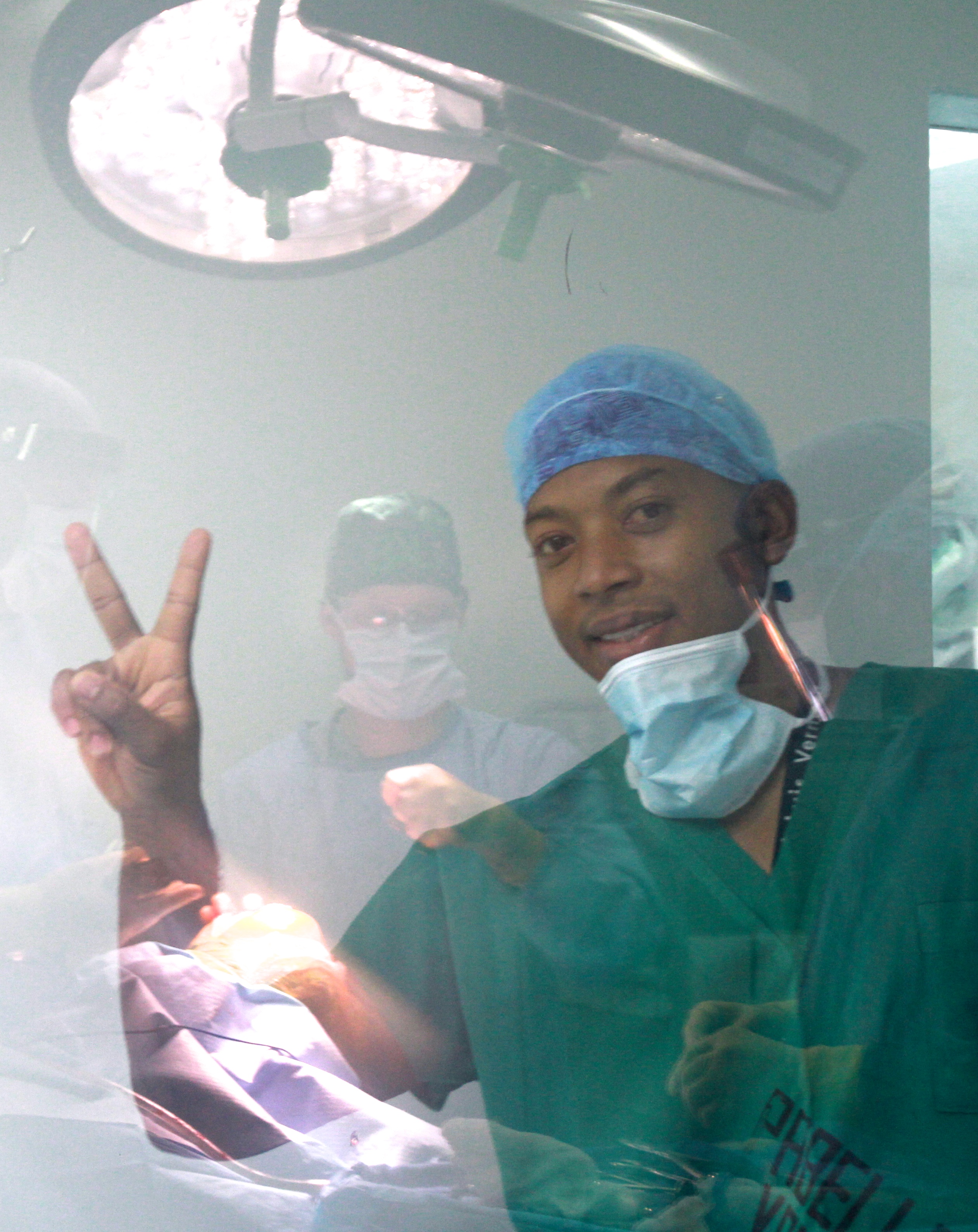
Kala, Junior and I.

Image

Image

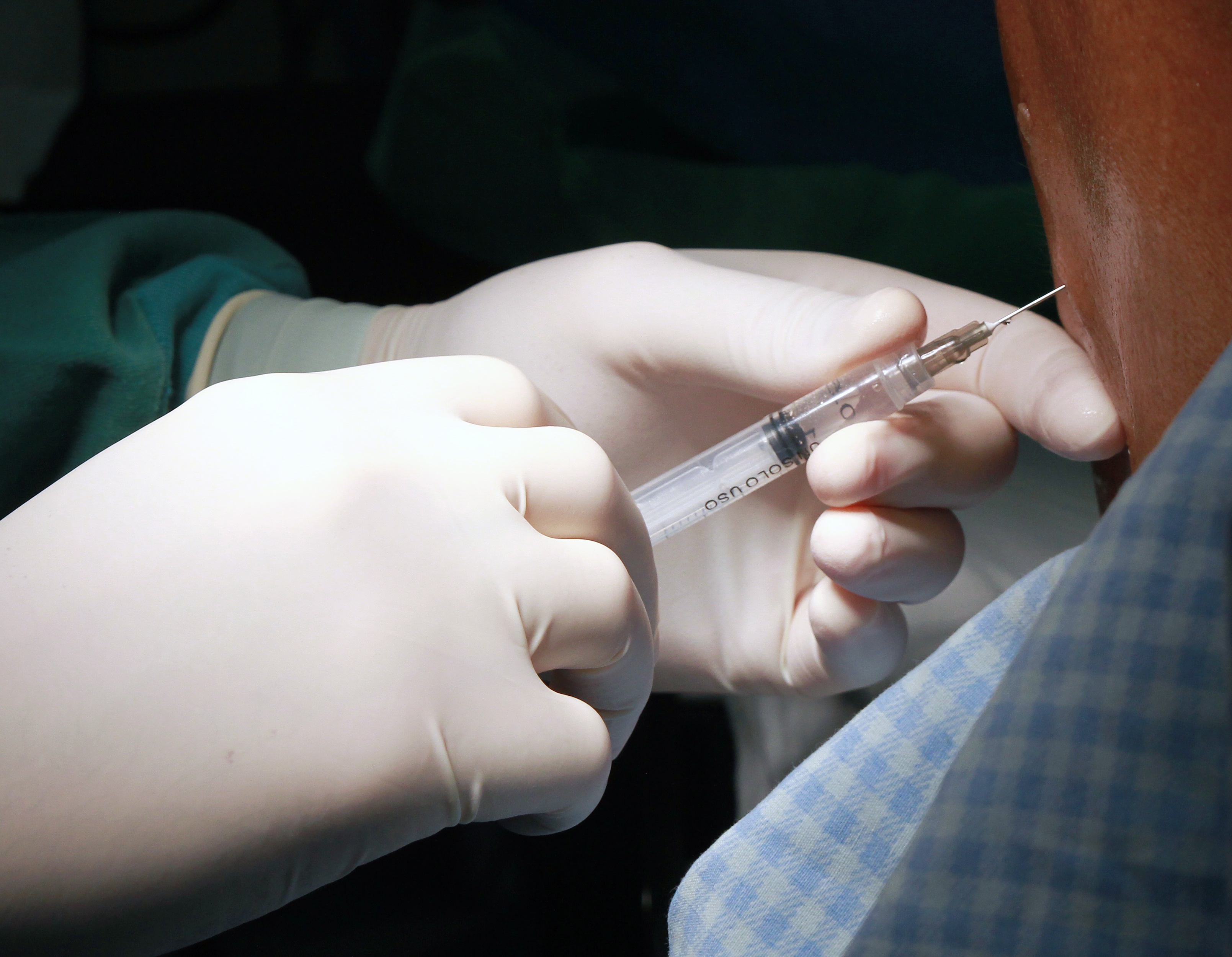
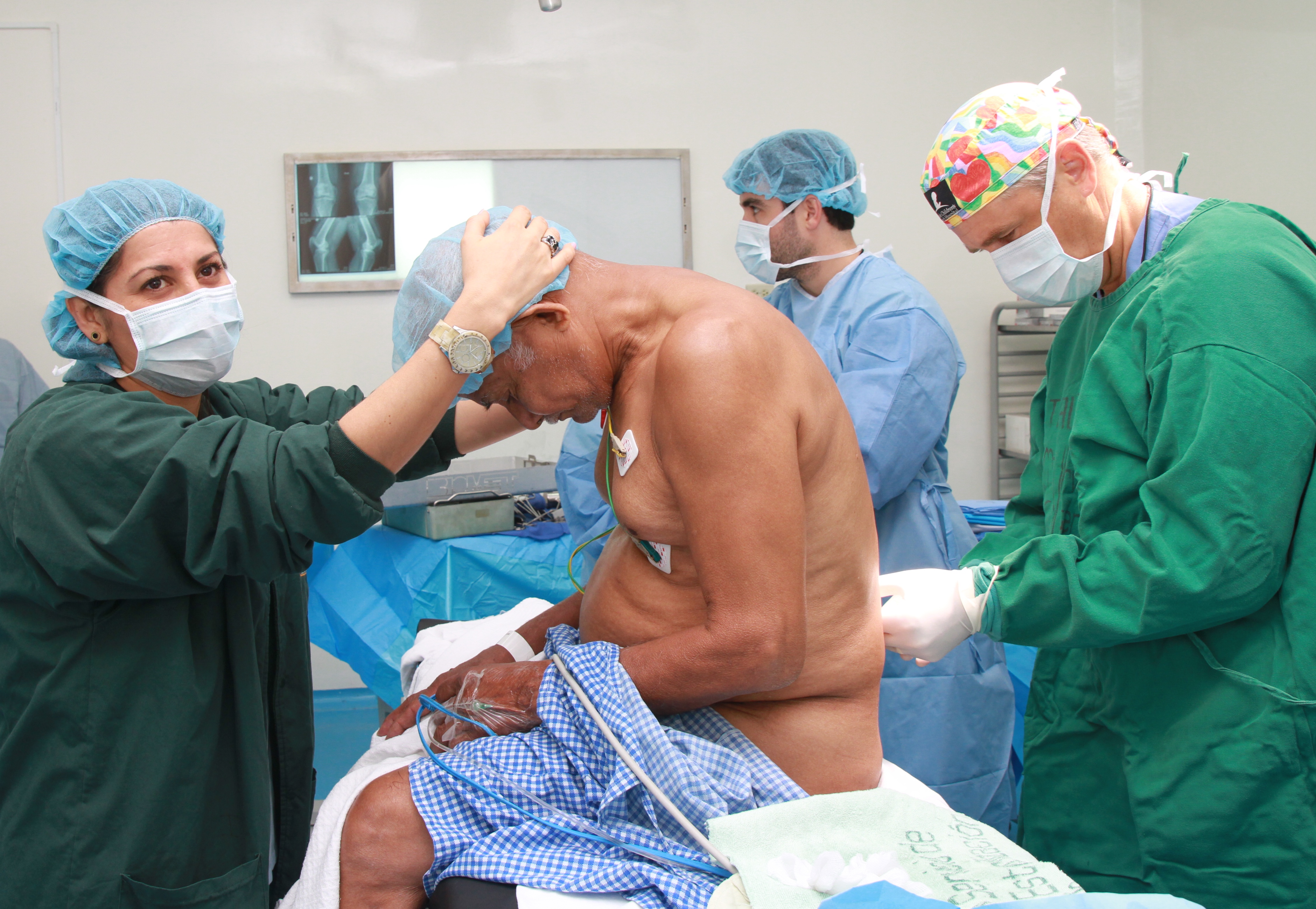
Below, our anesthesiologist, Man Frost, prepares the patient and teaches a local student his technique while Ecuadorian nurses support the patients physically and emotionally. Man Frost put patients under general anesthesia, but the local staff just performed spinal blocks. This meant patients were awake for their surgeries but just couldn’t feel from the waist down. They could hear everything. Personally I wouldn’t want to hear people drilling and sawing my knee.
Image

Image

Image

Image

Image

Now the patient is ready for surgery.

Image

I wasn’t on the neurosurgery team, but I did get to observe a few of their surgeries and meet some of the amazing people they operated on. They did far fewer cases than we did, though a few of the ones they performed were much longer surgeries.

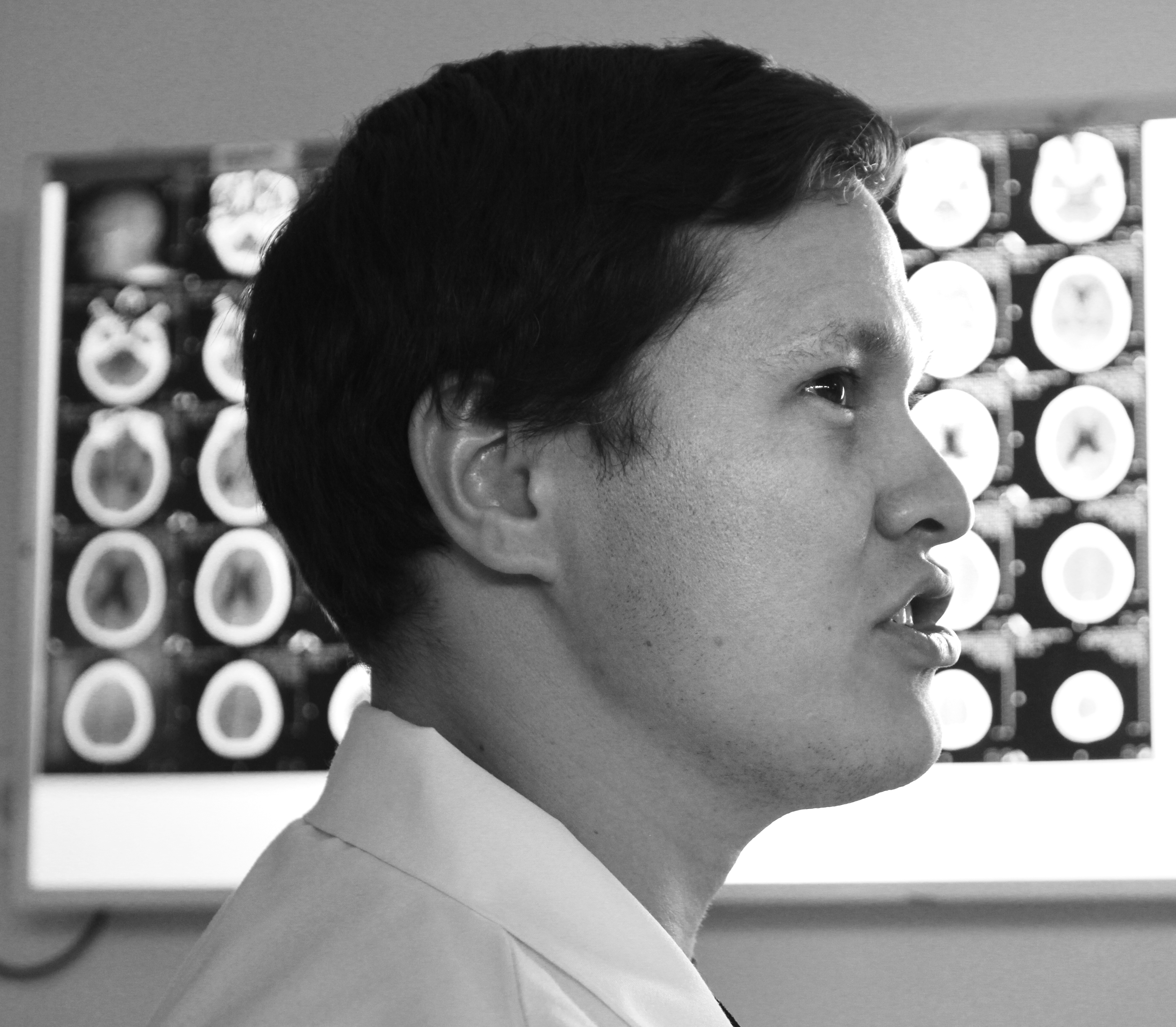
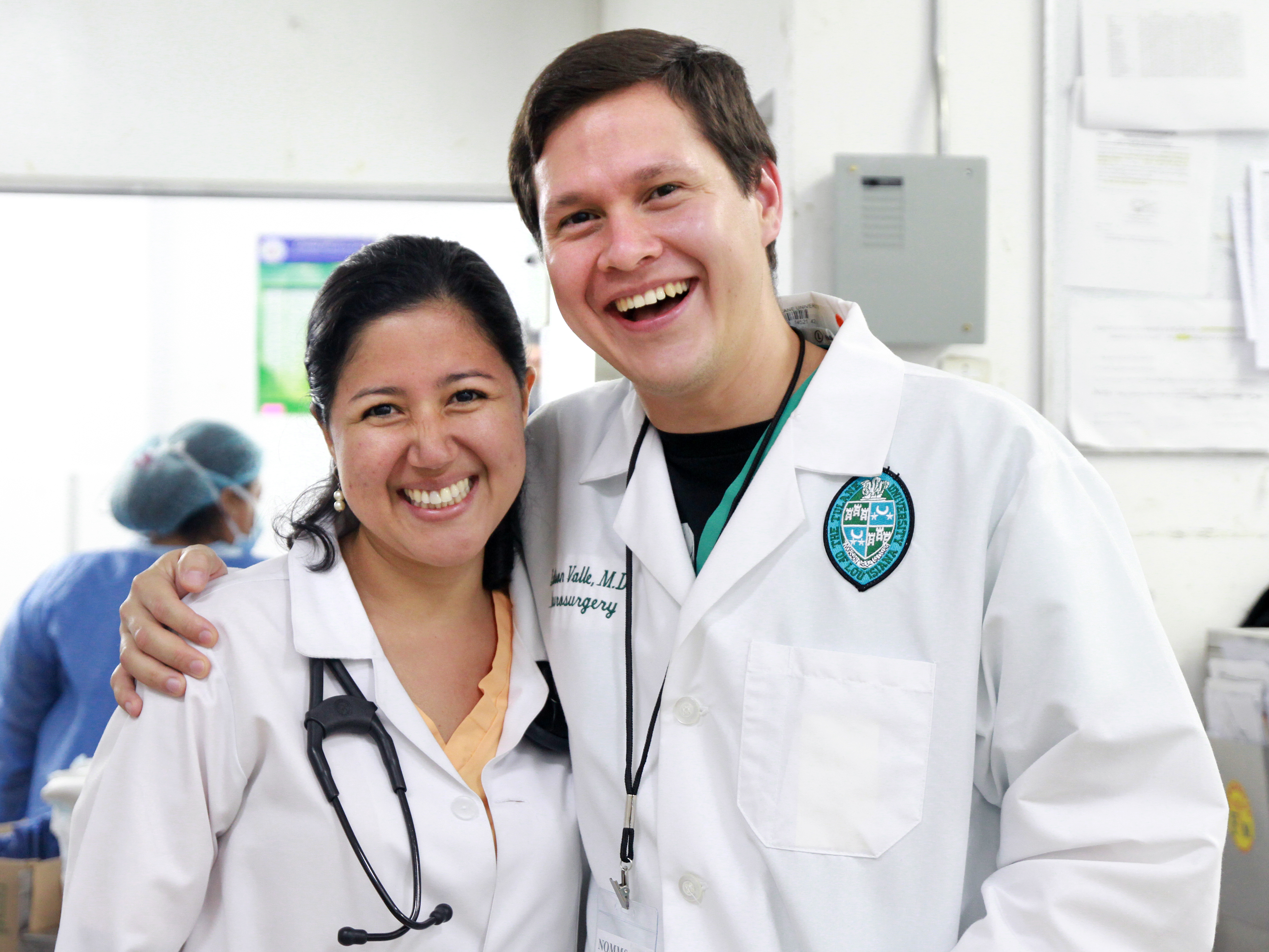
Here Dr. Edison Valle and Dr. Gabriel Vidal review x-rays of a potential neurosurgery candidate with local doctors.
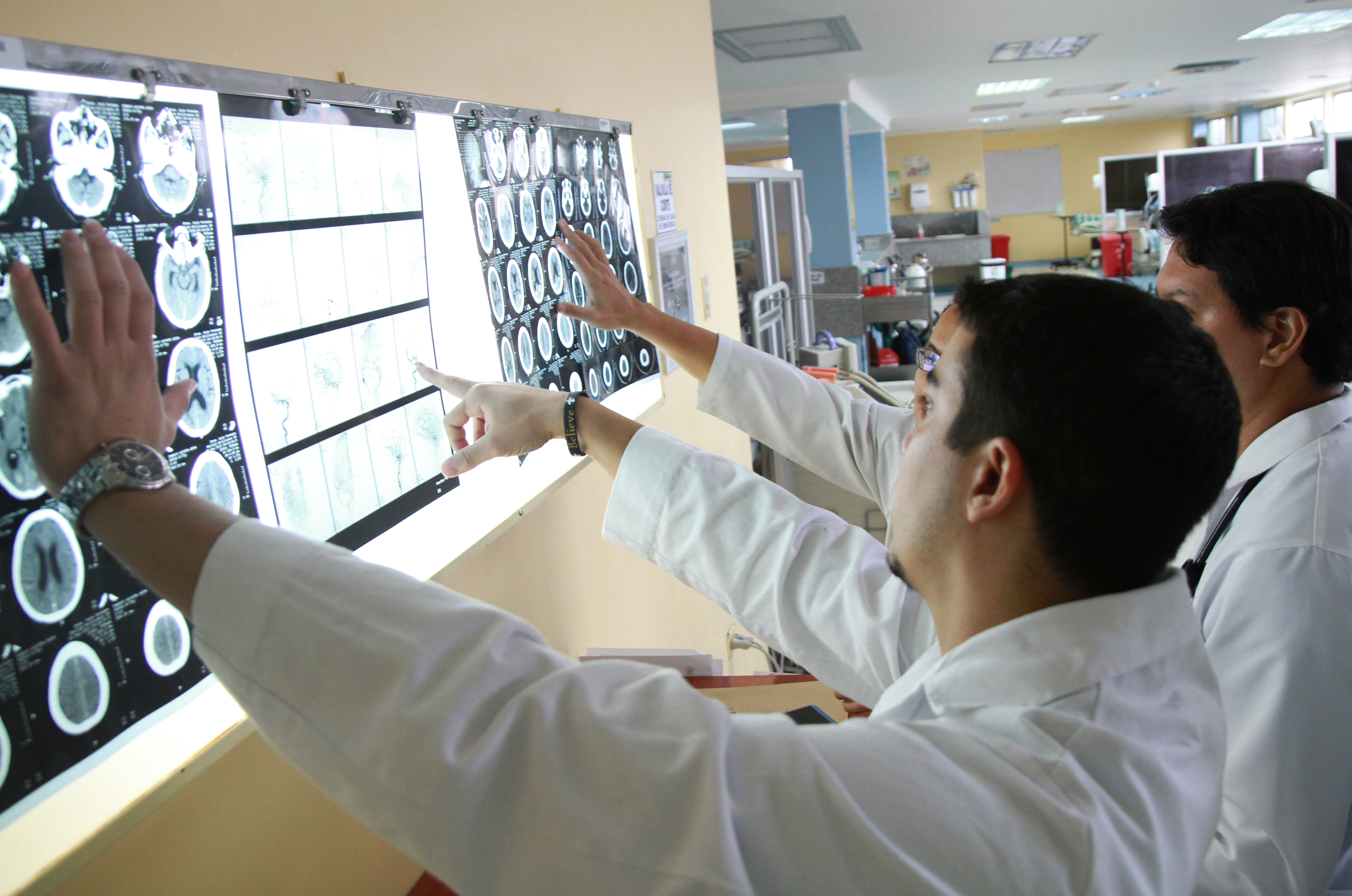
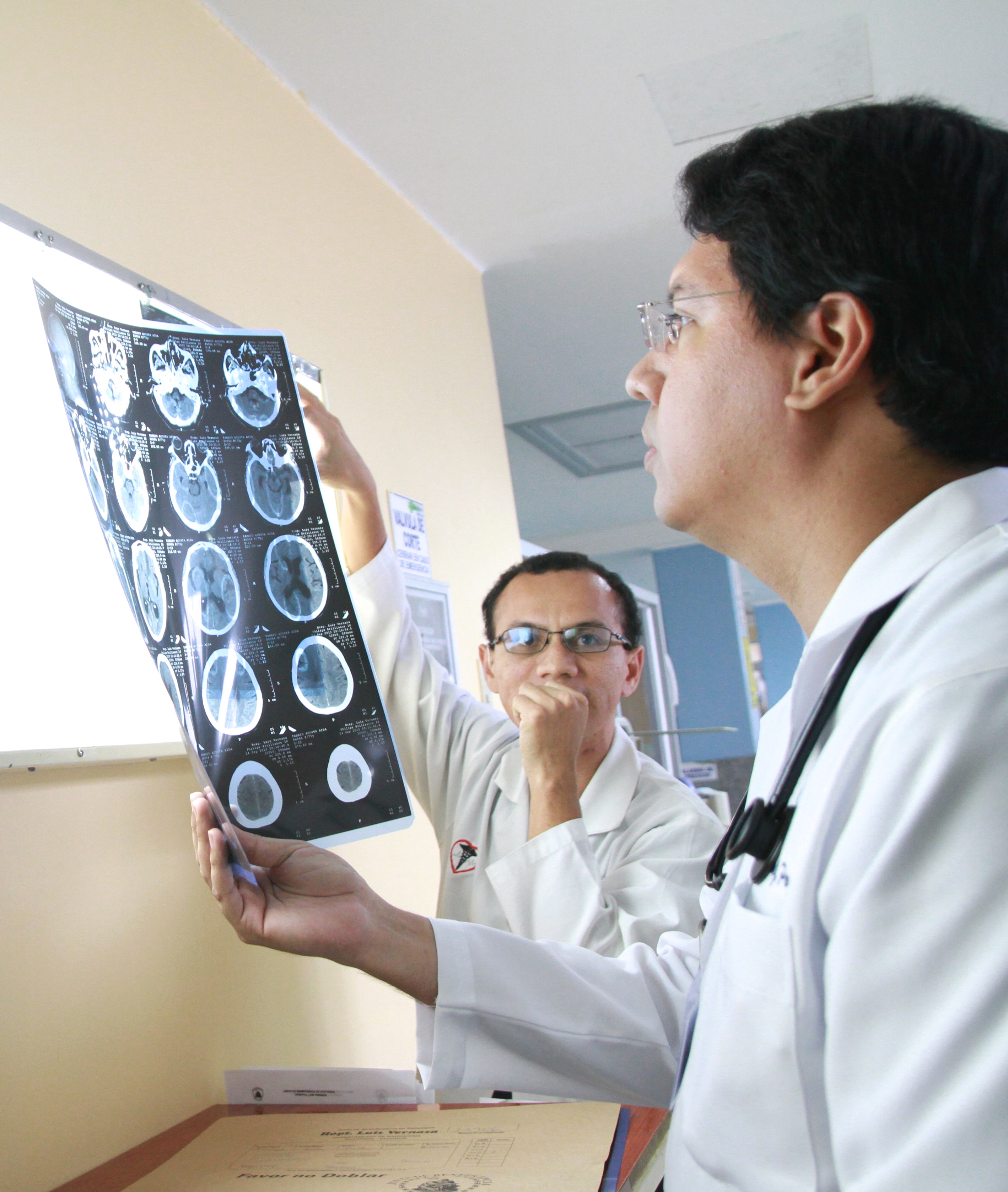
Image

Image

Image

Dr. Edison Valle reviews Manuel’s x-rays the day before his surgery. I was informed he was staying in the private part of the hospital, where patients have semi-private rooms and refrigerators in their rooms. This is because Manuel has insurance. He was very happy every time I encountered him and never had a single complaint.
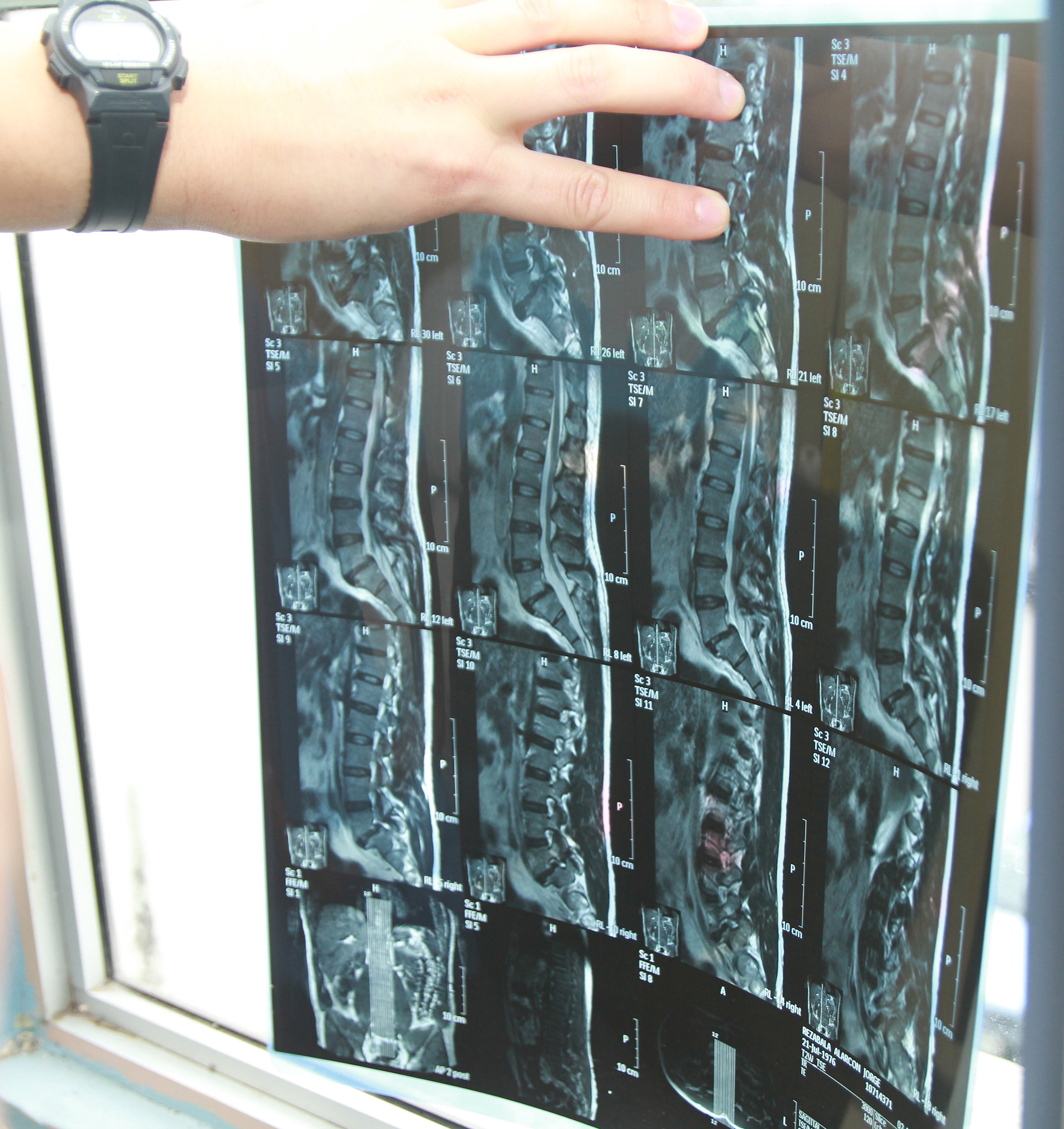
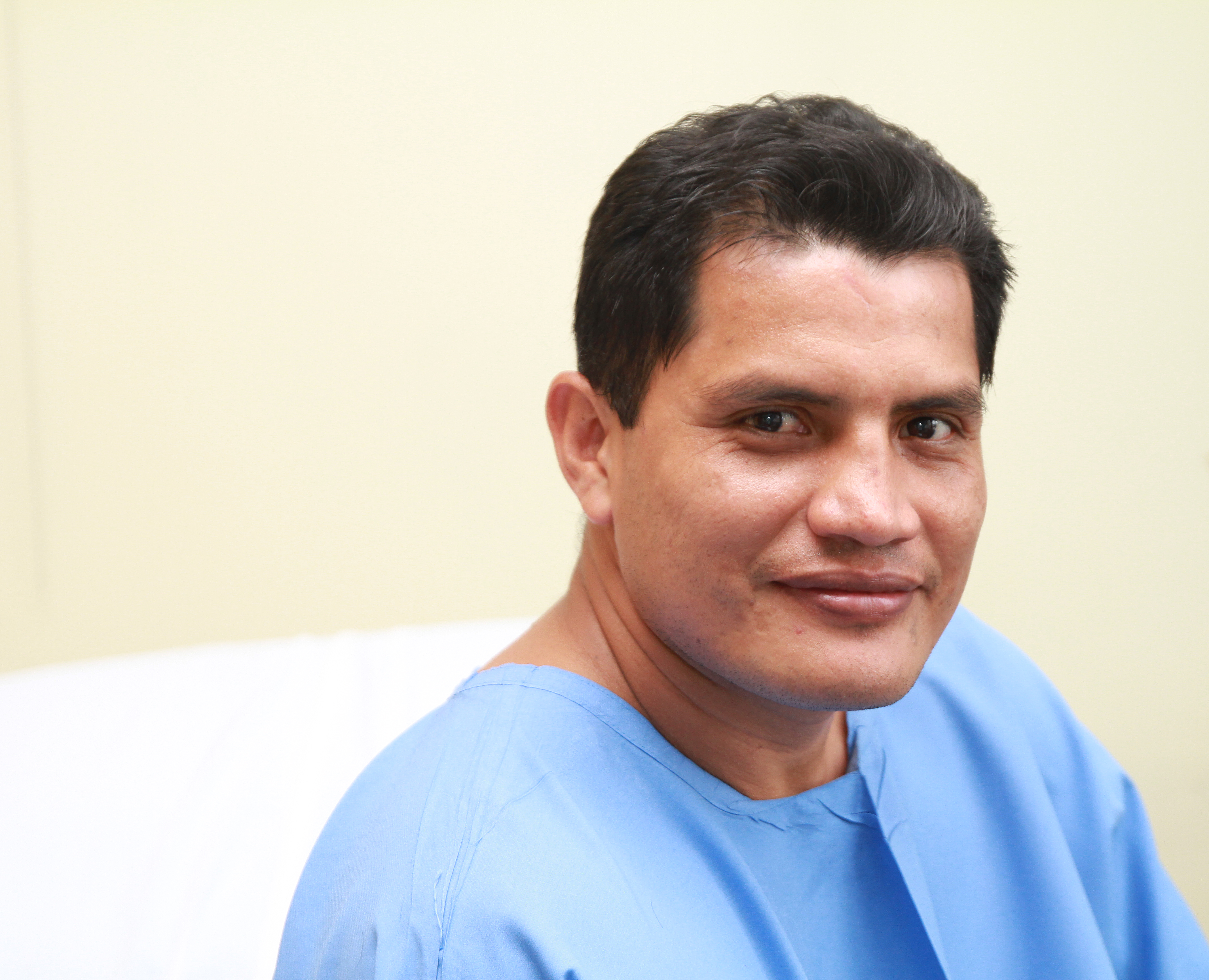
Image

Image

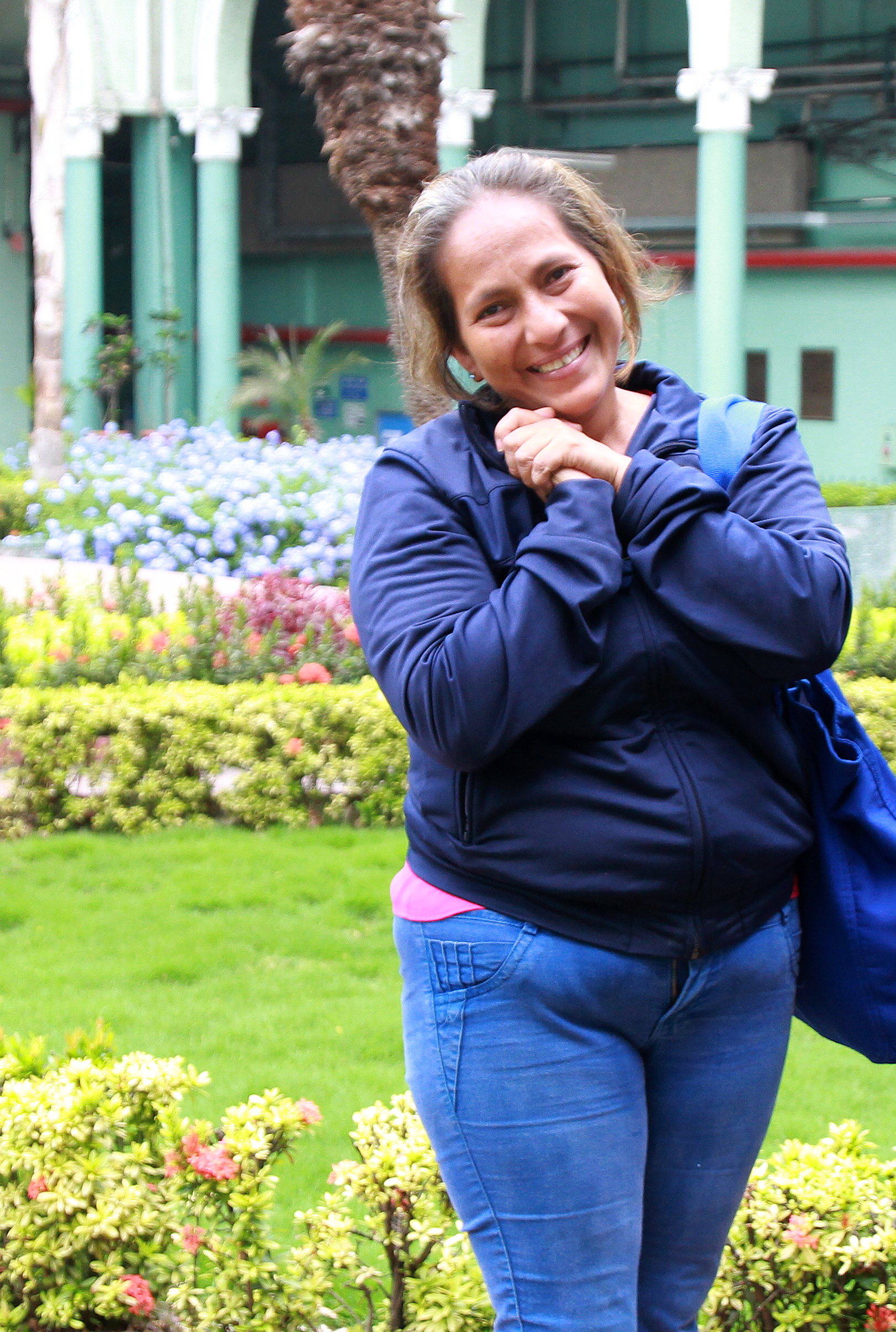
Here is a 27-year-old women with a tumor on her spine. I was drawn to her when we were taking a tour of the hospital. I asked her if I could take her photo and then I later found out she was one of the neurosurgery patients.

Image

Image

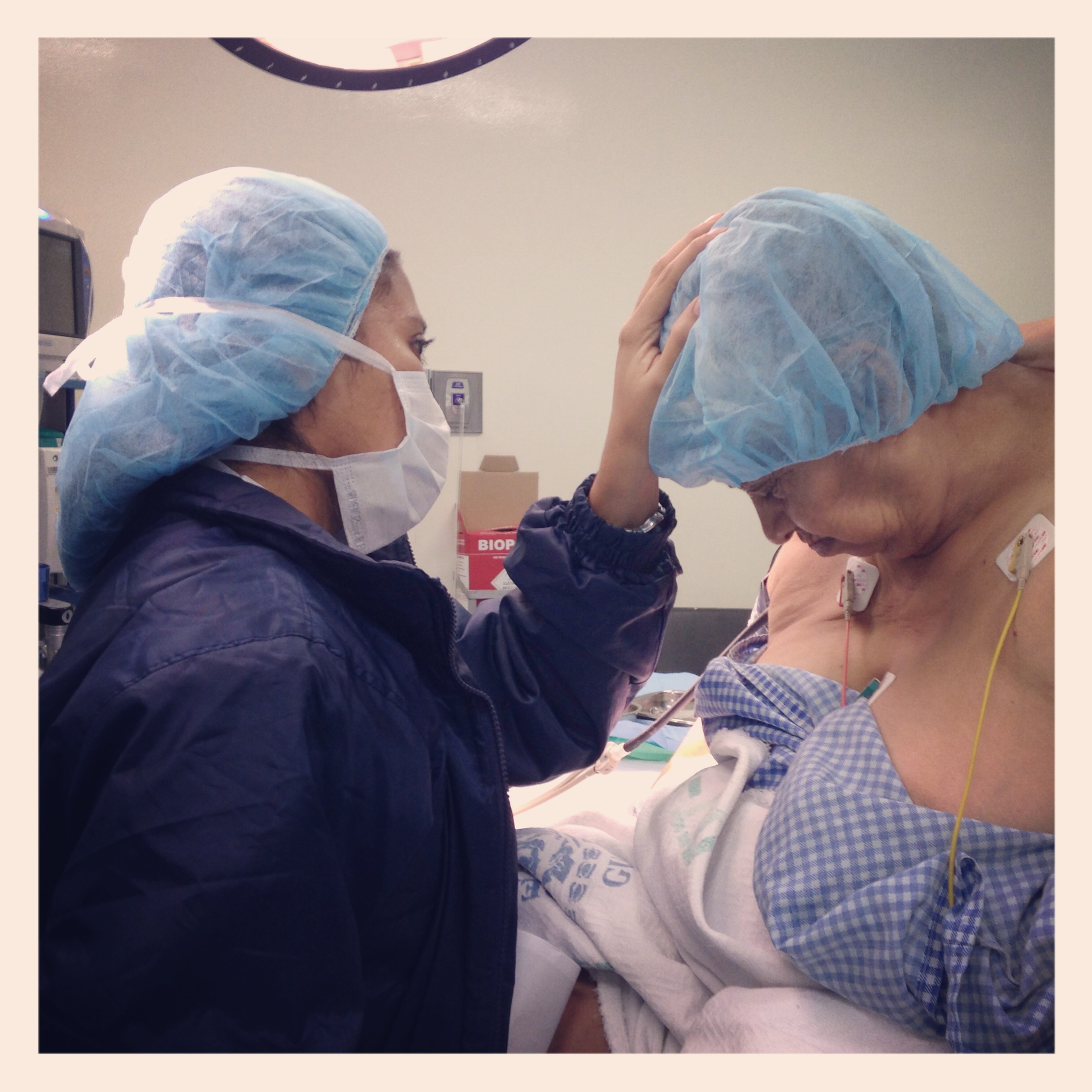
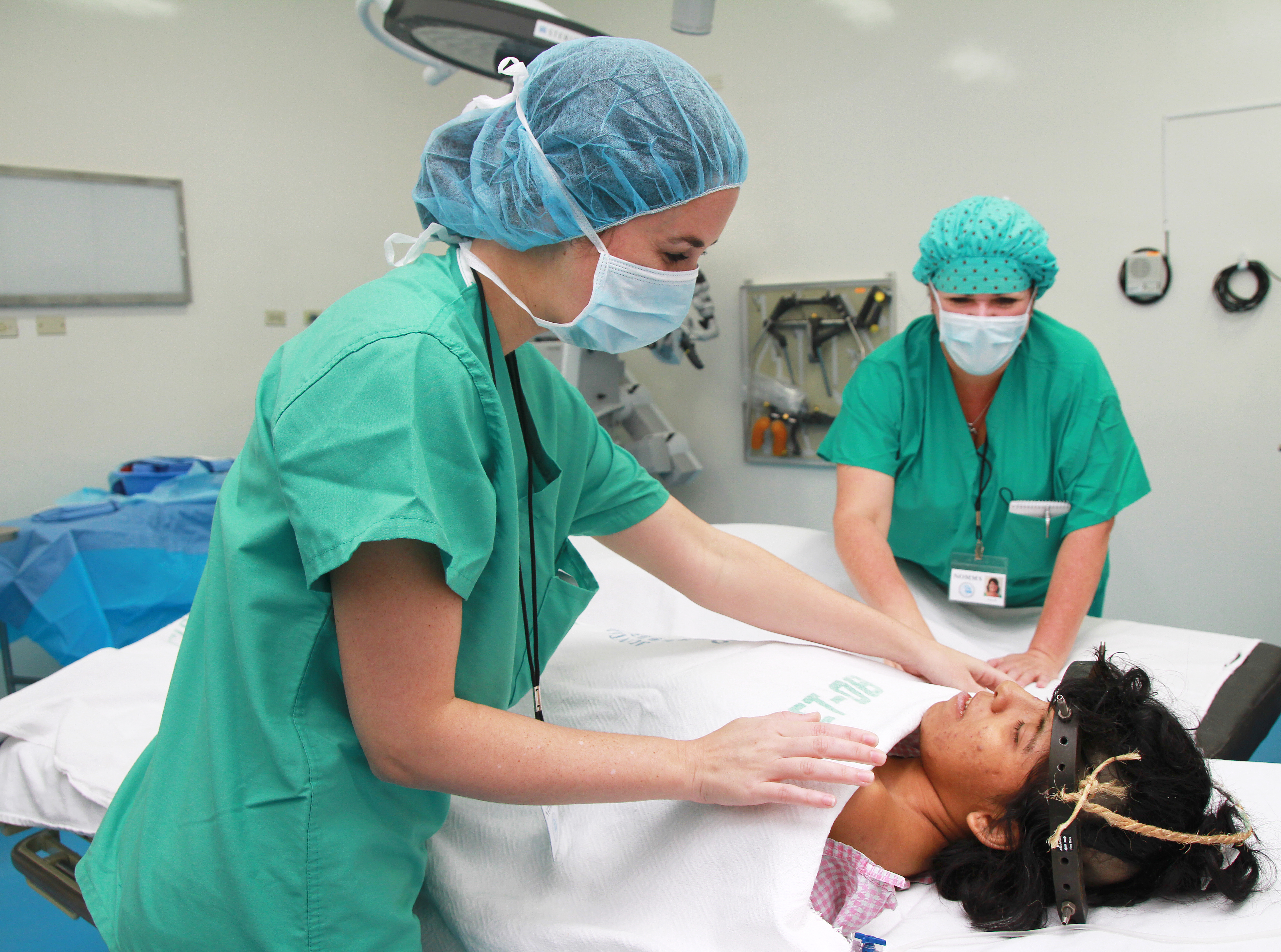
And here Kaitlin is comforting her right before surgery as Lisa helps to pull her over onto the stretcher.
Image

The next post will provide a unique, inside look at surgeries in action. It might be a little more graphic for those who are sensitive to that.
Guayaquil, Ecuador: Hospital Luis Vernaza

It was here and at a nearby women’s hospital that we volunteered our services to the peoples of Guayaquil. Our group was tasked with providing aid to those who could not afford to receive it otherwise. Our orthopedic surgery and neurosurgery teams were based here at Luis Vernaza and our OBGYN surgical team and a dentist volunteered at the other facility. For those who may be unused to seeing photos from inside hospitals, recognize Ecuador does not share the same privacy laws as the US. Nothing like HIPPA exists there. Instead, we asked patients if they minded being photographed when appropriate and, in return, patients and their family members often gleefully took photos of and with us.

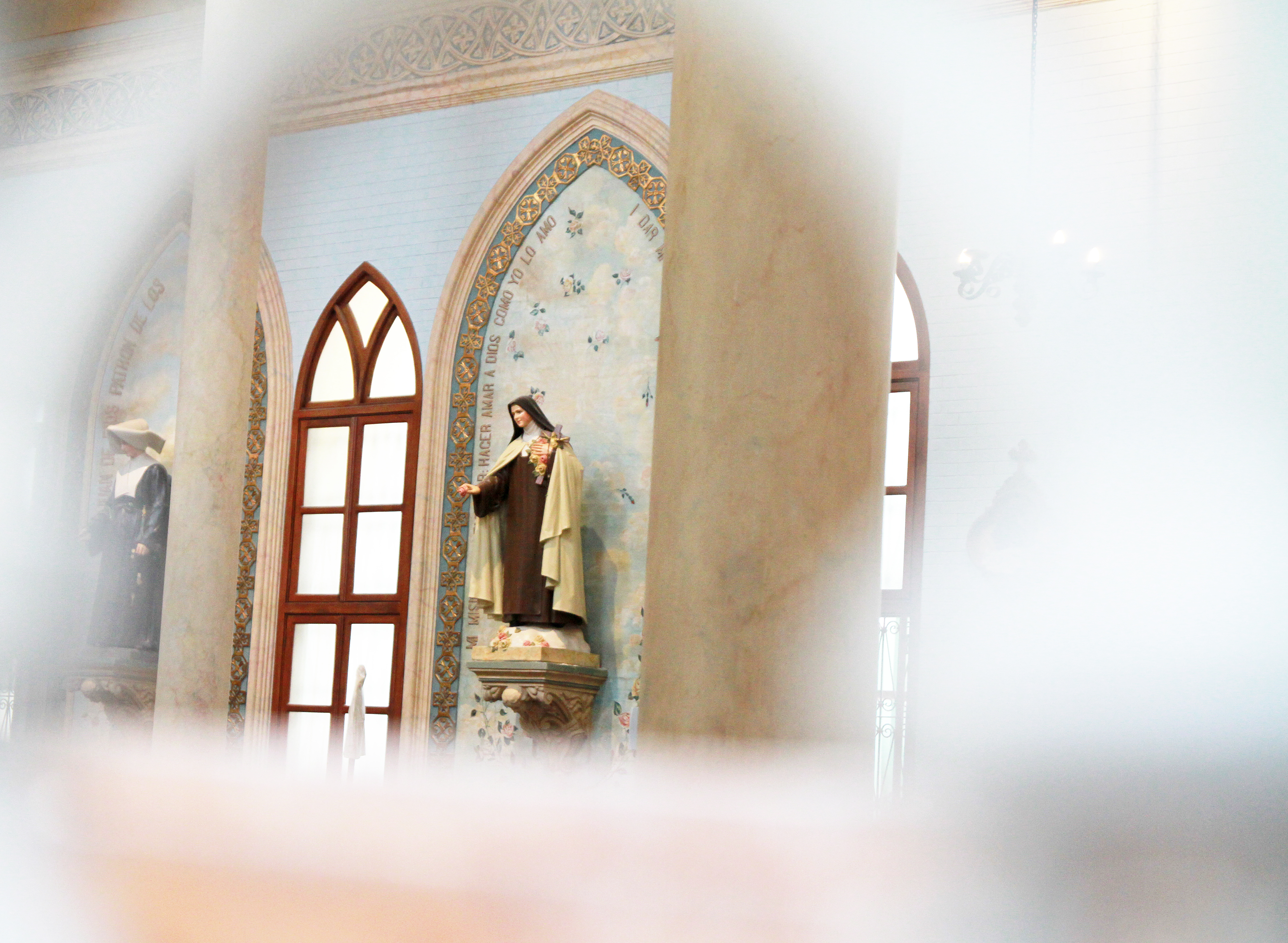
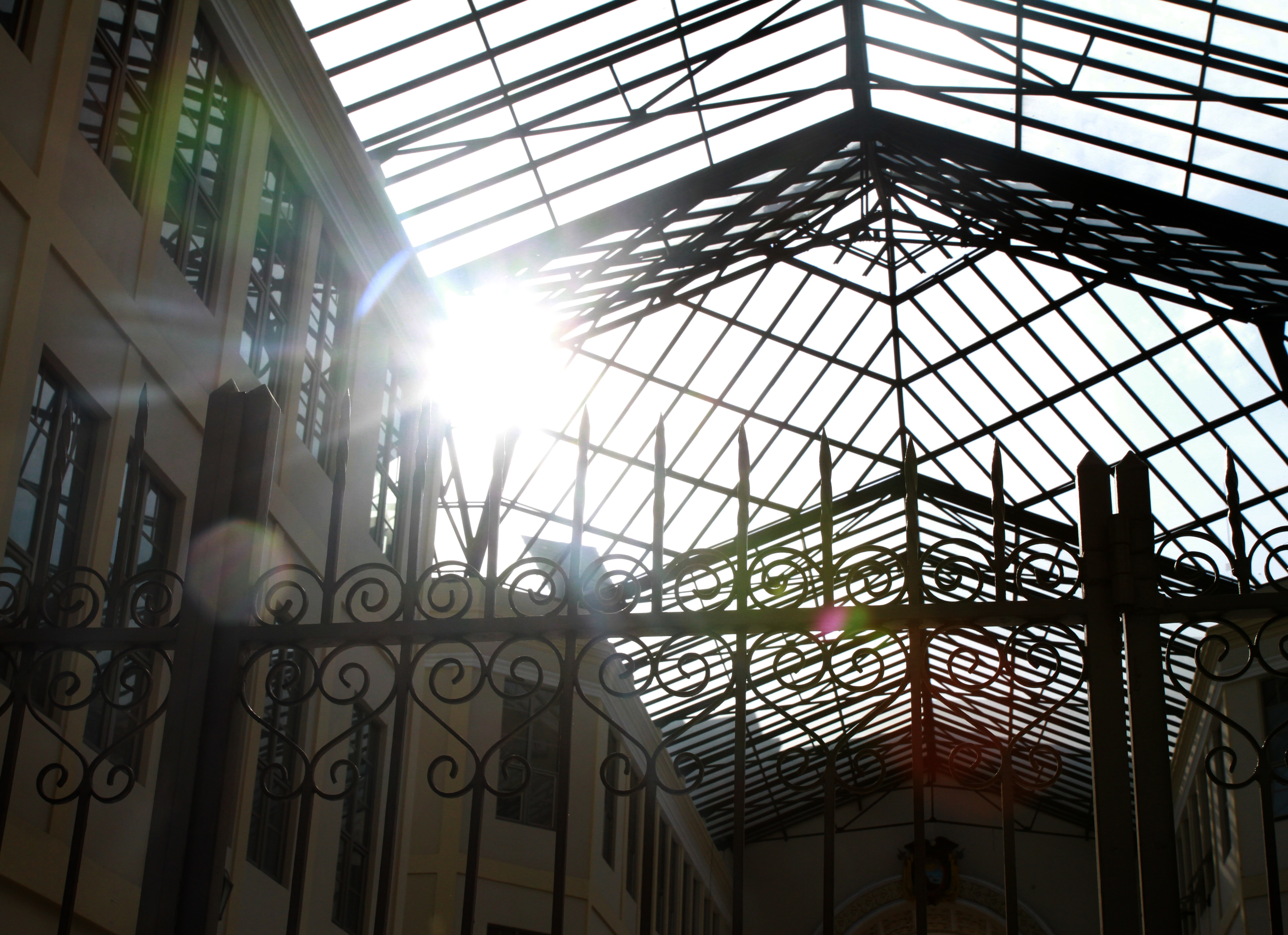
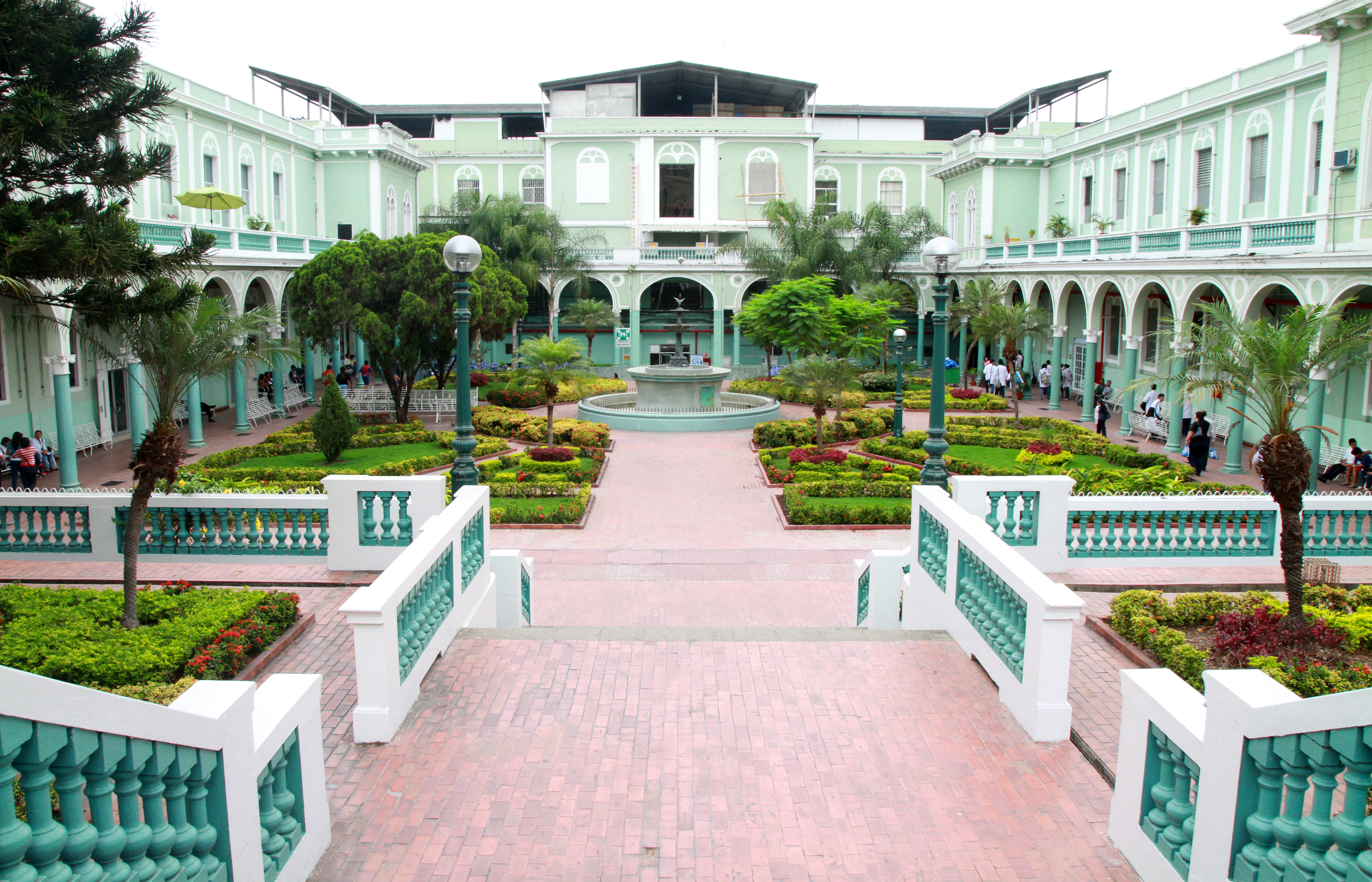
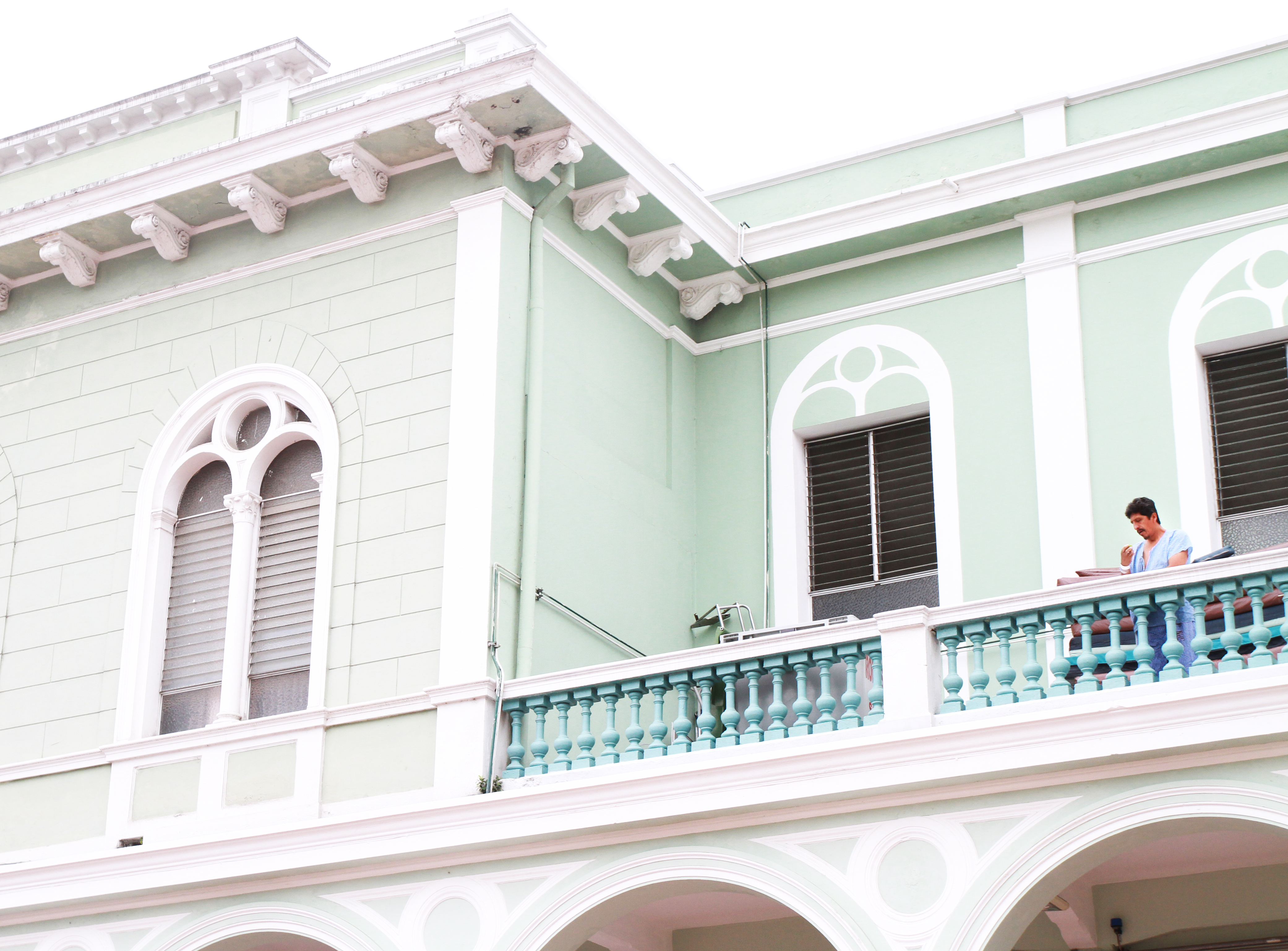
Below is a photo of the hospital’s courtyard. The grounds are beautiful, but I have a feeling the money that goes into maintaining the grounds and the stunning church on site could probably be better used elsewhere.

IMG_7132edit

IMG_6712edit

IMG_6706edit

The lack of privacy laws put me in the unique position to take photos, even during surgery. The experience reminded me of my journalism days as it is the closest I have come to working with hard news in a long time. My medical expertise also gave me an insider’s perspective. It was nice to be somewhat of an expert in the subjects I was covering for once.

This is a typical ambulance serving this community.

IMG_7204edit

I was particularly interested to see the ER. One of the volunteers, a neurosurgery resident, was from Ecuador and he had studied at our hospital. We were lucky to have him with us as he knew the place and could connect with the local staff and community.

IMG_7142edit

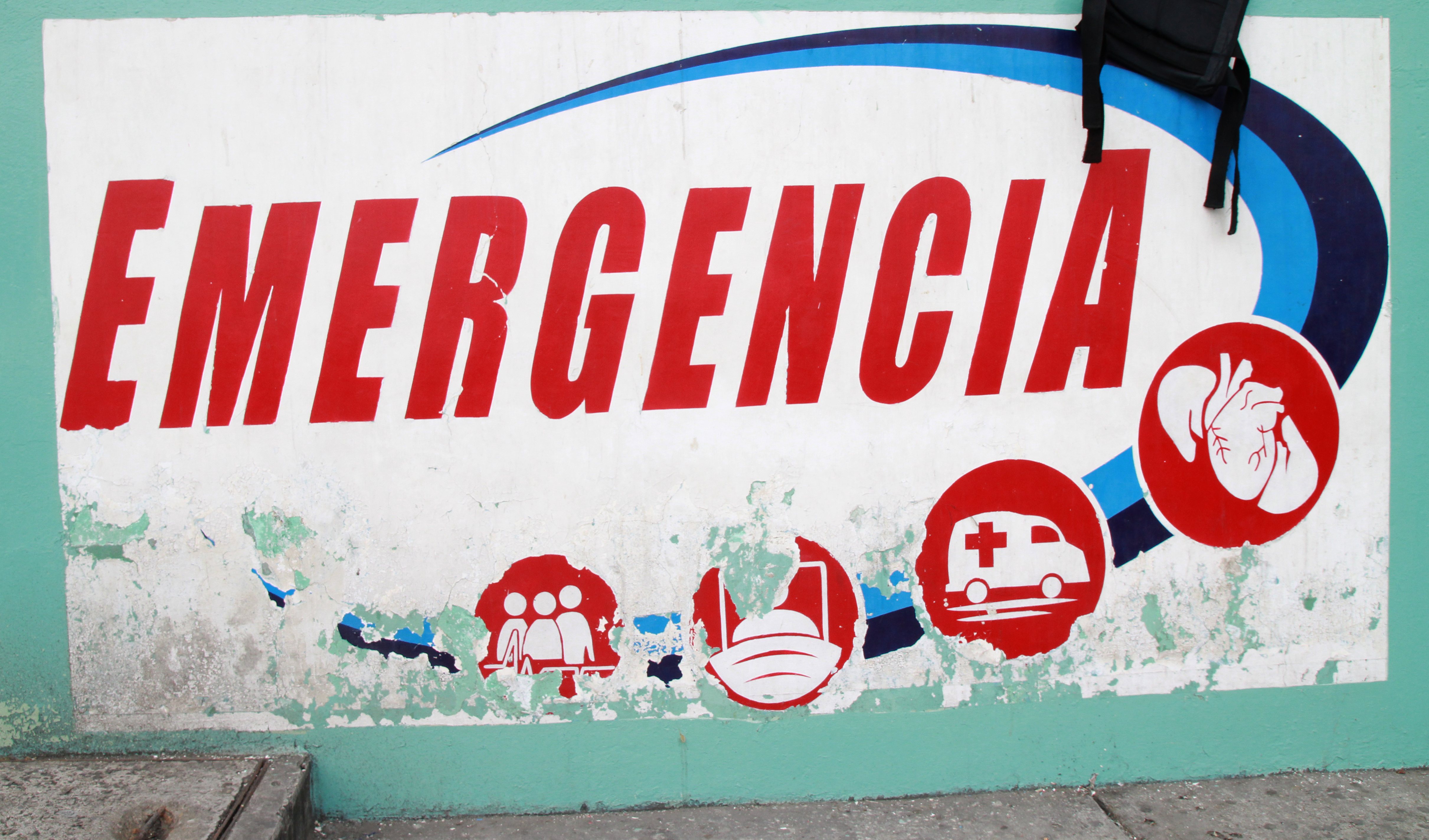
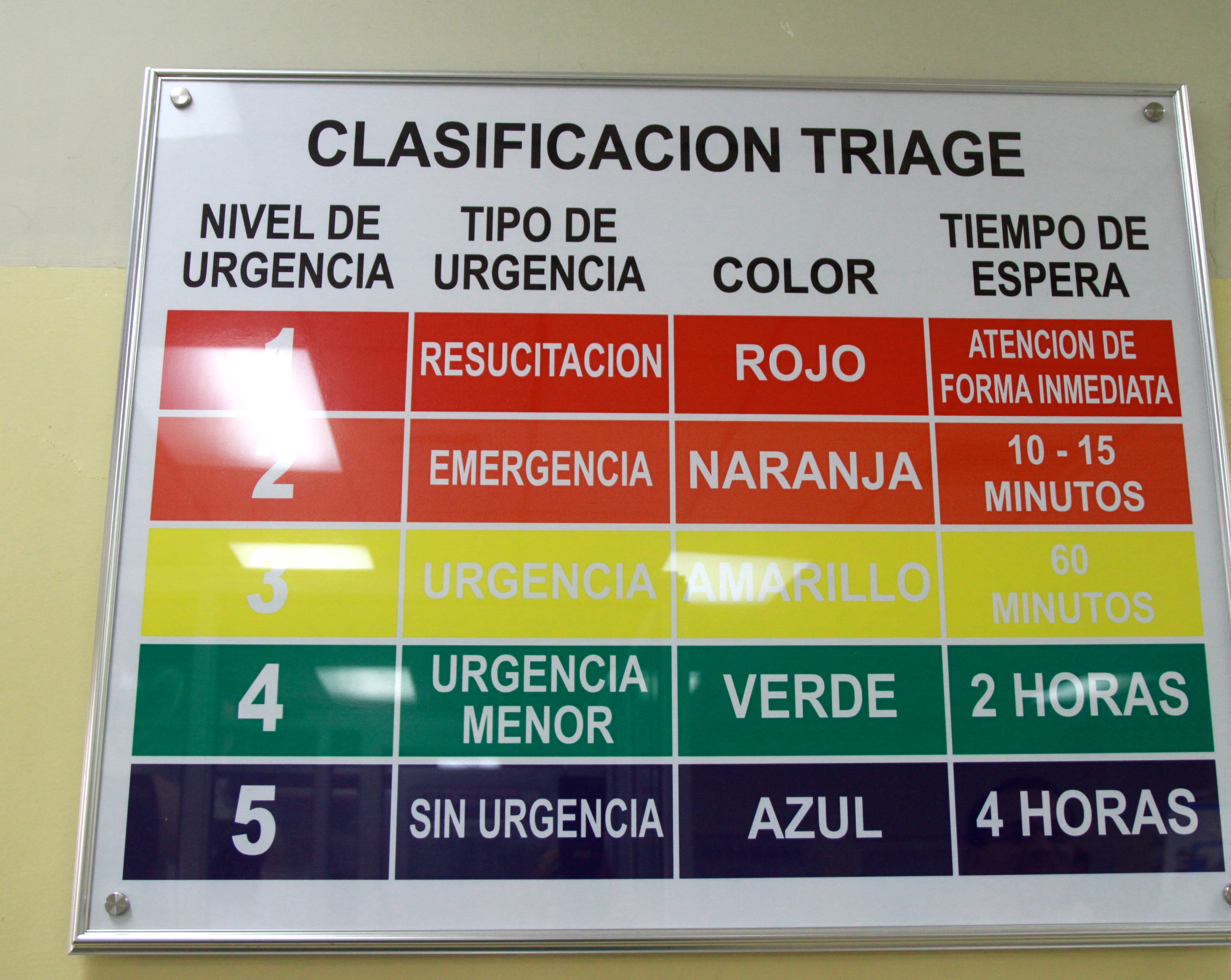
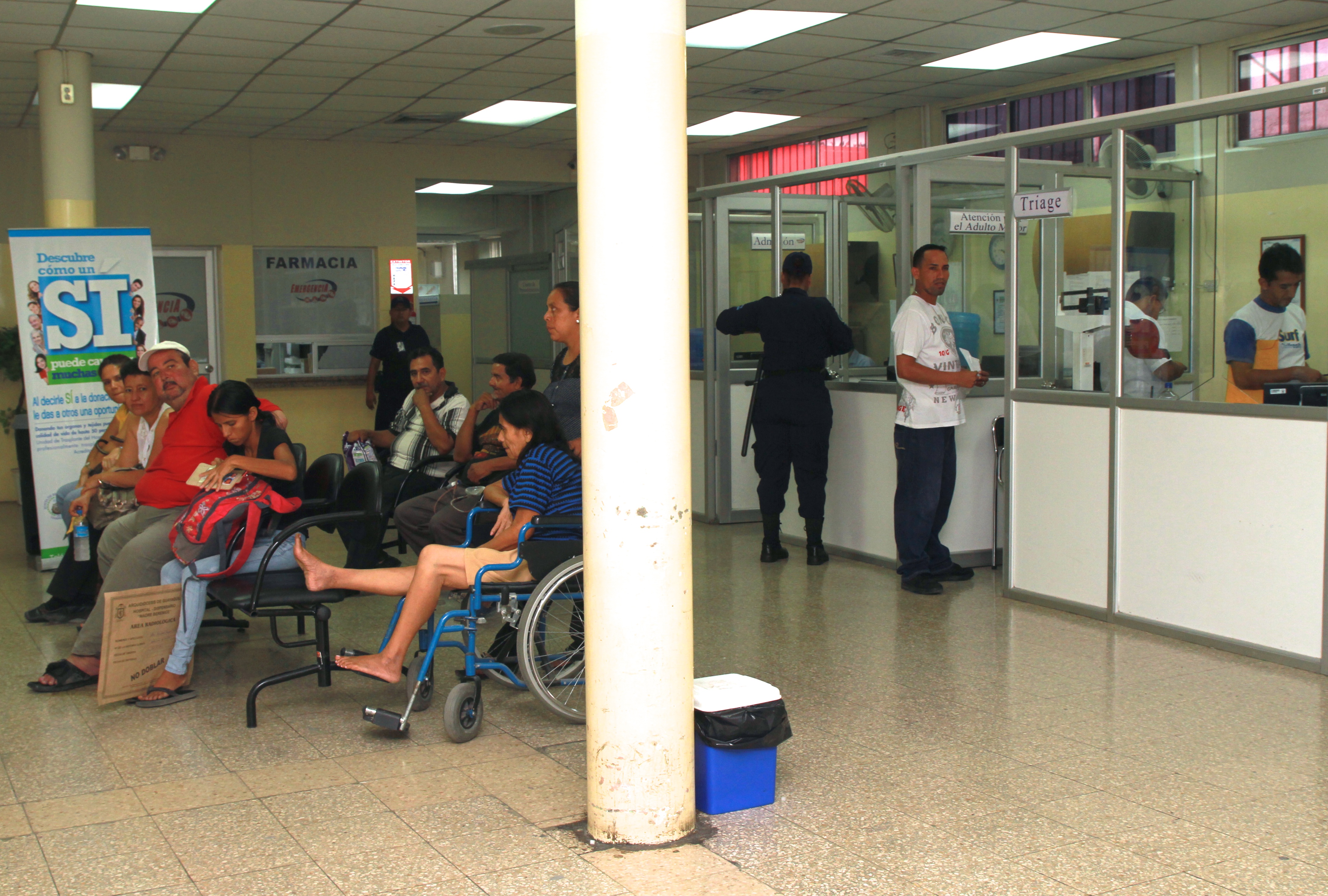
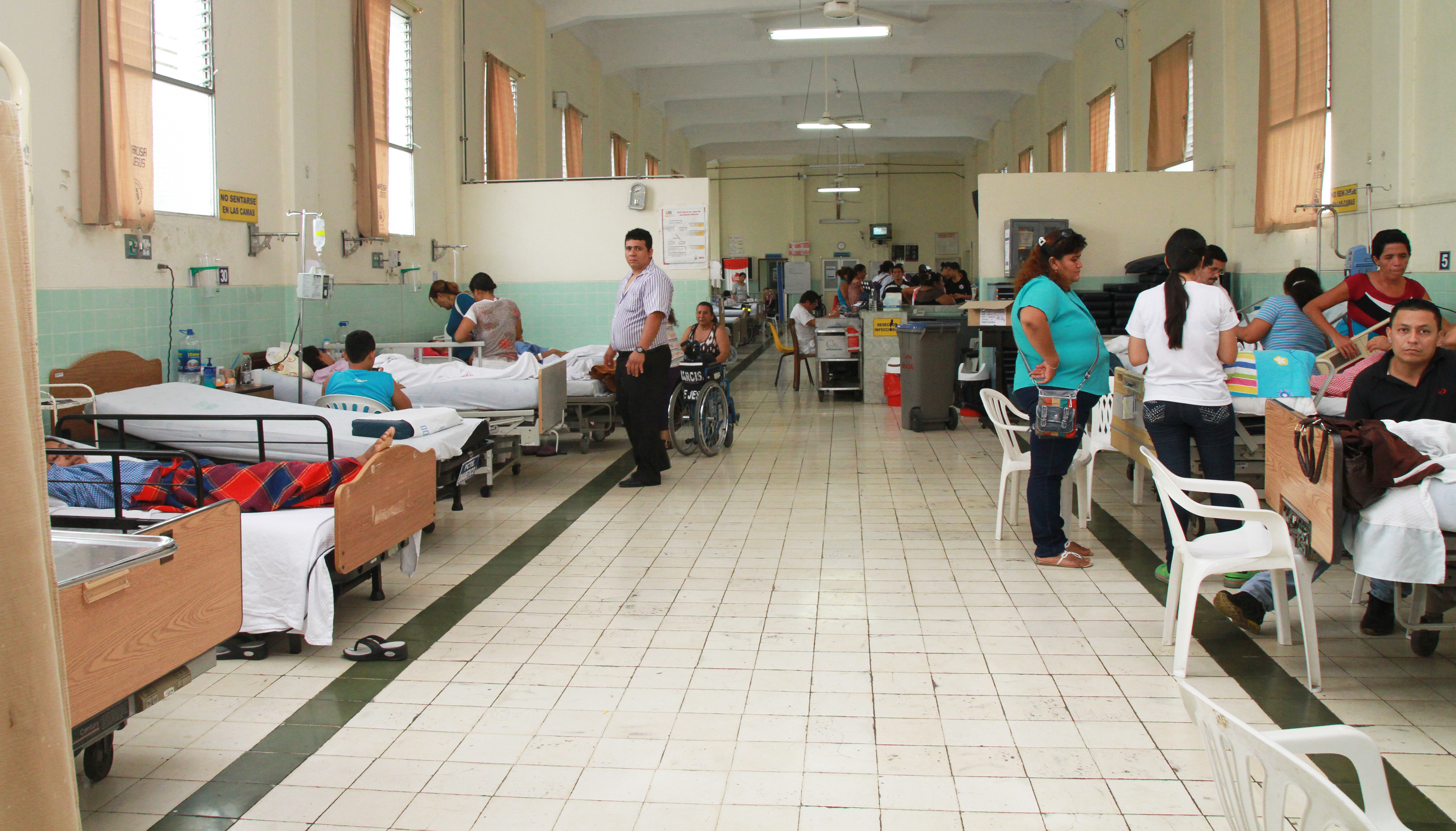
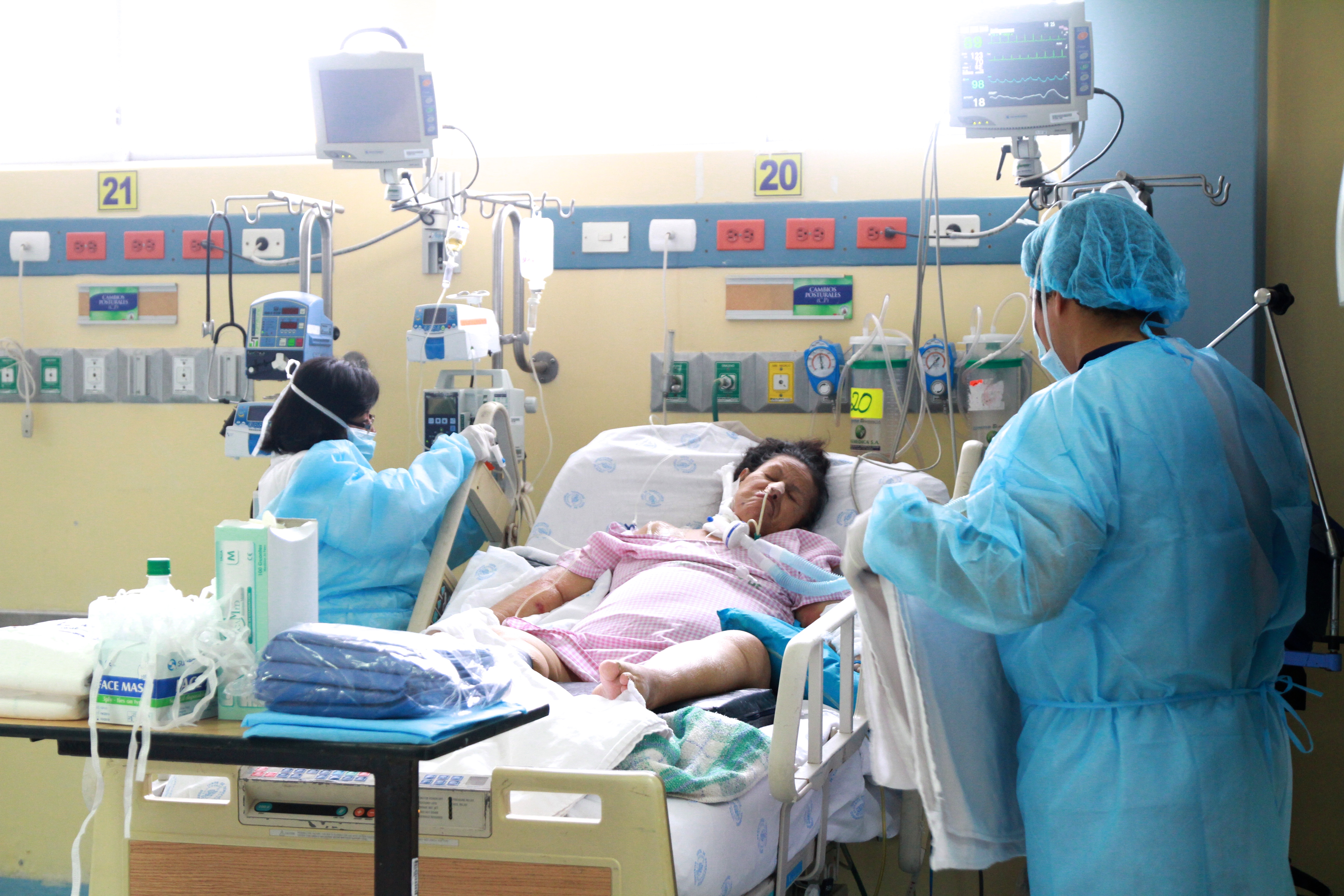
He was kind enough to show us around the ER and ICU. Other than some notable differences, like using a communal patient room, from what I could tell it was run similarly to our home system. There was a triage area where patients were tagged based on their acuity and how serious their problem was determined how long they waited.

IMG_7154edit

guayaquil2

guayaquil1

IMG_7125edit

Mostly people were curious as to what we were doing there but thankful for our help, and as such they were happy to pose for a photo.

IMG_7119edit

The ICU and recovery areas really demonstrate how resourceful people can be with a lack of funds.

IMG_7141edit

guayaquil

Buck’s Traction is the use of weights to hold tension on broken bones. We use this often on broken hips, for instance. In the US, we use weights.  In Guayaquil, they use water jugs. A gallon of water is 2.5 pounds. Good to know.

IMG_7146edit

Even the patients get pretty creative, like this wheelchair one of our knee surgery patients fashioned from an old lawn chair.

guayaquil (1)

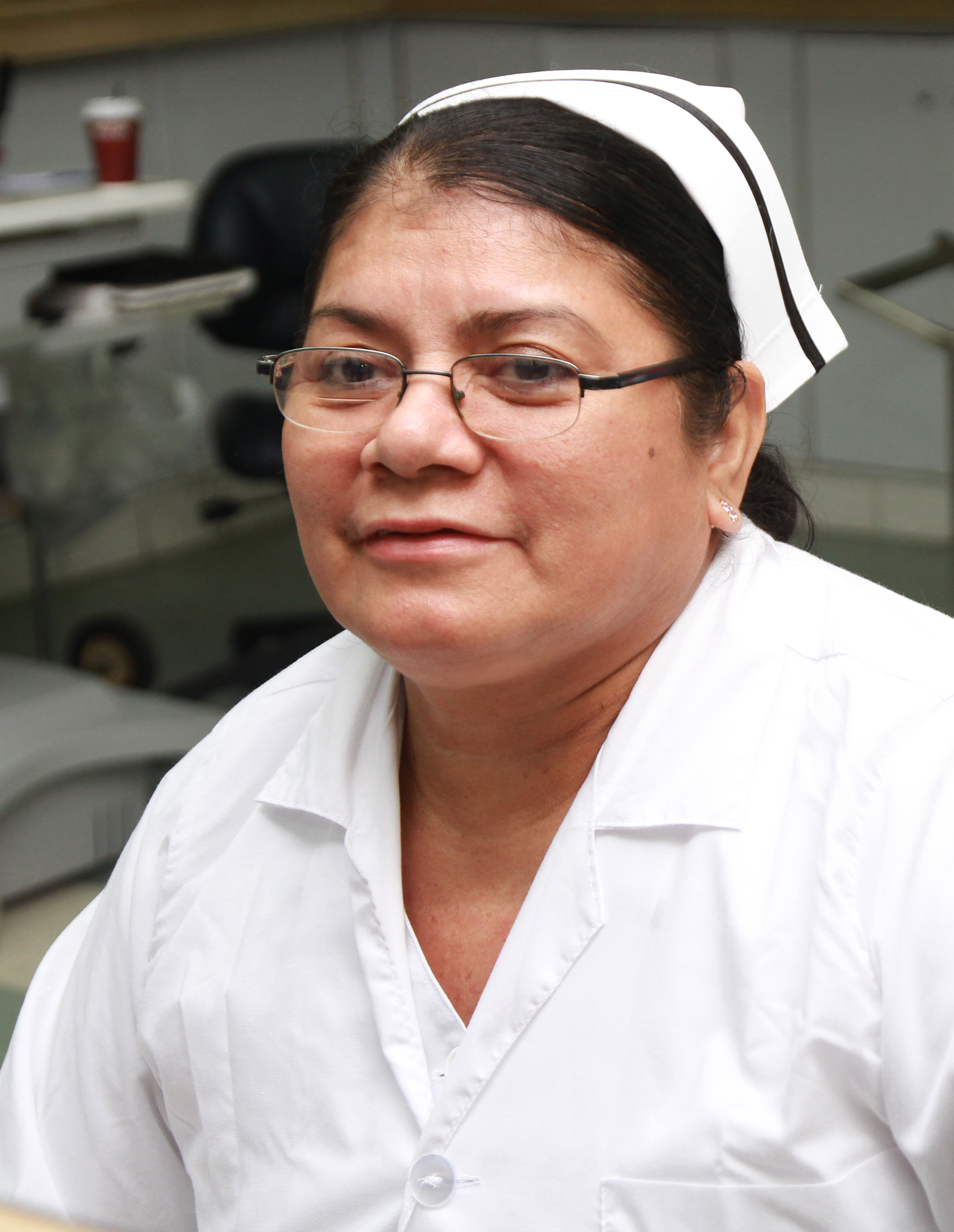
It was nice to see how proud the nurses were of their jobs. Apparently a nurse hat is a badge of honor for female nurses in their community. These women carried their hats to work everyday in protective boxes.

IMG_7197edit

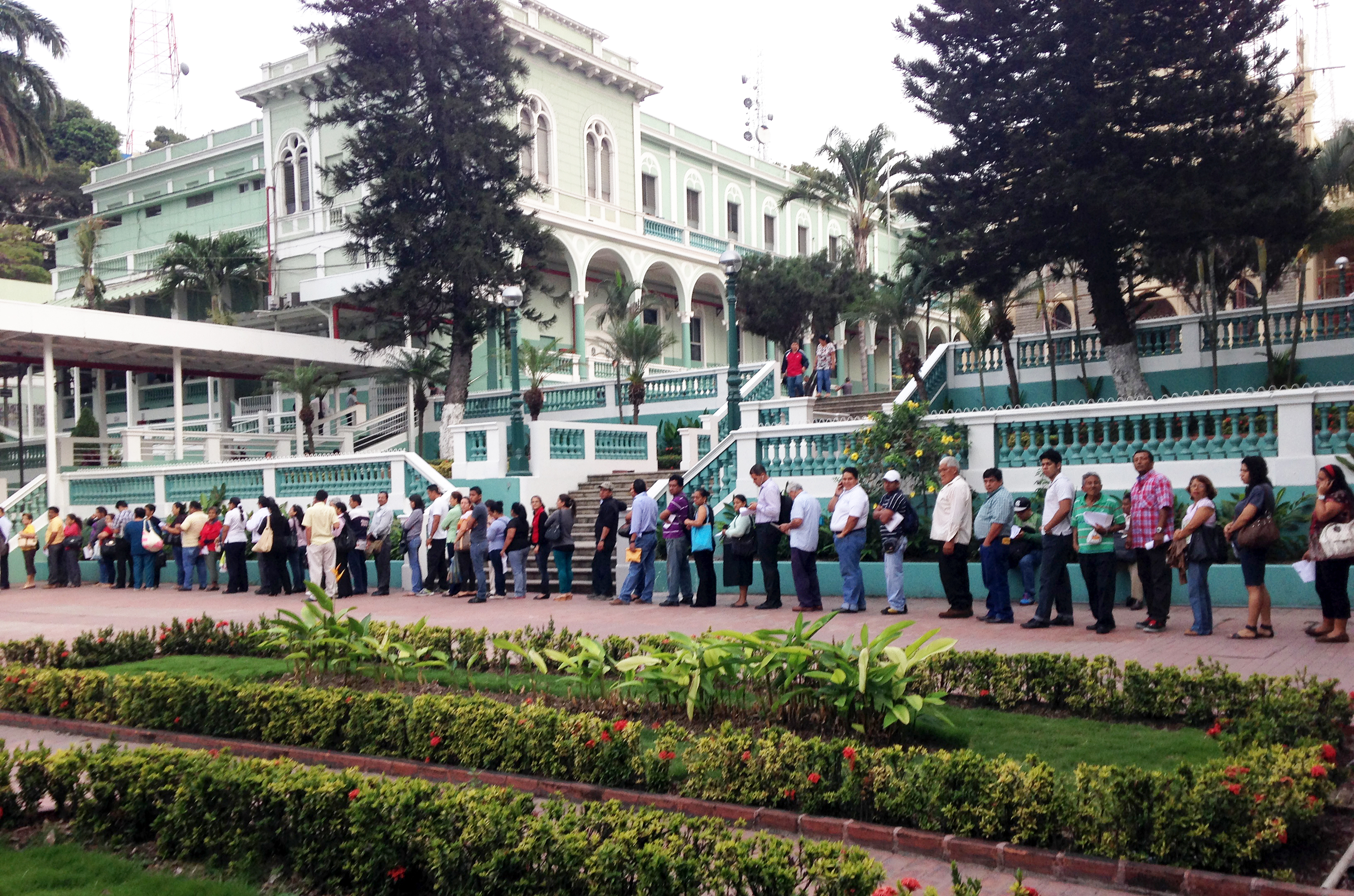
Each day, by the time we arrived at the hospital, a line for the clinic had formed around the courtyard.

IMG_6855edit

We were only in this clinic on our first day at the hospital.  Though maybe more than a hundred candidates queued up, Dr. Estrada, the orthopedic surgeon, only had time to meet with 60 of them, each with x-rays in hand and the hope of qualifying. Of those 60, he selected 31 cases based on age, need, size and lack of comorbidity.  Though we had to turn away so many, everyone seemed to appreciate the mere fact we were there to help whoever we could.

IMG_6702editIMG_6721editIMG_6713editStay tuned for a look at individual stories of some of the patients we helped.

Guayaquil, Ecuador: An Introduction to the Place

Image

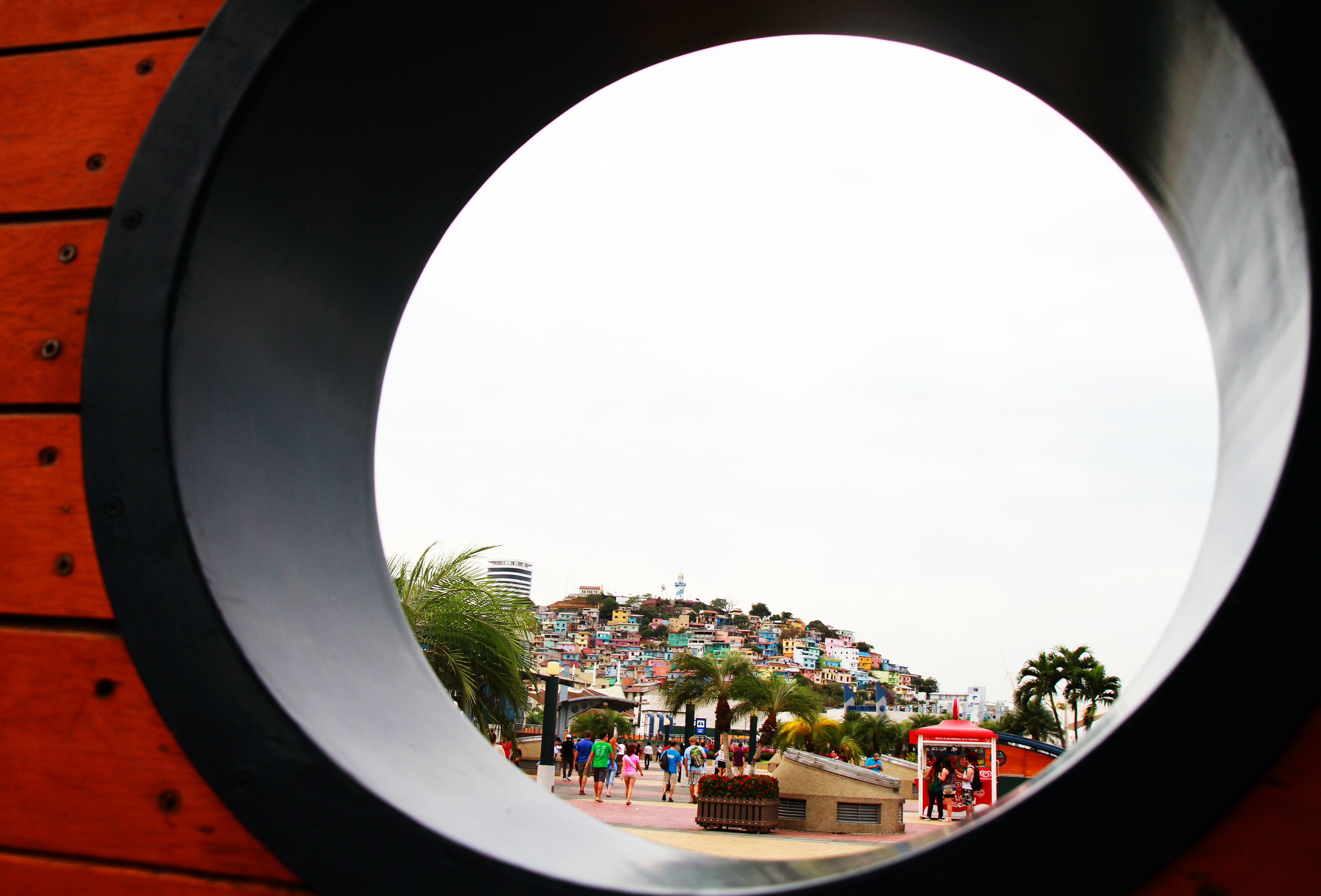
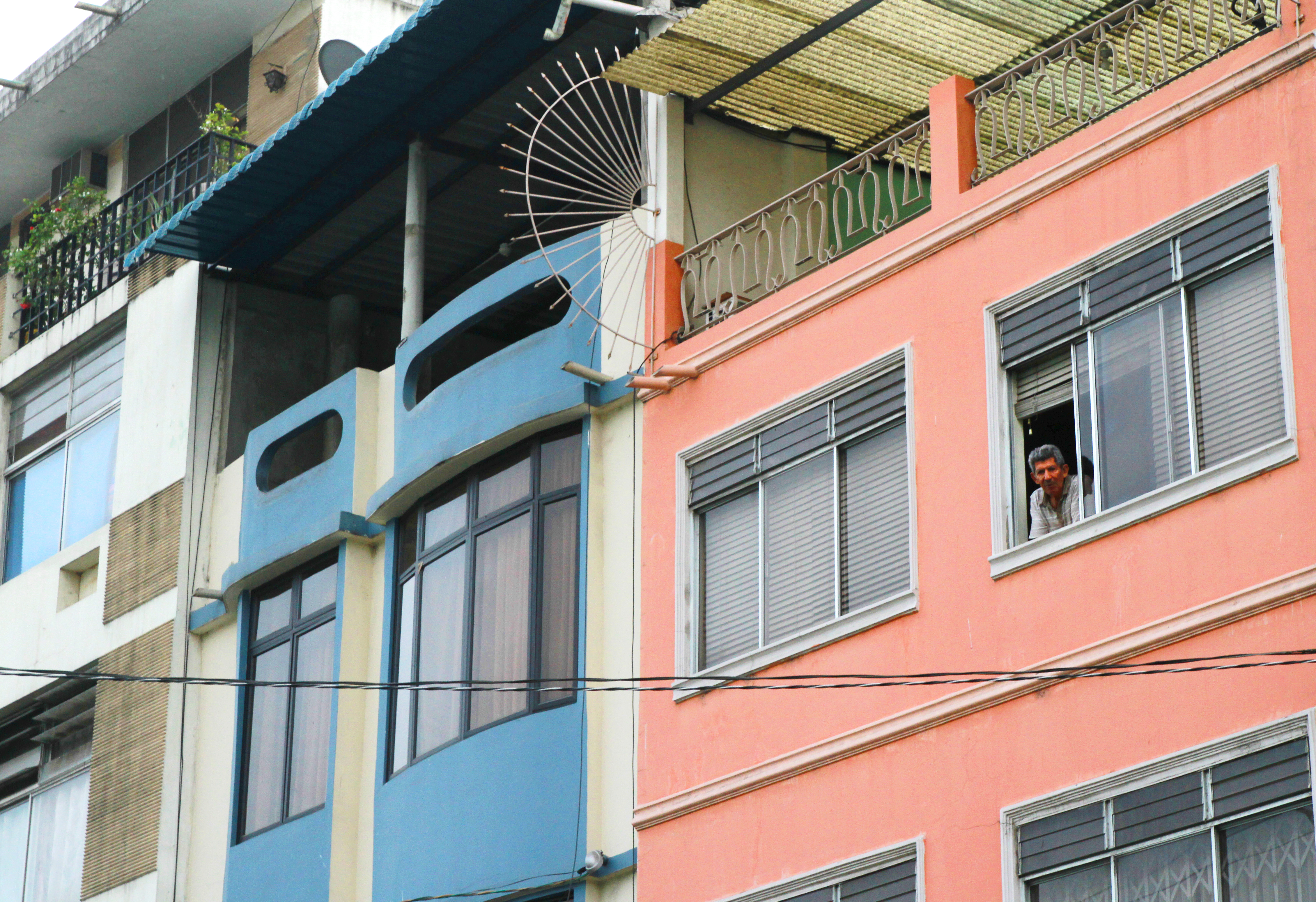
I just returned from a life changing volunteer trip to Guayaquil, Ecuador. I worked in the operating room on an orthopedic surgery team, and helped with 31 knee replacements for people who would never have been able to afford it otherwise. There was also a neurosurgeon, an OBGYN surgeon and a dentist. The people were so thankful and everyone I worked with was amazing. There are so many photos to share that I am going to break it up into at least two posts. In this post I will first establish the place we were in. When we were not working at the hospital, we were able to explore the colorful city.
Image

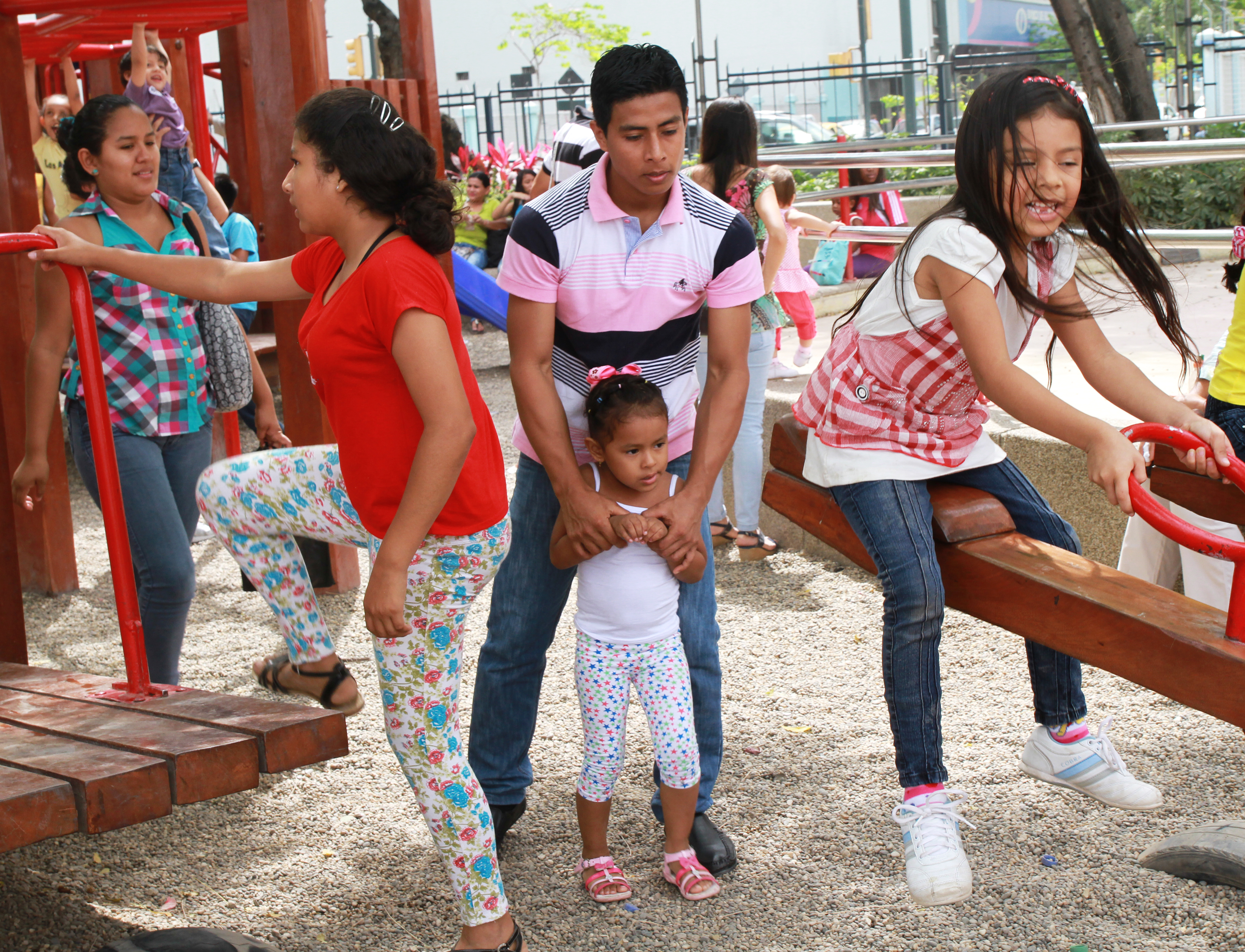
The following photos are along the River Walk- a place where families and friends gather on Sundays and enjoy street food, playgrounds, face paint and shopping.

Image

ImageImage

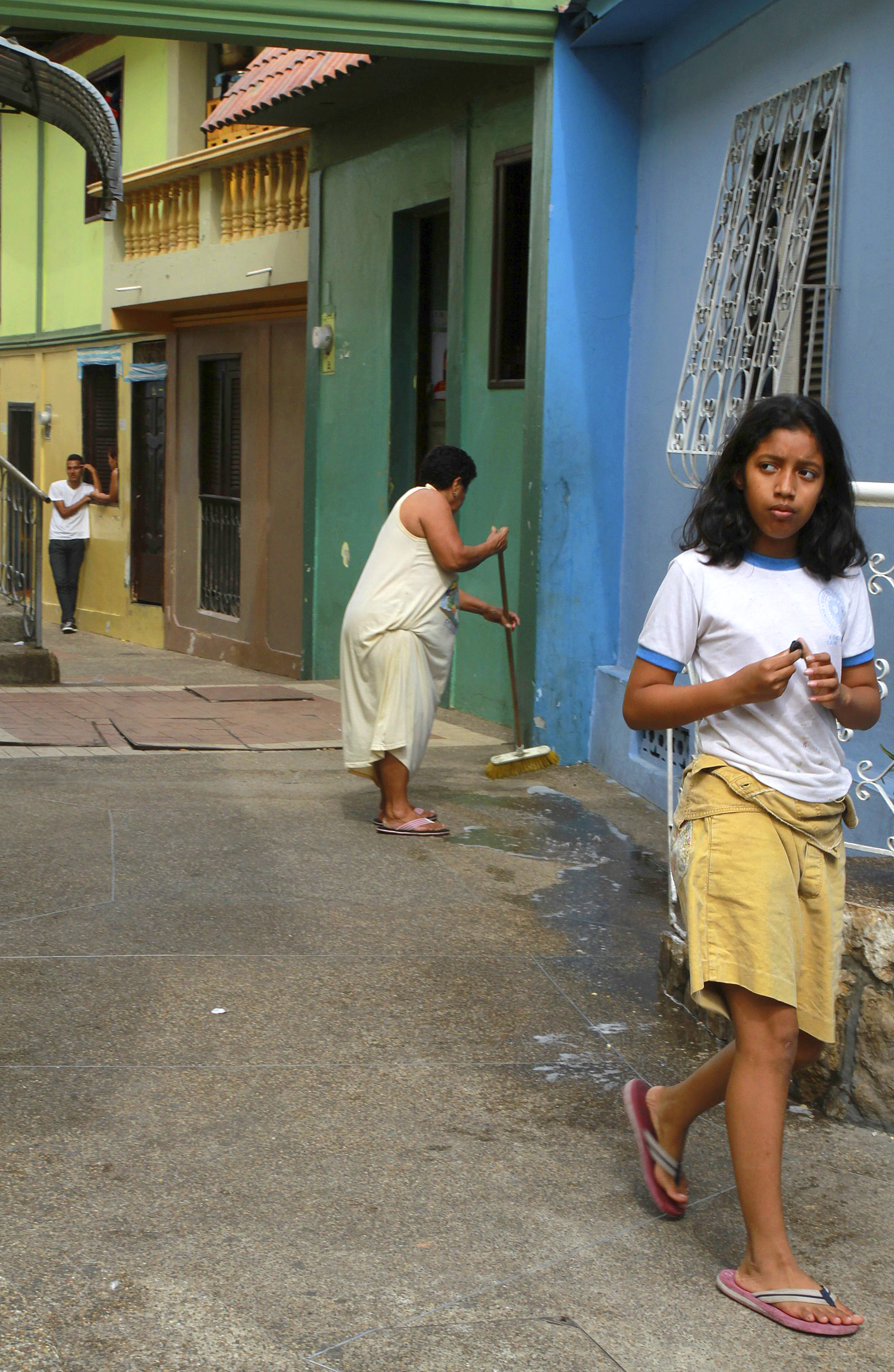
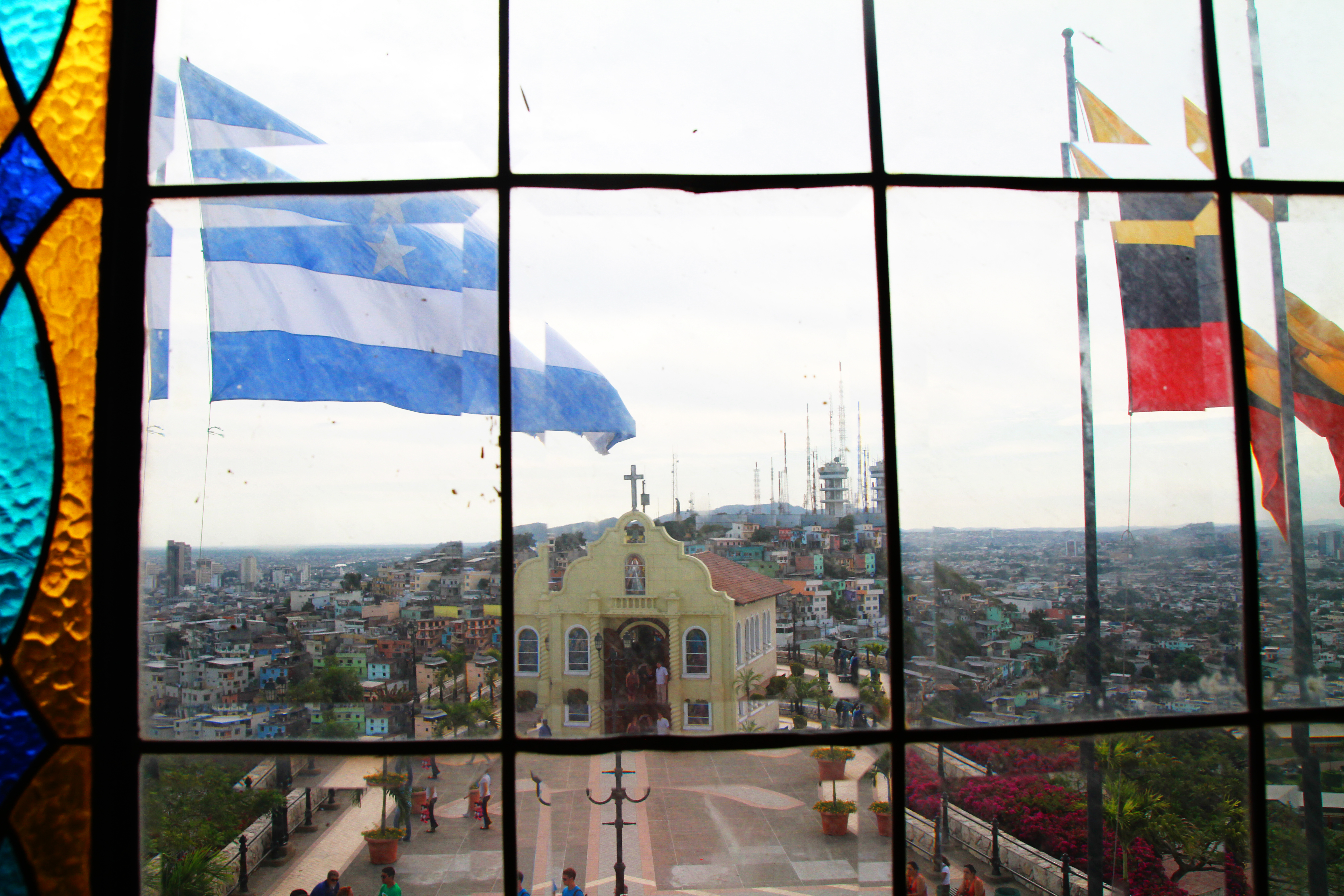
After the River Walk, we began a journey up the oldest part of the city to the lighthouse. There are no cars because it is too steep, and we had to climb 444 stairs to reach the top.

ImageIMG_6770ha

ImageImageImageImage


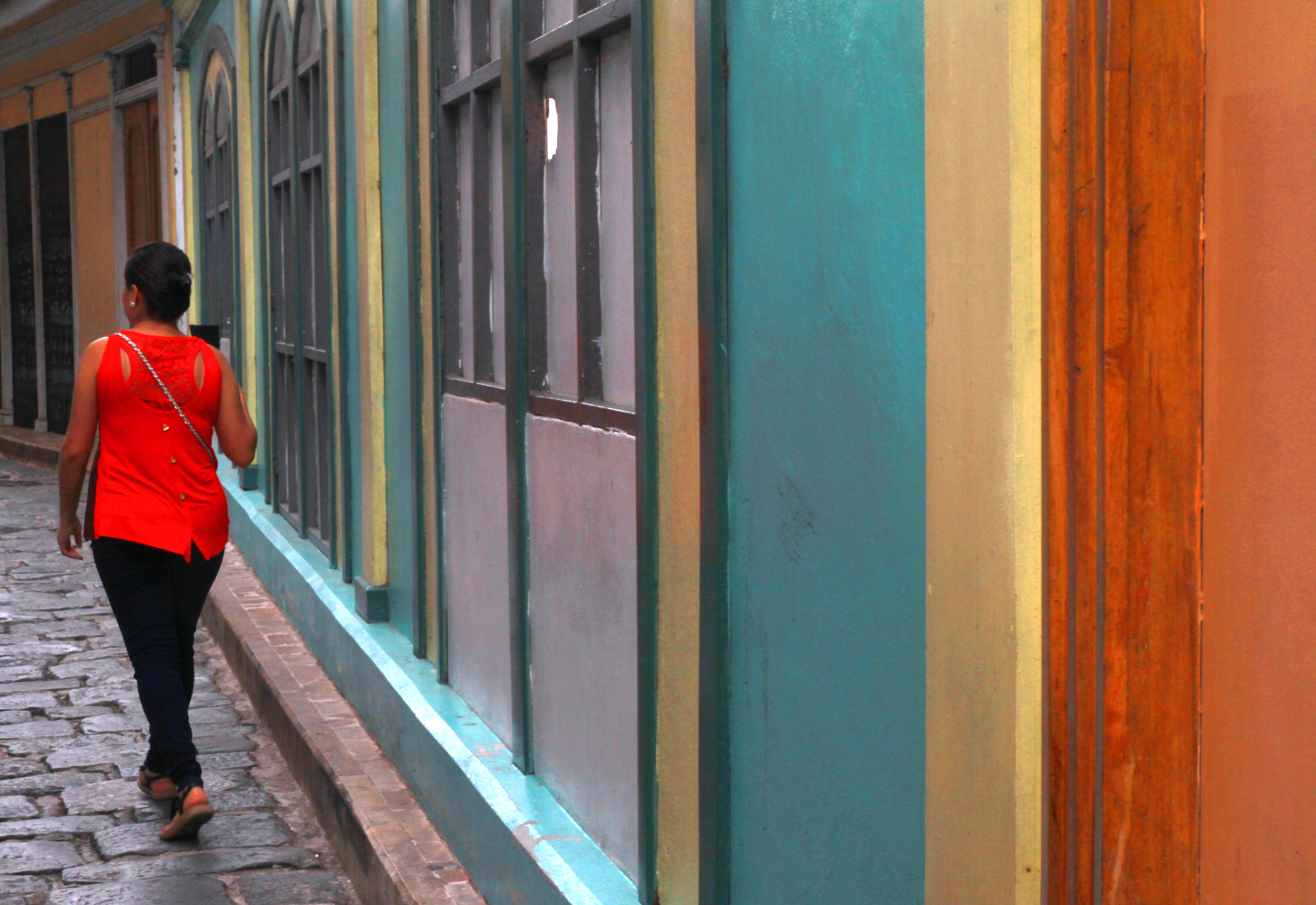
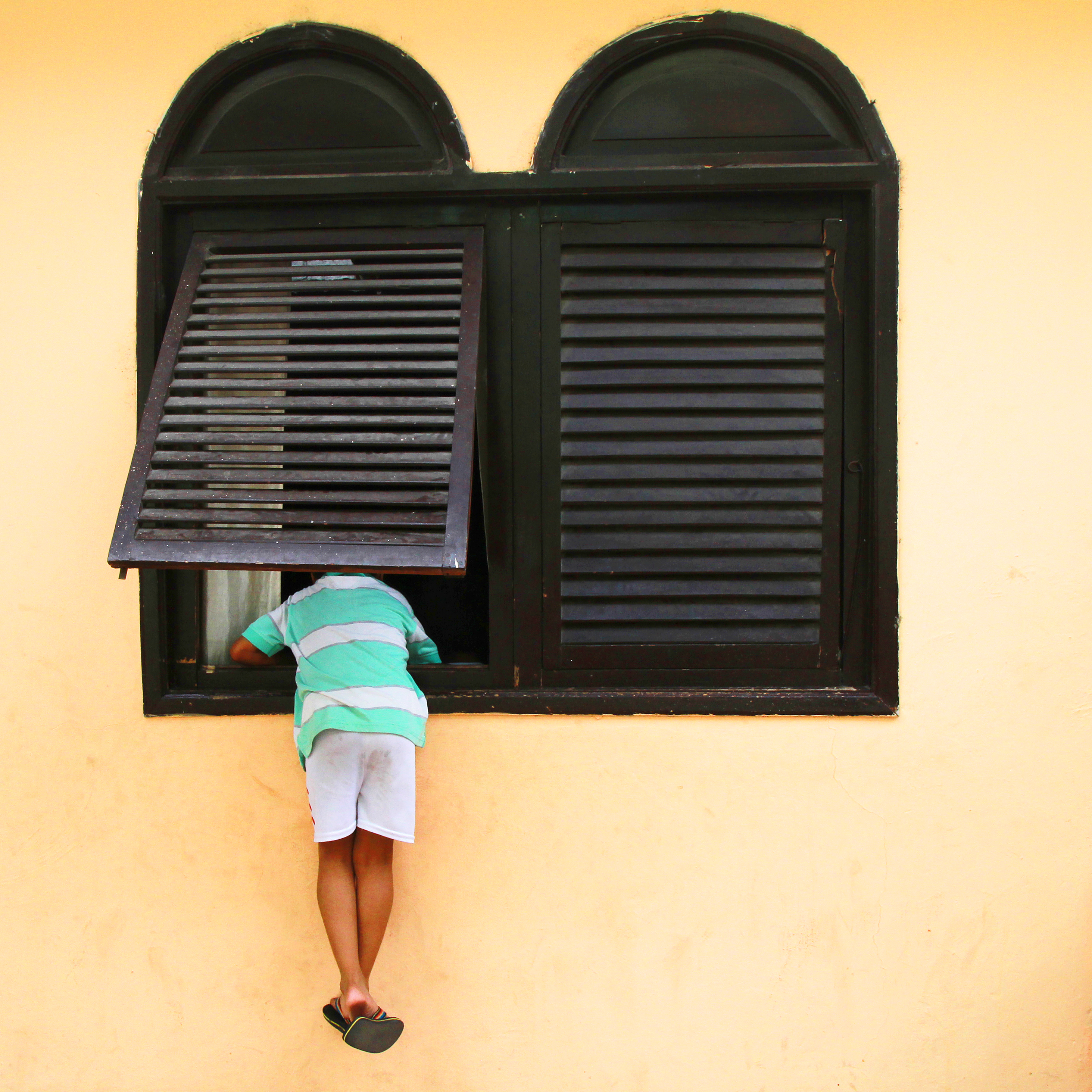
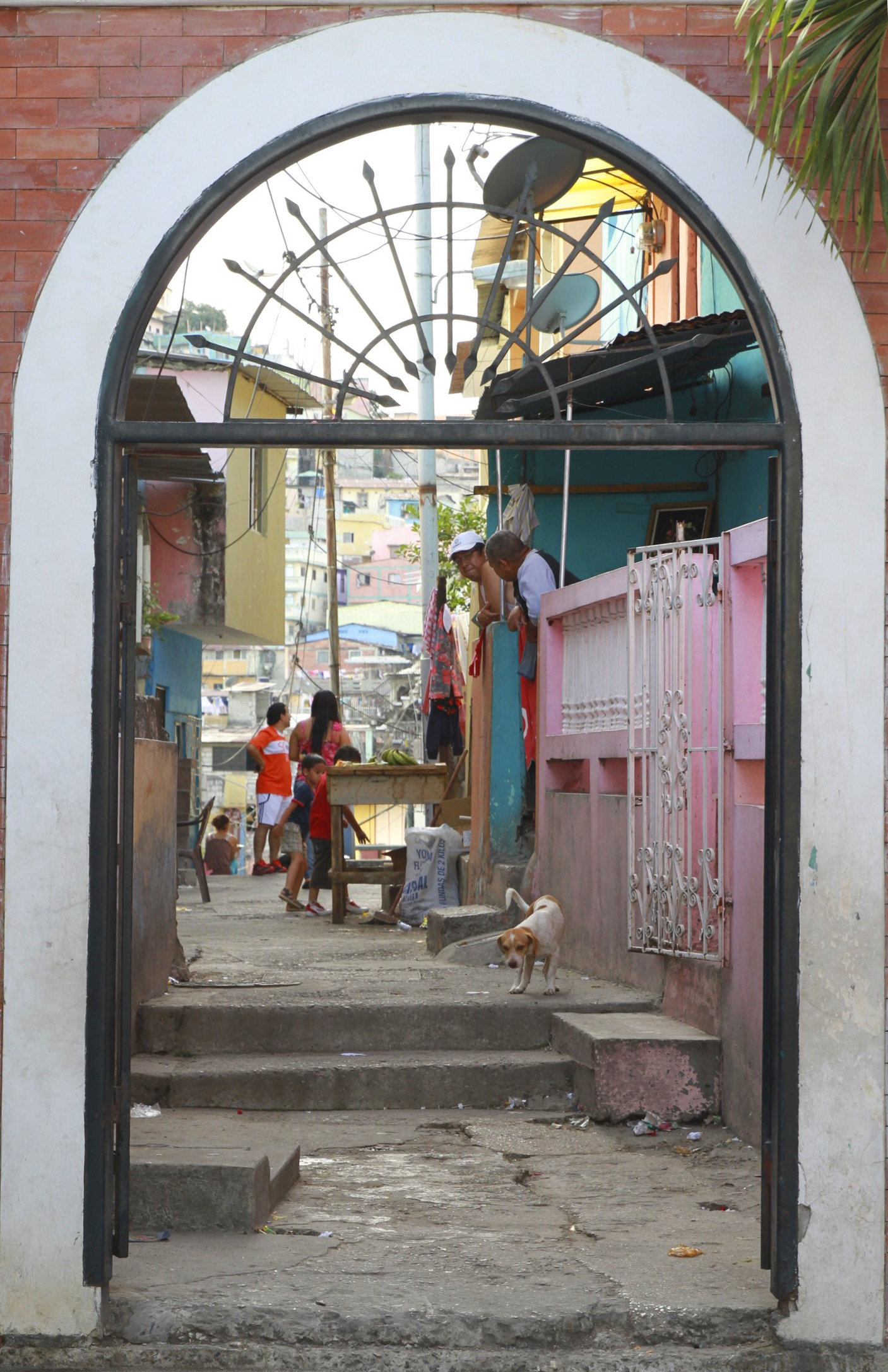
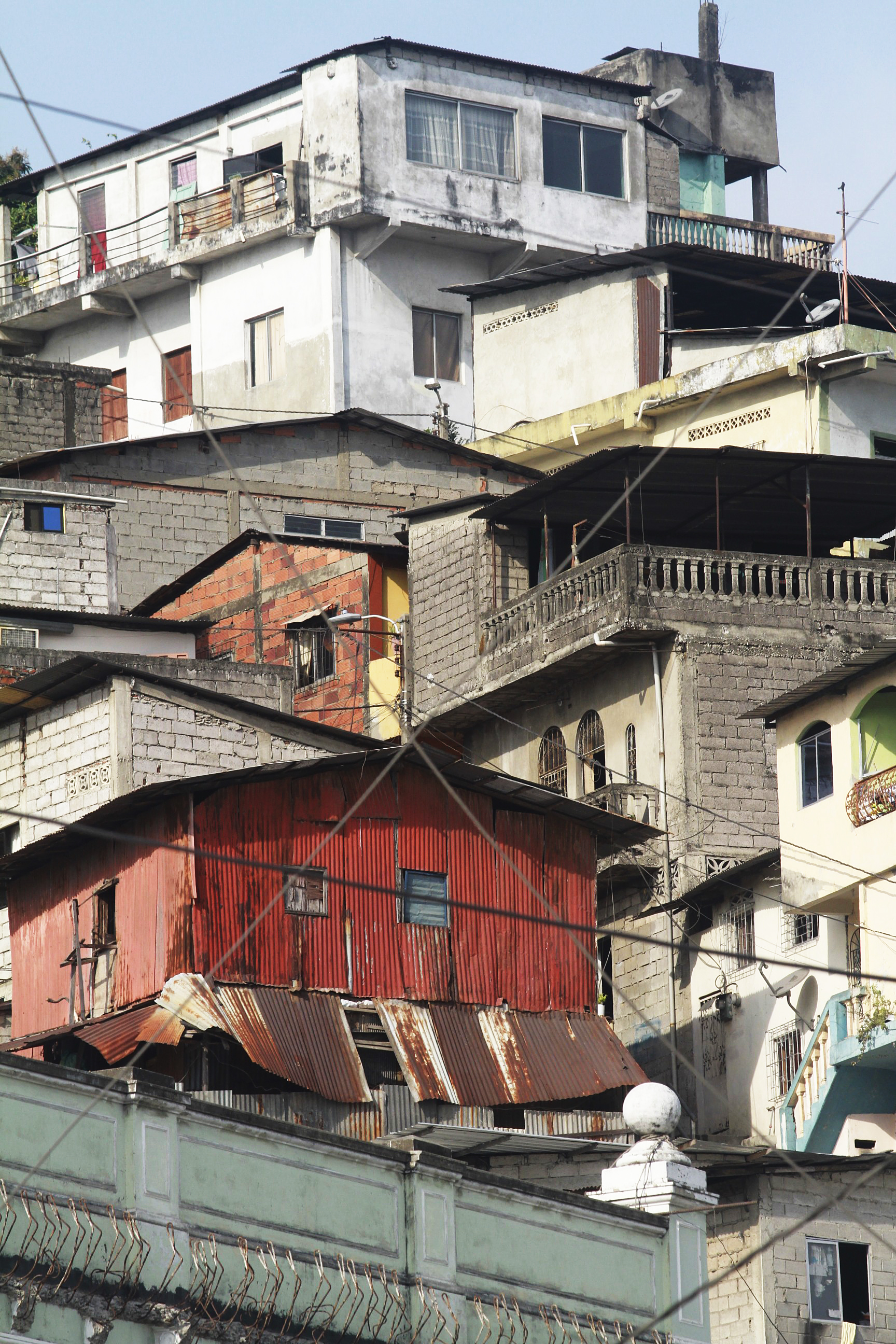
After reaching the lighthouse, we headed back down the 444 steps, and found alleyways that provided a small peek into the old neighborhoods.

ImageImageImage


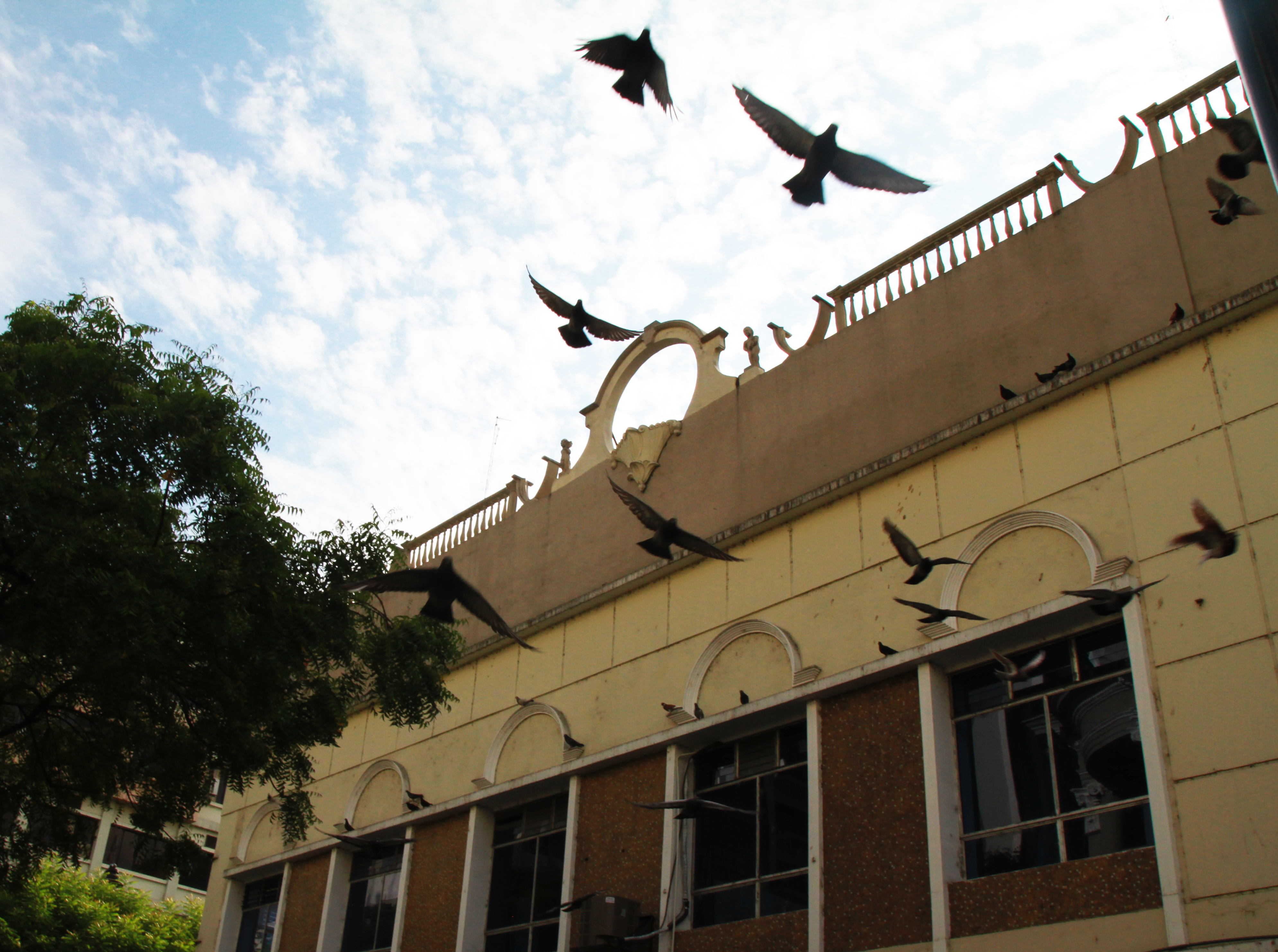
Below are photos from the newer part of the city. The architecture was pretty impressive.

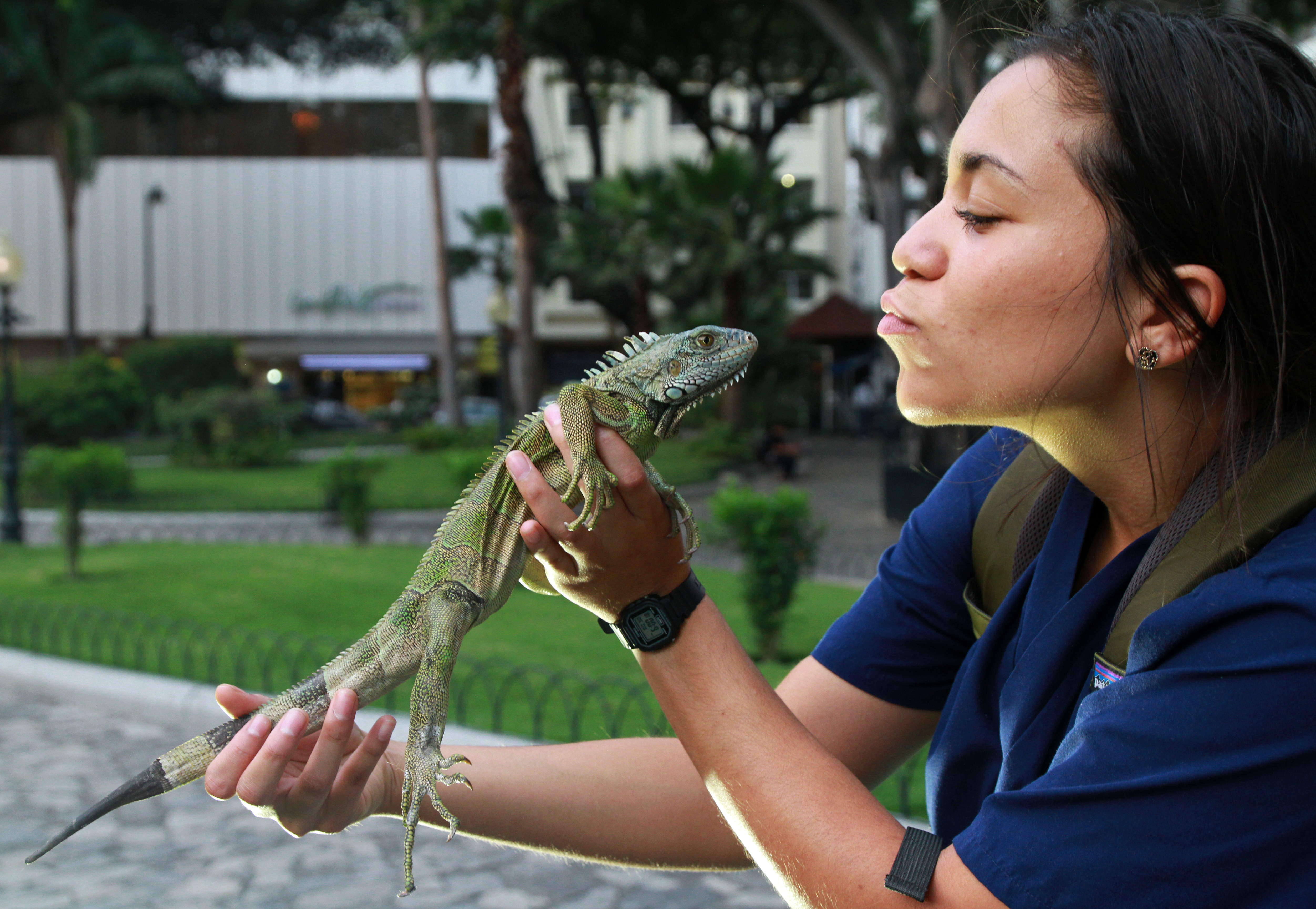
ImageImageImageAcross from our hotel was an iguana park. Alexis, one of lovely volunteers I had the pleasure of working with, held a baby iguana. I also got to hold him and really wanted to take him home with me.

ImageImageIMG_7207editImage

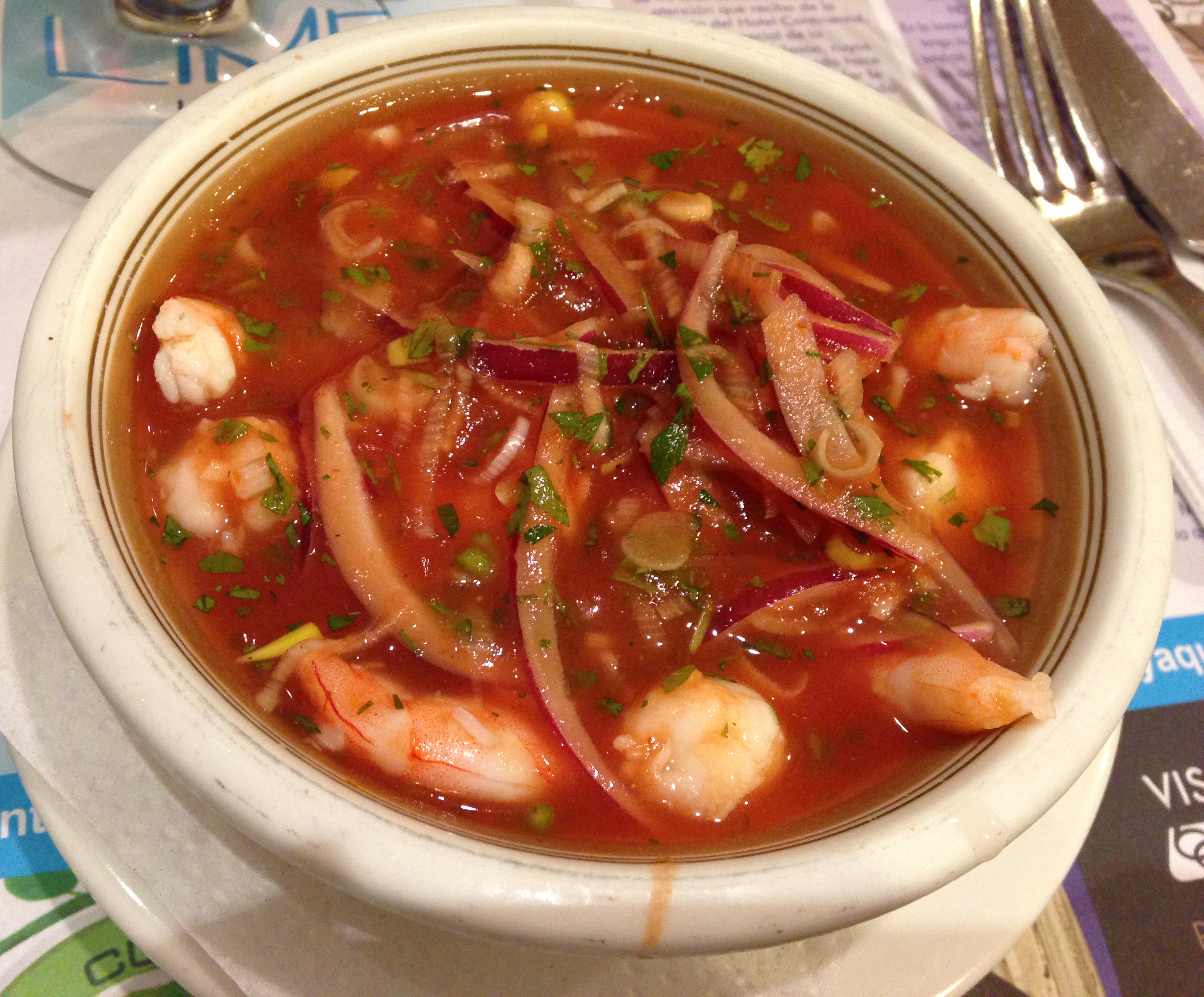
The food was delicious, especially the seafood because it is so fresh. This is a shrimp ceviche.

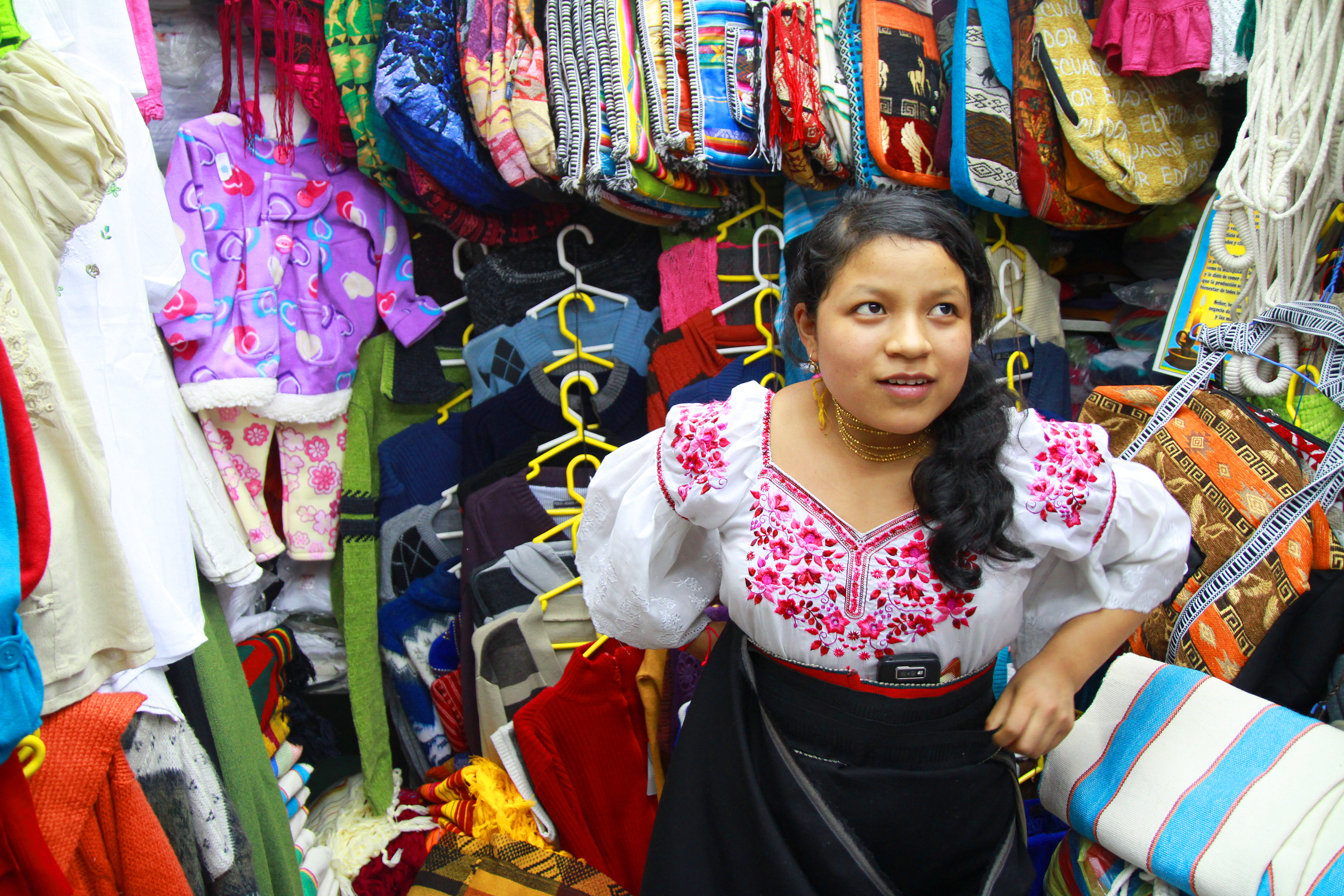
IMG_6786yumThe colorful city was full of colorful merchandise of every kind in the local market. This girl sold me a couple beautiful hammocks that her family hand wove. One of which Ev and I gave to our friends Eric and Alicia for the wedding, which I flew to and photographed right after Ecuador.

IMG_7481edit


Stay tuned for photos from the hospital in my next post.