Guayaquil, Ecuador: Post-Operation

Before heading off to New Jersey tomorrow with my husband for a Thanksgiving celebration with my family, I wanted to get this final post in the Ecuador series up.
postknees 2

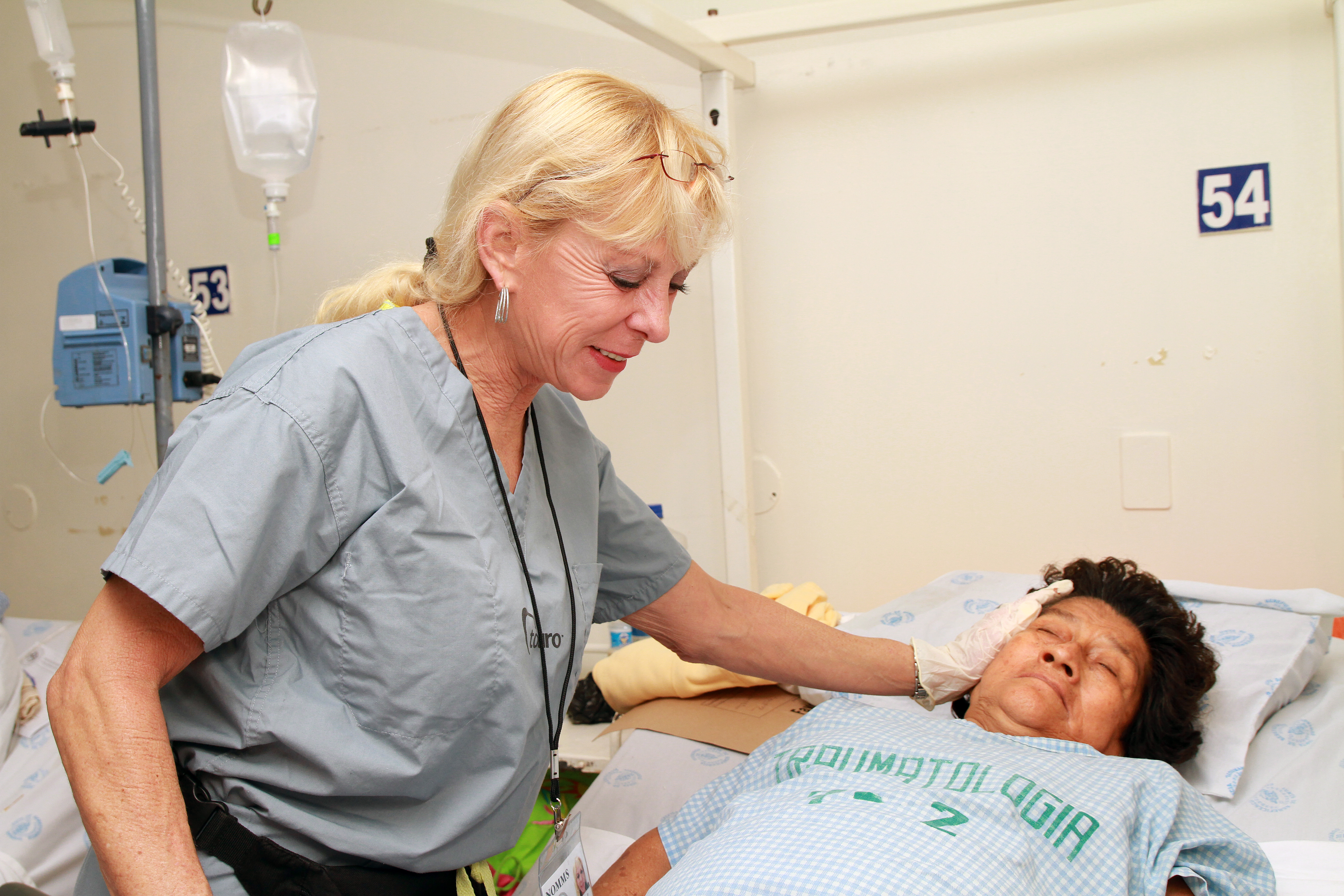
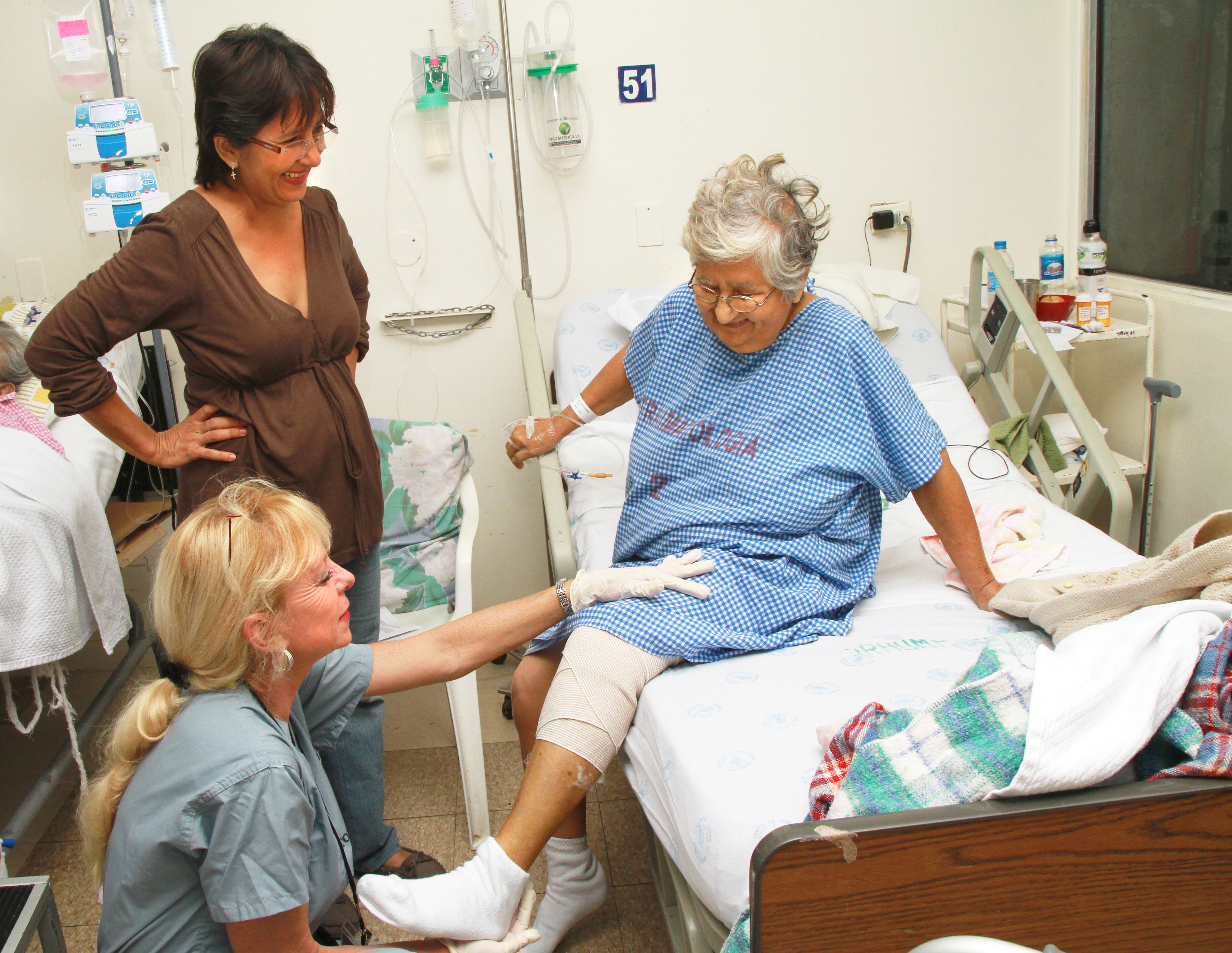
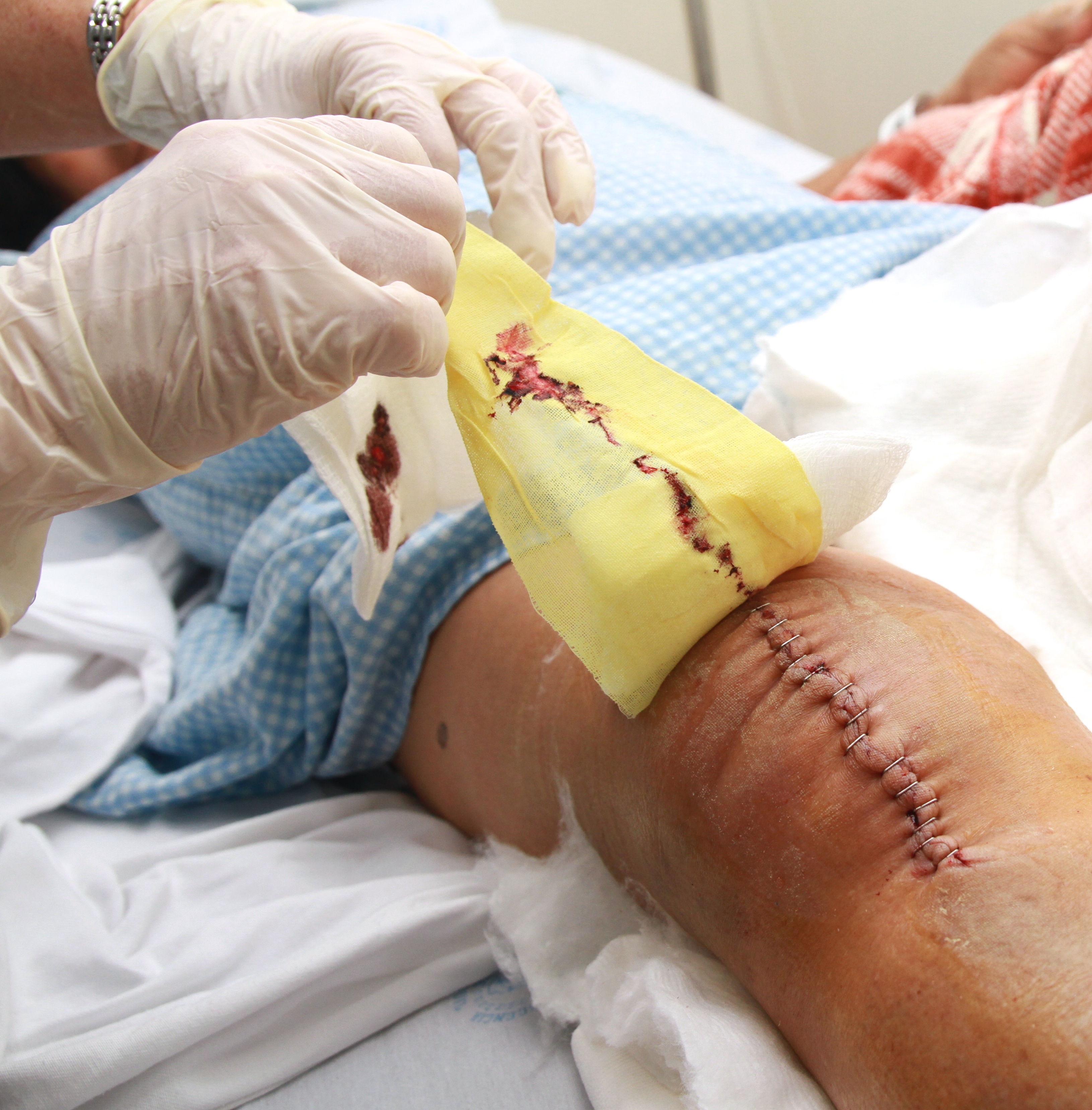
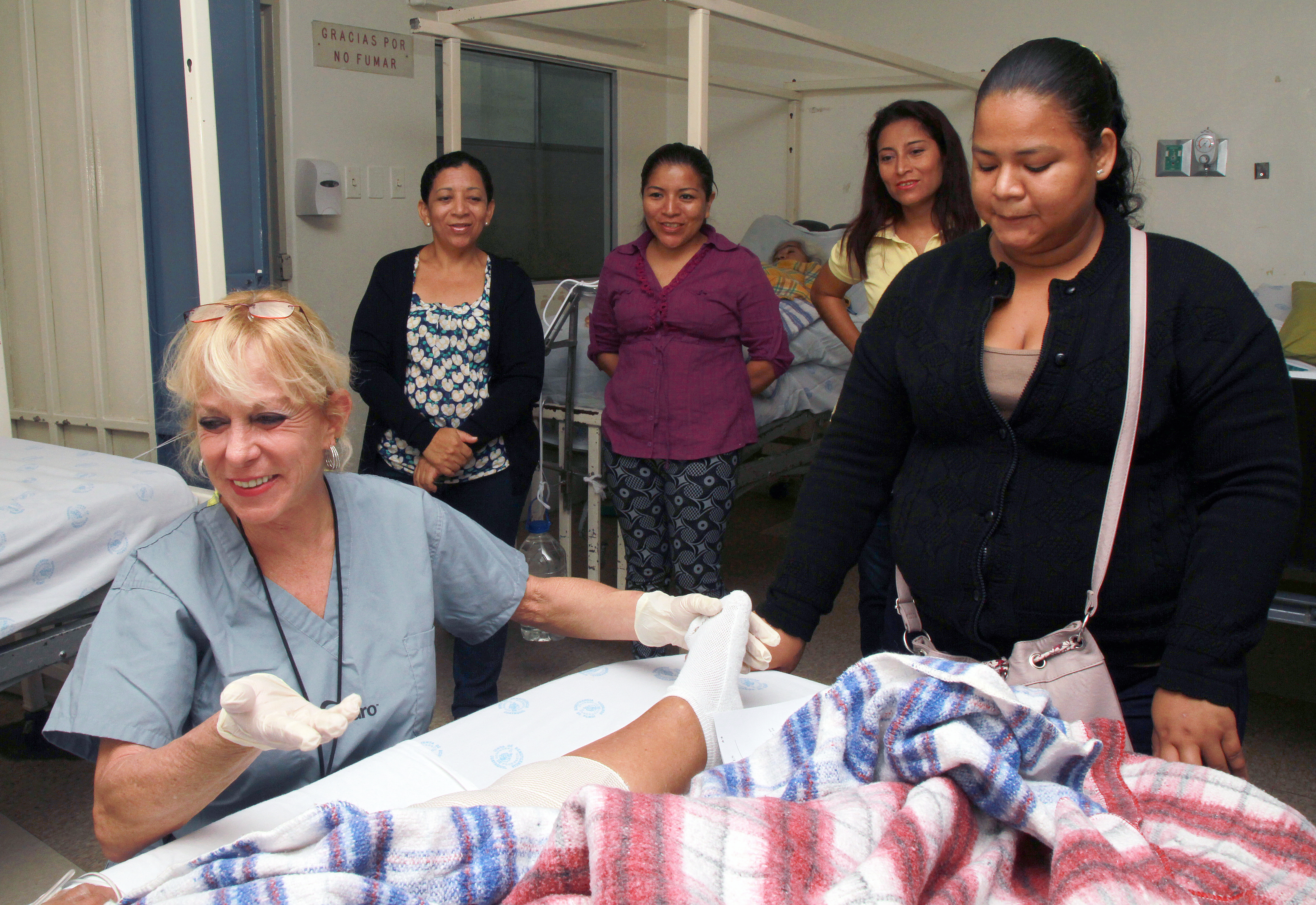
I was really impressed by how comprehensive NOMMS, the group I volunteered with, was. Physical therapy is very important for knee replacement surgeries and even though we were only there for a week, we were able to provide these patients with some follow-up care after their surgeries. I followed our physical therapist, Leslie, for an afternoon. She began by unwrapping the knees to inspect the wound, clean it and re-wrap it. All of the ones I saw were healing very well.
postknee

Next she performed exercises with them in the bed and taught the patients and their families how to do these exercises at home to continue their recovery.
IMG_7304edit

IMG_7330edit

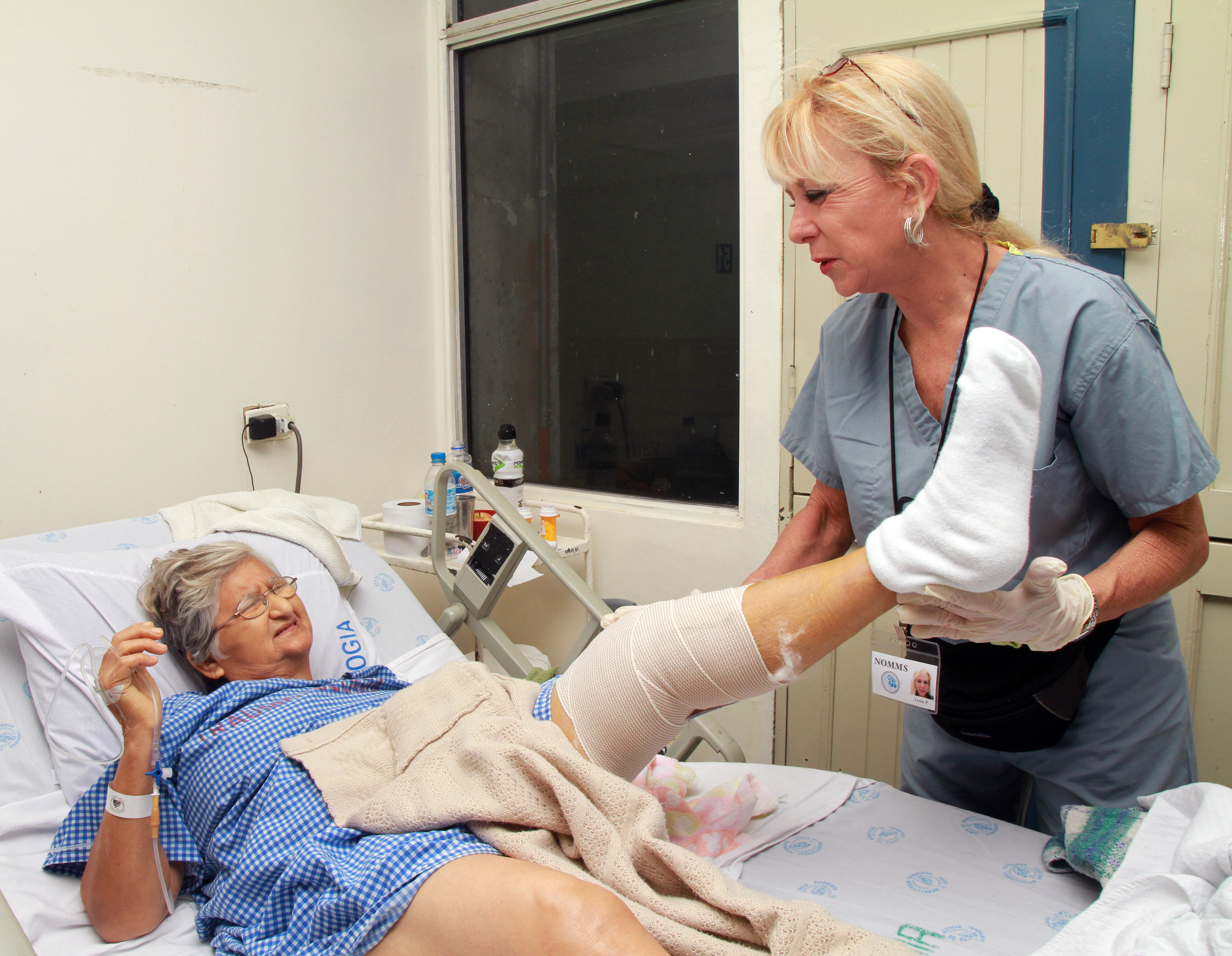
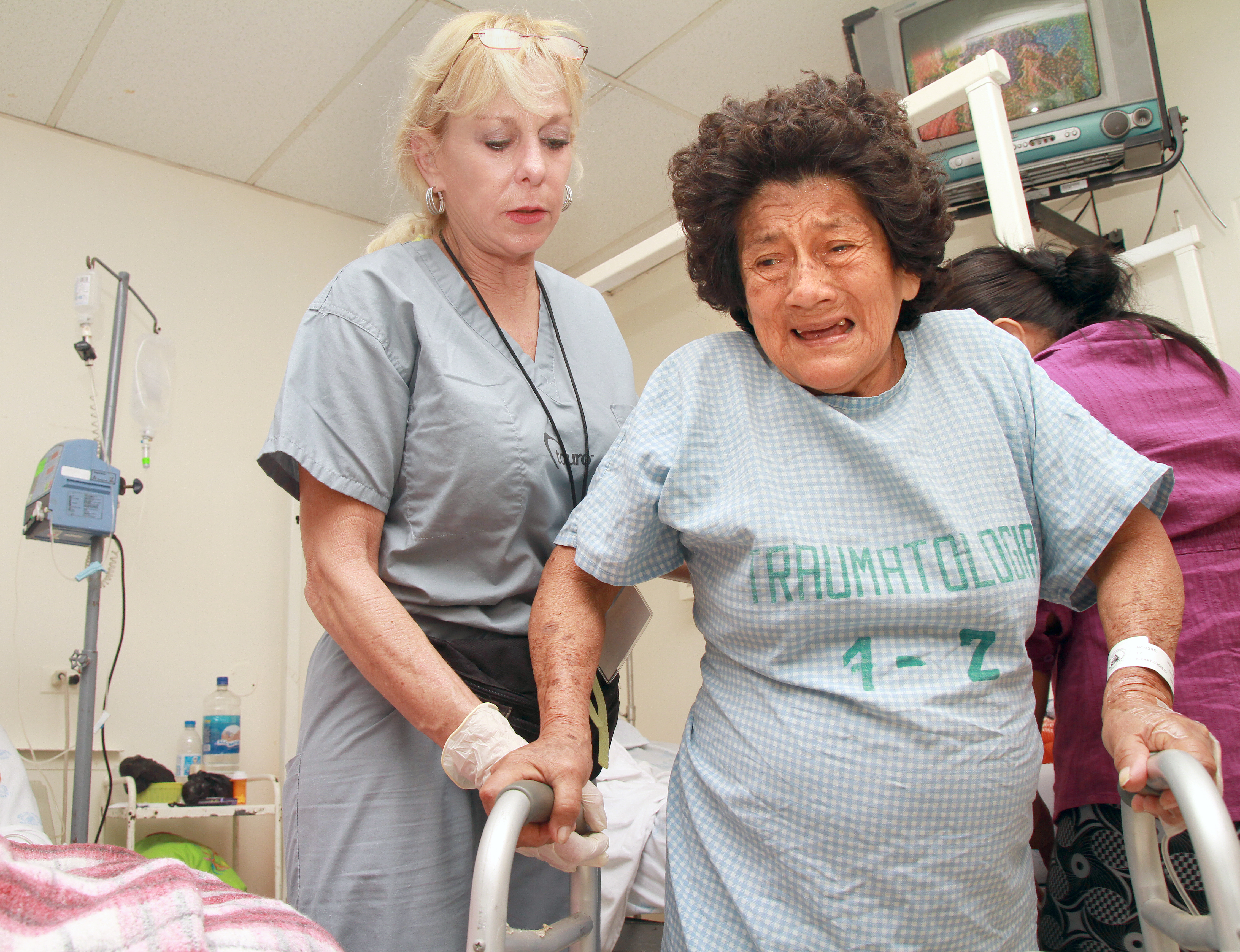
She then made them get up and walk the day after their surgery to begin regaining strength, to prevent blood clots, and to help them learn to use their new knee. This is a painful endeavor, but it is an important first step to recovery. The patients were all provided with a walker to take home with them.
IMG_7379edit

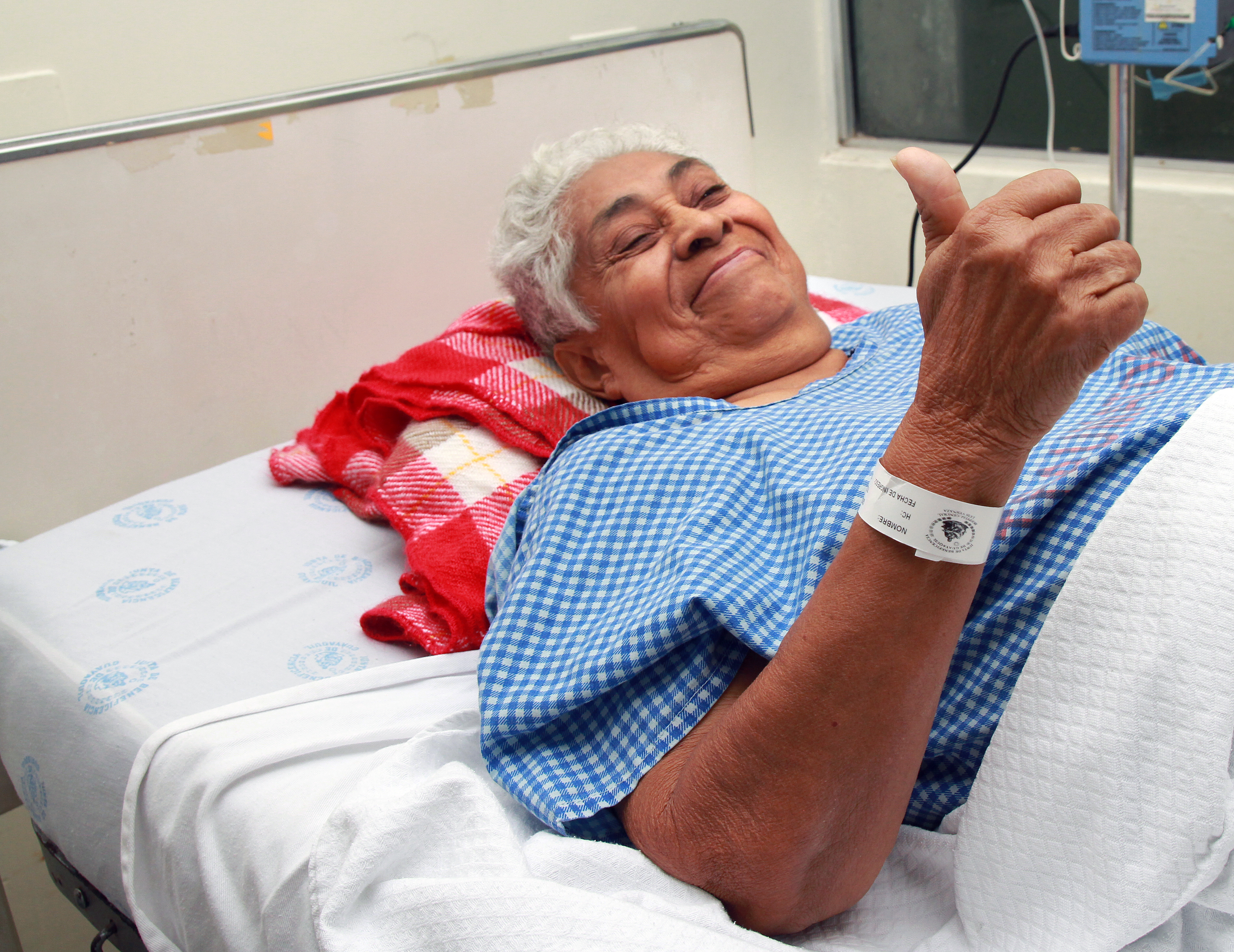
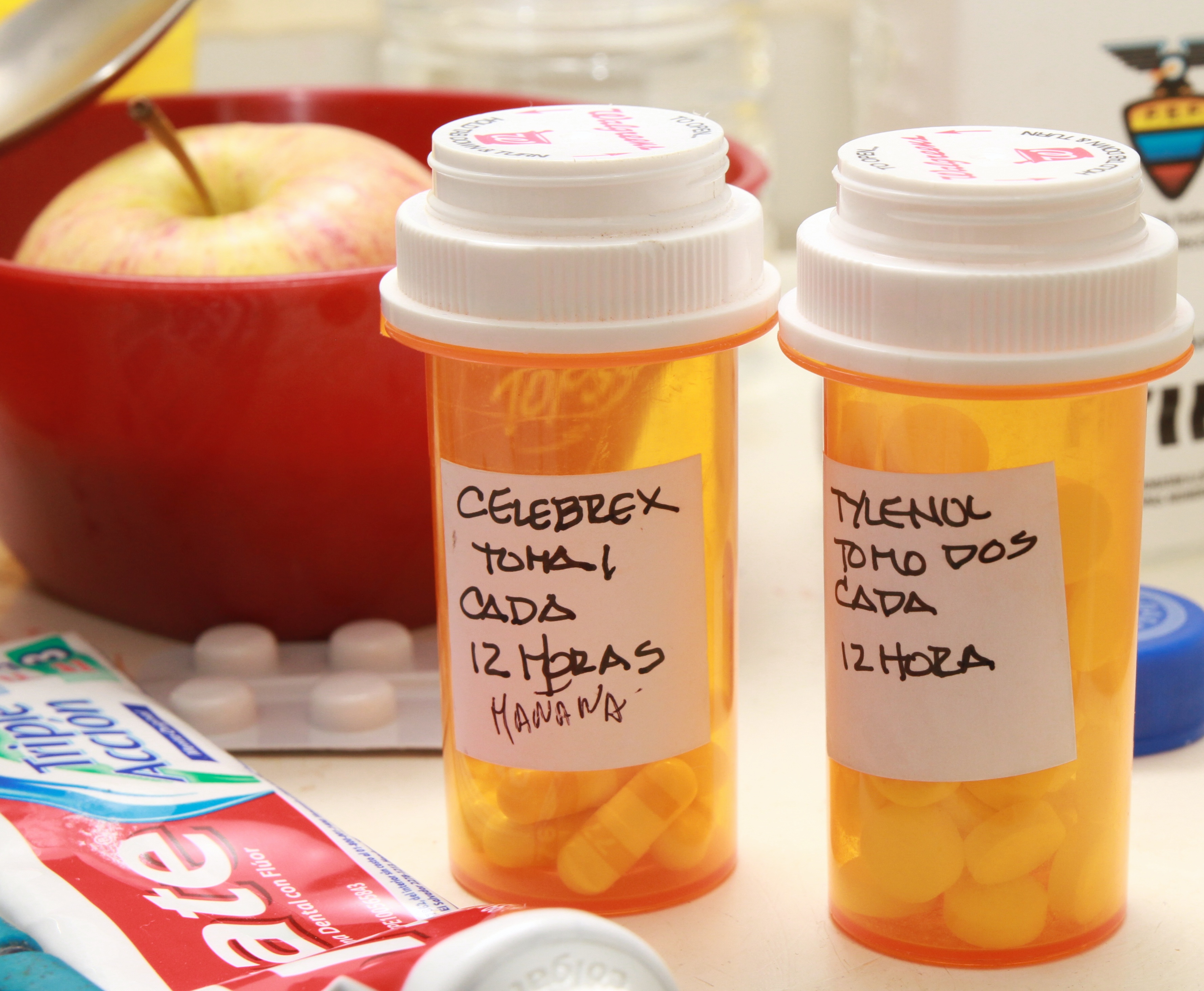
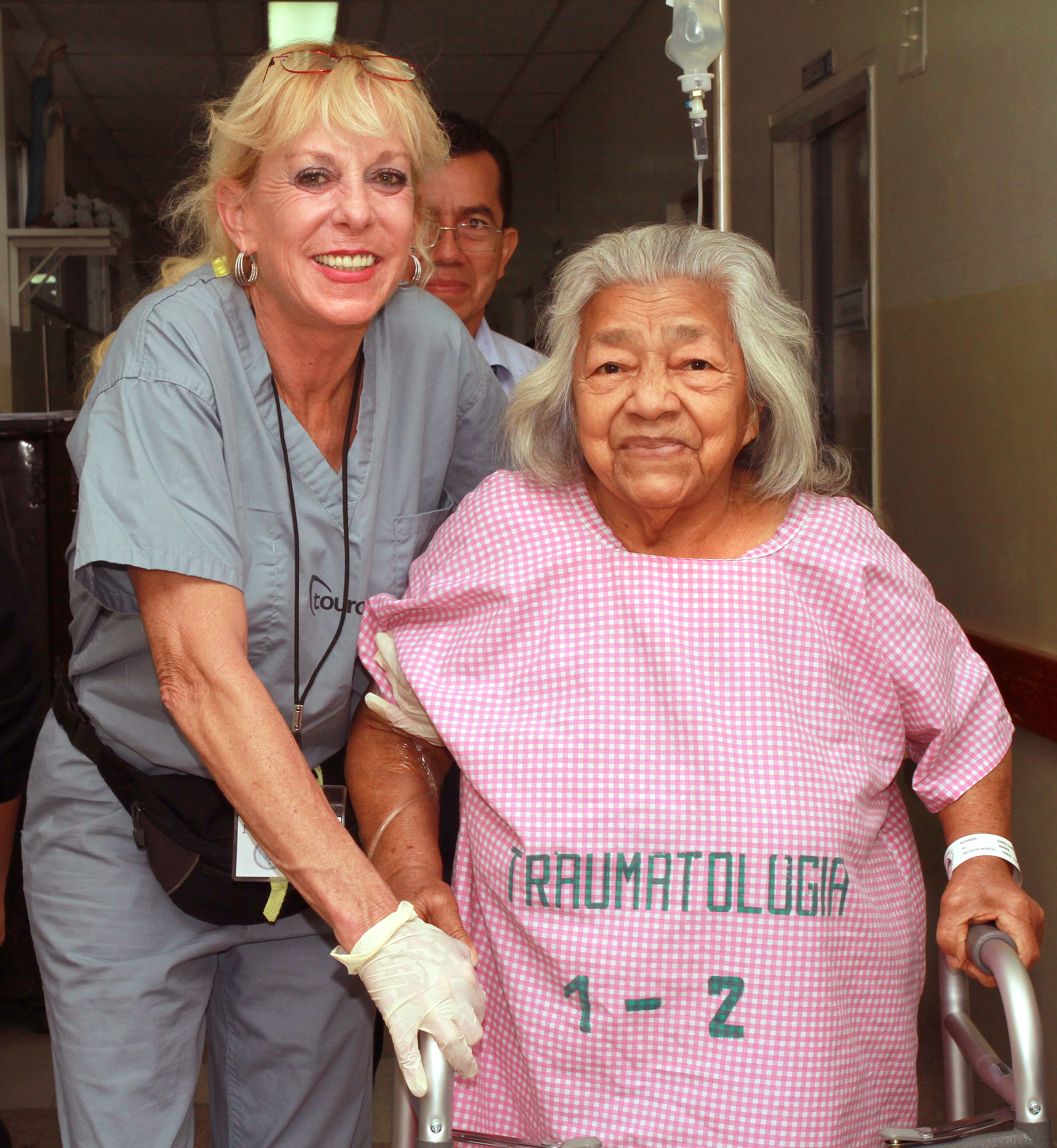
For the above woman, the exercise was all too painful, but most of the patients were all smiles. These women were tough. All we were allowed to give them for pain was Tylenol and Celebrex.  In America, patients get Morphine and Dilaudid for the same surgery. They were so thankful to have received the surgery, that with many of them didn’t show any signs of pain.
postknees 1

IMG_7357editIMG_7386editIMG_7319editIMG_7325edit

IMG_7391edit


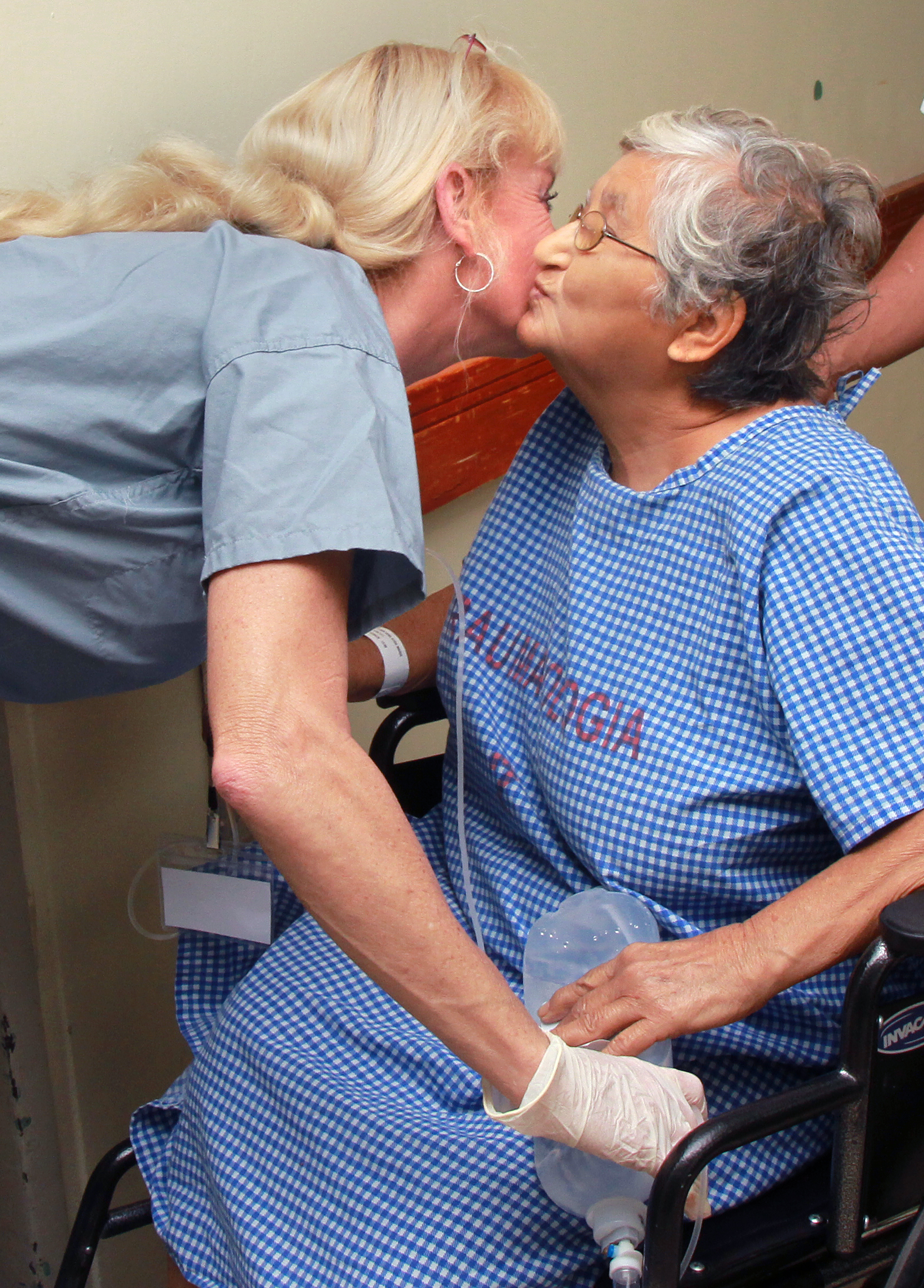
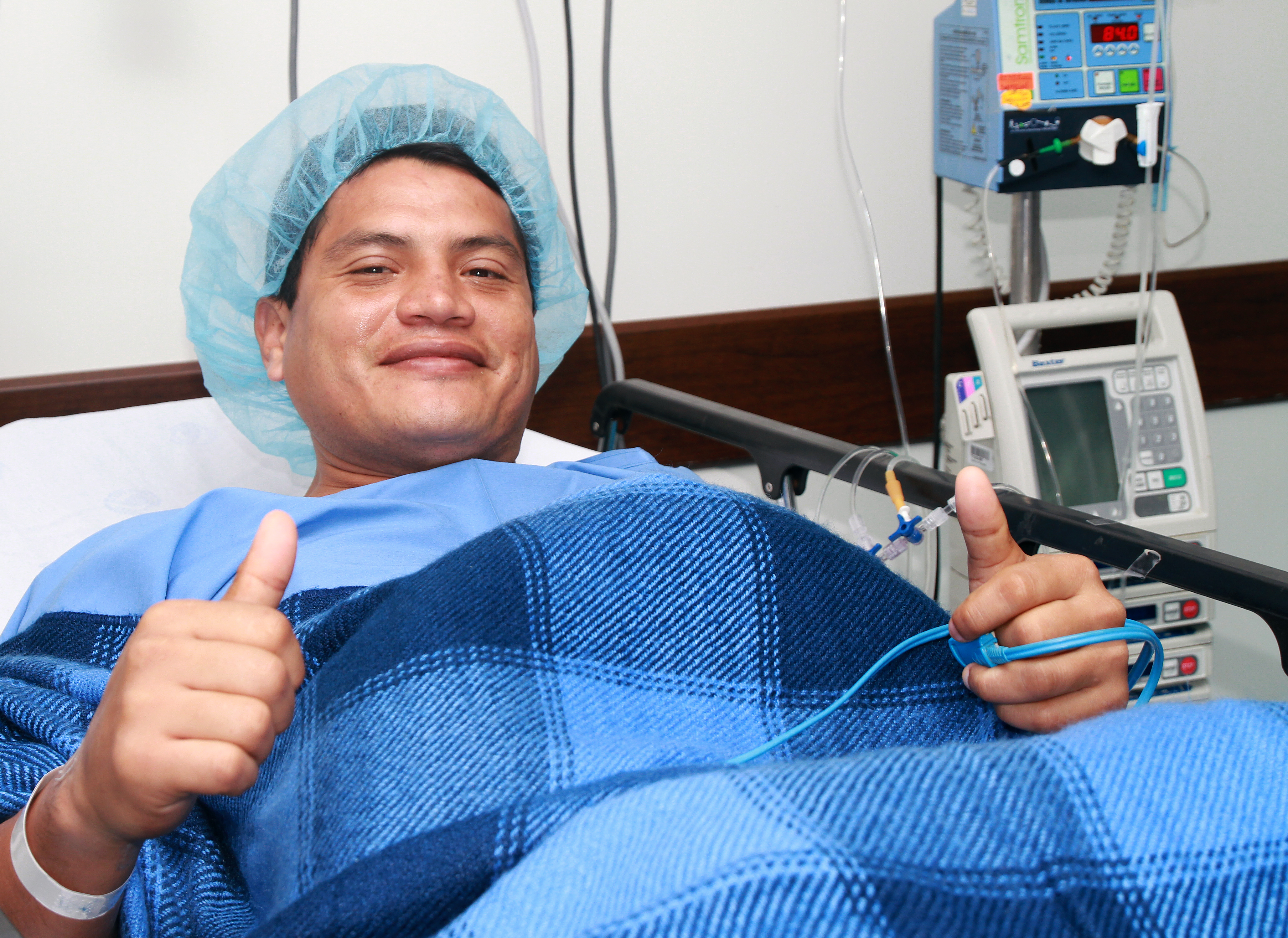
It was rewarding to see how happy the people we helped were. It made me feel like we were really accomplishing something.
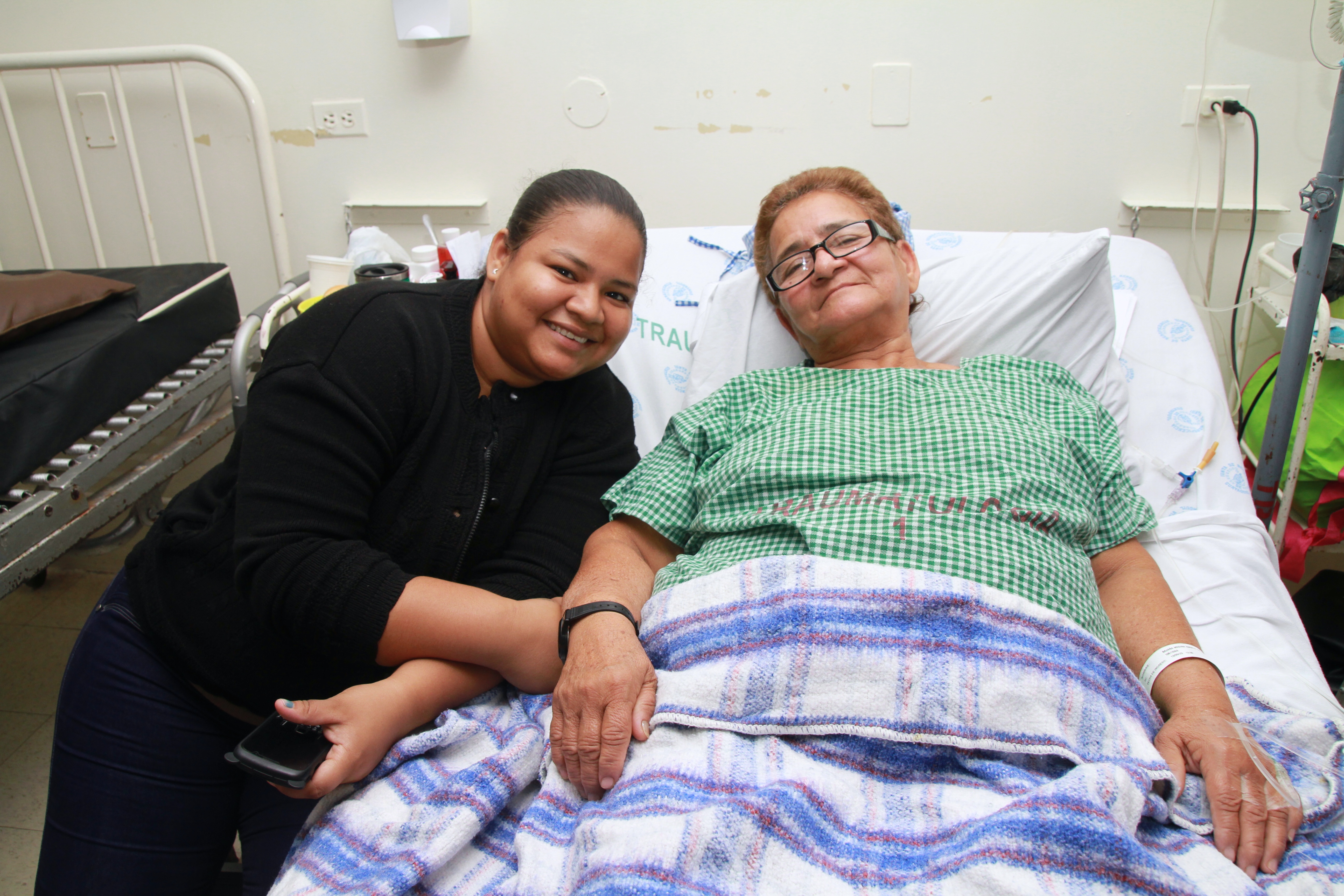
me 3

I also visited a couple of the neurosurgery patients post-op. They were equally as thankful and our neurosurgeons followed up with them and the nurses caring for them.
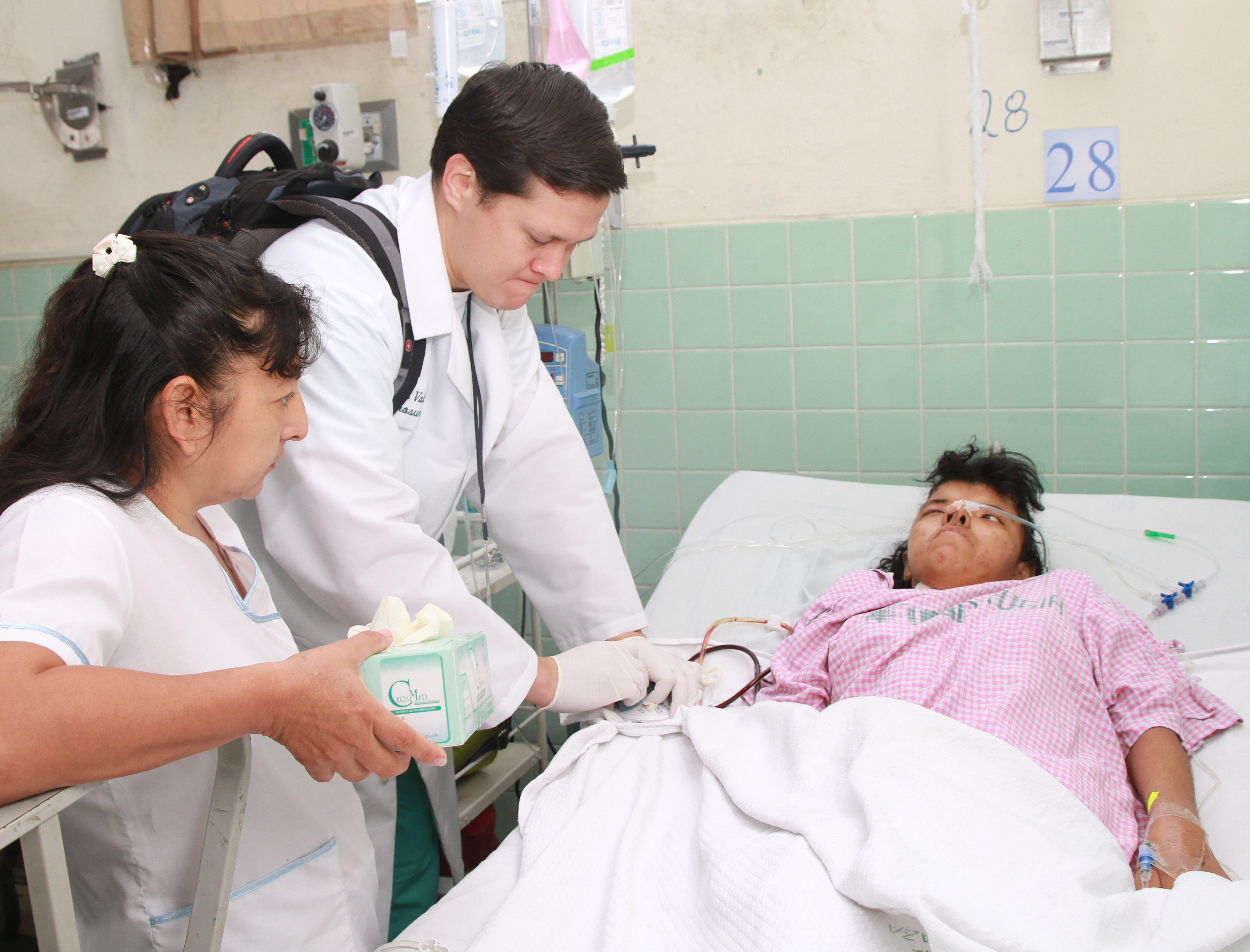
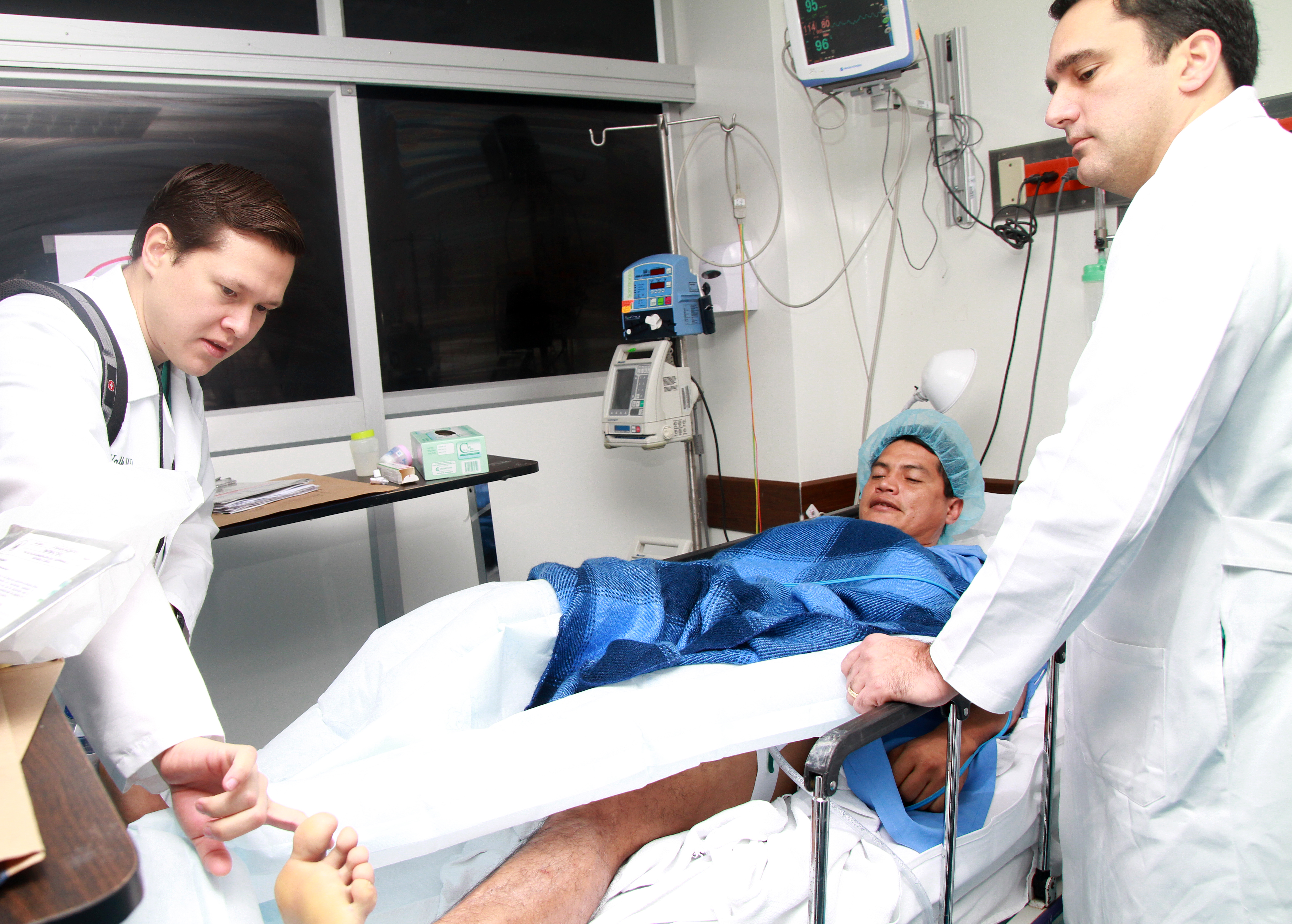
IMG_7770editIMG_7487editIMG_7491edit


They asked us to pose in photos with them. It was touching and unforgettable.
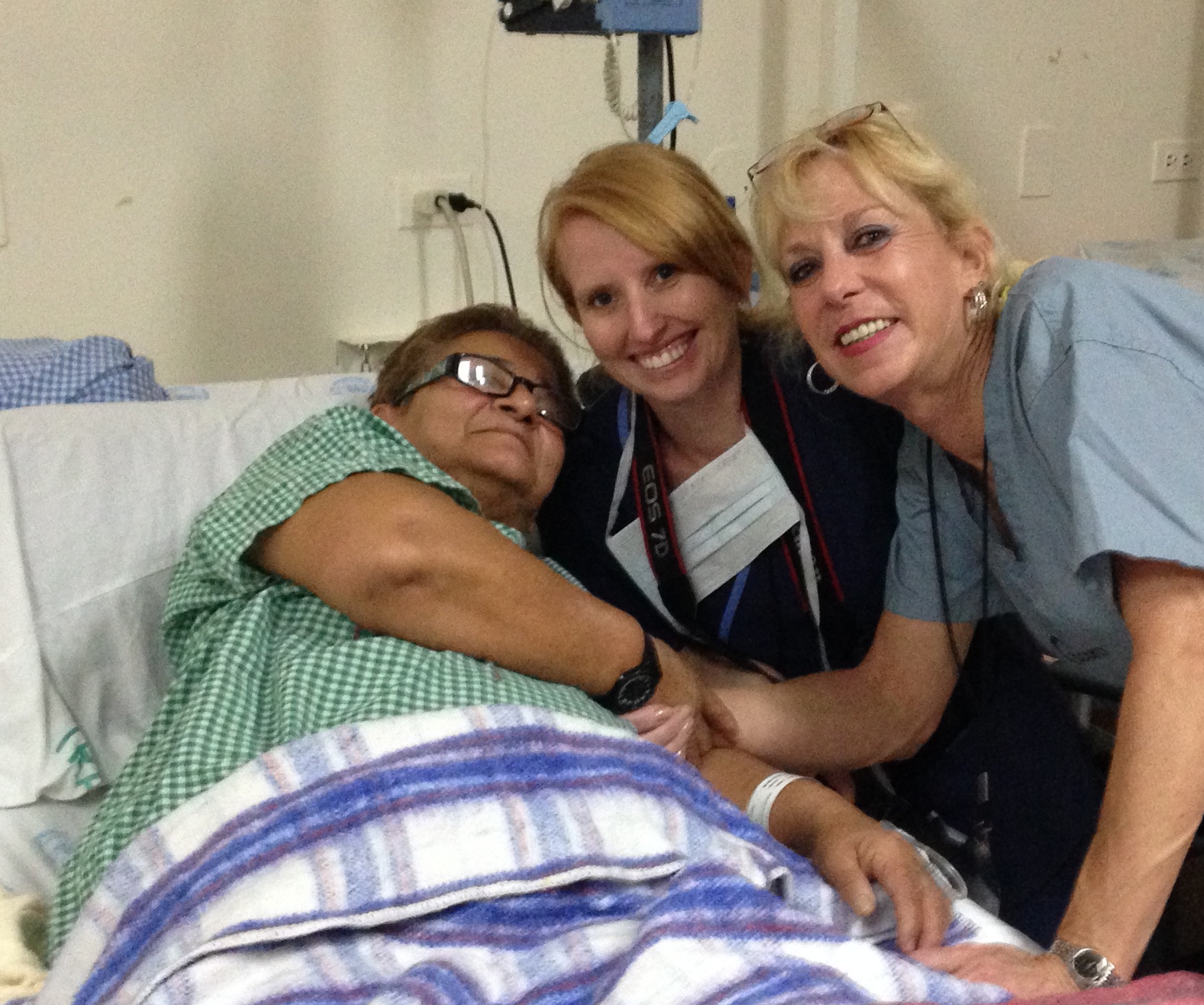
me 1

The woman below was my patient in the first surgery I ever scrubbed in on. I will never forget these moments.
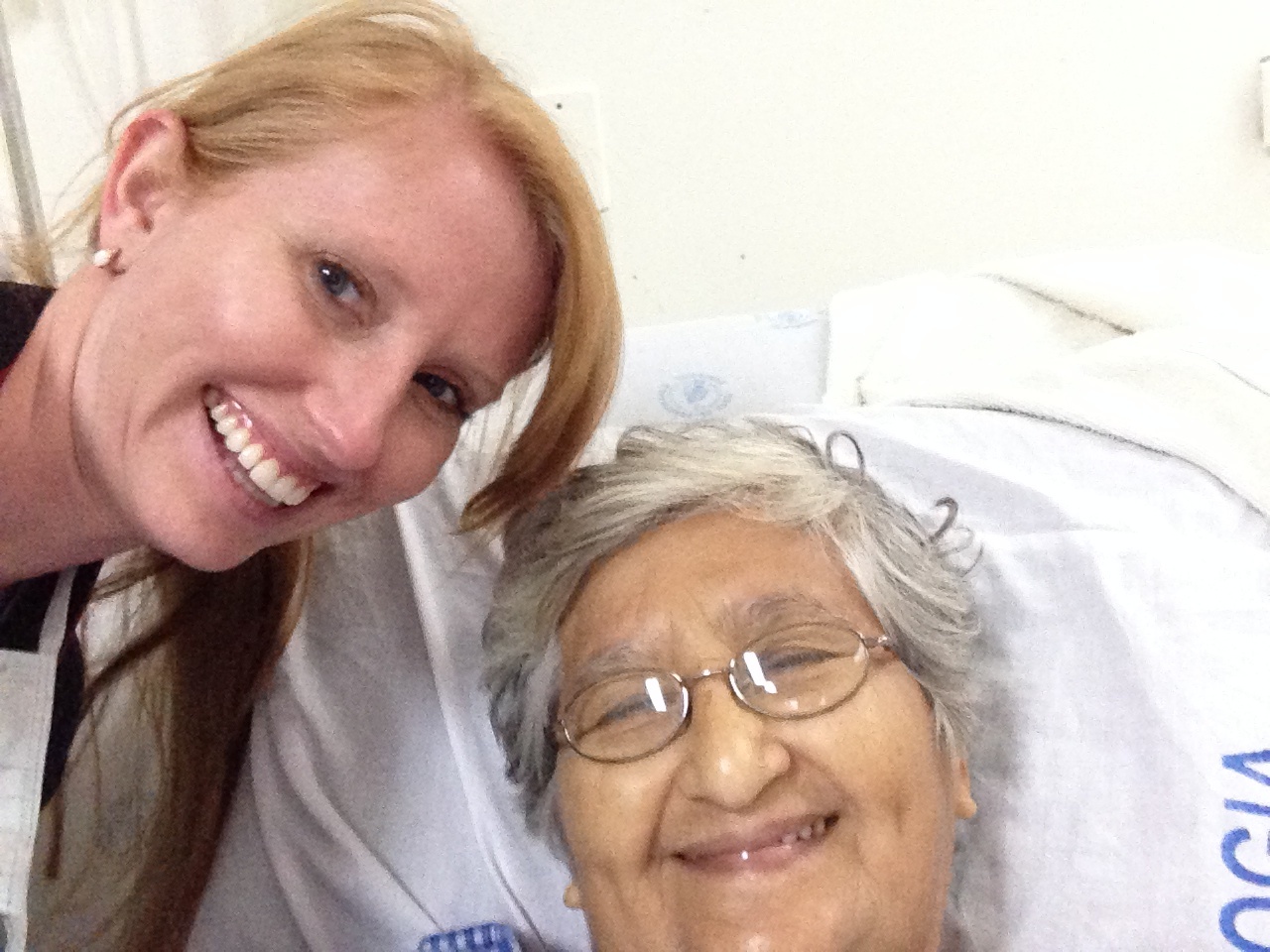
meme 2

As always, thanks for looking. I have been reminded lately from personal losses, losses at my job and losses people close to me have experienced that life can be fleeting and unexpected. Embrace your family and friends this holiday season and cherish every moment. I am thankful for this amazing experience in Ecuador and for all the wonderful people in my life, many of whom I get to spend time with for the holidays. Happy Thanksgiving everyone.
 

Guayaquil, Ecuador: In The Operating Room

IMG_7642edit

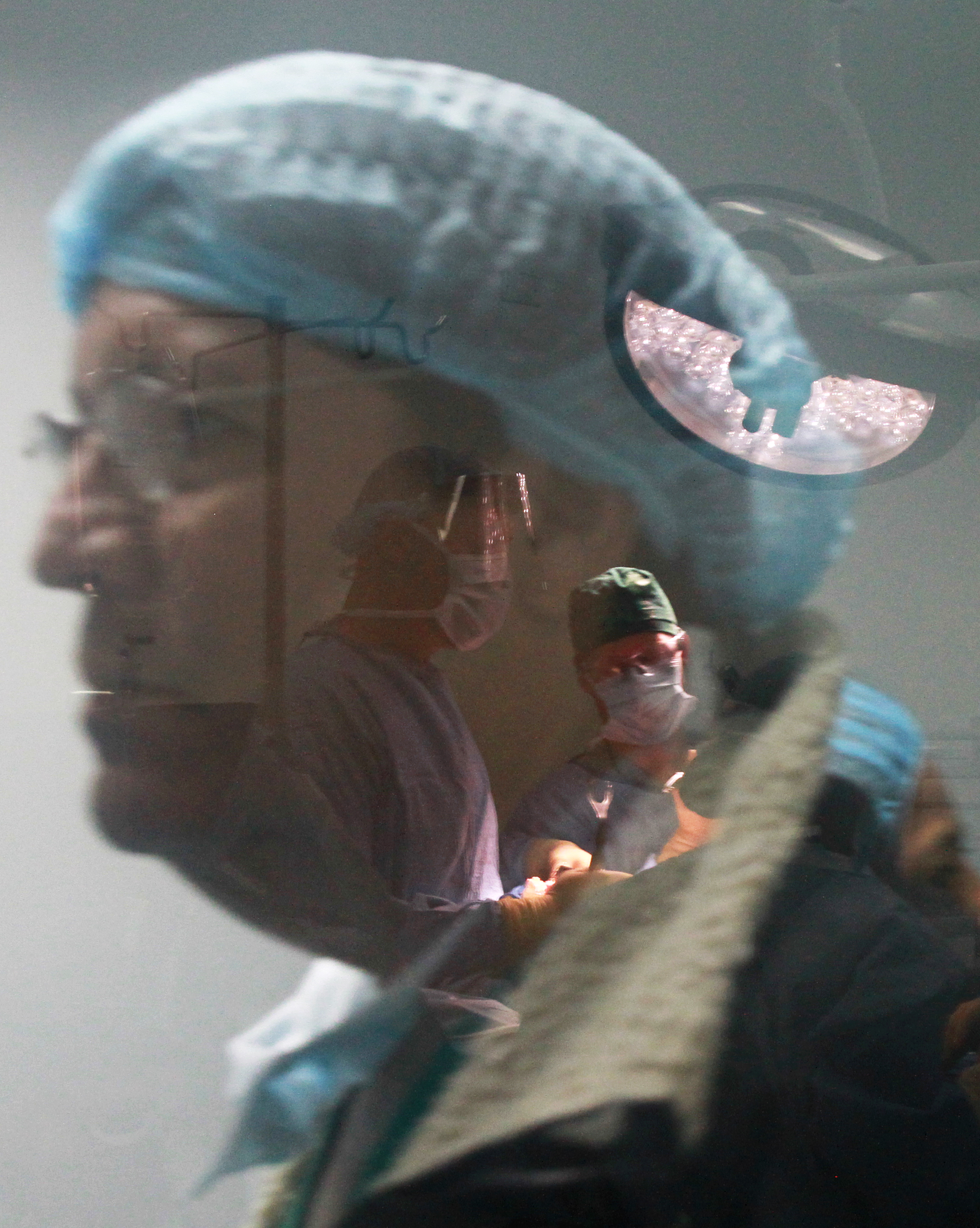
My background is in the Emergency Room, so I rarely see the inside of an operating room, as a nurse or a photographer. As a photographer, however, it is far more rare. As previously mentioned, the lack of privacy laws within the hospital allowed me to obtain images rarely seen. In school I was taught that one of the keys of photojournalism is to take readers where they cannot otherwise go. These photos do exactly that. A few of the following images may be a little graphic for those with a weak stomach, so let this be a warning if you are sensitive to those types of images.

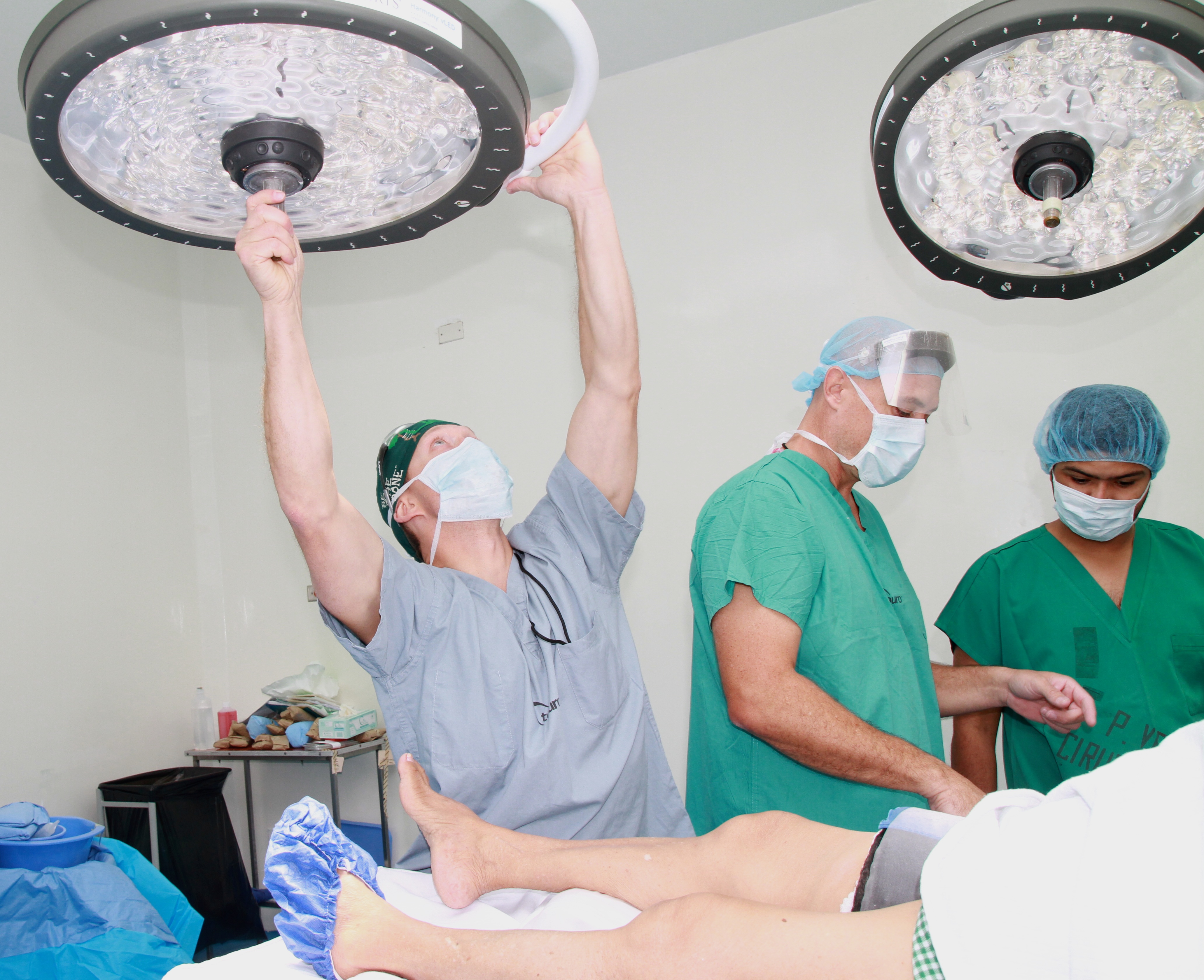
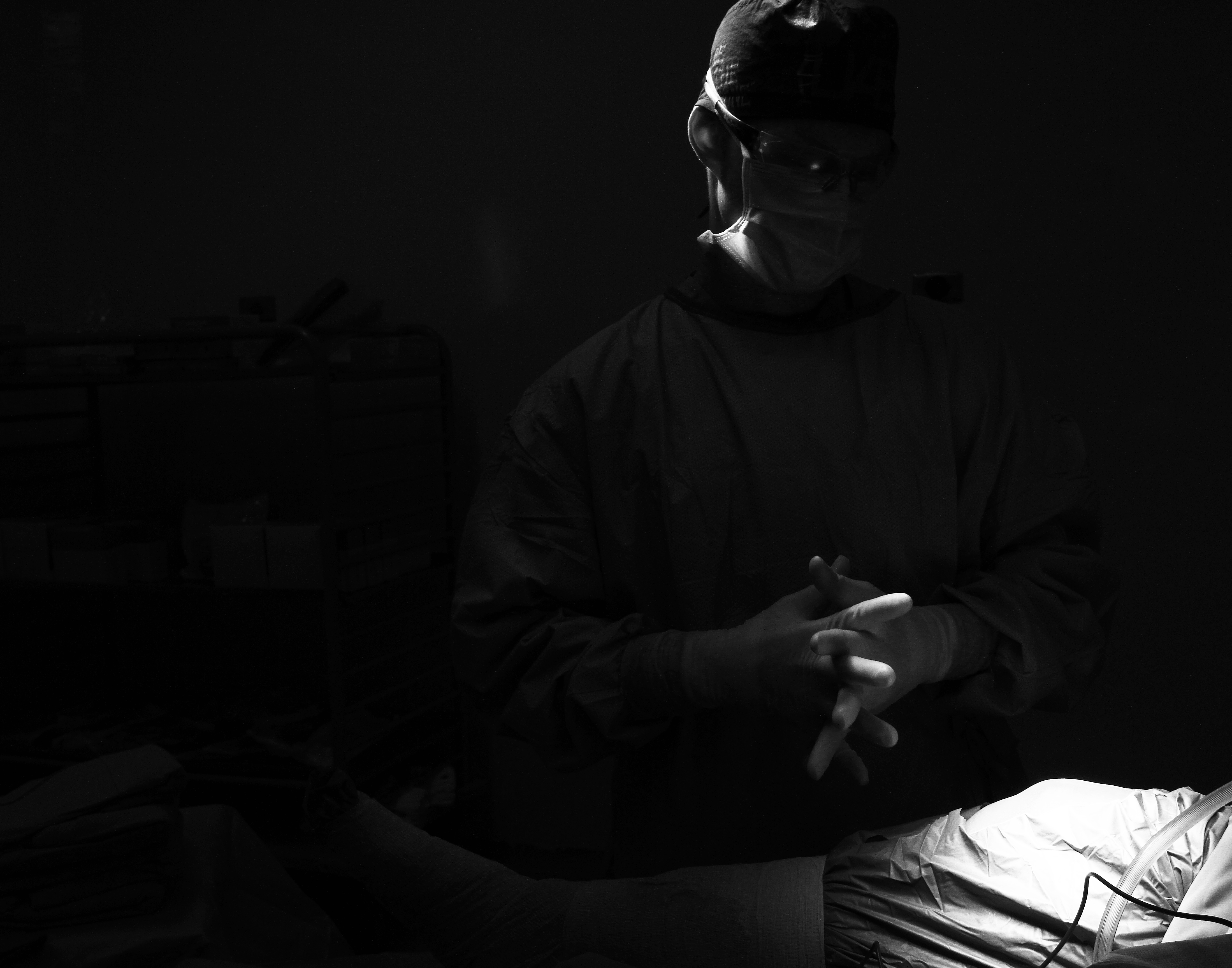
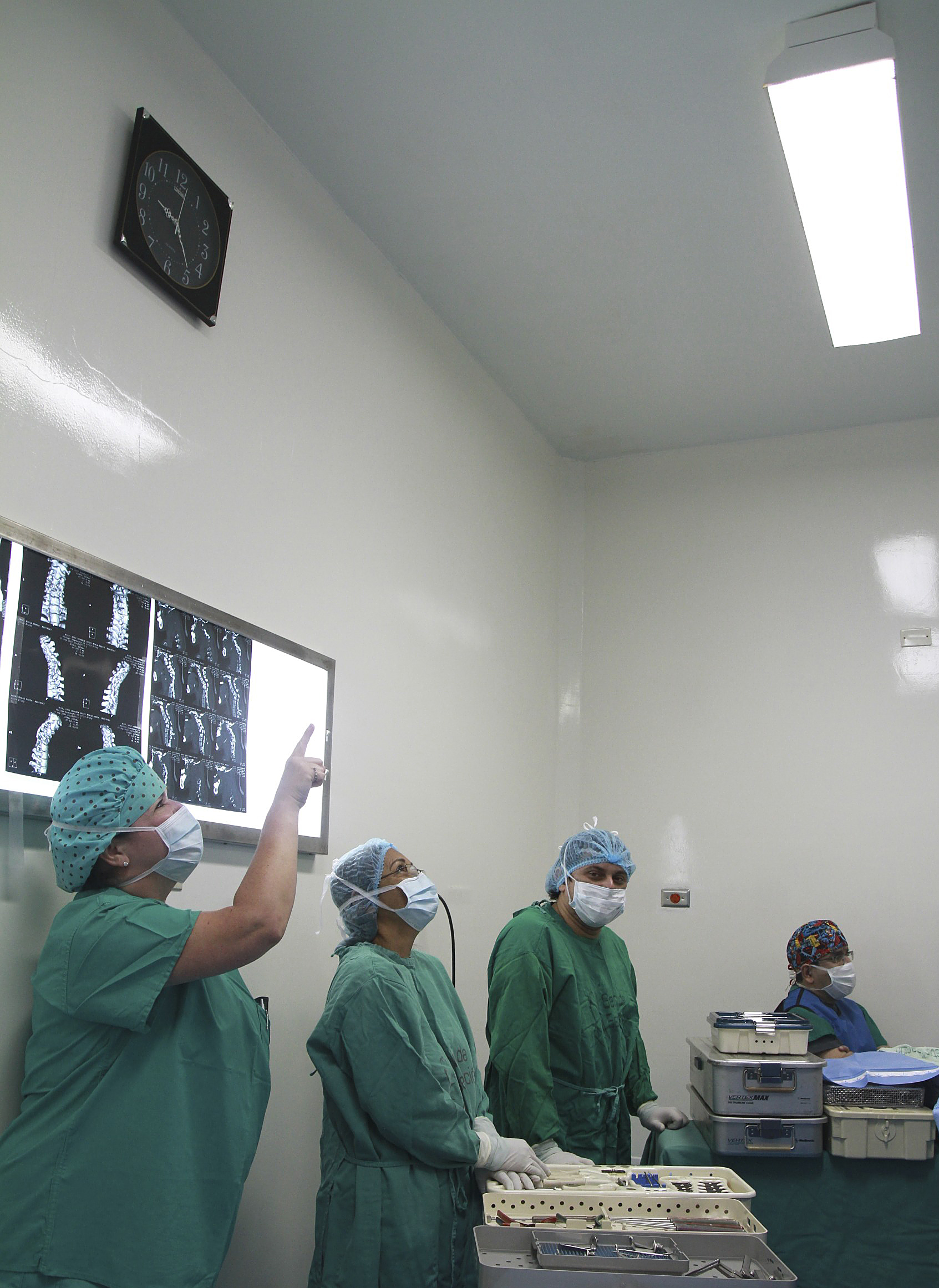
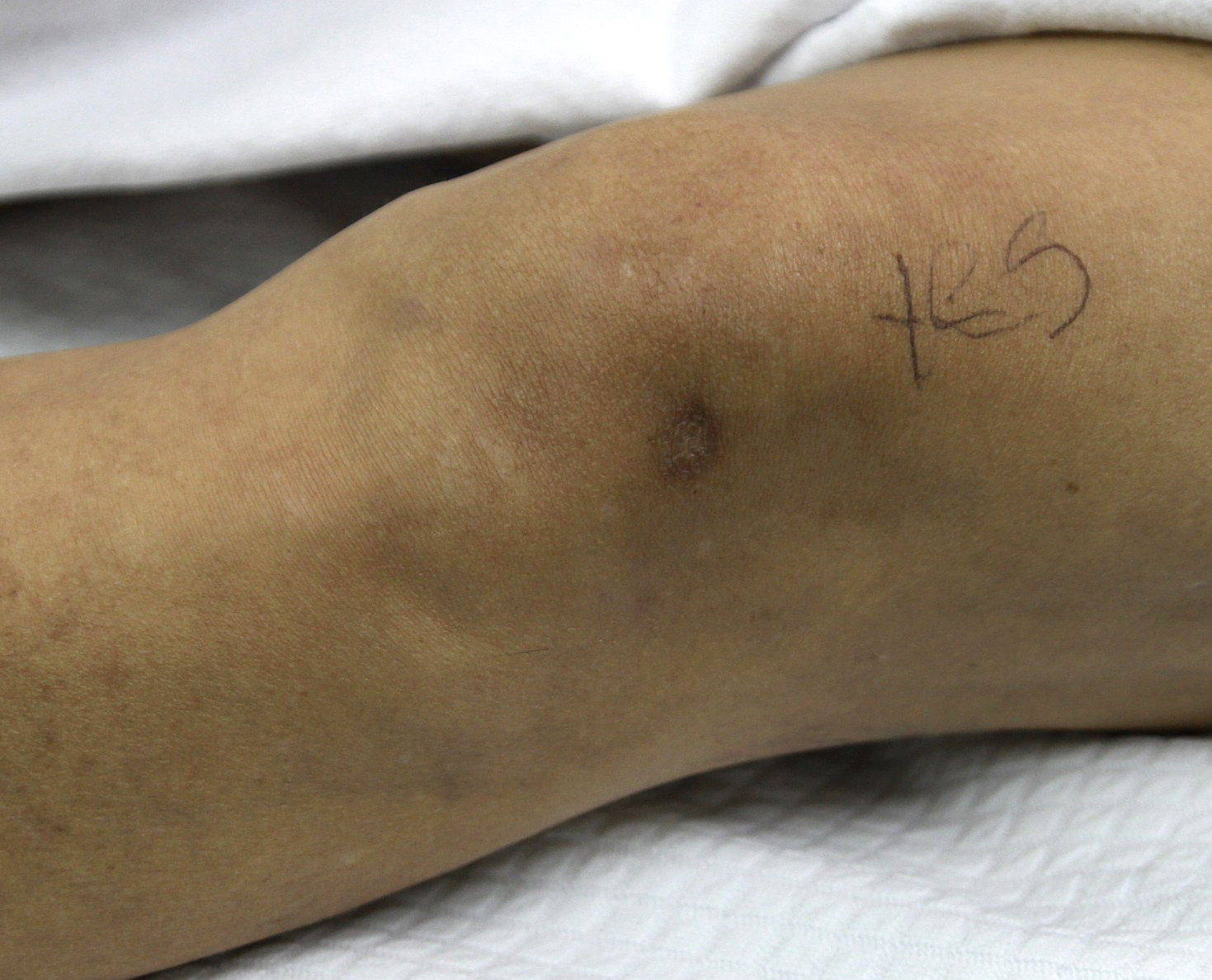
Once the room was set up by the nurses, the doctor had spoken with the patient and marked the correct knee, the x-rays had been hung up in the OR and the patient had been brought in and sedated or spinal blocked, then it was time to begin.

yes

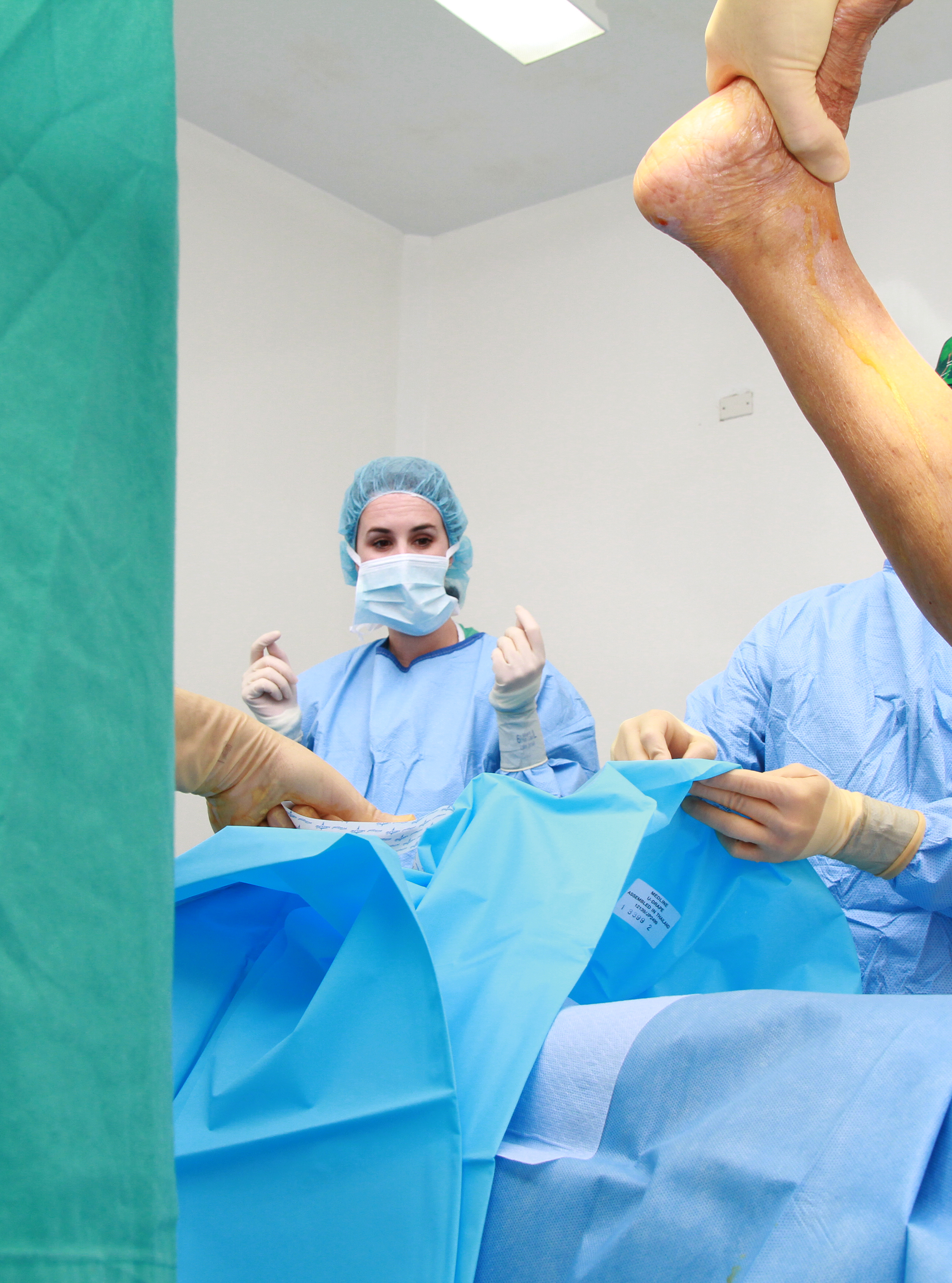
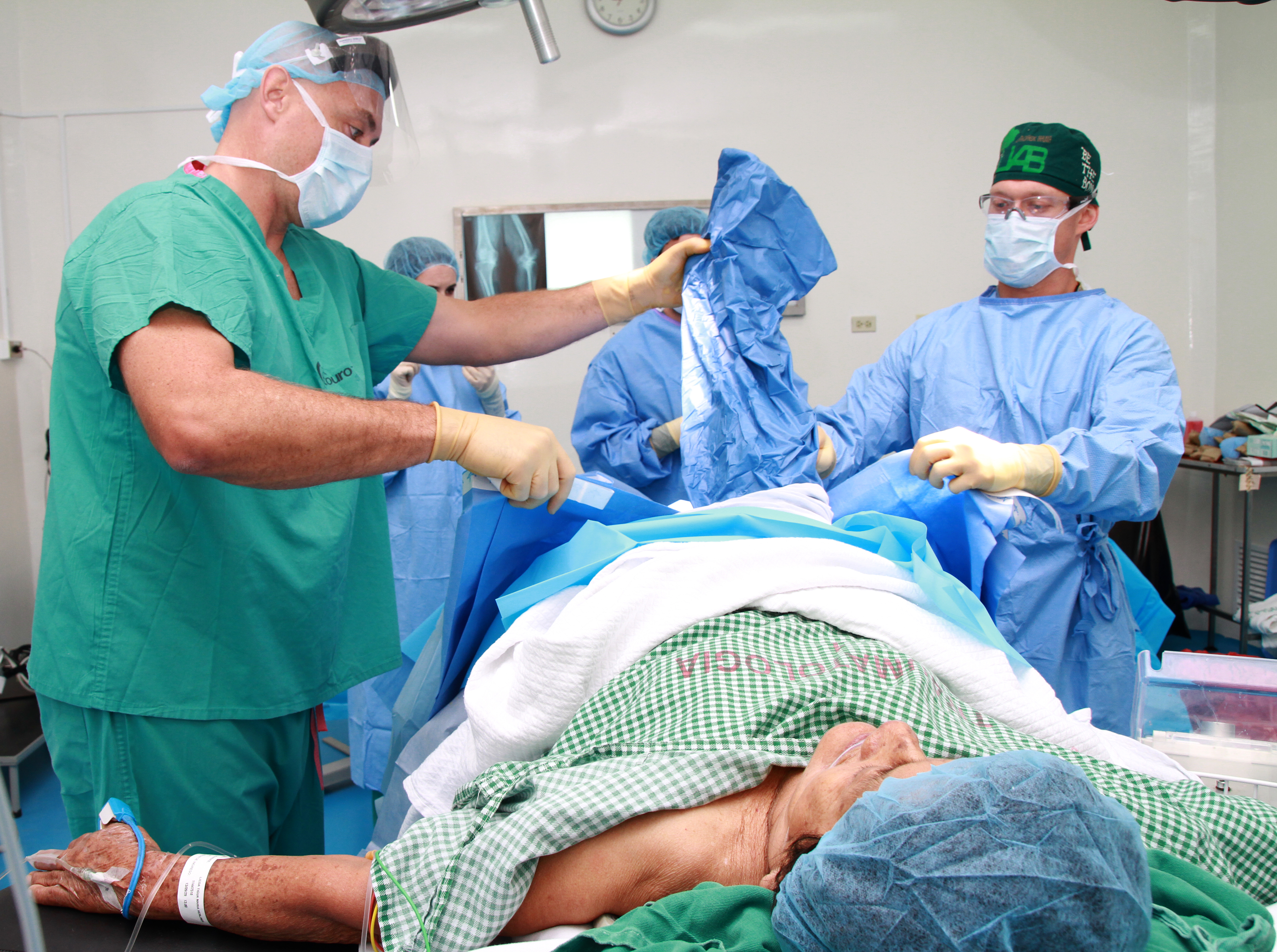
The patient was prepped by placing a tourniquet and cleaning his or leg leg and then covering the patient in sterile drapes to prevent infection.

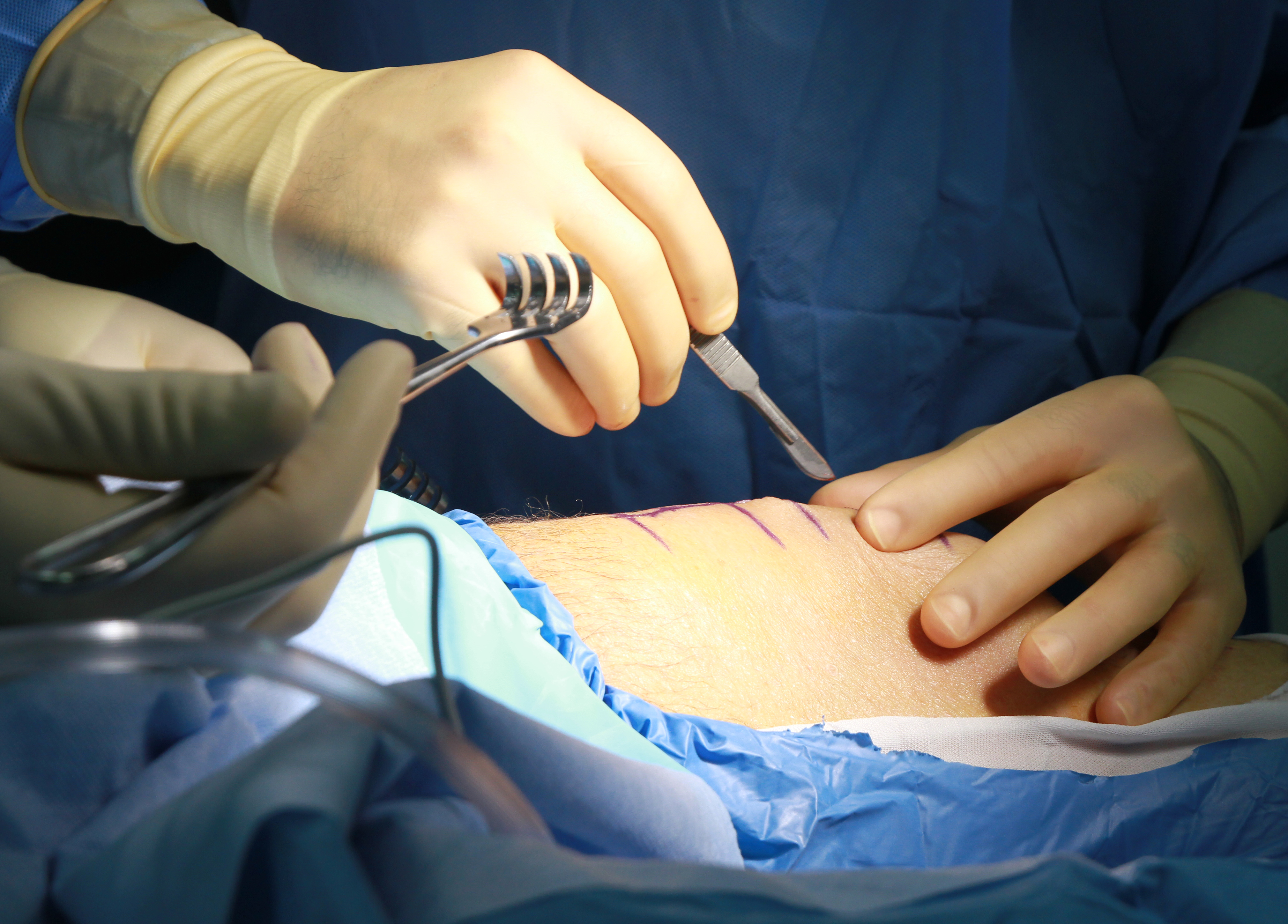
6906 IMG_6915edit IMG_6917 After that, it was time to begin surgery with the first cut.

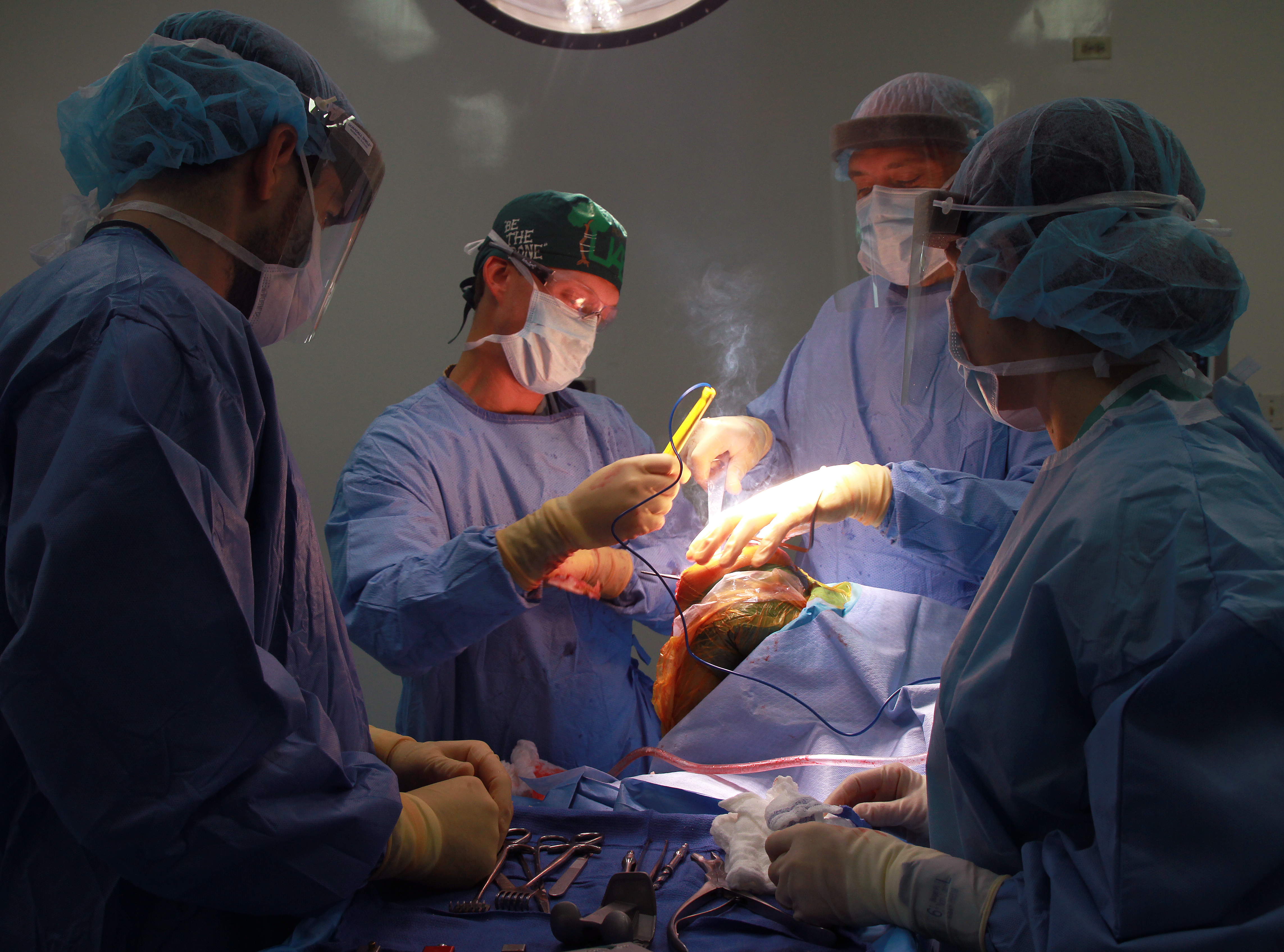
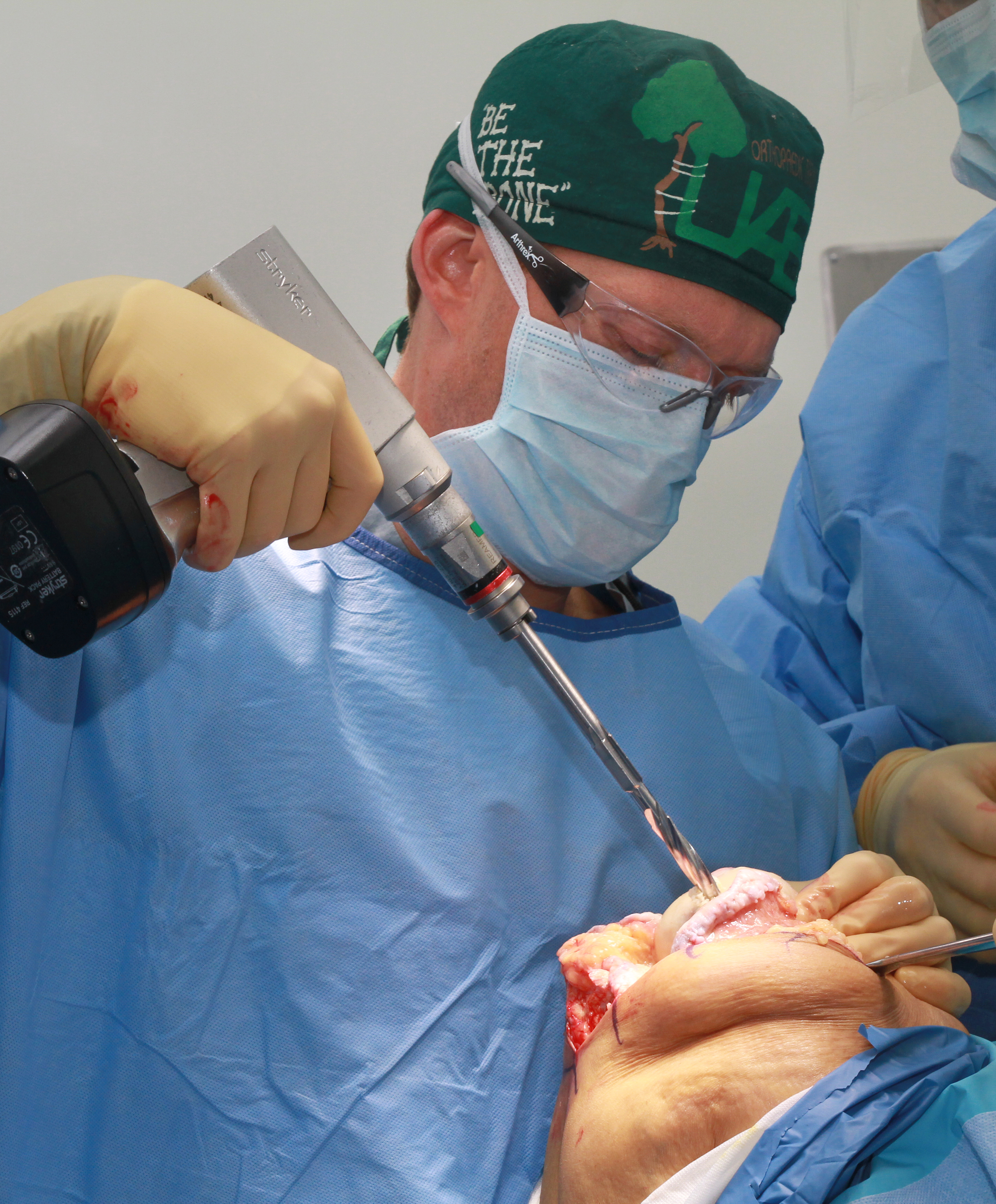
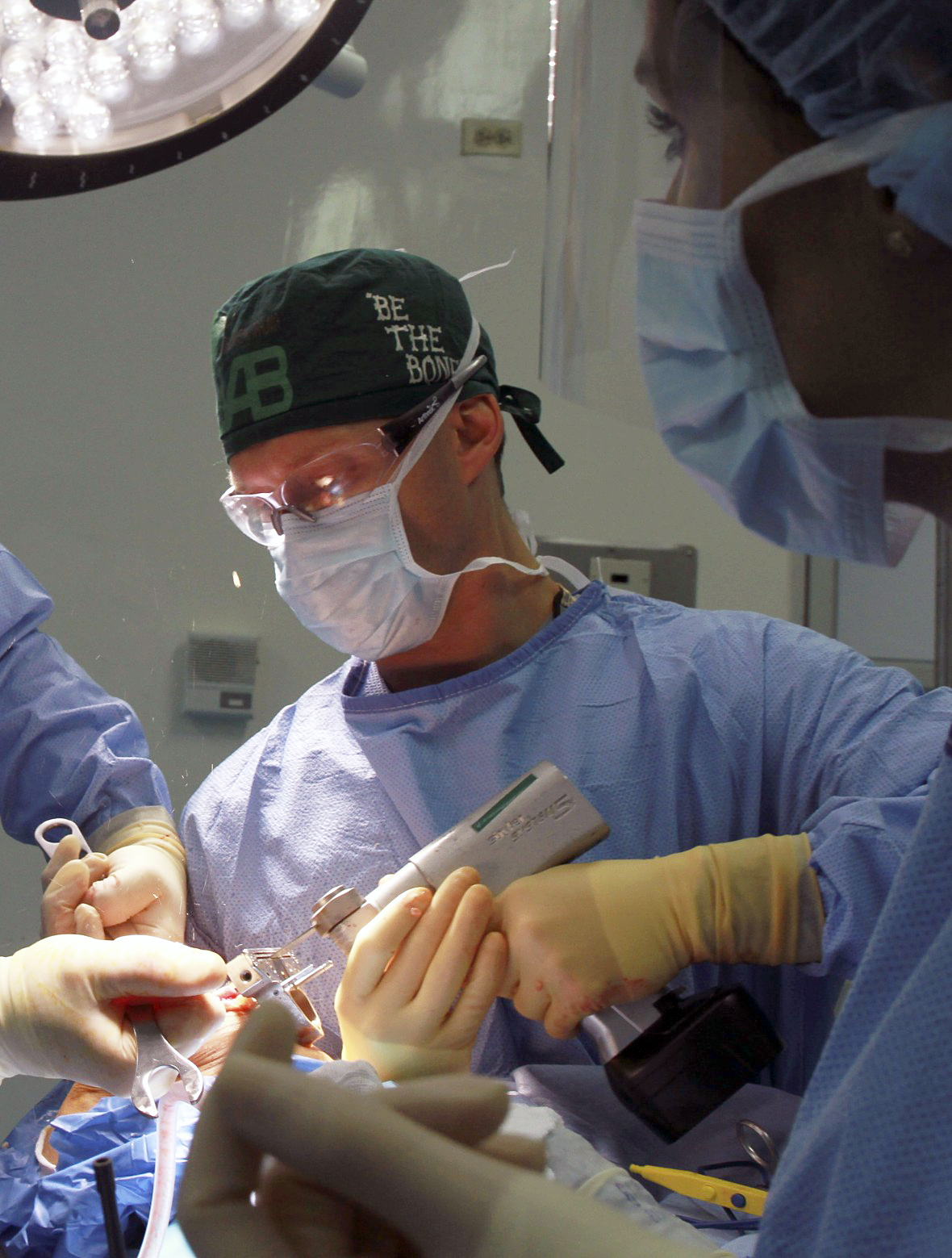
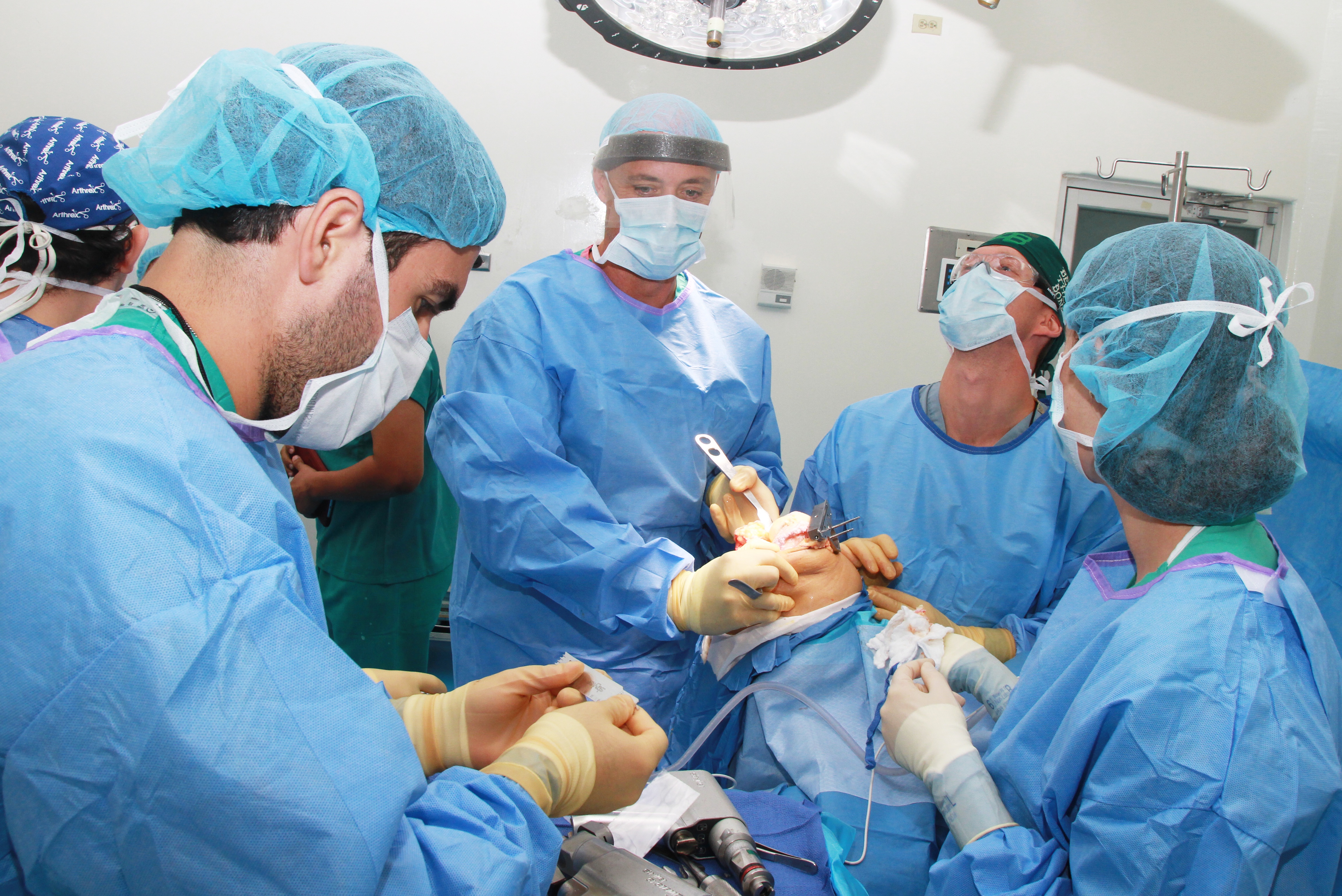
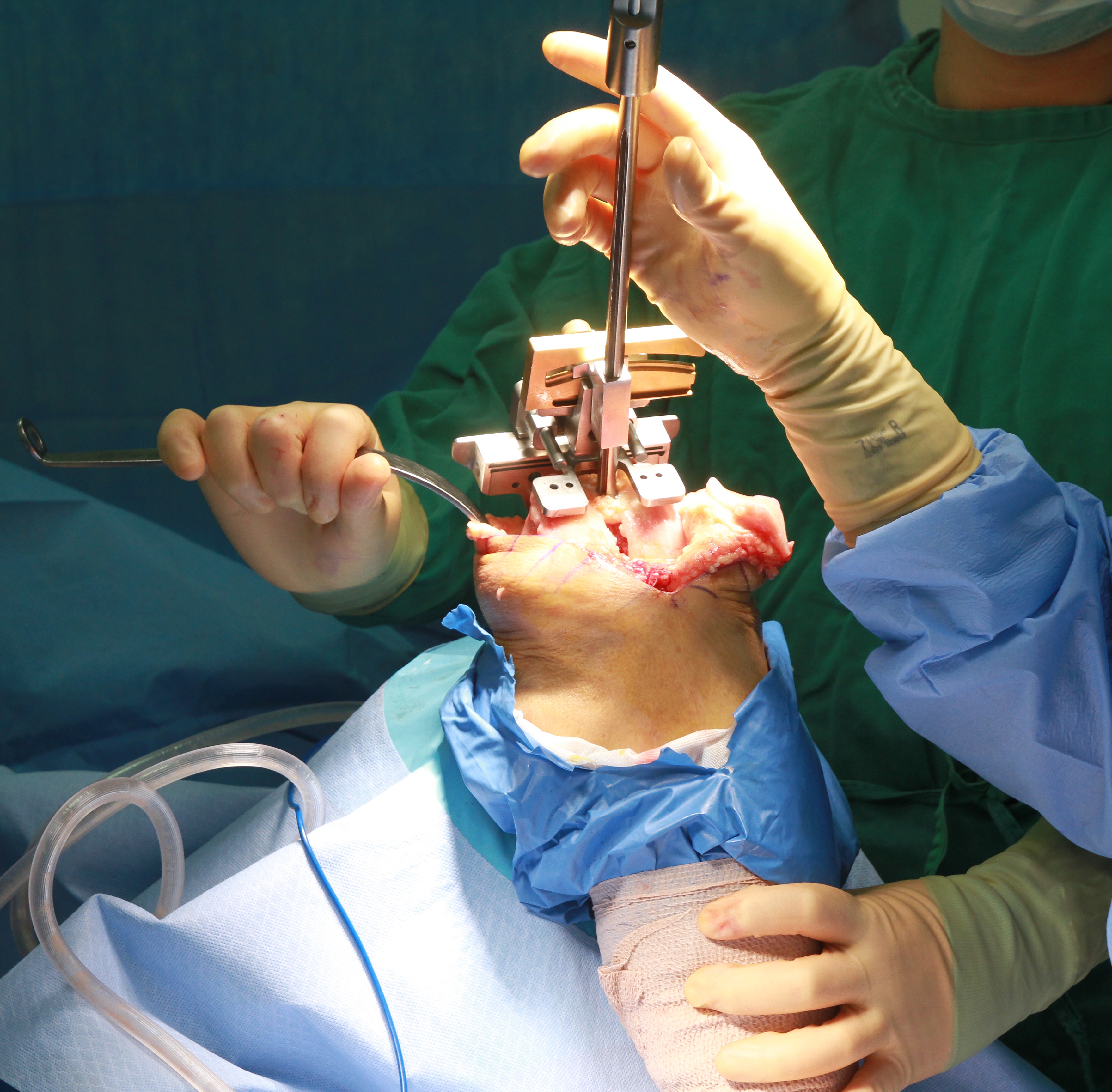
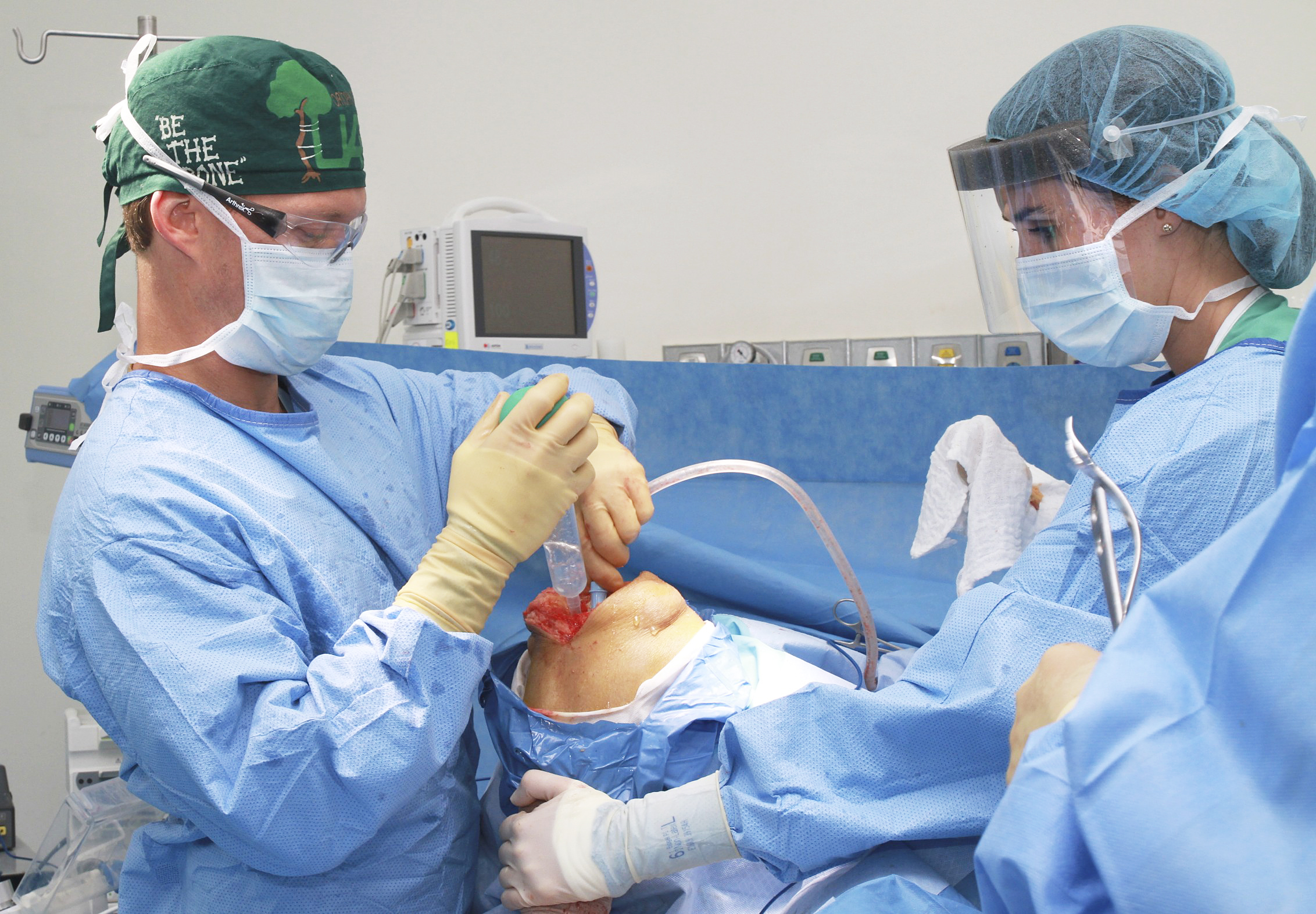
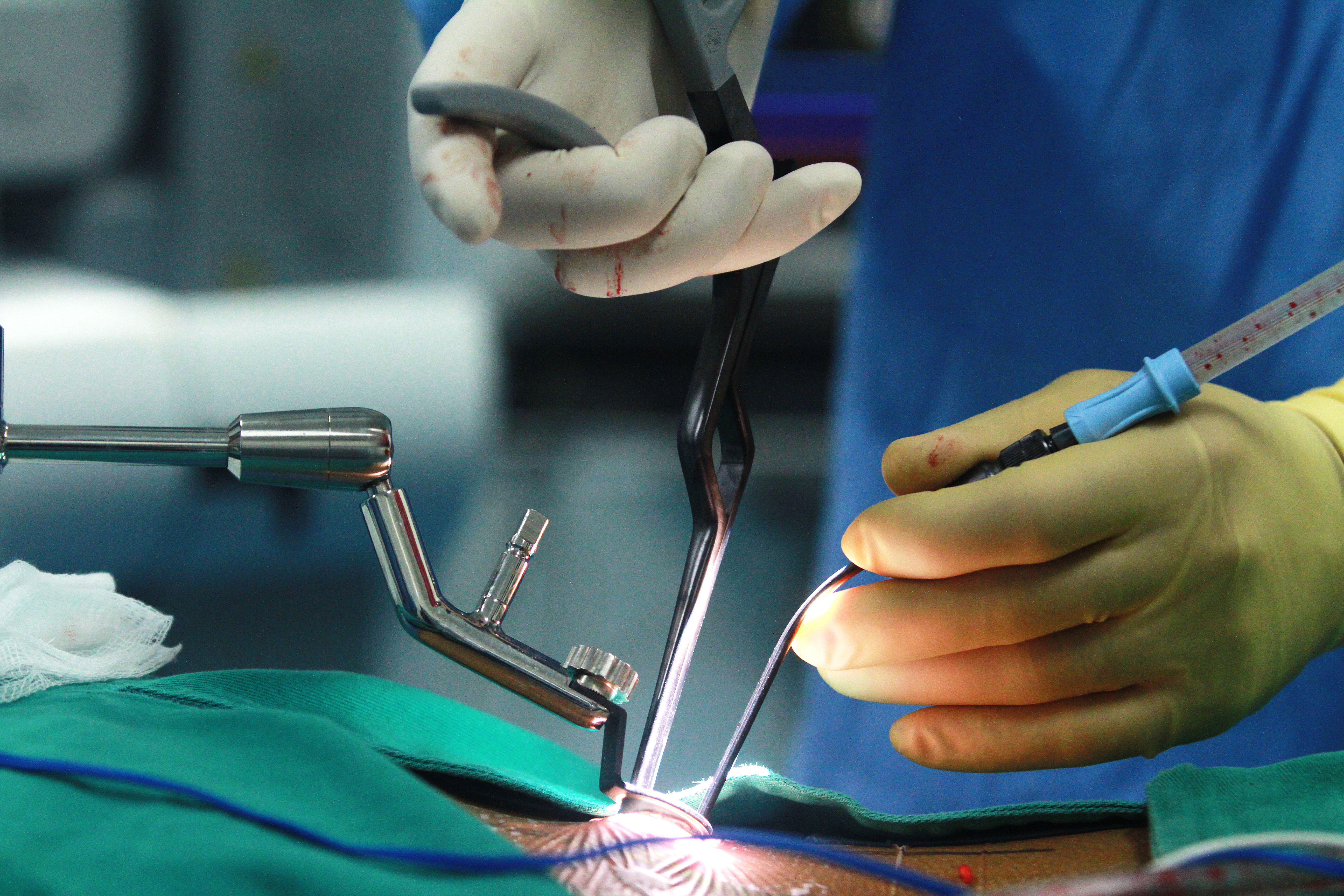
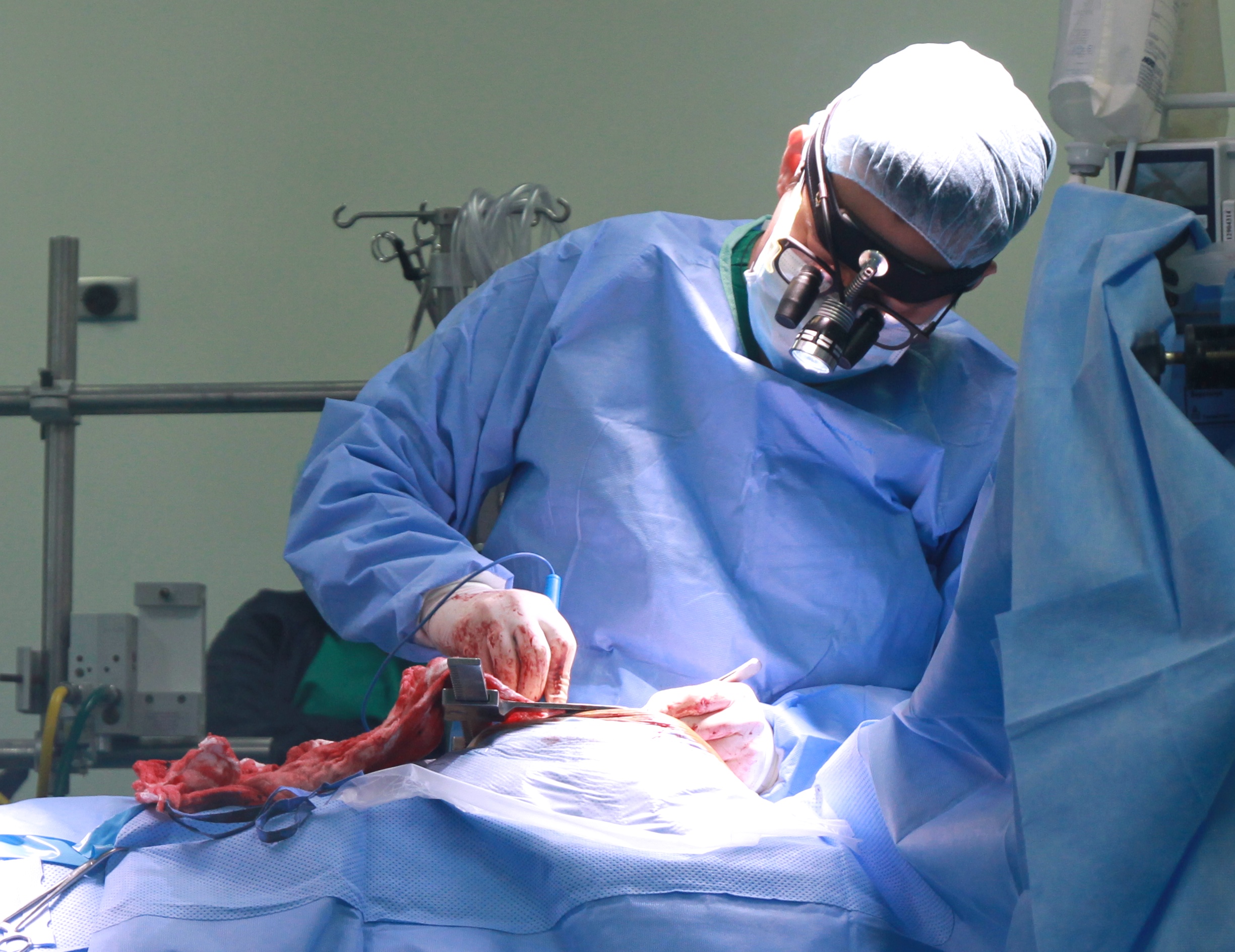
IMG_7731editOnce the knee was exposed, flesh was cleared away and Dr. Estrada set to work fitting the implant to the patient’s bones with a series of drills, saws and mallets. Dr. Estrada and the physician’s assistant working with him, Kentucky Skinner, worked seamlessly together. They somehow made this carpentry-like surgery appear artful, though still brutal, with flesh and bone flying through the air.

IMG_7576edit

IMG_7541editIMG_7057edit     IMG_7096edit IMG_6934edit It felt bizarre to be a room full of gowned and goggled people, the band Cake or 1990s rap music blaring in the background from an ipod, assisting in drilling bones. It was a glimpse into the everyday life of surgeons, and honestly I can see the attraction to it now. There is a thrill in it and an instant satisfaction.

knee1

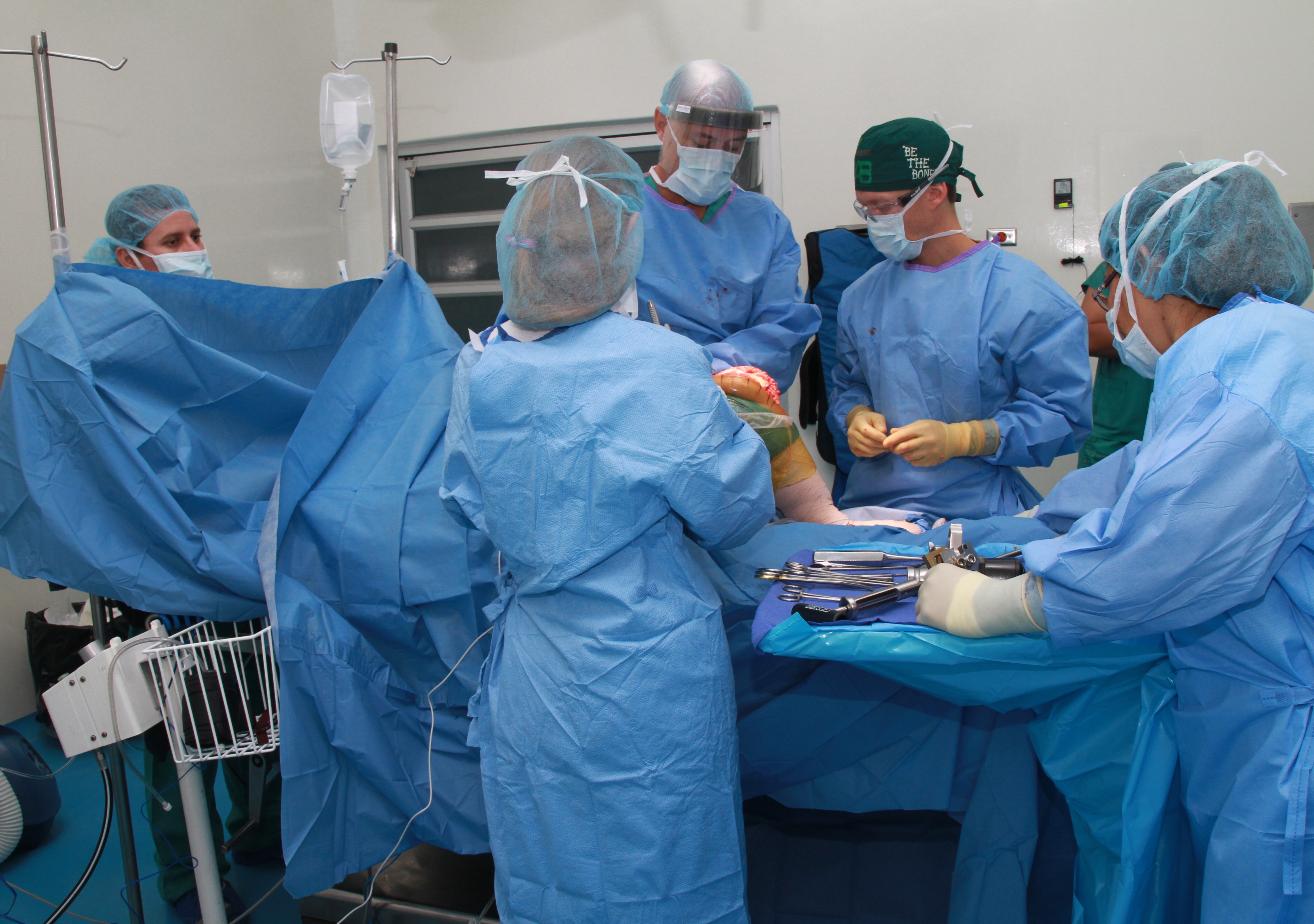
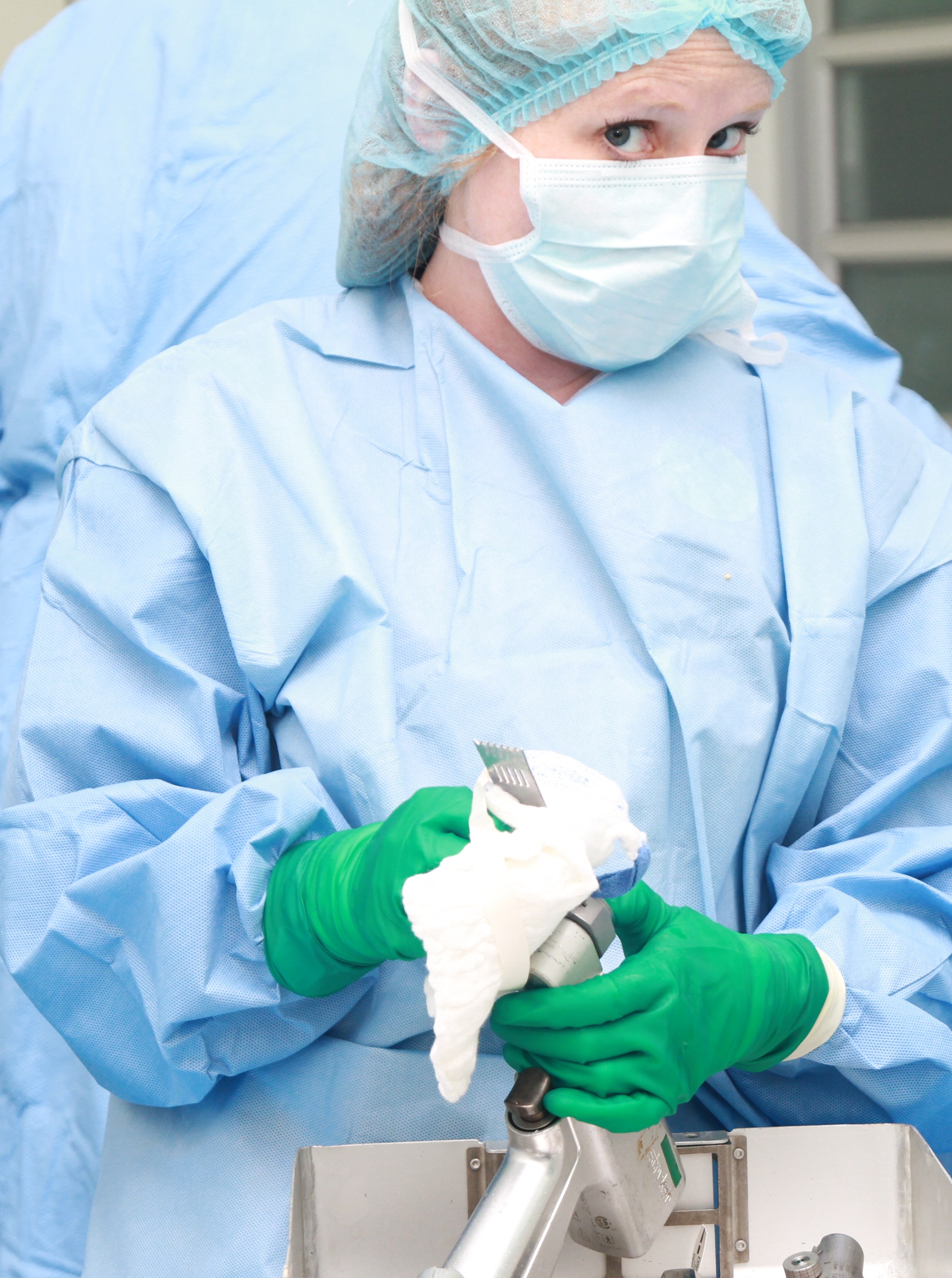
It is weird to say, but it was kind of fun. Here is an overview of a room during a surgery that I assisted in. I cannot take credit for this photo as I am in it, with my back to the camera, and one of me cleaning off an instrument.

7024knee7

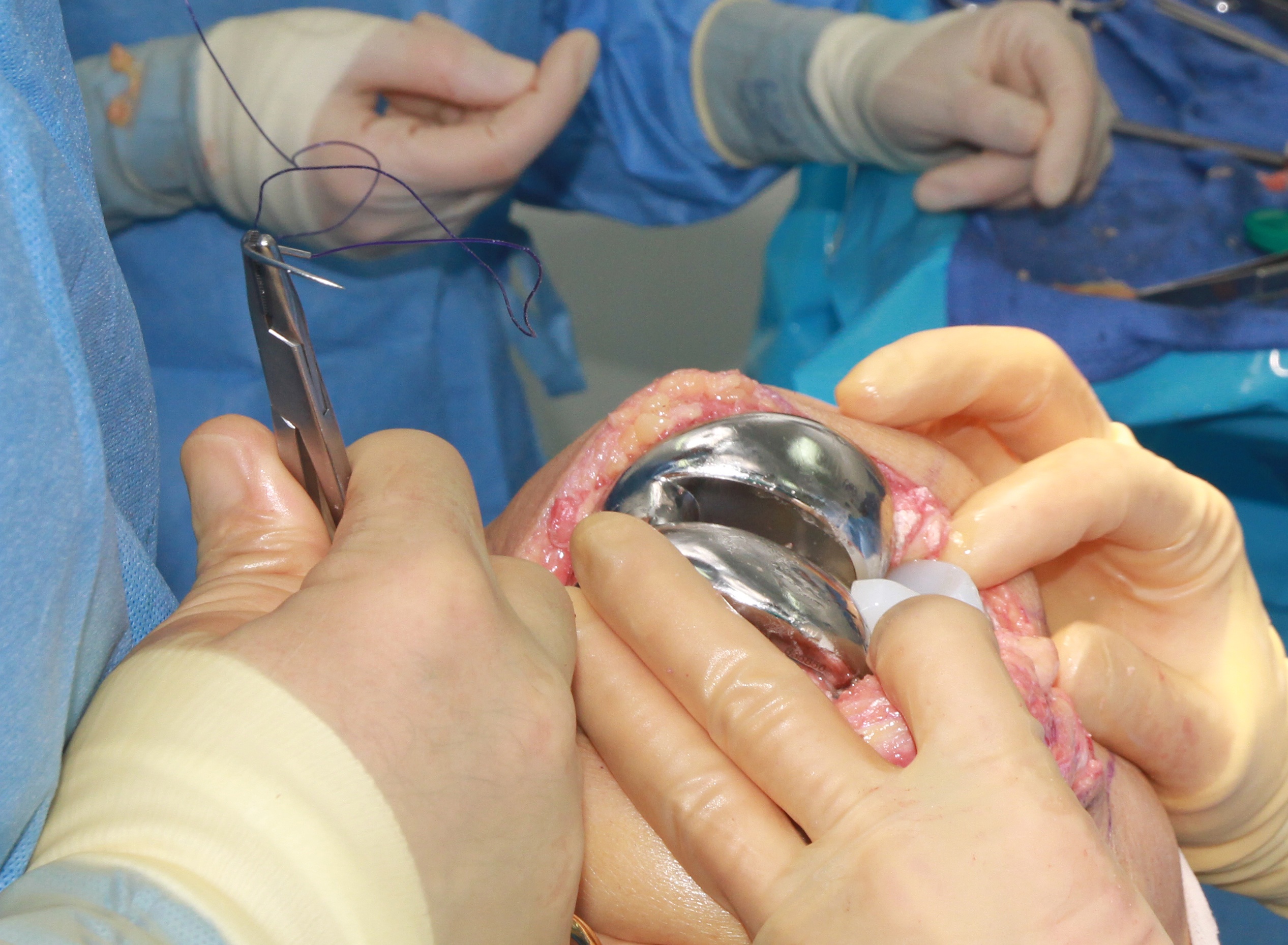
After the bone was cleared away and holes were drilled in preparation, it was measured for the proper implant and then irrigated.

knee6IMG_6979edit

When the implant size was chosen, the nurses mixed cement, which was used to secure the implant to the patient’s bone.

knee2

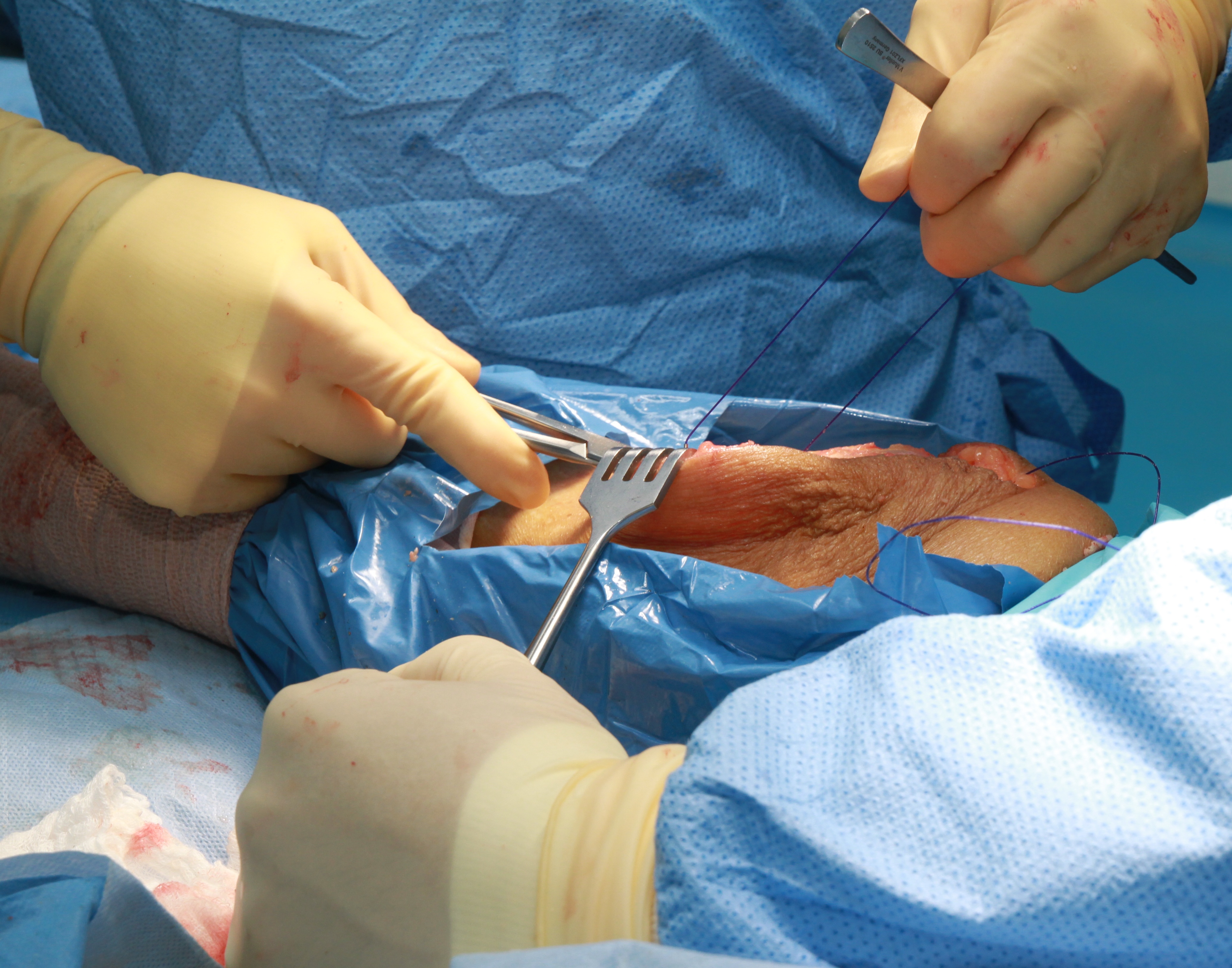
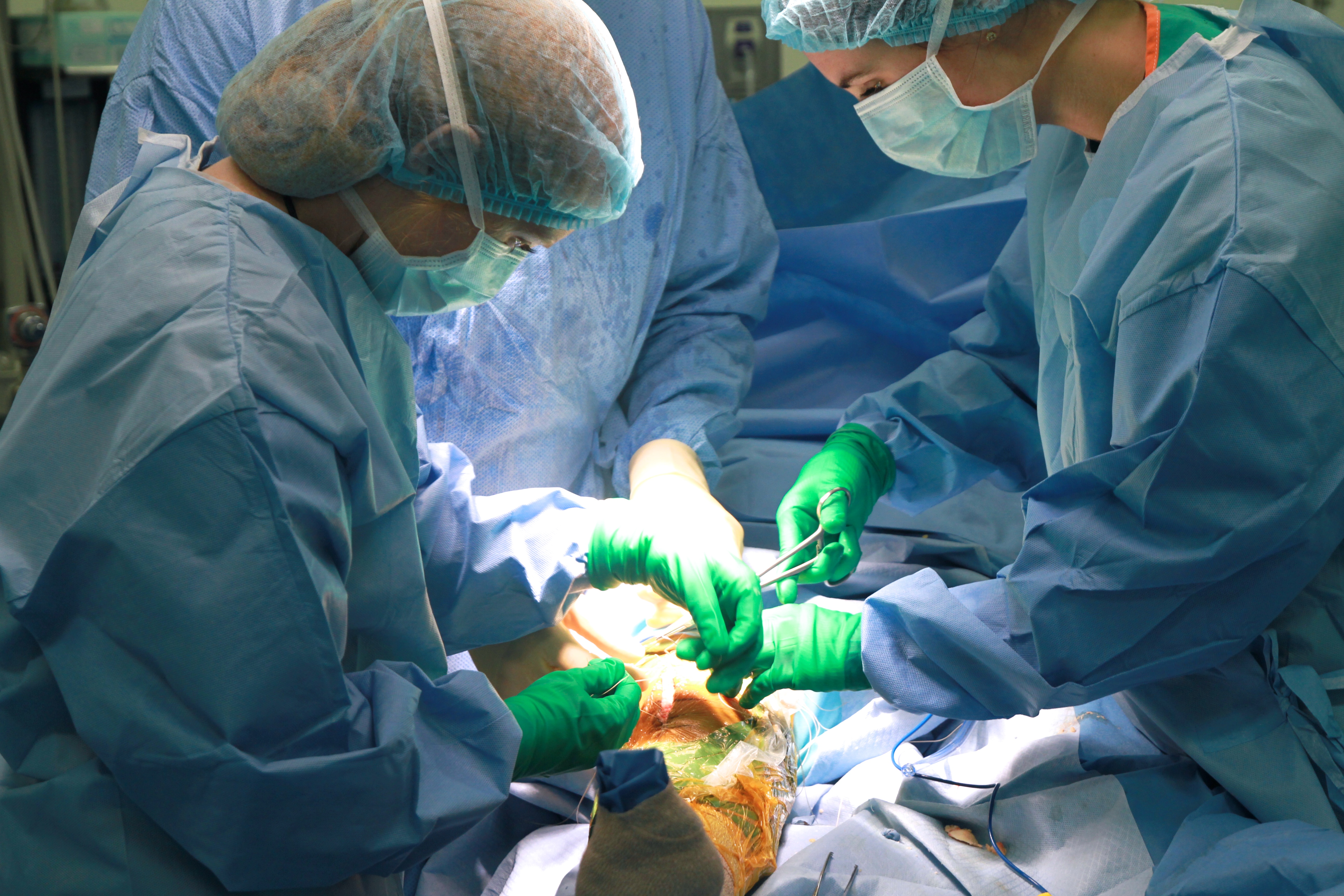
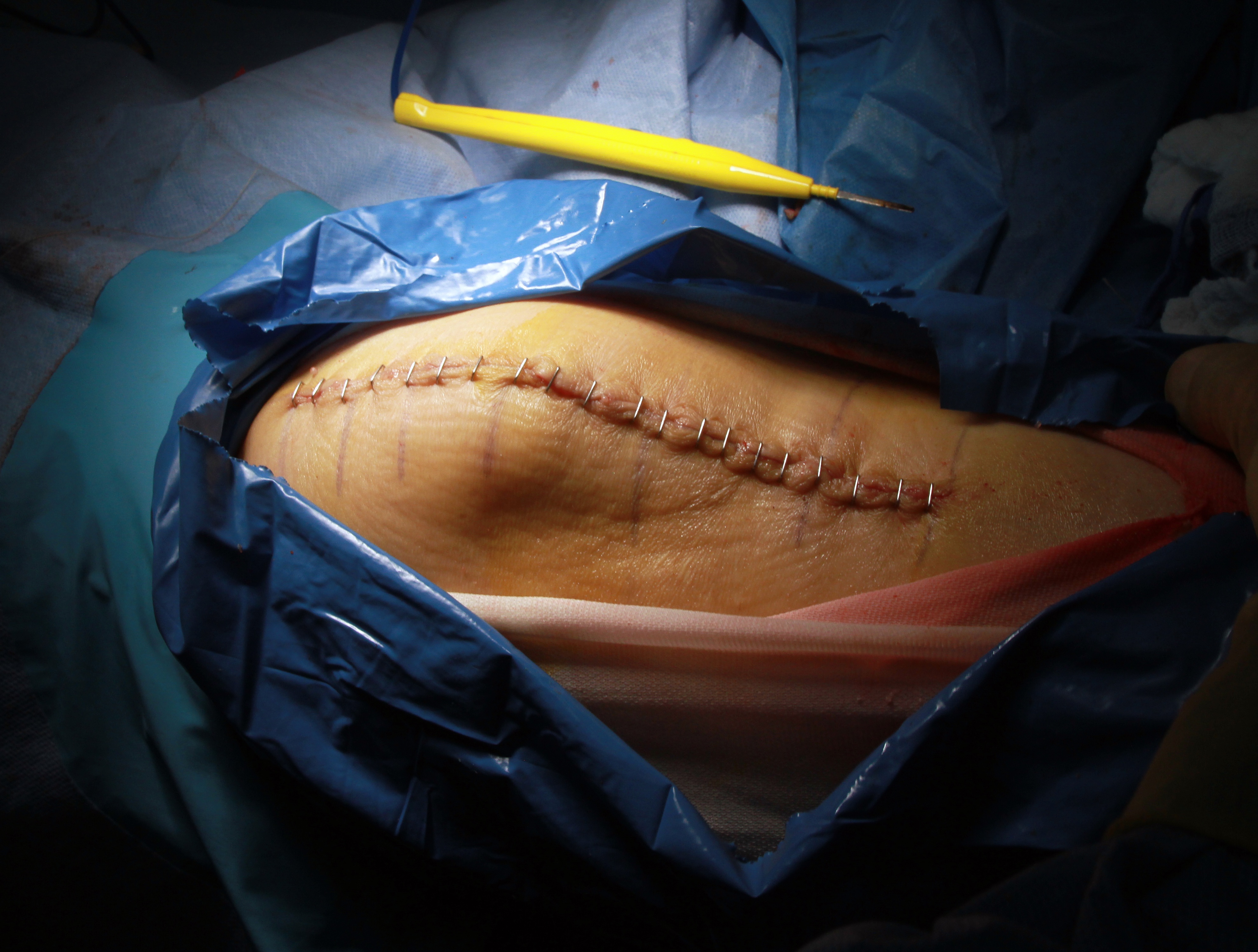
To close, Dr. Estrada put a deep layer of stitches, followed by a more superficial layer placed by Kentucky (which sometimes the nurses got to help with) and then a final layer of staples.

7003

Here Kaitlin and I assist Kentucky. Photo credit to Alexis Brown.

knee8

When the surgery was complete and the nurses were left to dress the knee and set up for the next surgery. We had two rooms going at a time, so we could get through more knees. Once the deep stitches were placed by Dr. Estrada, he went over to the next room to begin on the next patient. Here is the same knee from the beginning of my post after the surgery was complete.

post post

At the end of the day, the knees were straighter and much more functional for the patients. It felt really good to definitively accomplish something for someone else. Dr. Estrada said he liked to fix things, and this line of work allows him to do just that. Veliz Aguirre Yeliz Eneida, whose knee is pictured here, came in with a crooked knee and rolled out 45 minutes later with a brand new joint and a chance at getting more out of the rest of her life. It really is pretty amazing.

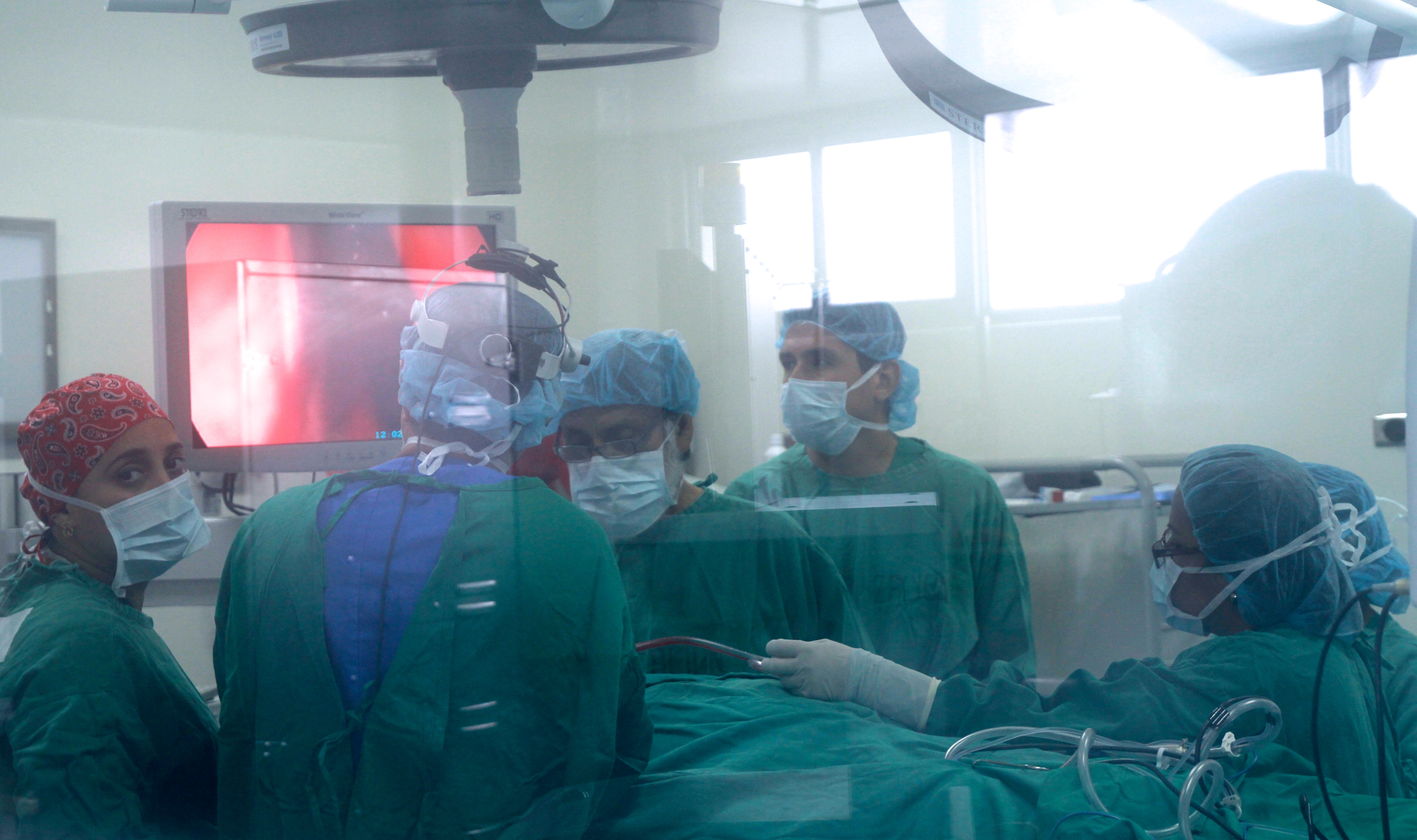
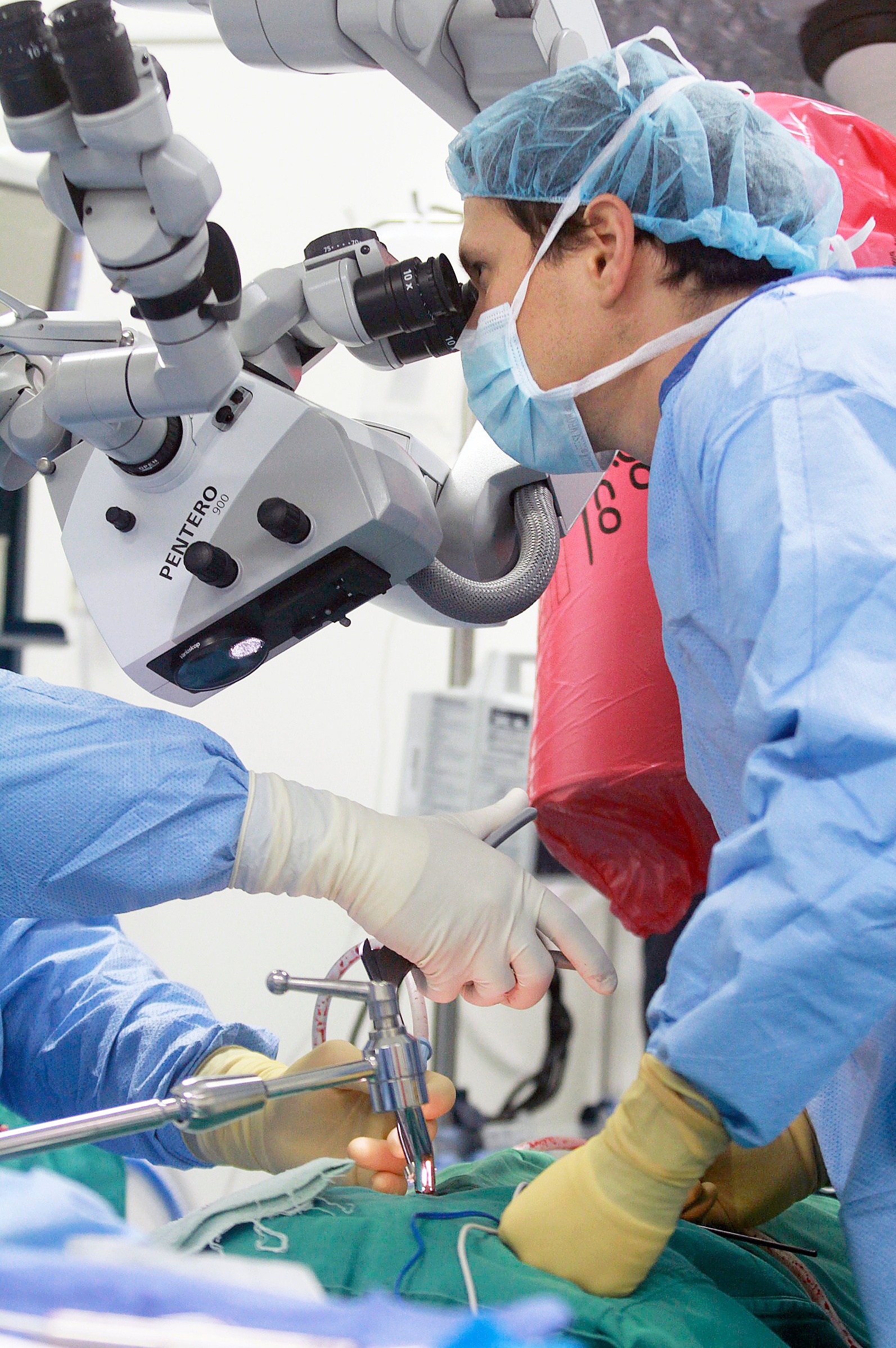
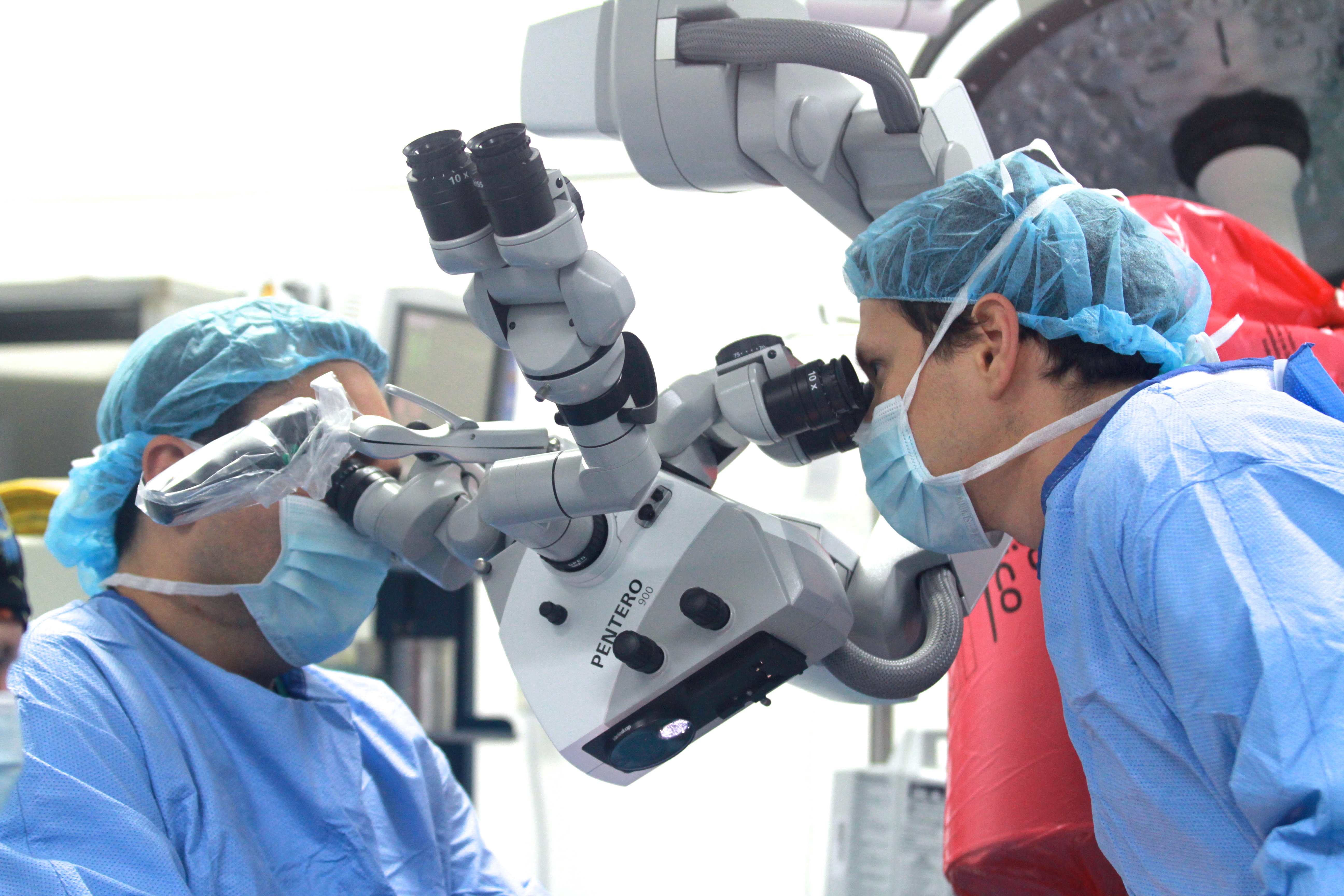
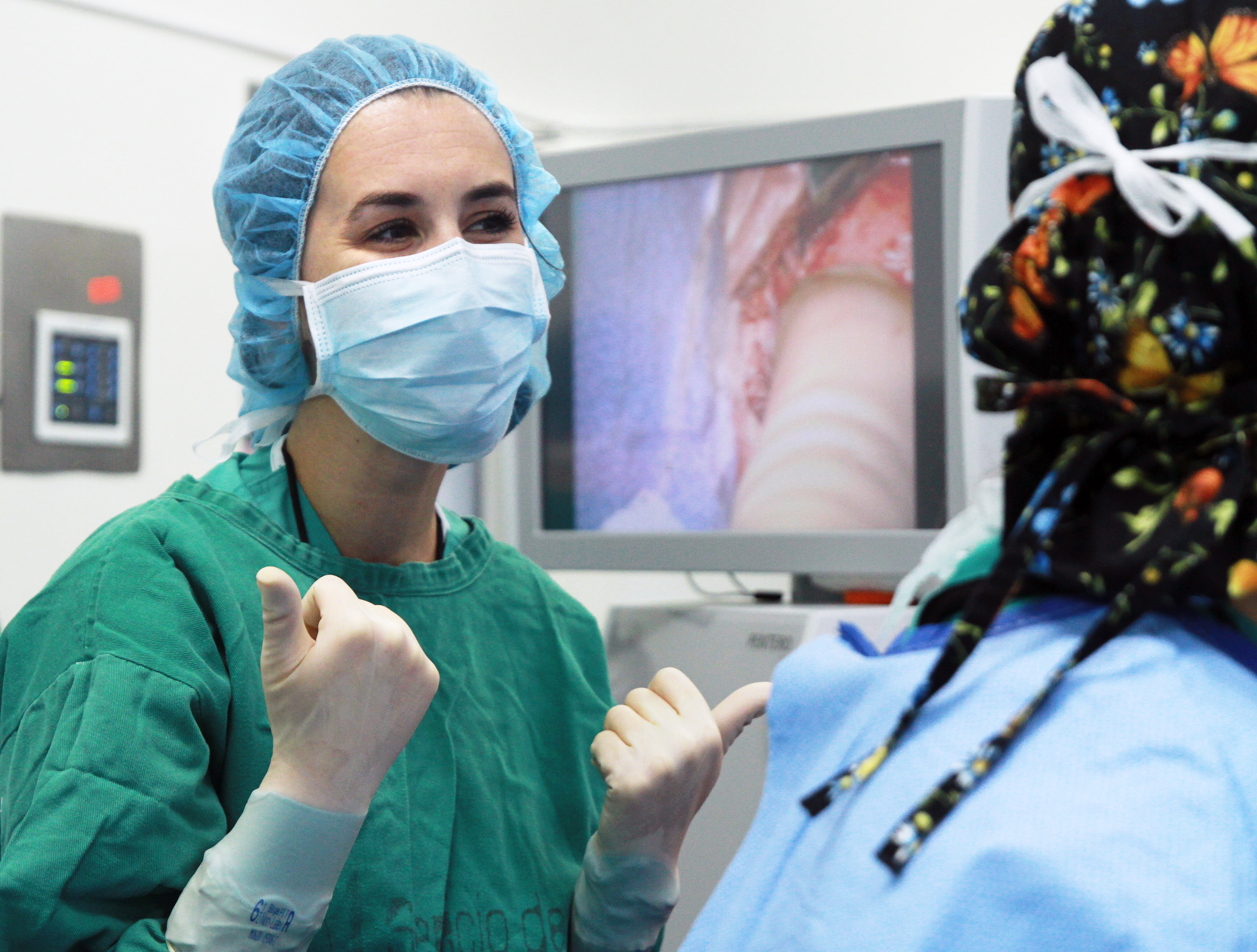
Neurosurgery was a bit different. It was much more delicate and there were even more instruments involved. Here Dr. Valle and Dr. Thomas work together with surgical technician, Susie, assisting.

IMG_7512edit IMG_7472editneurosurgery4 neurosurgery5Before going on this trip, I had heard stories from my friend about a trip to Nicaragua with this group. During one surgery, Amy was put on fly swatter duty because there were so many flies in the surgical suite. We were not roughing it as much as they did there. There was only one fly incident. Lisa is pointing to it on the ceiling here. It made me think of the Breaking Bad episode about the fly, for anyone who watched that show.

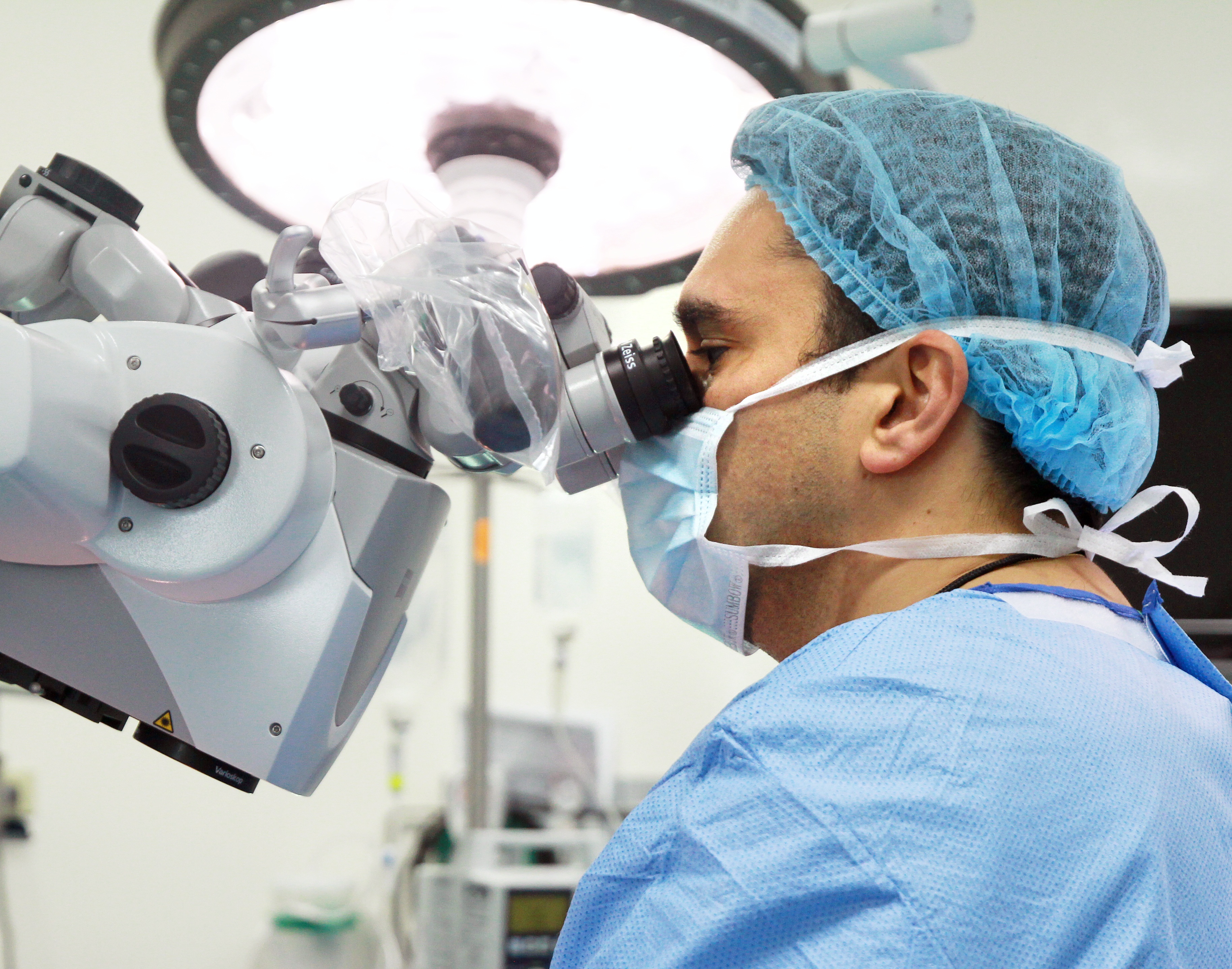
IMG_7524editSince the areas neurosurgeons operate on are so delicate and small, things like video and microscopes are key.

neurosurgery6 neurosurgery3 neurosurgery2IMG_7518editMy next blog post will be the conclusion of the Ecuador series with a look at some of our patients after their operations and the positive impact it had on their lives and the lives of their families.