BE WARNED: THIS POST DEALS WITH SURGERY AND, AS SUCH, CONTAINS SOME IMAGES THAT MAY BE CONSIDERED GRAPHIC.
Volunteering in Nicaragua helped remind me why I got into the medical field in the first place. Here, we were not dealing with red tape, paperwork, hierarchies or egos. We all worked together, alongside local staff and volunteers, helping as many people as we could. There was close interaction with the patients, and without the normal headaches of work at home, the doctors enjoyed concentrating on their craft and I enjoyed learning from the surgeons and bonding with the patients and their families. We had more time to actually help people hands-on. In our short week, Dr. Sketchler and Dr. Millet and the rest of our team were able to complete 39 knee replacements for people who would never have had access to this treatment.
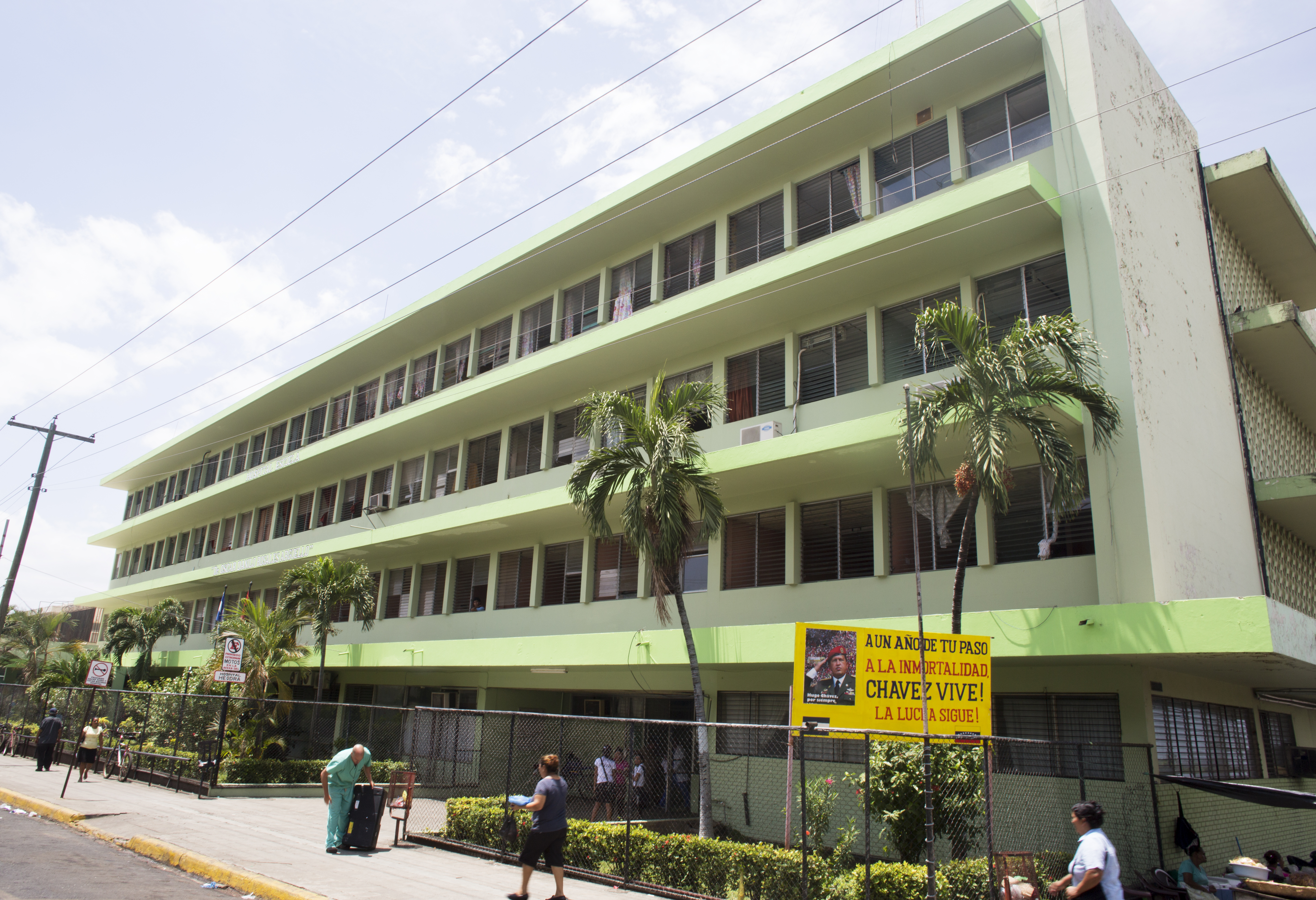
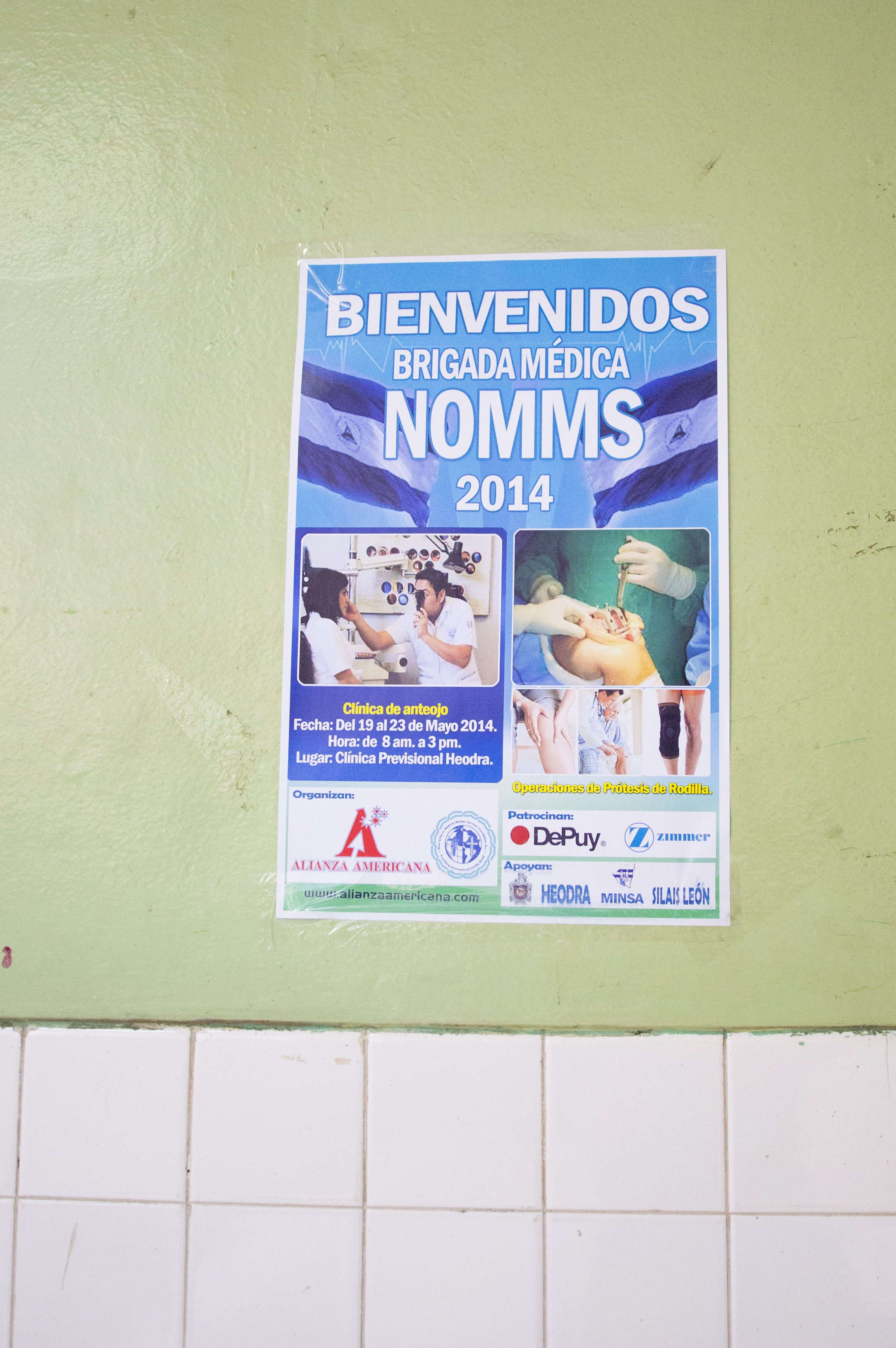
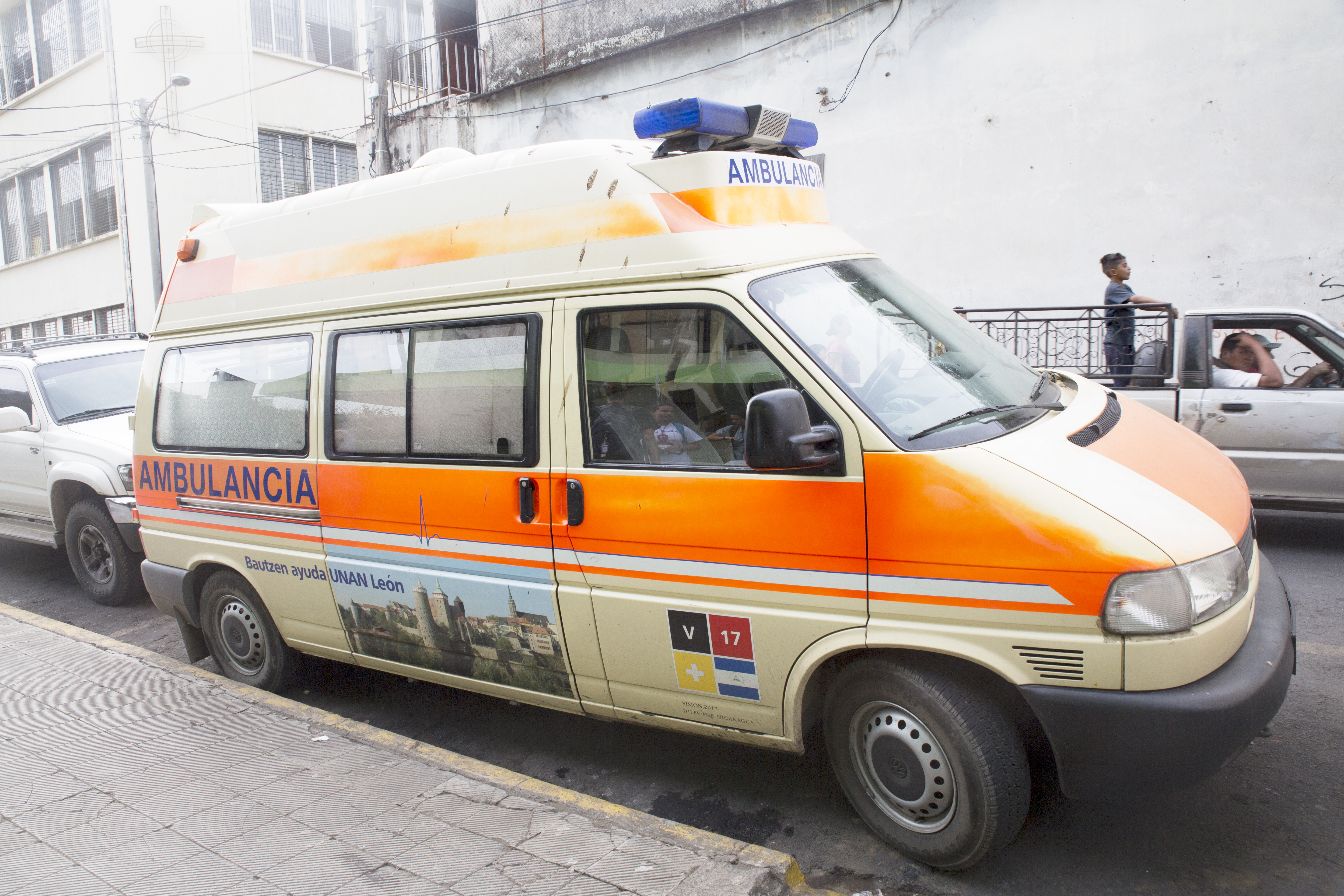
I’ll start this post with a few photos from around the hospital. A banner on the hospital and signs posted inside read “Bienvenidos NOMMS,” or “Welcome NOMMS (New Orleans Medical Mission).”
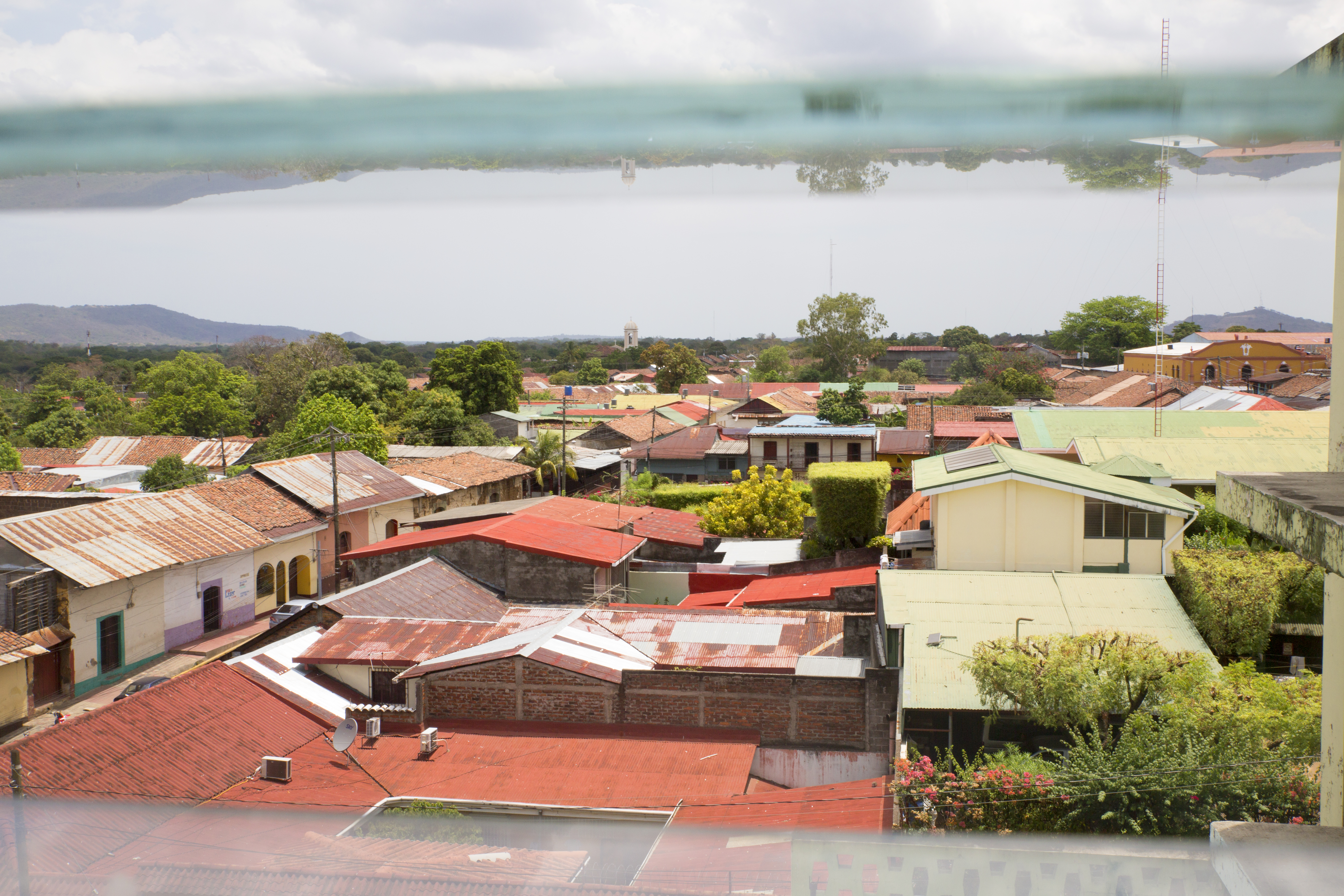
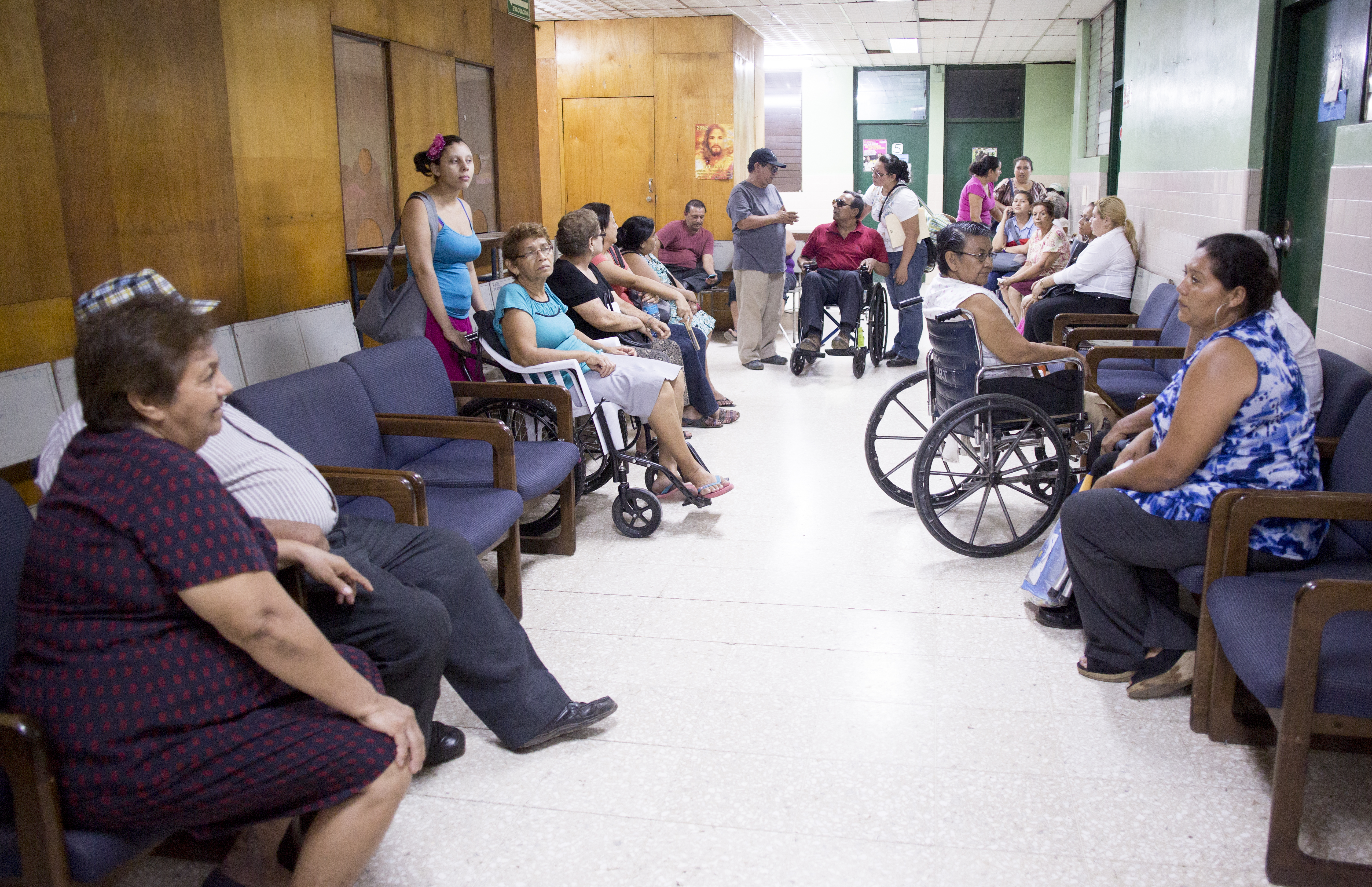
Though there was limited air conditioning in surgical theaters and supply rooms, the hospital was generally cooled naturally. As a result, it was not uncommon to see pigeons in the waiting room.

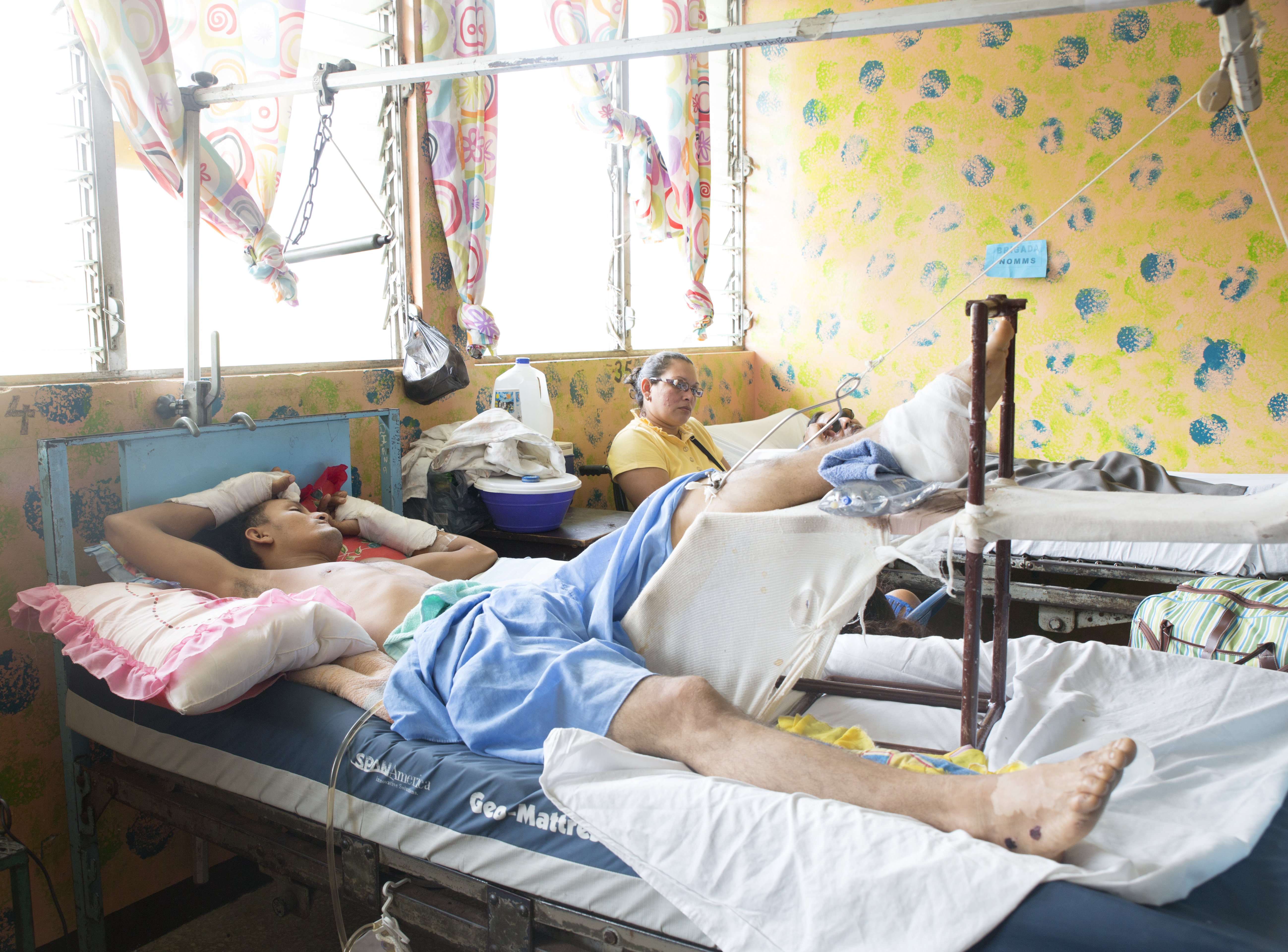
Motorcycle accidents are all too common in León. This man broke bones in both of his hands and his leg and has a long recovery ahead of him.
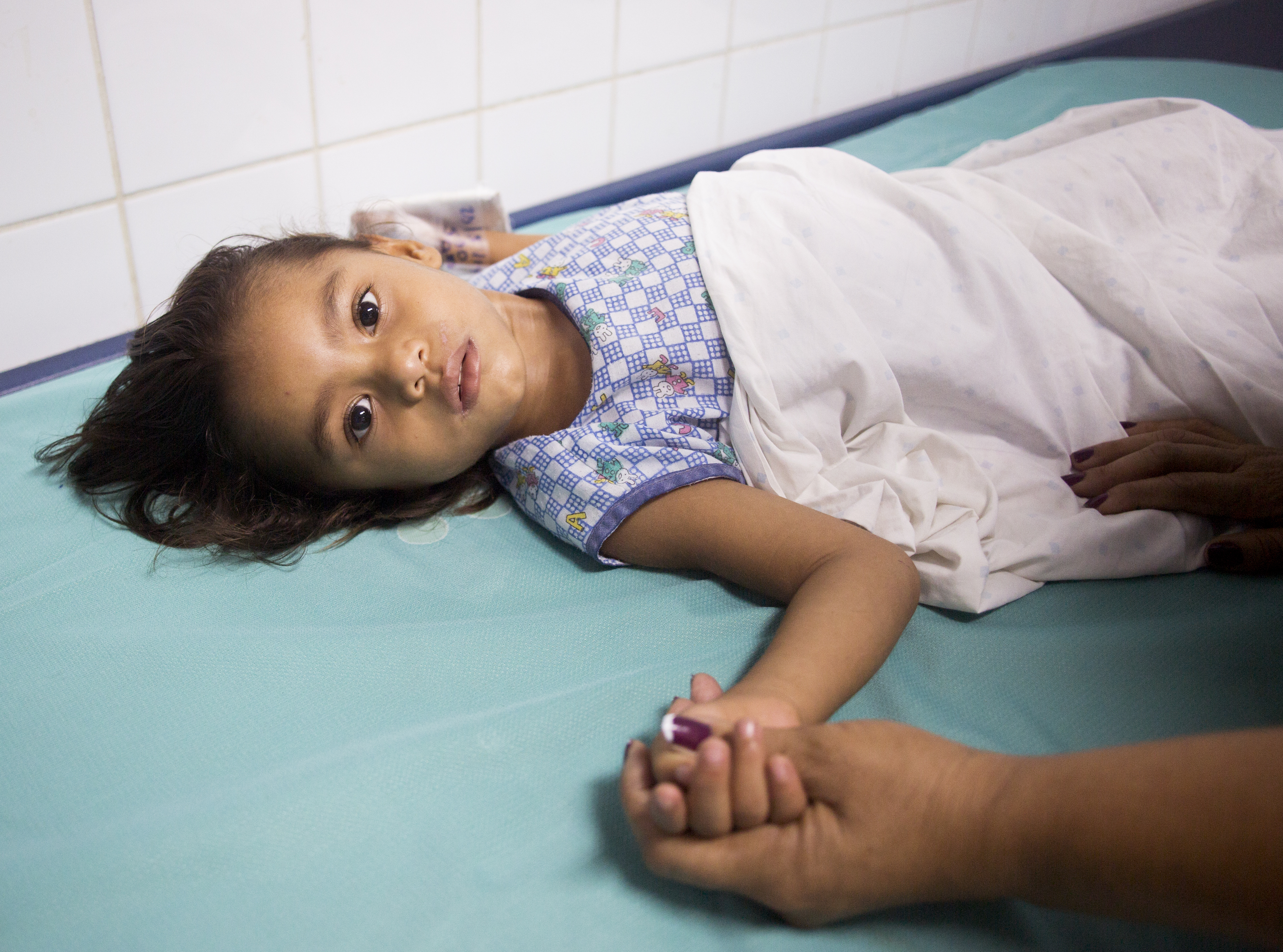
Occasionally, small children would be waiting to undergo surgery in the rooms adjacent to ours. Even at such a young age, they waited stoic; we never heard them cry.

As was the case last year in Ecuador, our first day consisted primarily of the nurses and other volunteers making preparations for the week’s surgeries while the surgeons and suppliers evaluated potential candidates from the masses of hopefuls who had arrived. Patient candidates lined up with their X-rays ready for the doctors to review. Surprising to us was how many came with their X-rays loaded on iPads and iPhones.

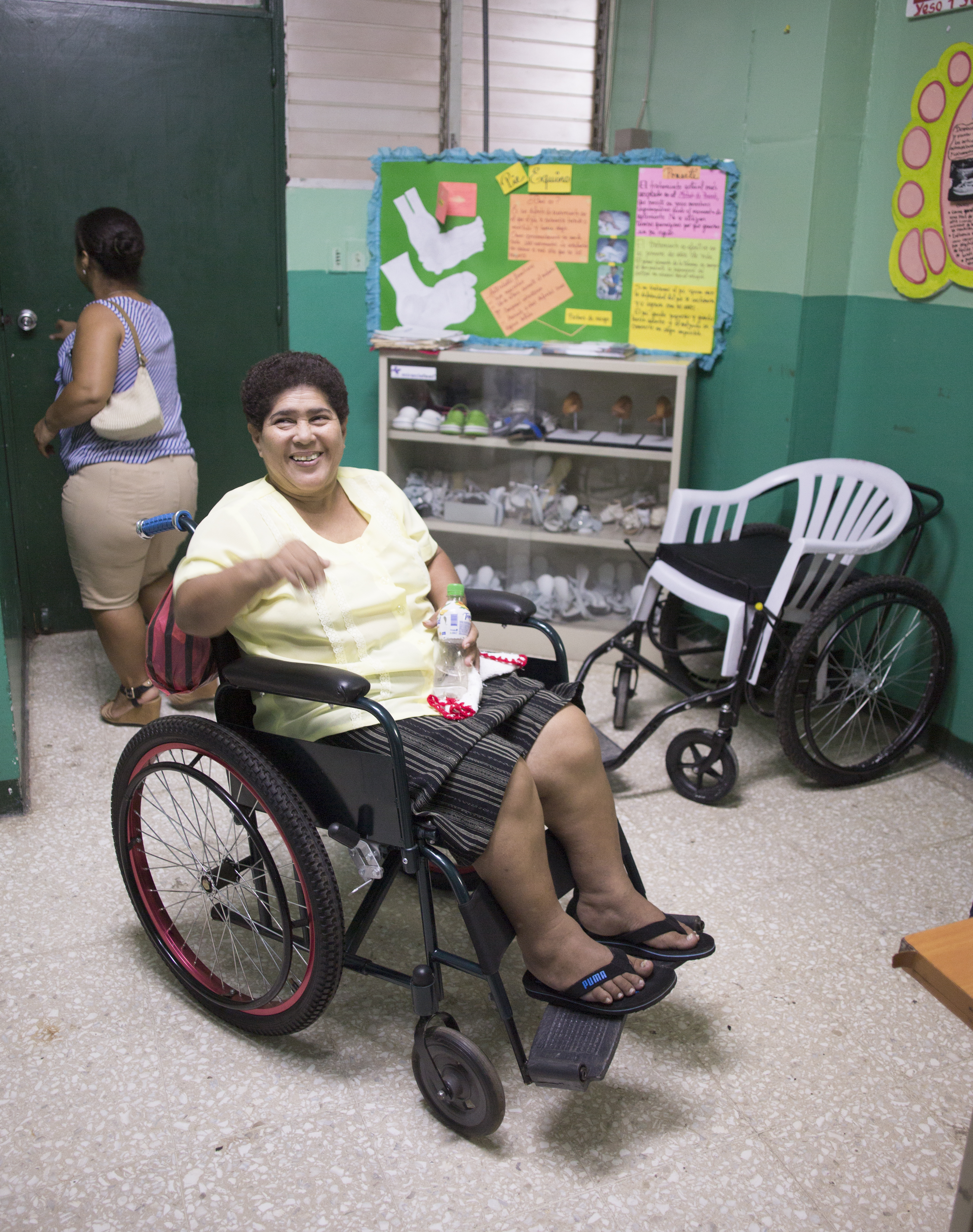
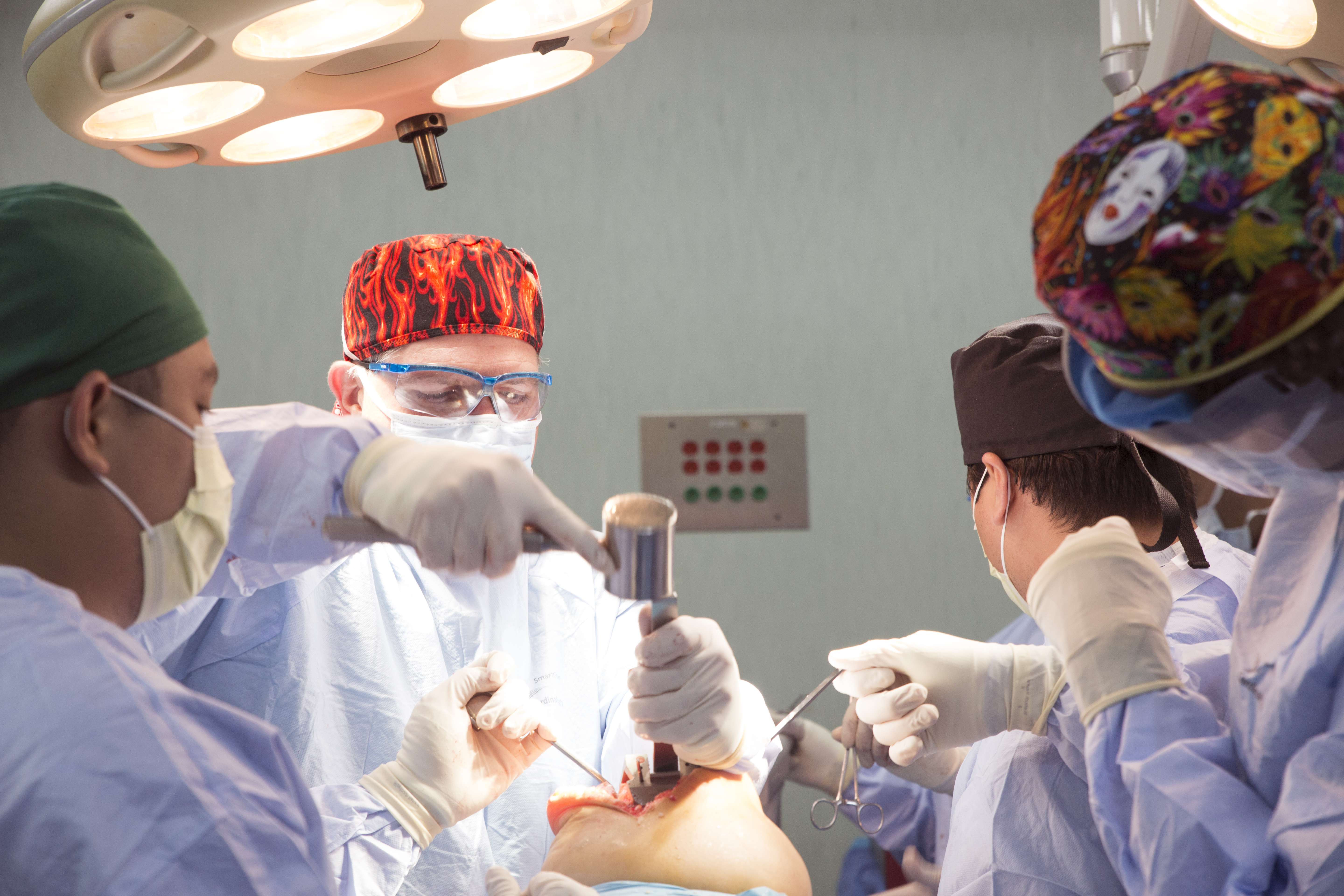
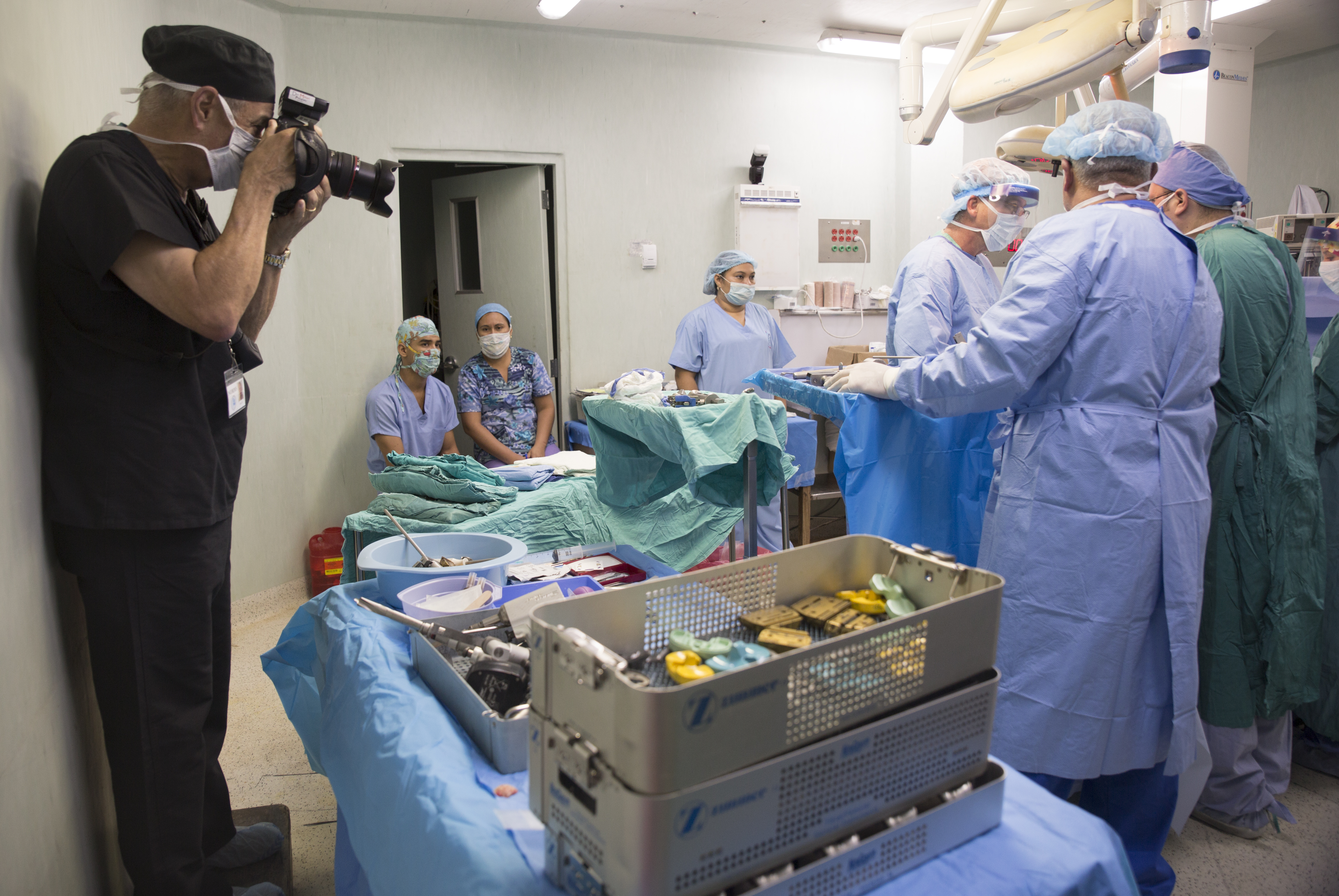
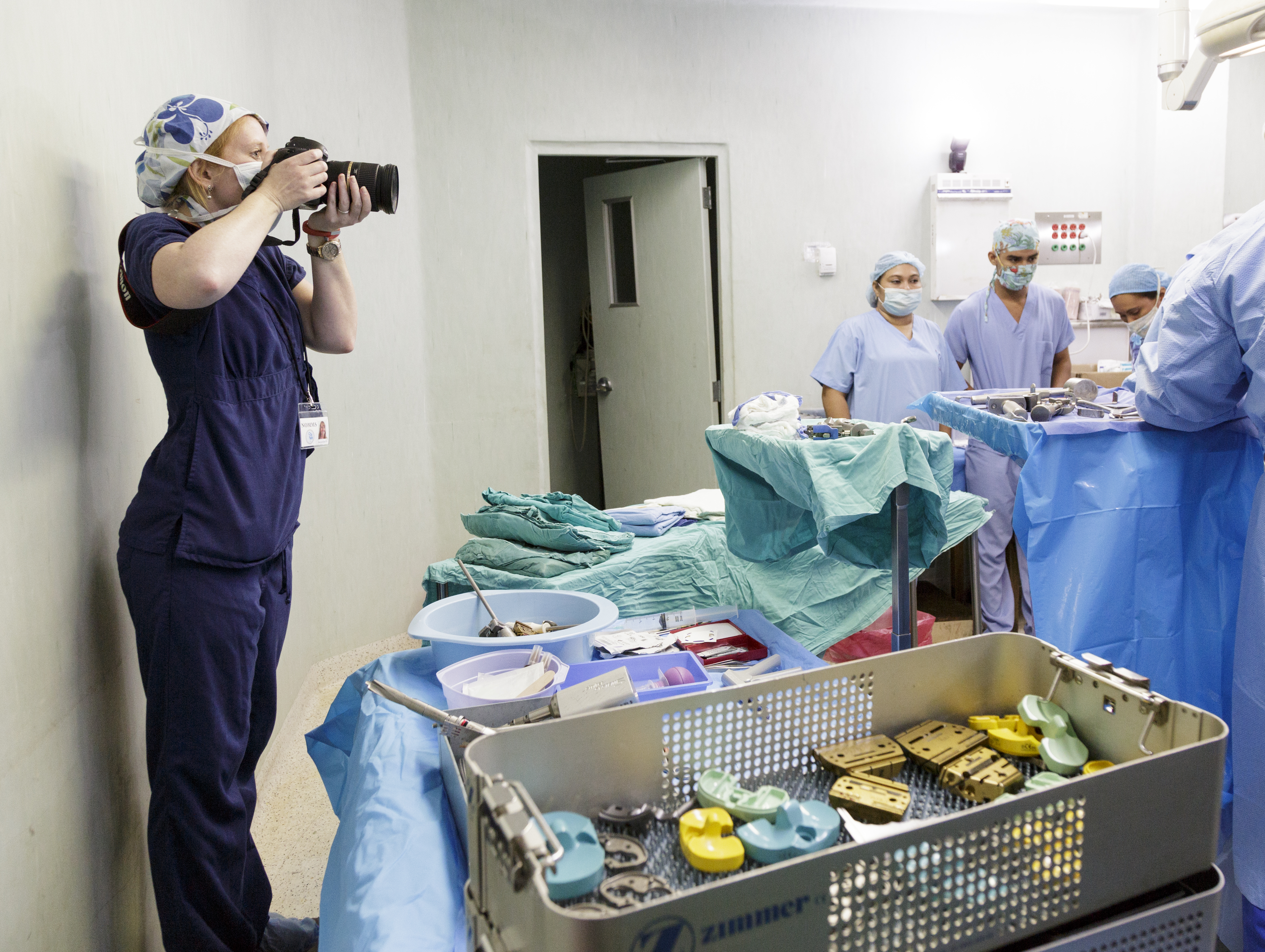
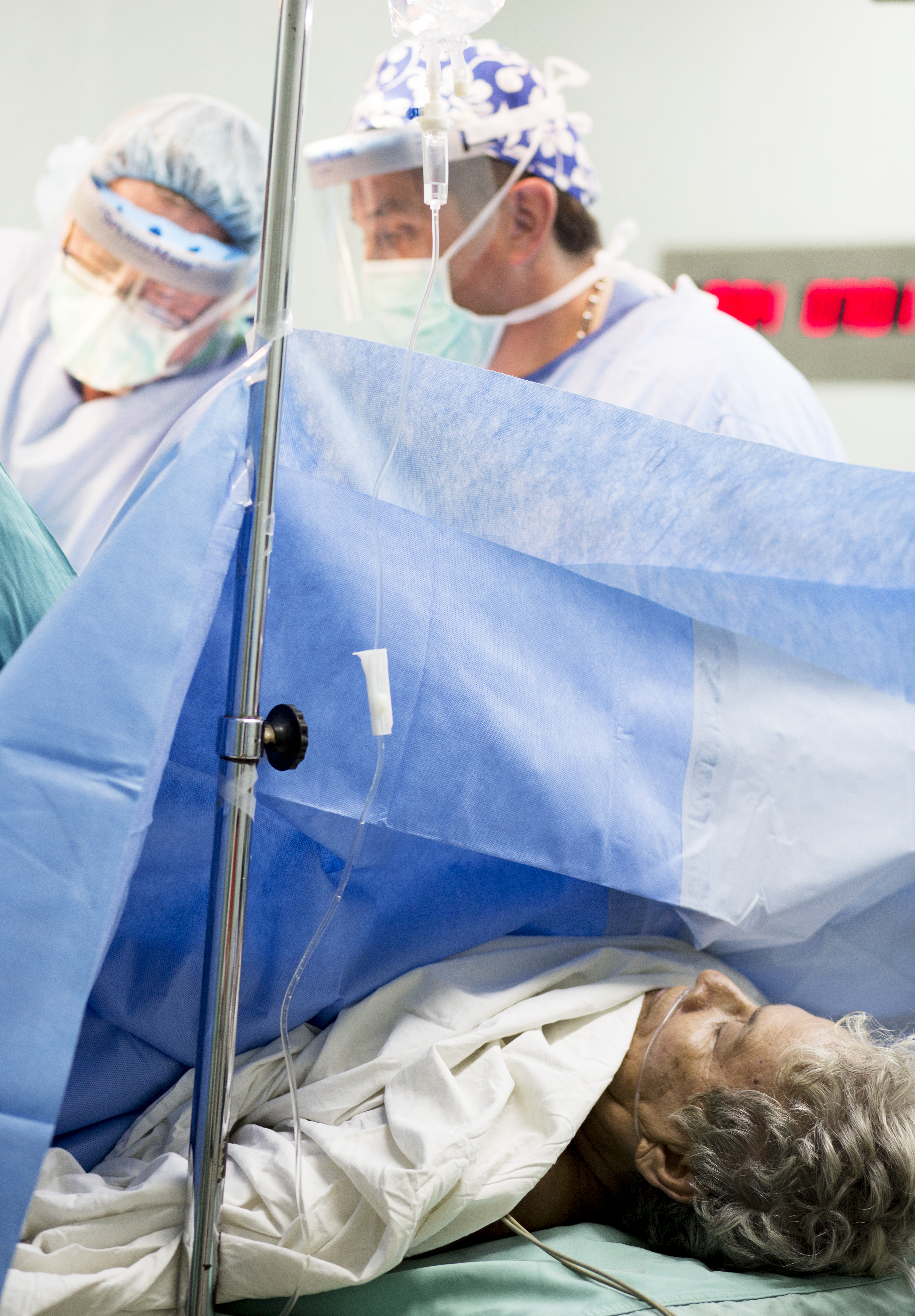
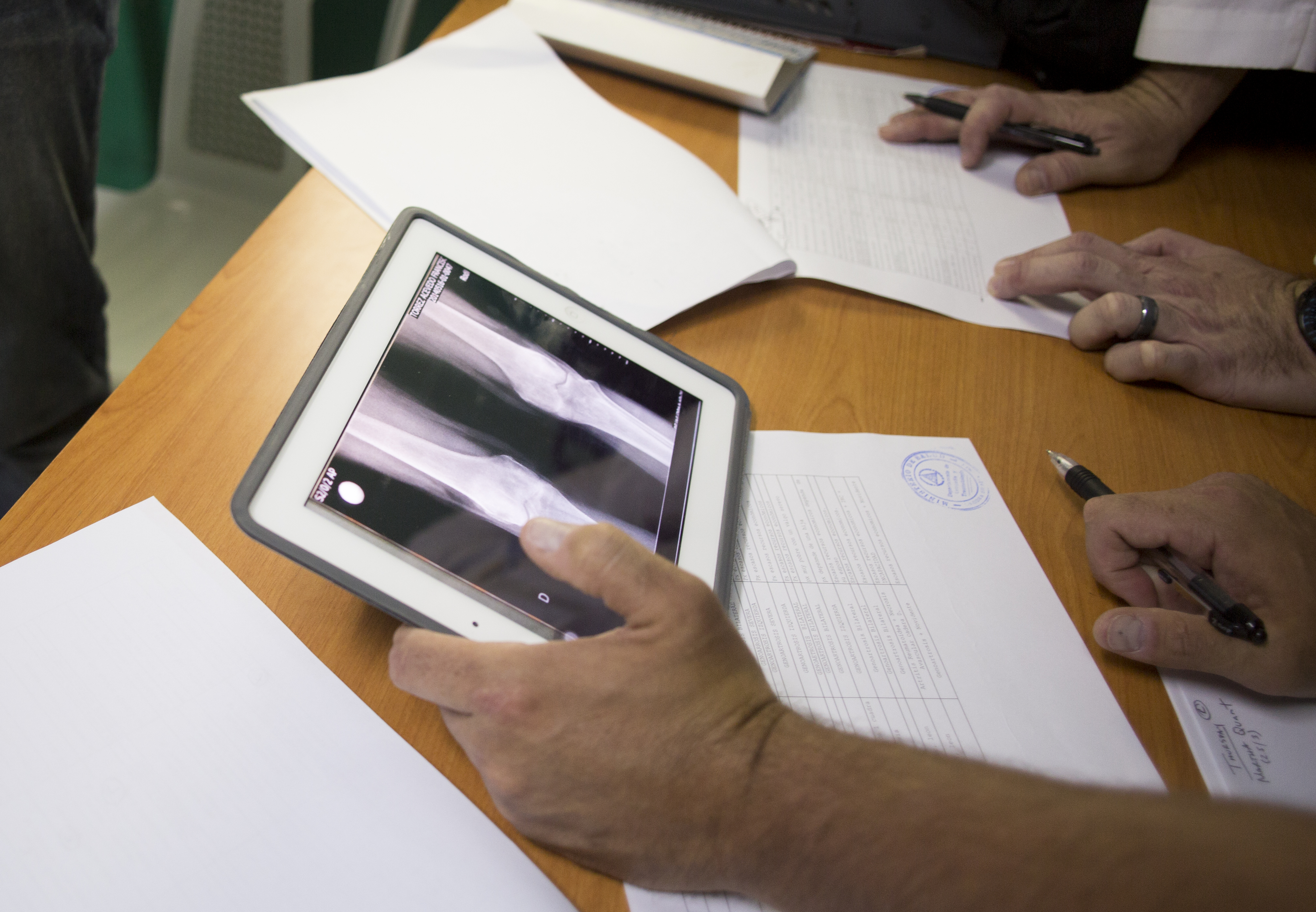 Every subsequent day followed the same routine. First, we would start our day with a traditional Nicaraguan breakfast of beans, rice and eggs before setting out on foot to the hospital. Once at the hospital, we set to work preparing the rooms for surgery while the surgeons did rounds on their patients. Below is a photo of one of our suppliers with a bunch of the surgical instruments and following is an overall shot of a surgery. Featured is the group’s official photographer, Dan Milham. I was happy to play a dual role. I truly love volunteering with this group, because I am able to channel two of my passions and expertise. Due to a lack of the same kind of privacy laws we have in the US, we were able to take photos inside the hospital.


This photo of me is courtesy of Dan Milham.
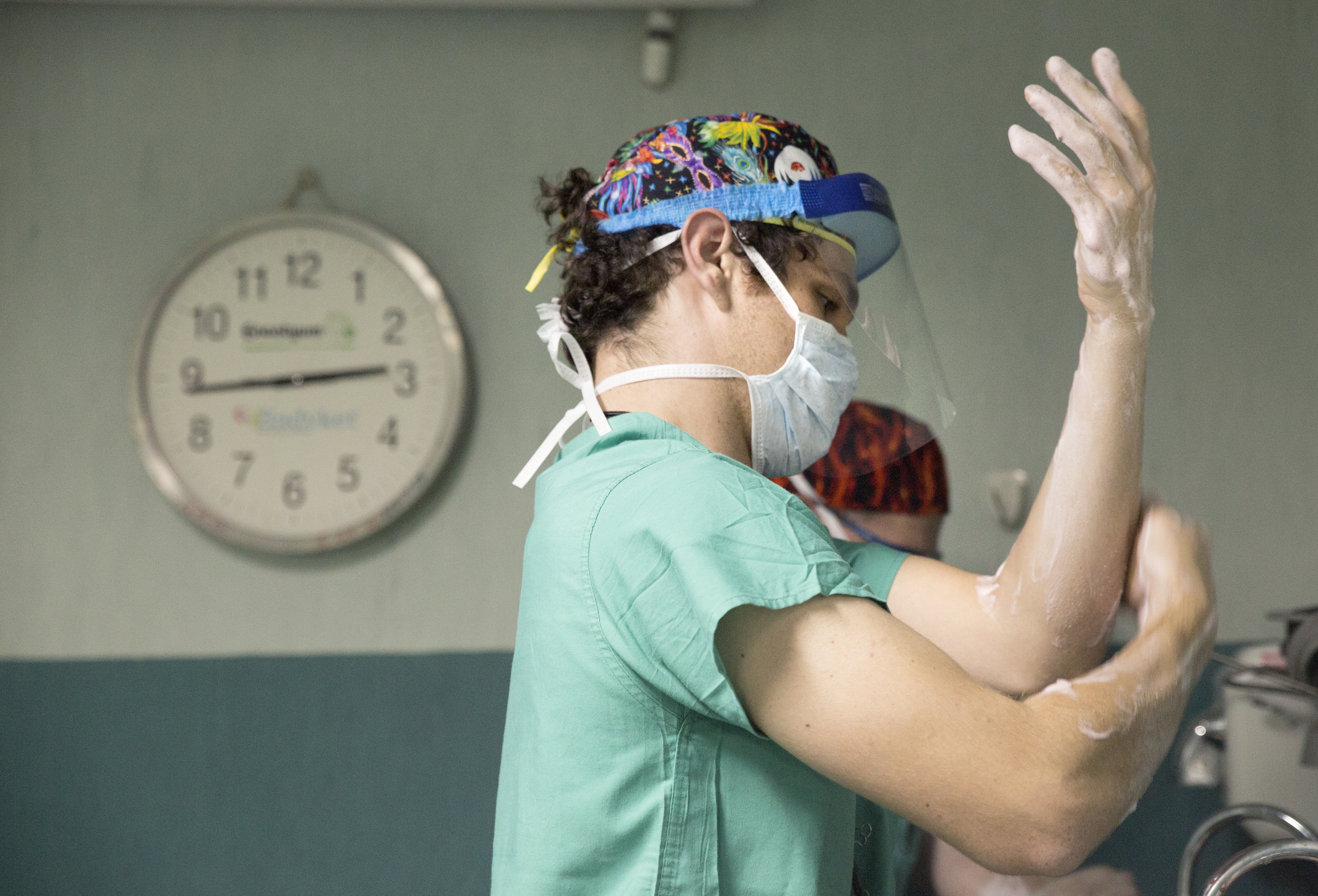
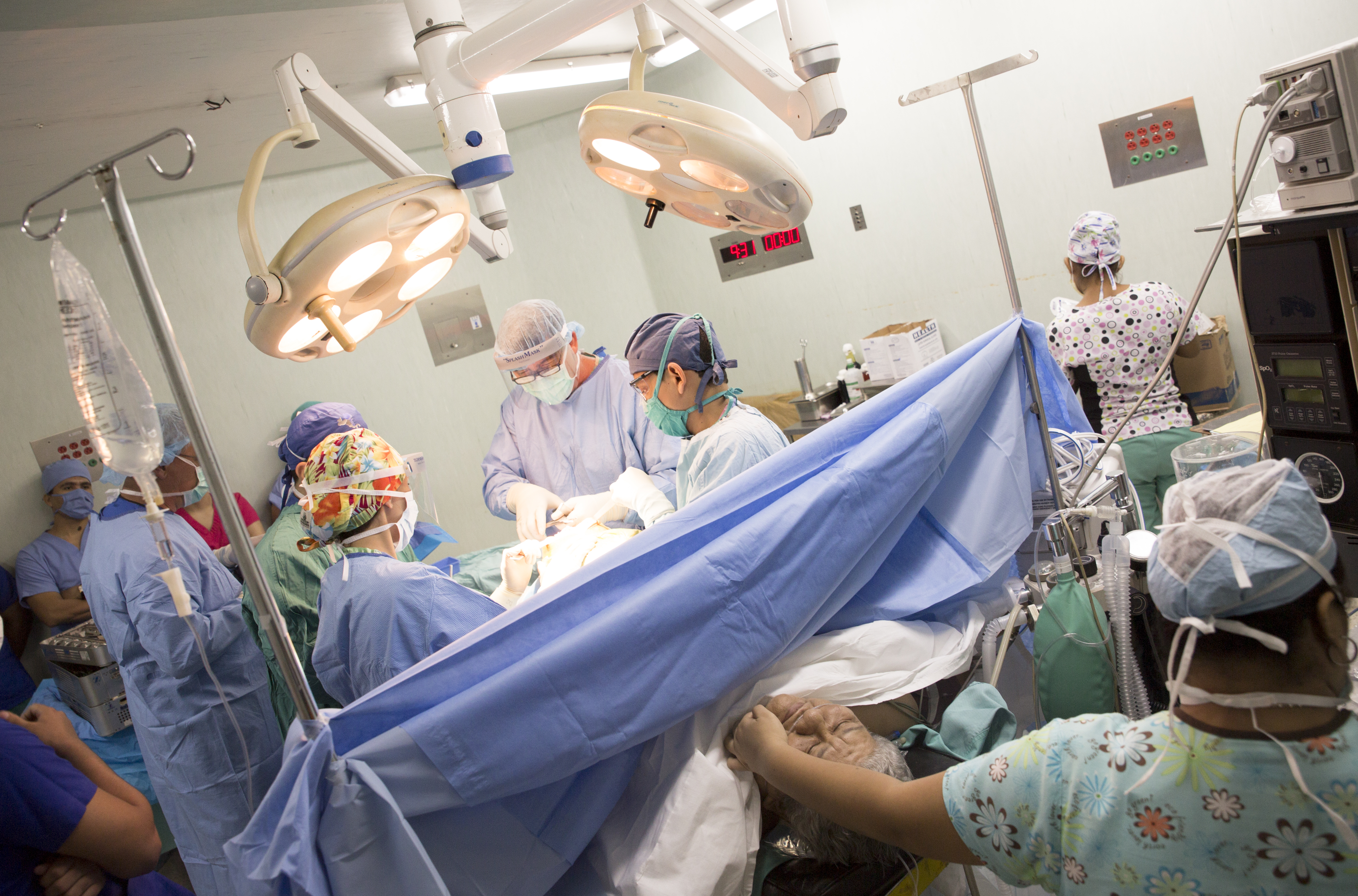
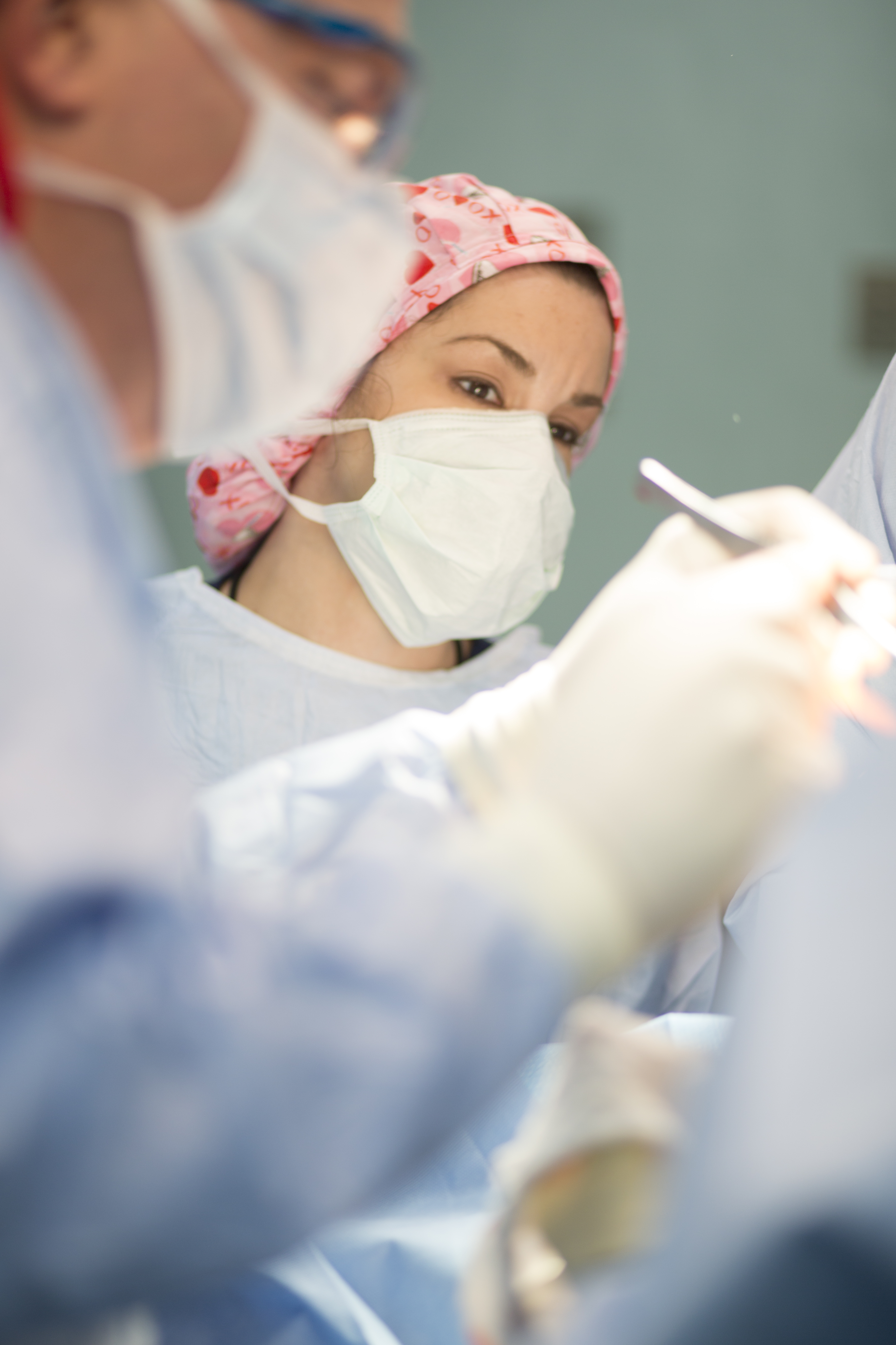
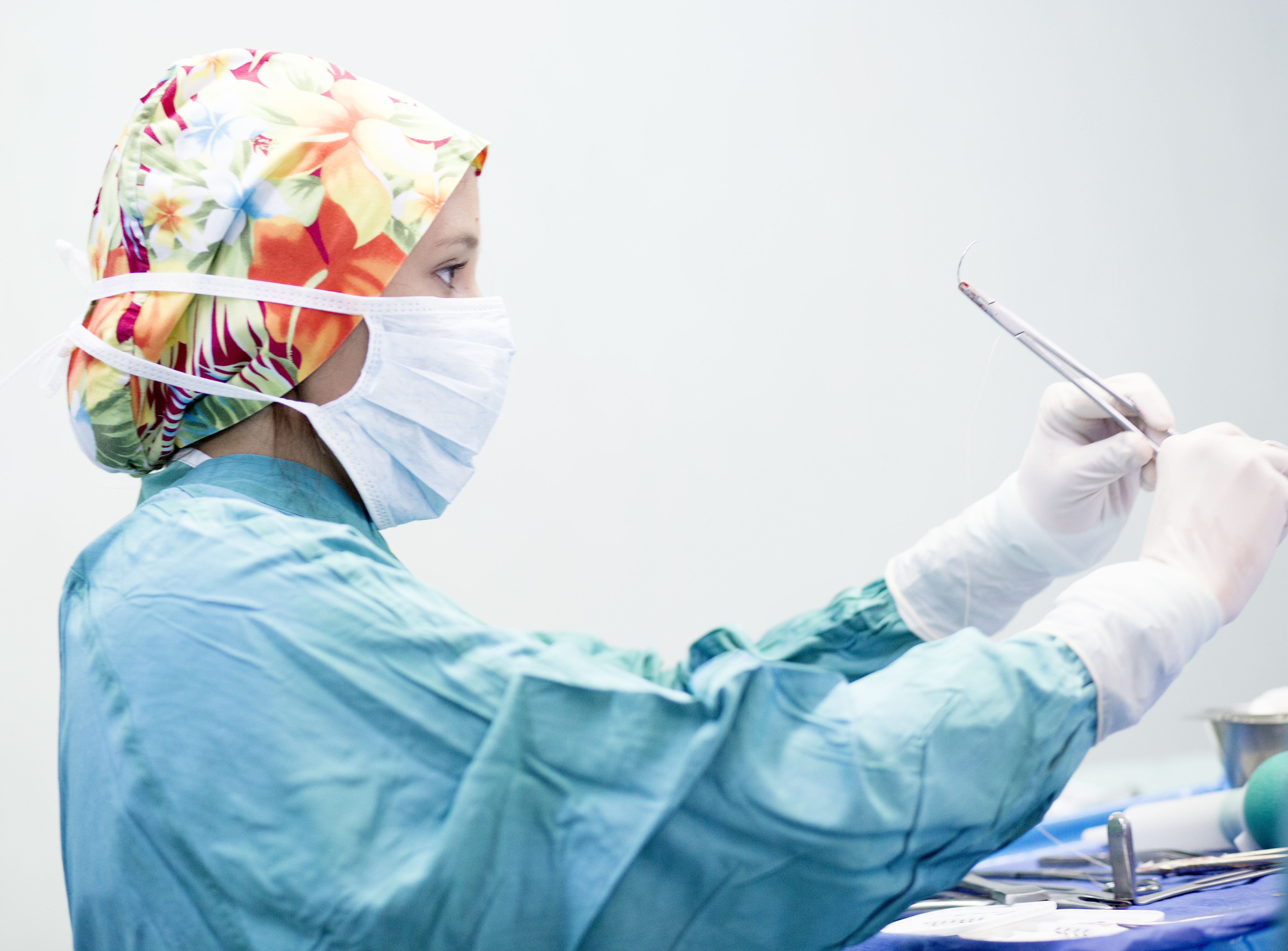
Following are some of the moments I captured during surgeries, starting with scrubbing in.
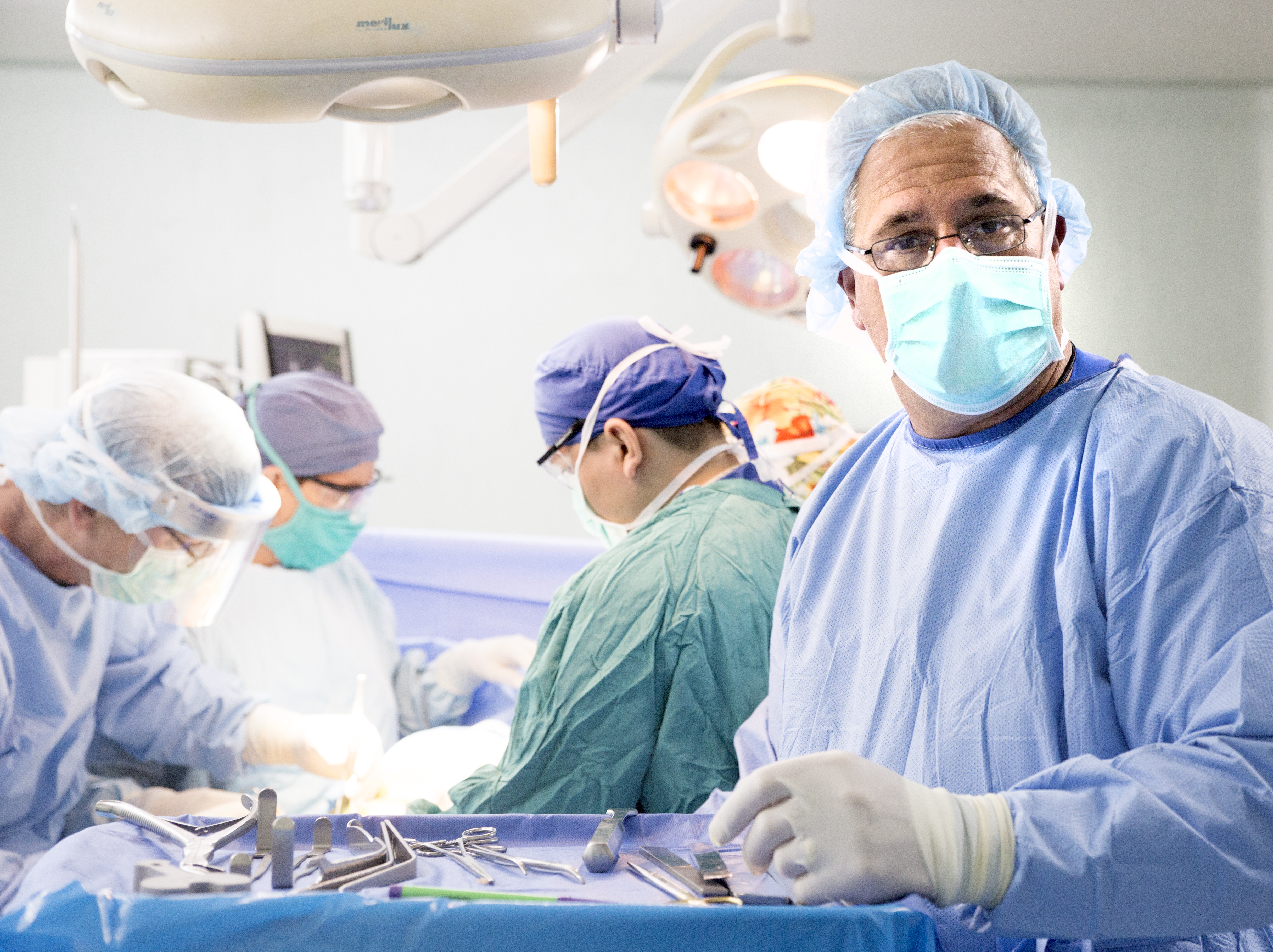

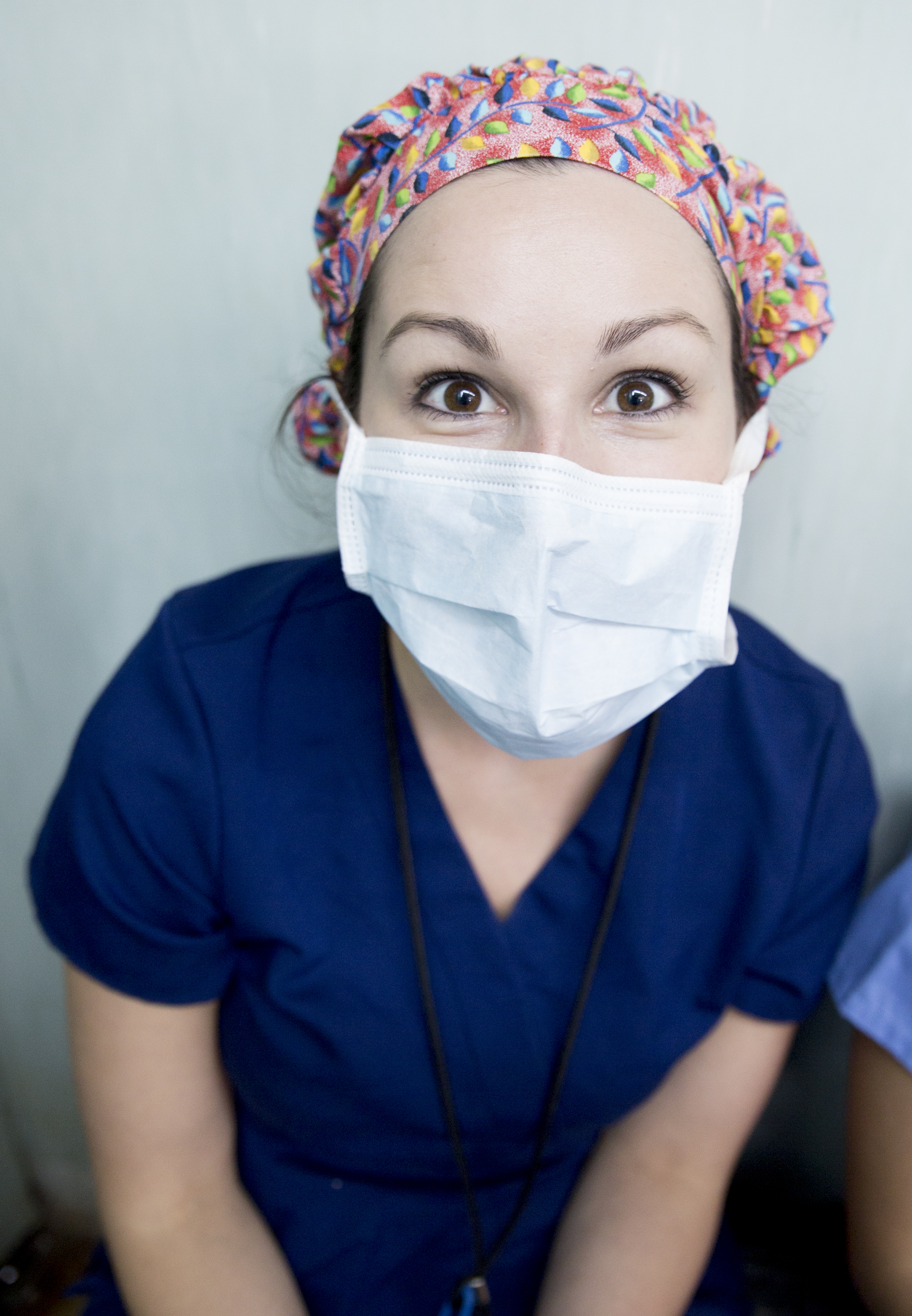
Here are a few of the wonderful volunteers I had the pleasure of working alongside in surgery. I know some of the relationships I formed on this trip, with locals and fellow volunteers, will last for years to come. It is not often that one week can provide for such a rich experience, but volunteering in another culture is so much more than just traveling through- you are immersed into their world.

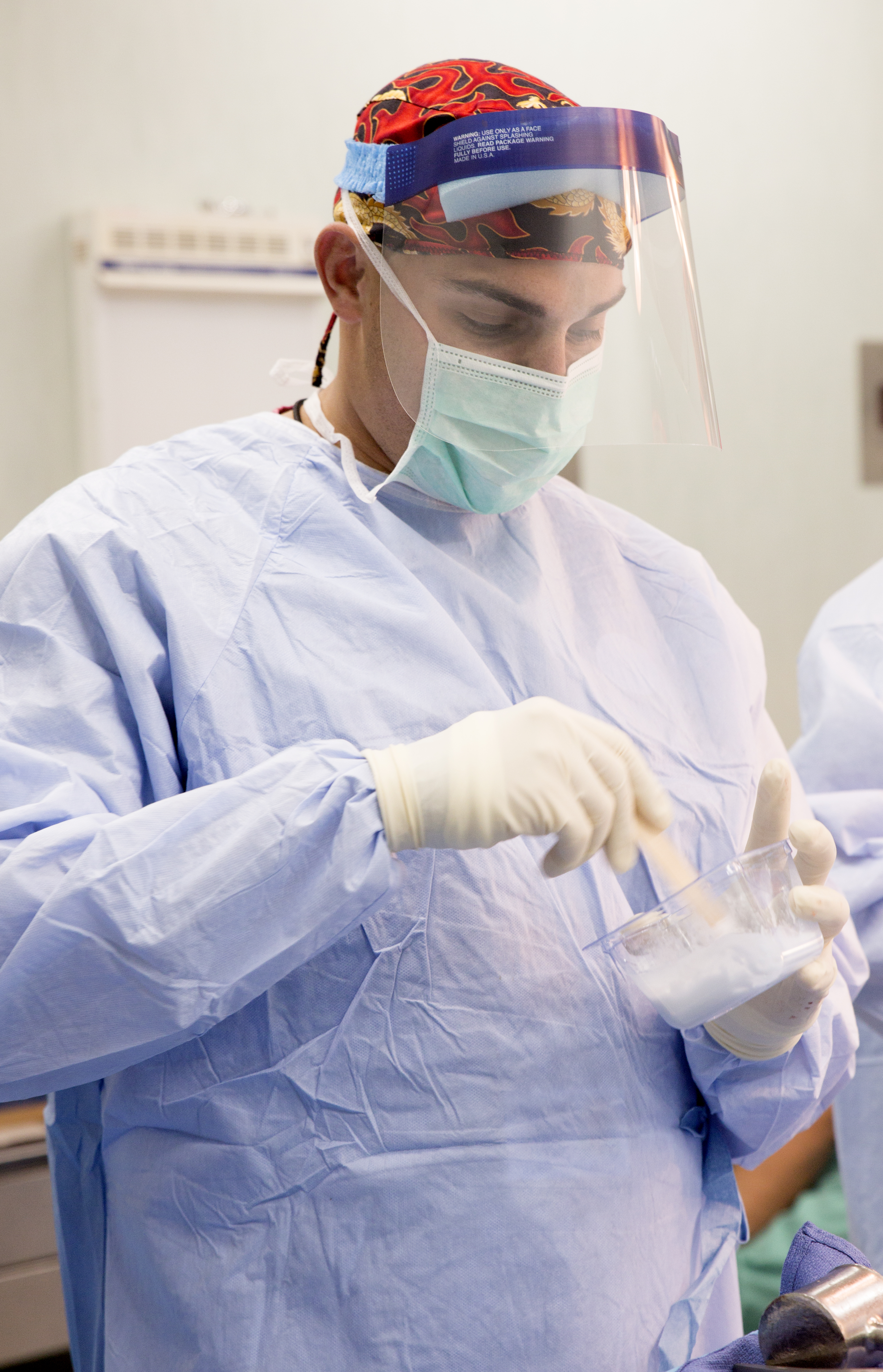

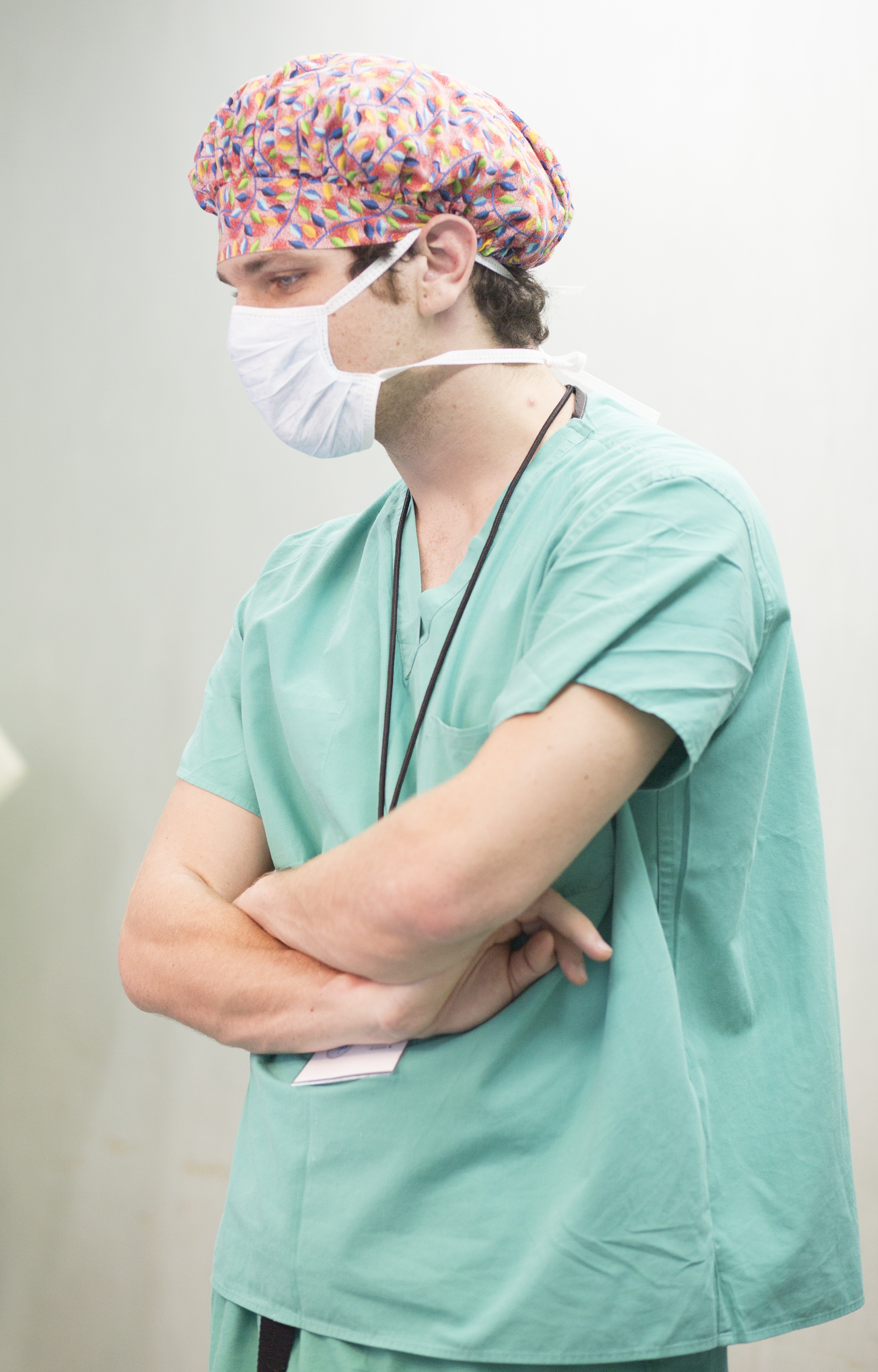

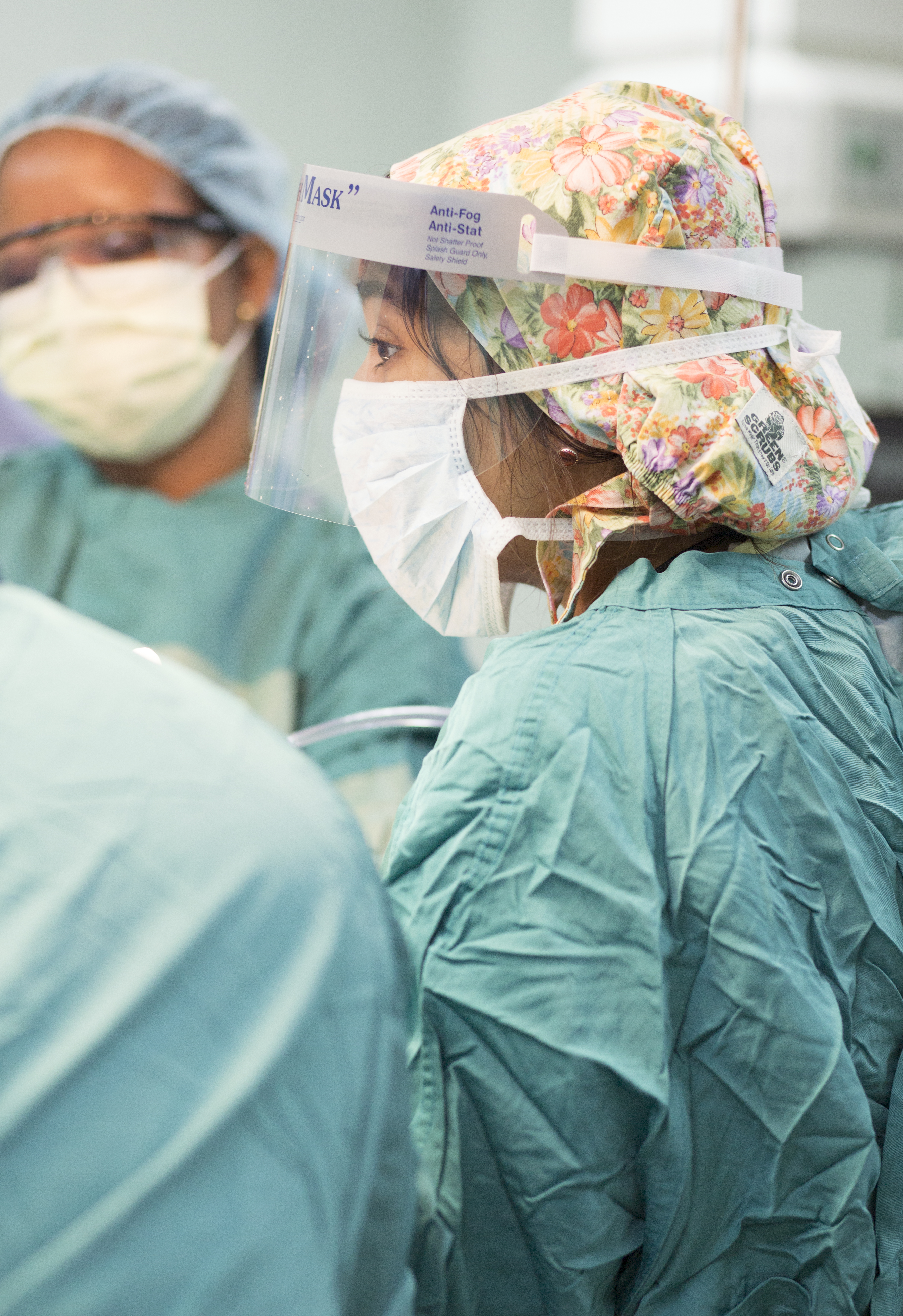
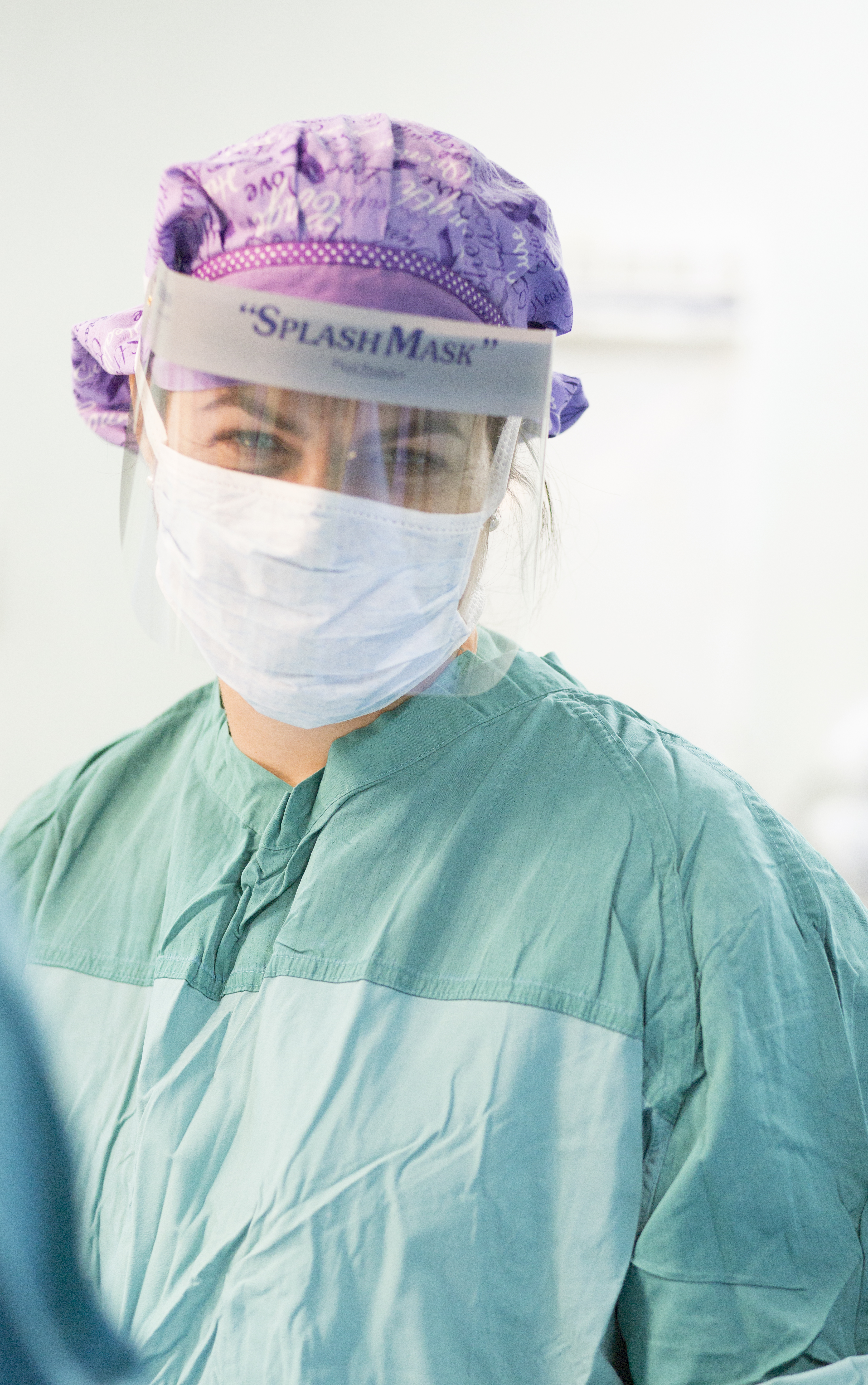
Amy is holding some hardened bone cement in the shape of a star. While we waited for the cement to dry and tested to see if it had hardened enough, we would have some fun forming small bits into various shapes; I made a cat once.

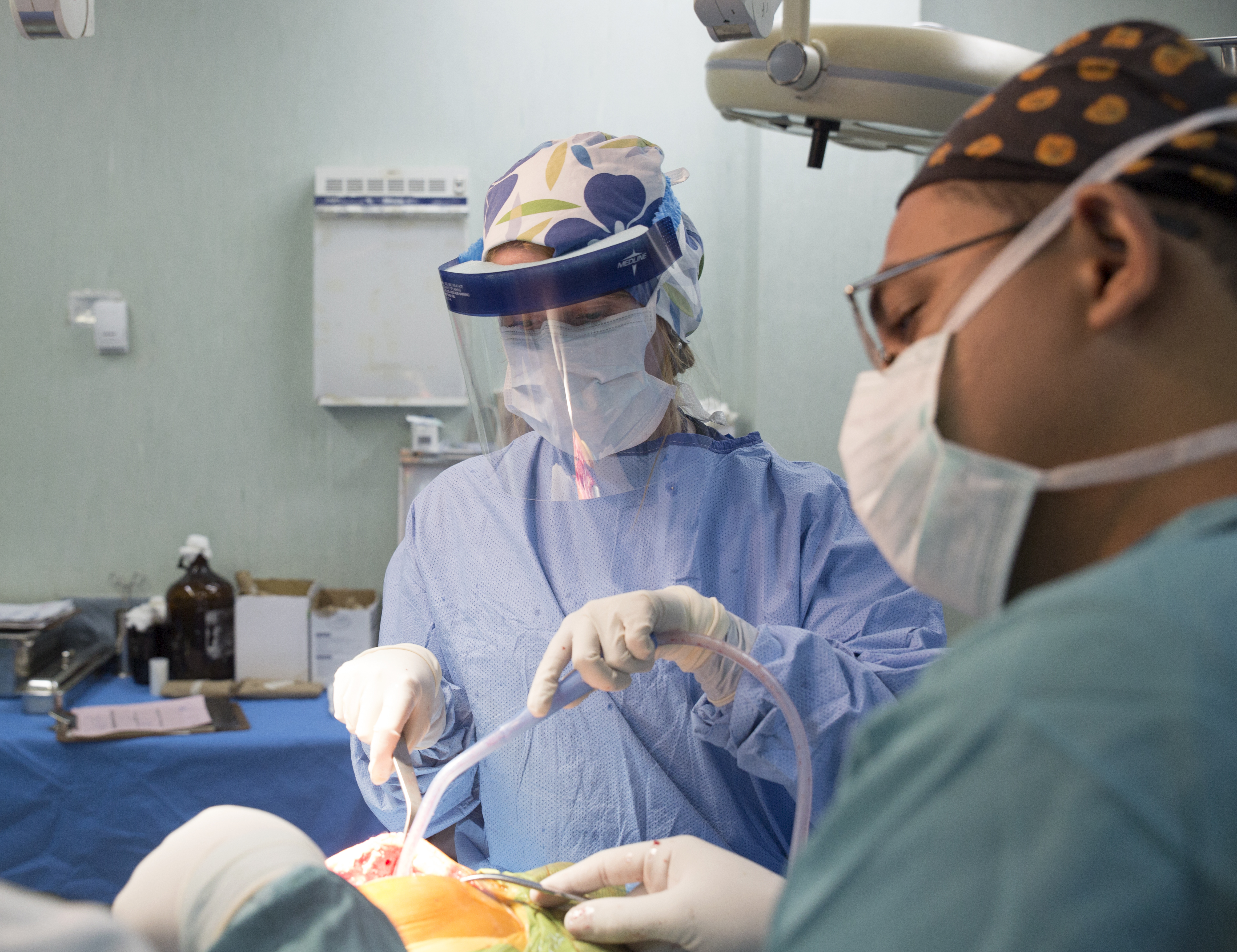
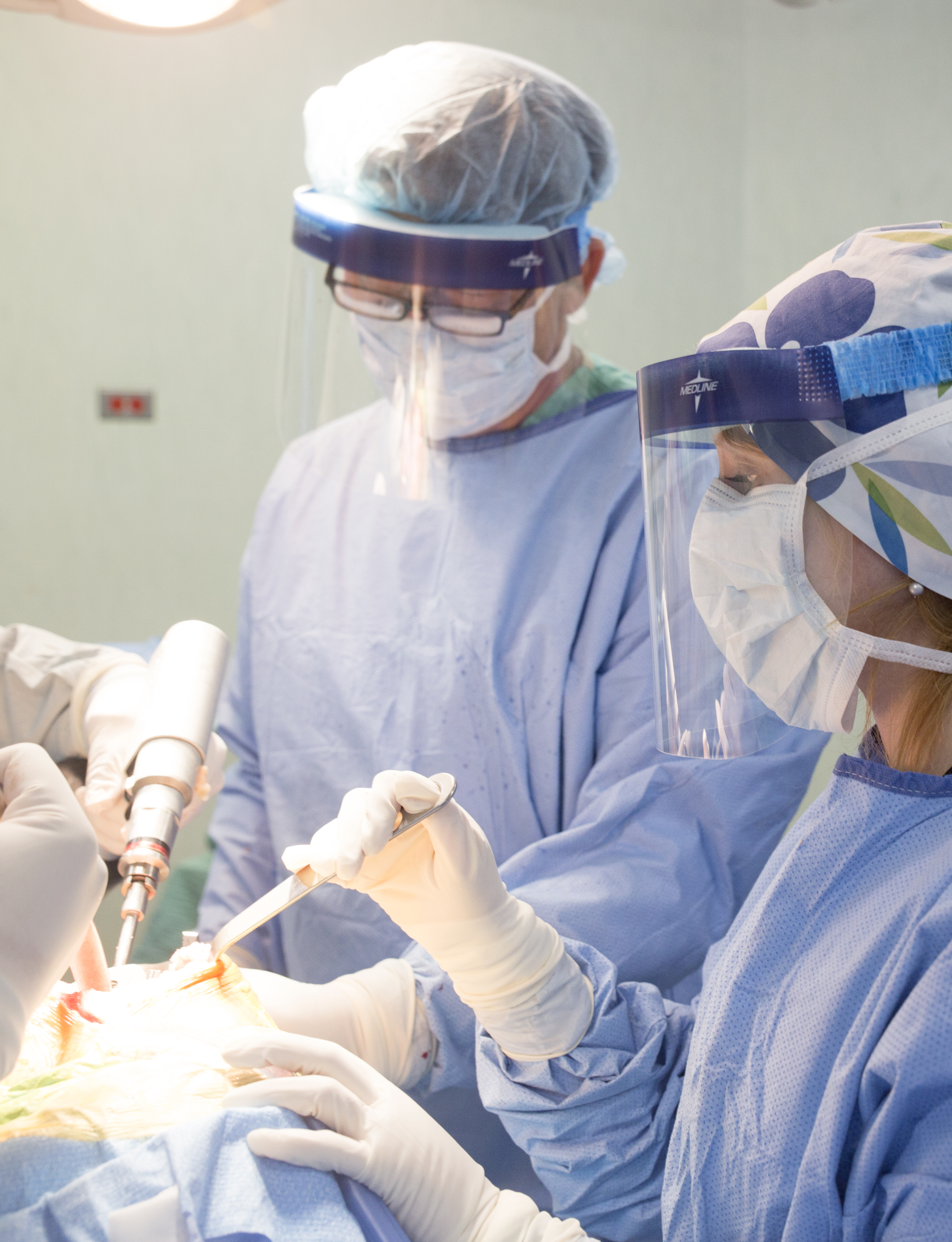
Here are a few shots of me assisting Dr. Millet in surgery.
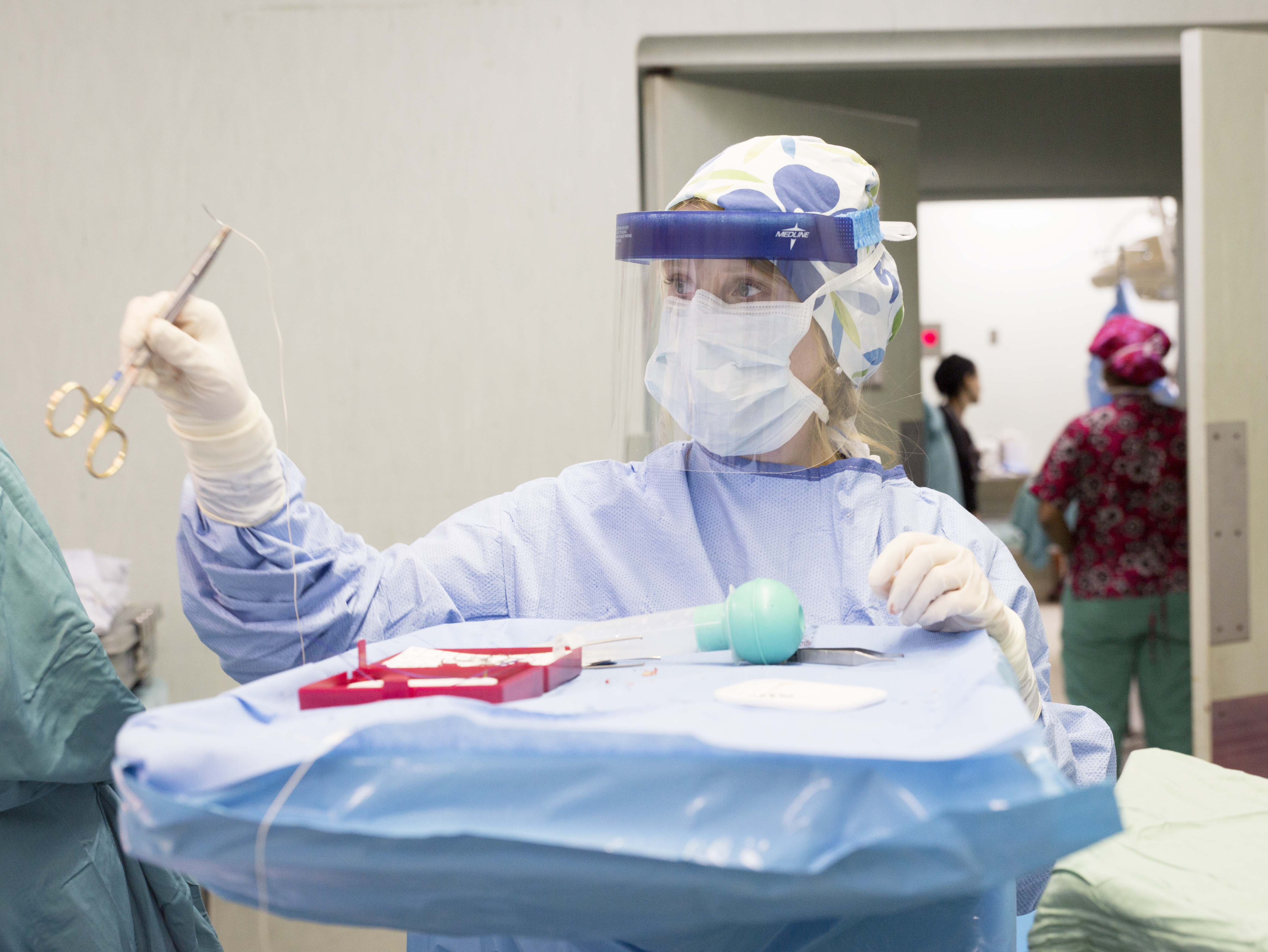
Beverly, our surgical tech, was very helpful and patient with us all. We could not have done this without her.
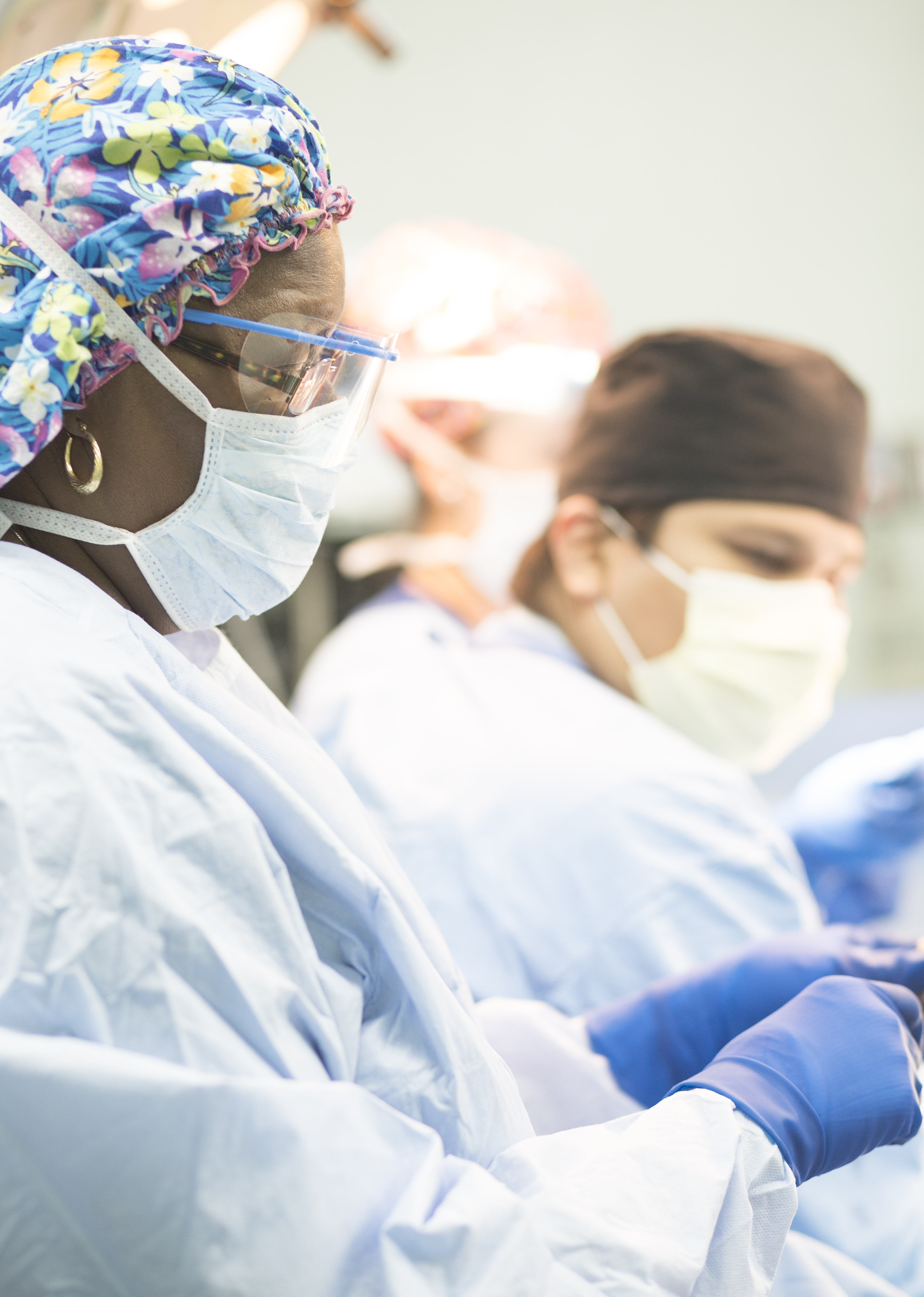
Junior was one one of the local volunteers who helped us translate. These were the first surgeries he had ever seen.

Dr. Sketchler and Dr. Millet both did a wonderful job teaching the local residents their technique. Hopefully these residents will be better equipped to provide knee replacements for this population between our visits. Of course, part of the problem is expense. As it is not considered a necessary surgery, most people who want the surgery need to buy the hardware themselves, which is ridiculously expensive even for Americans. It is impossible for most Nicaraguans.
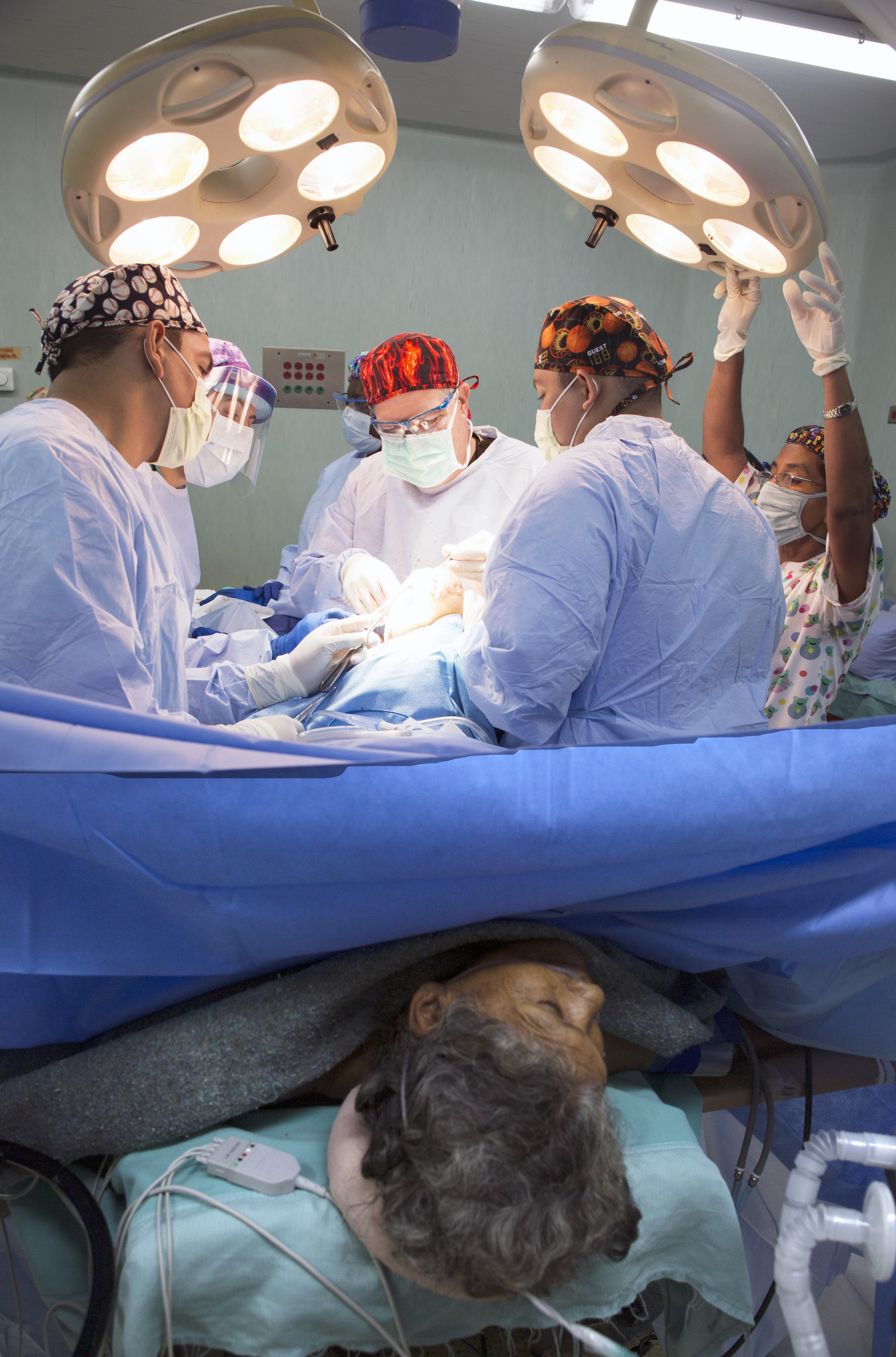
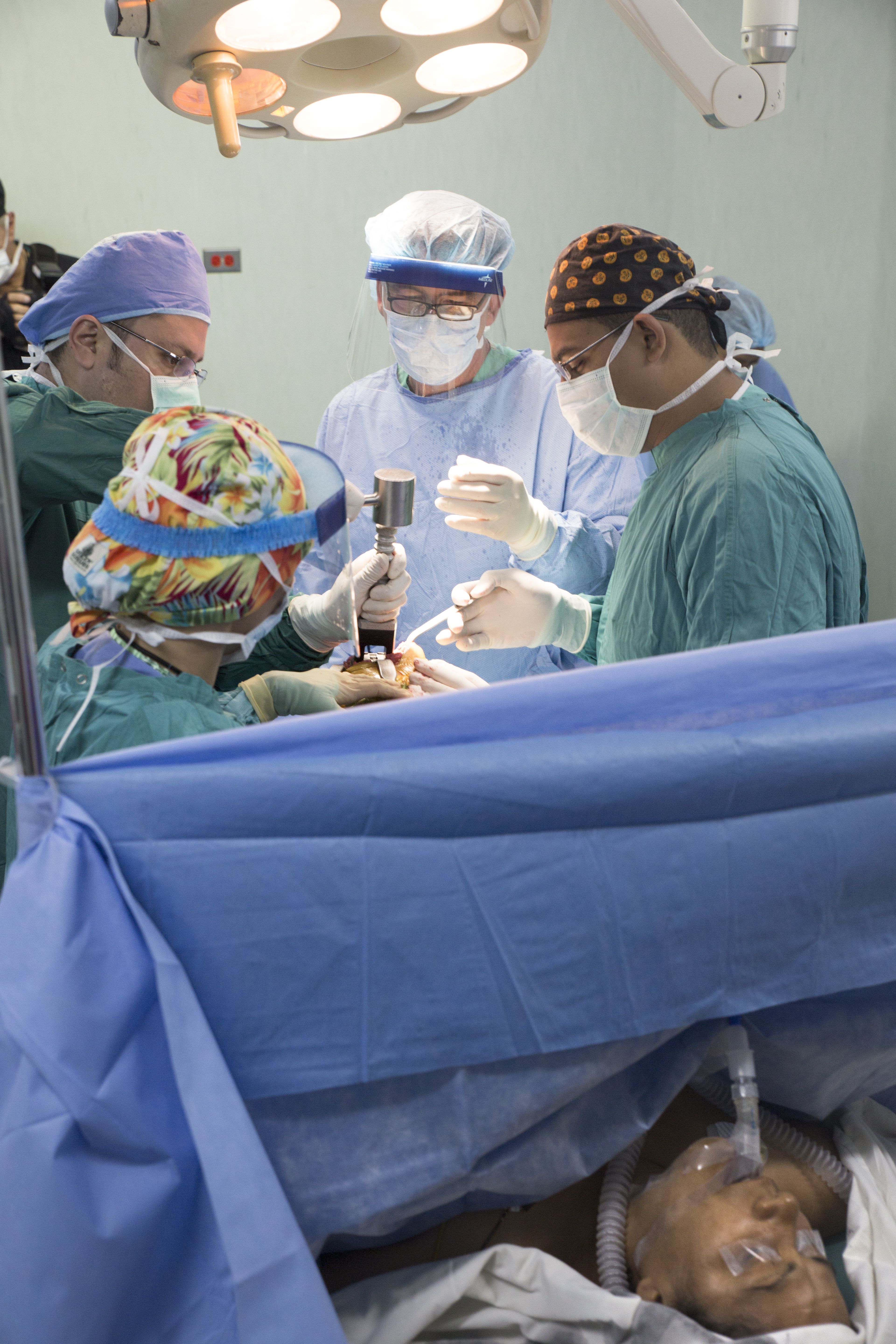
Dr. Sketchler’s son, who is pre-med, was also on the trip. He mostly volunteered at the eye clinic, but got to scrub in on a few surgeries. It was touching to see him learning from his father.
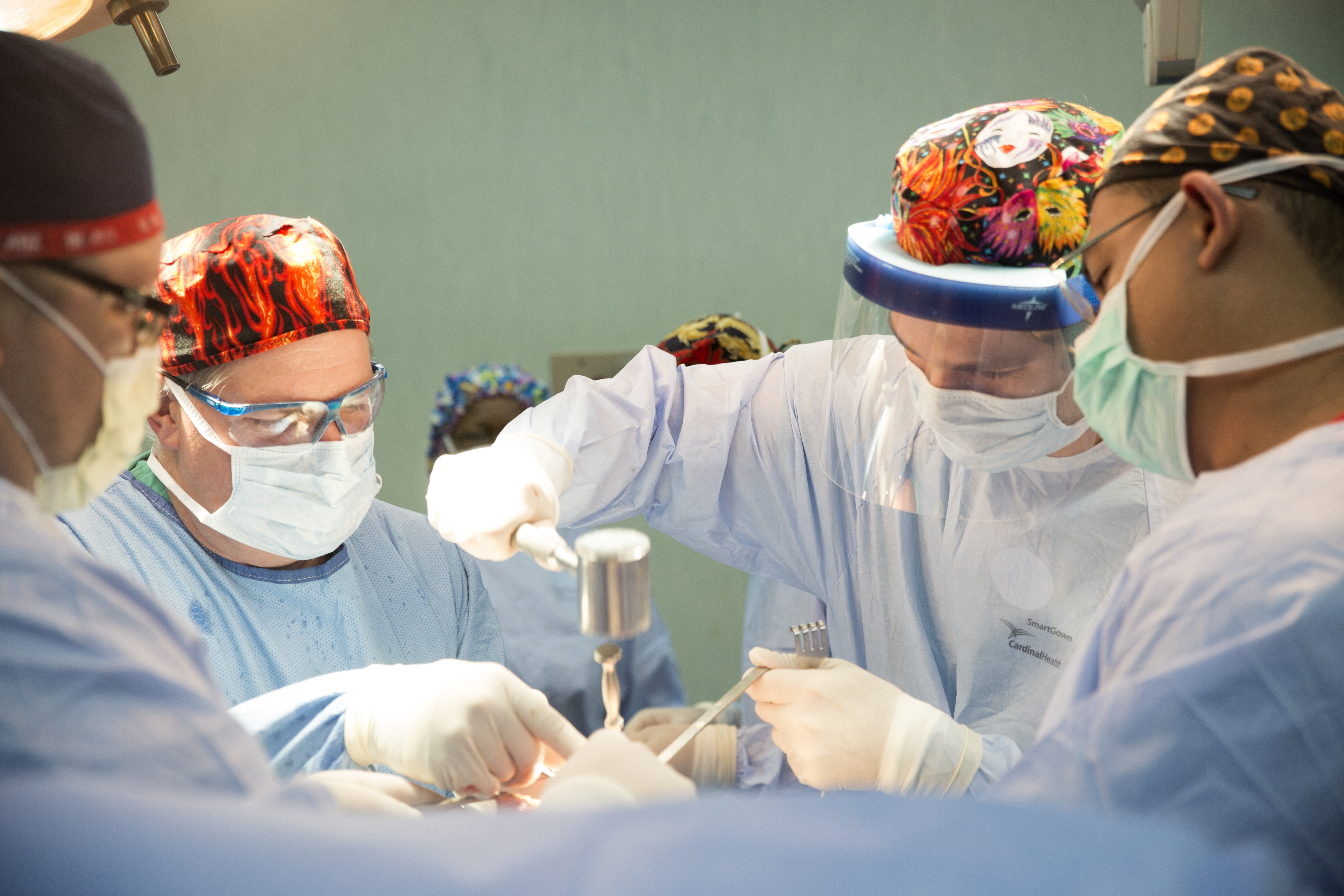
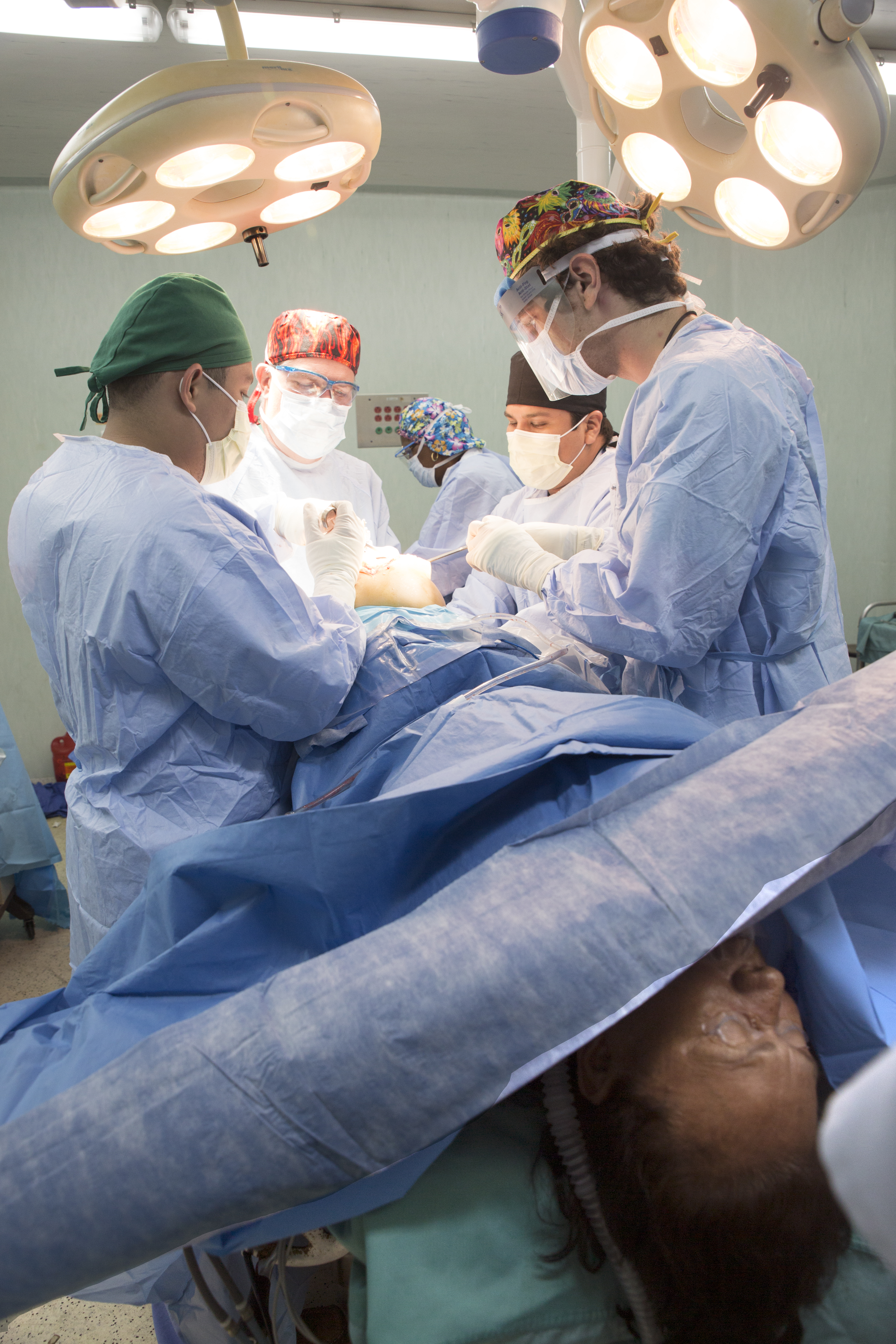
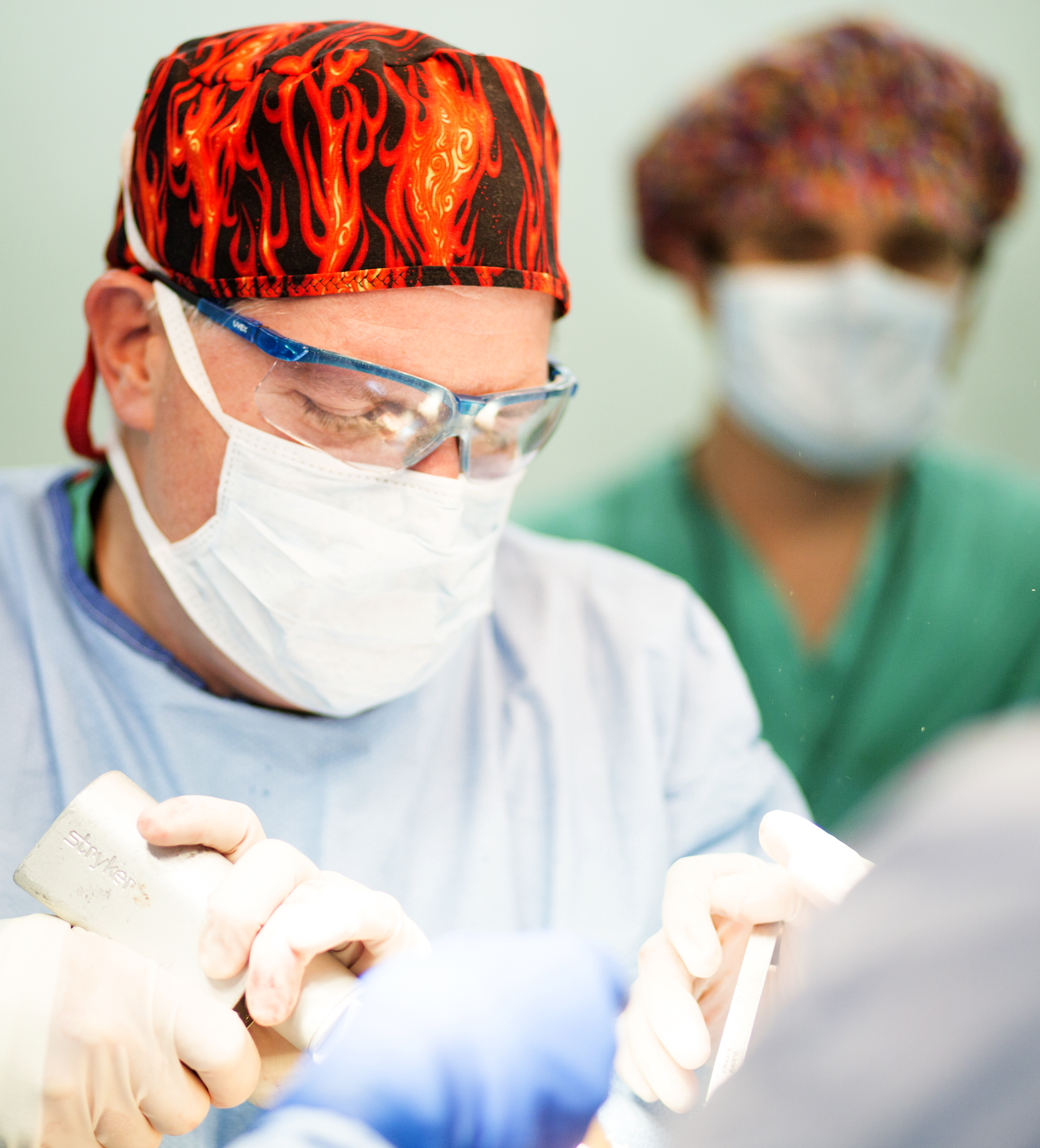
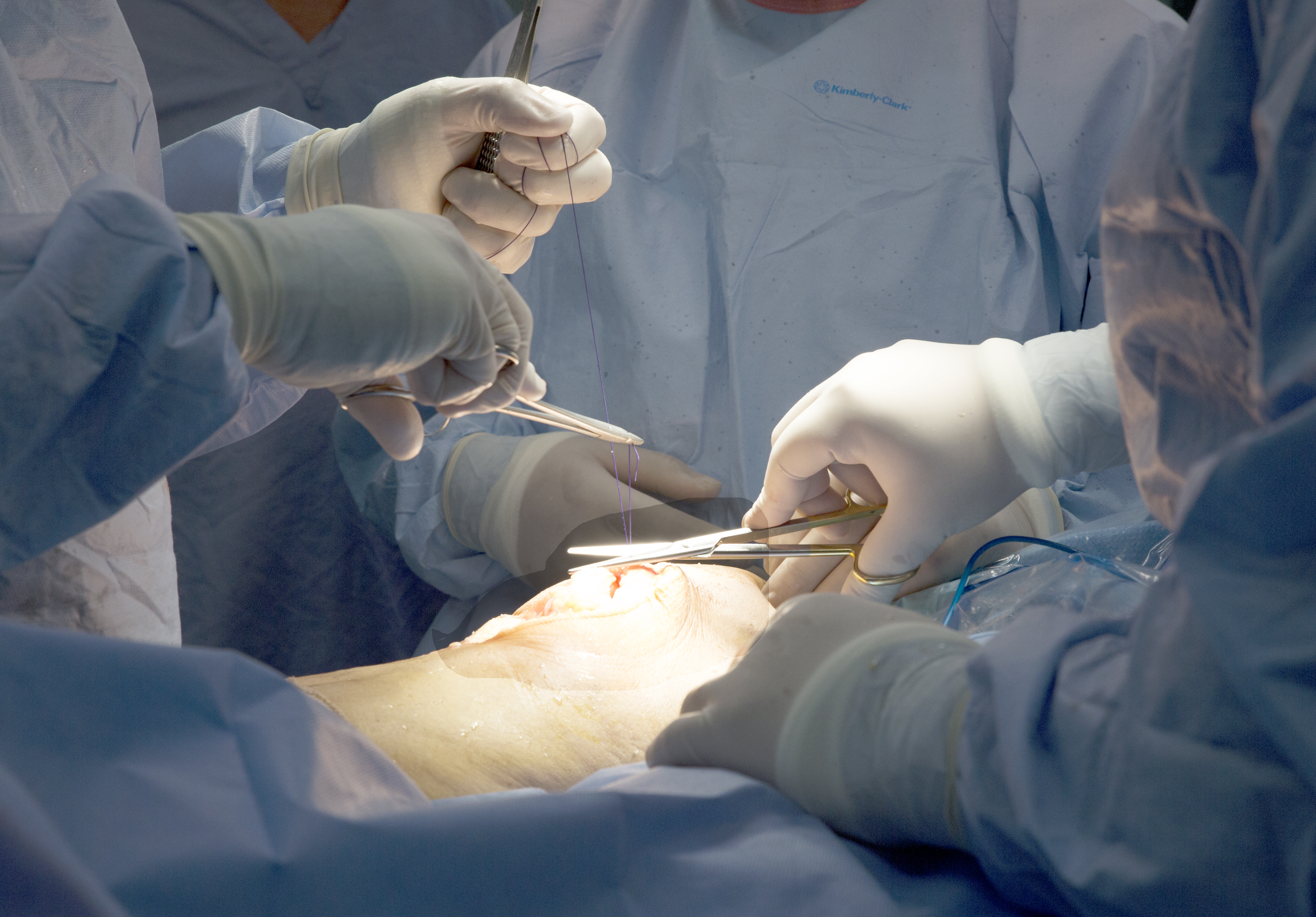
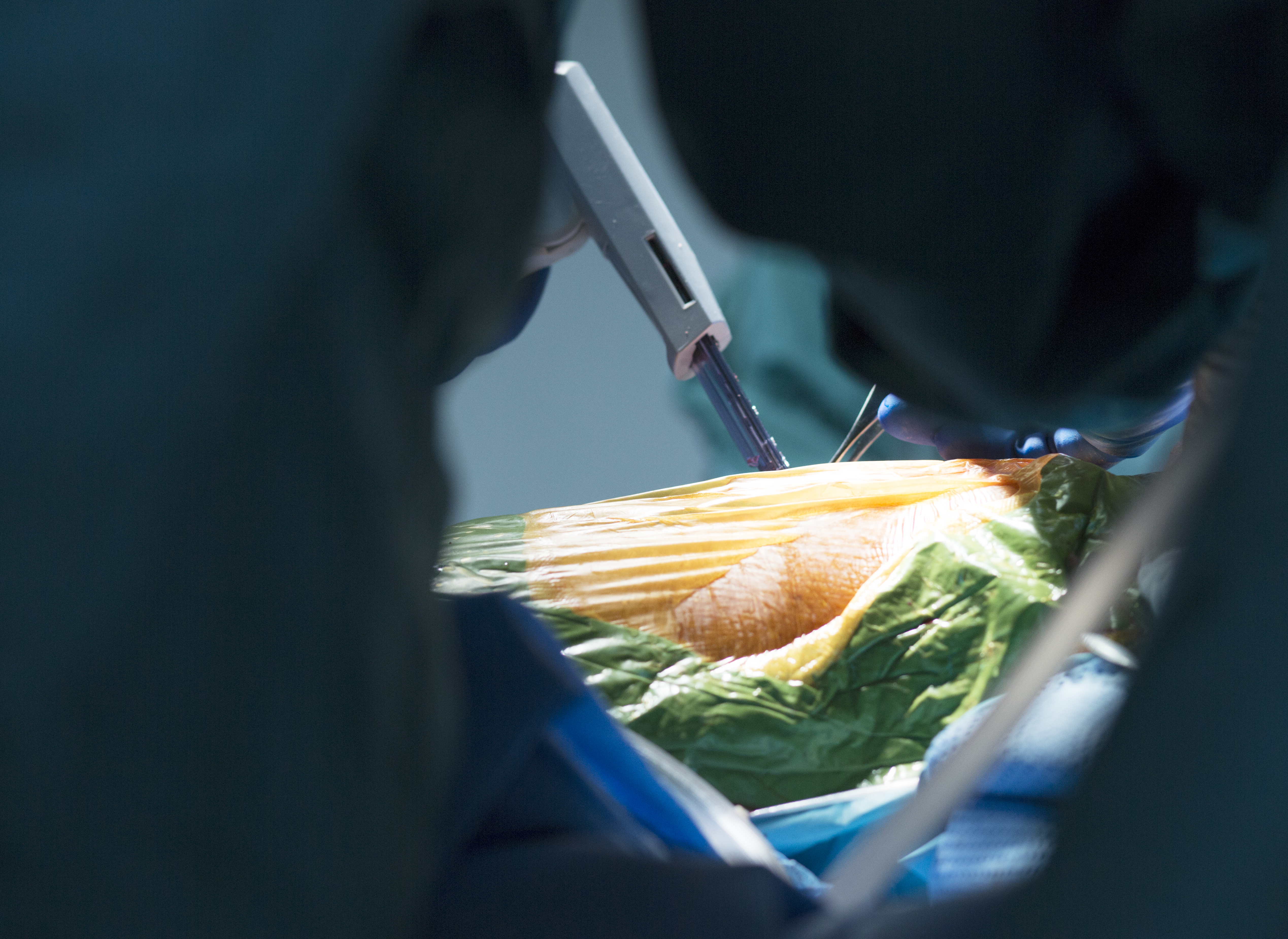
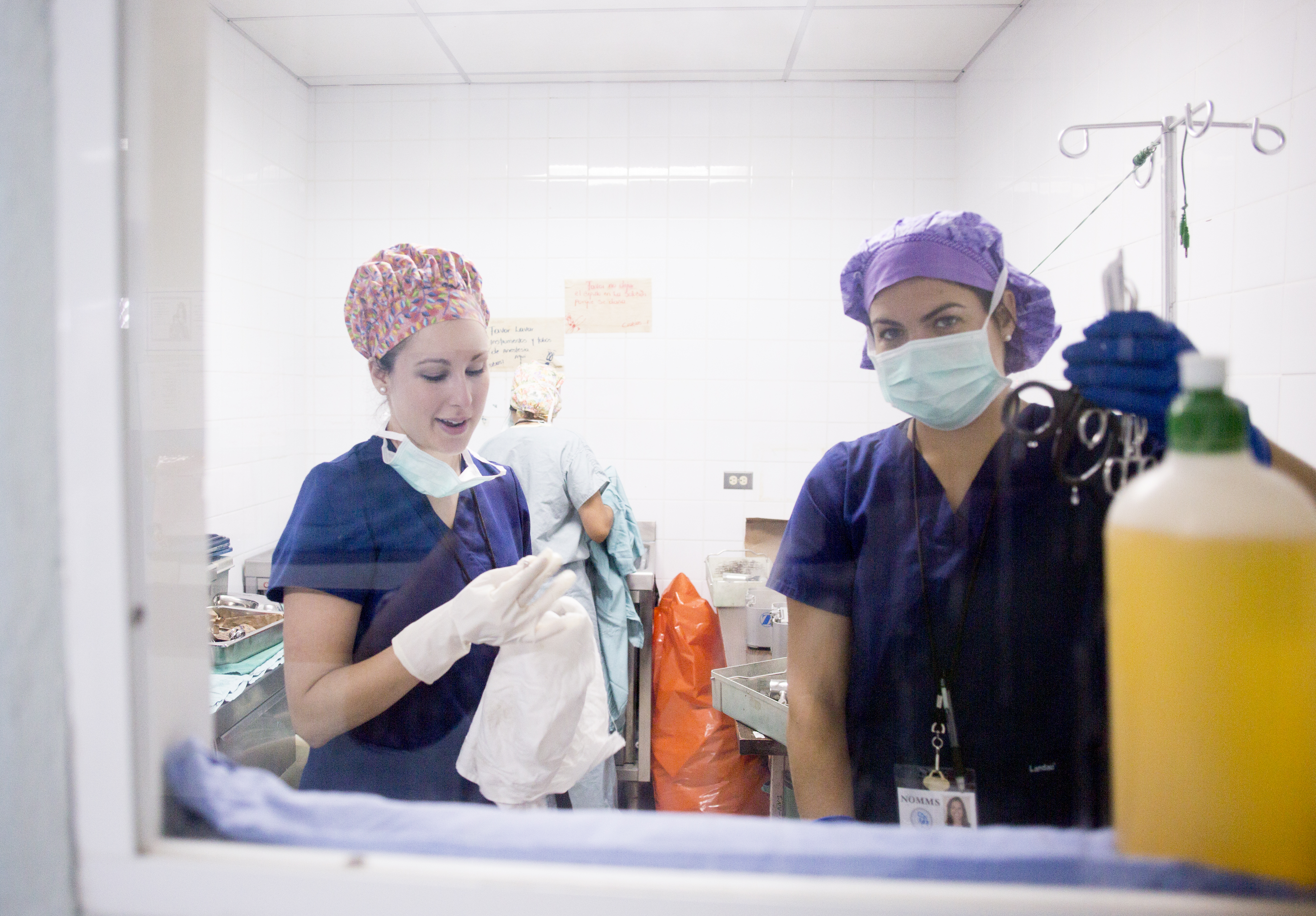
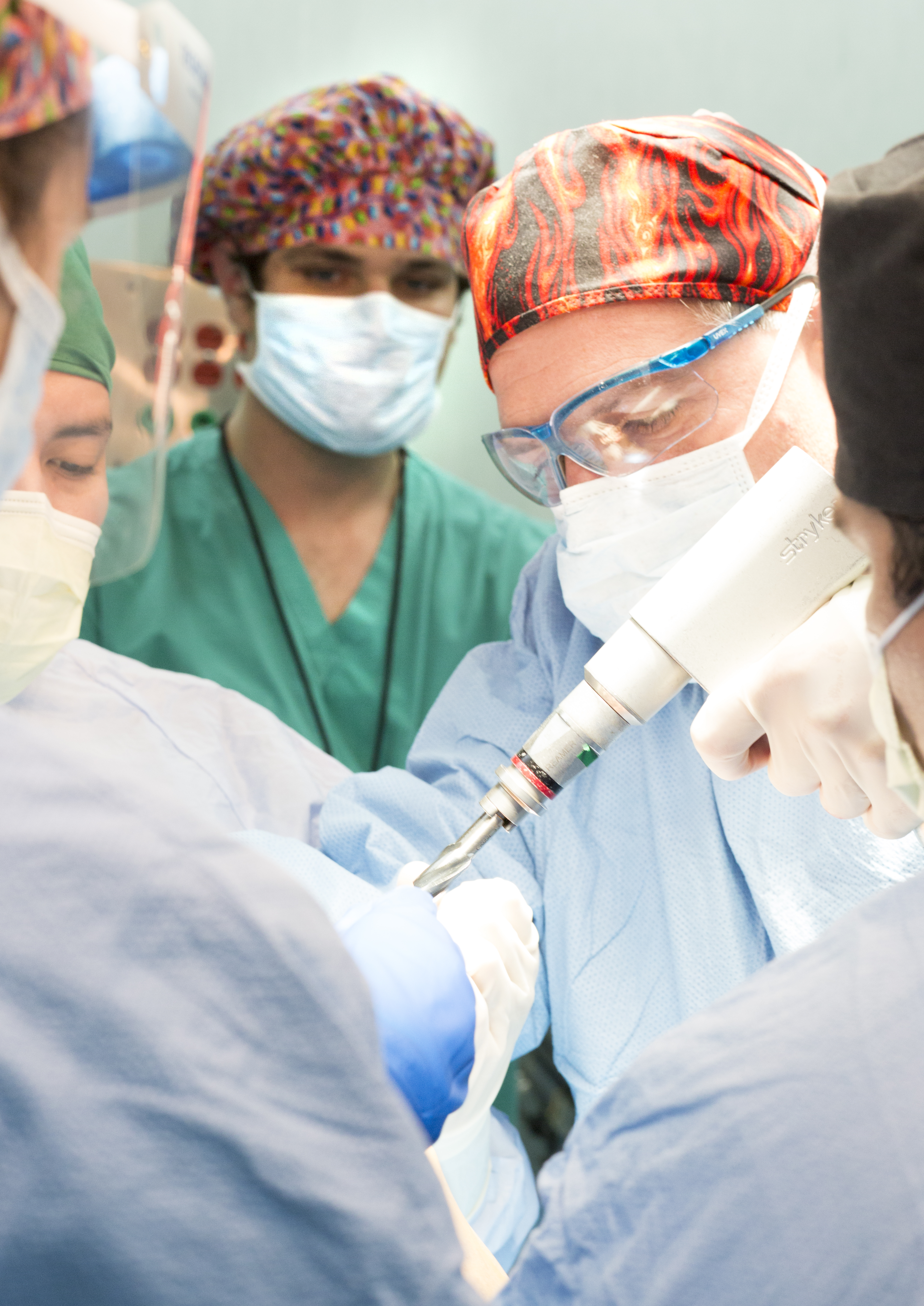 After surgery, it was time to close the knee up and clean the instruments for the next case. The instruments had to be washed and then sent for sterilization. We worked hard to fit in as many surgeries as we could.
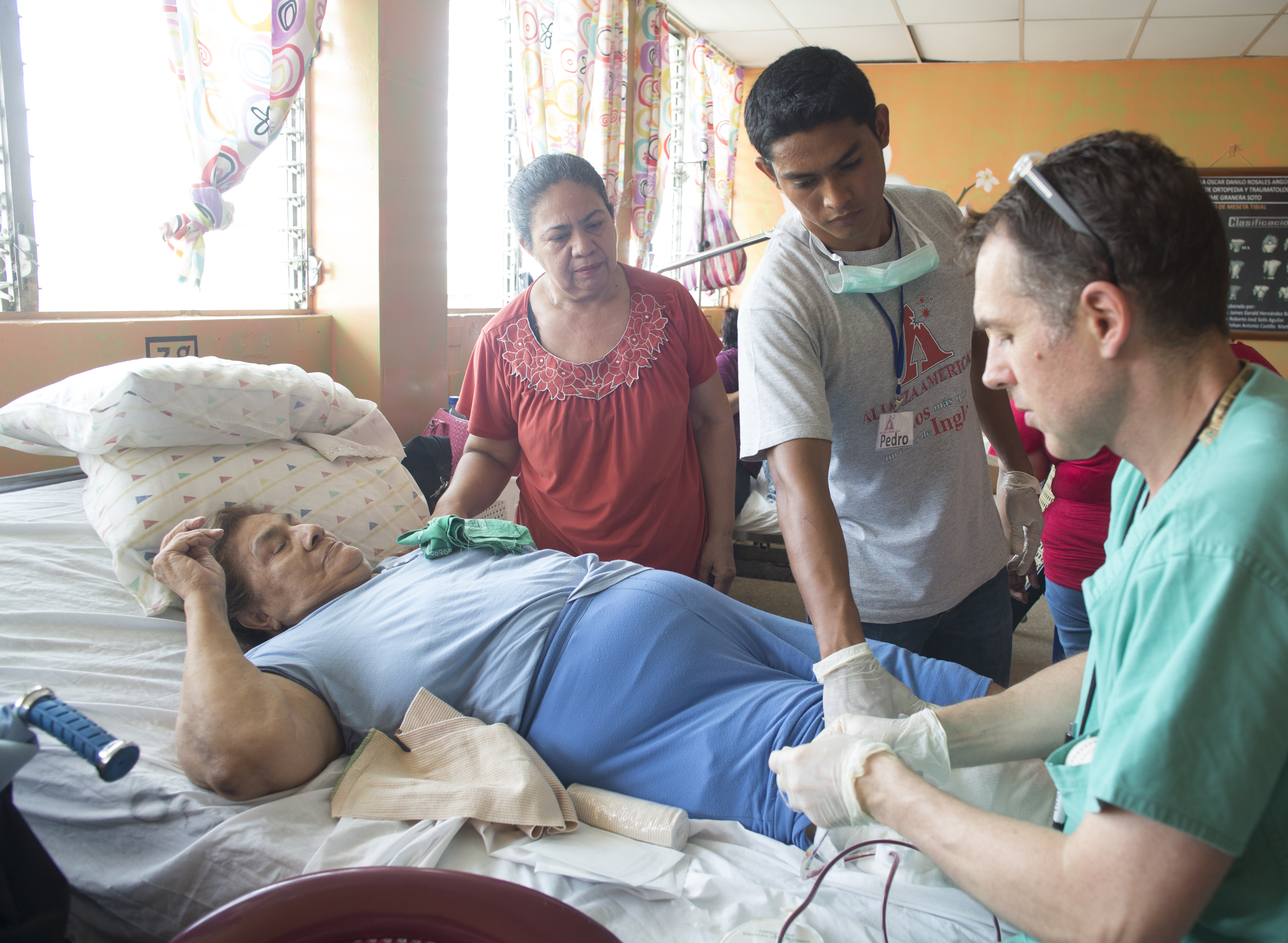
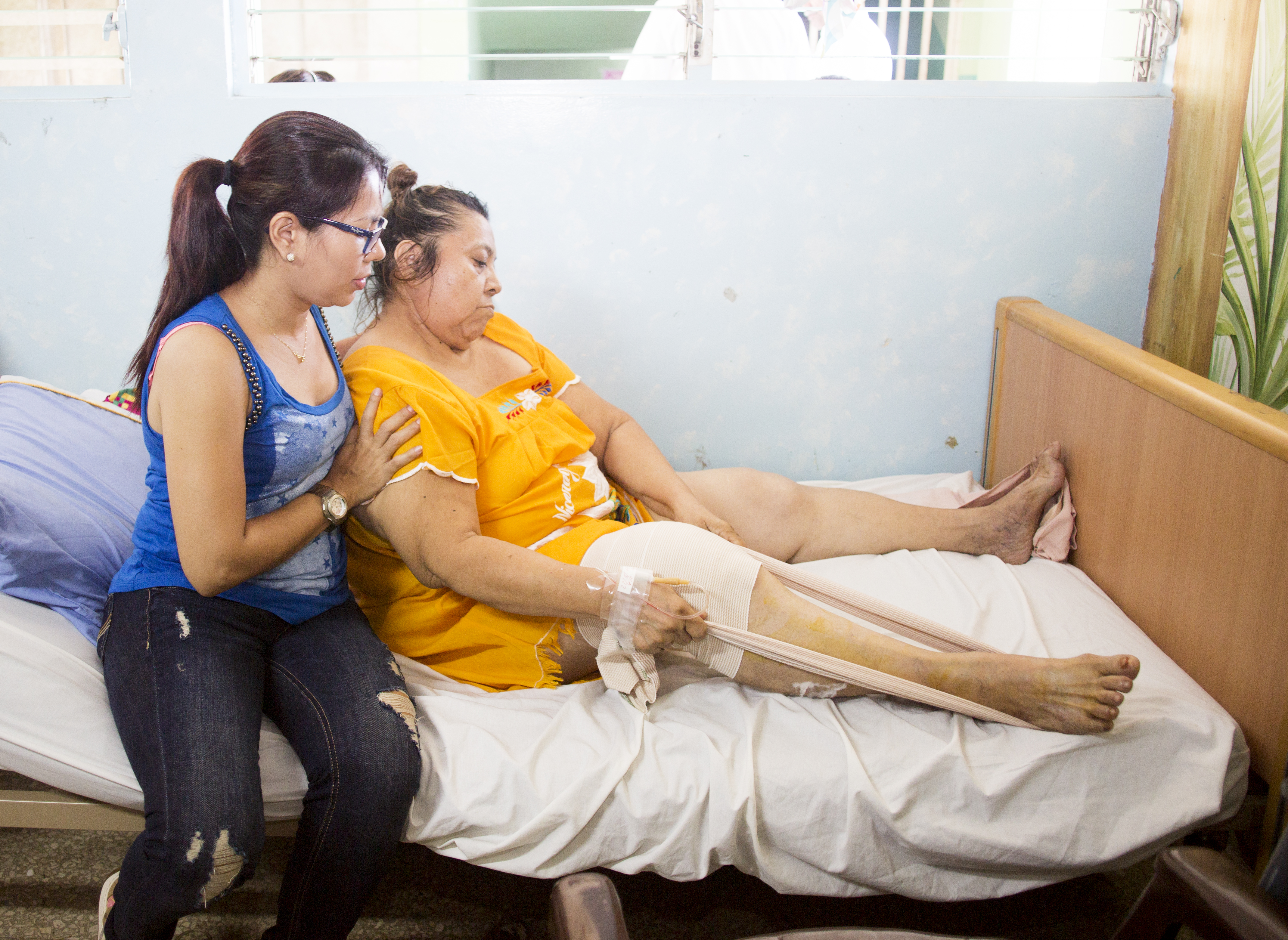
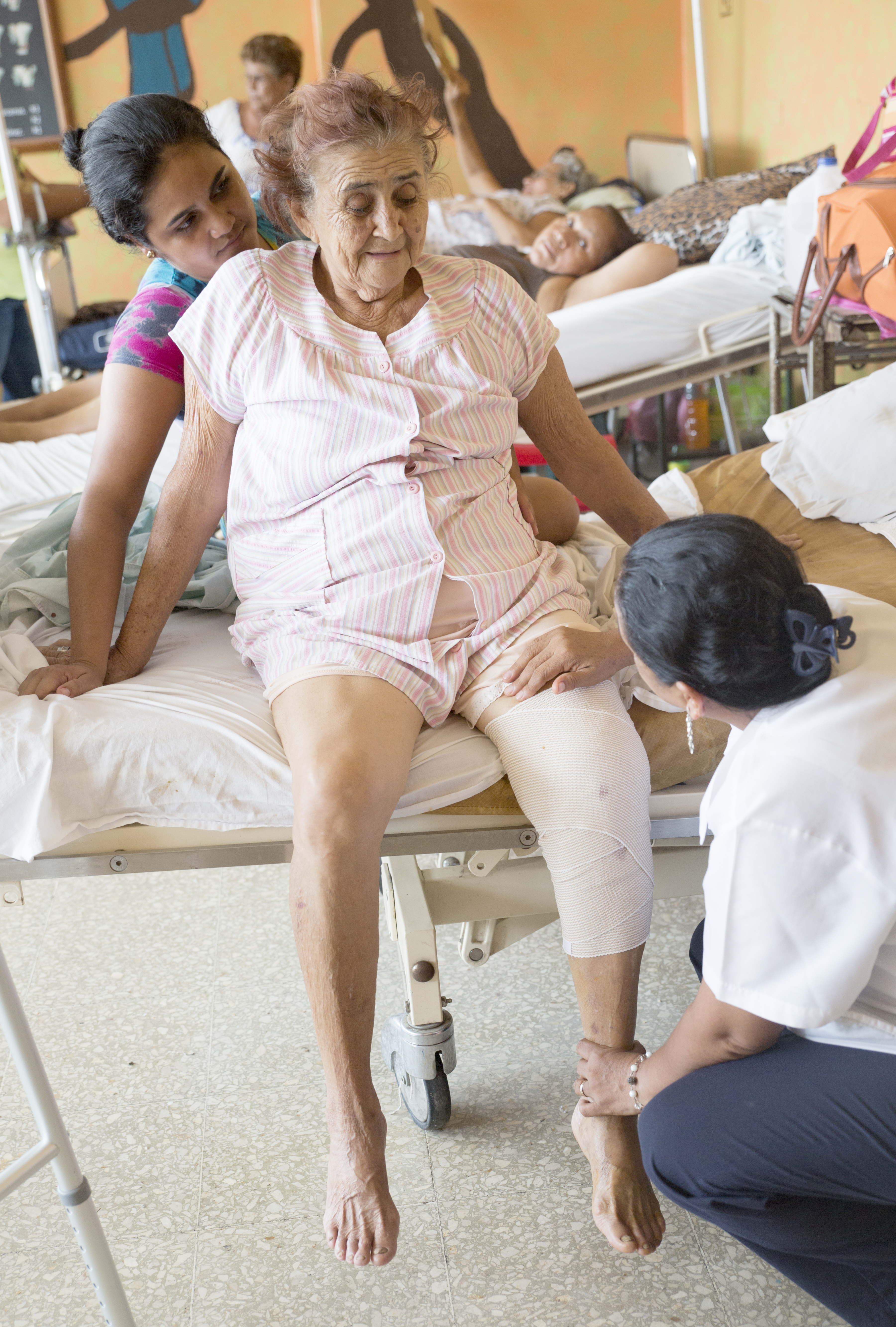
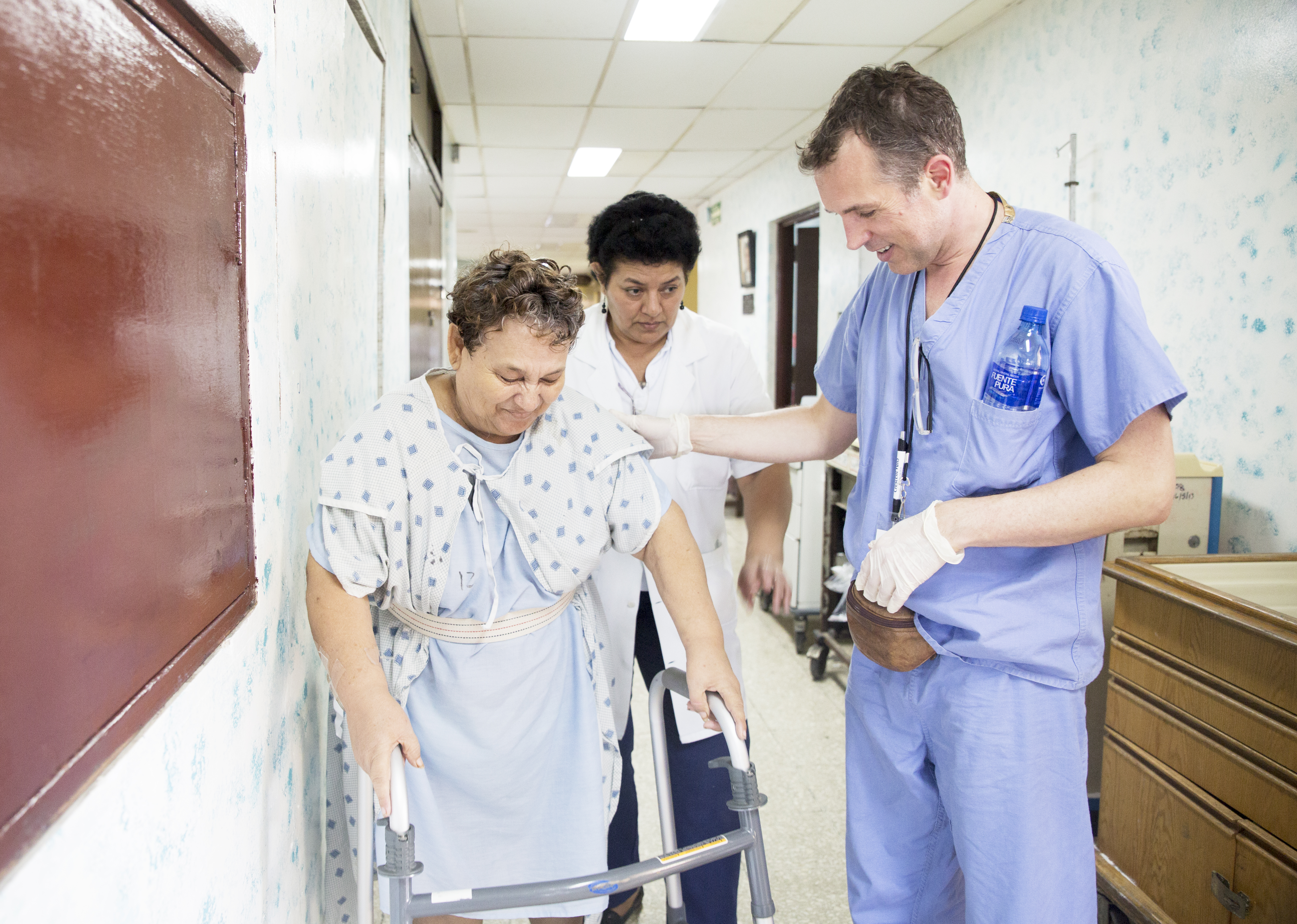
The patients were visited by Leslie and Jerome, our physical therapy team, the day after their surgery. A couple of the local volunteers worked hard alongside them learning the ropes of physical therapy.


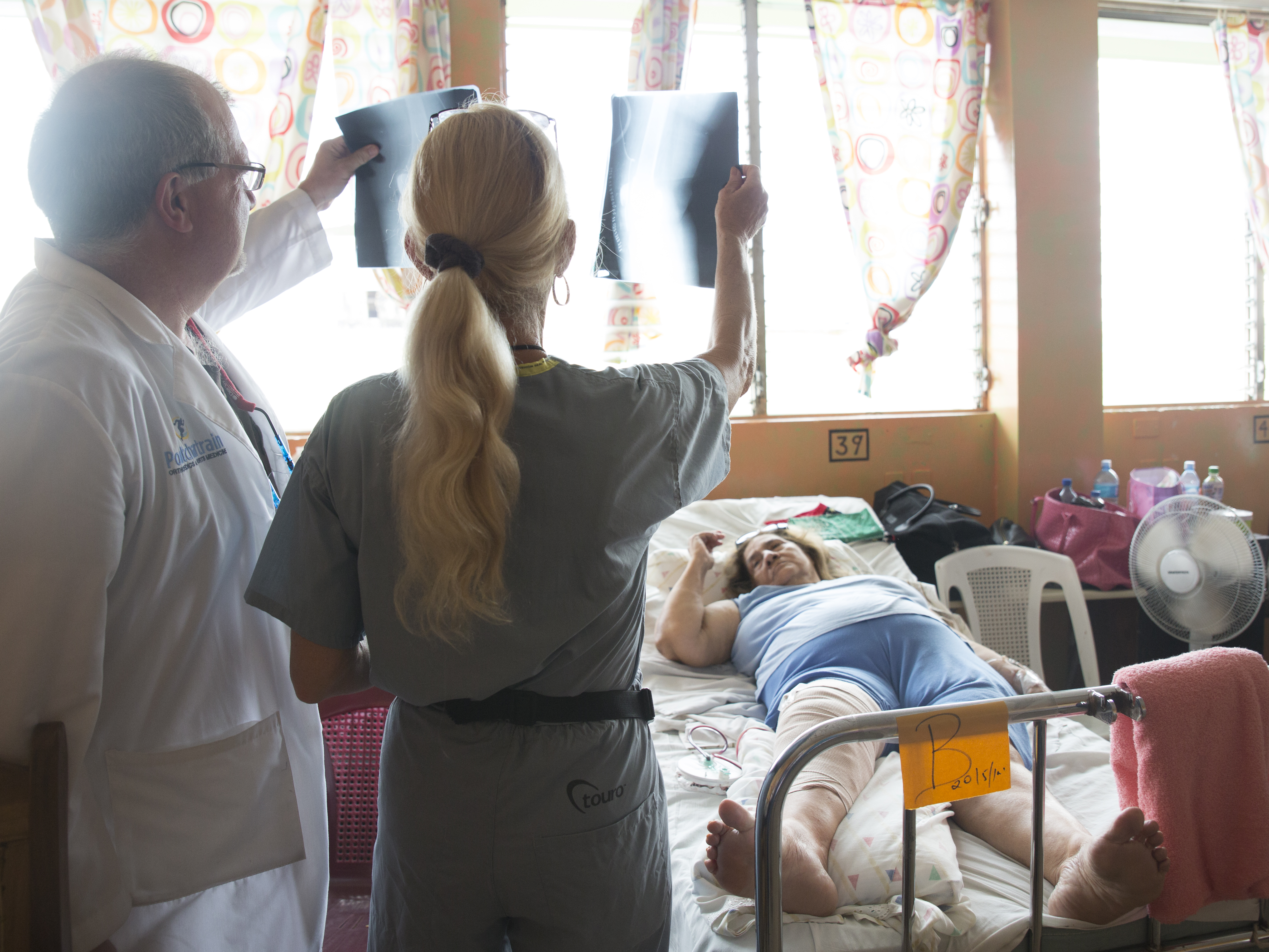
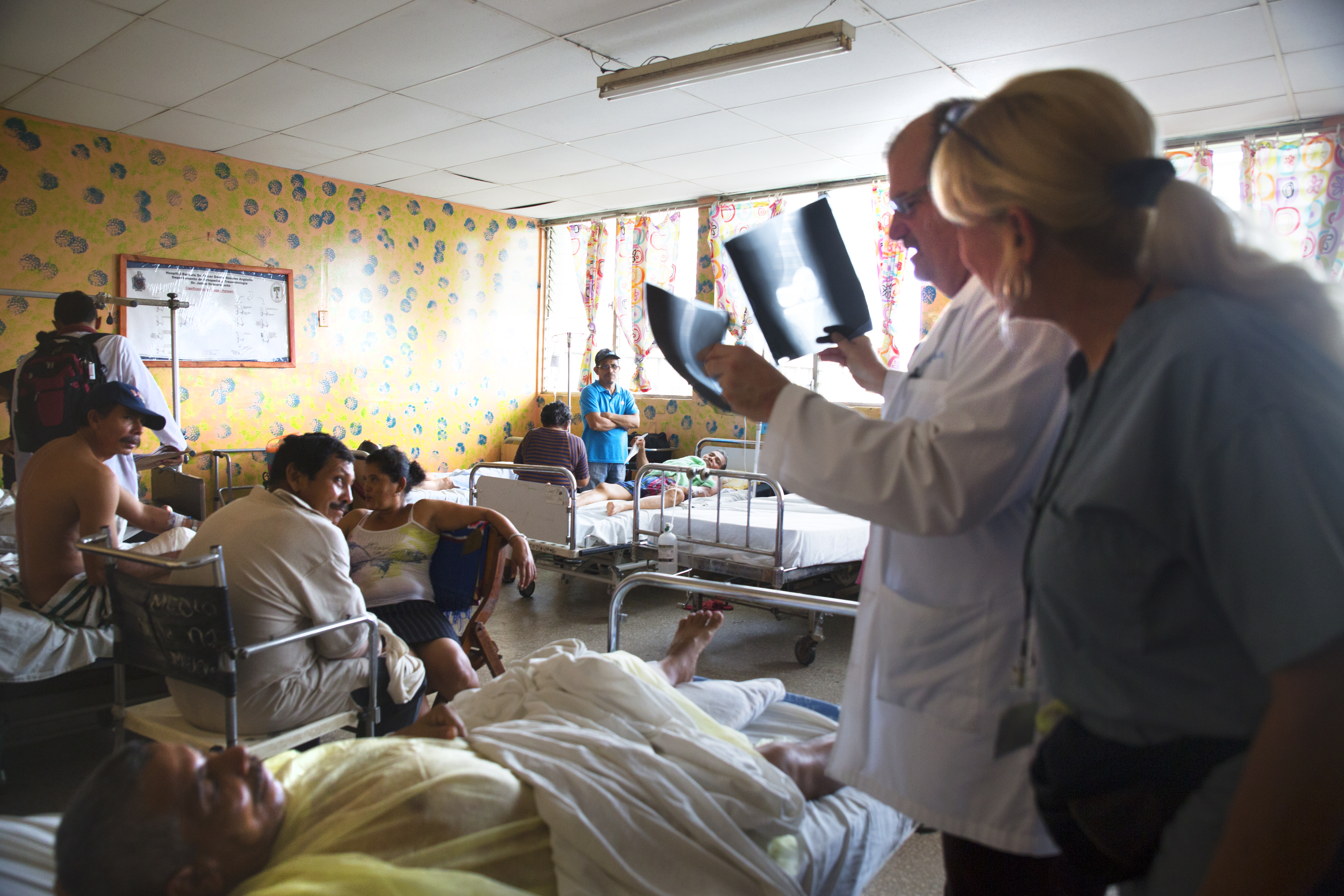
Here, Dr. Sketchler makes rounds on his patients from the previous day and reviewing before and after X-rays.
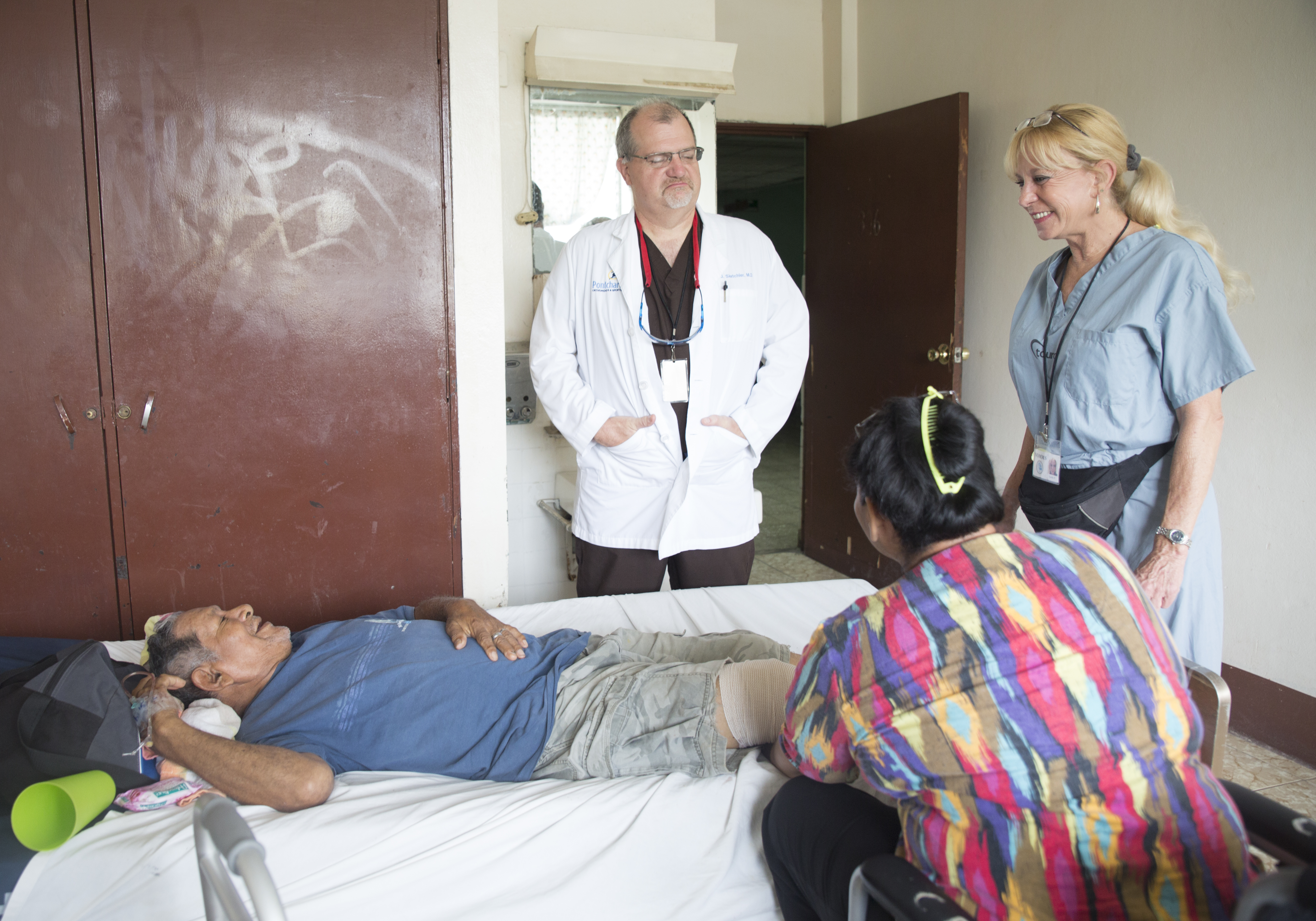
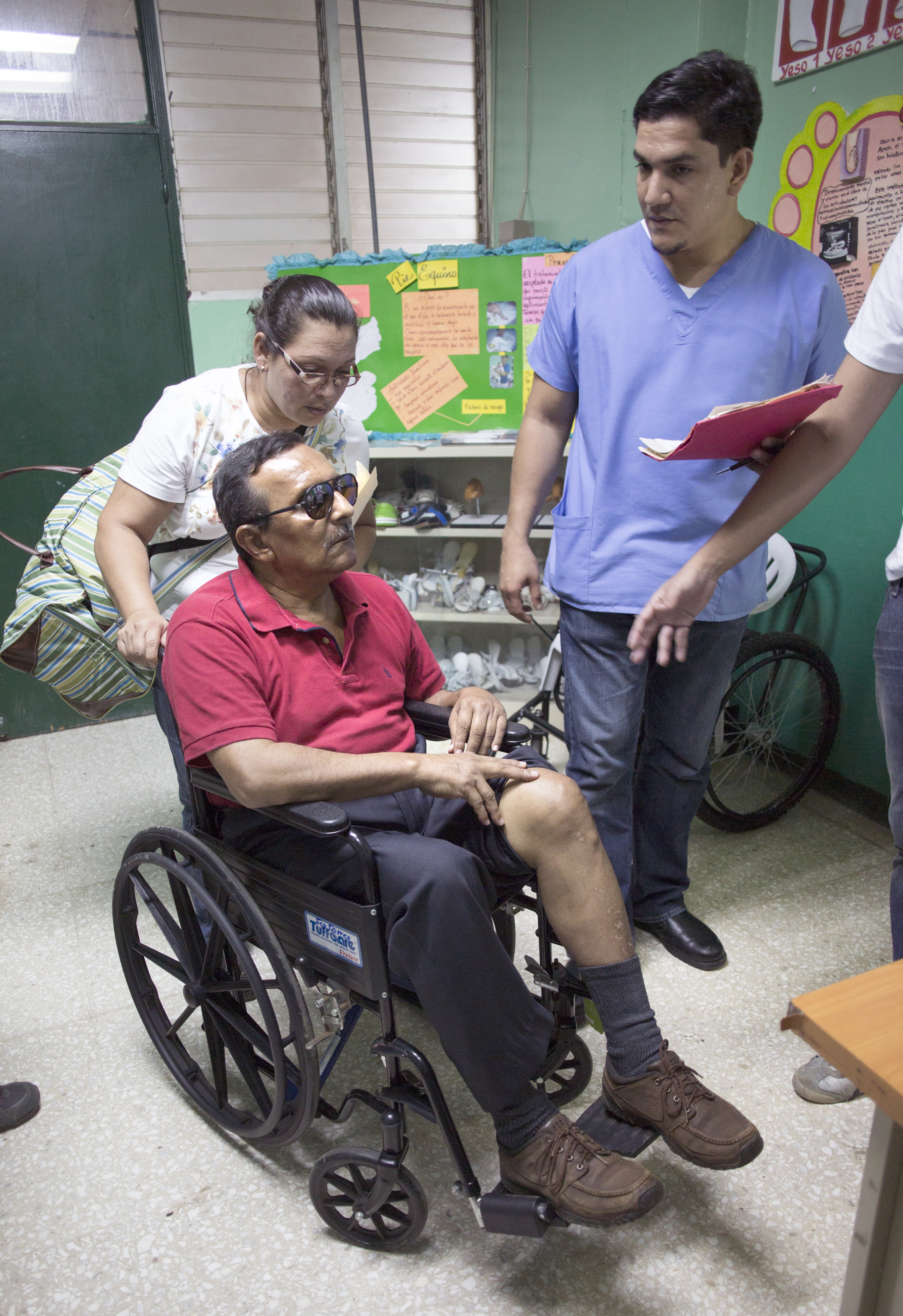
Some patients required special consideration, such as this blind patient. His circumstances made the teaching process all the more challenging for our physical therapists, but they, and the local volunteers who worked alongside them, were no less determined.
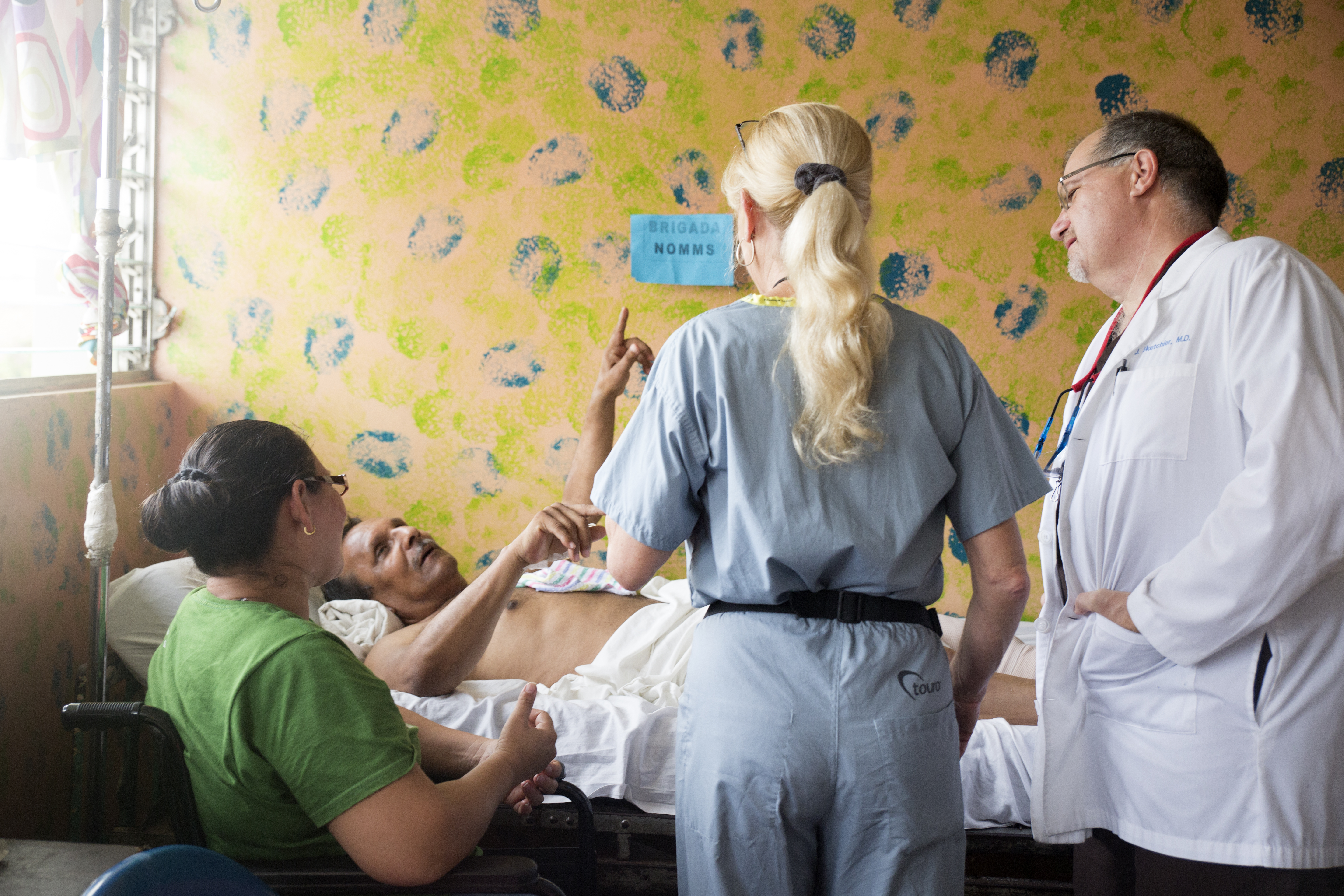
In spite of our best efforts, we still had to rely heavily on the patients’ families. Unlike in the US, these patients do not receive much if any follow-up care, so it’s up to the family members to learn from us how to aid in rehabilitation. The Nicaraguan culture in general is very focused on family, which worked in our favor. The families were always present and they were vital in the recovery process. For many, the first small step is simply fanning the patients to keep them cool in the hot hospital. With so many patients packed into the recovery rooms, overheating was a real risk.
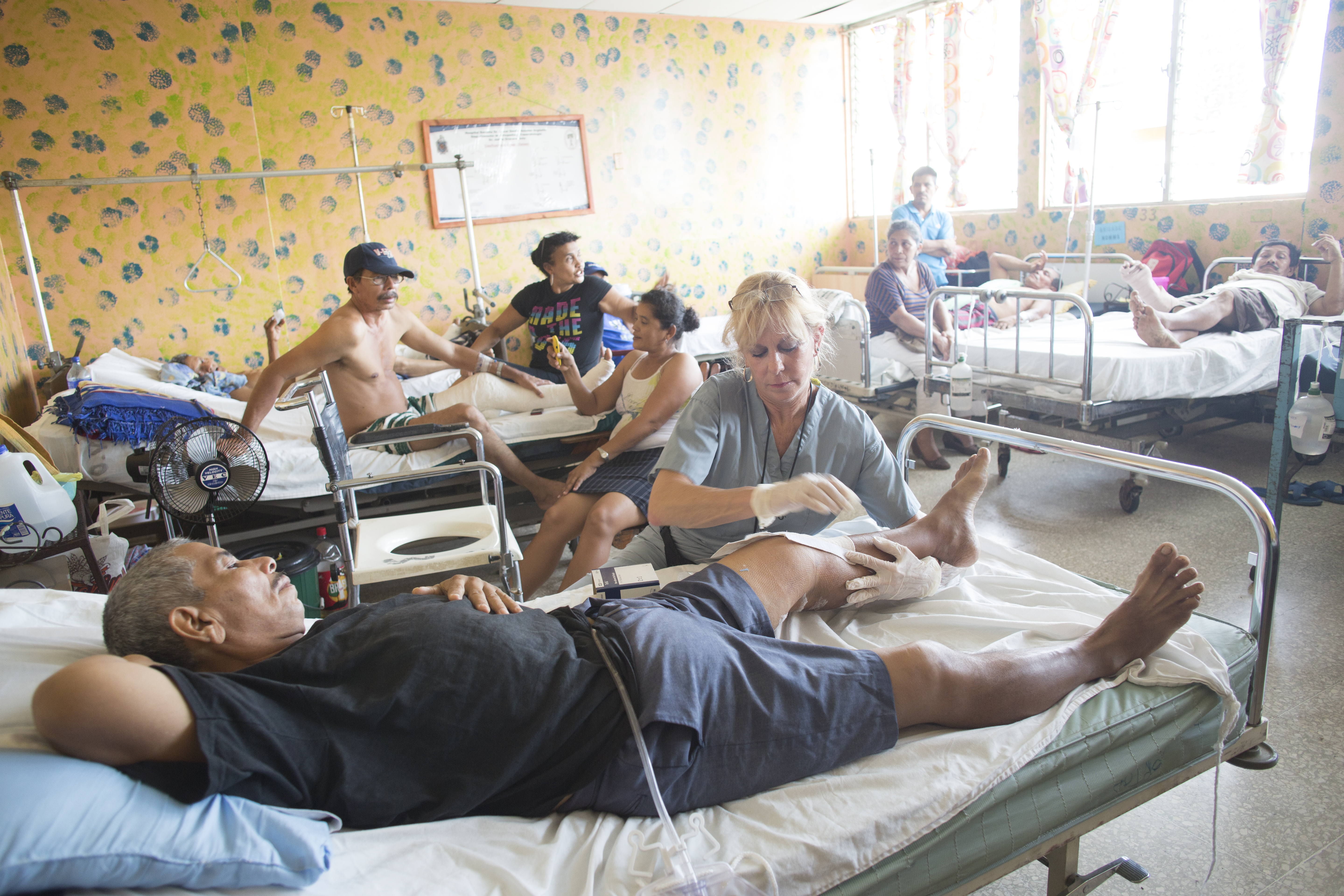
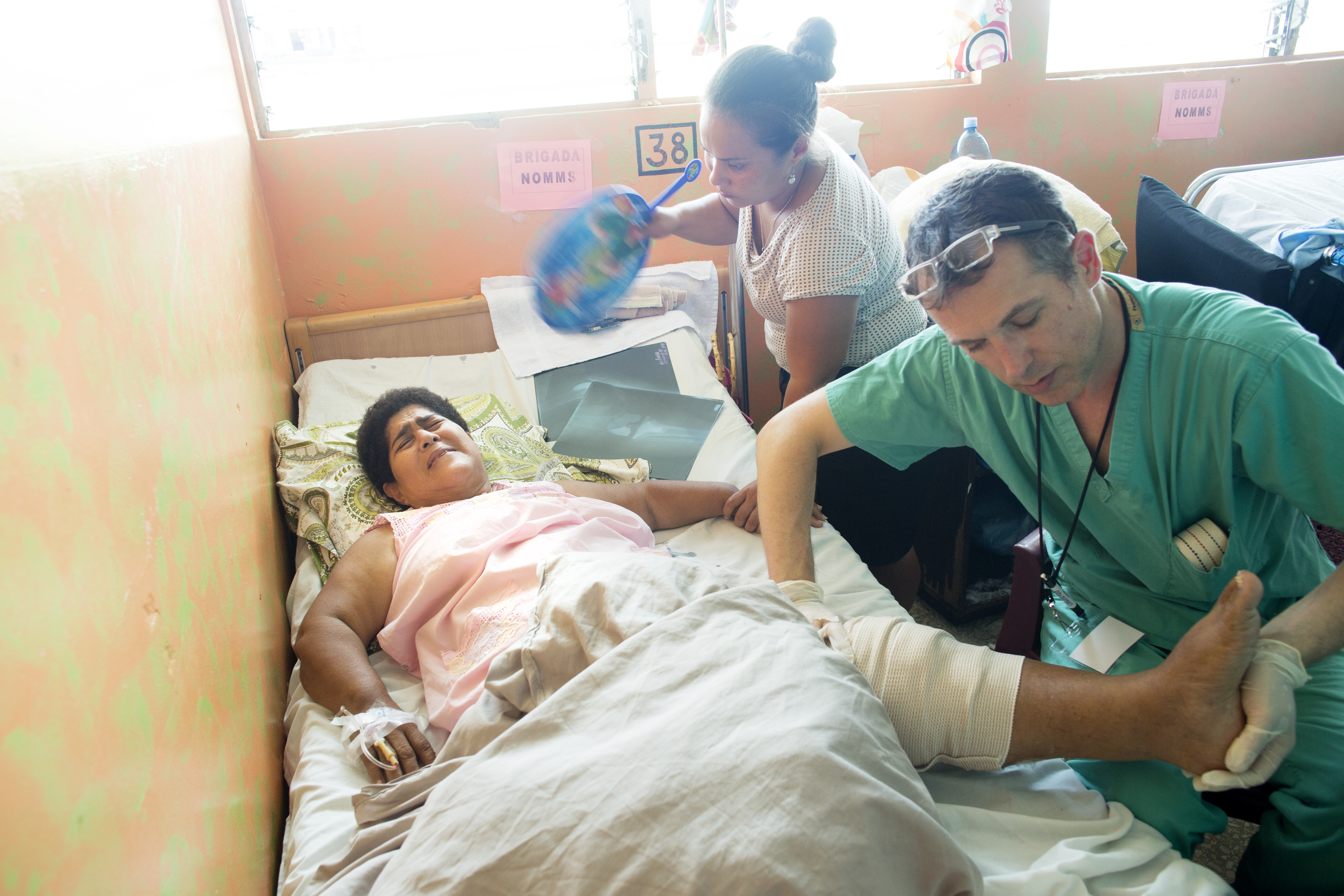


This gentleman did overheat and fainted on the unit. Leslie was there to help. It was clear that the nurses on that unit are overworked and underpaid, because none of them helped. This was the only negative experience I had with the local staff.
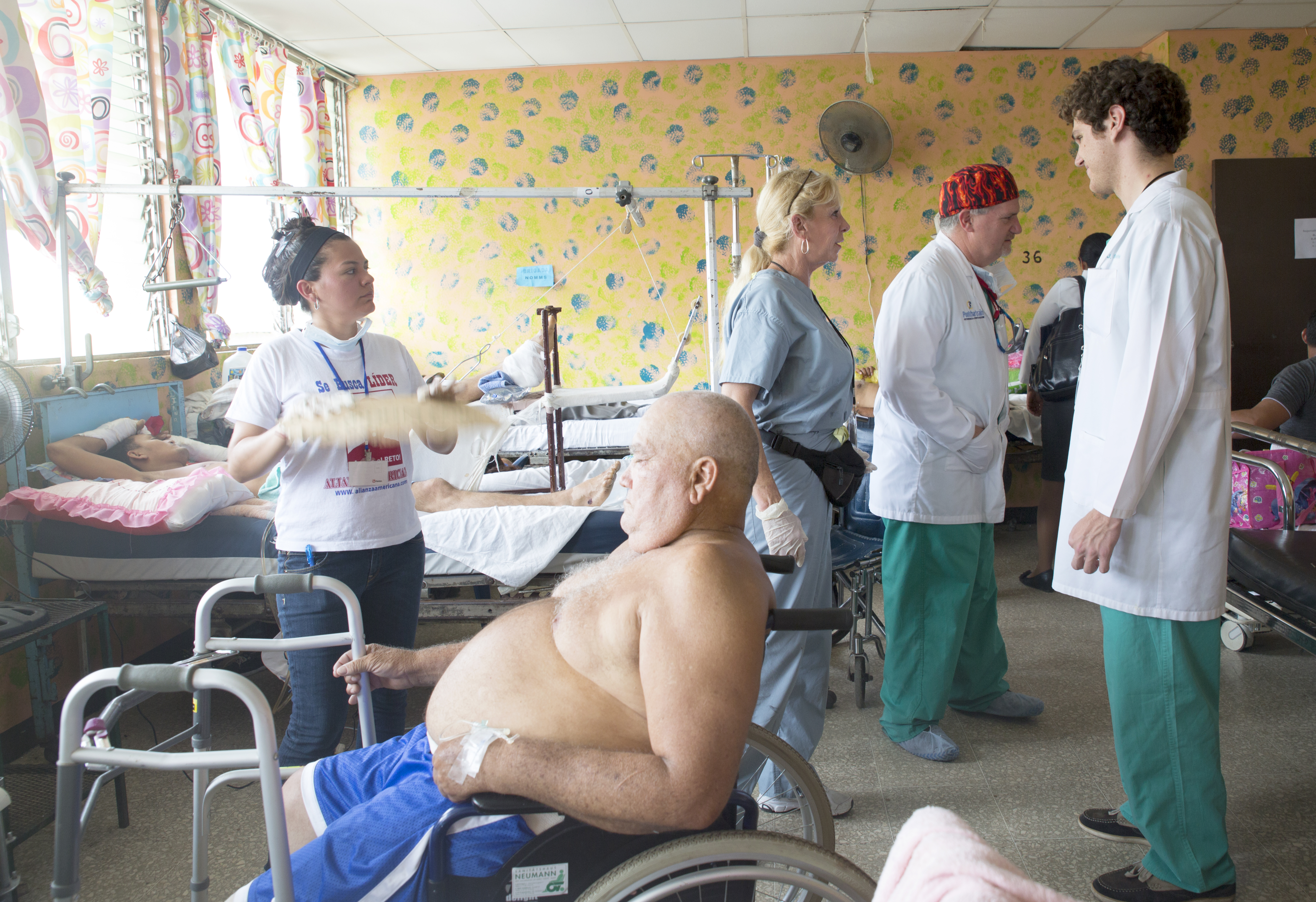
The patients were very strong- managing to walk and do their rehabilitation exercises with only anti-inflamatories, no narcotics, to aid in pain management. They were grateful just to have received the surgery, which was refreshing to see. The whole experience was so rewarding for me. I hope we have added to the quality of life of these 39 people and their families.

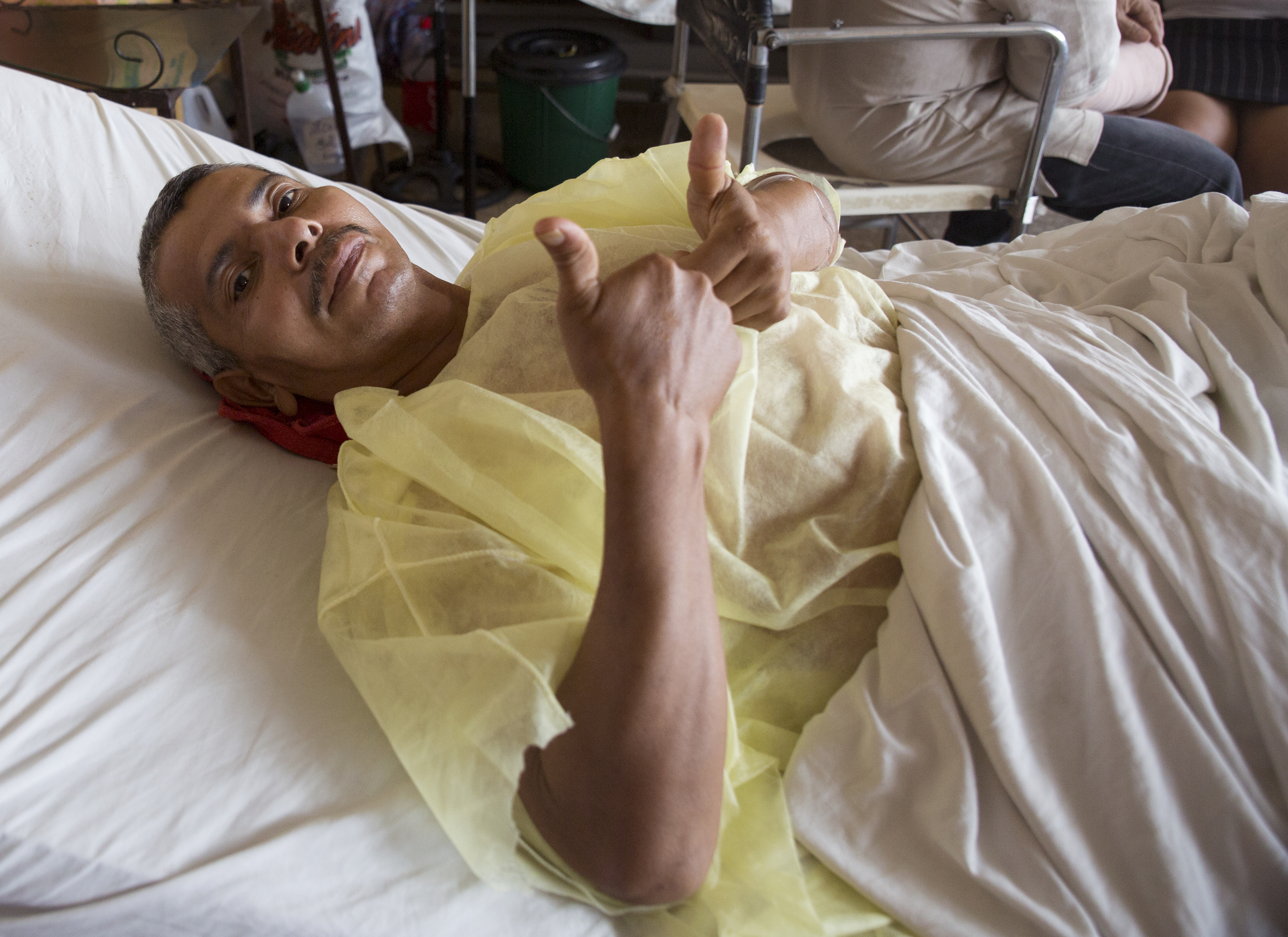
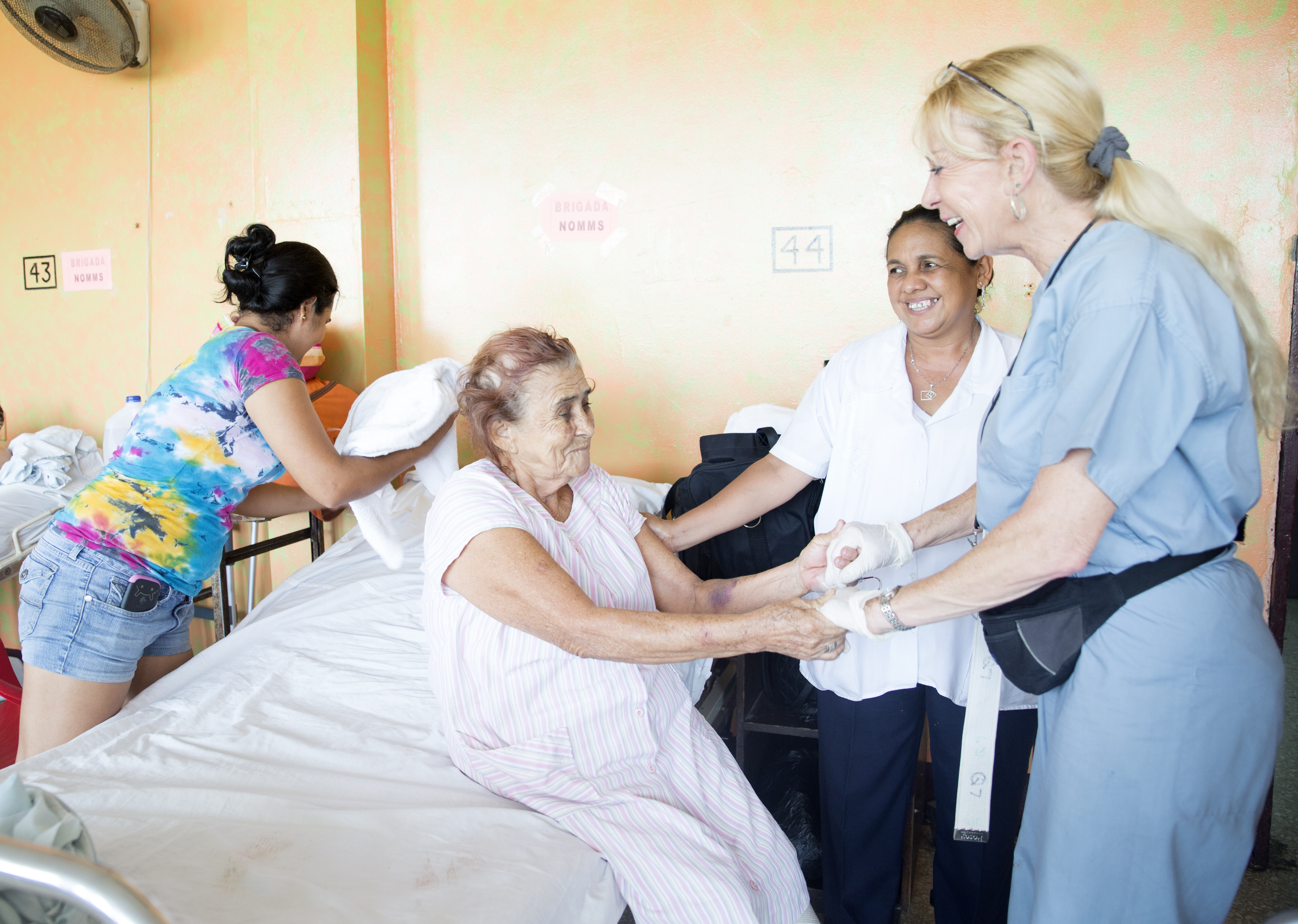

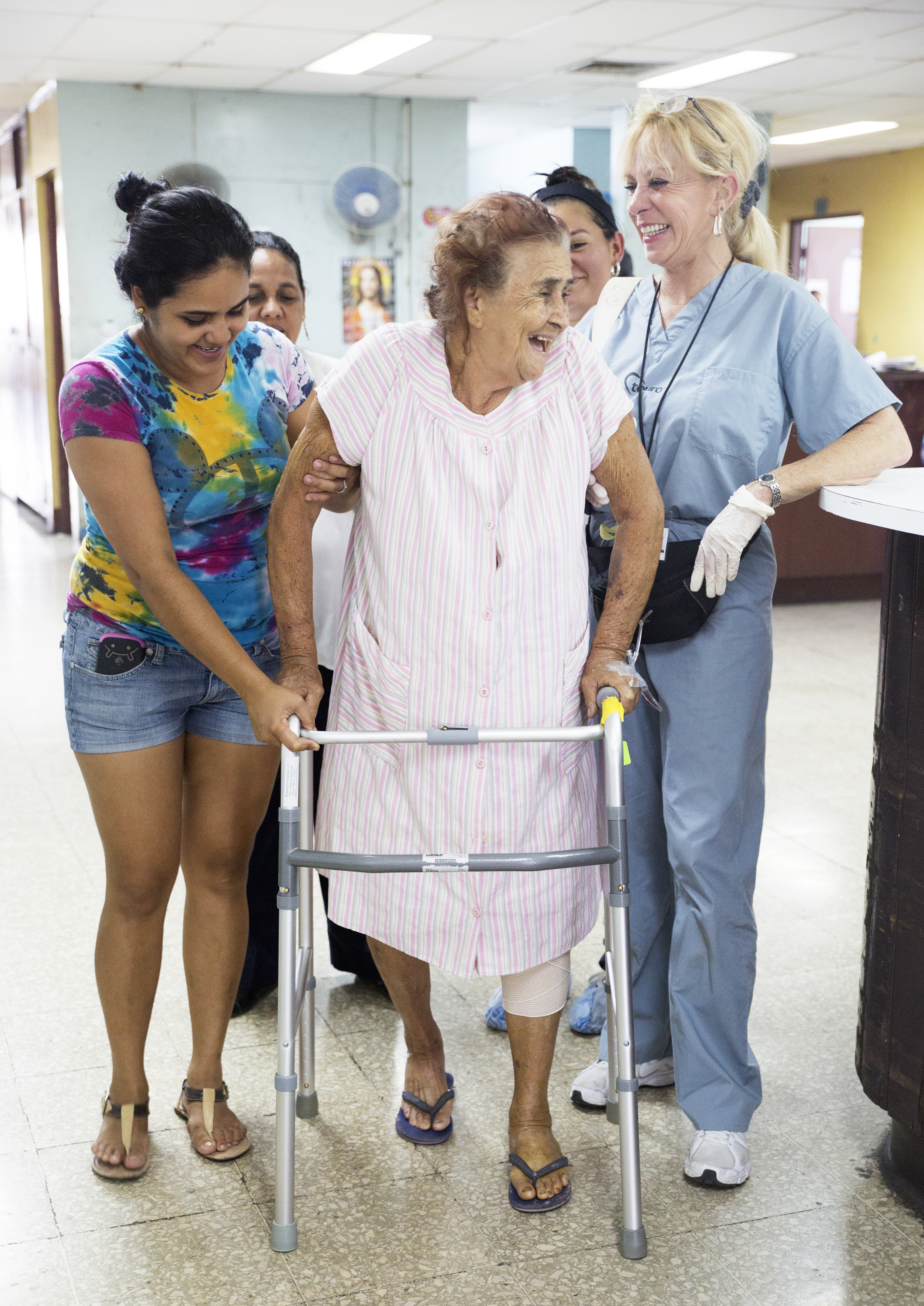
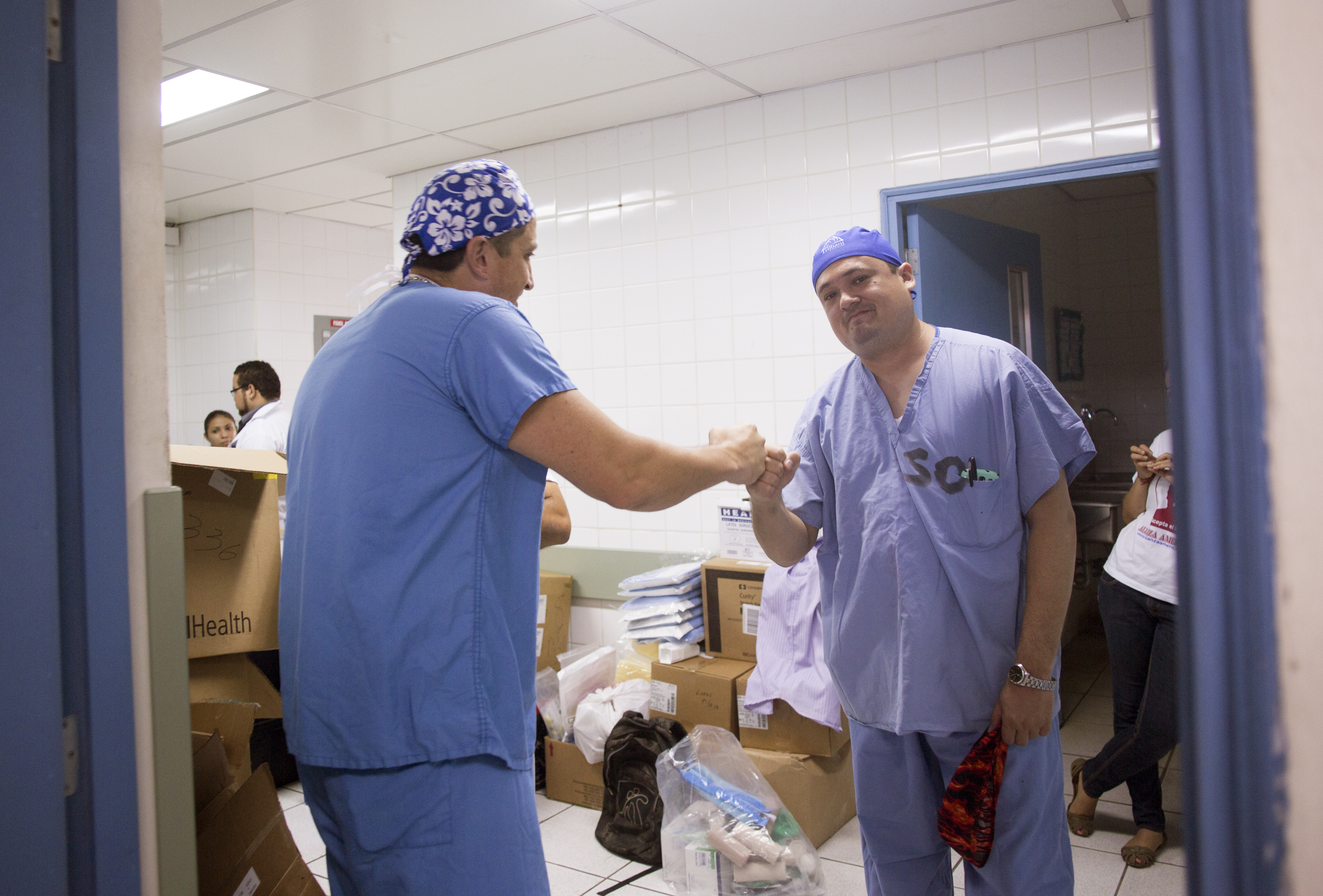
Working in these conditions makes for strong bonds; I had a hard time saying goodbye.

The path we took to and from the hospital led us by a wall someone had thoughtfully graffiti’d in our honor with the words “grasias enfermaras y doctores.” I will never forget this experience.

 Everyday moments. Beautiful memories.