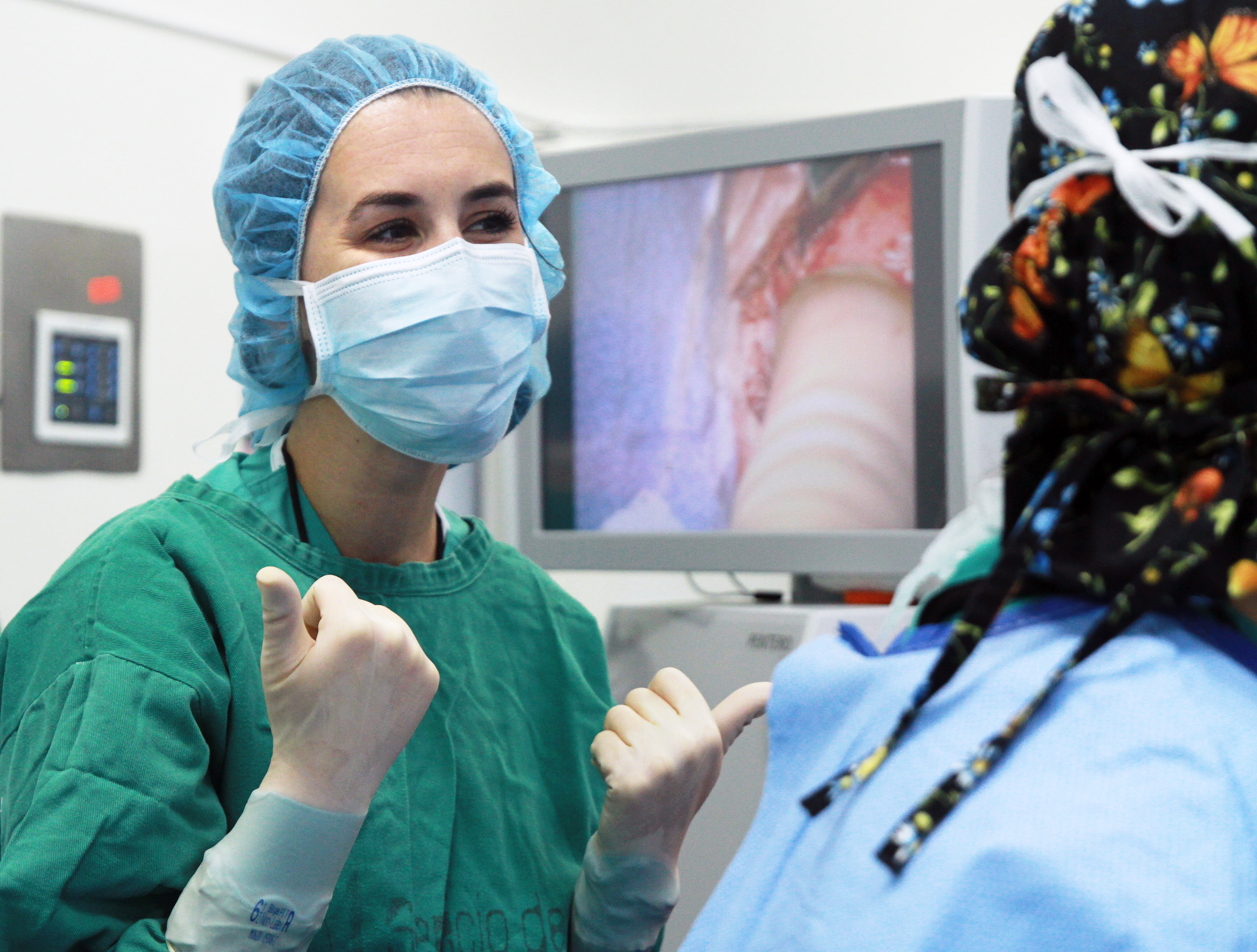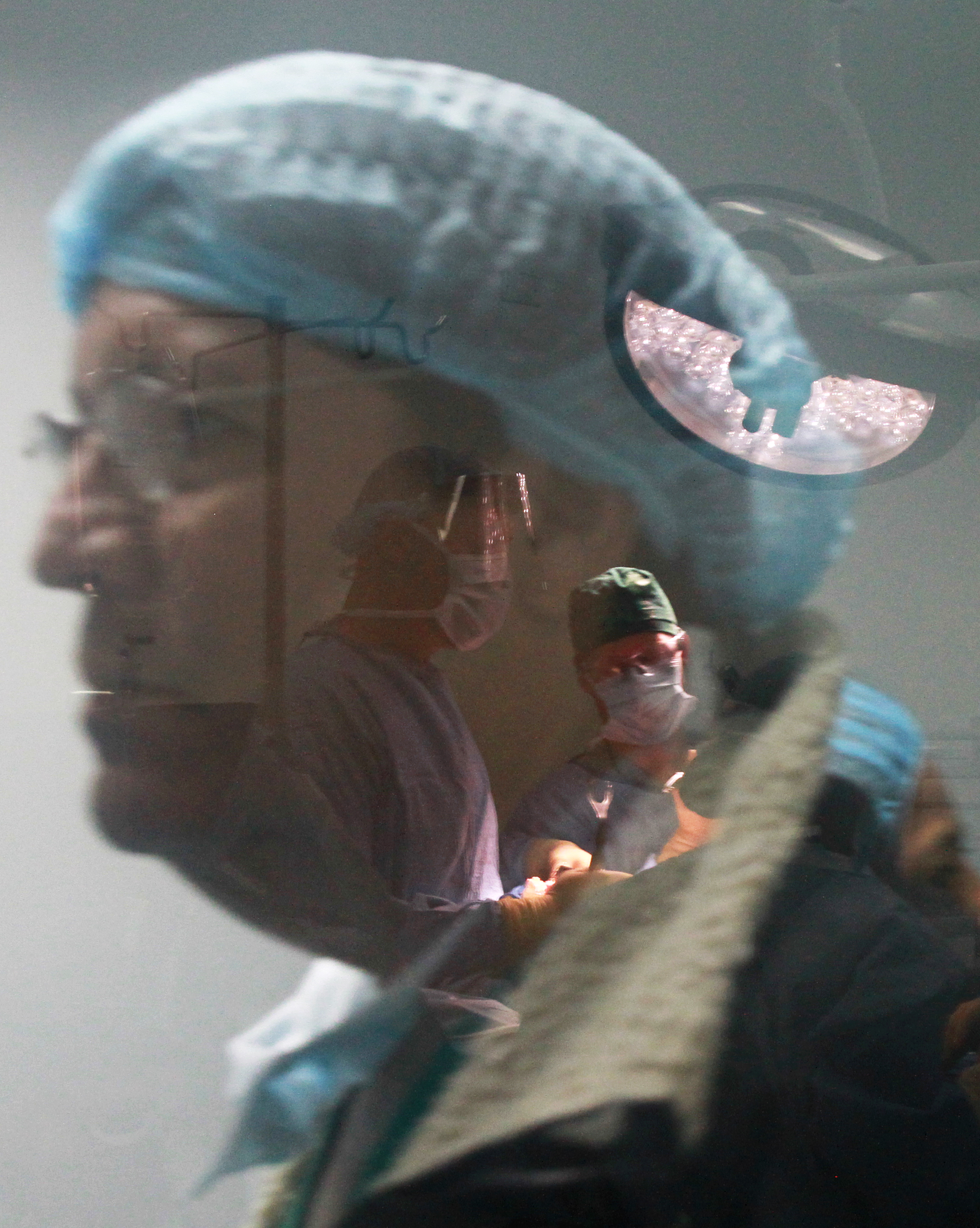
Guayaquil, Ecuador: In The Operating Room

IMG_7642edit

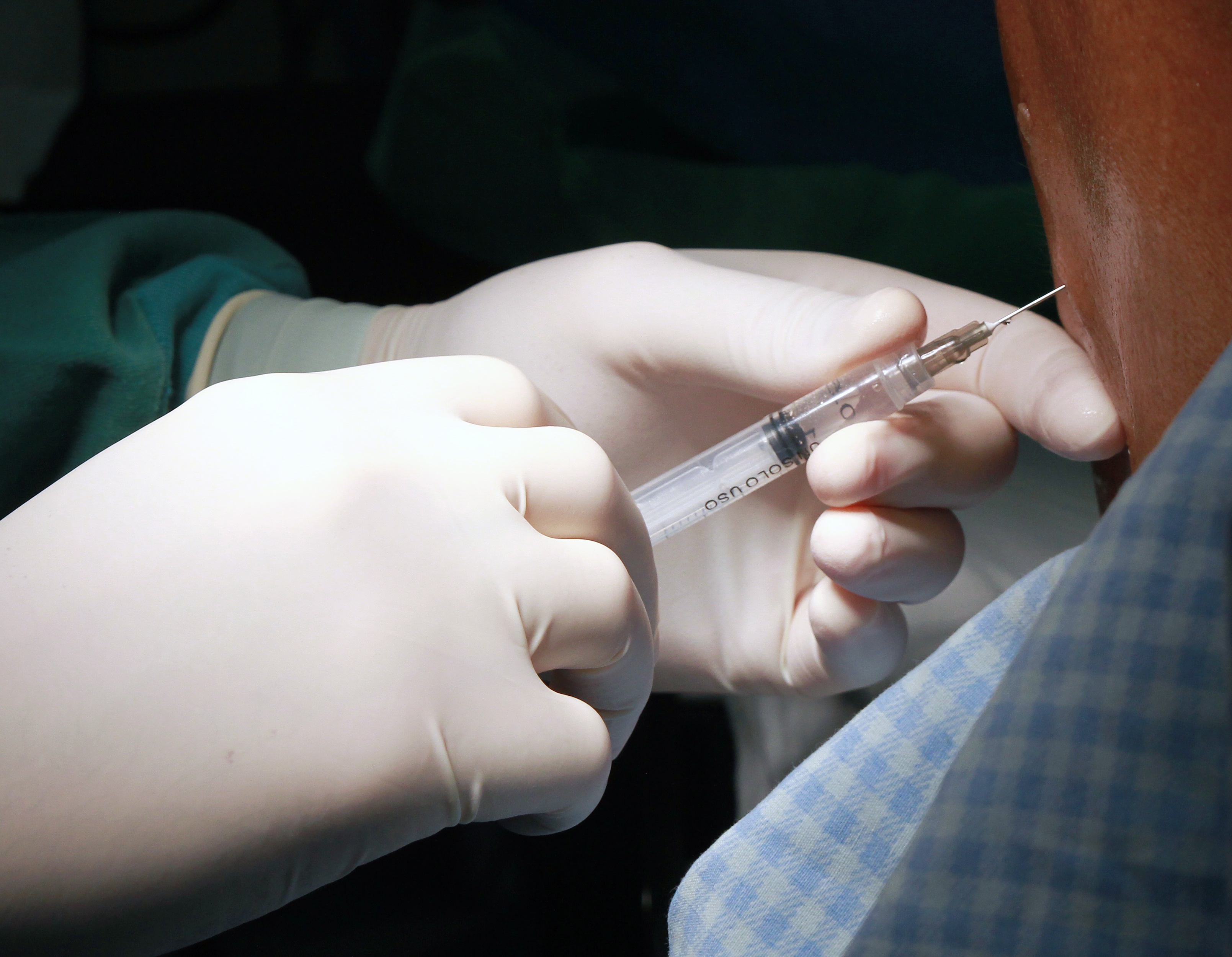
My background is in the Emergency Room, so I rarely see the inside of an operating room, as a nurse or a photographer. As a photographer, however, it is far more rare. As previously mentioned, the lack of privacy laws within the hospital allowed me to obtain images rarely seen. In school I was taught that one of the keys of photojournalism is to take readers where they cannot otherwise go. These photos do exactly that. A few of the following images may be a little graphic for those with a weak stomach, so let this be a warning if you are sensitive to those types of images.

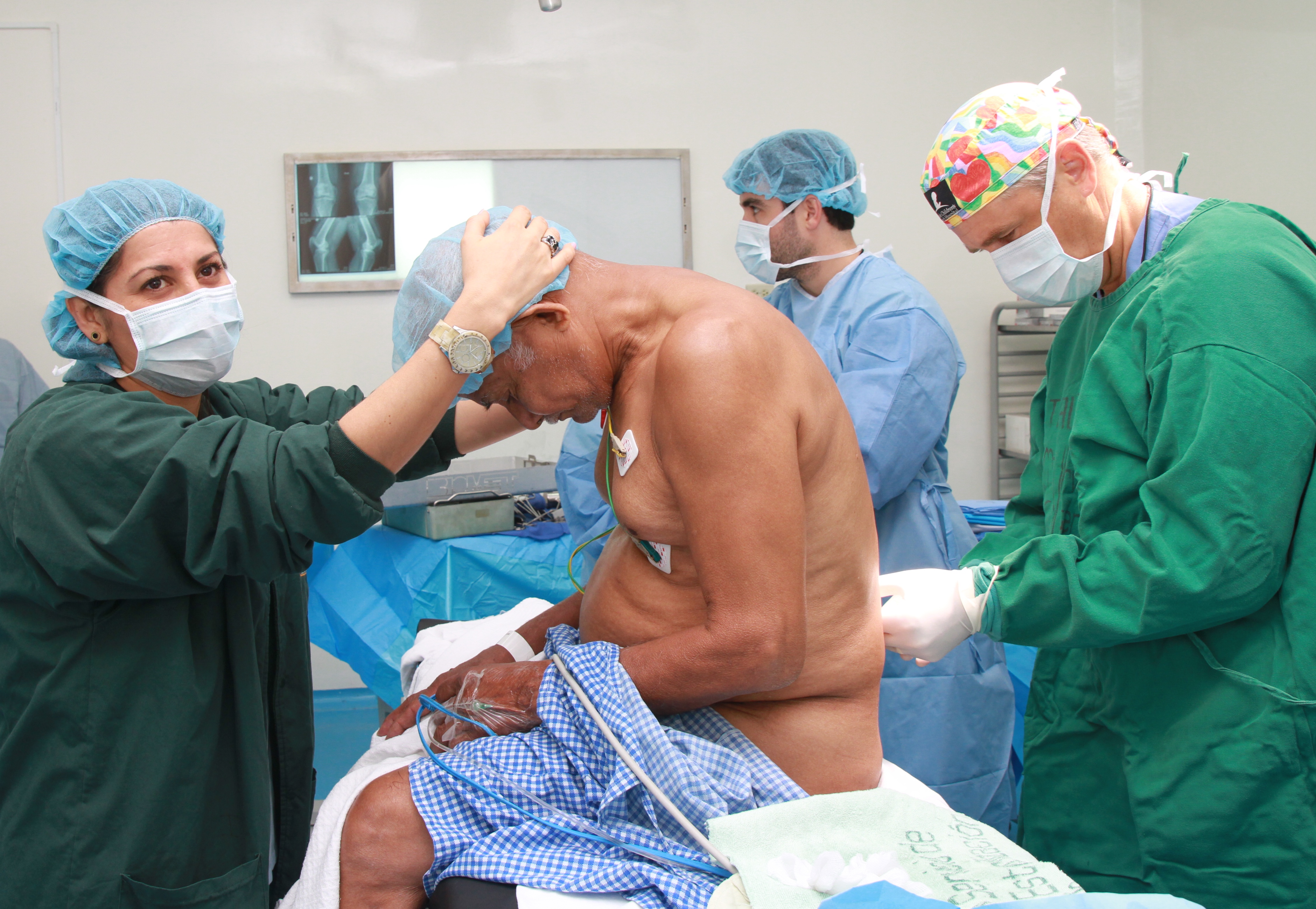
Once the room was set up by the nurses, the doctor had spoken with the patient and marked the correct knee, the x-rays had been hung up in the OR and the patient had been brought in and sedated or spinal blocked, then it was time to begin.
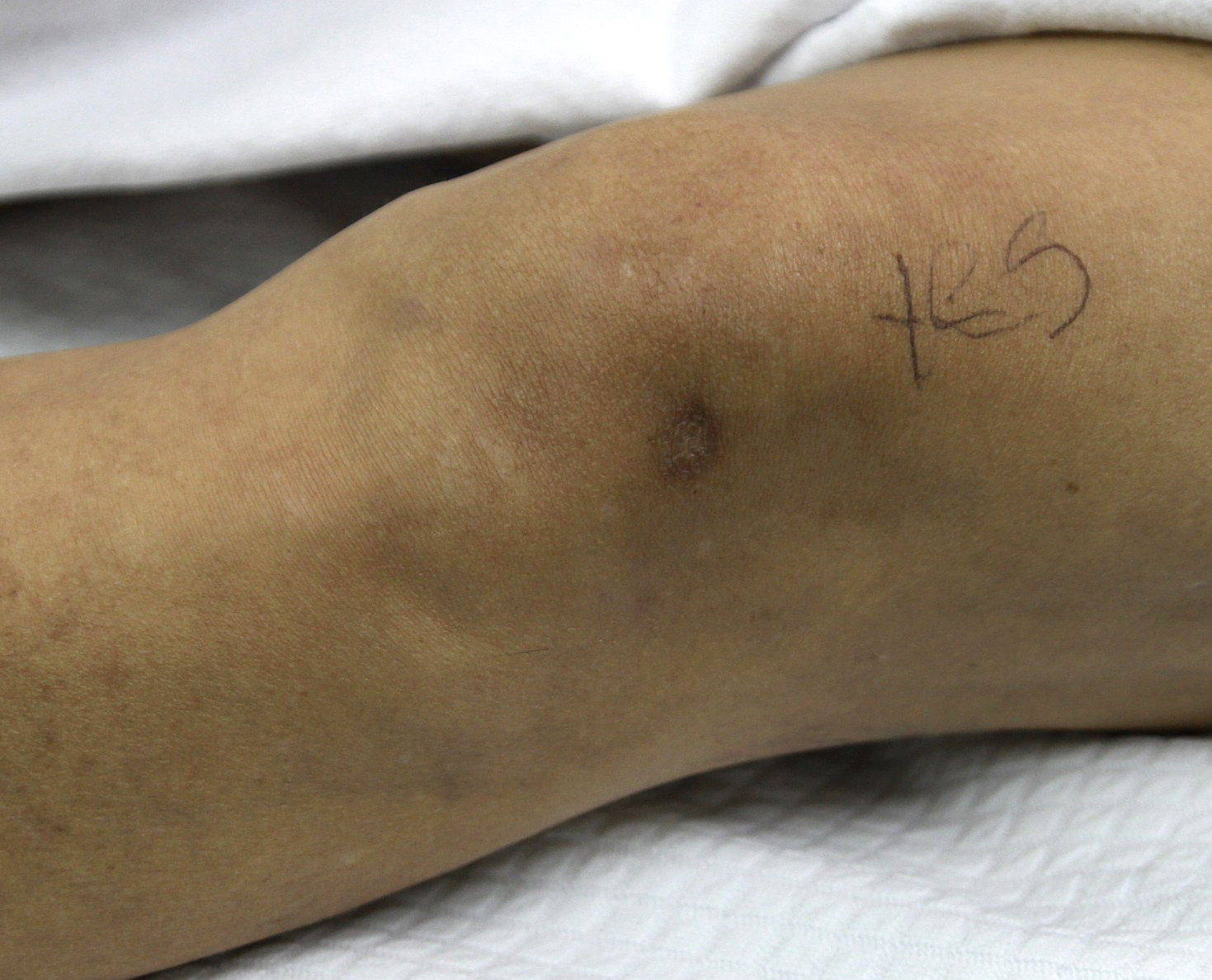
yes

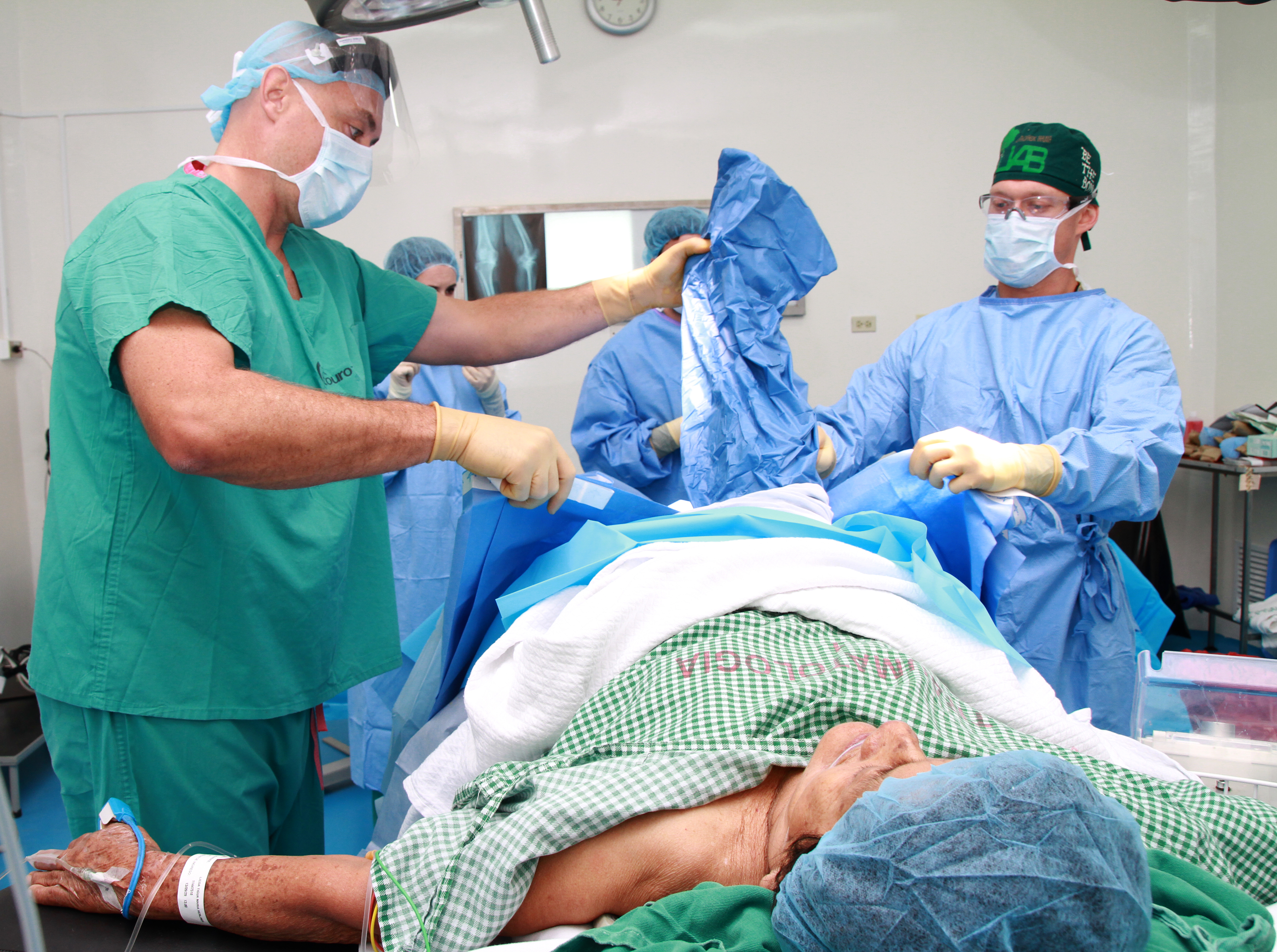
The patient was prepped by placing a tourniquet and cleaning his or leg leg and then covering the patient in sterile drapes to prevent infection.
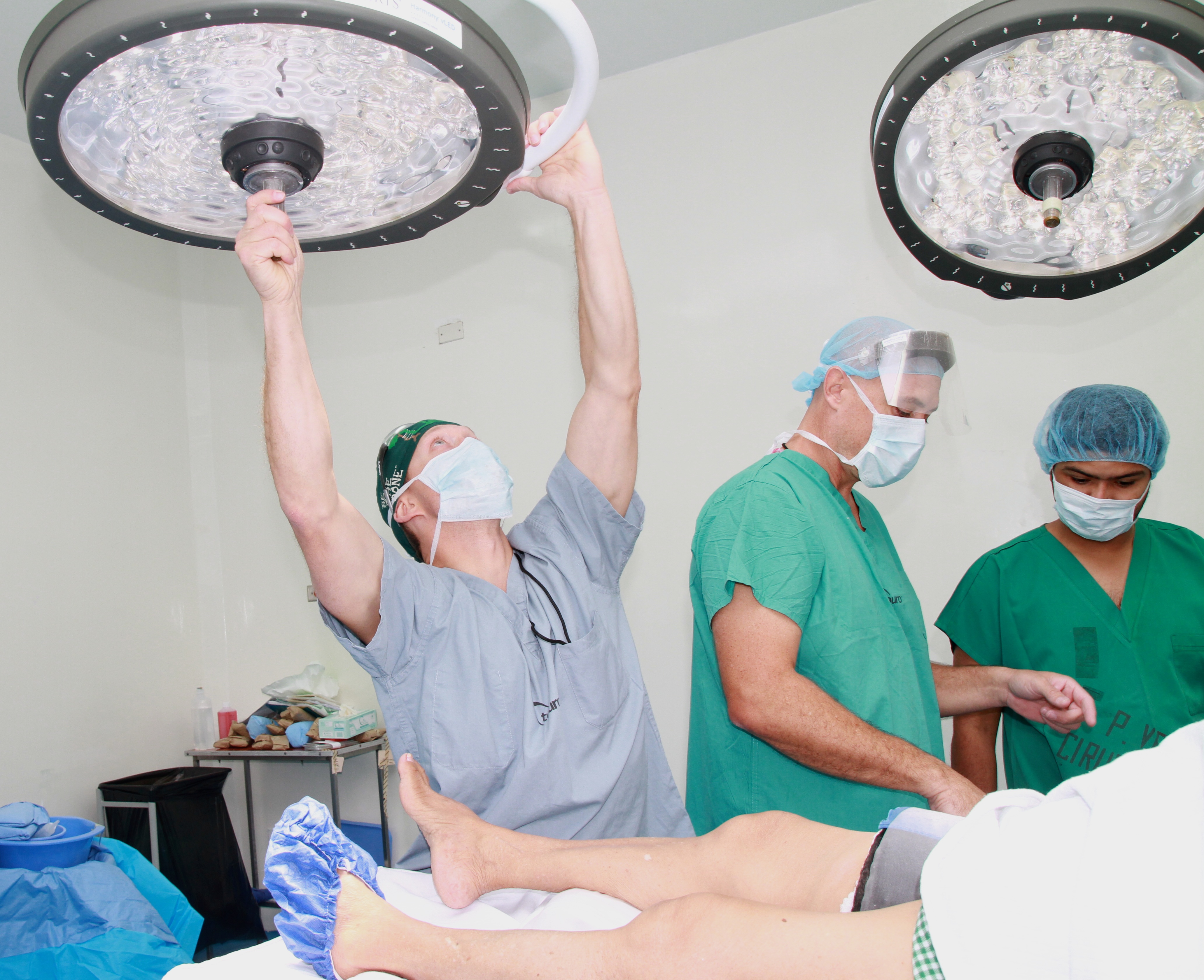
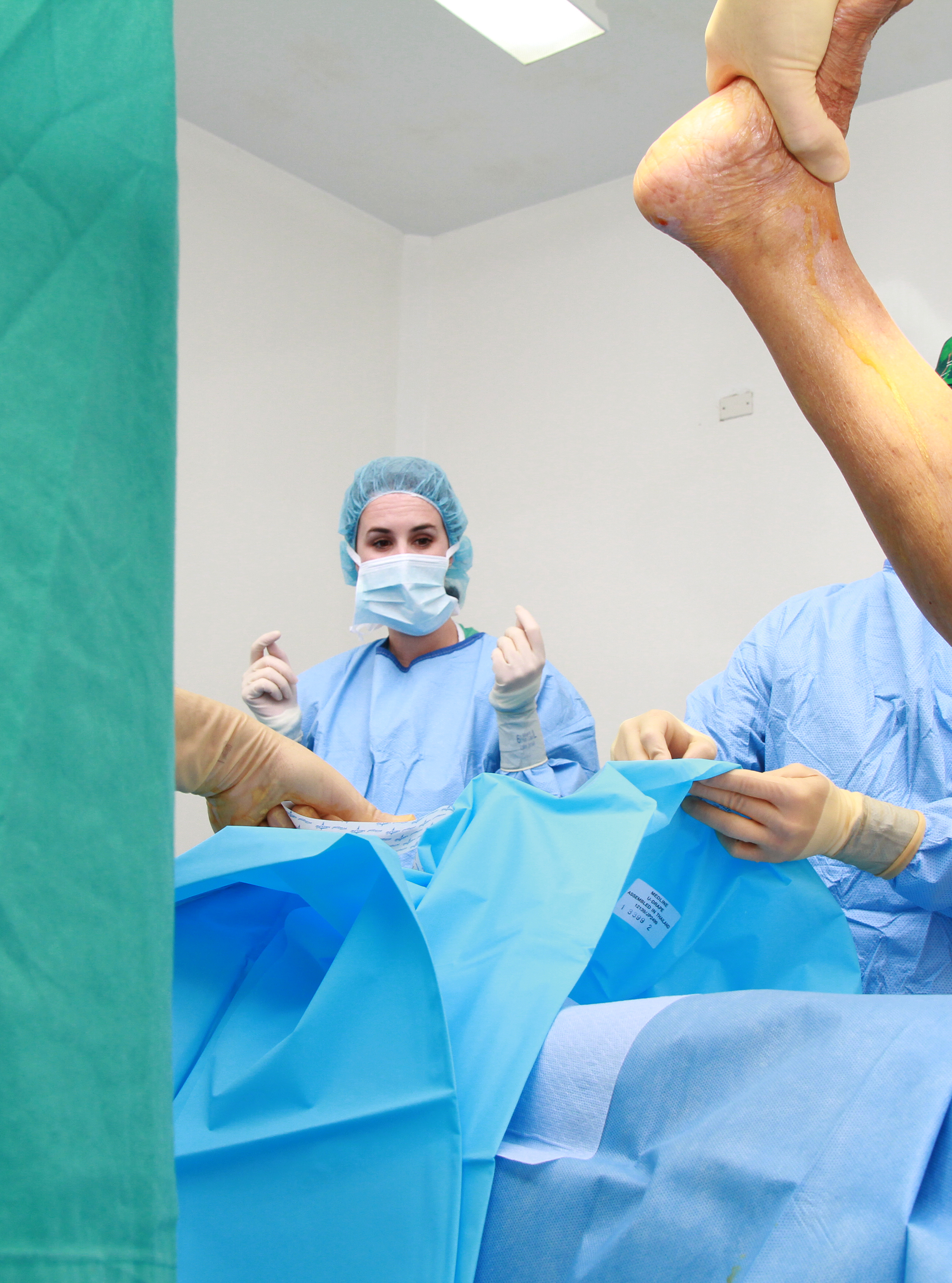
6906 IMG_6915edit IMG_6917 After that, it was time to begin surgery with the first cut.
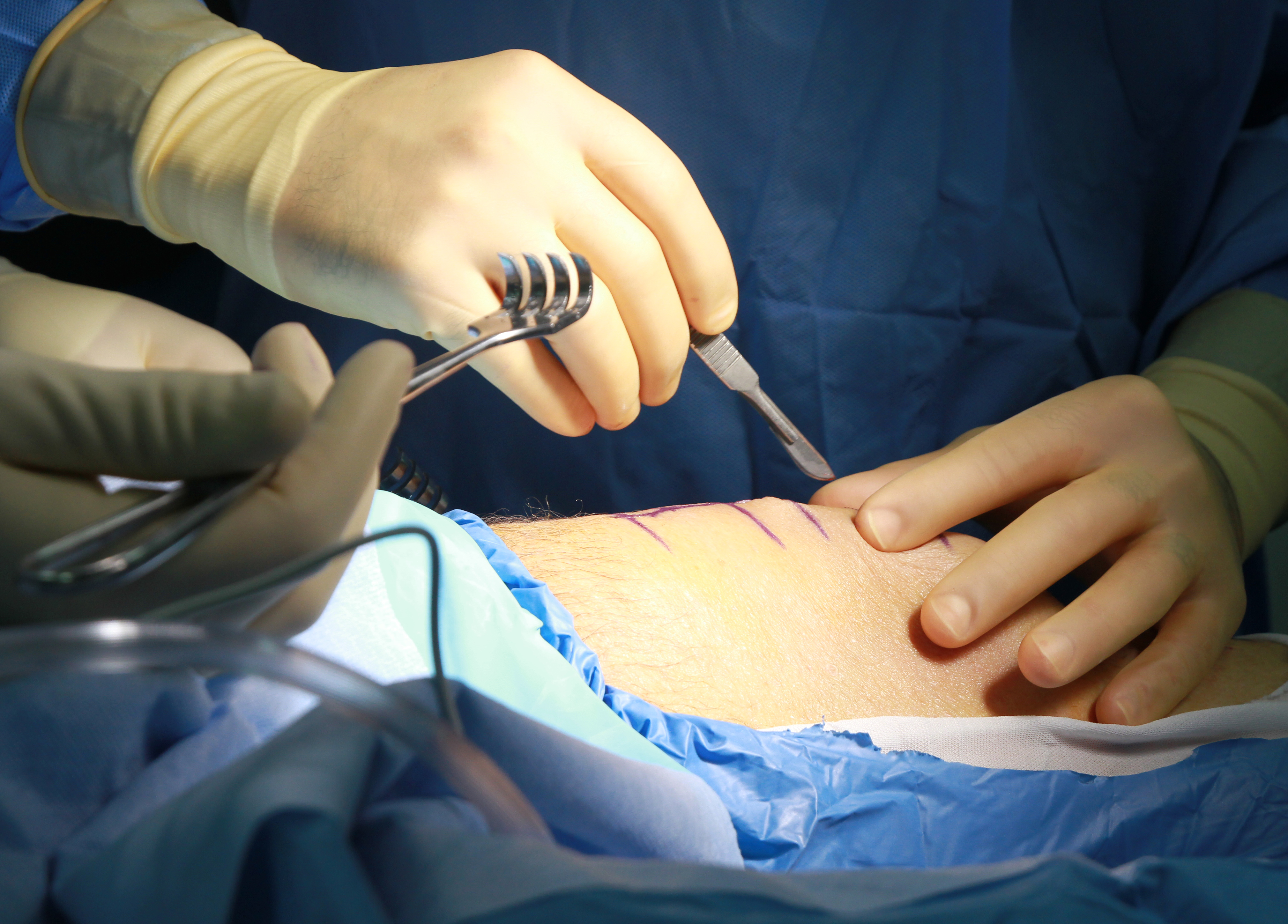
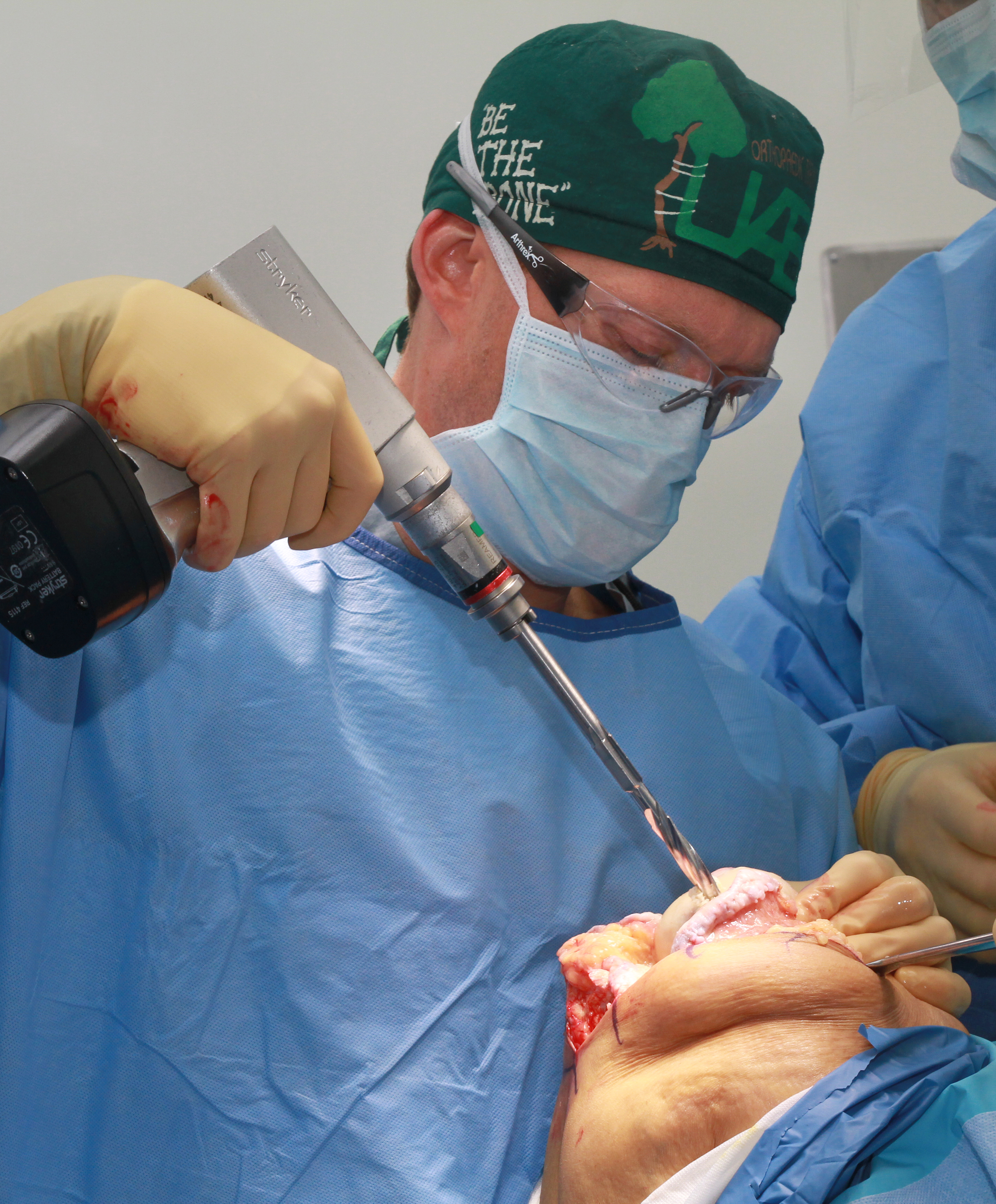
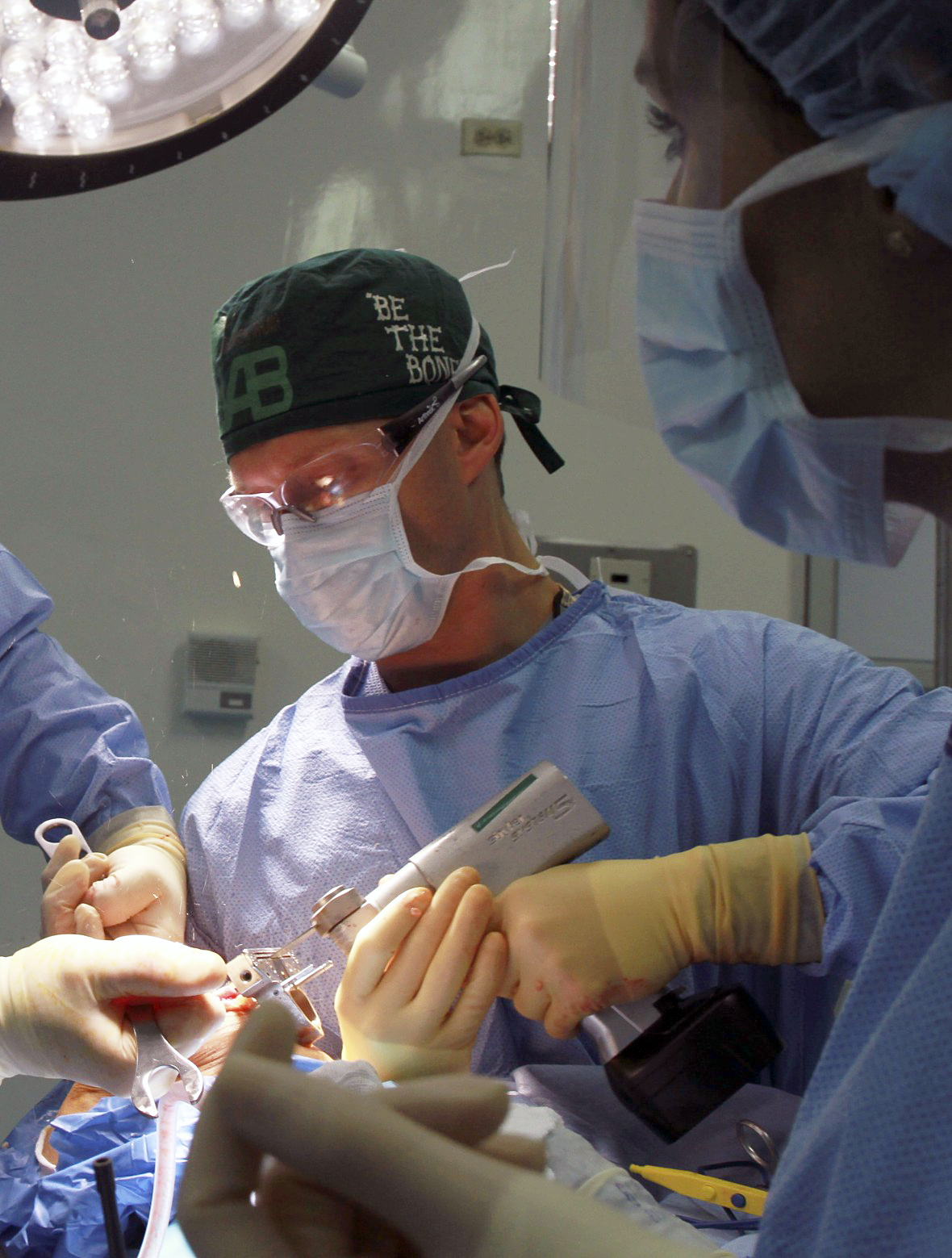
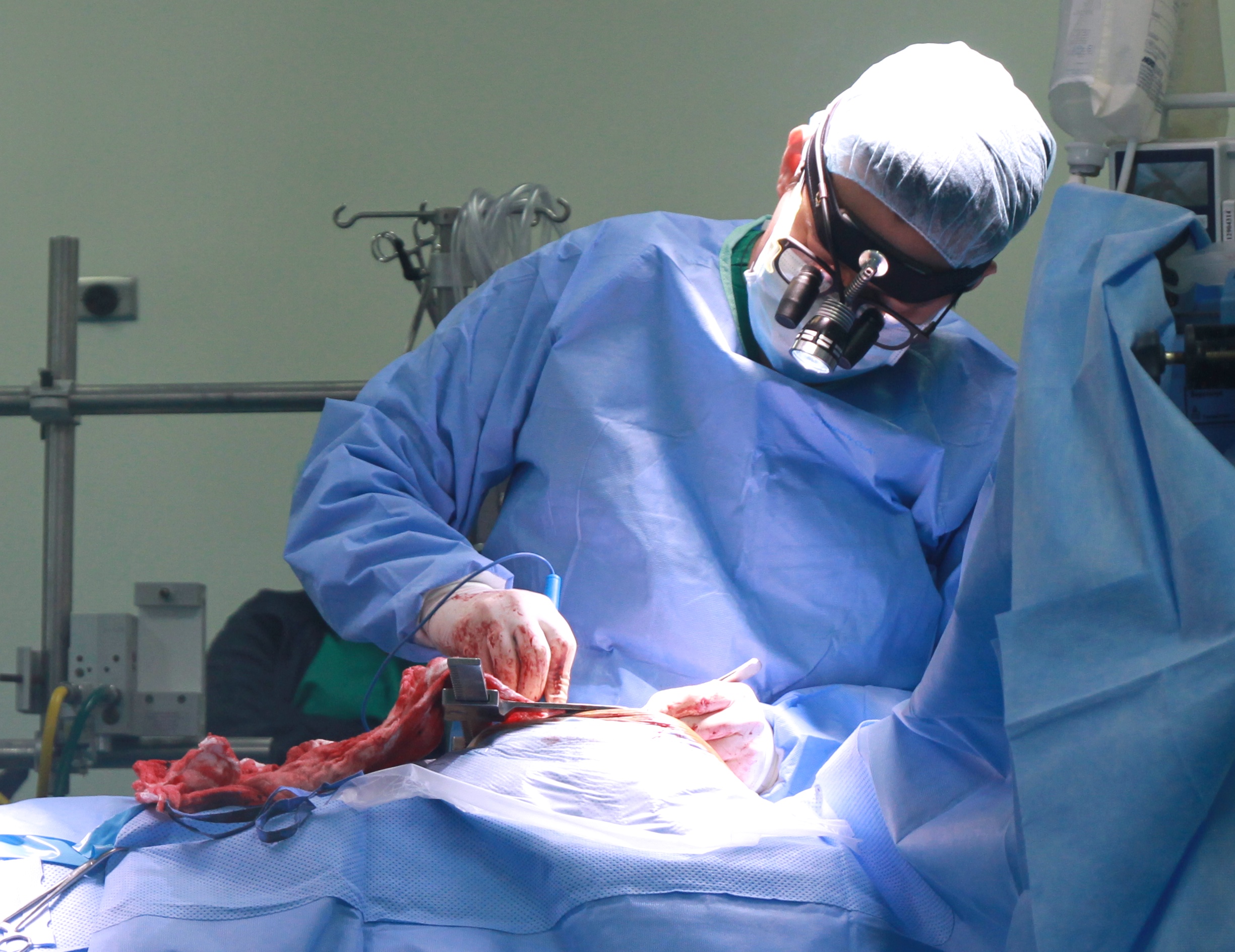
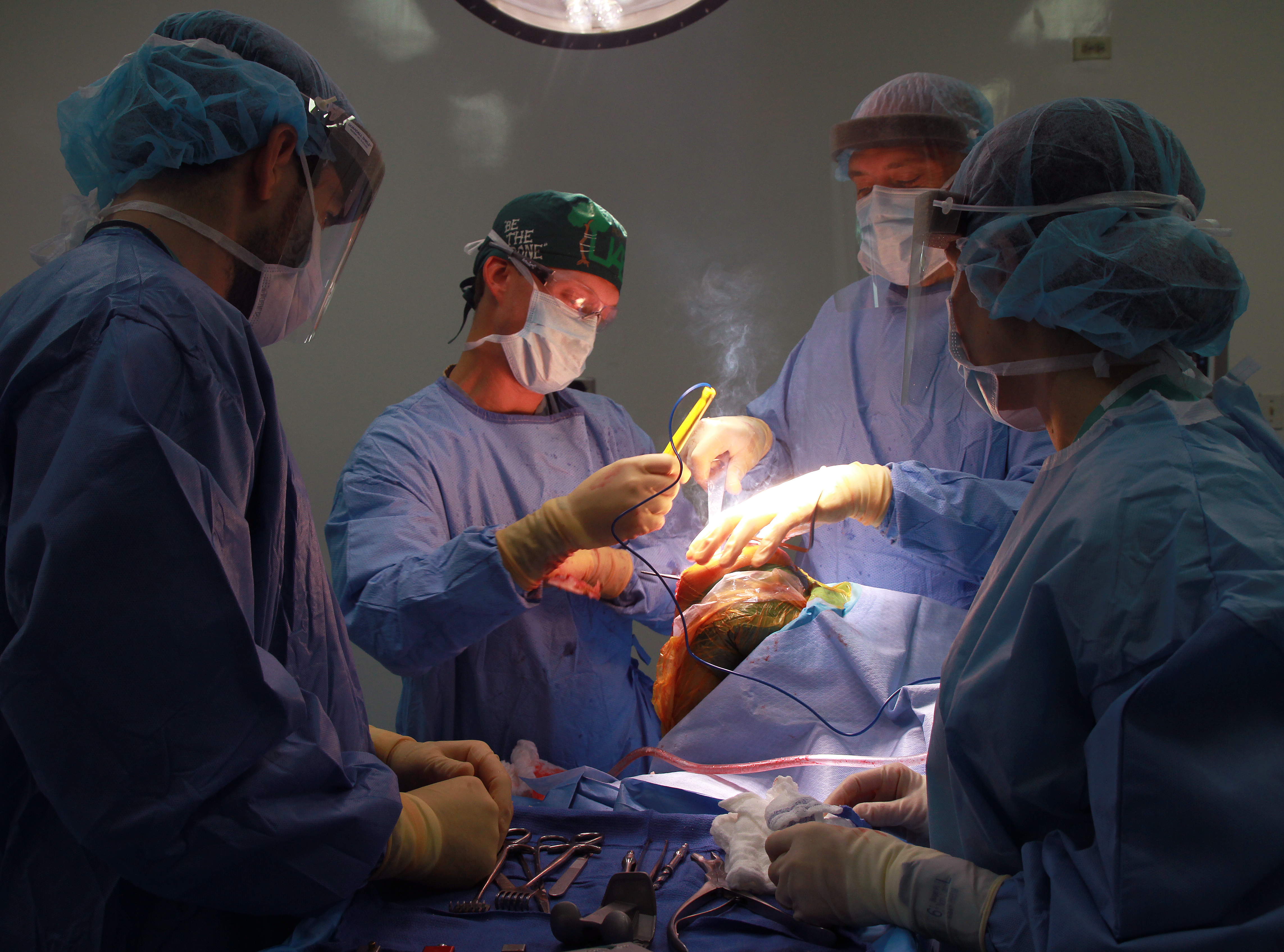
IMG_7731editOnce the knee was exposed, flesh was cleared away and Dr. Estrada set to work fitting the implant to the patient’s bones with a series of drills, saws and mallets. Dr. Estrada and the physician’s assistant working with him, Kentucky Skinner, worked seamlessly together. They somehow made this carpentry-like surgery appear artful, though still brutal, with flesh and bone flying through the air.
IMG_7576edit

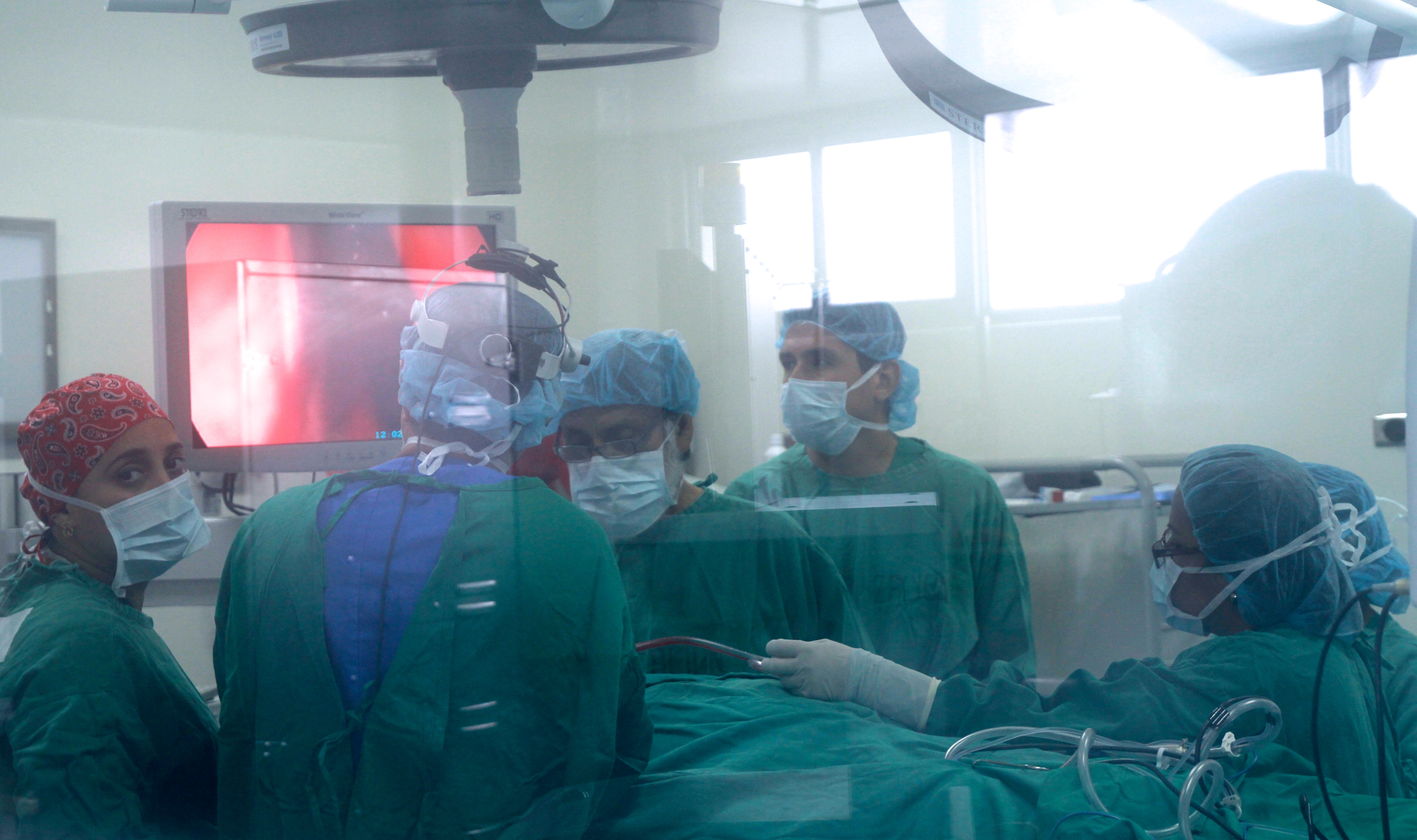
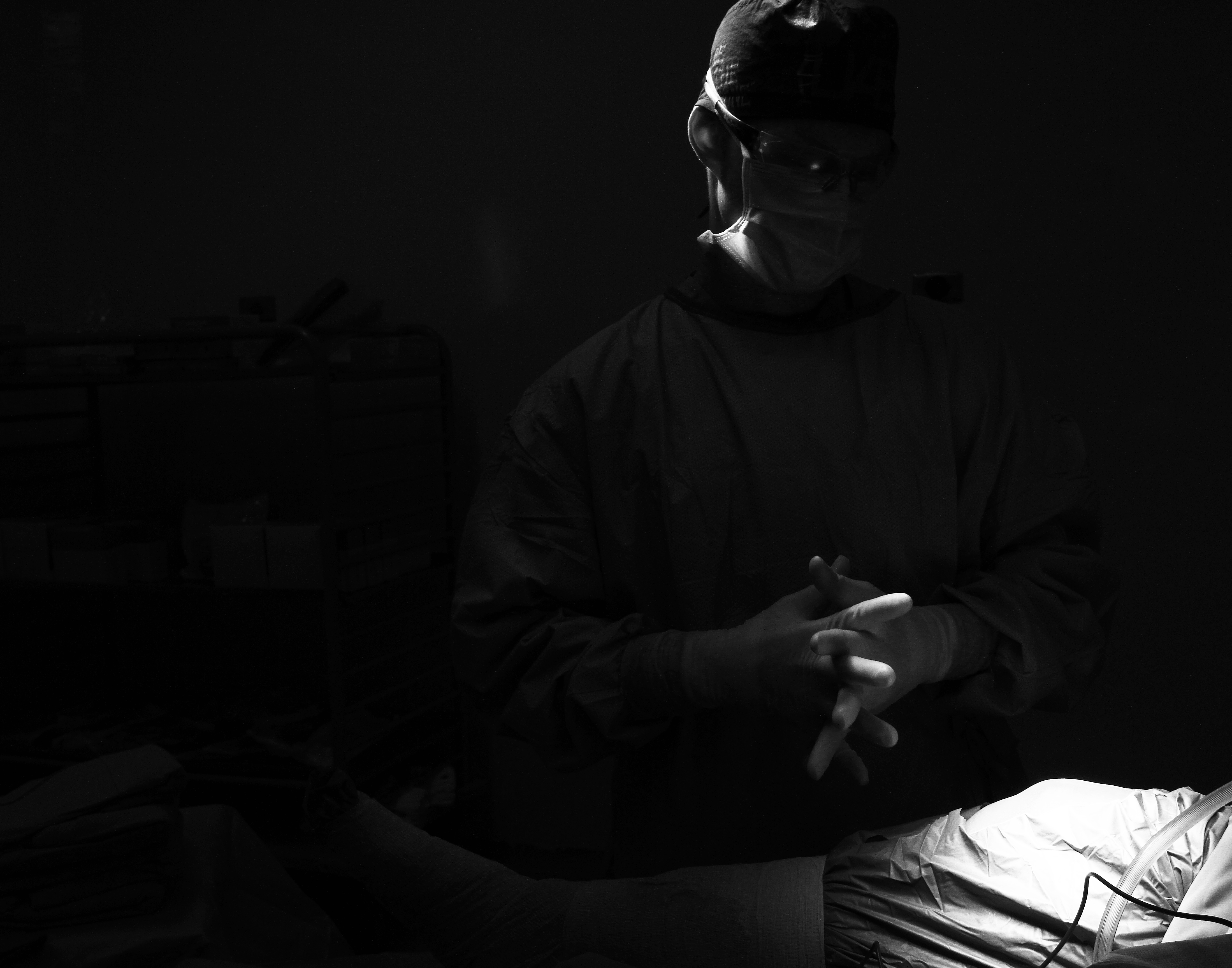
IMG_7541editIMG_7057edit     IMG_7096edit IMG_6934edit It felt bizarre to be a room full of gowned and goggled people, the band Cake or 1990s rap music blaring in the background from an ipod, assisting in drilling bones. It was a glimpse into the everyday life of surgeons, and honestly I can see the attraction to it now. There is a thrill in it and an instant satisfaction.
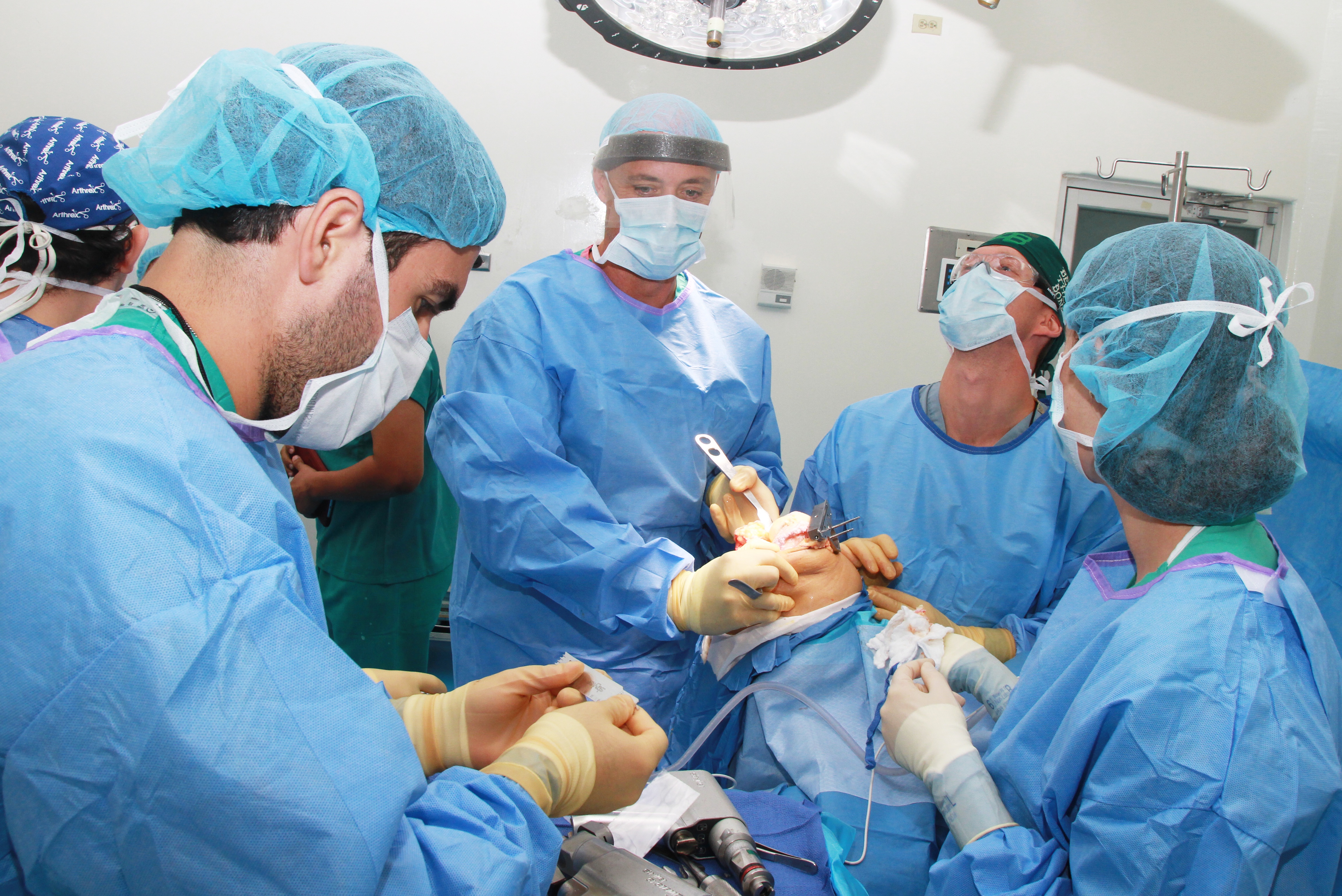
knee1

It is weird to say, but it was kind of fun. Here is an overview of a room during a surgery that I assisted in. I cannot take credit for this photo as I am in it, with my back to the camera, and one of me cleaning off an instrument.
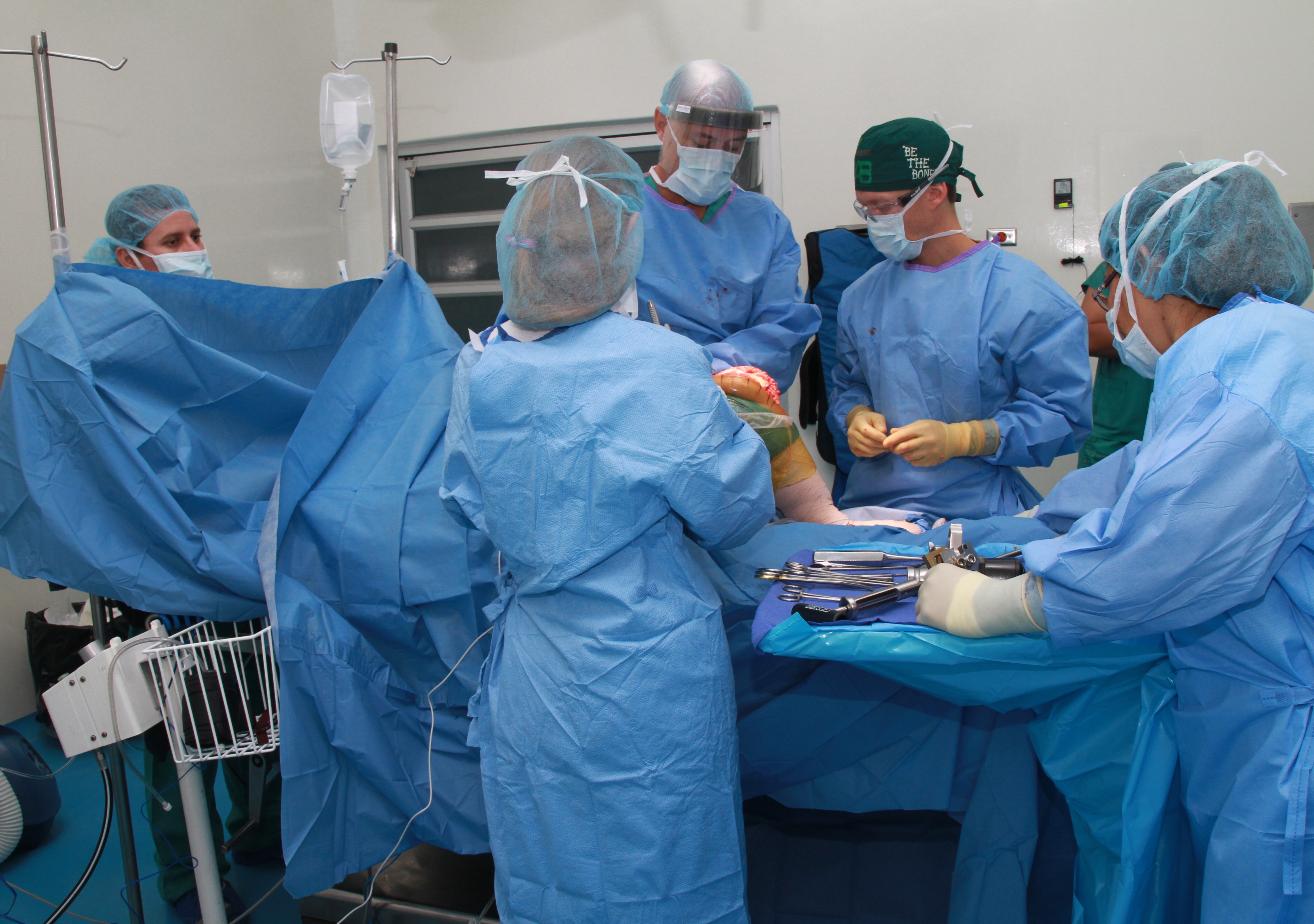
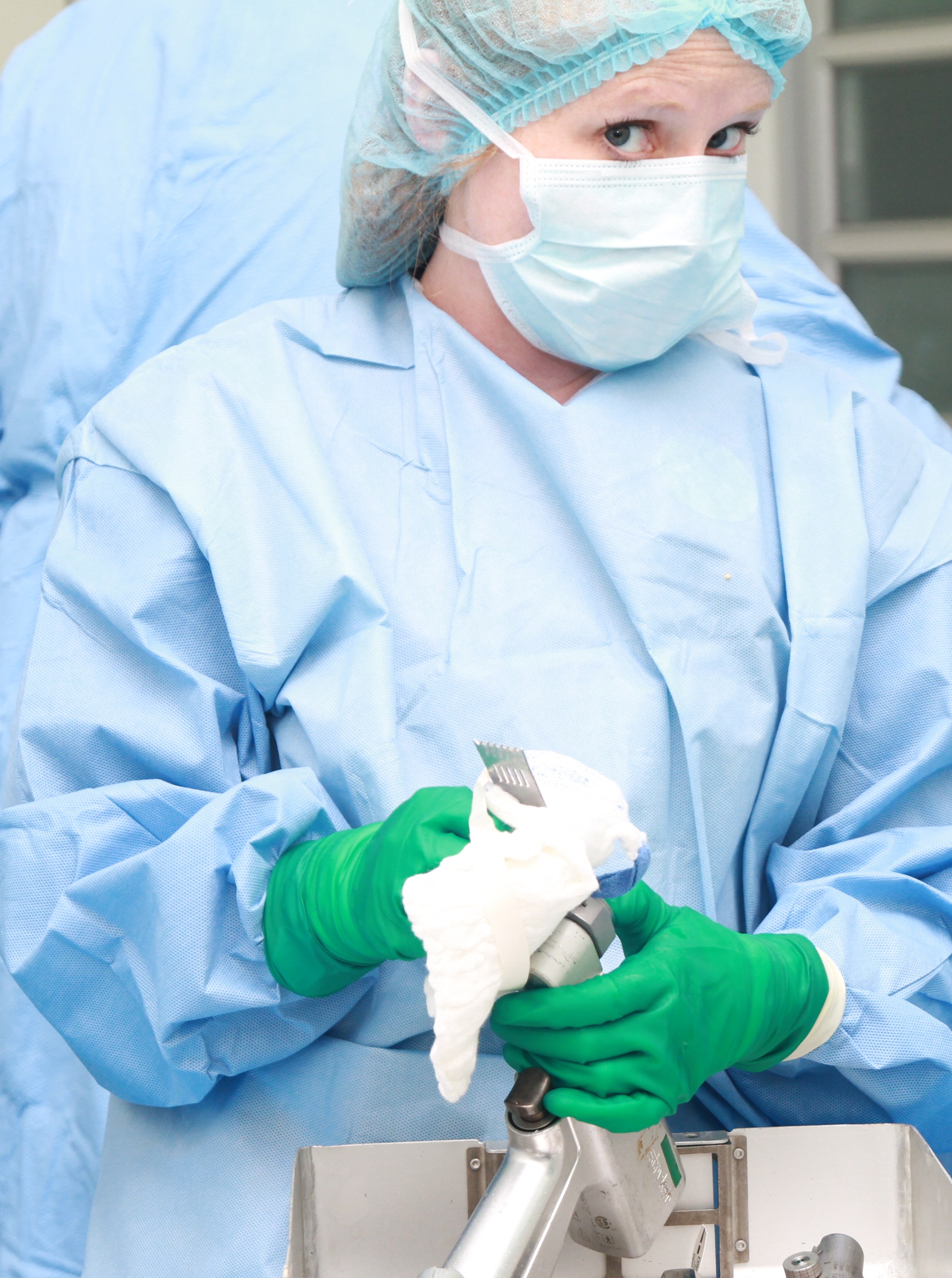
7024knee7

After the bone was cleared away and holes were drilled in preparation, it was measured for the proper implant and then irrigated.
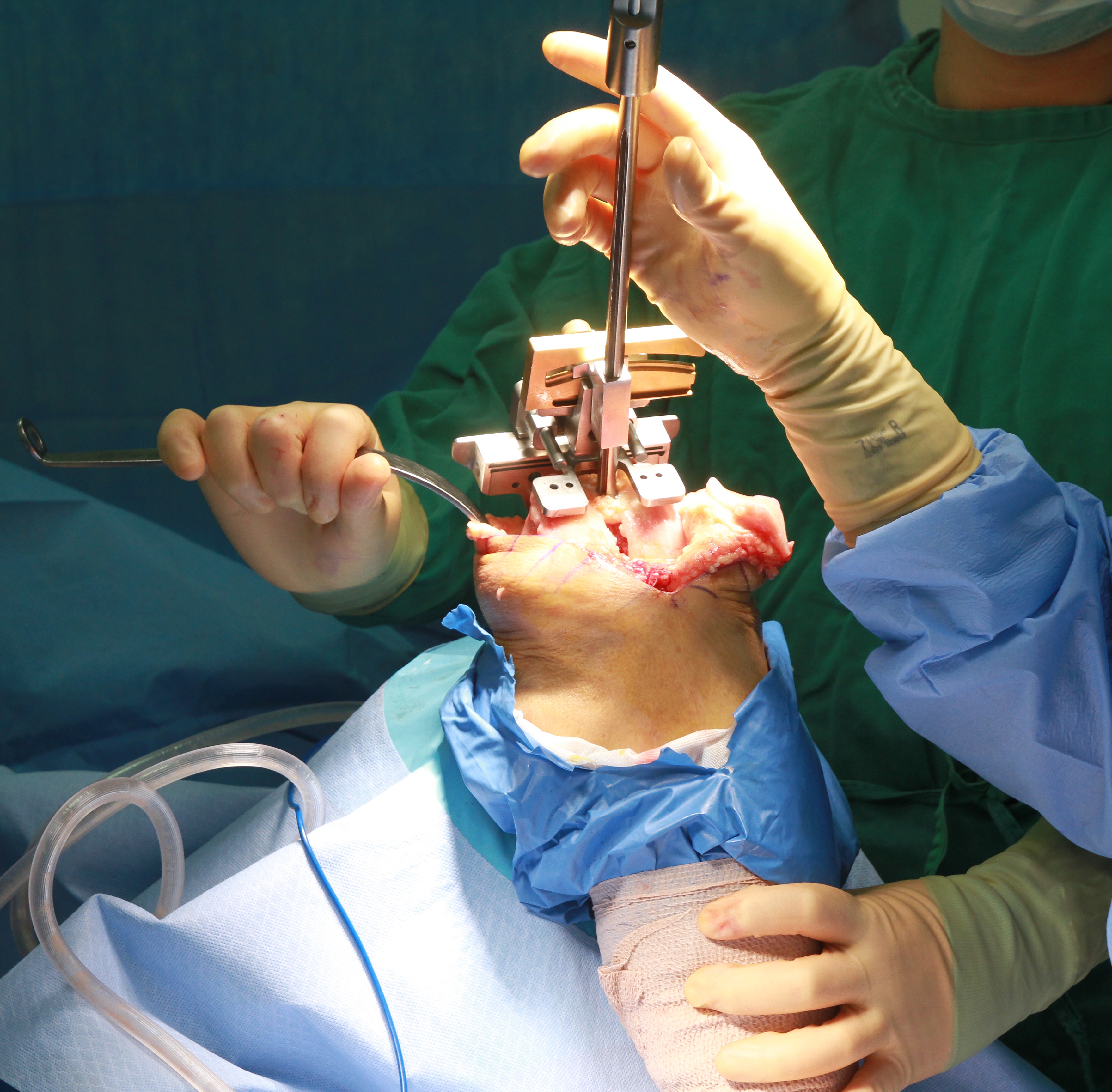
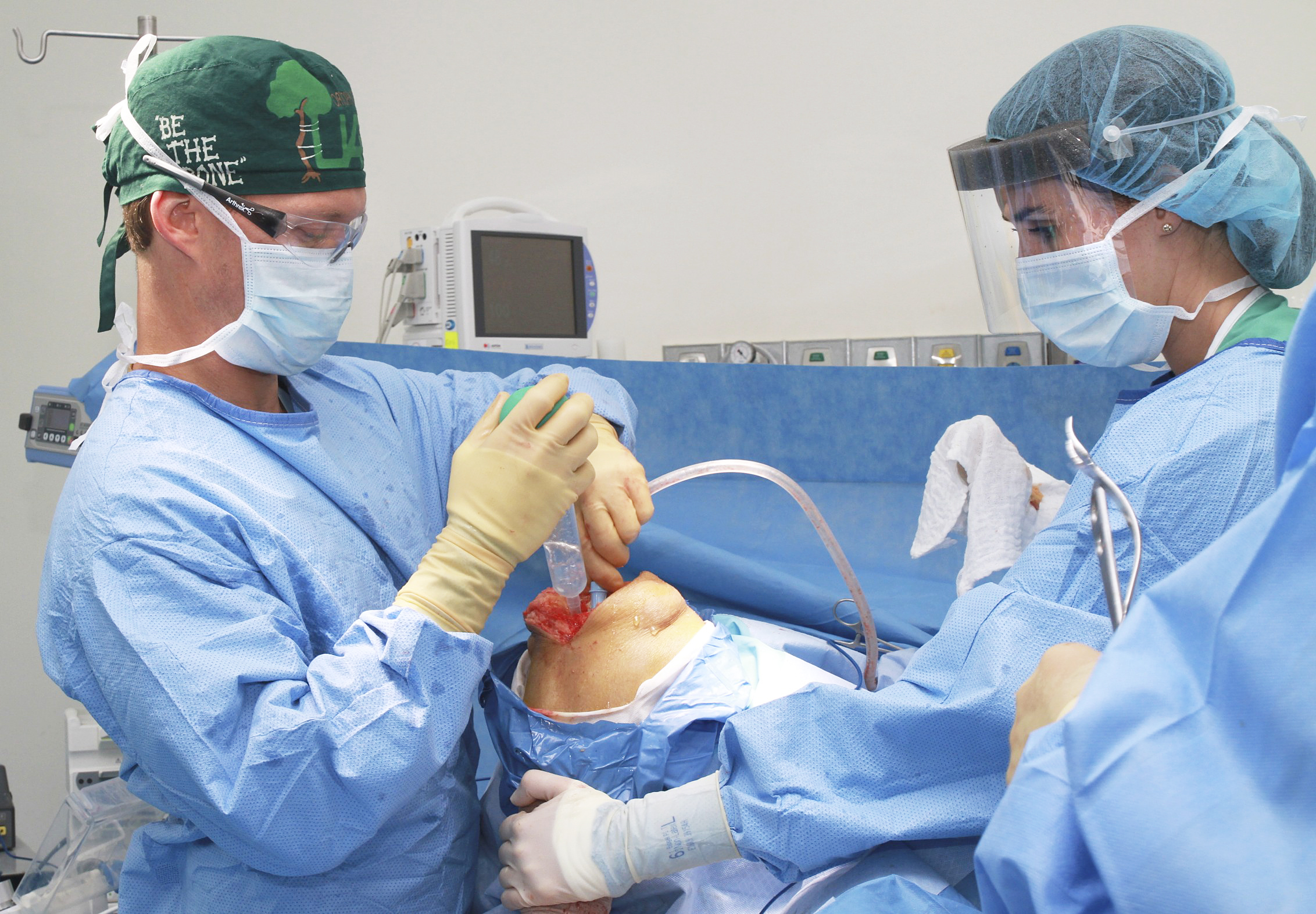
knee6IMG_6979edit

When the implant size was chosen, the nurses mixed cement, which was used to secure the implant to the patient’s bone.
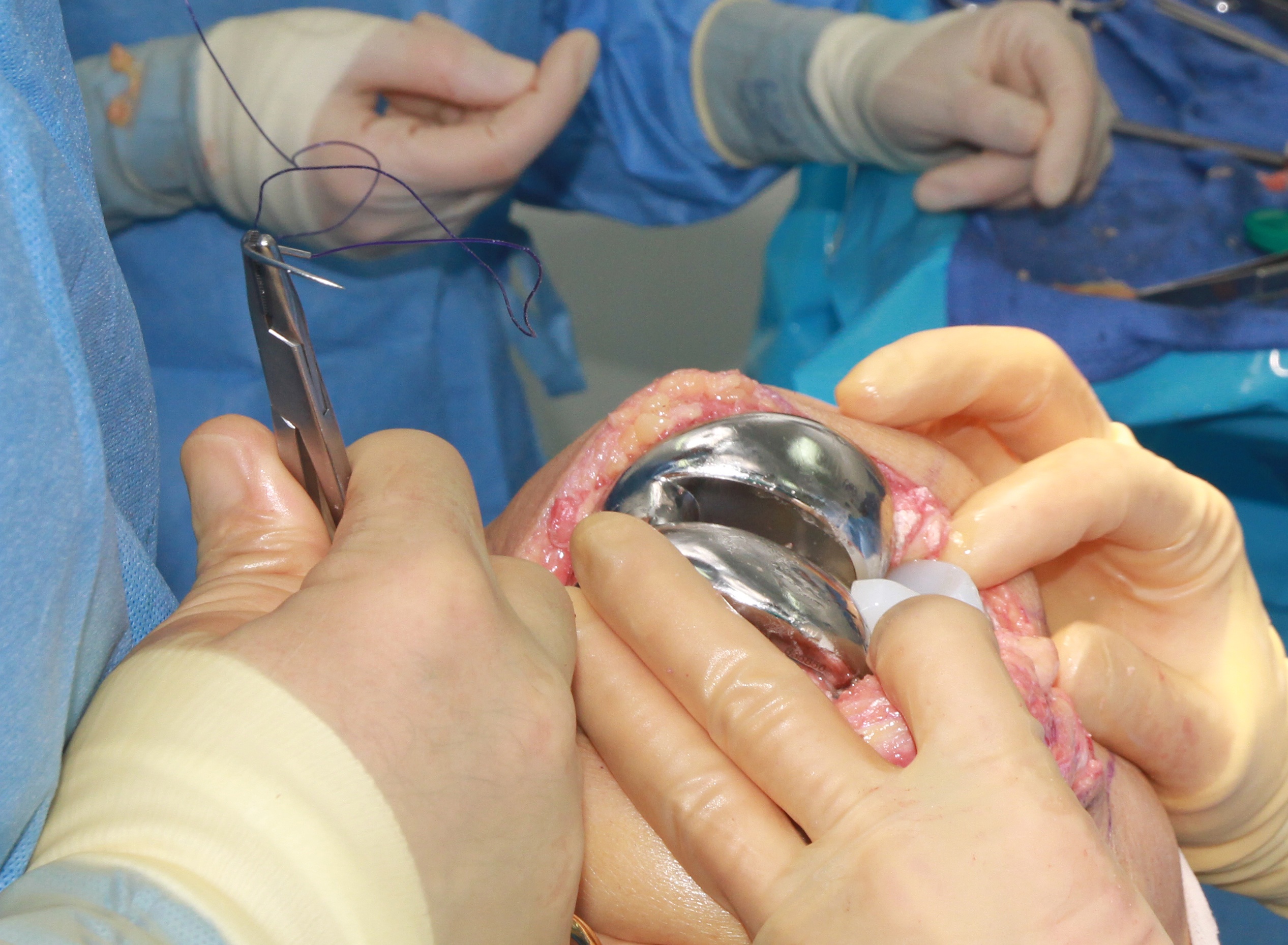
knee2

To close, Dr. Estrada put a deep layer of stitches, followed by a more superficial layer placed by Kentucky (which sometimes the nurses got to help with) and then a final layer of staples.
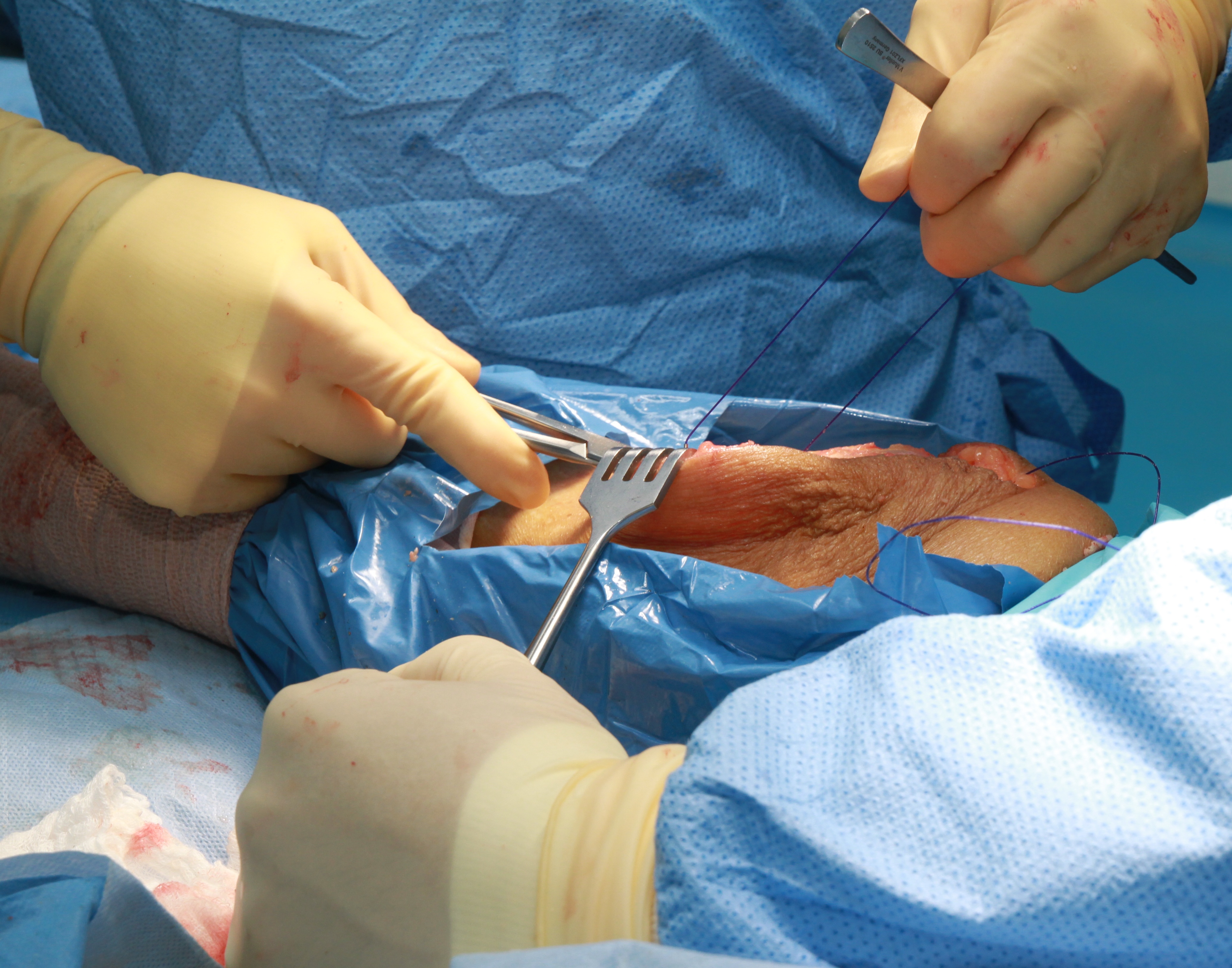
7003

Here Kaitlin and I assist Kentucky. Photo credit to Alexis Brown.
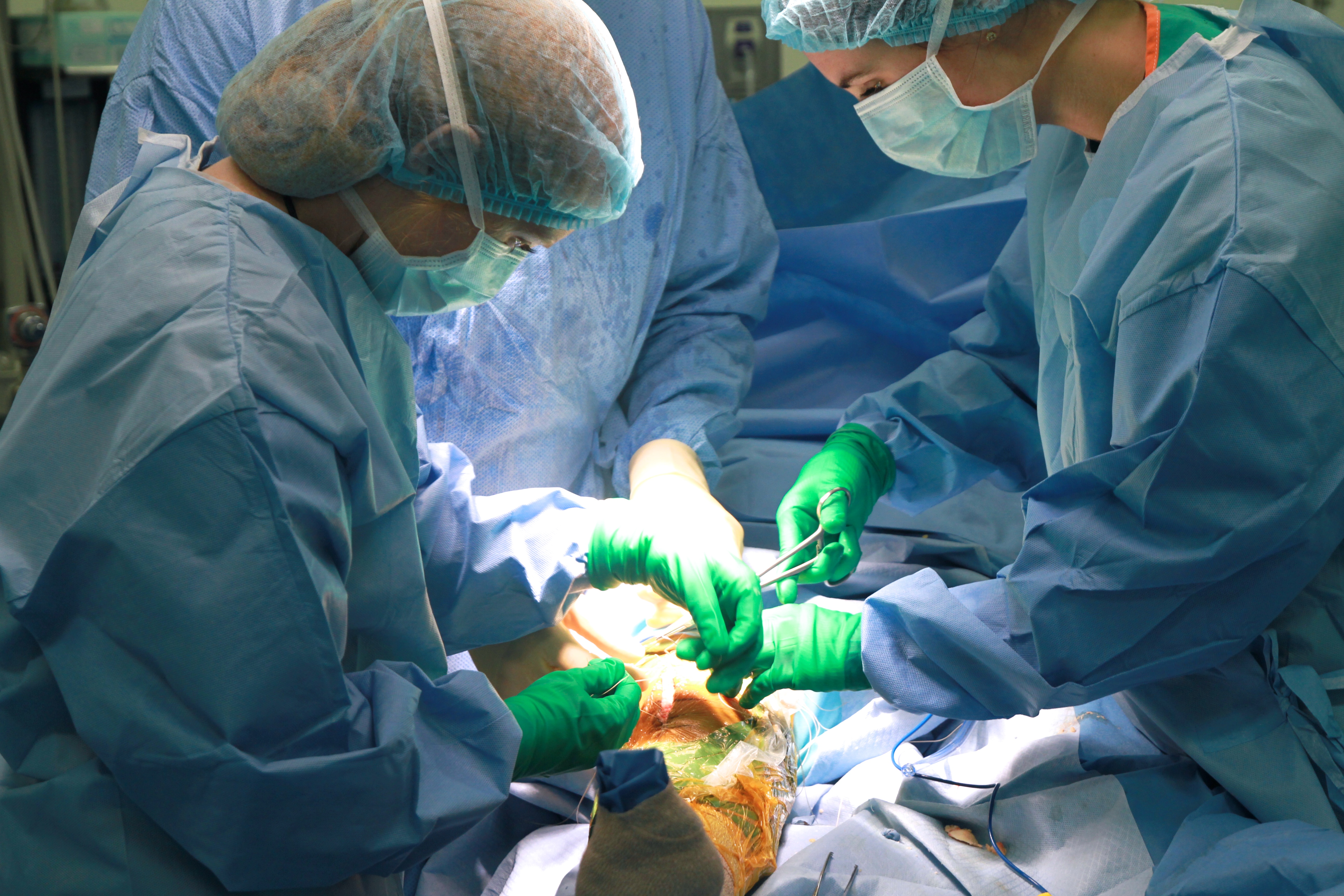
knee8

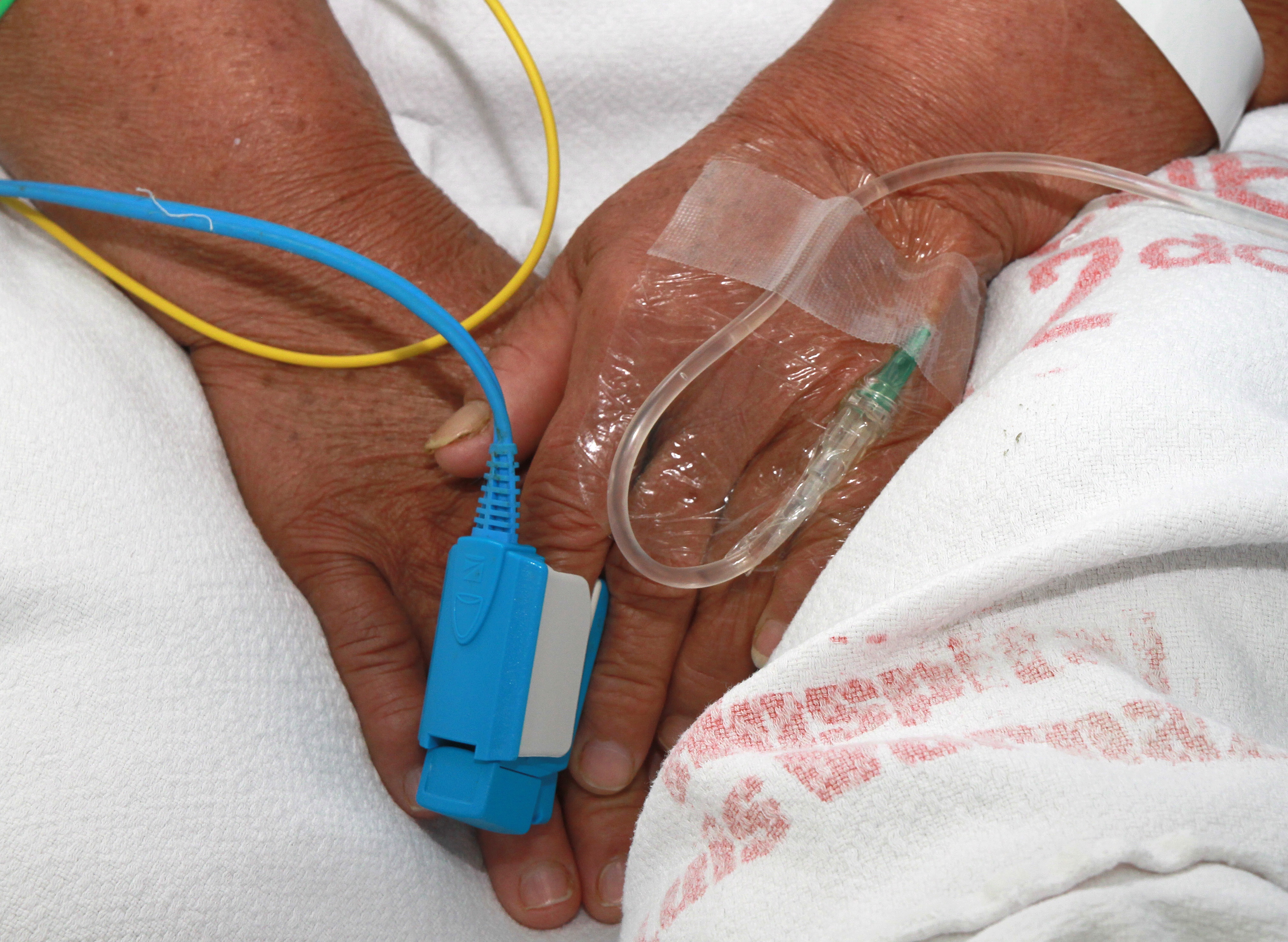
When the surgery was complete and the nurses were left to dress the knee and set up for the next surgery. We had two rooms going at a time, so we could get through more knees. Once the deep stitches were placed by Dr. Estrada, he went over to the next room to begin on the next patient. Here is the same knee from the beginning of my post after the surgery was complete.
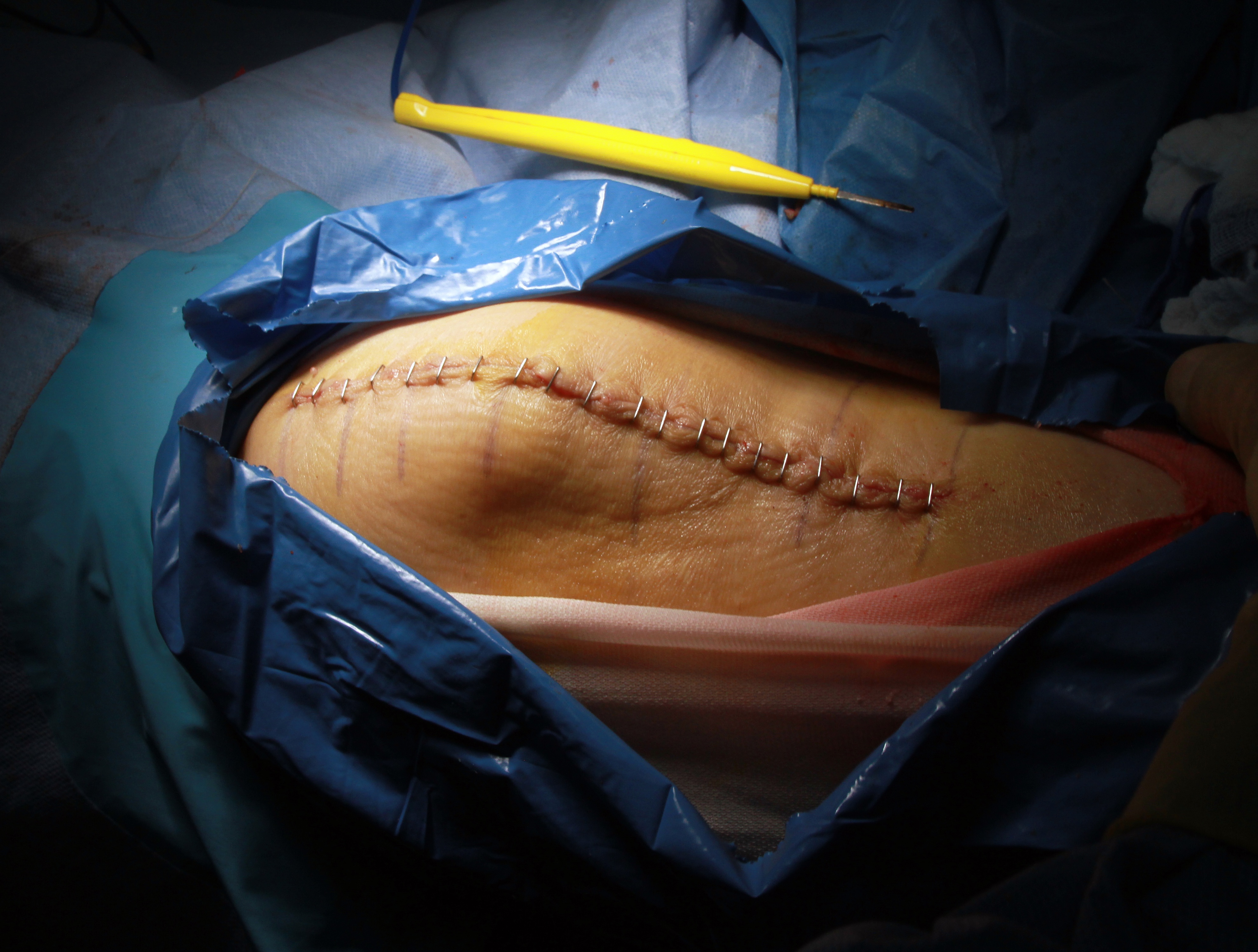
post post

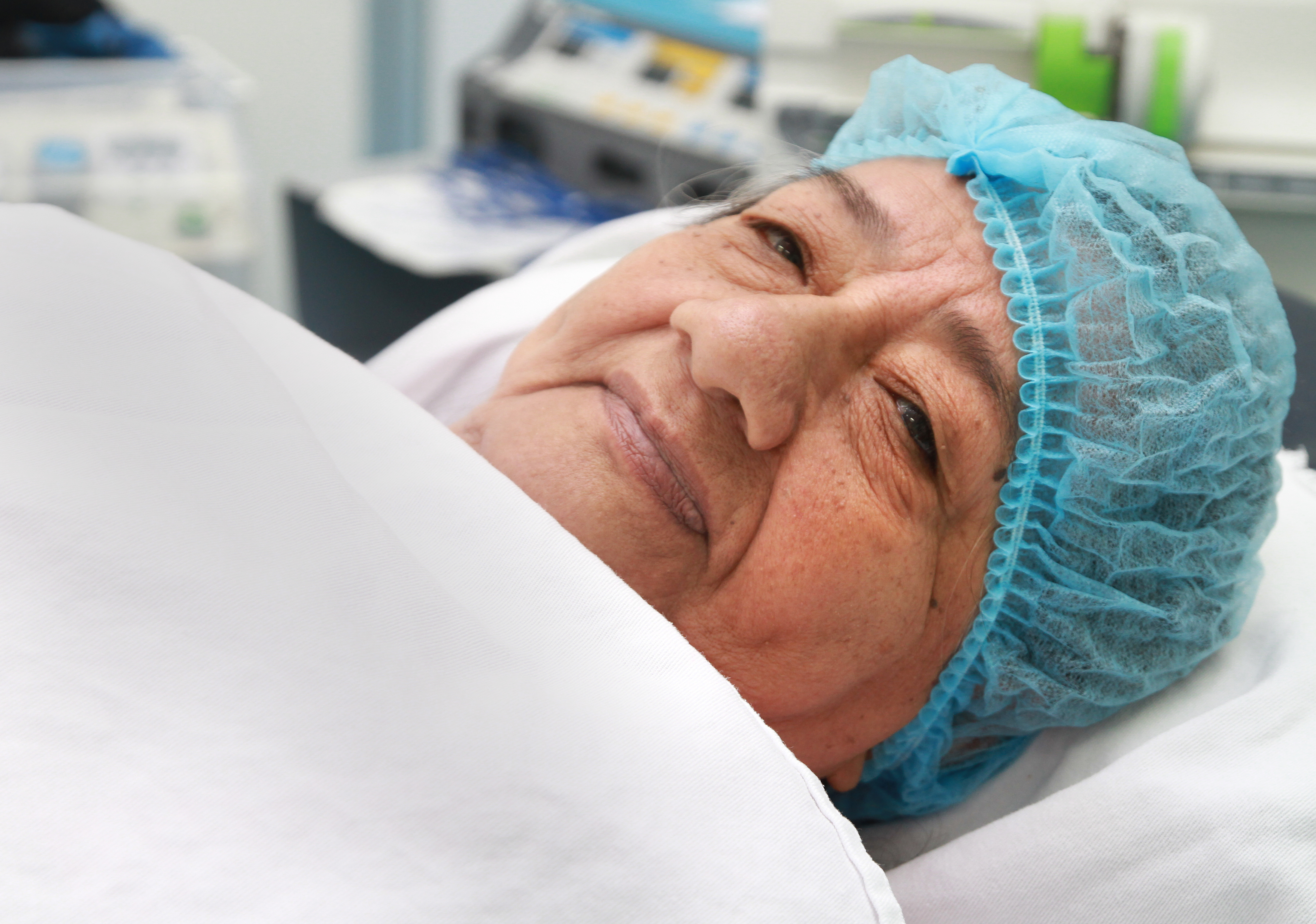
At the end of the day, the knees were straighter and much more functional for the patients. It felt really good to definitively accomplish something for someone else. Dr. Estrada said he liked to fix things, and this line of work allows him to do just that. Veliz Aguirre Yeliz Eneida, whose knee is pictured here, came in with a crooked knee and rolled out 45 minutes later with a brand new joint and a chance at getting more out of the rest of her life. It really is pretty amazing.

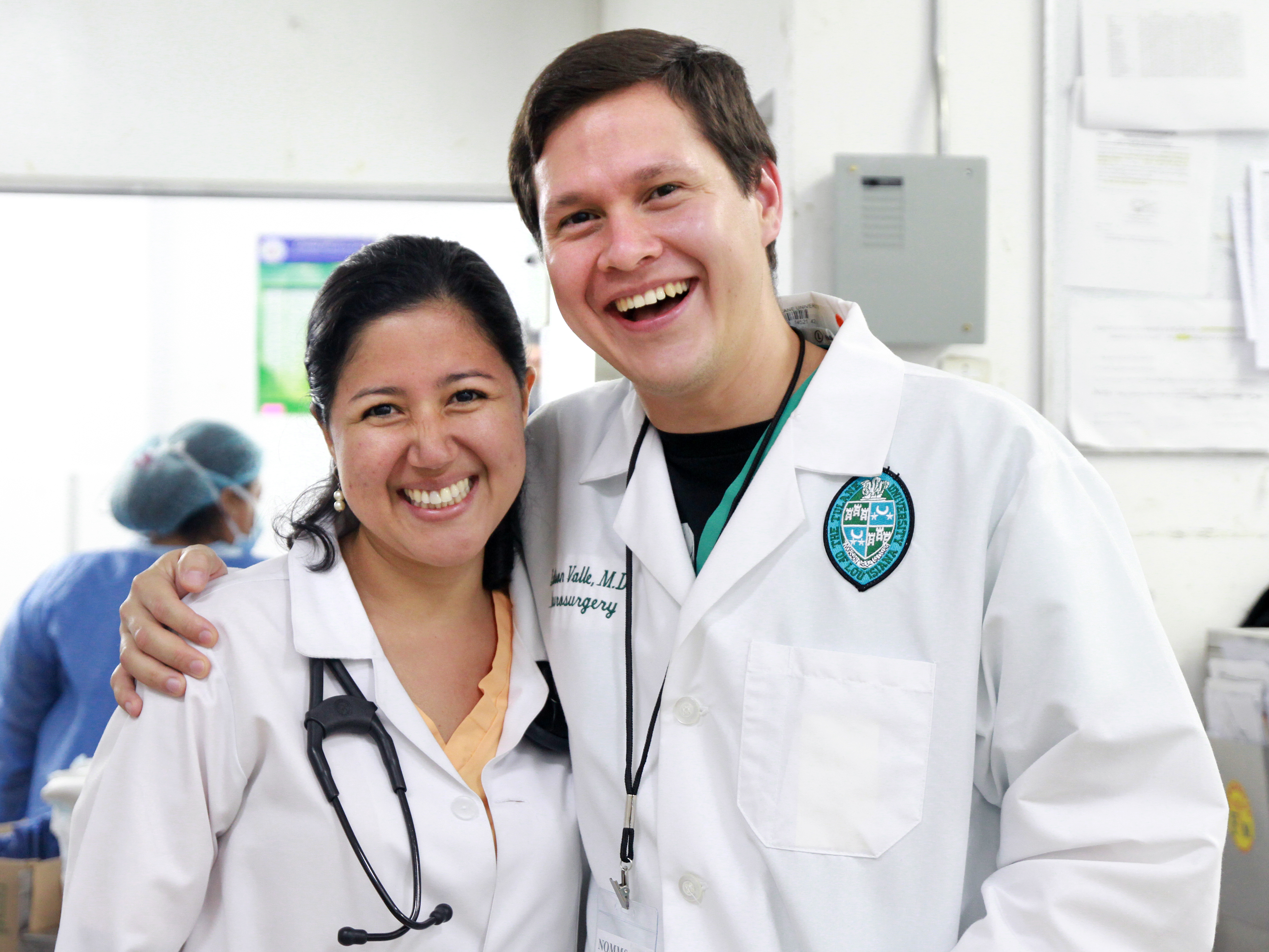
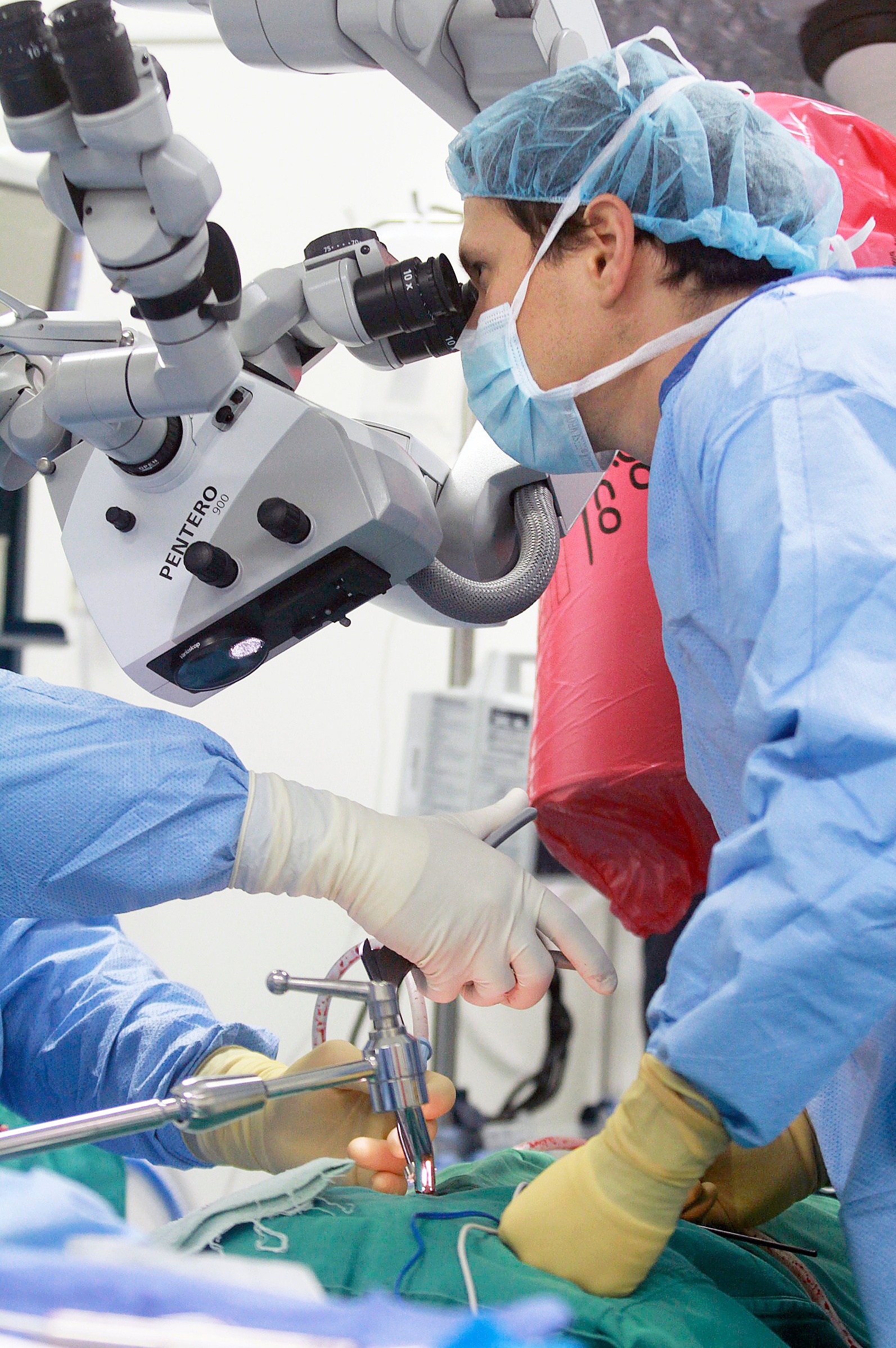
Neurosurgery was a bit different. It was much more delicate and there were even more instruments involved. Here Dr. Valle and Dr. Thomas work together with surgical technician, Susie, assisting.

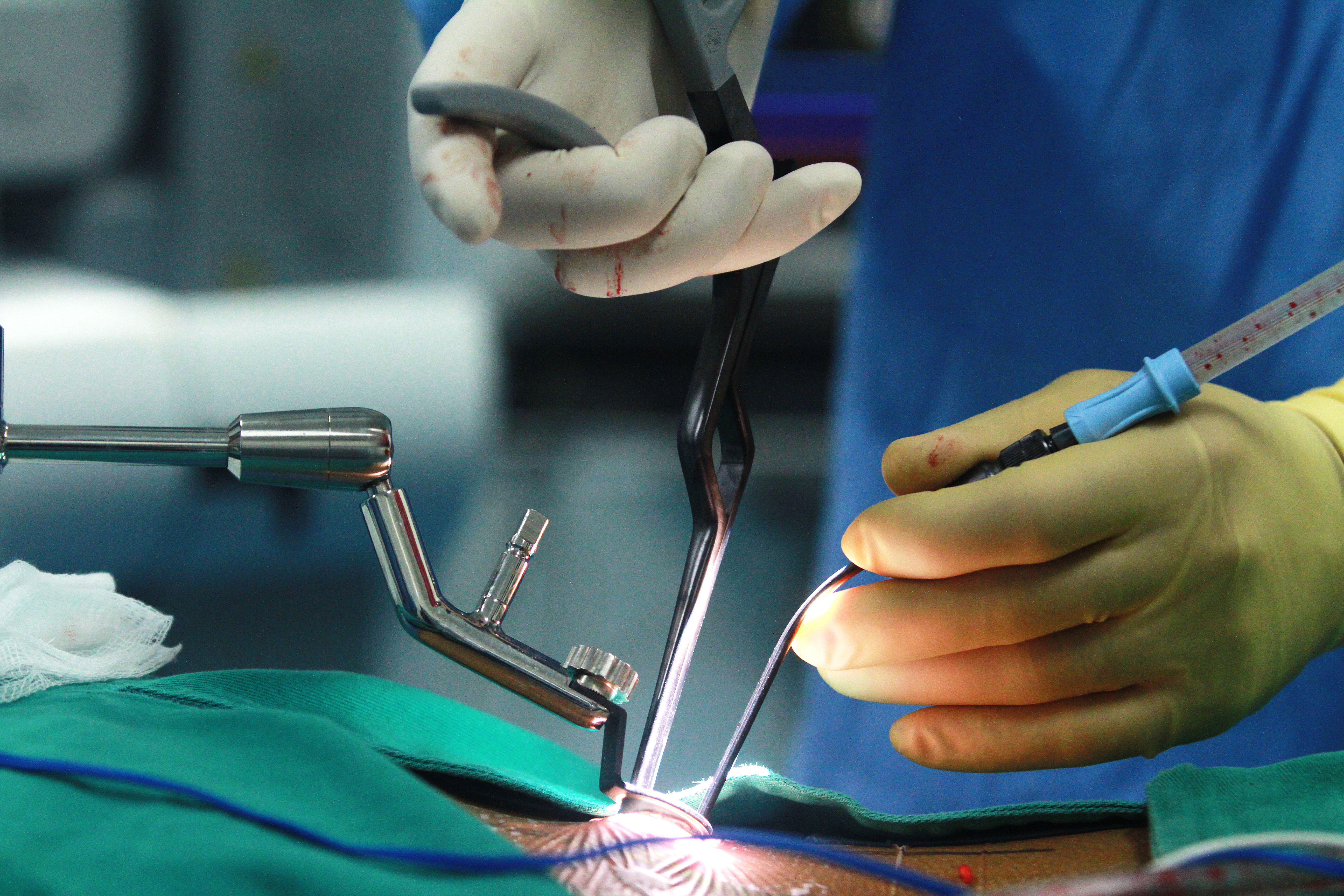
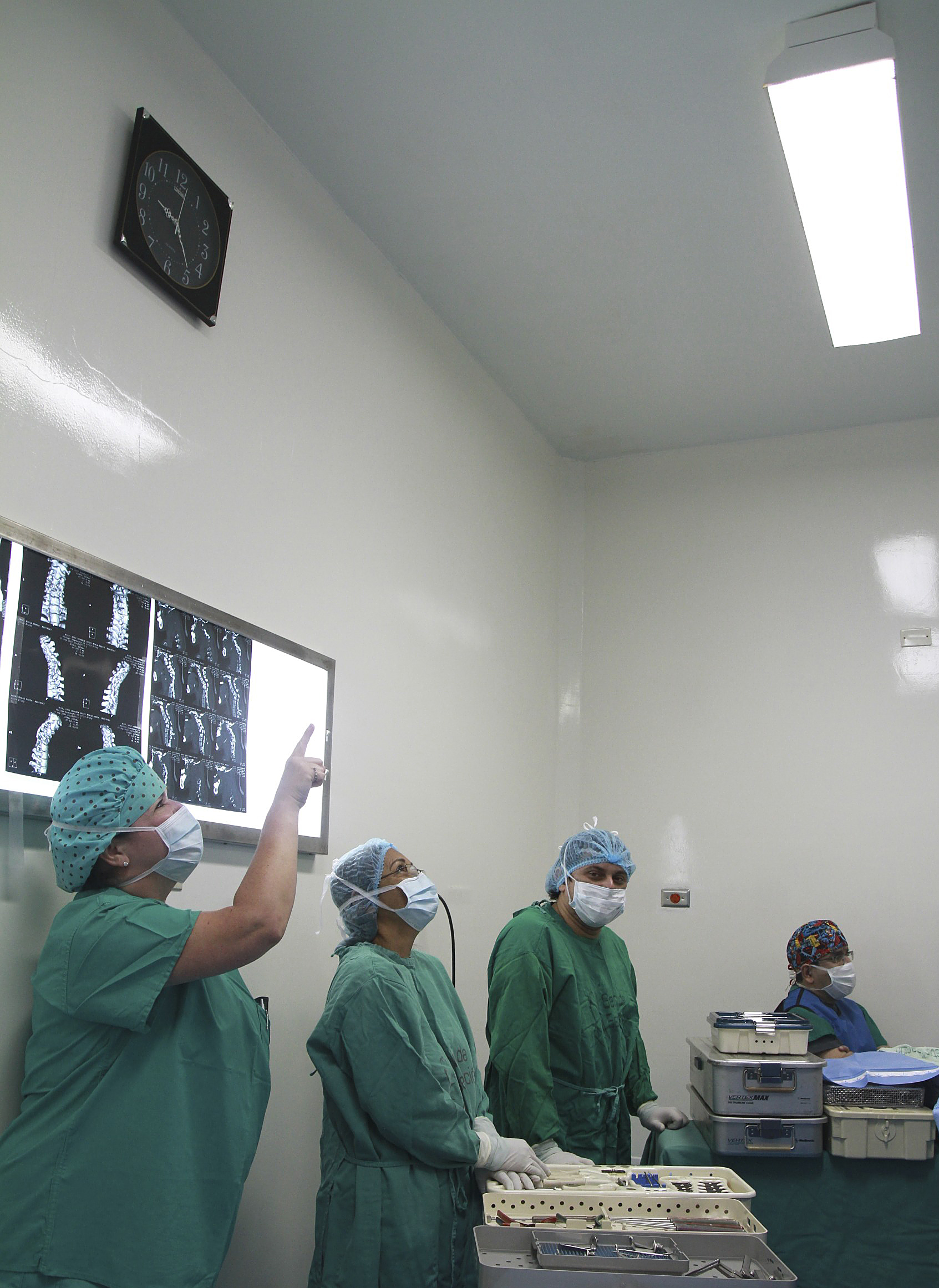
IMG_7512edit IMG_7472editneurosurgery4 neurosurgery5Before going on this trip, I had heard stories from my friend about a trip to Nicaragua with this group. During one surgery, Amy was put on fly swatter duty because there were so many flies in the surgical suite. We were not roughing it as much as they did there. There was only one fly incident. Lisa is pointing to it on the ceiling here. It made me think of the Breaking Bad episode about the fly, for anyone who watched that show.
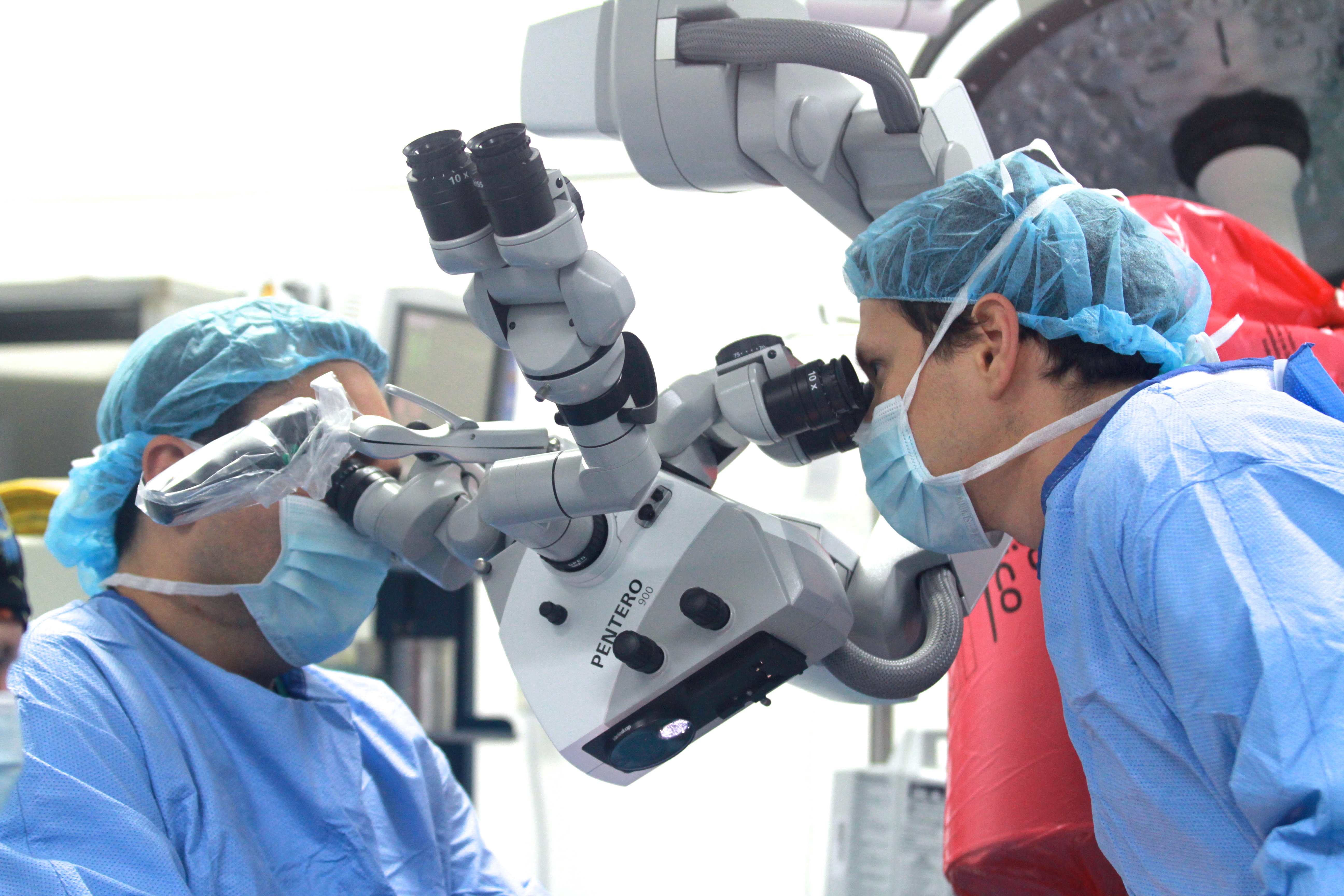
IMG_7524editSince the areas neurosurgeons operate on are so delicate and small, things like video and microscopes are key.
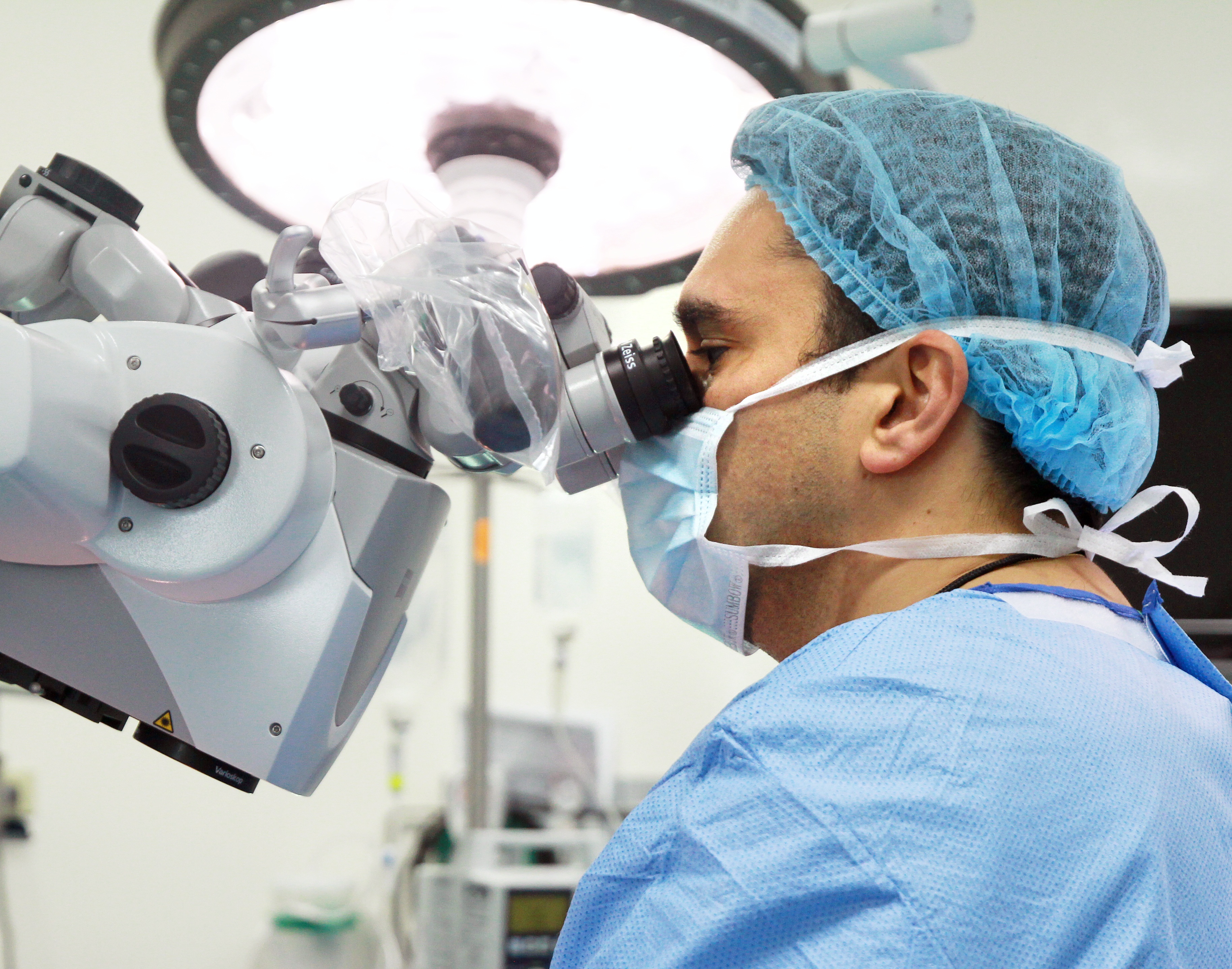
neurosurgery6 neurosurgery3 neurosurgery2IMG_7518editMy next blog post will be the conclusion of the Ecuador series with a look at some of our patients after their operations and the positive impact it had on their lives and the lives of their families.
 

Guayaquil, Ecuador: Pre-Operation

Image

Image

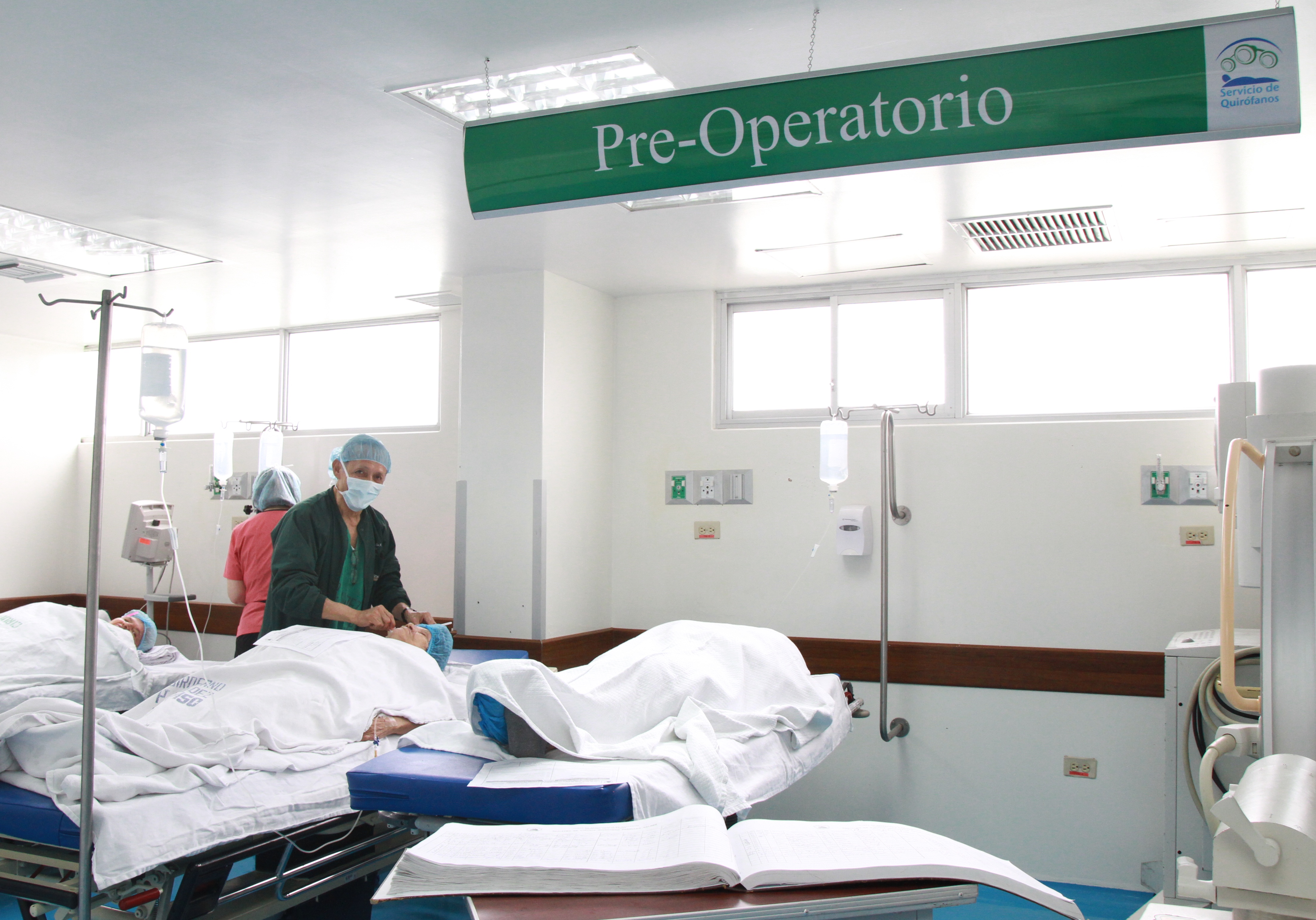
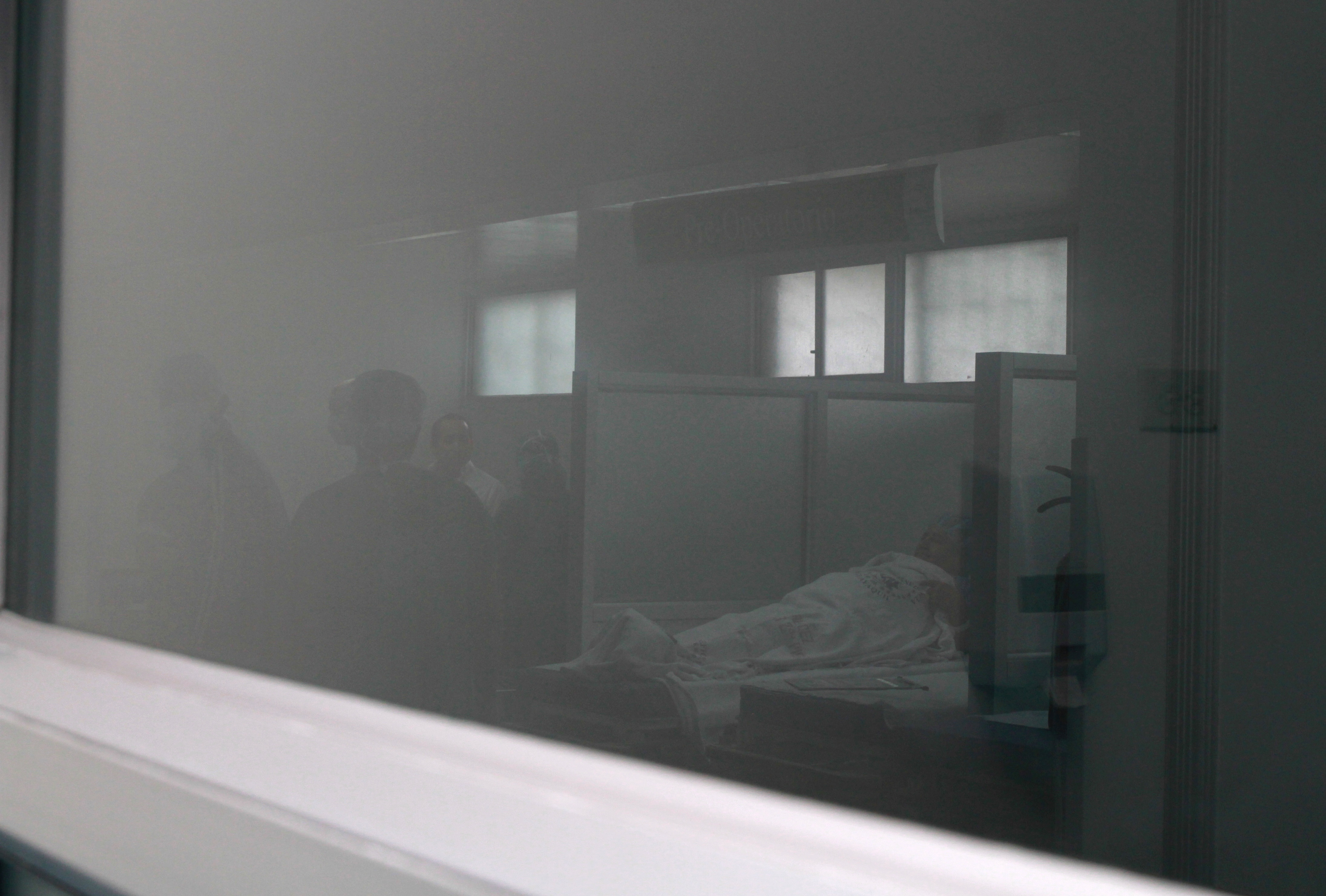
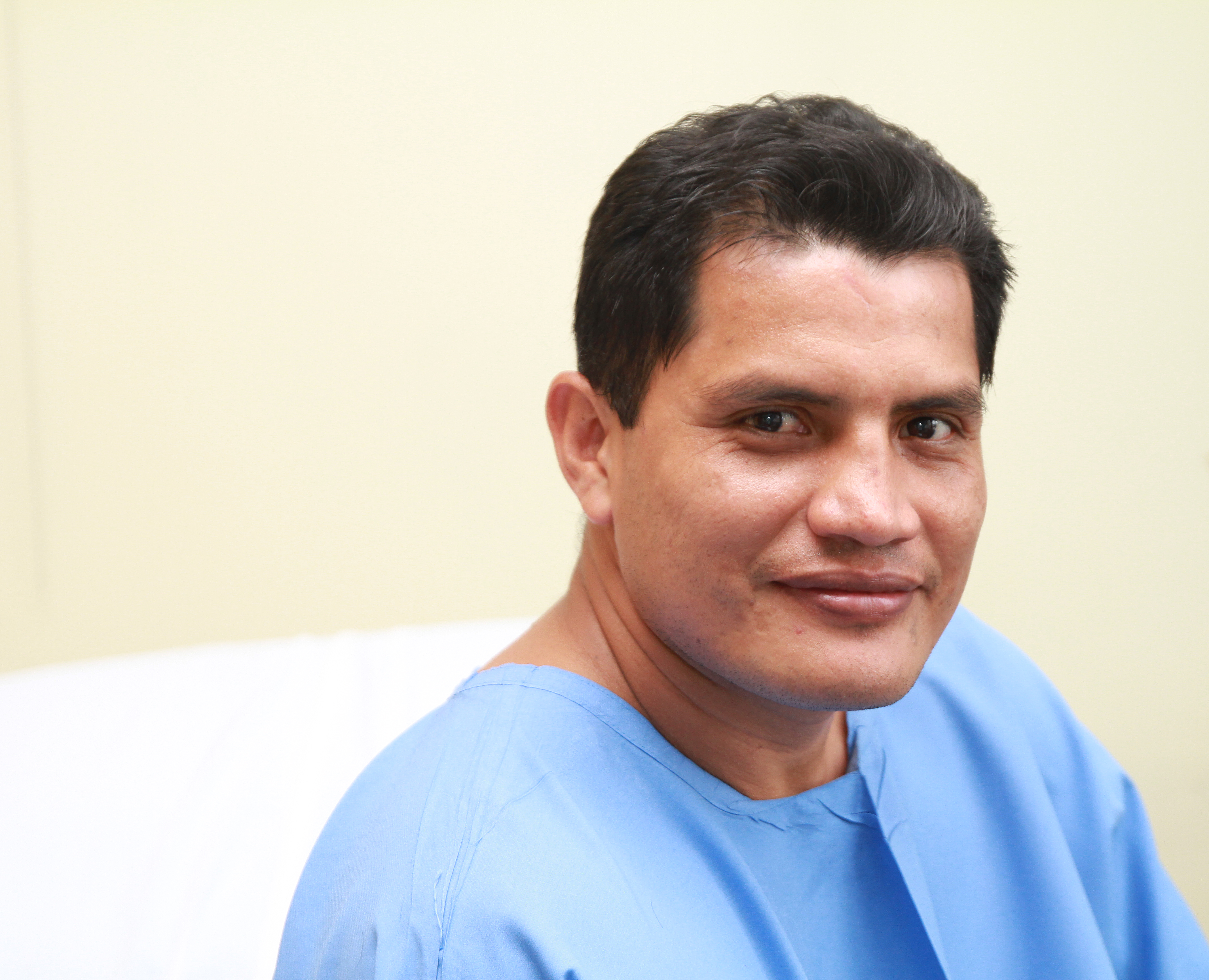
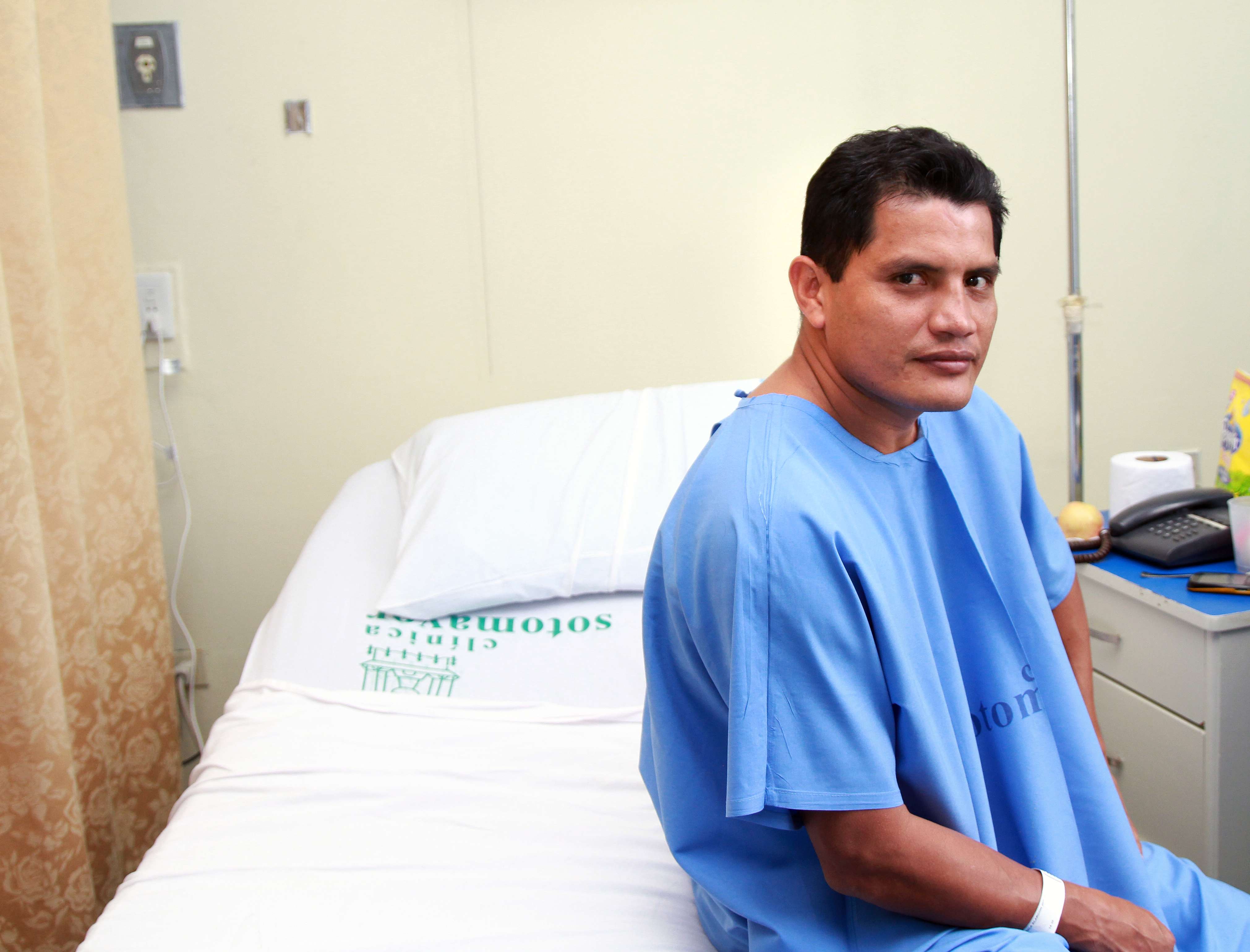
After setting up and picking our cases on Sunday, we began performing surgeries bright and early Monday morning. Two of our patients, Manuel (top) and Vargas are shown here awaiting their surgery. Manuel had surgery on his spine and Vargas had a knee replacement. Again, I must remind the viewer that we had permission to take these photos as privacy laws are very different in Ecuador.

I’ll start this post by showing some of the preparations for the knee replacement surgeries and a view of those patients as they prepare for surgery and await their turn. The holding area for pre-operation was small.

Image

Image

Image

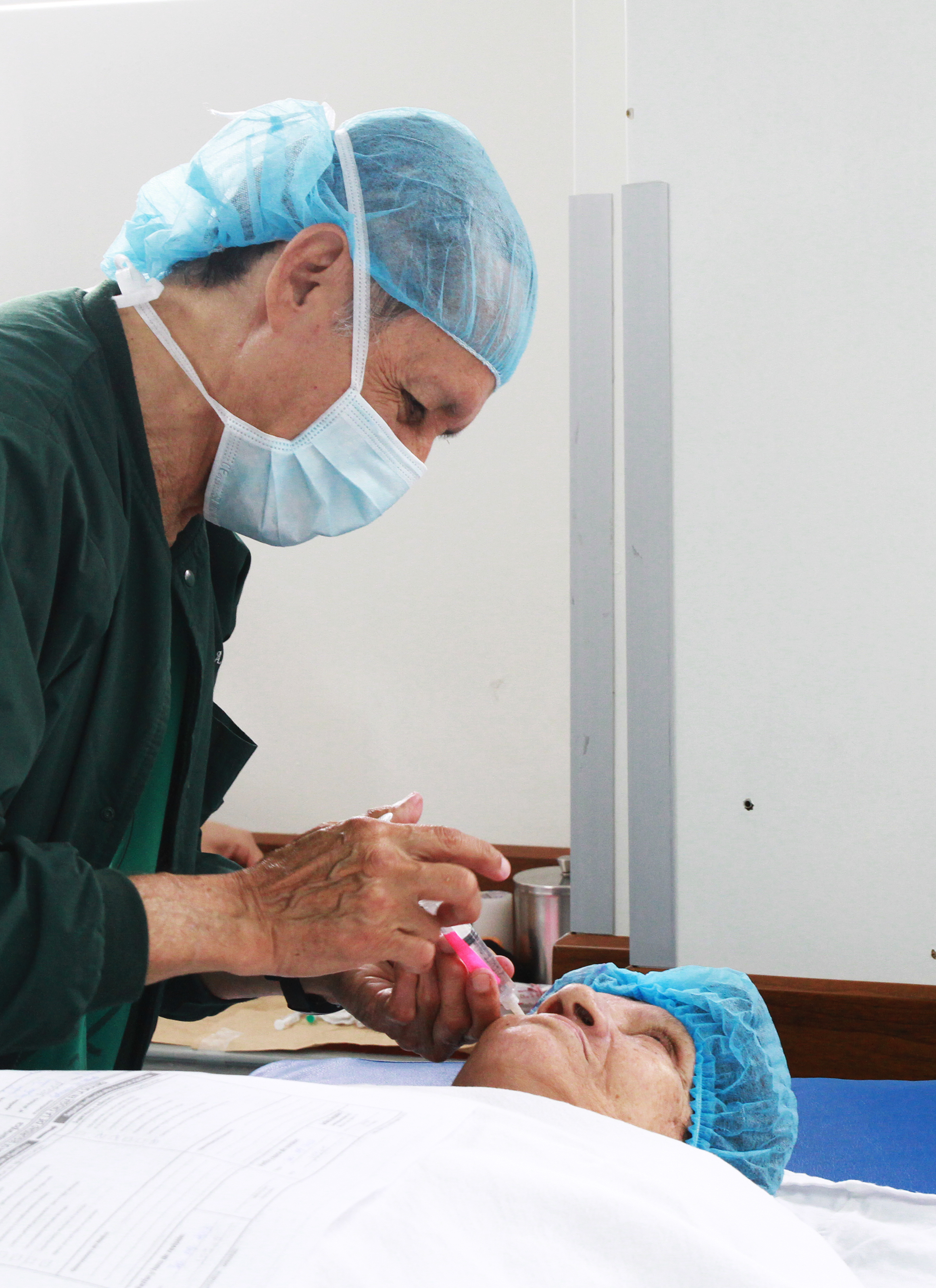
Dr. Estrada reviews x-rays with his next patient in the pre-operation area.

Image

Image

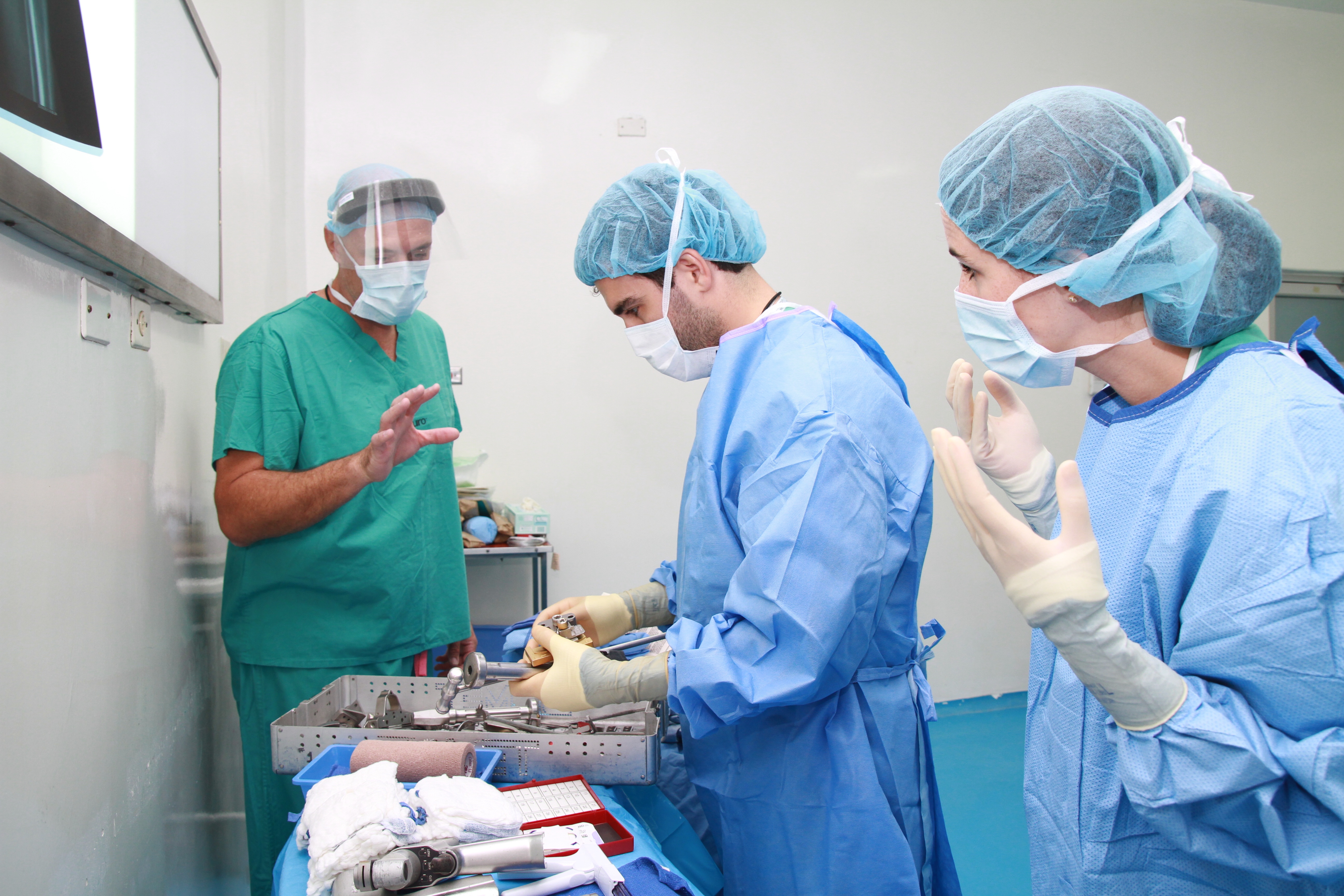
Meanwhile, it was the responsibility of the nurses to set up the surgical rooms, scrub in, and prepare the sterile equipment for use.

Image

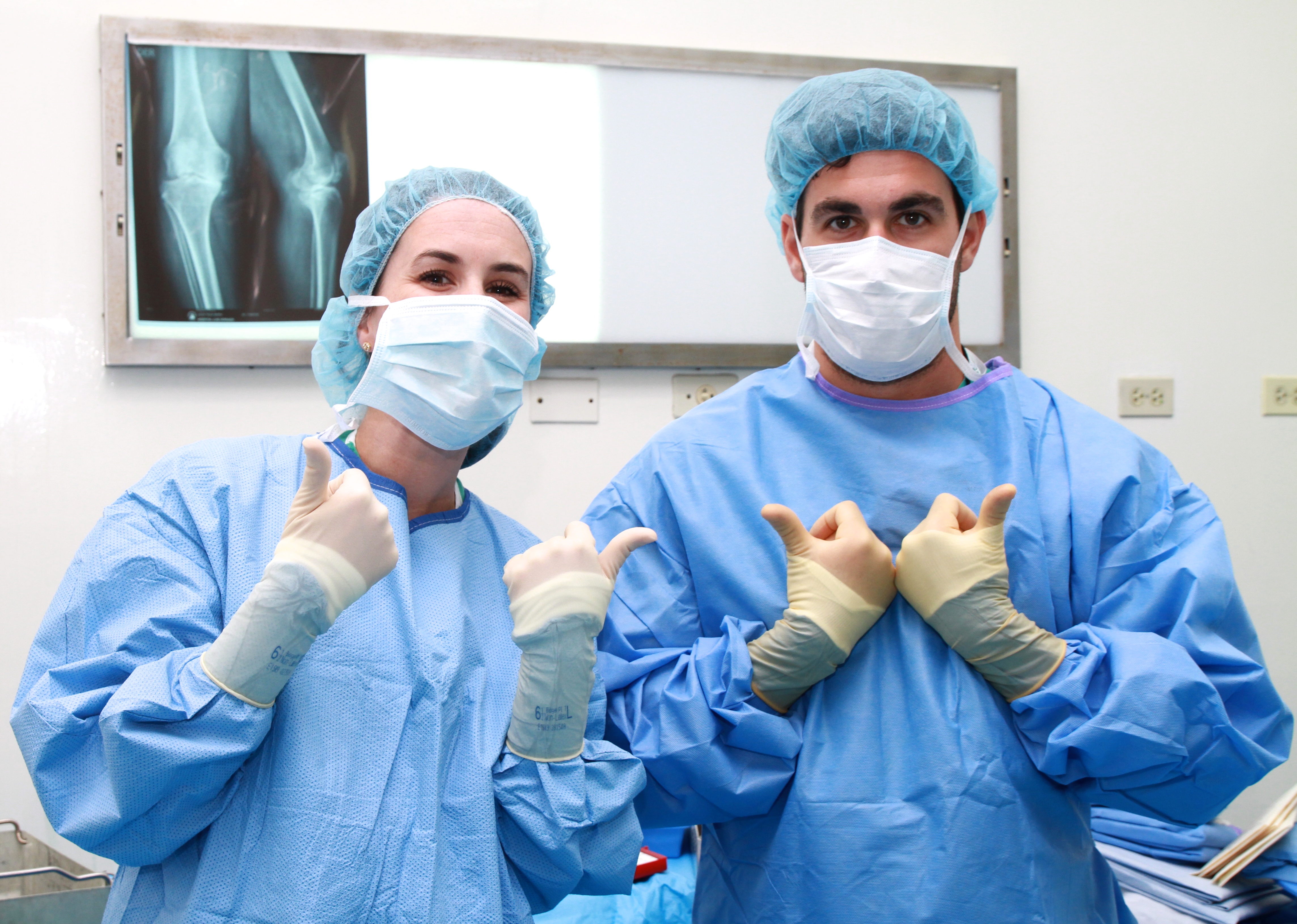
The following photo is of Kaitlin and me scrubbed in before a surgery, and the one after that is Kaitlin and Lance. I figured I’d make a cameo on the blog to show I did do nursing while I was there too. Thanks to Alexis Brown for snapping this photo. None of us had OR experience. I work in the ER, along with Kala who is pictured later, and Kaitlin and Lance both work in ICU. The local staff, Dr. Estrada and the physician assistant with us, Kentucky Skinner, were all very patient with us. I think we all learned a lot.

Image

Image

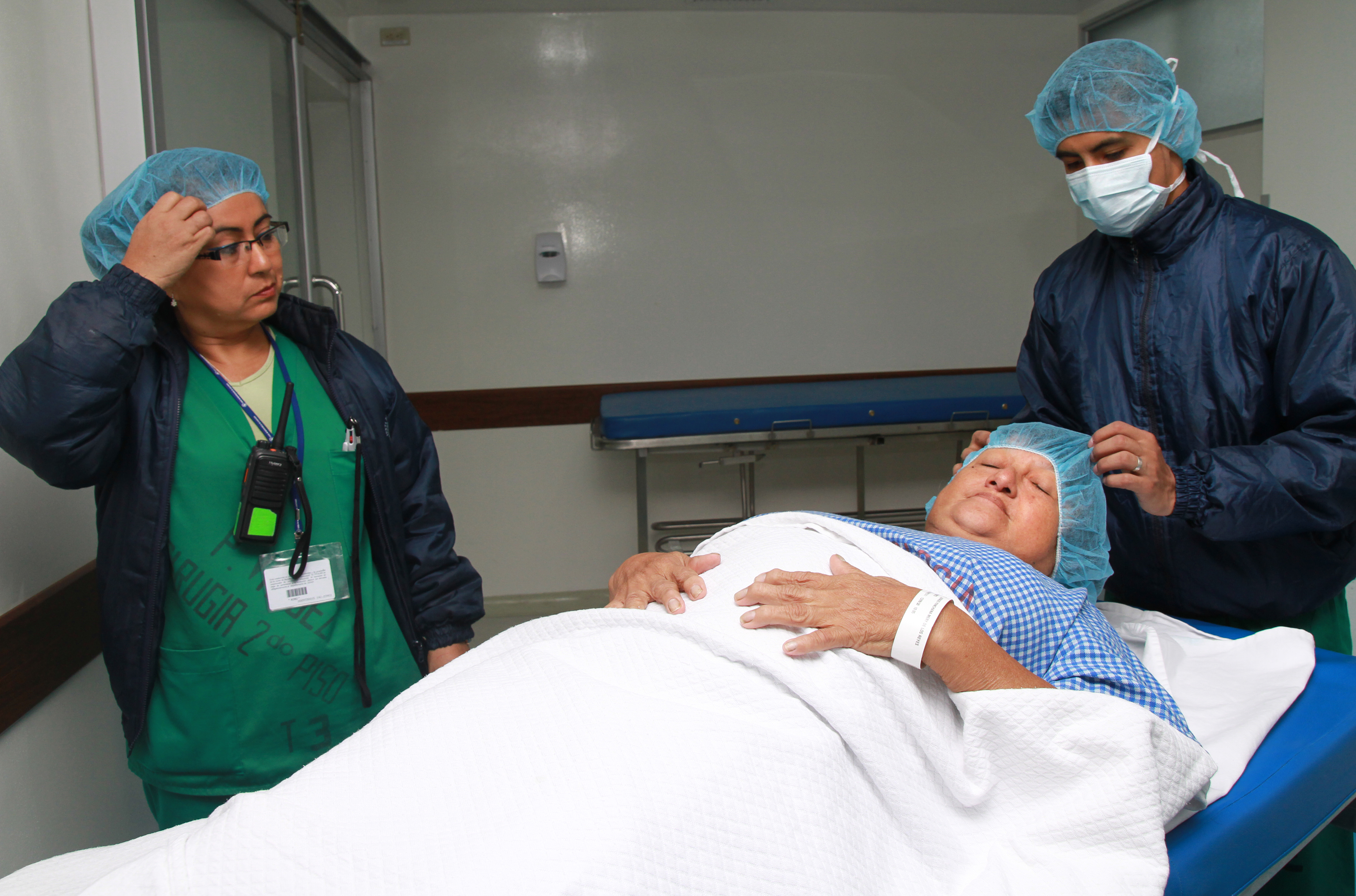
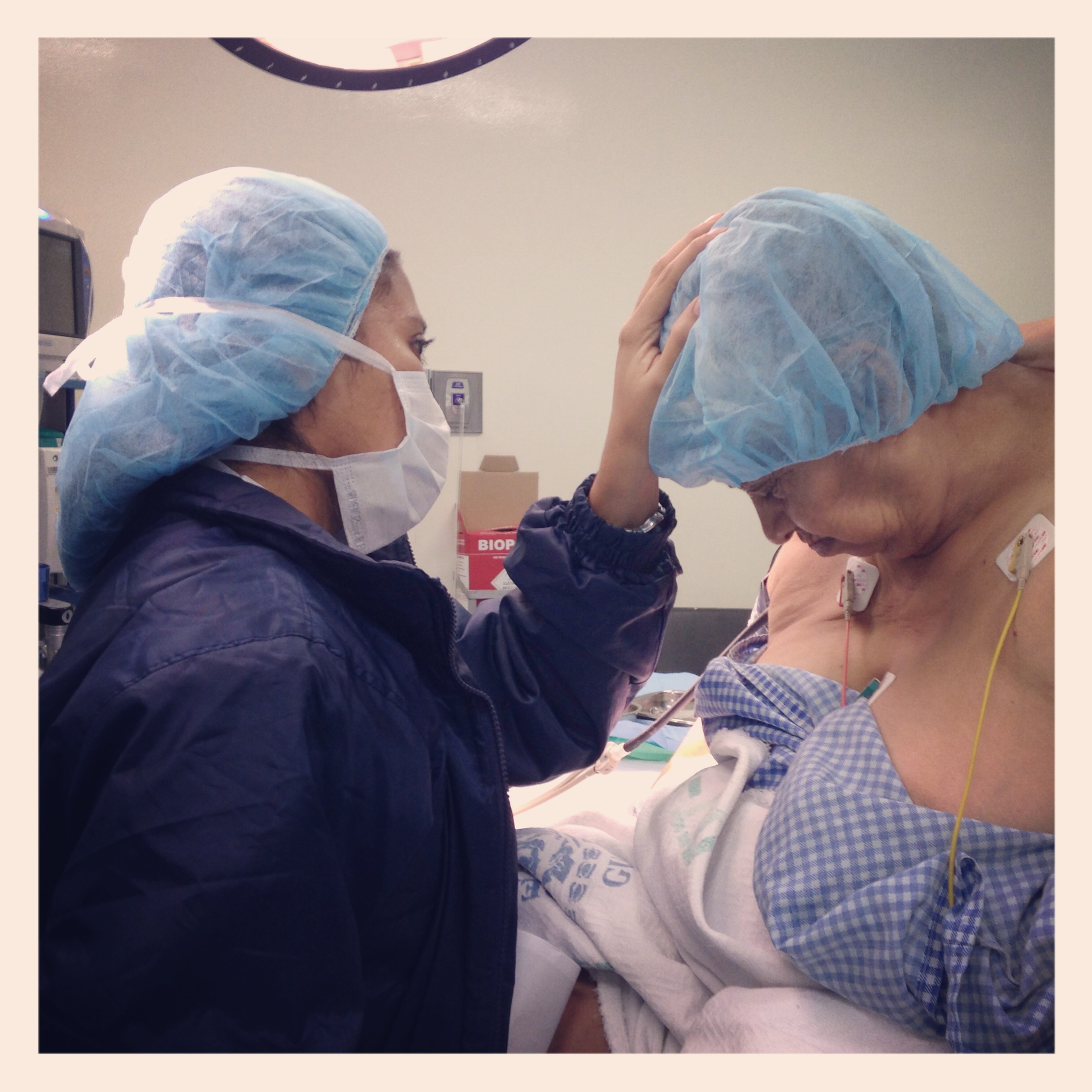
Once the room was ready for the patient, he or she was moved from Pre-Operation to the surgical suite.

Image

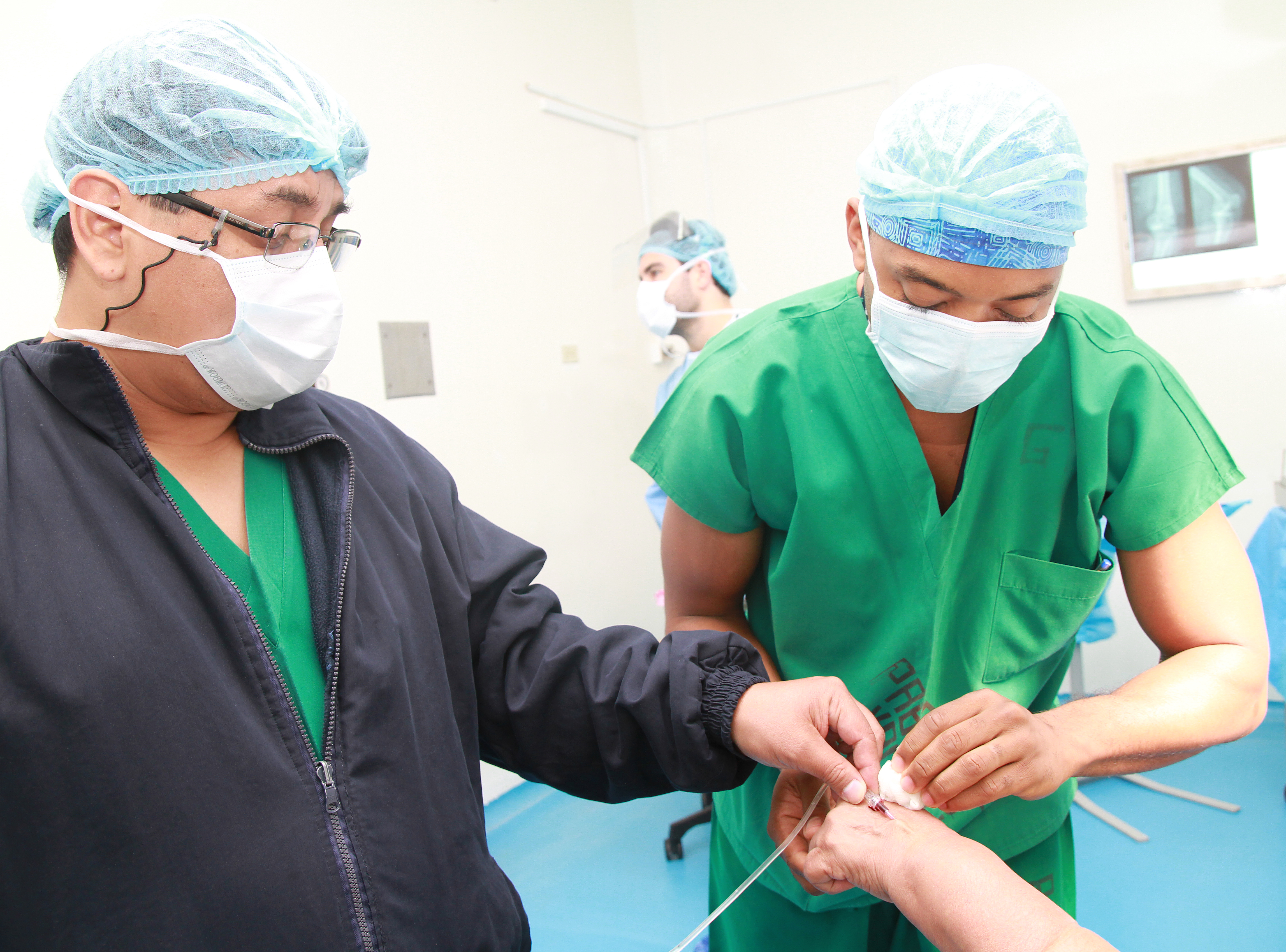
The Ecuadorian nursing and surgical staff placed an IV and catheter while we finished setting up the surgical equipment and either our anesthesiologist or theirs prepared the patient. Here, a nursing student named Junior places the IV for our next case. He often scrubbed in with me for surgeries. He became a rather vital part of our orthopedic team. It was rewarding getting to know the local staff. We learned a great deal from them and we taught them our techniques. It was a wonderful cross-cultural learning experience for everyone. Junior spoke Portuguese primarily with some English and some Spanish. We were able to communicate on about the same level in Spanish.
Image

Image

Kala, Junior and I.

Image

Image

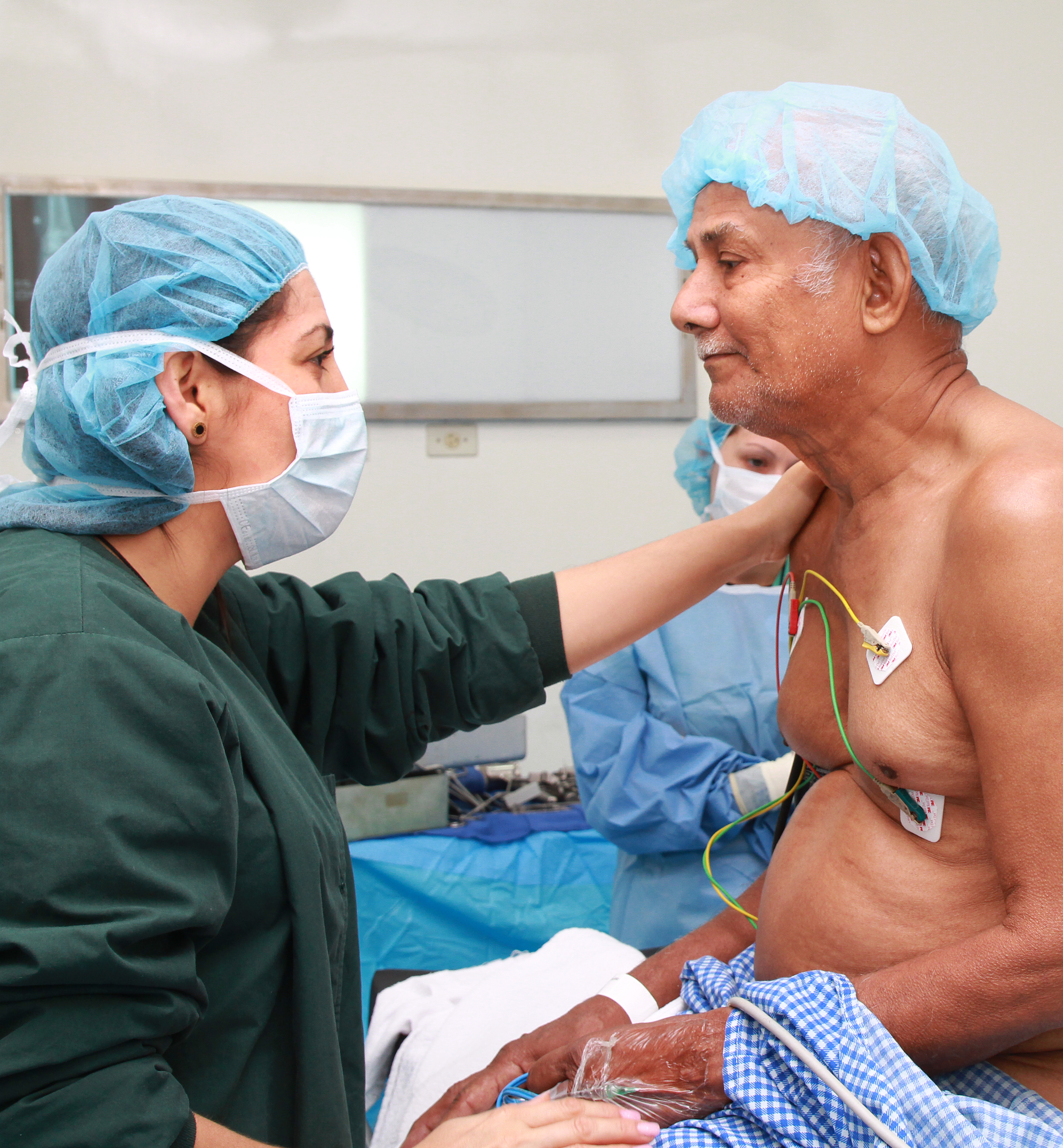
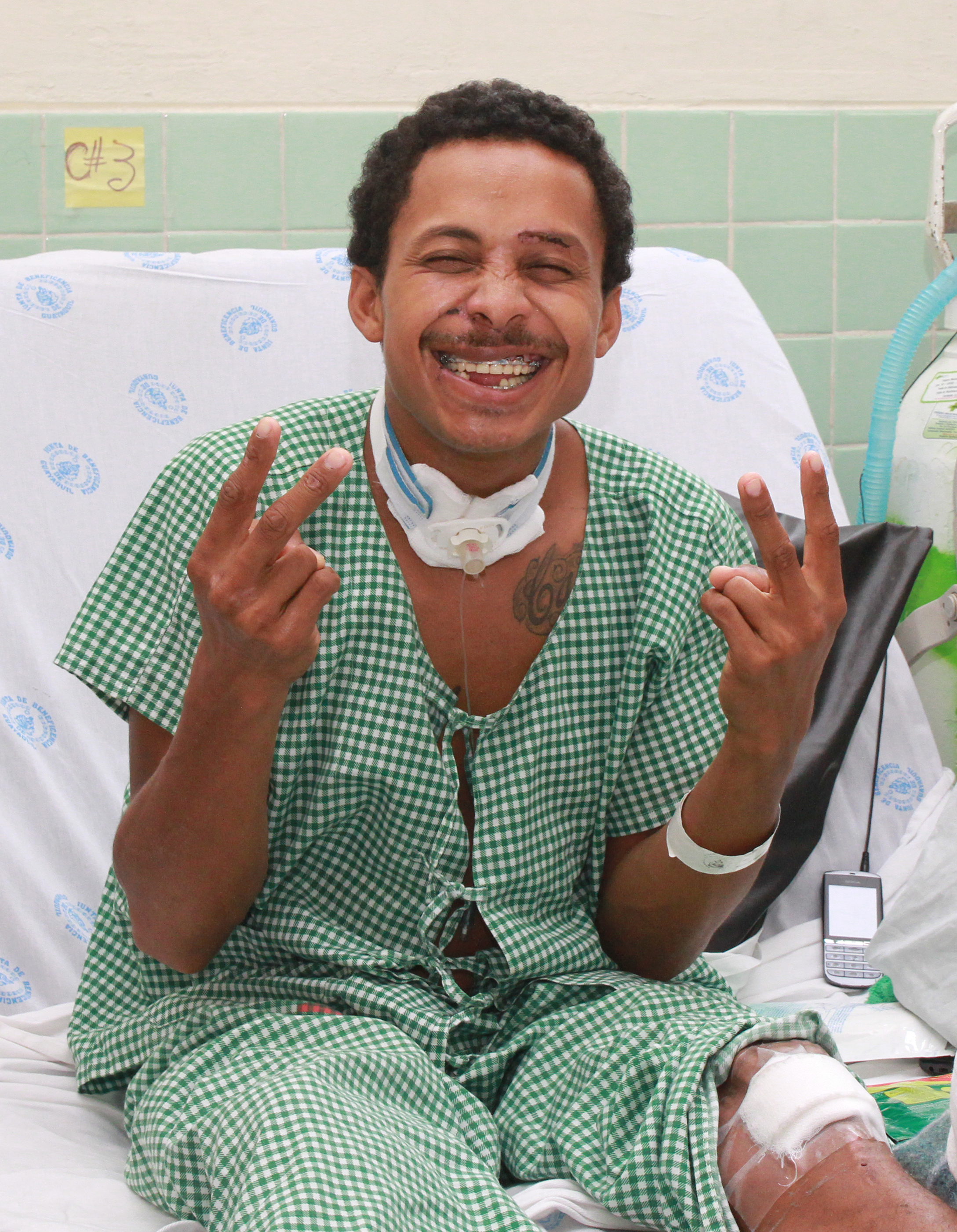
Below, our anesthesiologist, Man Frost, prepares the patient and teaches a local student his technique while Ecuadorian nurses support the patients physically and emotionally. Man Frost put patients under general anesthesia, but the local staff just performed spinal blocks. This meant patients were awake for their surgeries but just couldn’t feel from the waist down. They could hear everything. Personally I wouldn’t want to hear people drilling and sawing my knee.
Image

Image

Image

Image

Image

Now the patient is ready for surgery.

Image

I wasn’t on the neurosurgery team, but I did get to observe a few of their surgeries and meet some of the amazing people they operated on. They did far fewer cases than we did, though a few of the ones they performed were much longer surgeries.
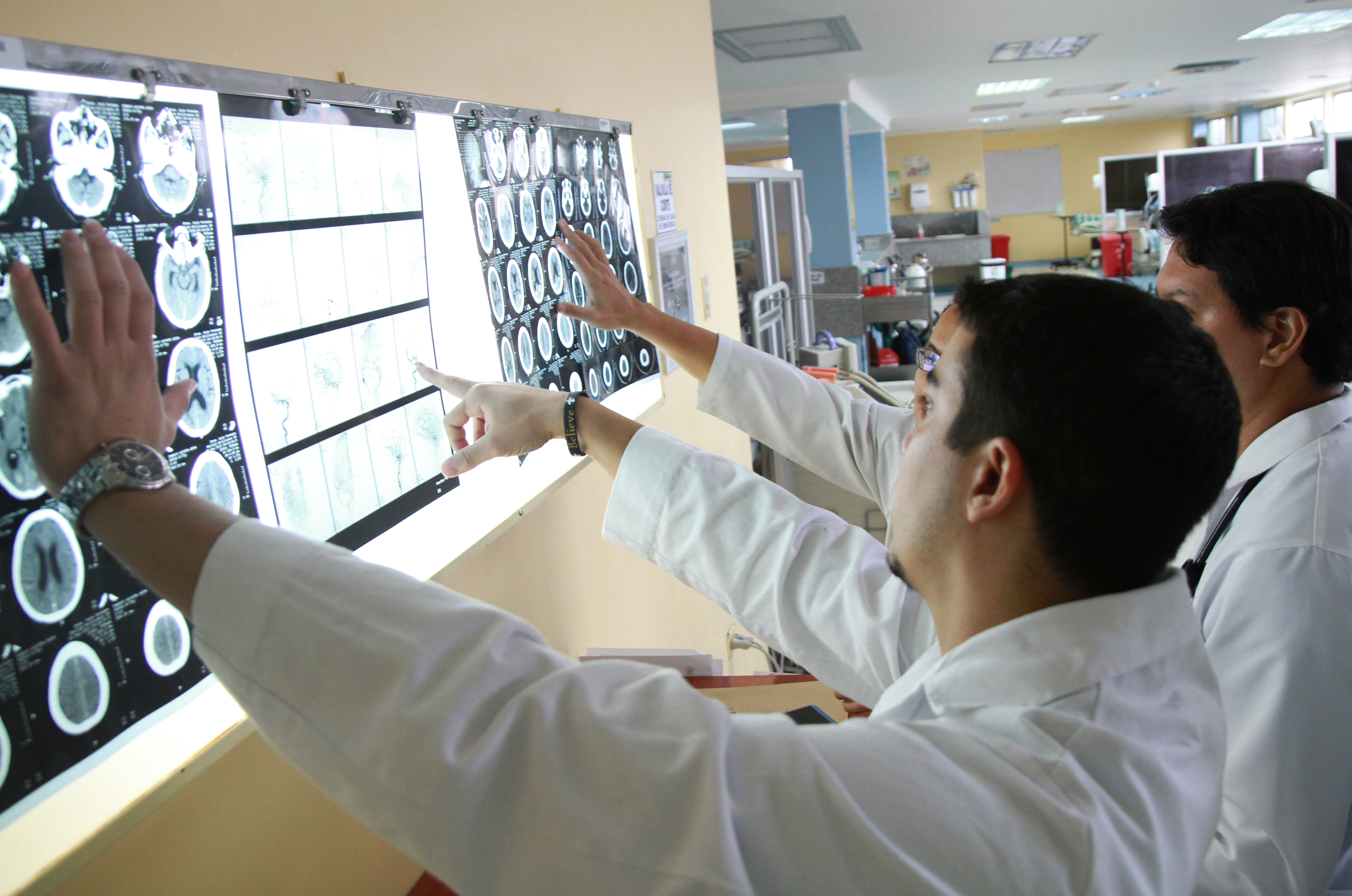
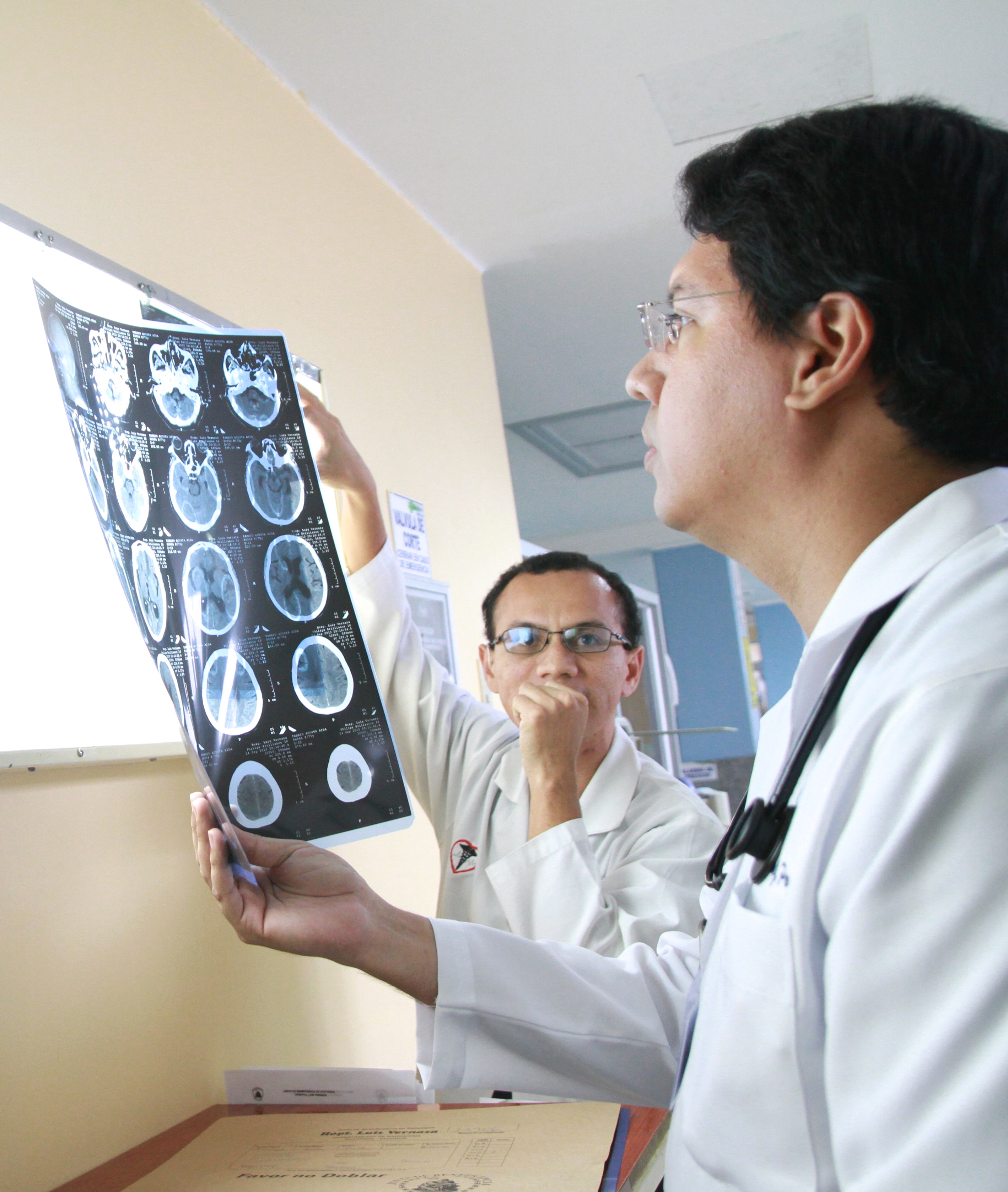
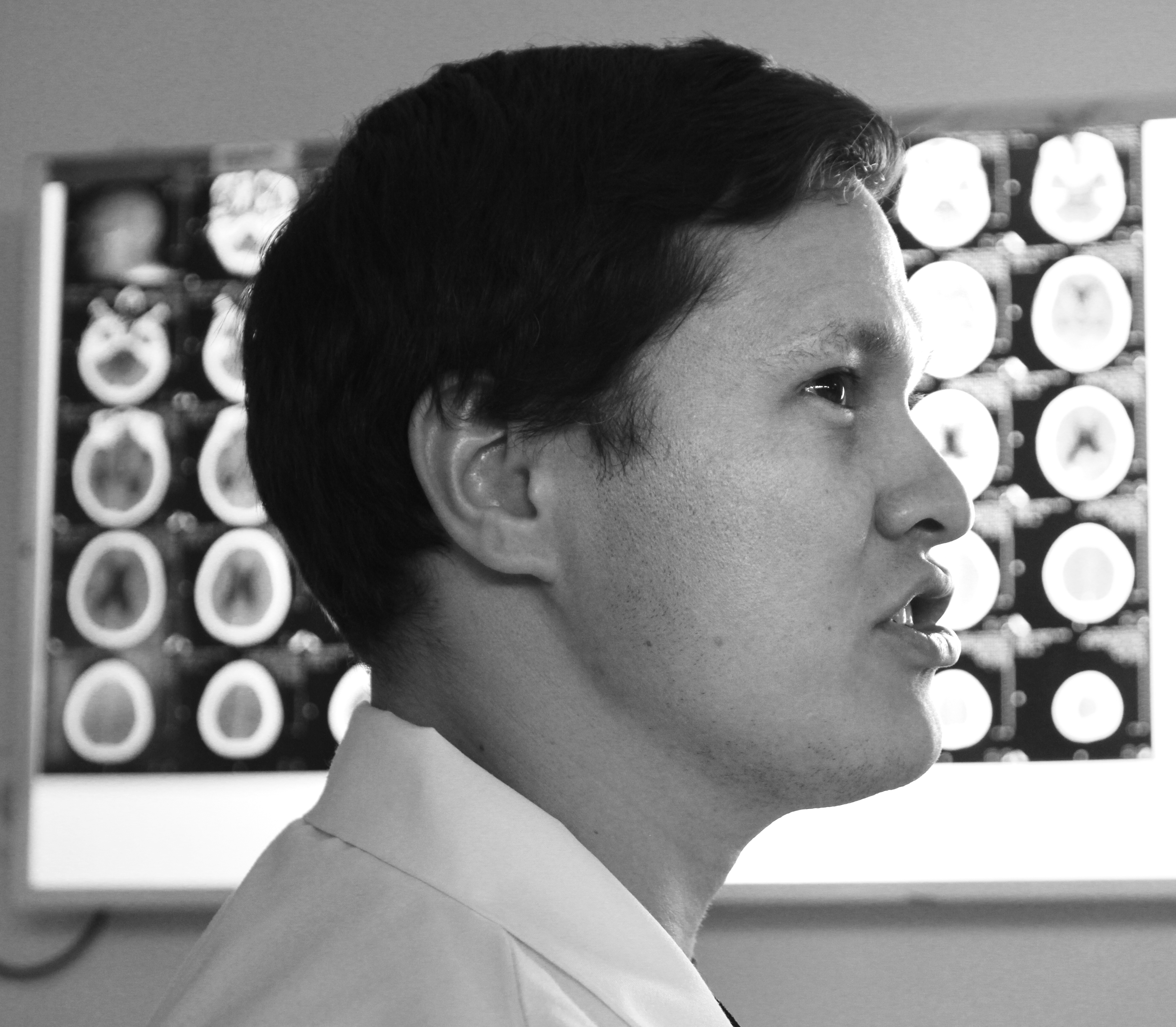
Here Dr. Edison Valle and Dr. Gabriel Vidal review x-rays of a potential neurosurgery candidate with local doctors.

Image

Image

Image

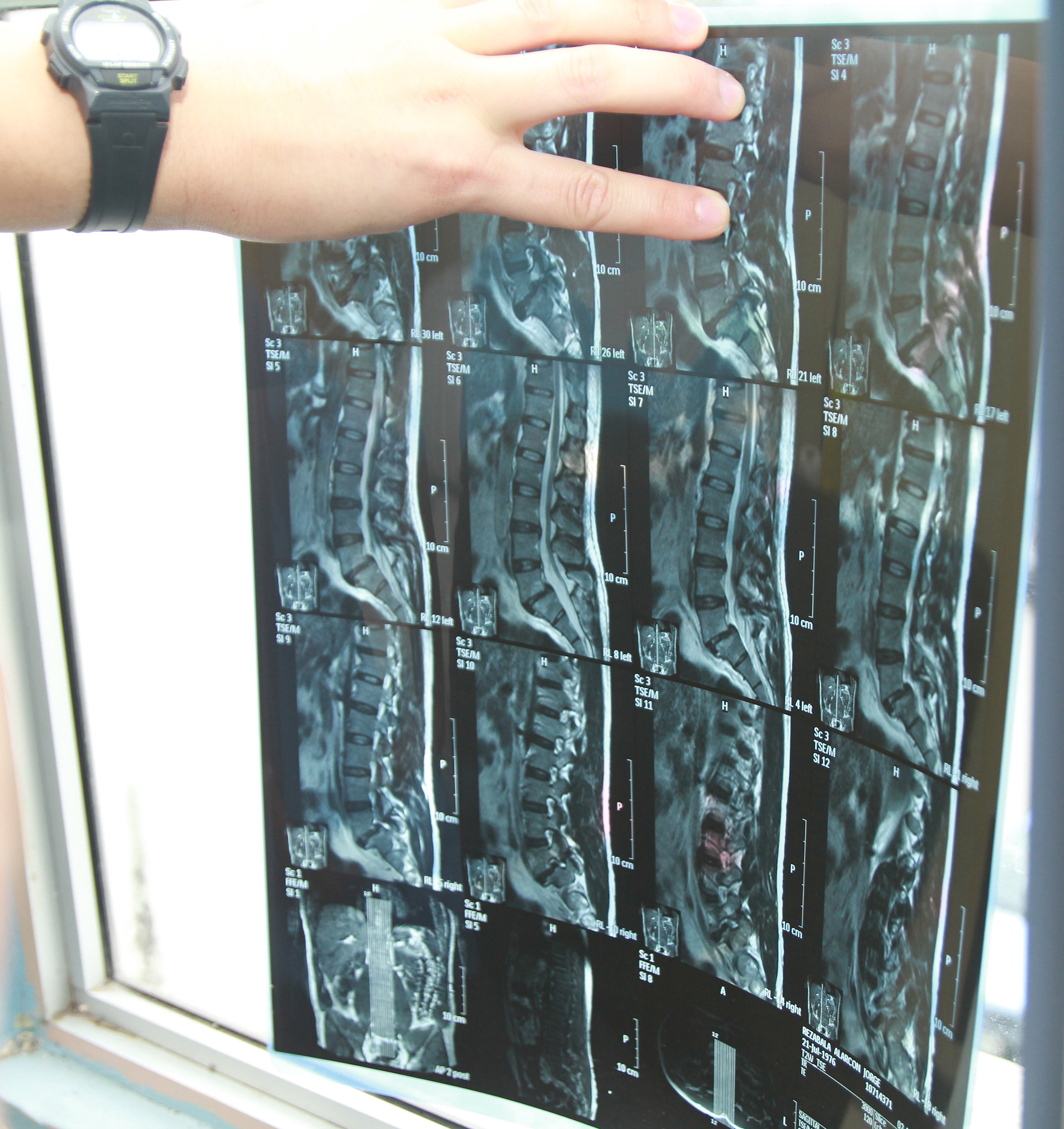
Dr. Edison Valle reviews Manuel’s x-rays the day before his surgery. I was informed he was staying in the private part of the hospital, where patients have semi-private rooms and refrigerators in their rooms. This is because Manuel has insurance. He was very happy every time I encountered him and never had a single complaint.

Image

Image

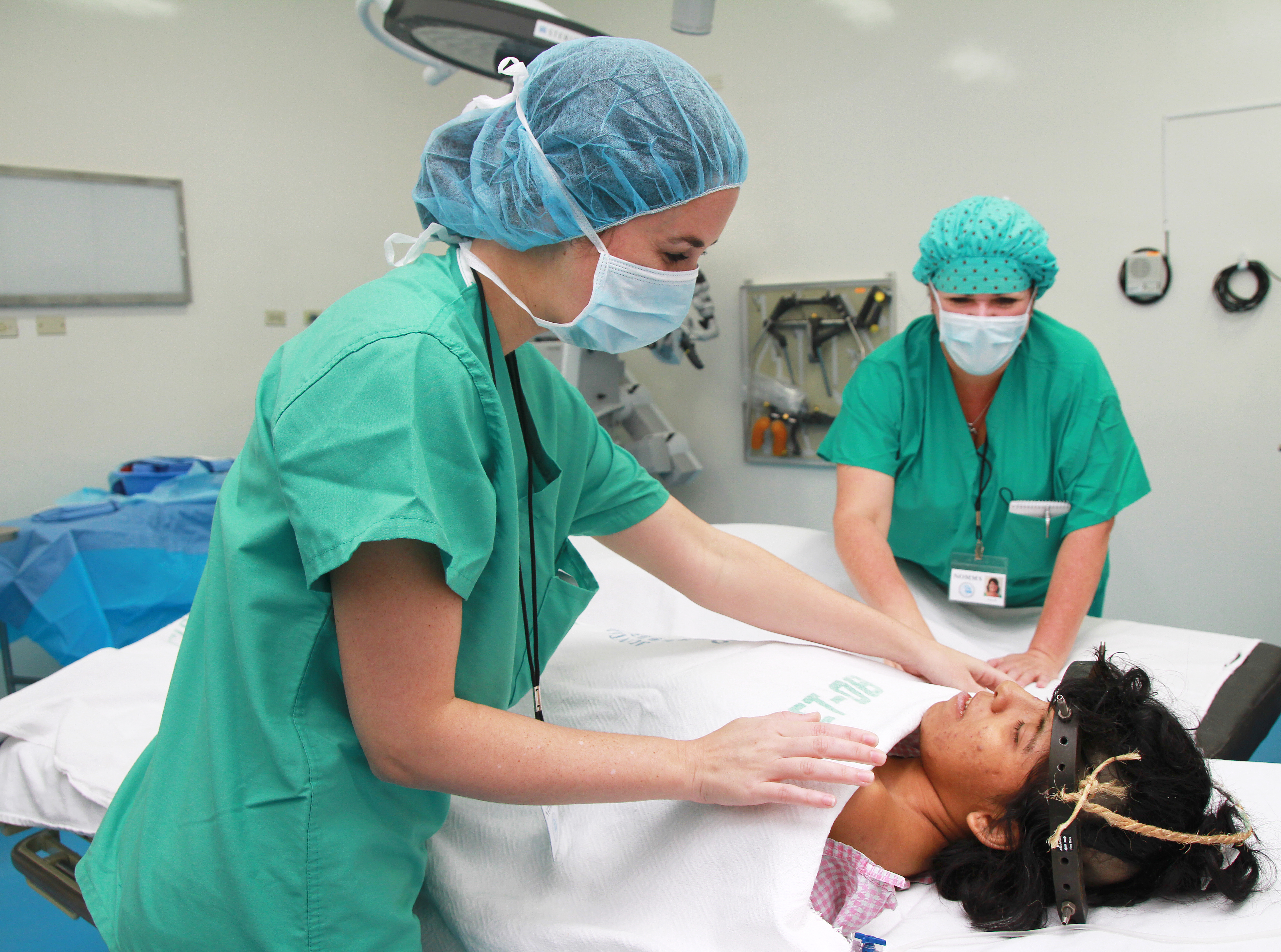
Here is a 27-year-old women with a tumor on her spine. I was drawn to her when we were taking a tour of the hospital. I asked her if I could take her photo and then I later found out she was one of the neurosurgery patients.

Image

Image

And here Kaitlin is comforting her right before surgery as Lisa helps to pull her over onto the stretcher.

Image

The next post will provide a unique, inside look at surgeries in action. It might be a little more graphic for those who are sensitive to that.

Guayaquil, Ecuador: Hospital Luis Vernaza

It was here and at a nearby women’s hospital that we volunteered our services to the peoples of Guayaquil. Our group was tasked with providing aid to those who could not afford to receive it otherwise. Our orthopedic surgery and neurosurgery teams were based here at Luis Vernaza and our OBGYN surgical team and a dentist volunteered at the other facility. For those who may be unused to seeing photos from inside hospitals, recognize Ecuador does not share the same privacy laws as the US. Nothing like HIPPA exists there. Instead, we asked patients if they minded being photographed when appropriate and, in return, patients and their family members often gleefully took photos of and with us.

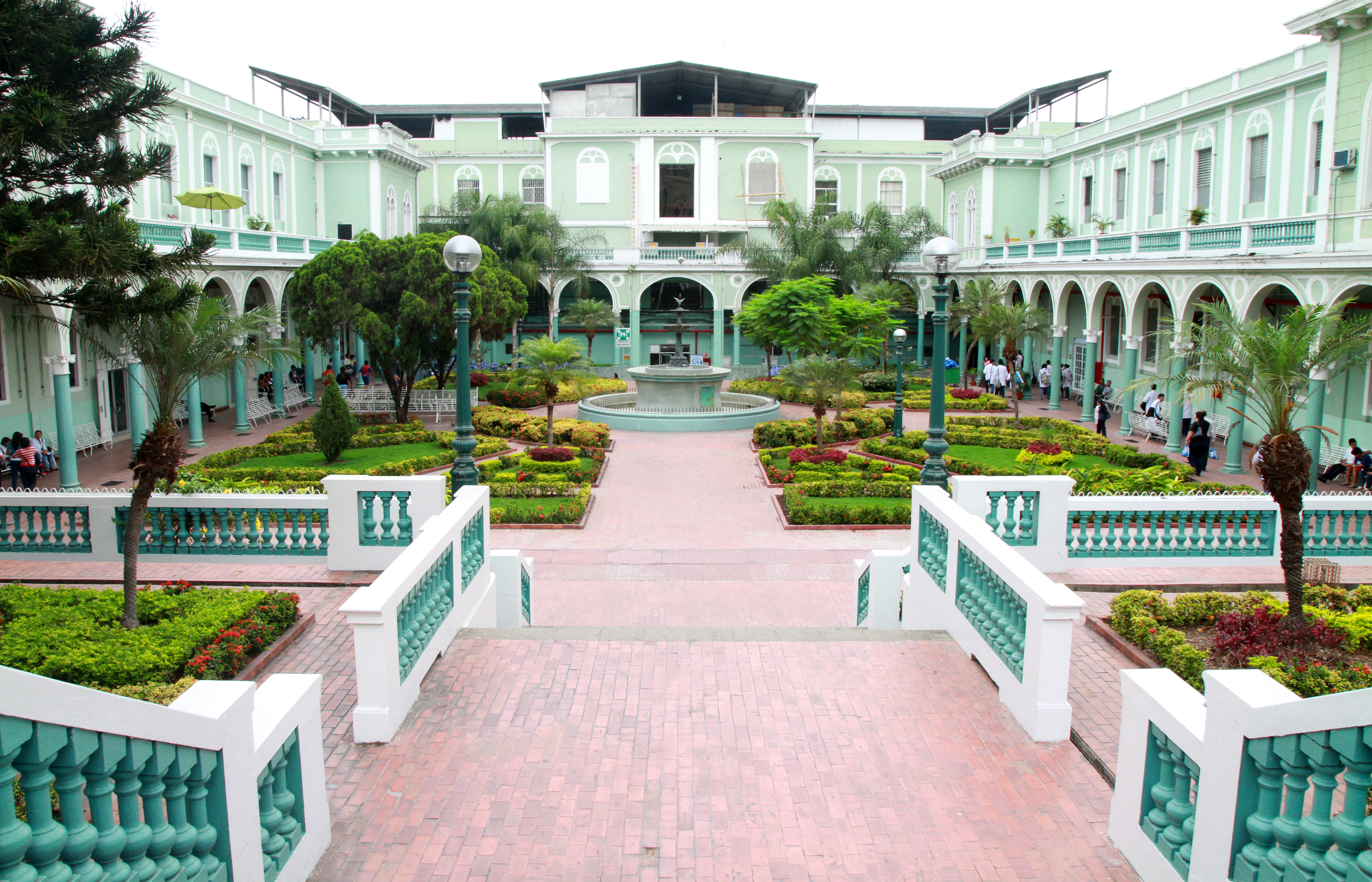
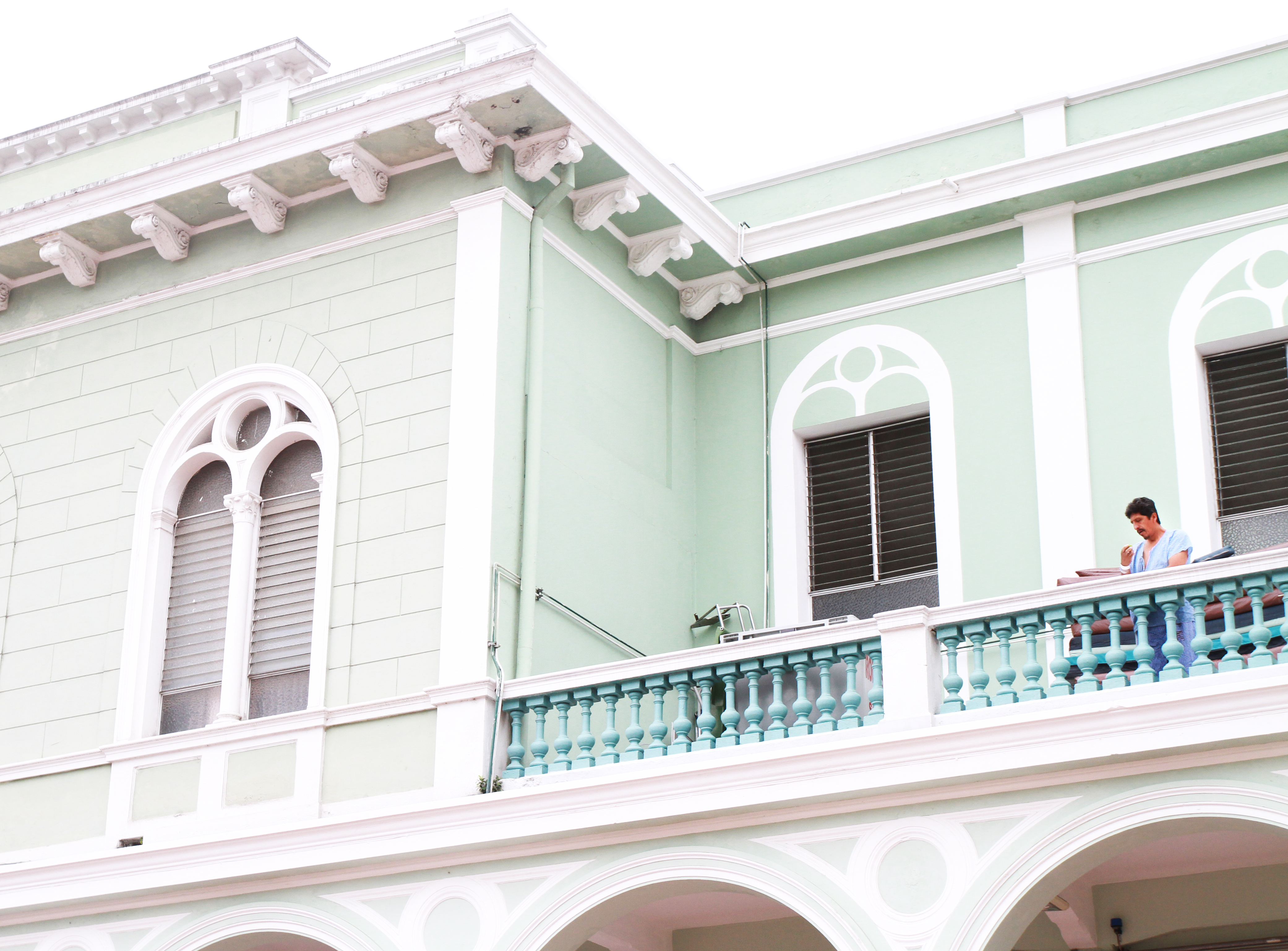
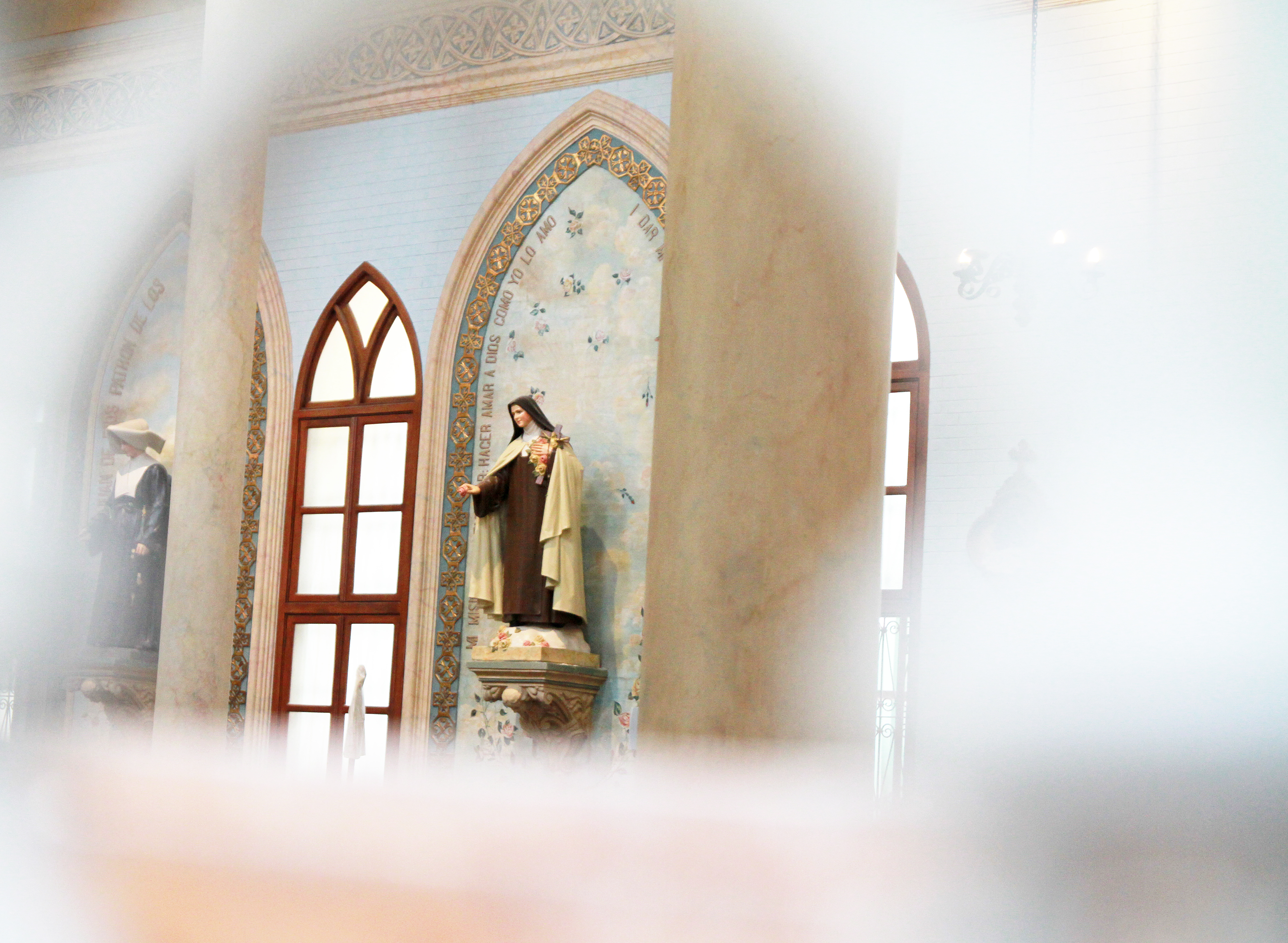
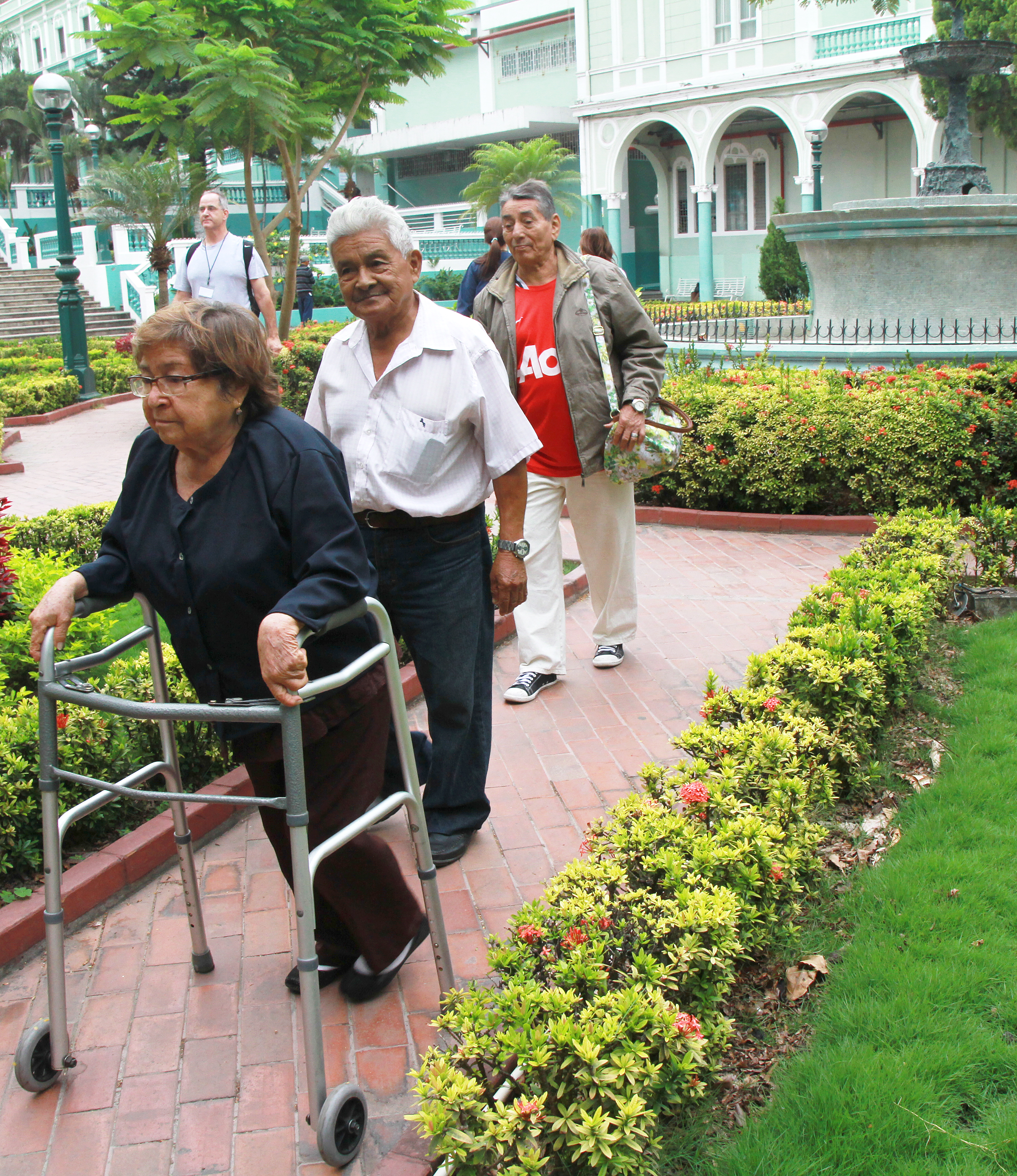
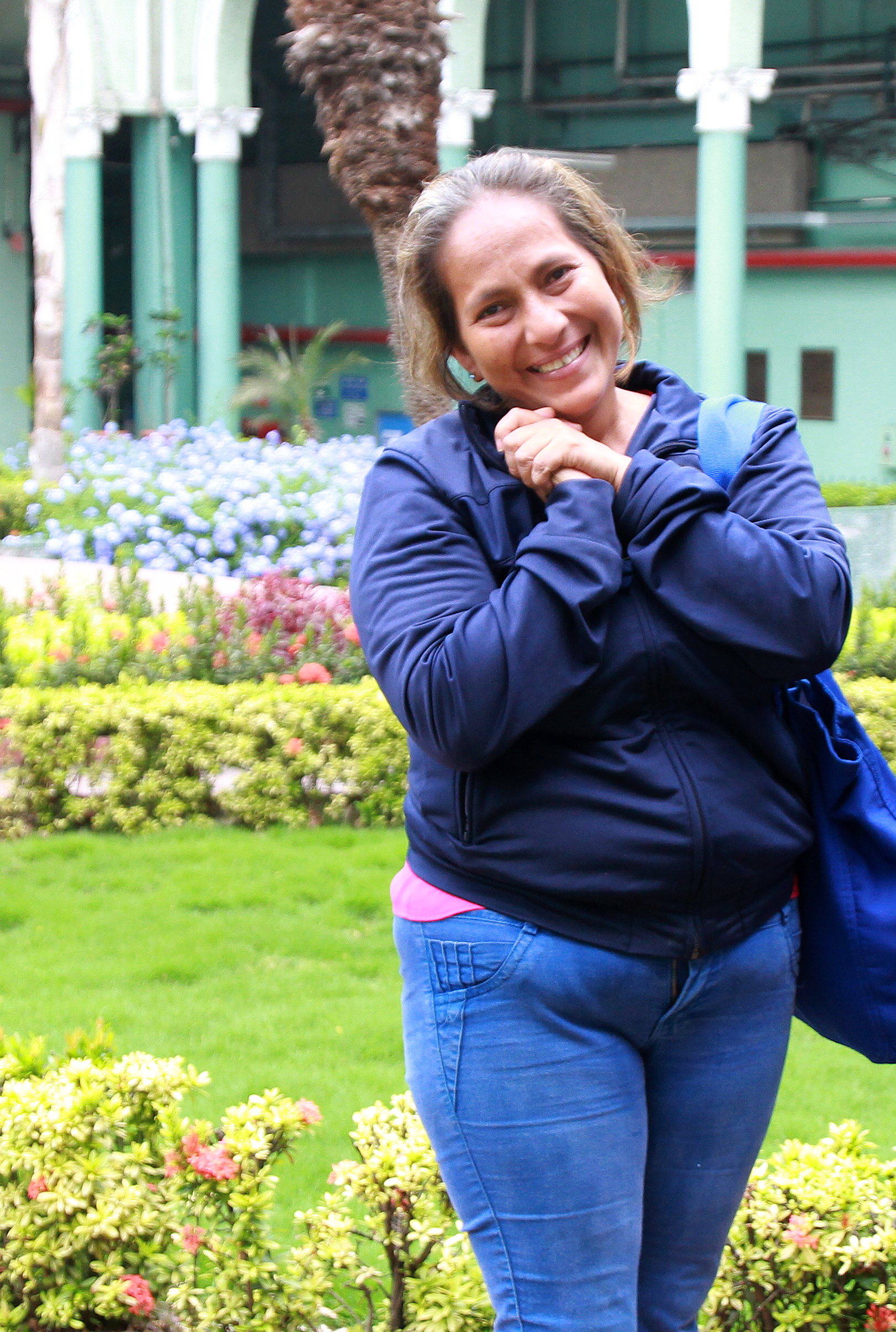
Below is a photo of the hospital’s courtyard. The grounds are beautiful, but I have a feeling the money that goes into maintaining the grounds and the stunning church on site could probably be better used elsewhere.

IMG_7132edit

IMG_6712edit

IMG_6706edit

The lack of privacy laws put me in the unique position to take photos, even during surgery. The experience reminded me of my journalism days as it is the closest I have come to working with hard news in a long time. My medical expertise also gave me an insider’s perspective. It was nice to be somewhat of an expert in the subjects I was covering for once.

This is a typical ambulance serving this community.

IMG_7204edit

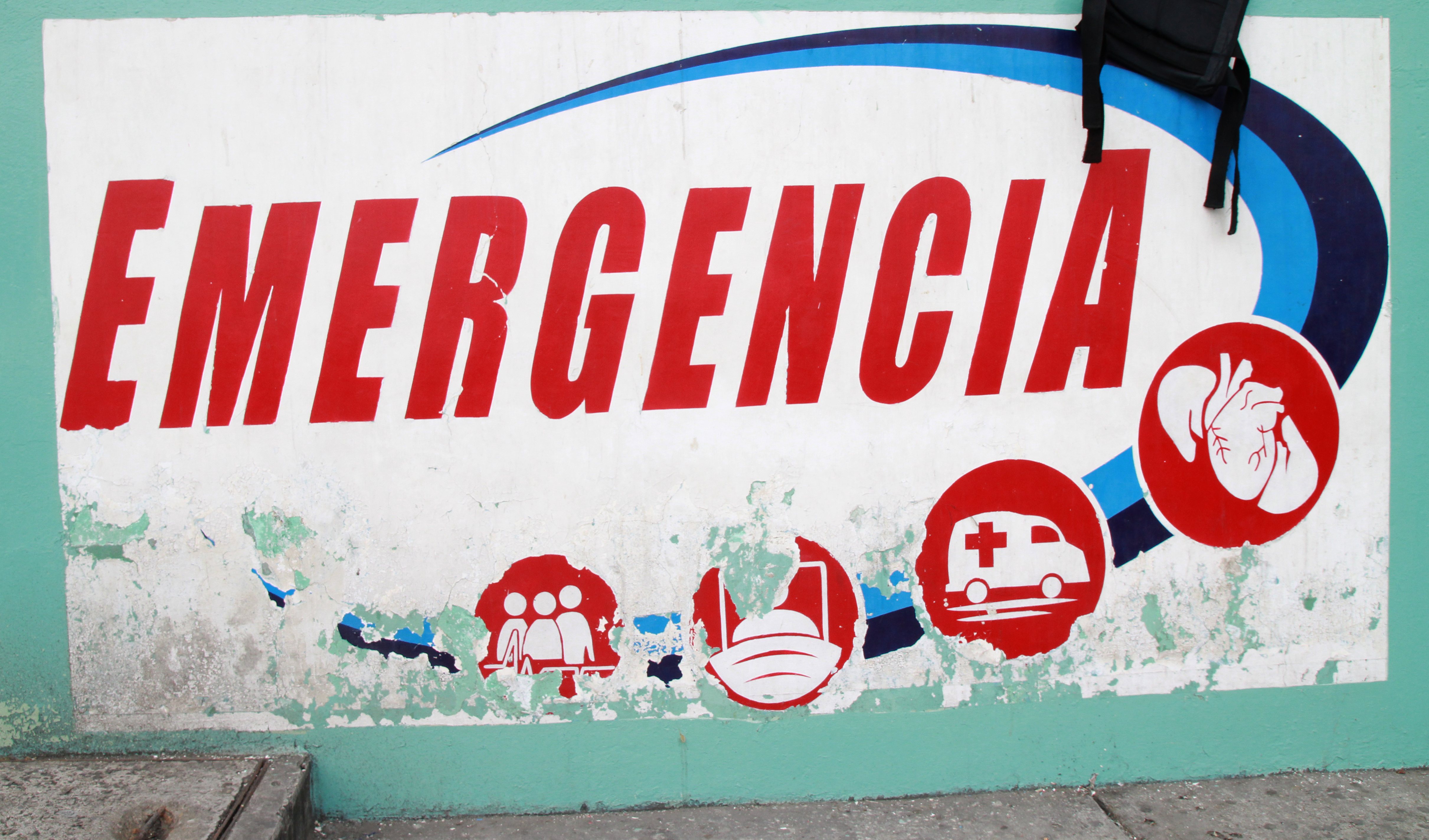
I was particularly interested to see the ER. One of the volunteers, a neurosurgery resident, was from Ecuador and he had studied at our hospital. We were lucky to have him with us as he knew the place and could connect with the local staff and community.

IMG_7142edit

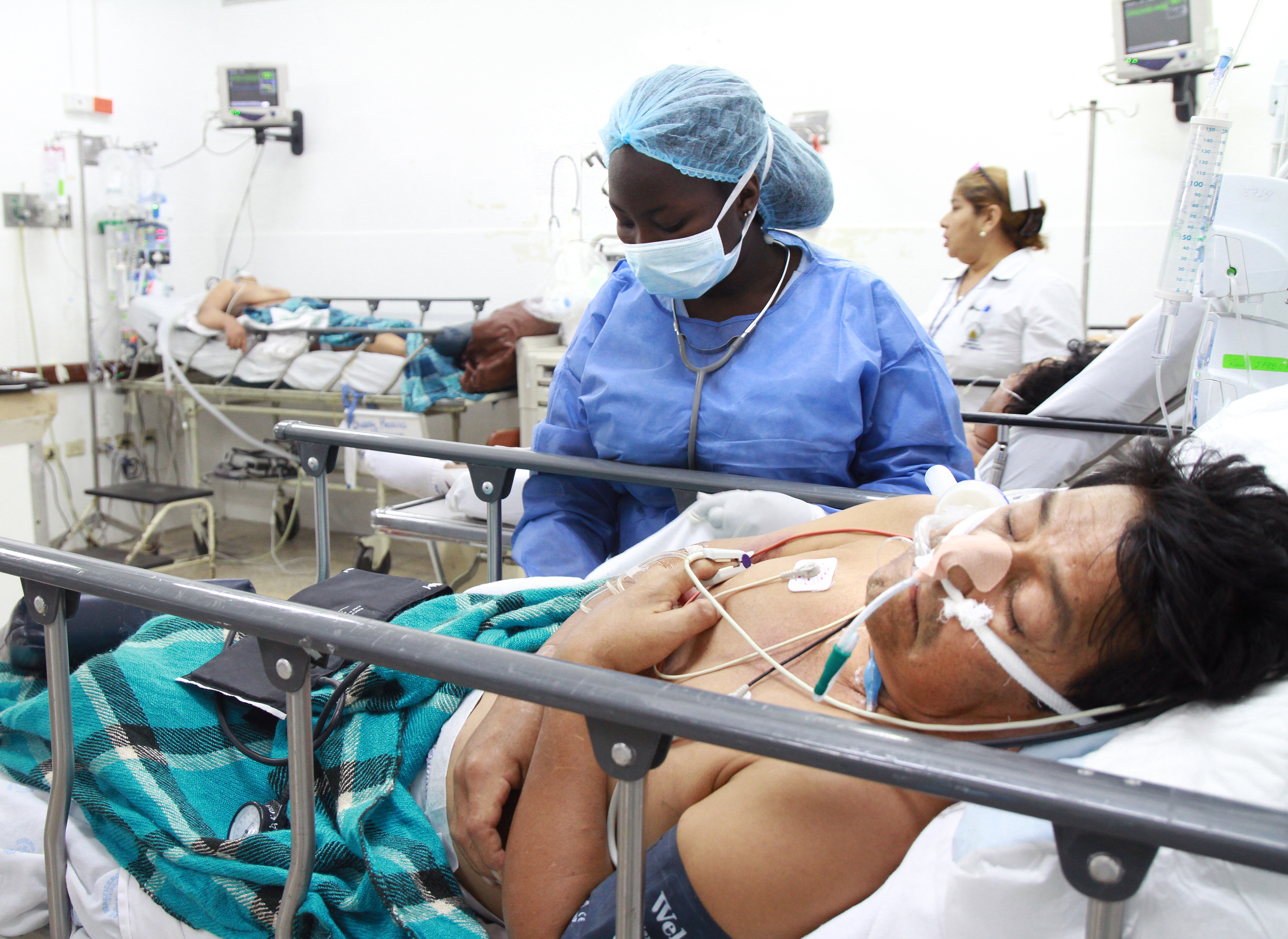
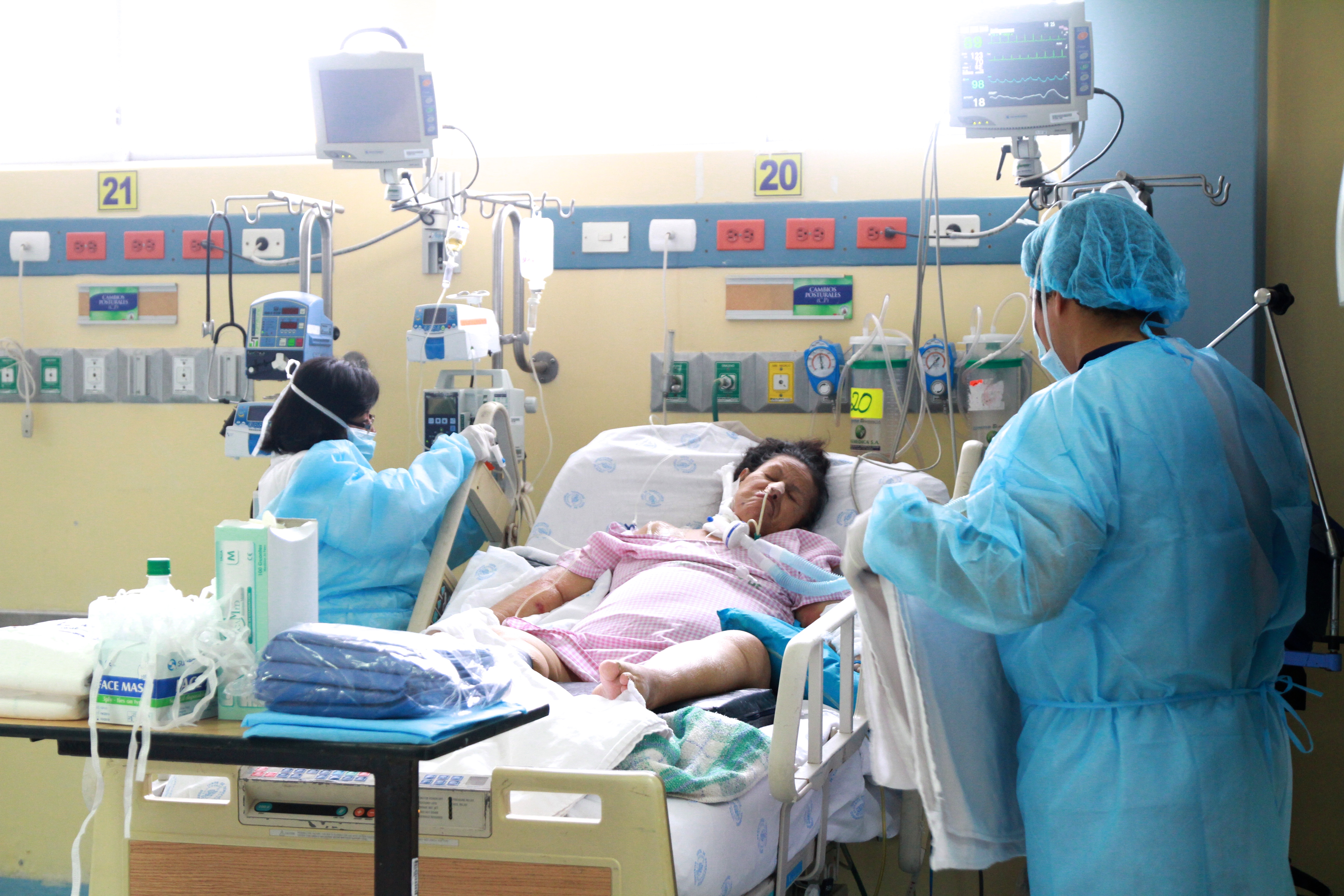
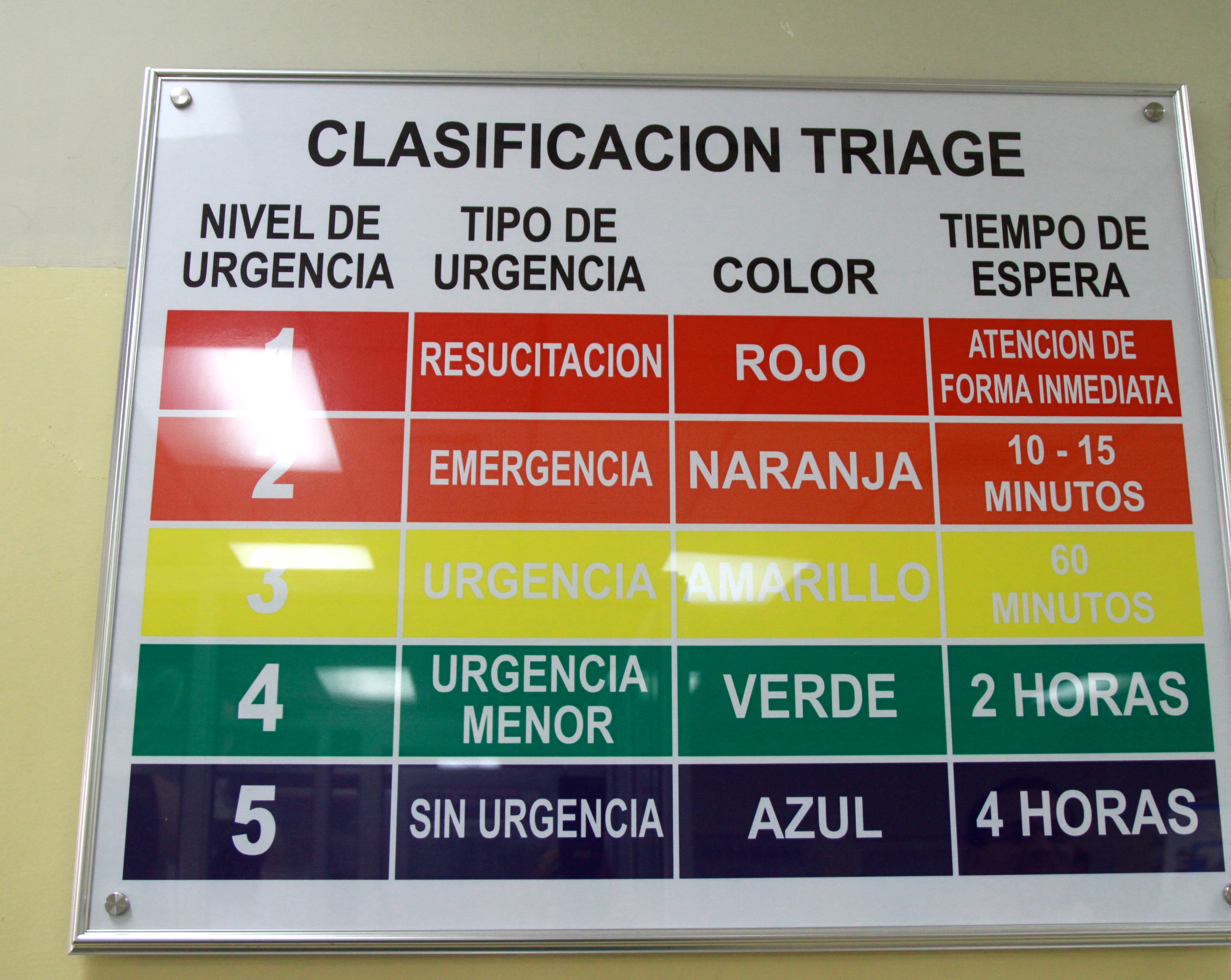
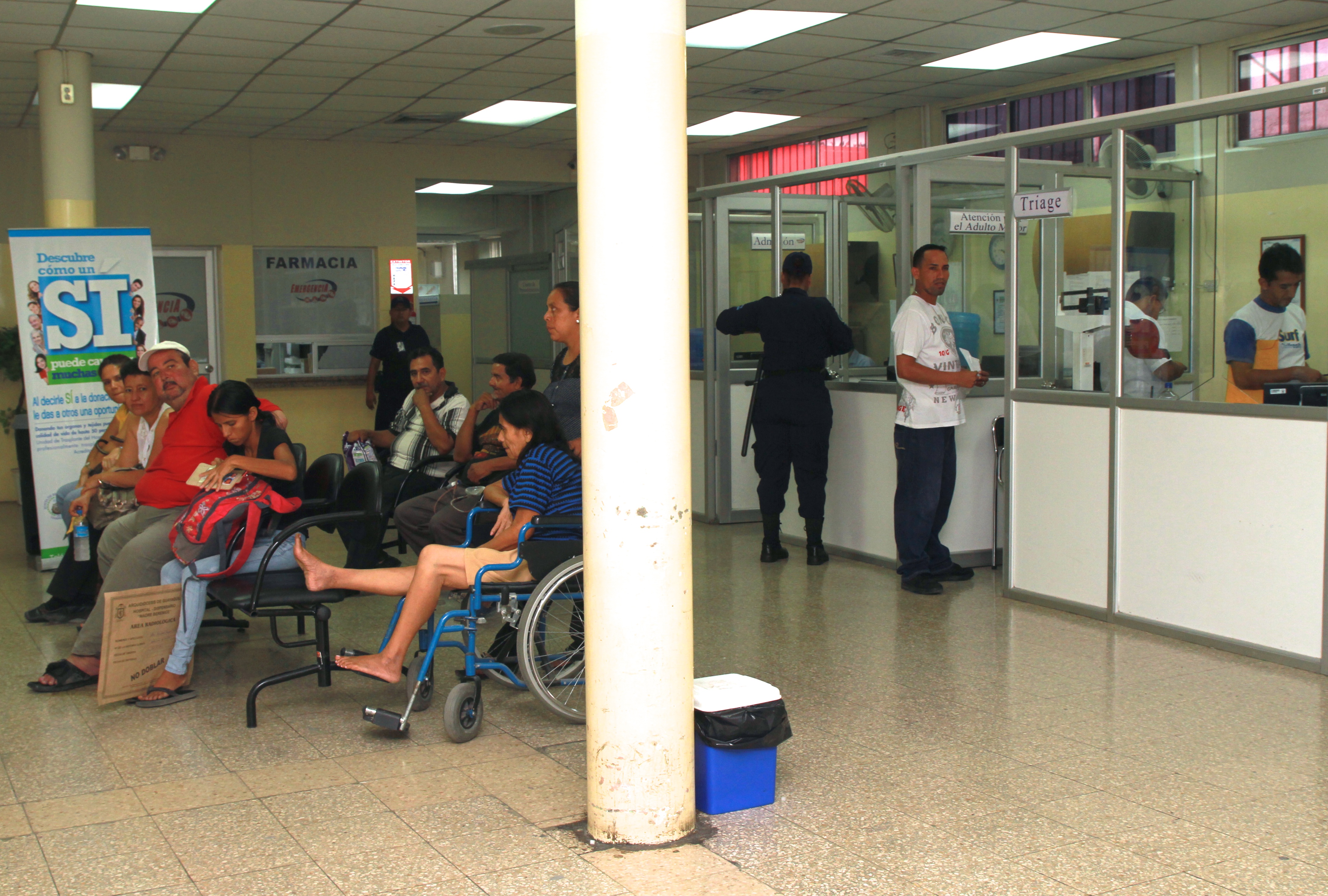
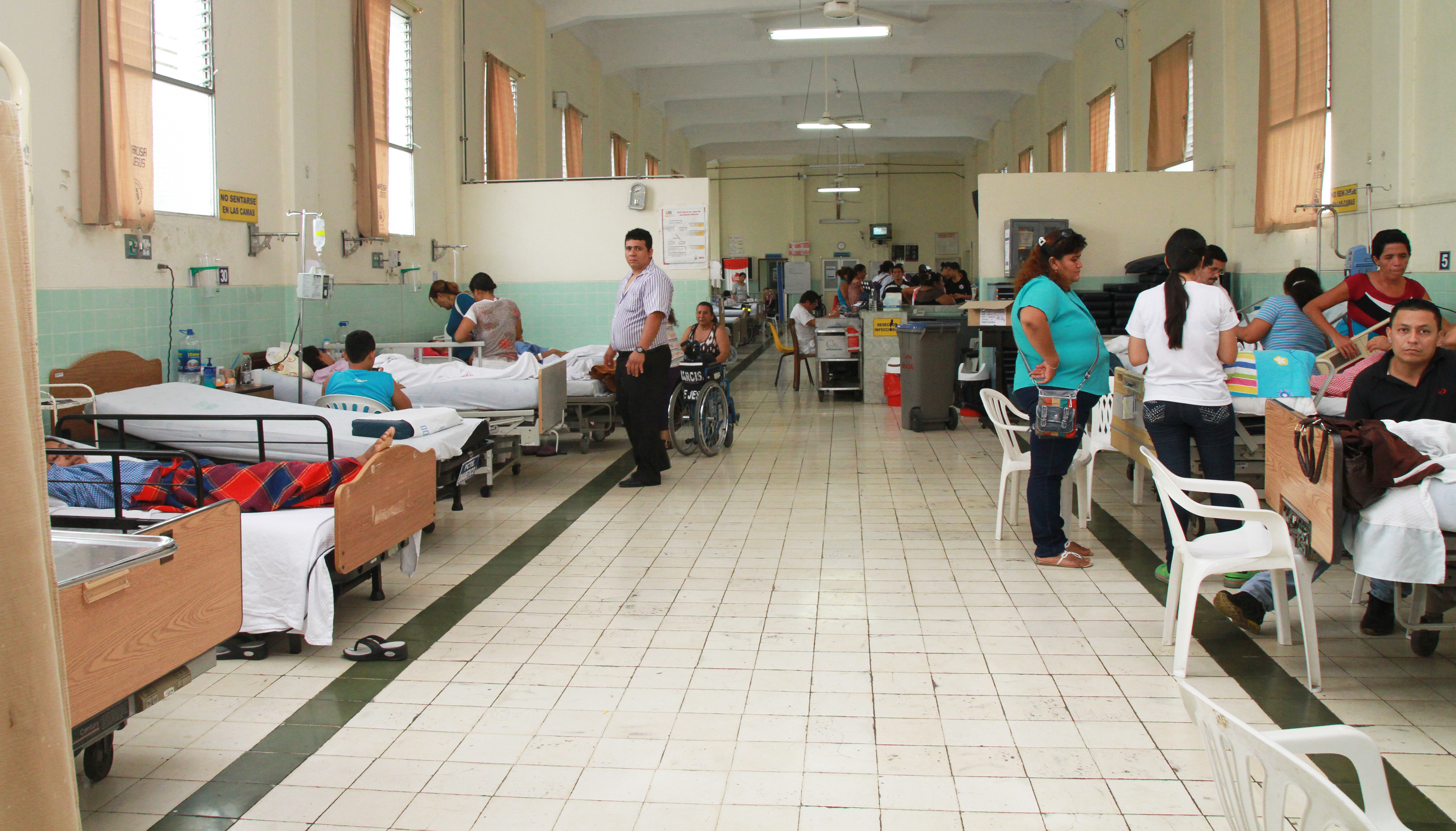
He was kind enough to show us around the ER and ICU. Other than some notable differences, like using a communal patient room, from what I could tell it was run similarly to our home system. There was a triage area where patients were tagged based on their acuity and how serious their problem was determined how long they waited.

IMG_7154edit

guayaquil2

guayaquil1

IMG_7125edit

Mostly people were curious as to what we were doing there but thankful for our help, and as such they were happy to pose for a photo.

IMG_7119edit

The ICU and recovery areas really demonstrate how resourceful people can be with a lack of funds.

IMG_7141edit

guayaquil

Buck’s Traction is the use of weights to hold tension on broken bones. We use this often on broken hips, for instance. In the US, we use weights.  In Guayaquil, they use water jugs. A gallon of water is 2.5 pounds. Good to know.
IMG_7146edit

Even the patients get pretty creative, like this wheelchair one of our knee surgery patients fashioned from an old lawn chair.

guayaquil (1)

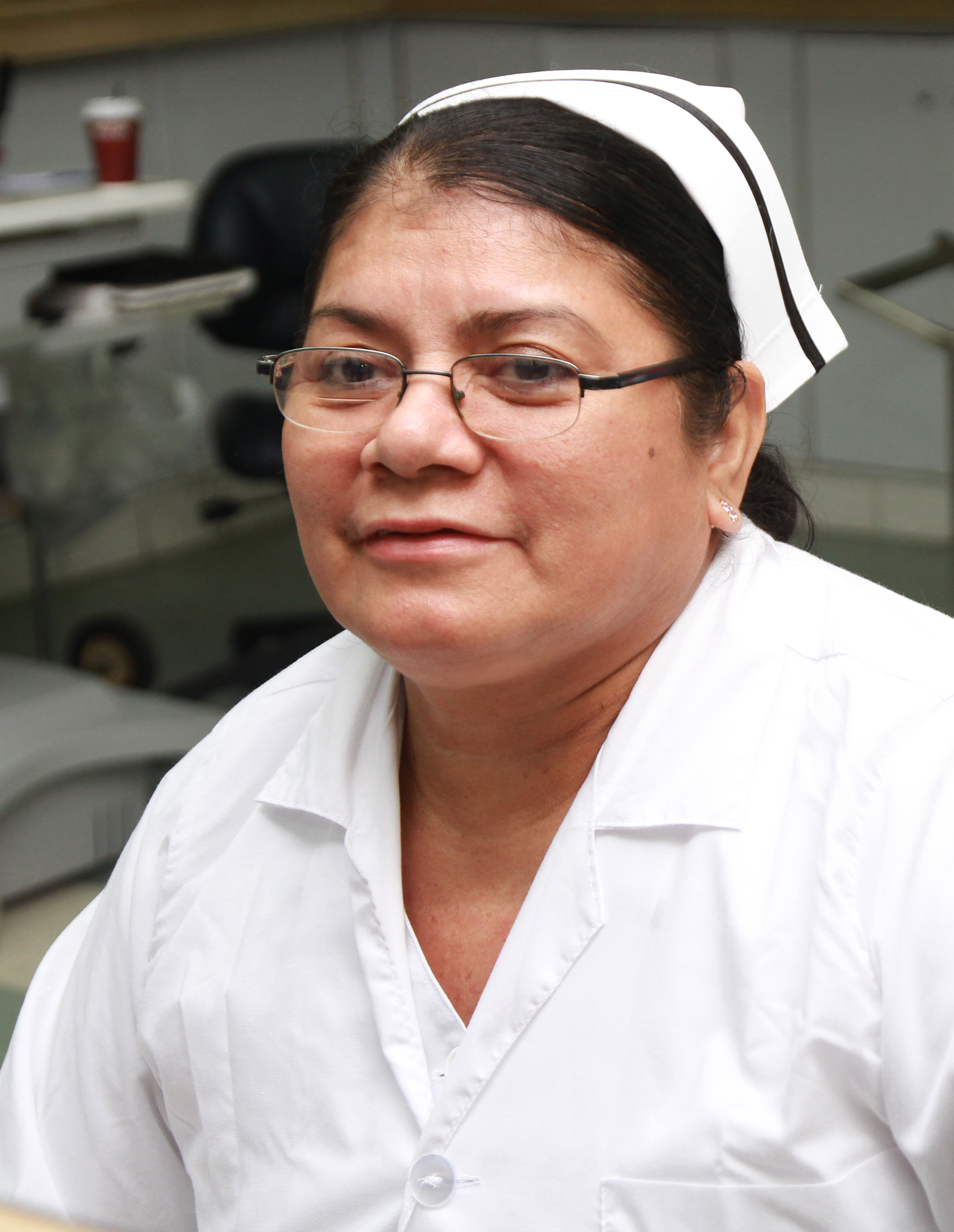
It was nice to see how proud the nurses were of their jobs. Apparently a nurse hat is a badge of honor for female nurses in their community. These women carried their hats to work everyday in protective boxes.

IMG_7197edit

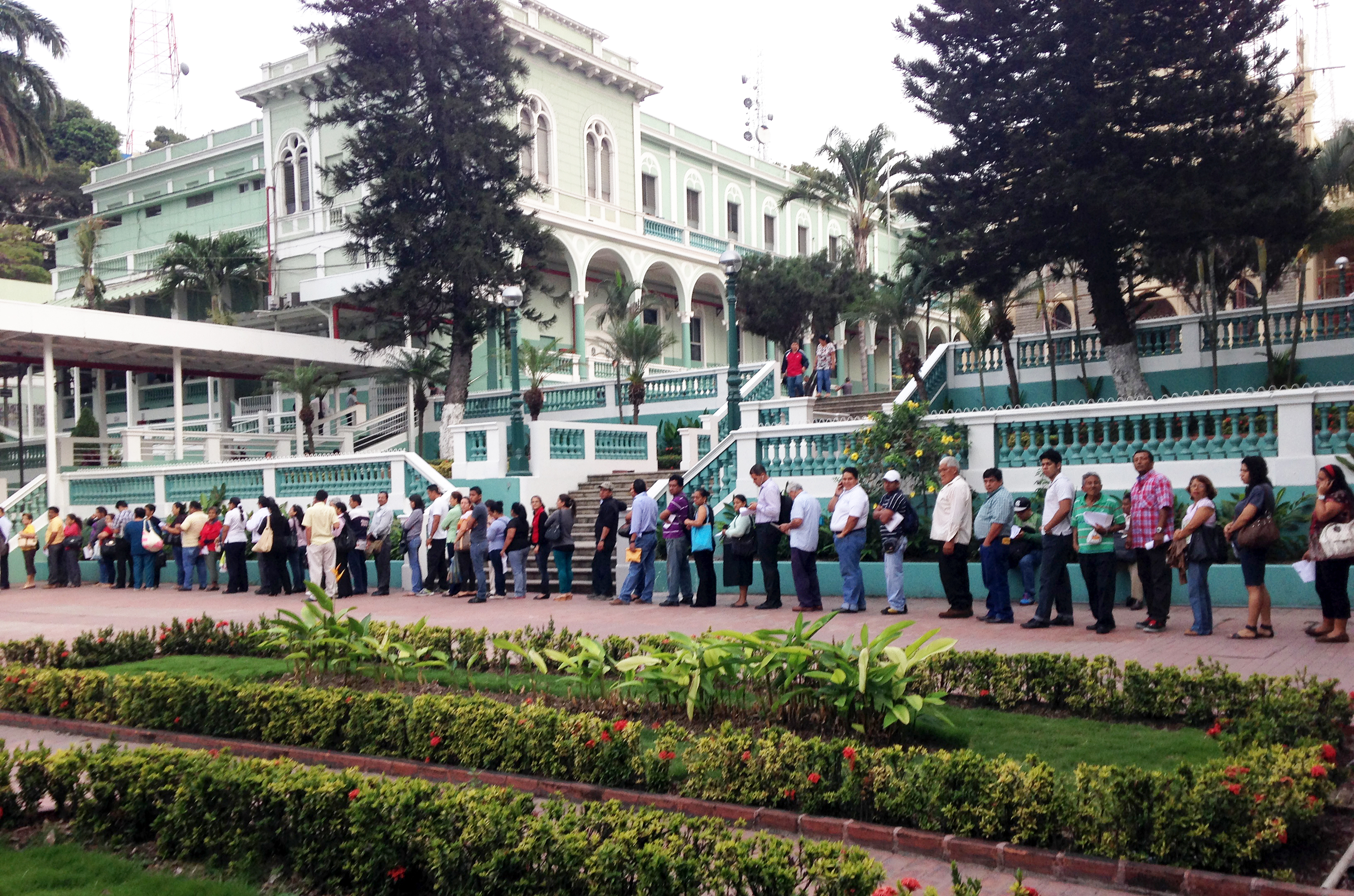
Each day, by the time we arrived at the hospital, a line for the clinic had formed around the courtyard.

IMG_6855edit

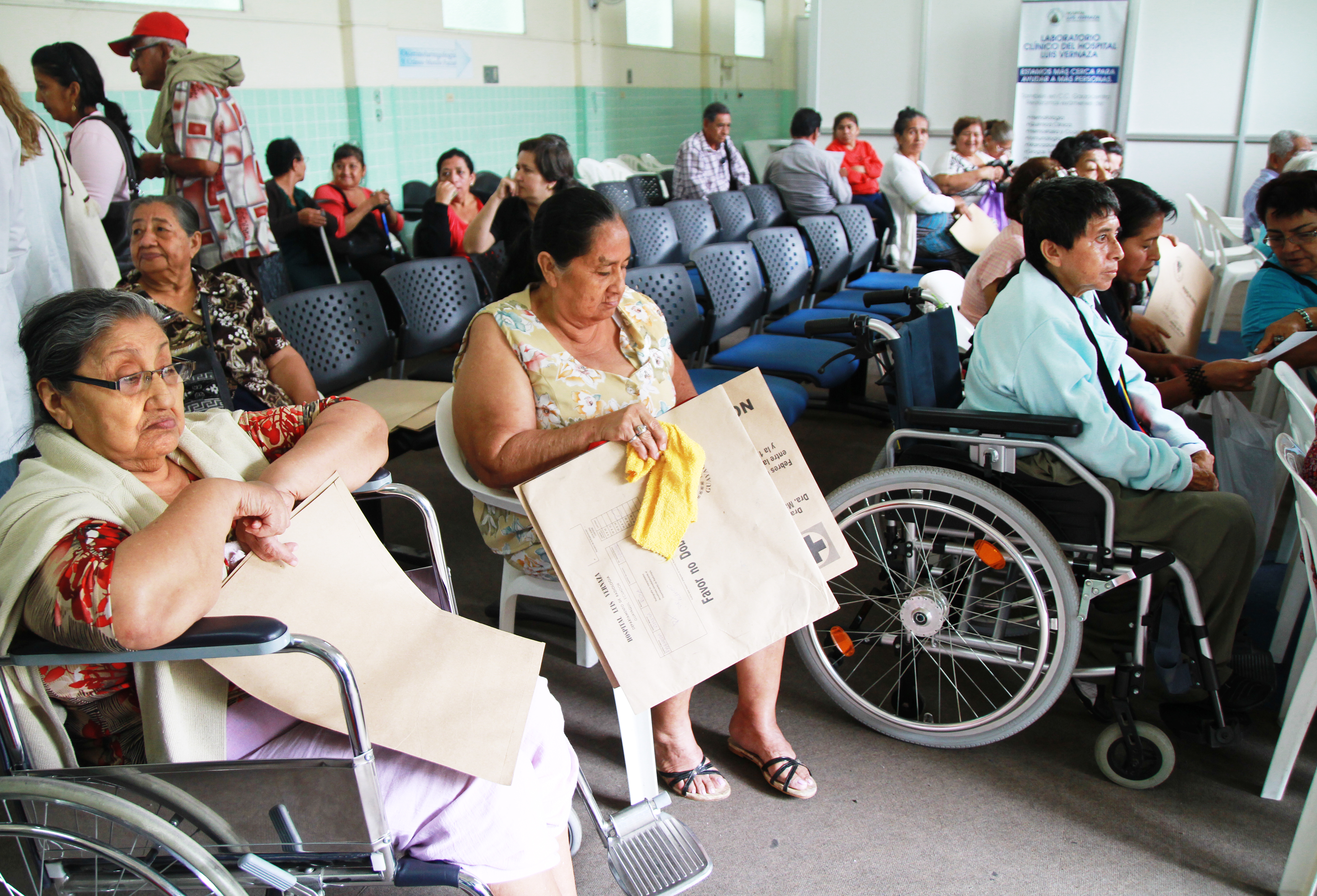
We were only in this clinic on our first day at the hospital.  Though maybe more than a hundred candidates queued up, Dr. Estrada, the orthopedic surgeon, only had time to meet with 60 of them, each with x-rays in hand and the hope of qualifying. Of those 60, he selected 31 cases based on age, need, size and lack of comorbidity.  Though we had to turn away so many, everyone seemed to appreciate the mere fact we were there to help whoever we could.

IMG_6702editIMG_6721editIMG_6713editStay tuned for a look at individual stories of some of the patients we helped.

Guayaquil, Ecuador: An Introduction to the Place

Image

I just returned from a life changing volunteer trip to Guayaquil, Ecuador. I worked in the operating room on an orthopedic surgery team, and helped with 31 knee replacements for people who would never have been able to afford it otherwise. There was also a neurosurgeon, an OBGYN surgeon and a dentist. The people were so thankful and everyone I worked with was amazing. There are so many photos to share that I am going to break it up into at least two posts. In this post I will first establish the place we were in. When we were not working at the hospital, we were able to explore the colorful city.

Image

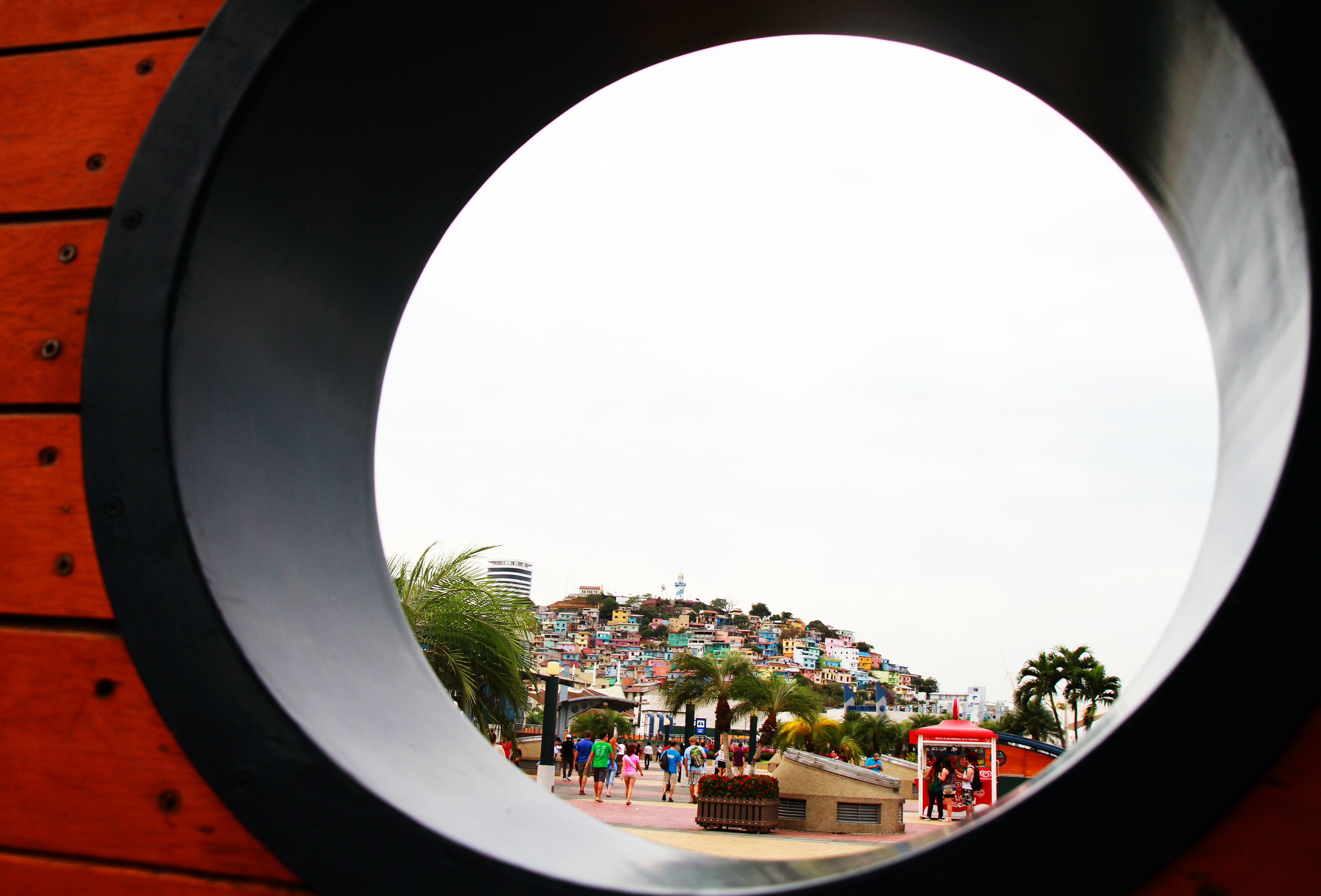
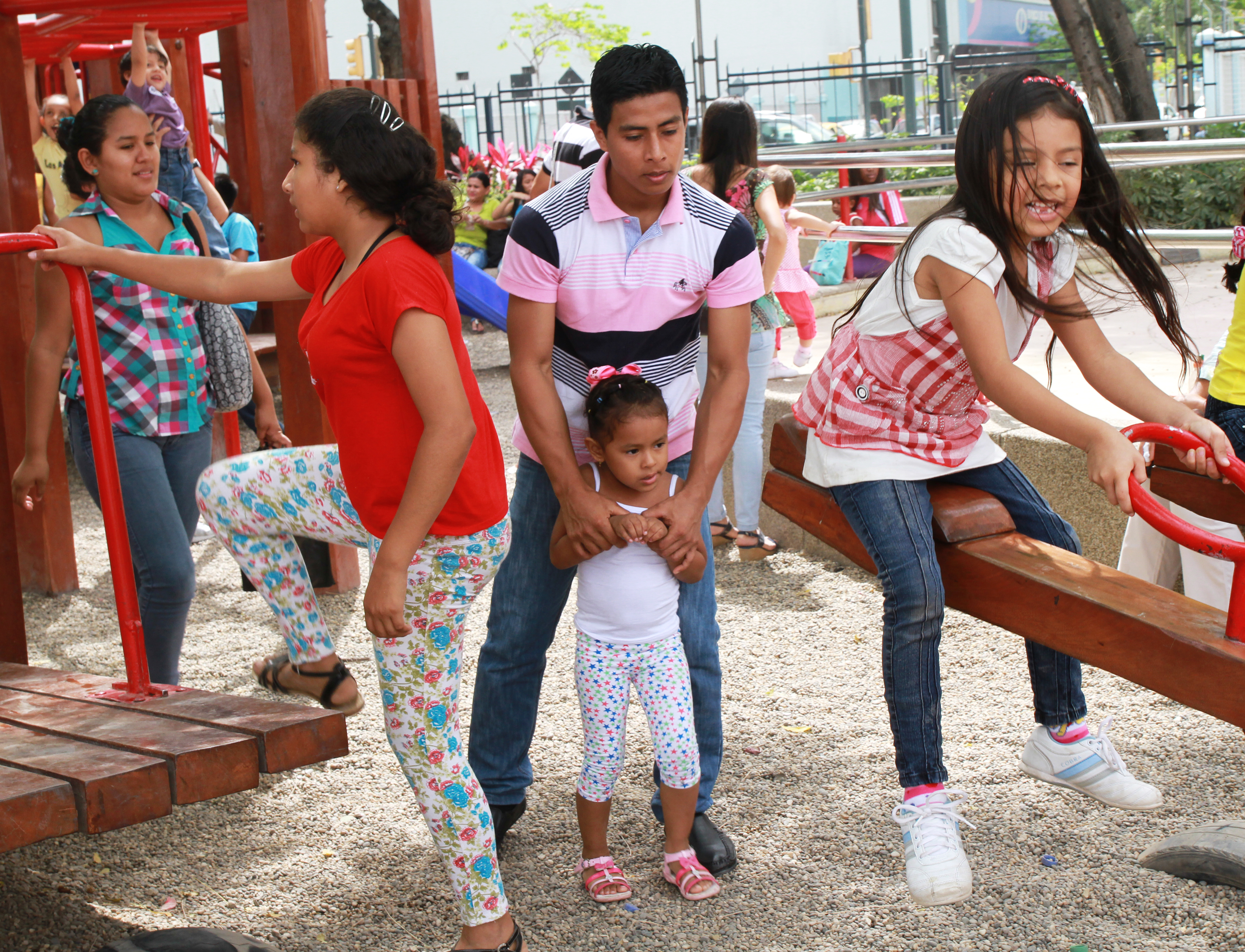
The following photos are along the River Walk- a place where families and friends gather on Sundays and enjoy street food, playgrounds, face paint and shopping.

Image

ImageImage

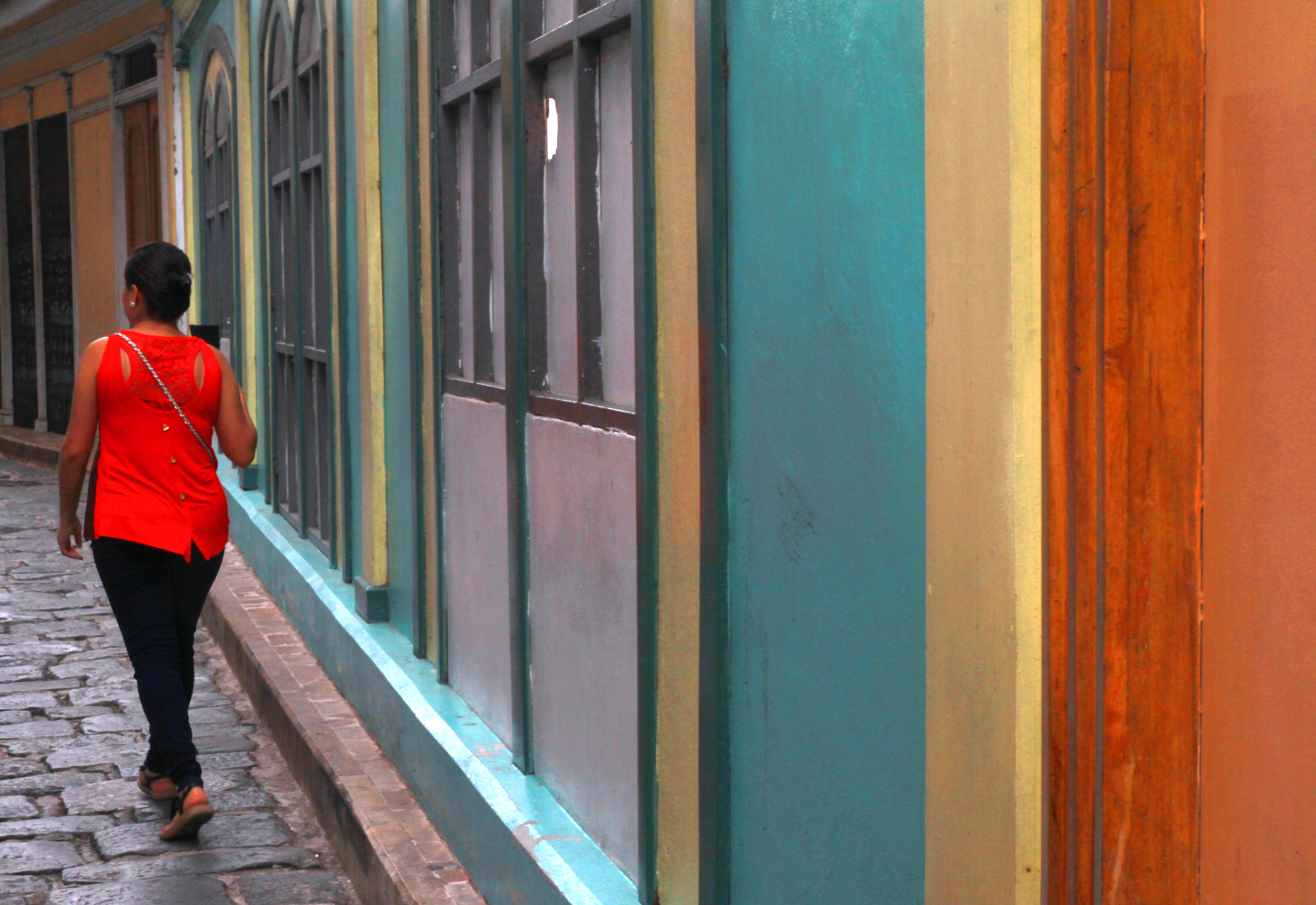
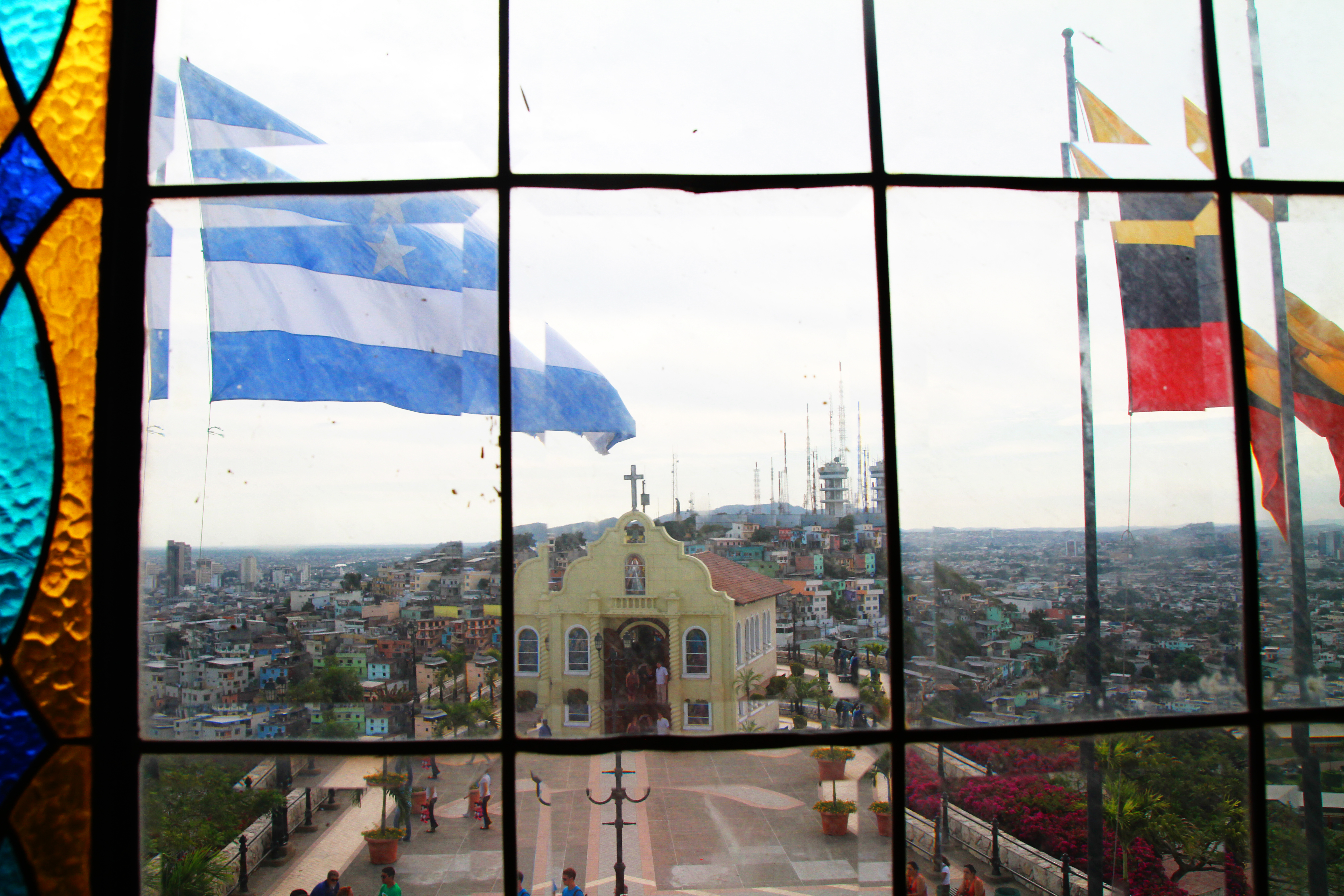
After the River Walk, we began a journey up the oldest part of the city to the lighthouse. There are no cars because it is too steep, and we had to climb 444 stairs to reach the top.

ImageIMG_6770ha

ImageImageImageImage


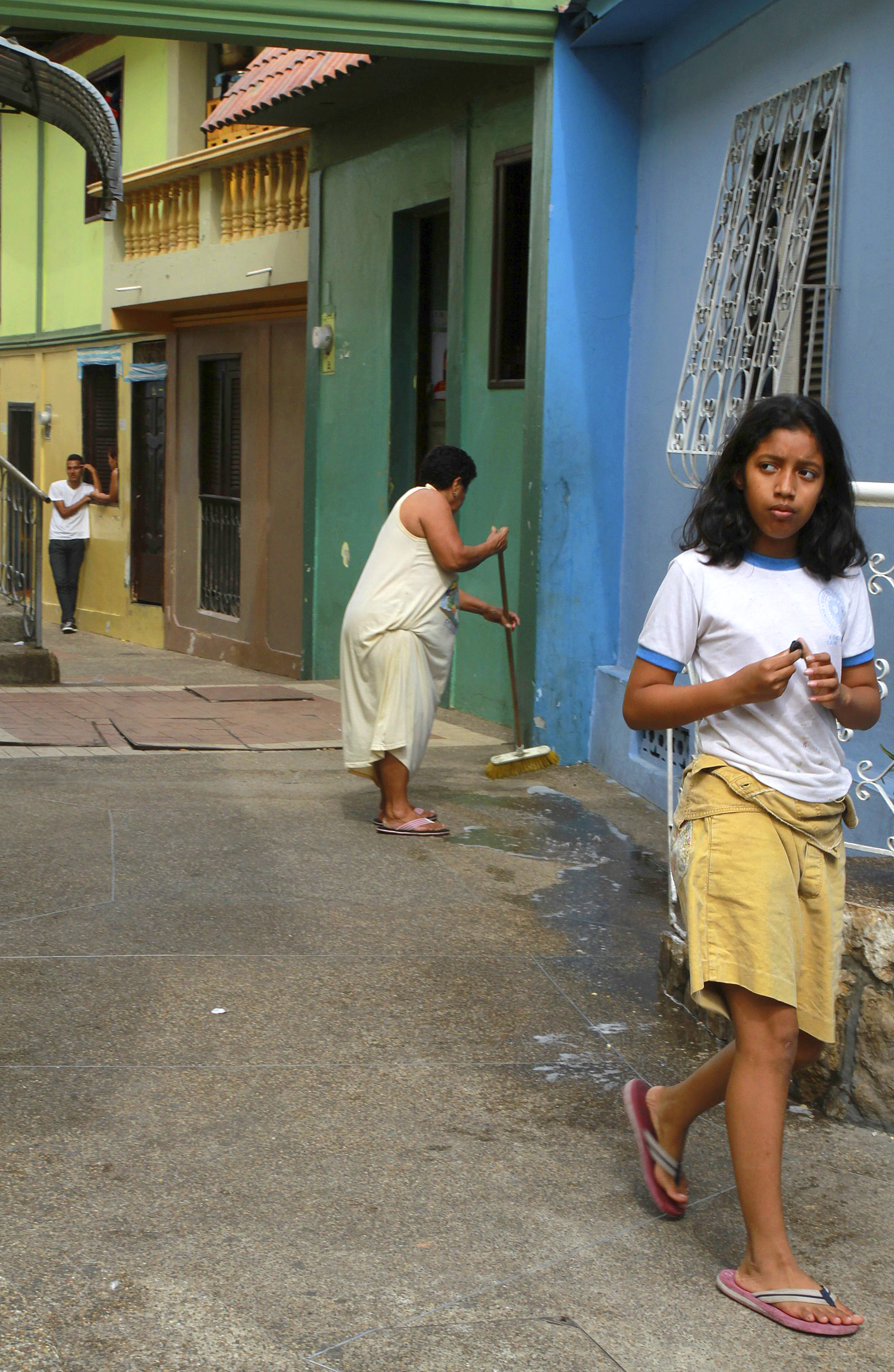
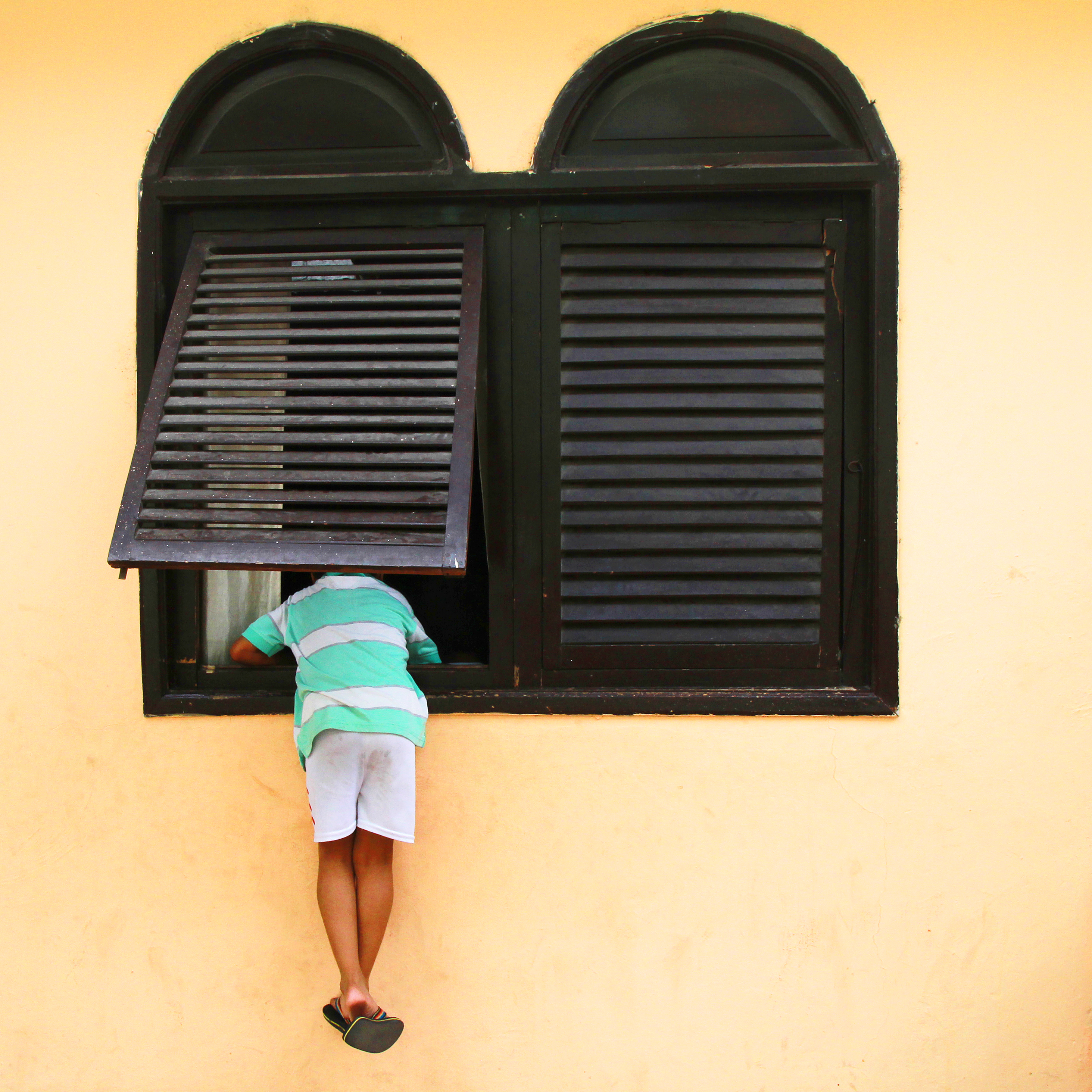
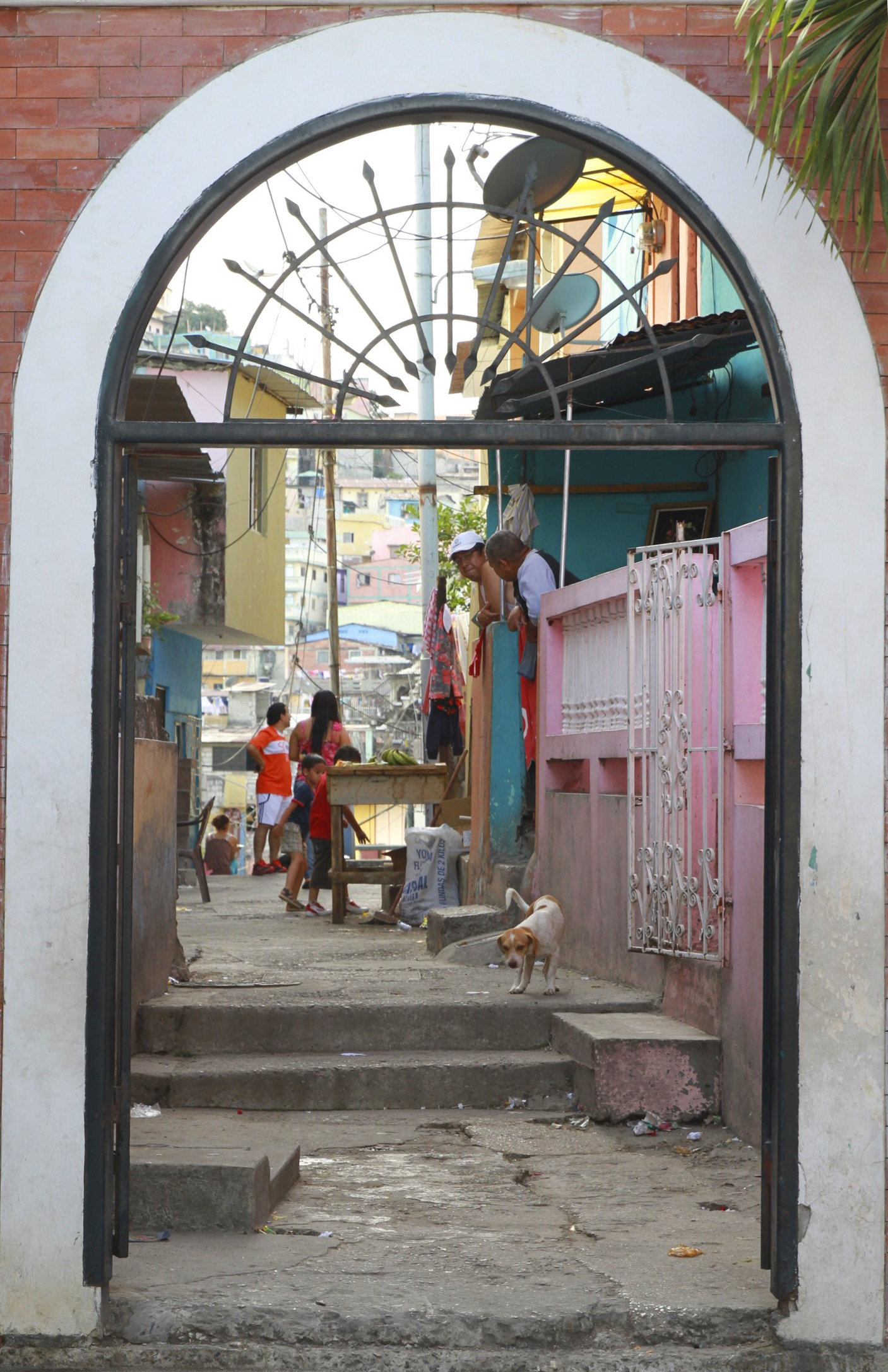
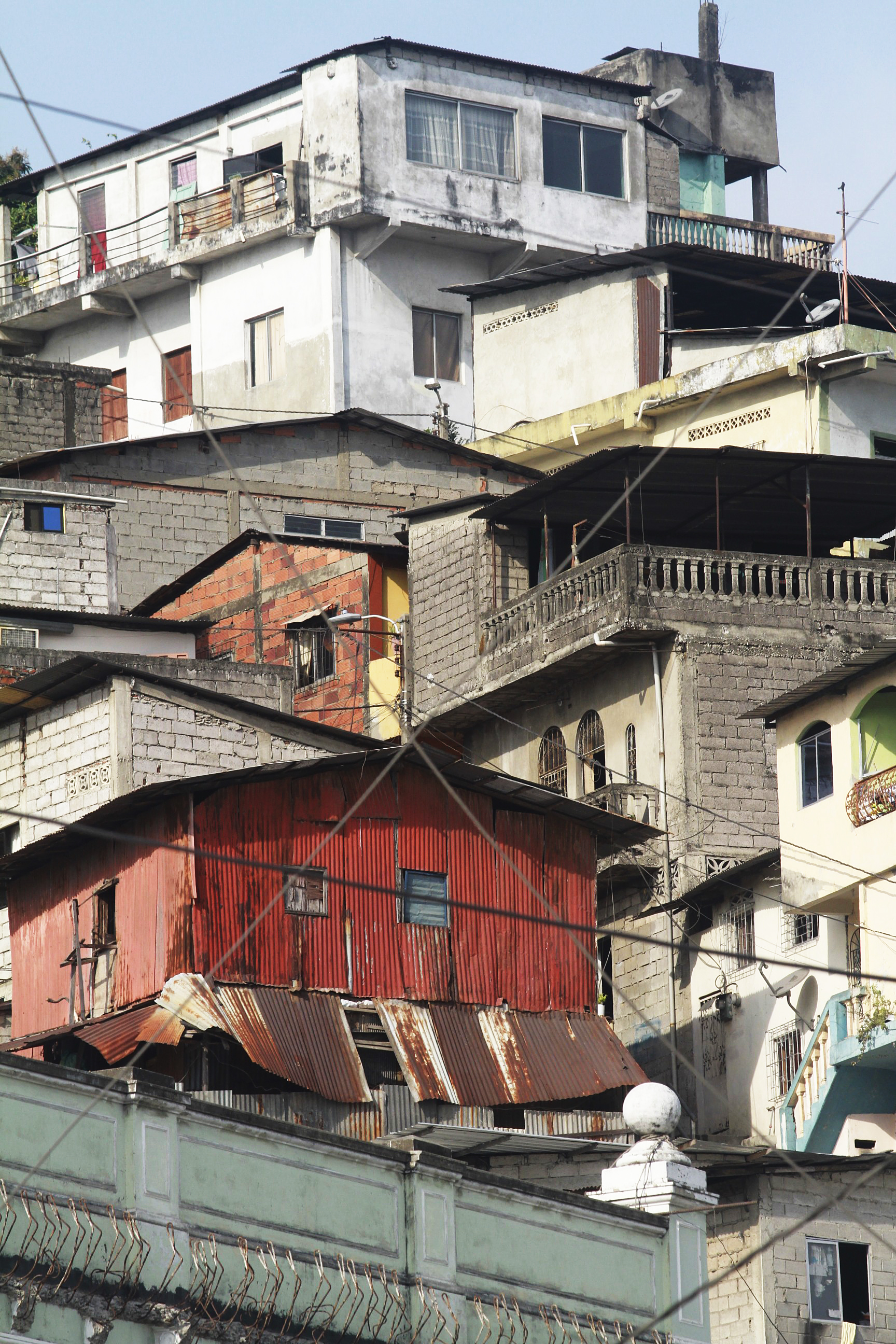
After reaching the lighthouse, we headed back down the 444 steps, and found alleyways that provided a small peek into the old neighborhoods.

ImageImageImage


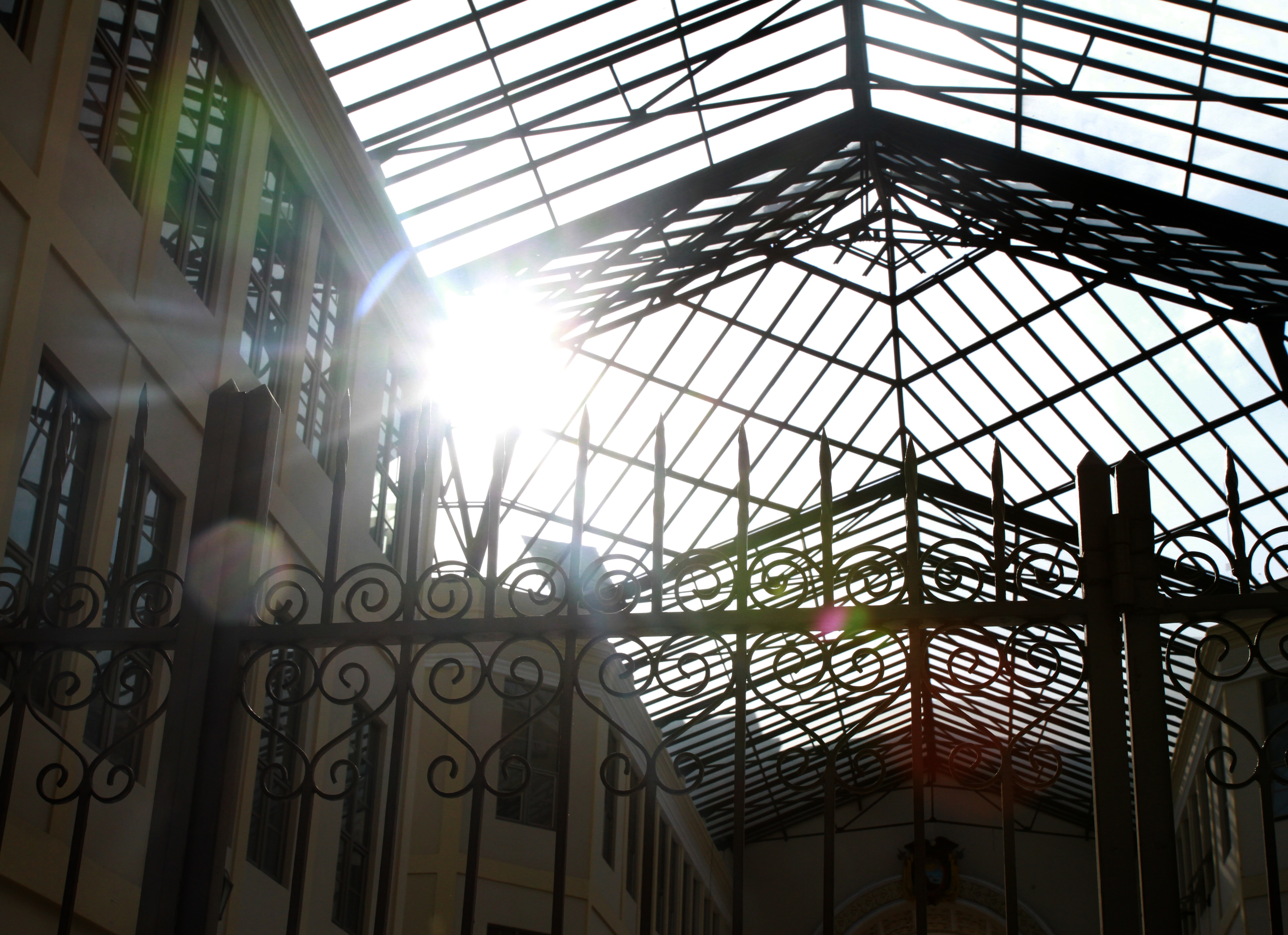
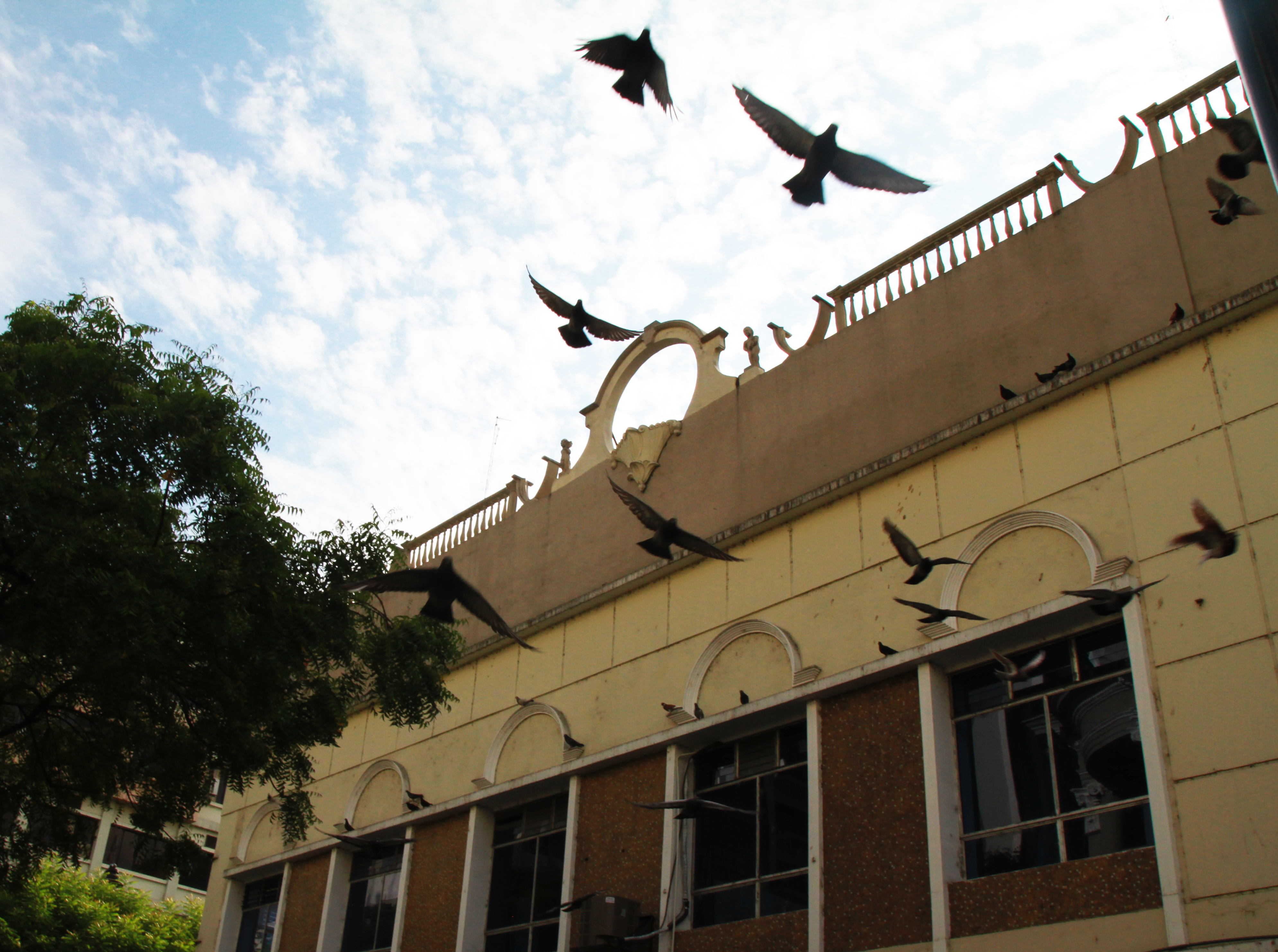
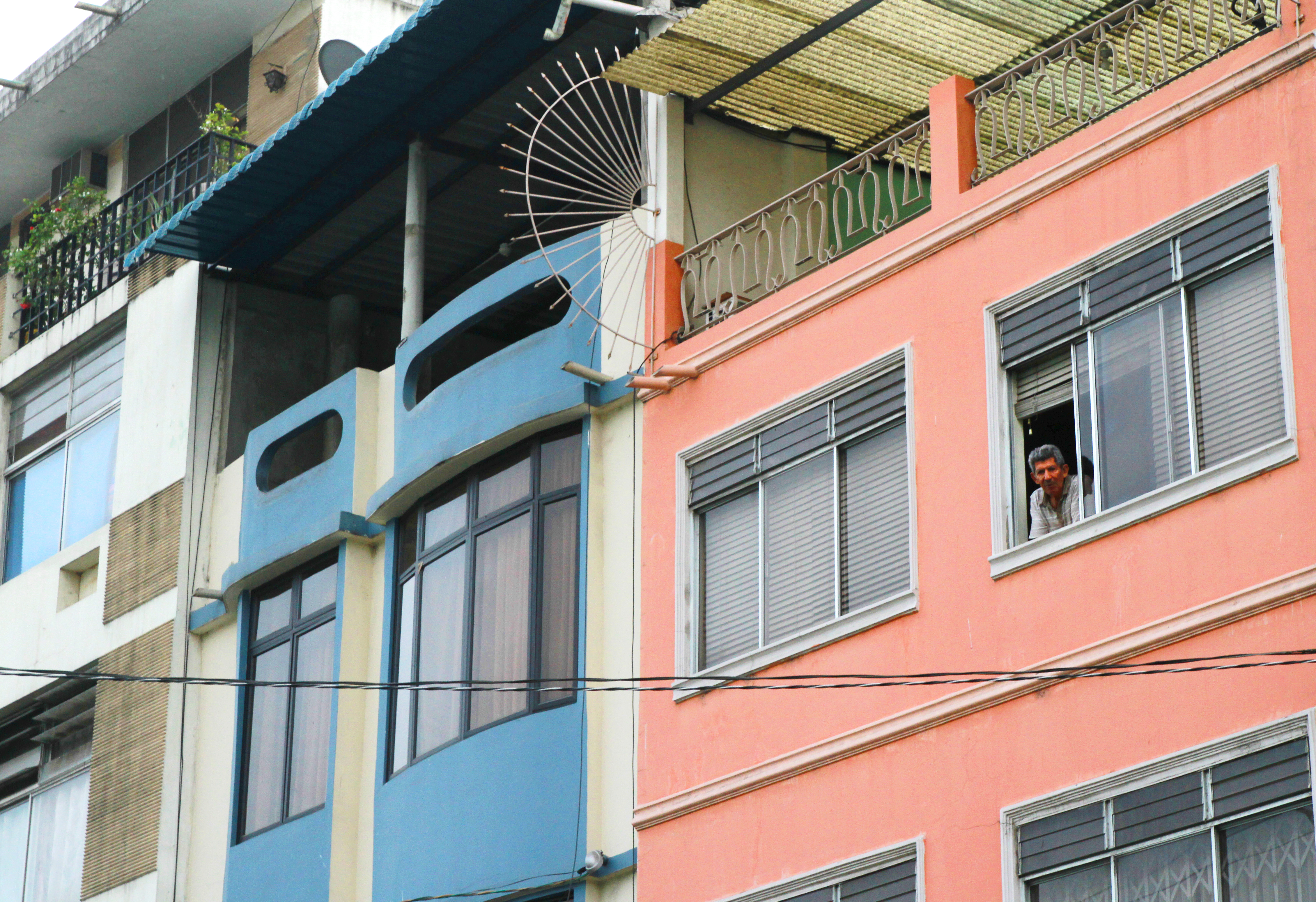
Below are photos from the newer part of the city. The architecture was pretty impressive.

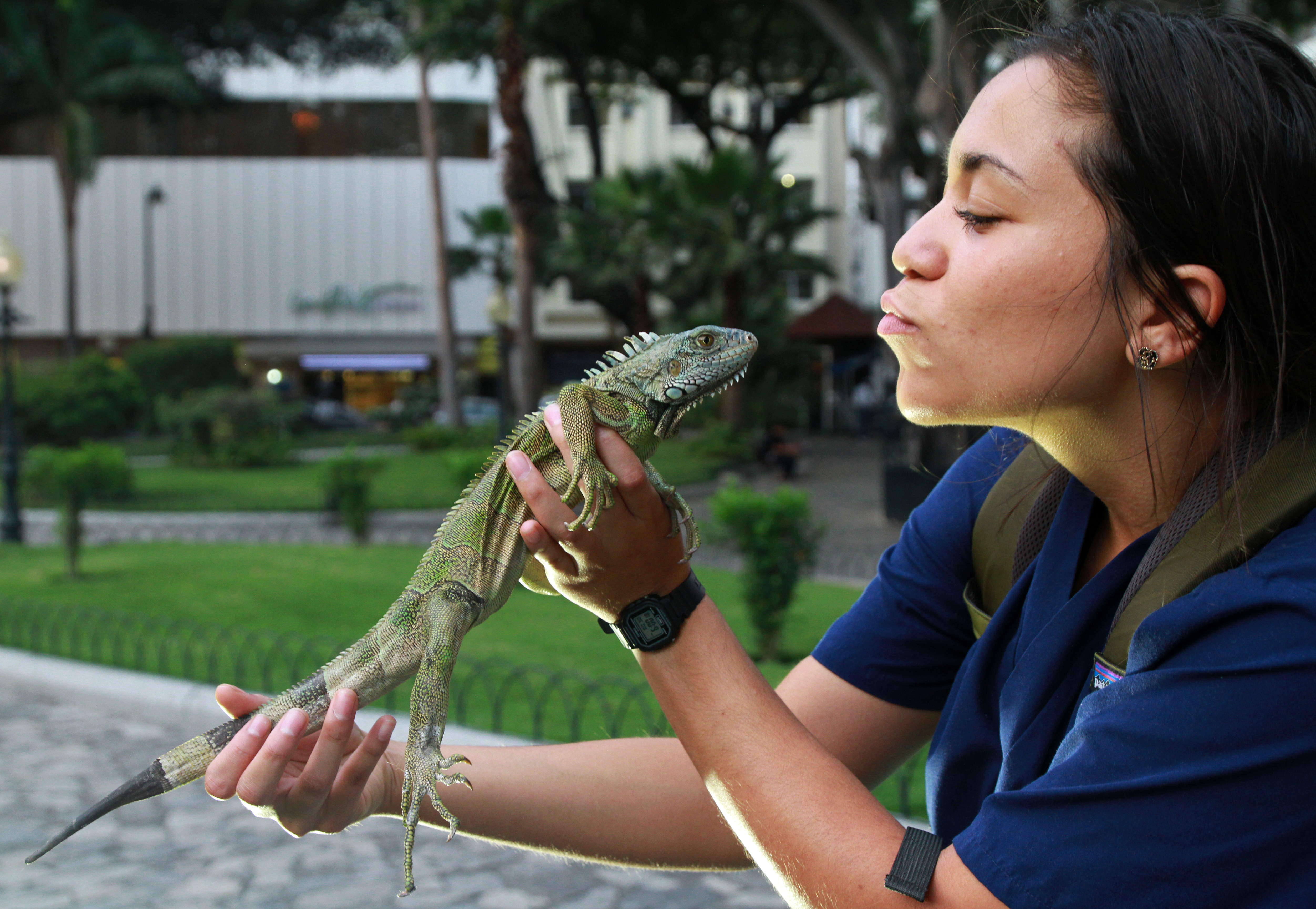
ImageImageImageAcross from our hotel was an iguana park. Alexis, one of lovely volunteers I had the pleasure of working with, held a baby iguana. I also got to hold him and really wanted to take him home with me.

ImageImageIMG_7207editImage

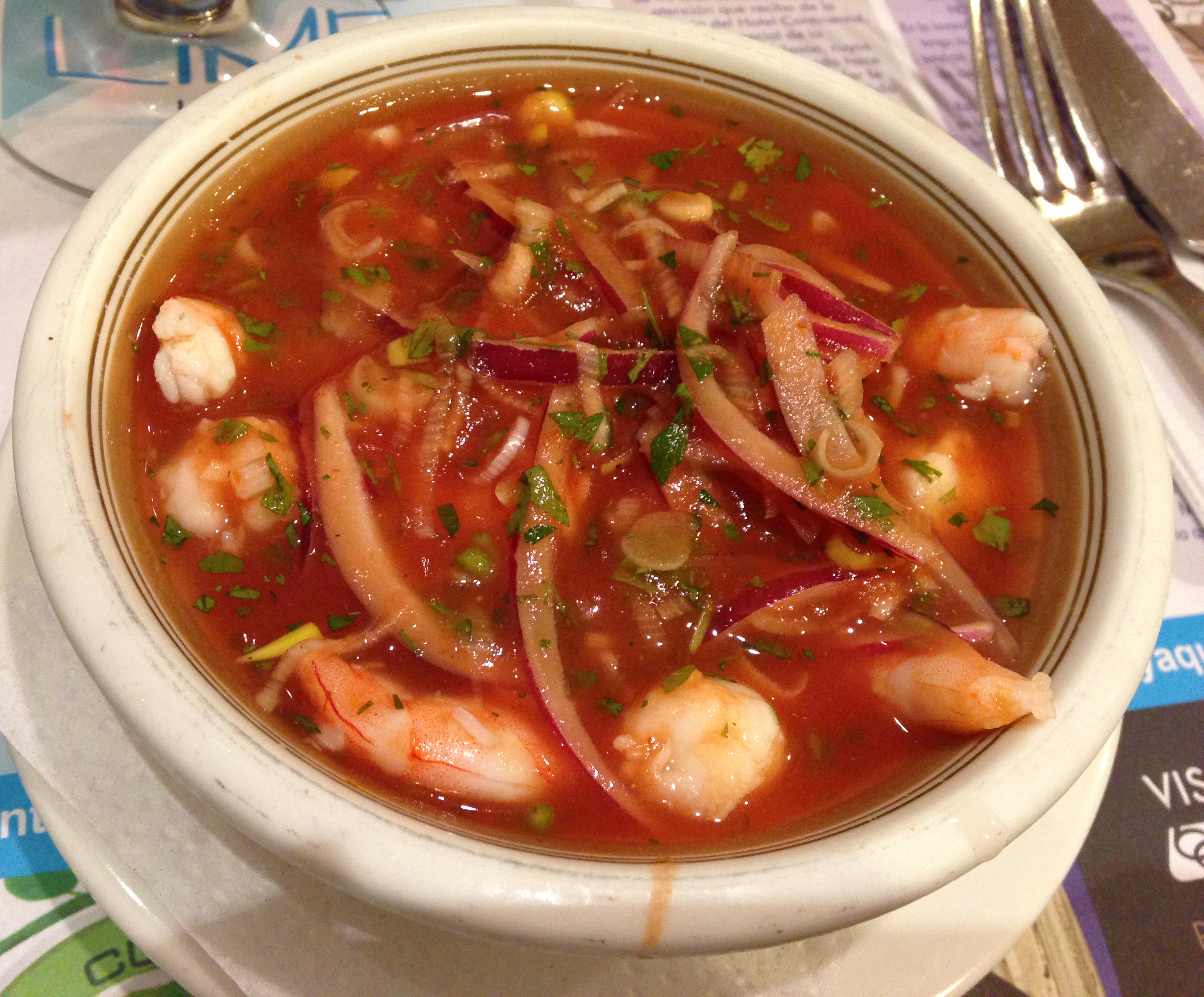
The food was delicious, especially the seafood because it is so fresh. This is a shrimp ceviche.

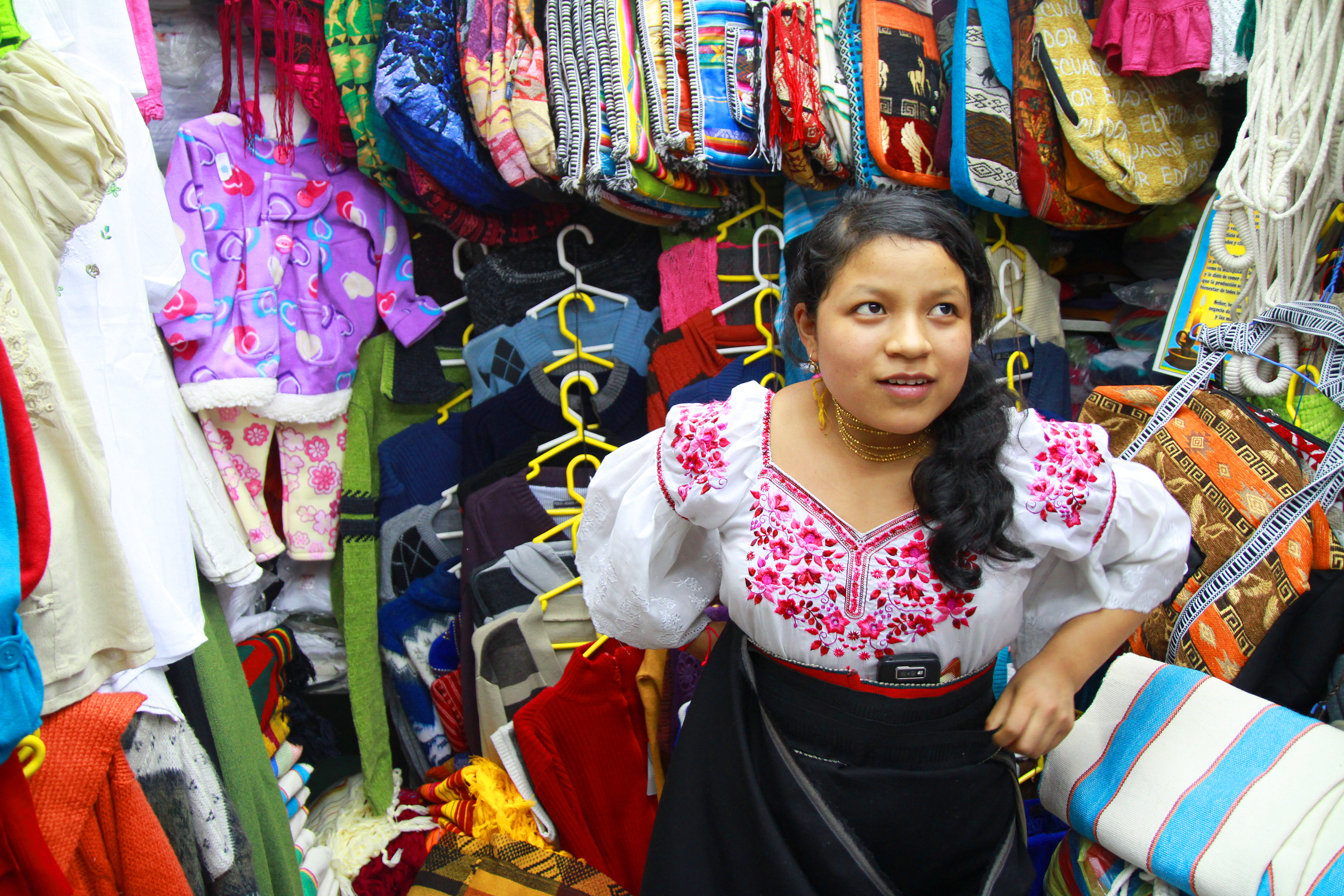
IMG_6786yumThe colorful city was full of colorful merchandise of every kind in the local market. This girl sold me a couple beautiful hammocks that her family hand wove. One of which Ev and I gave to our friends Eric and Alicia for the wedding, which I flew to and photographed right after Ecuador.

IMG_7481edit


Stay tuned for photos from the hospital in my next post.

Nature Photography: A Colorado Adventure in Light, Shadow, Movement, Texture and Detail

Image

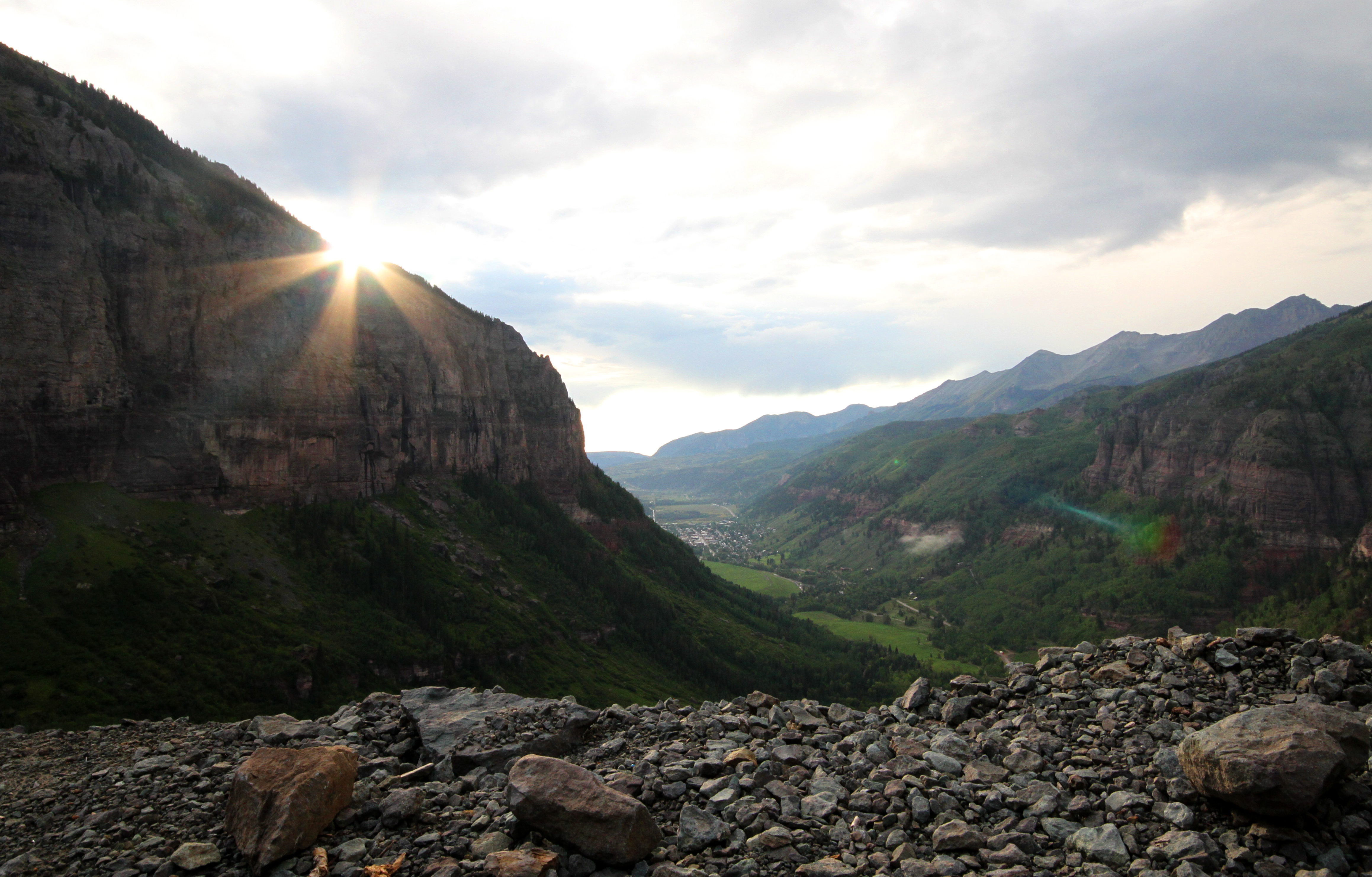
I always thought I didn’t have the patience for landscape and nature photography, and therefore never applied myself in this area, but on a recent trip to Colorado I truly enjoyed not only being in nature but also attempting to capture it’s beauty. Above is a photo looking out over Telluride in the late afternoon, a beautiful little mountain town that I am so glad I finally got the chance to see. One of my best friends, Zachary Zwart, who is like a brother to me, has lived there for years and the visit was long over due. He and his girlfriend, Michael Arnold, were wonderful hosts. They showed me amazing views, like the one above, took me on a lovely hike to a waterfall and pointed me in the direction of a wonderful hike while they were at work.

Image

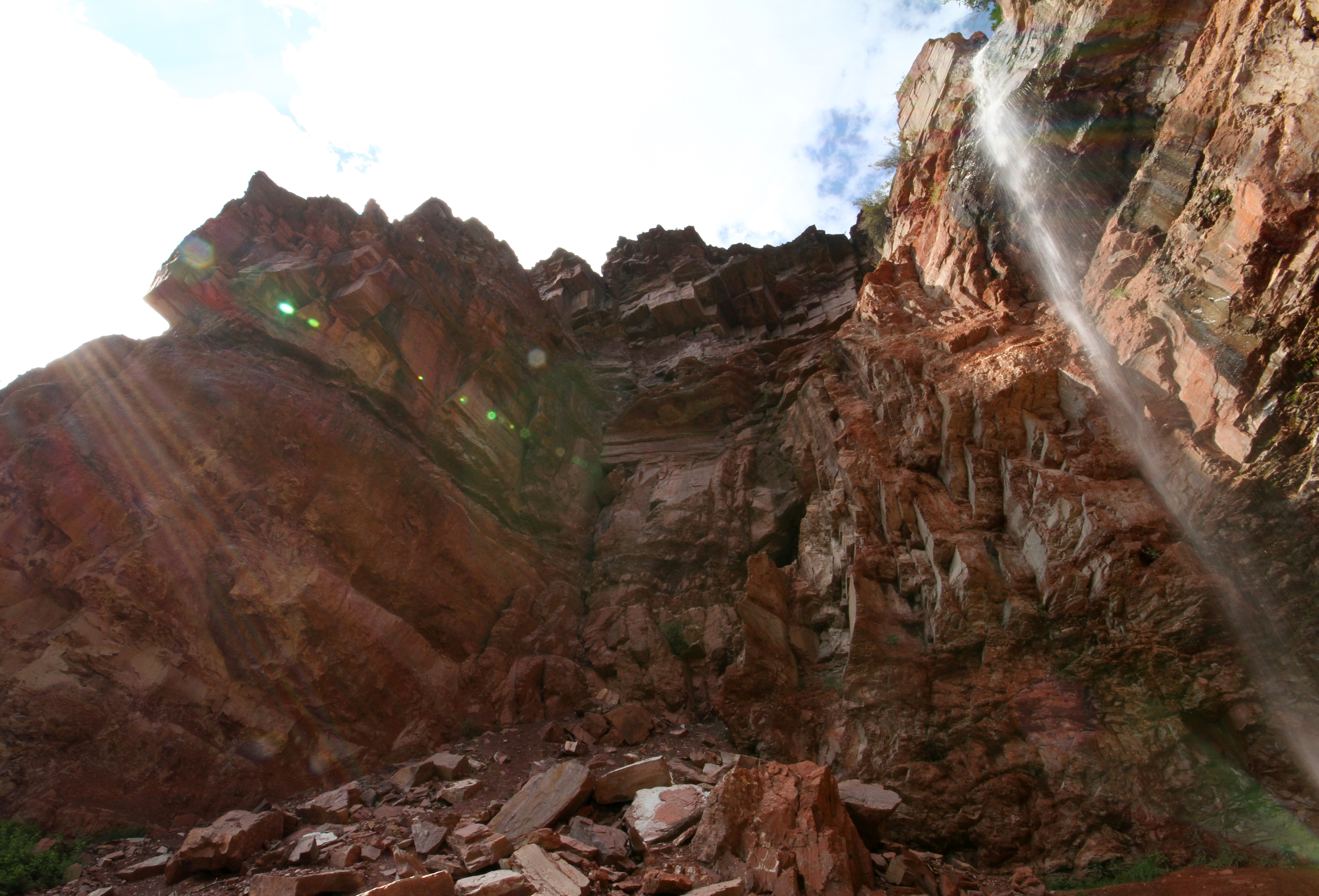
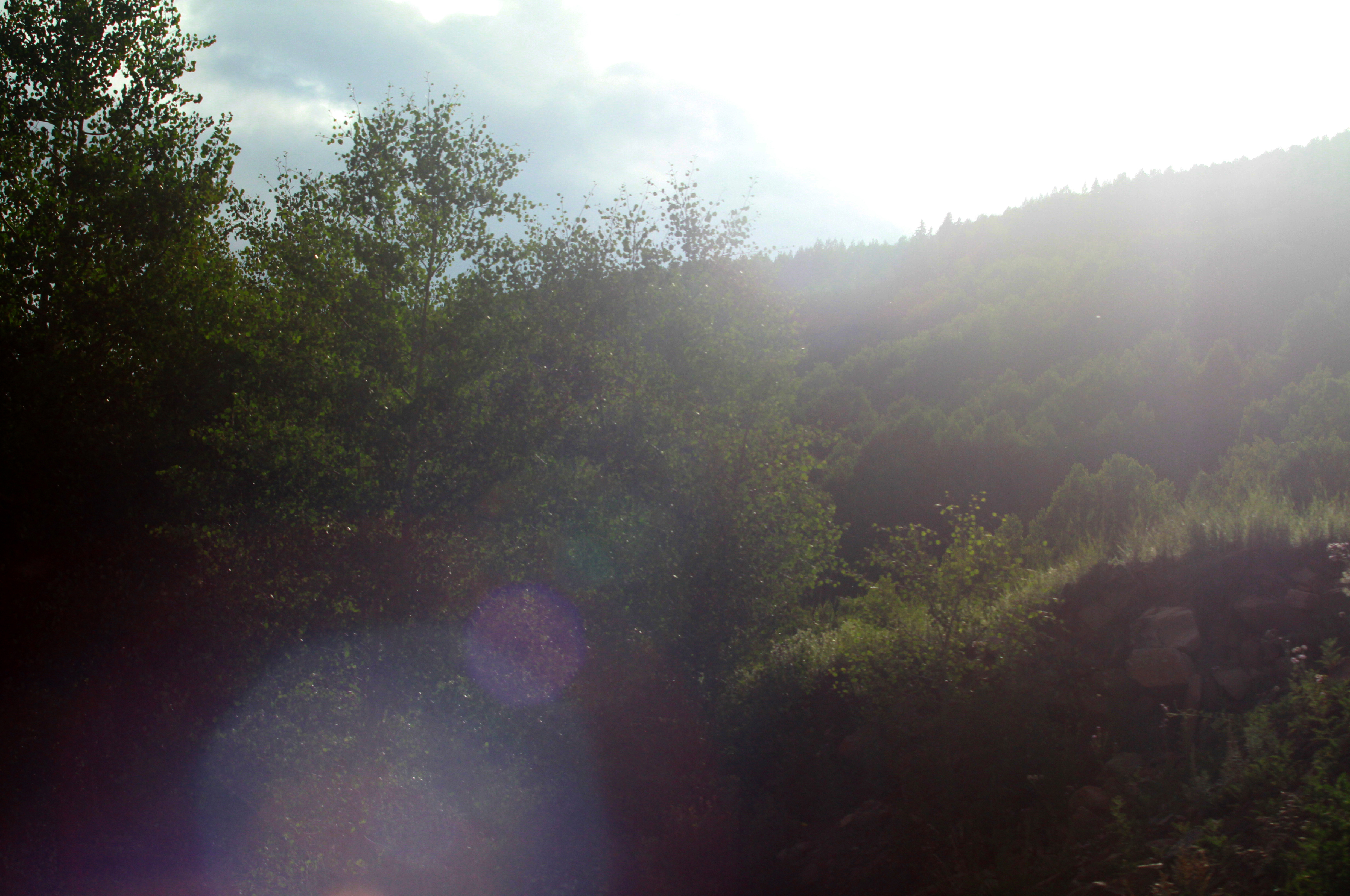
Above is a photo taken on that first hike in Telluride. In a day when everyone has an iphone and when DSLR cameras are becoming more common for the amateur photographer, taking a professional photo rather than a snapshot can appear to be more of a challenge, especially for me when the subject seems static. I think I used to believe that nature photography wasn’t for me because I like journalism and the decisive moment. What I realized on this trip is that nature has a decisive moment too. Even this static cliff has a moving waterfall and more importantly has moving light. Light can make the difference between a snapshot and a piece of art. I took sunset and dusk photos when I could, but at times like this, sun flares (as in my last post) helped make the light more interesting. It is easy to take a stunning picture in a beautiful place, but it is more of a challenge to take a unique one.

The next day there, my friends were at work and I decided to take a hike. I brought a lot of camera equipment with me on this trip. I borrowed my friend’s wide angle lens, brought my telephoto lens, my standard 17-50 mm lens, a fixed 50 mm lens, a flash and a tripod. I had actually never been on a hike by myself and was a little nervous of getting lost or being eaten by a mountain lion, but I figured I would be safe enough. I set out with my camera, all my lenses and even my tripod. Not only was it wonderful exercise (especially with all the extra weight), but I loved having the time to spend taking photos without worrying I was holding people up. I utilized all my lenses and took everything from macro to wide angle.

Image

Image


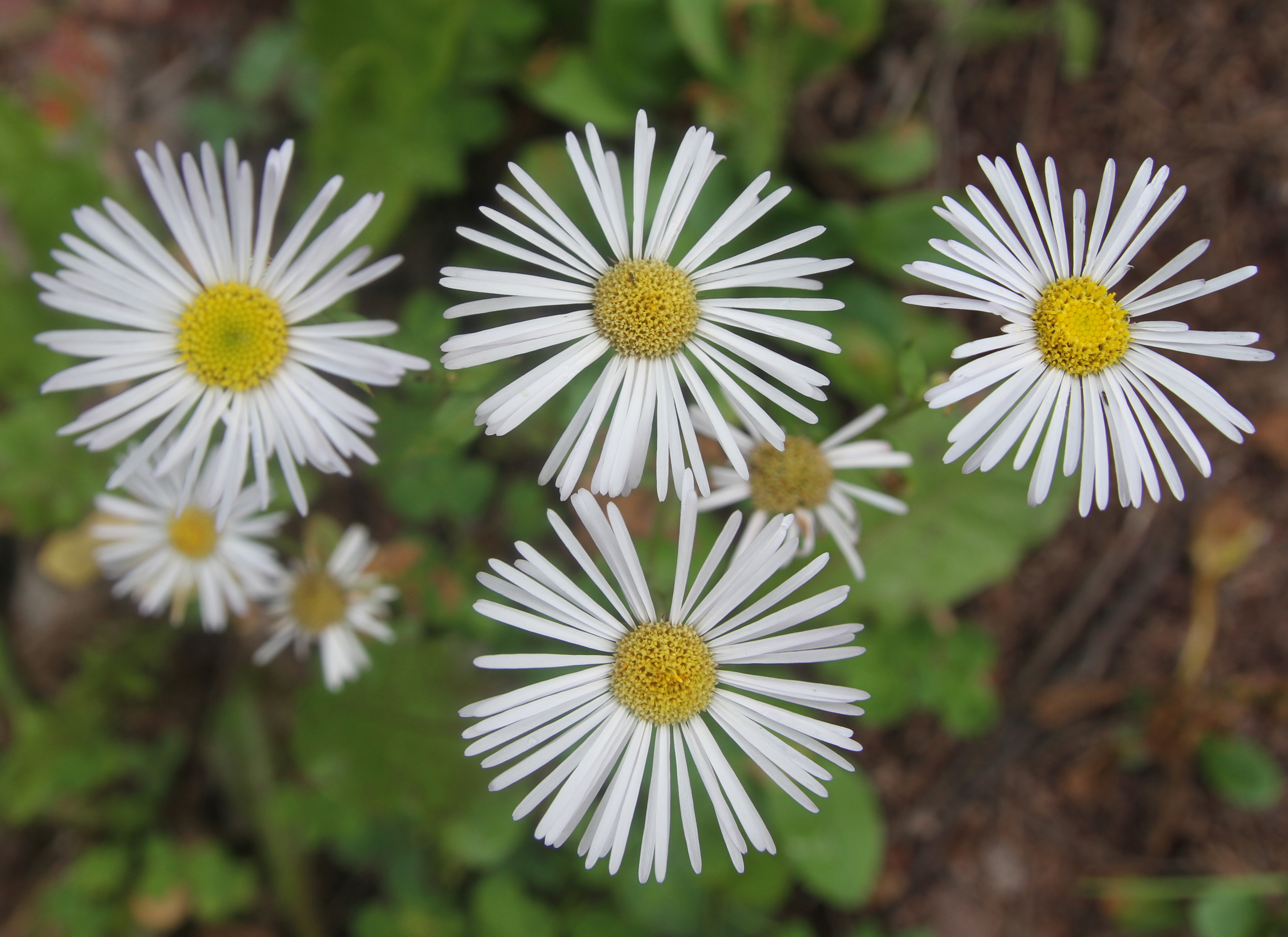
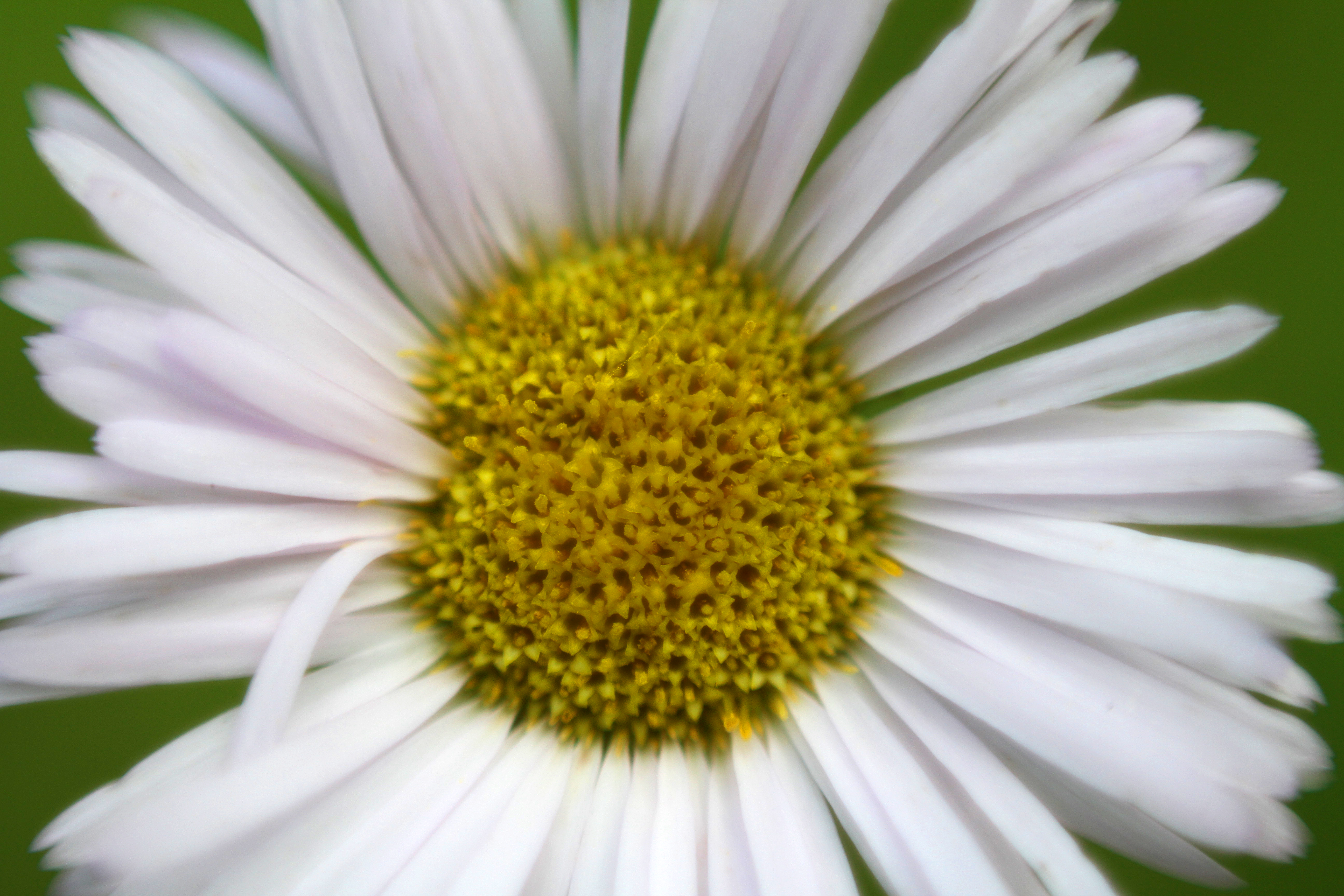
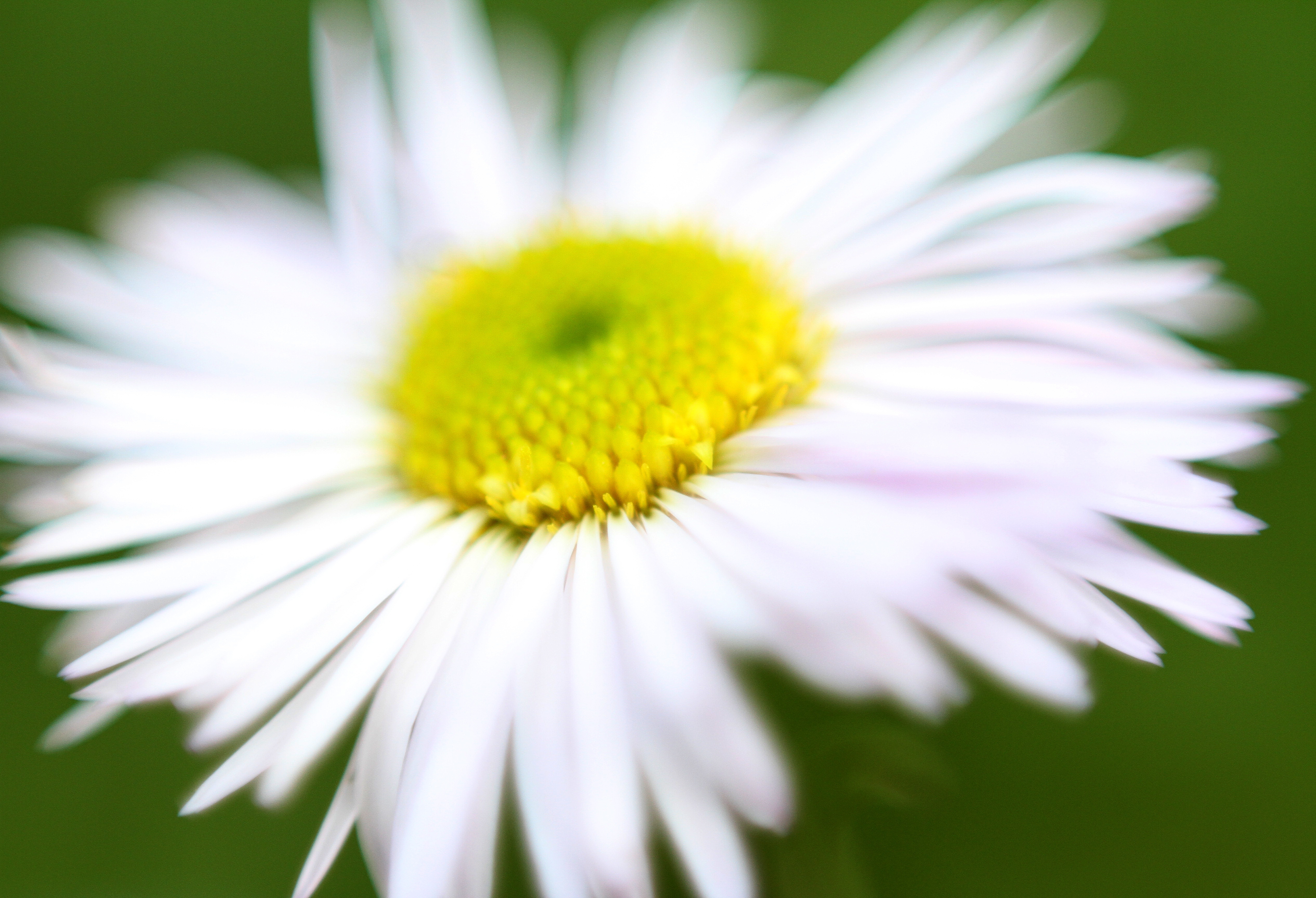
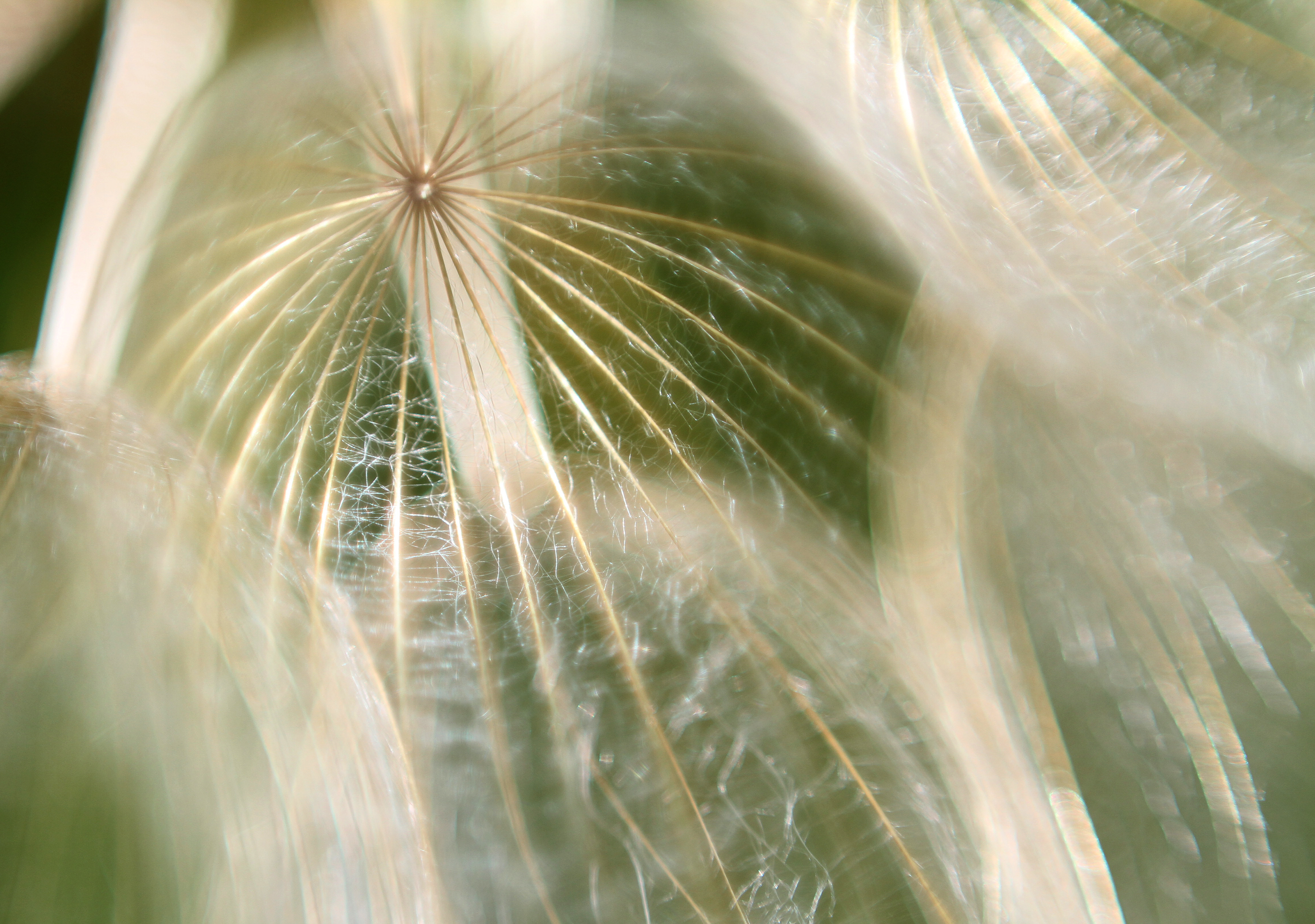
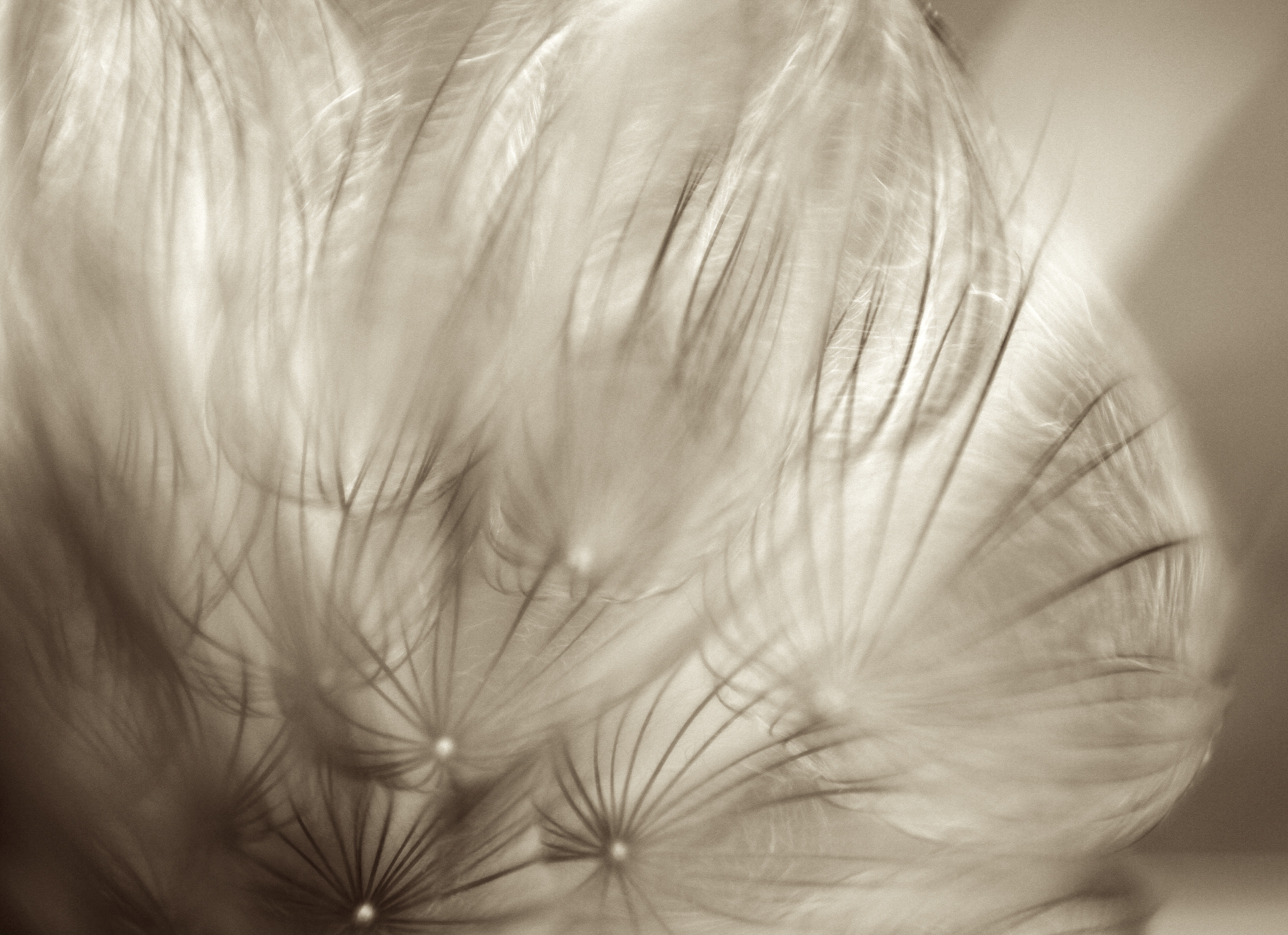
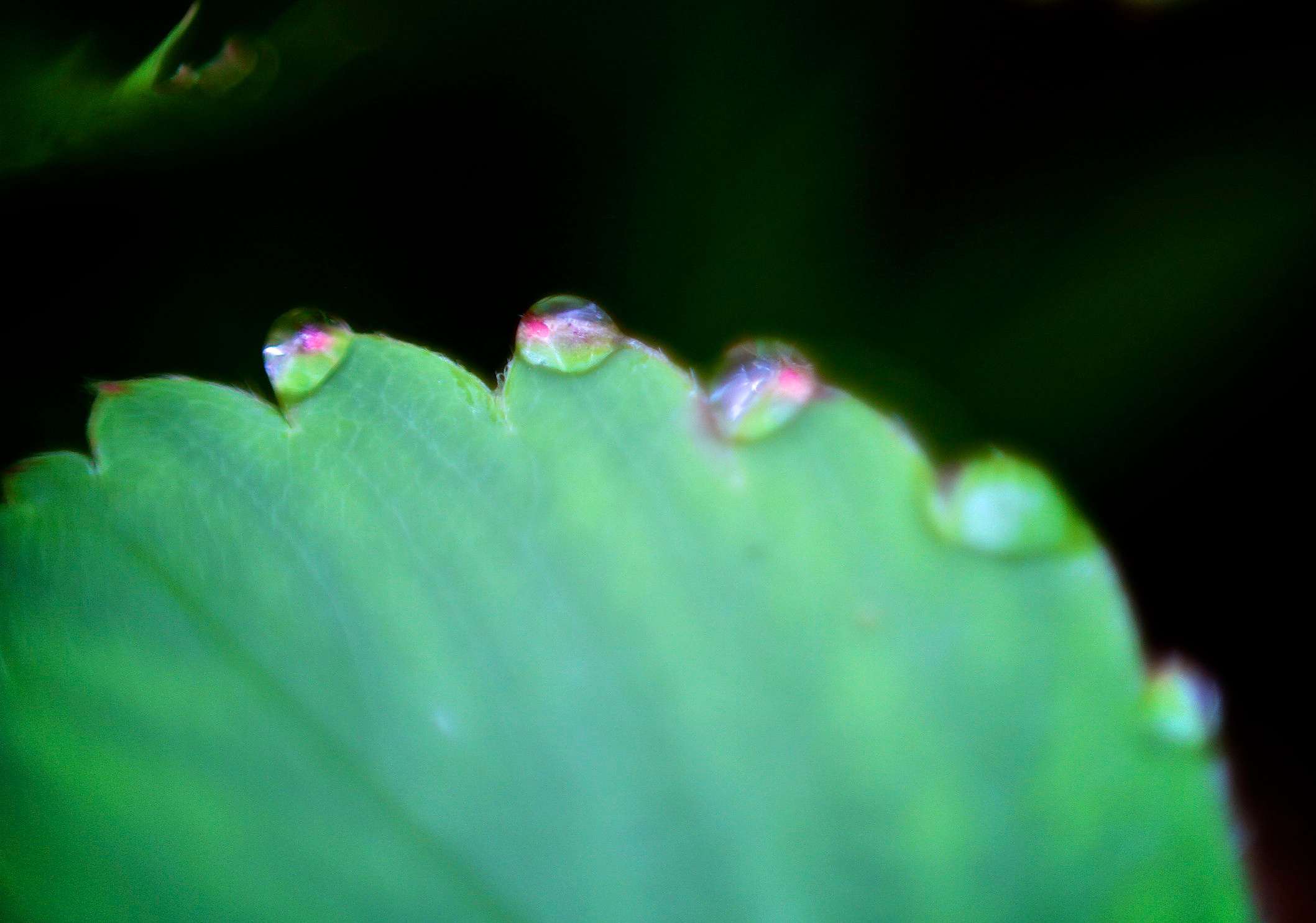
Early on in the trail I took this macro shot of a daisy. The photo above it is a small group of the same flowers. Here’s a trick for those, like me, who have not shelled out the money for a macro lens. I love playing with macro photography, but I just don’t have consistent enough of a need for one to justify the expense. If you have a fixed 50 mm lens, you can hold it against your camera backwards to simulate a macro lens. That is how I took the above photo. It is a bit hard to focus (move your camera closer and further from the subject to focus on it), but you definitely get some cool effects. Here are a few more examples, all of which except the last one were taken on this hike. The last one was taken the next day.

Image

Image


Above is a wider shot of the next two macro shots.

Image


Image

Image


Image


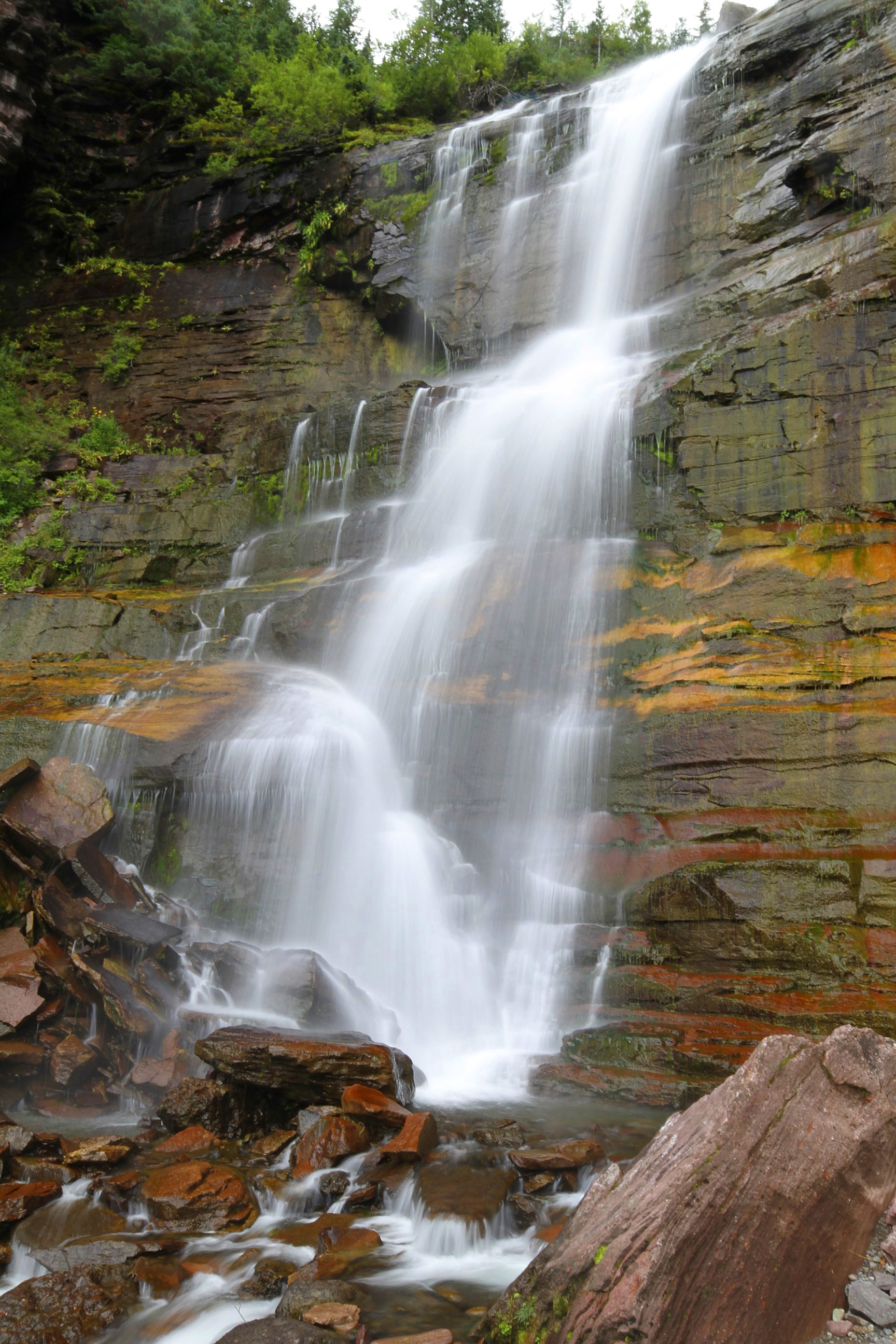
At the end of the hike, there was a waterfall. I first used my wide angle lens to capture the whole thing. I put my camera on a tripod so I could use a low shutter speed. This effect makes the water smoother and gives it a dreamlike quality.

Image


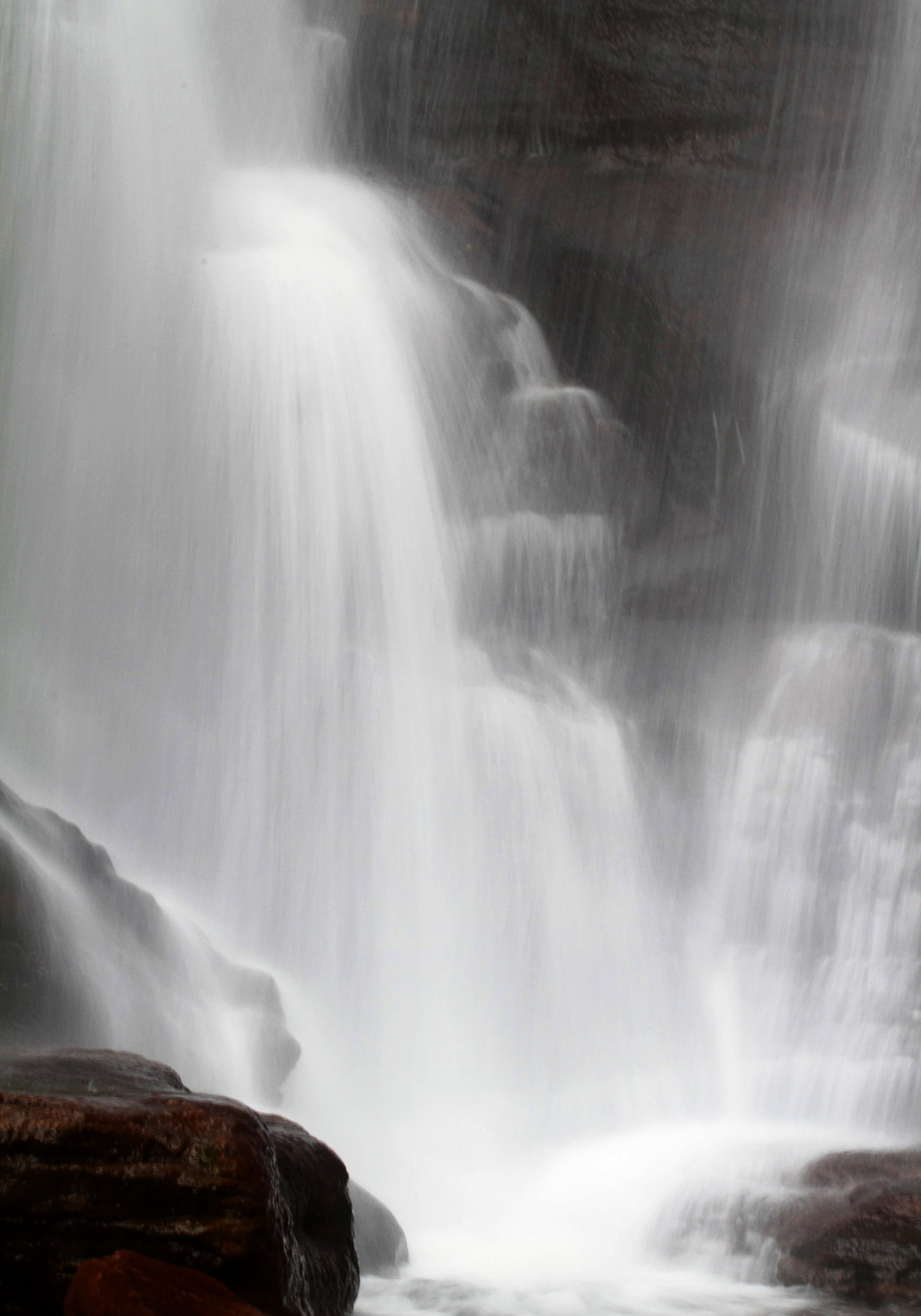
Next I took some with my telephoto lens on a tripod, so that I could get up nice a close to the waterfall and concentrate on a detail of it.

Image

After a splendid time in Telluride, complete with a massage and delicious food/history tour both provided by Michael, Zach and I went camping nearby with my sister, Kimberly, and brother-in-law, Robert. Below are some of my favorite photos from hiking, visiting mesa verde and taking a scenic drive.

Image


Image


Image


Image


Image


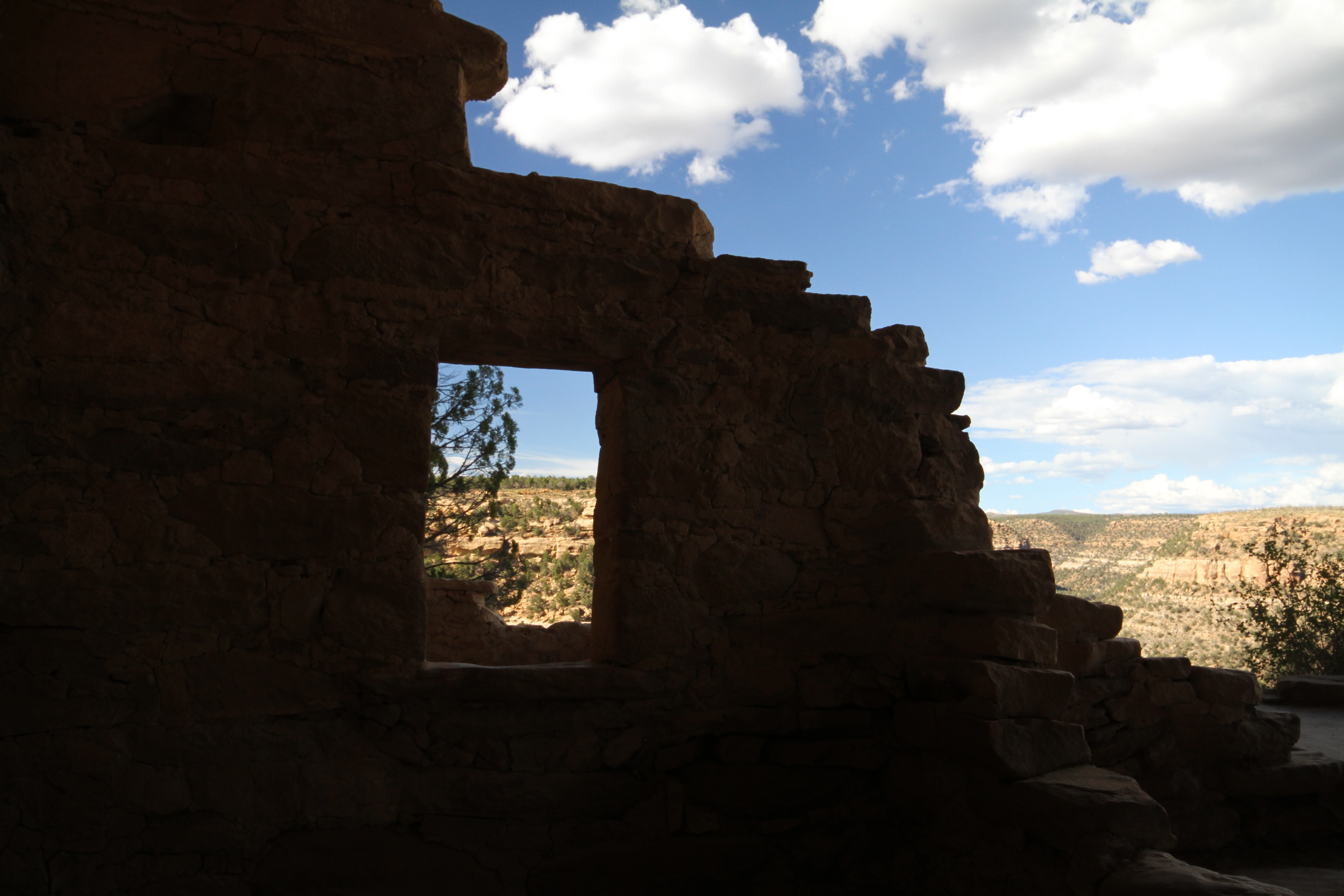
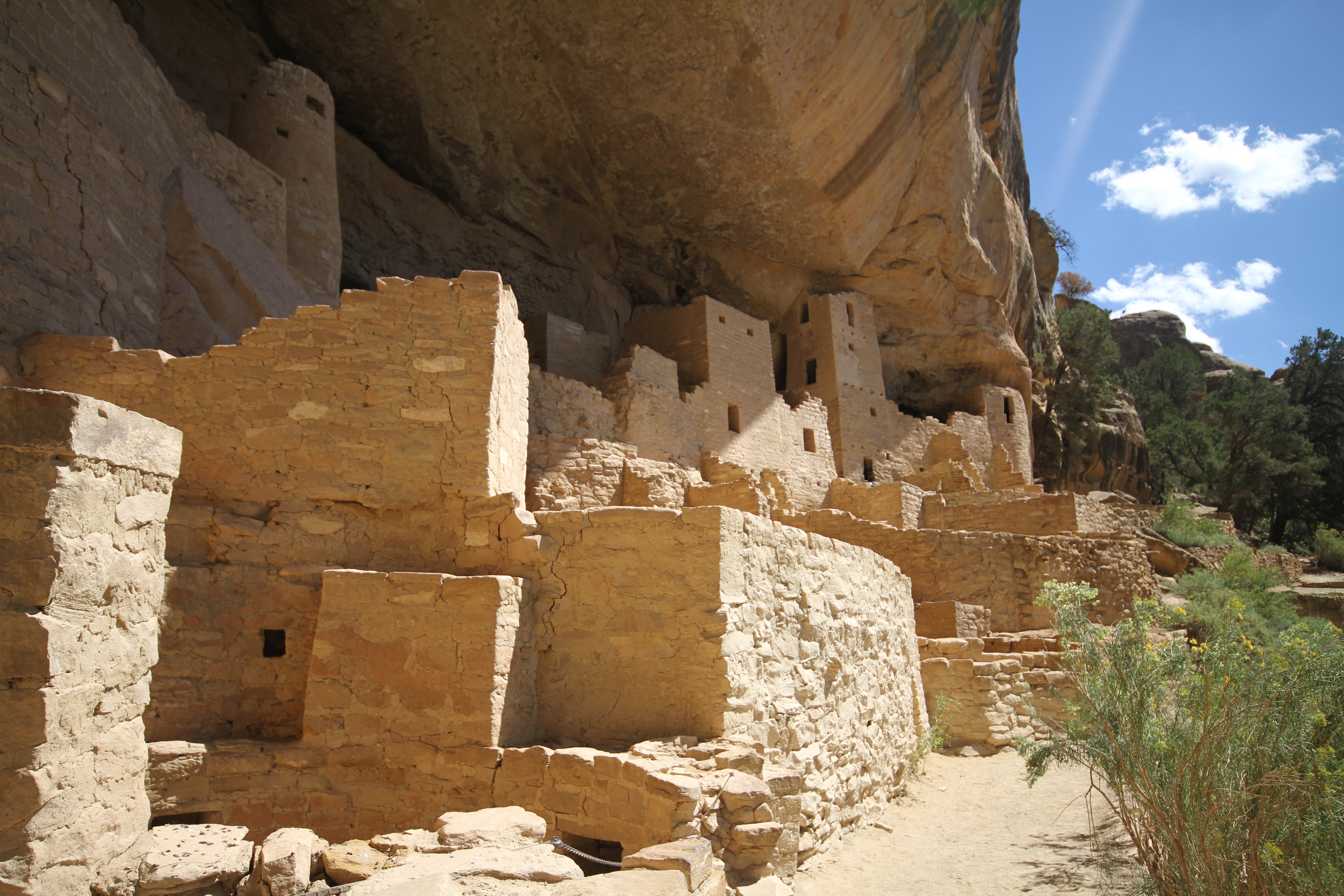
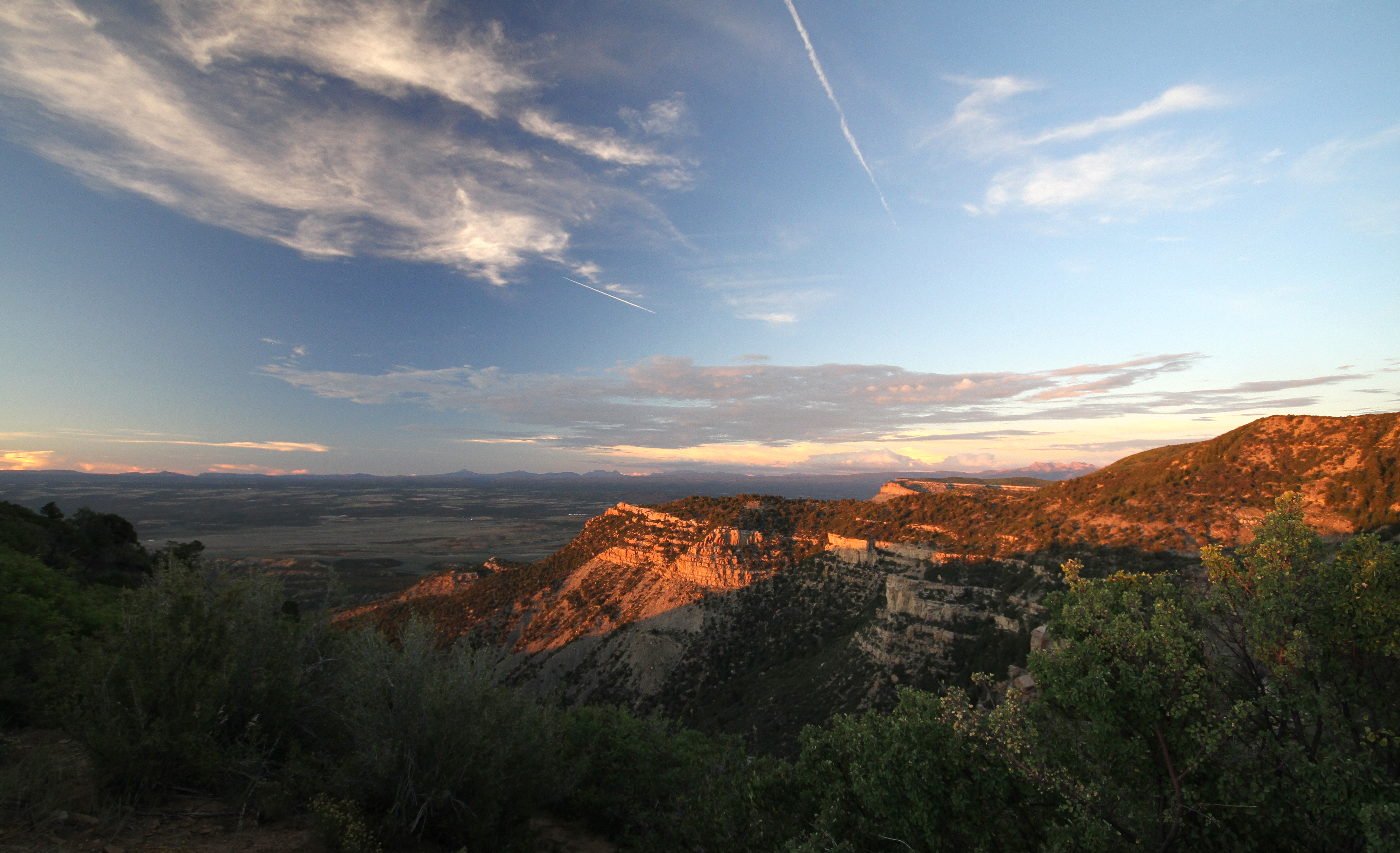
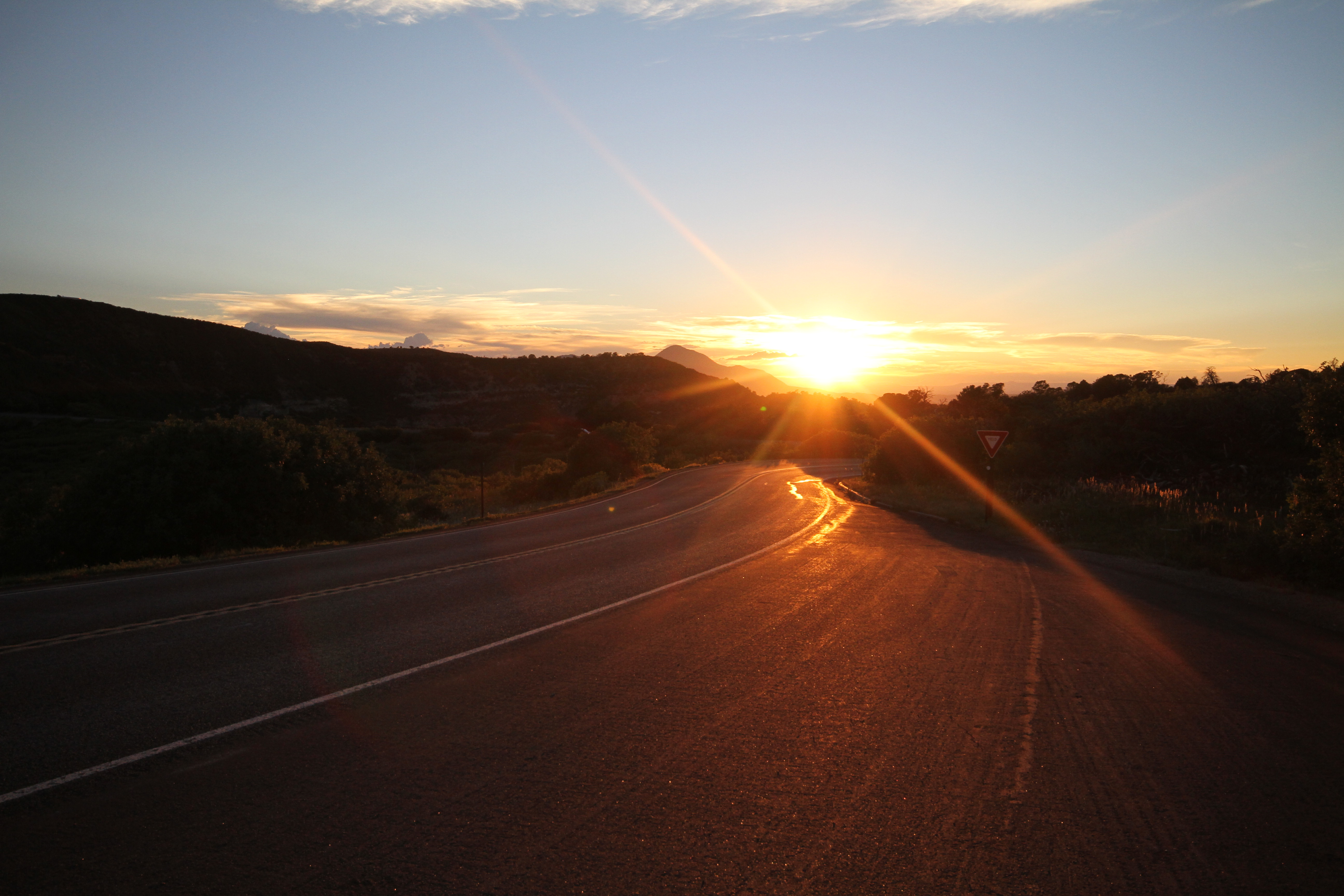
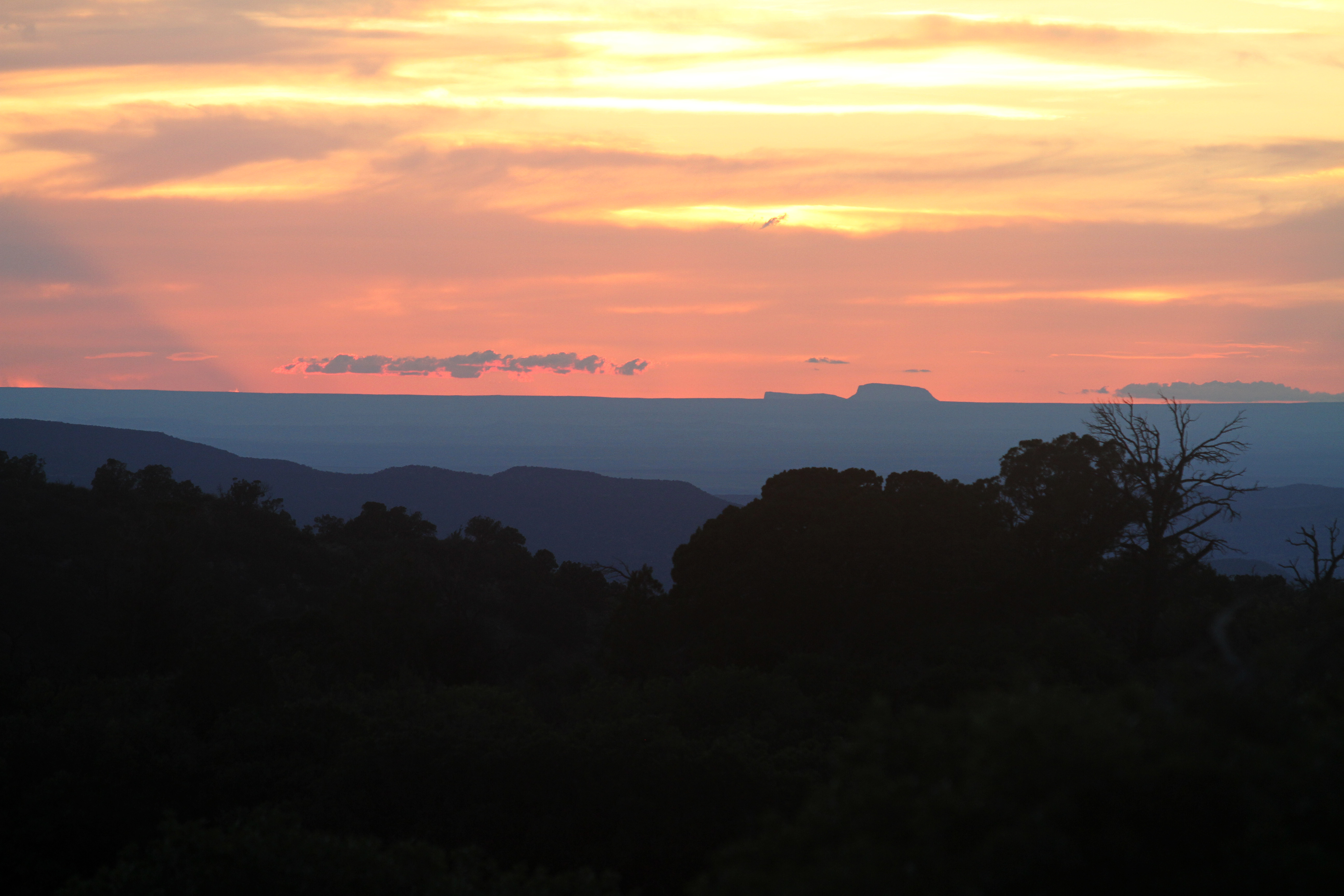
Mesa Verde, a well photographed area, no doubt, was breathtaking. Some of my favorite shots in the area are from after the sun began to set- the magic hour of the day. Kimberly and I had a great sister day- I’m so happy she let me take some time to capture these scenes.

Image


Image


Image

Image


ImageImage


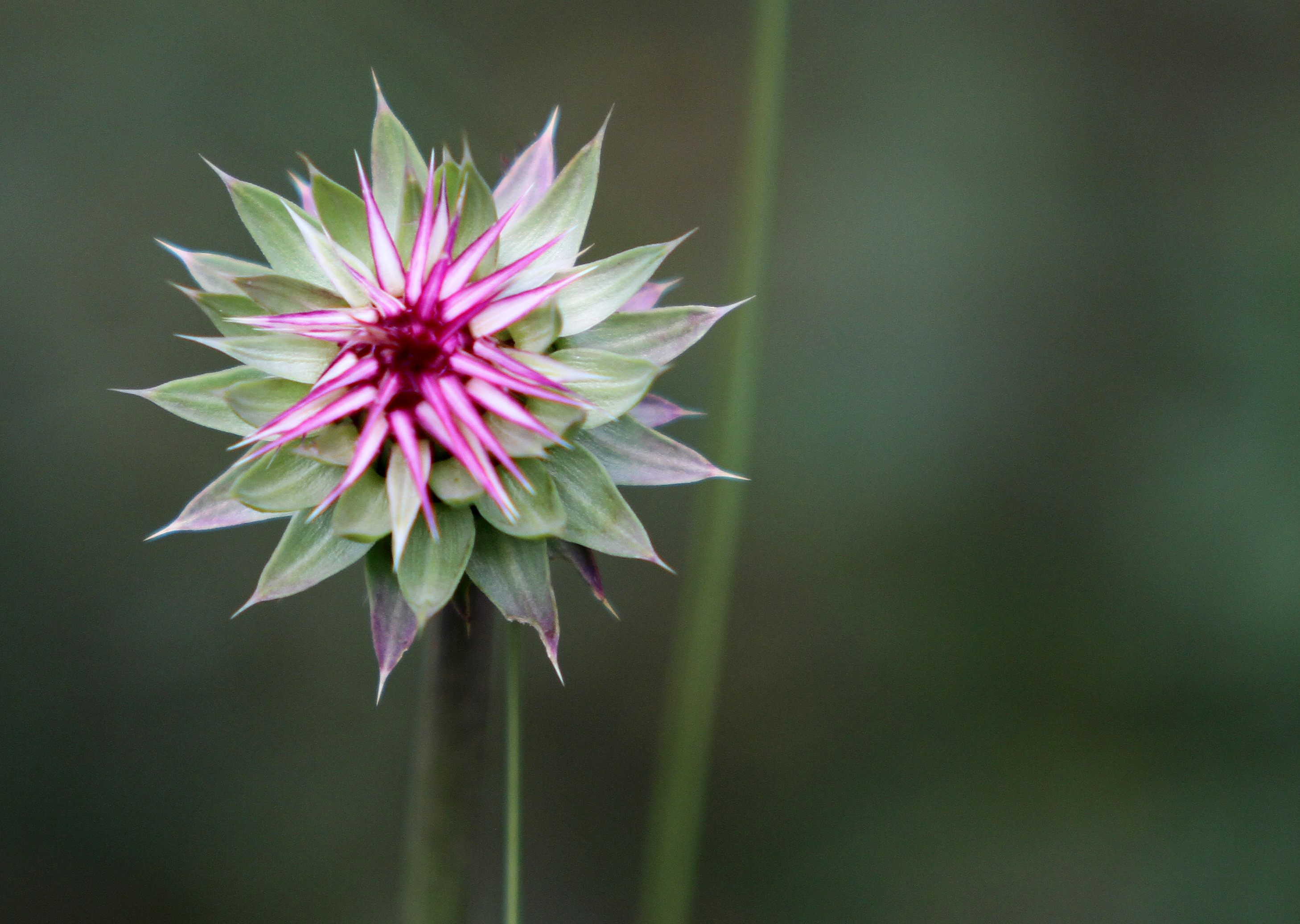
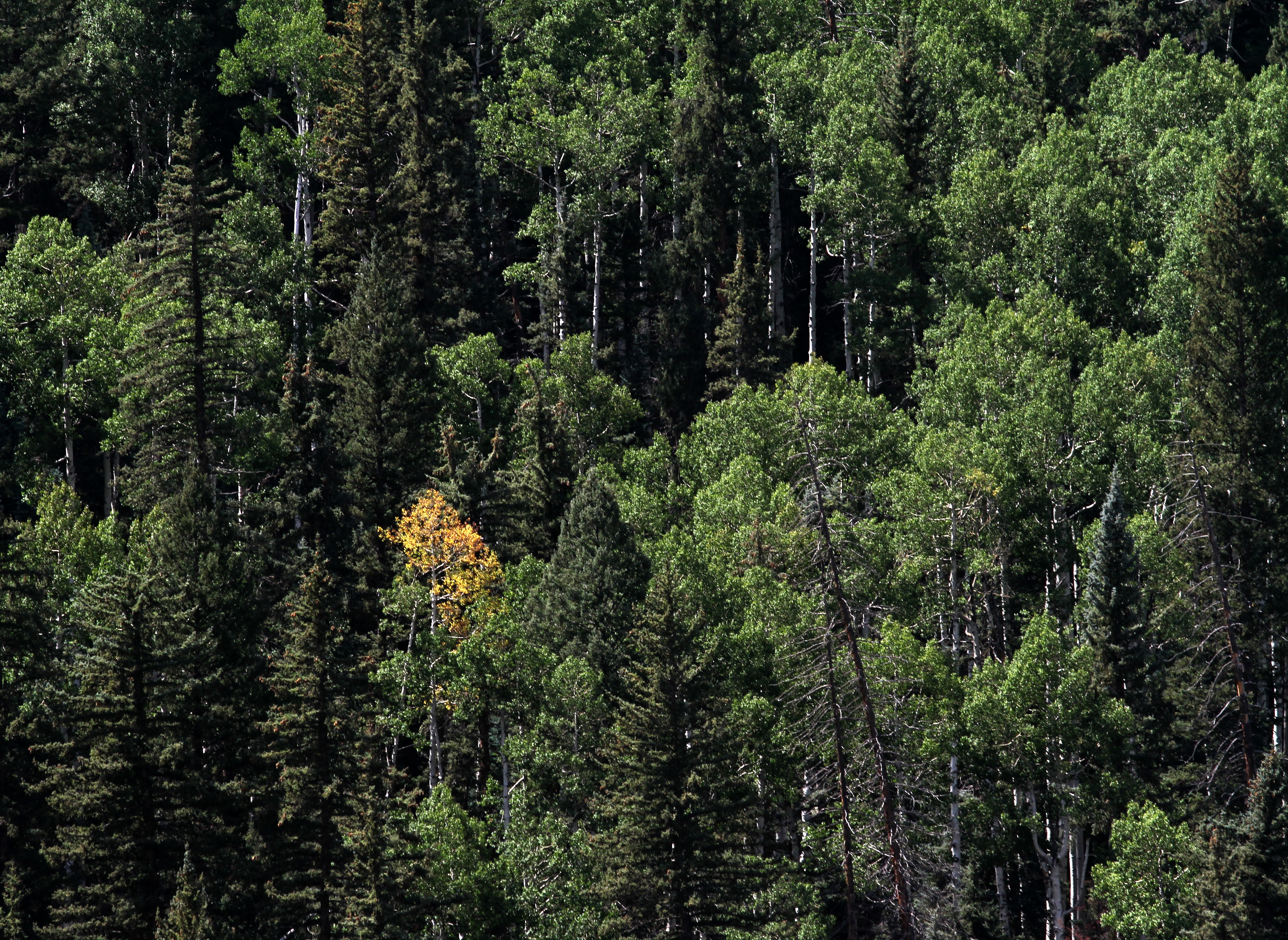
I thought the texture in the next two made them interesting. I also like the idea of the first sign of fall peaking through.

Image

Image


However, sometimes a softer look can be just as effective.


Image


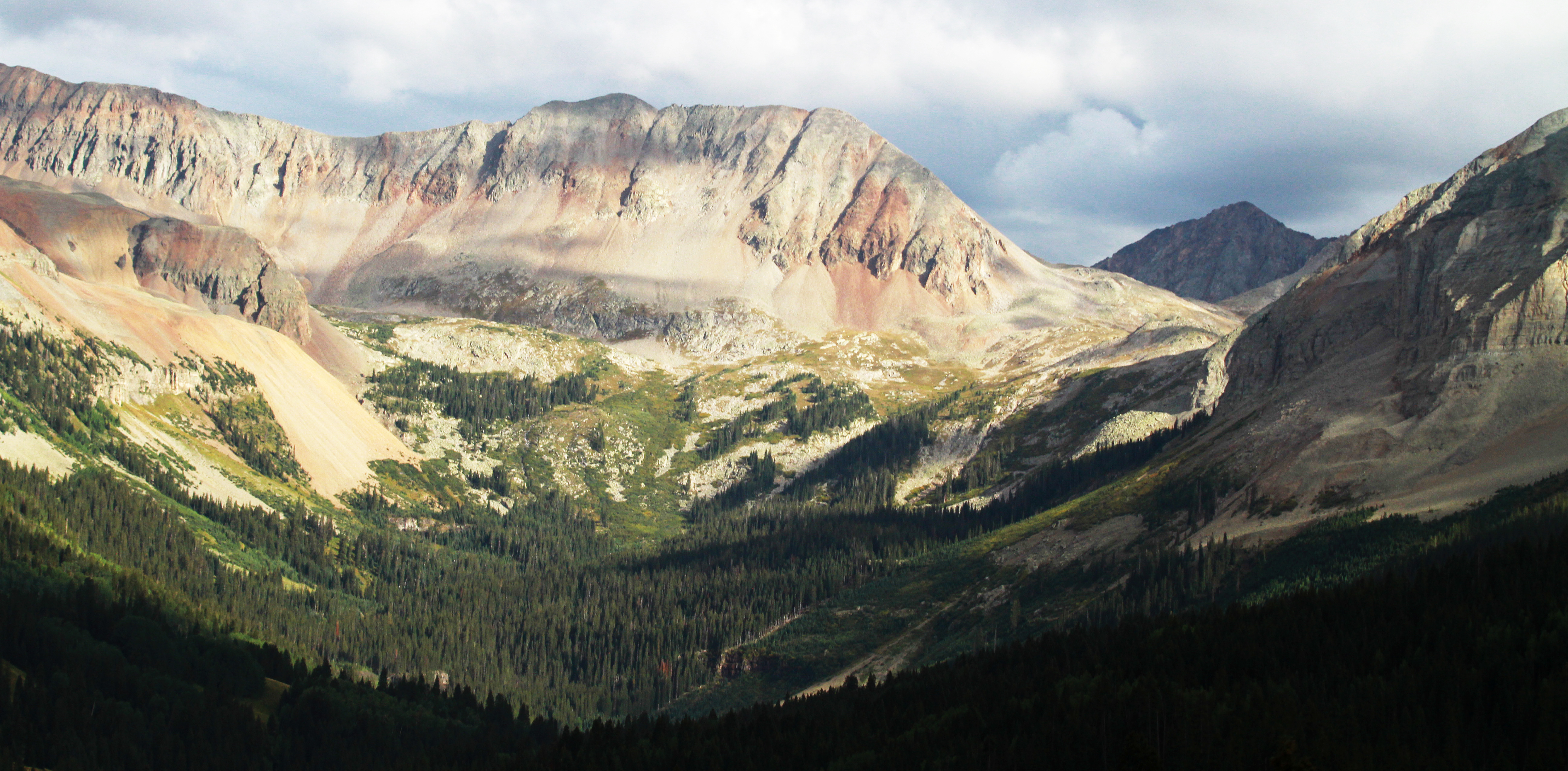
I loved the way the shadows fell on this mountain face. It really is all about light and shadow and how they change the scene.

Image

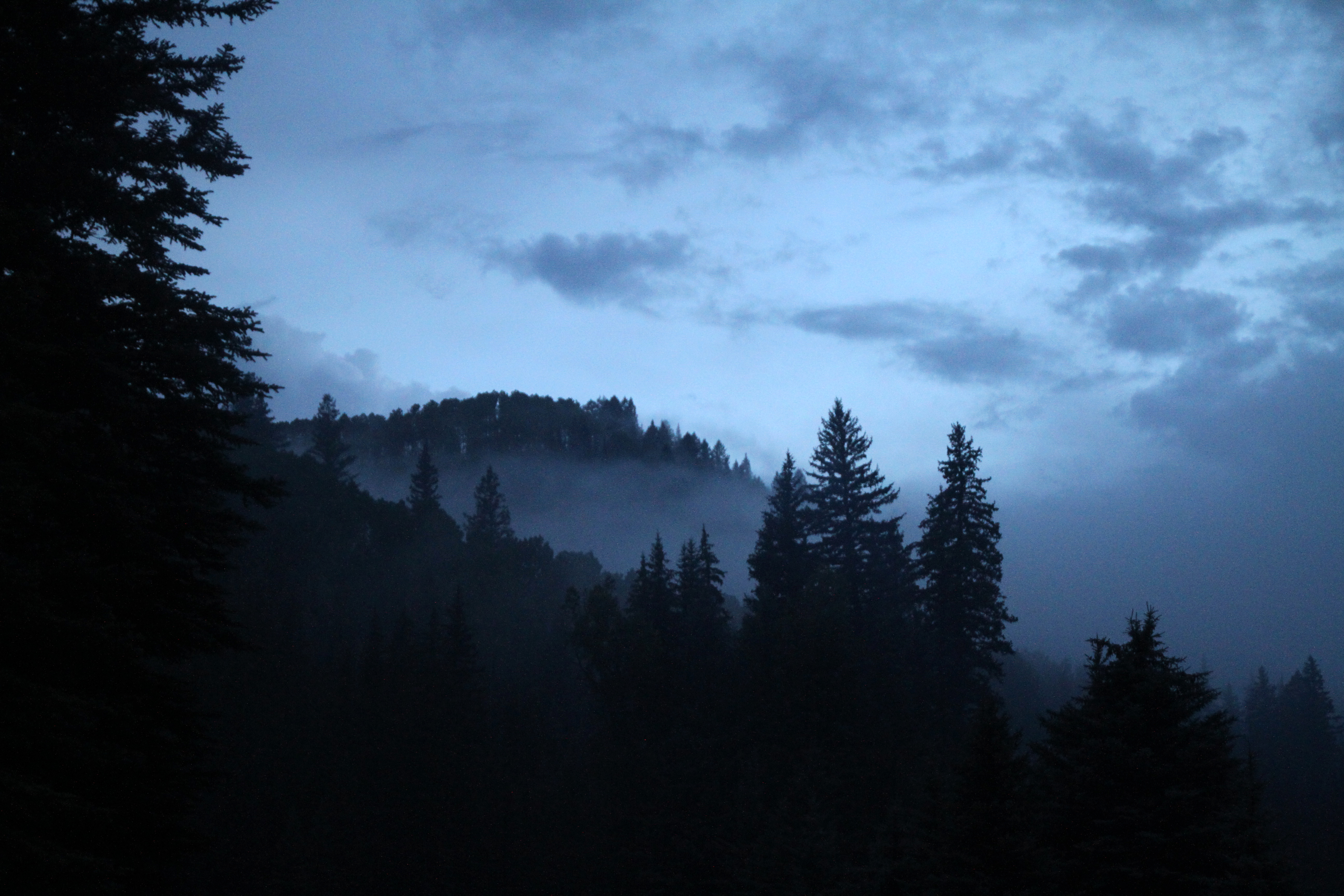
Below is a photo from out campsite at dusk. The rich blue really sets the mood of the photo.

Image


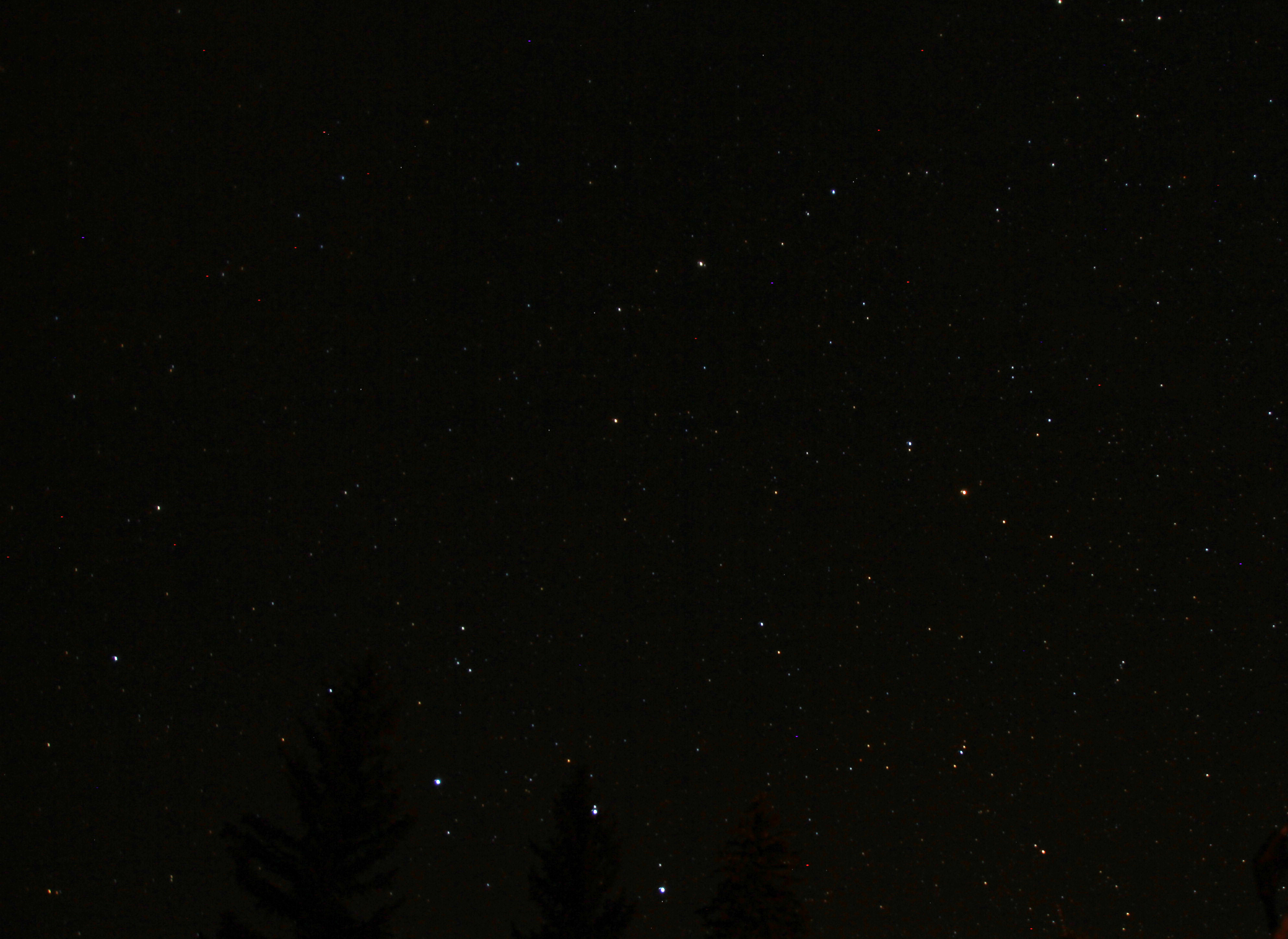
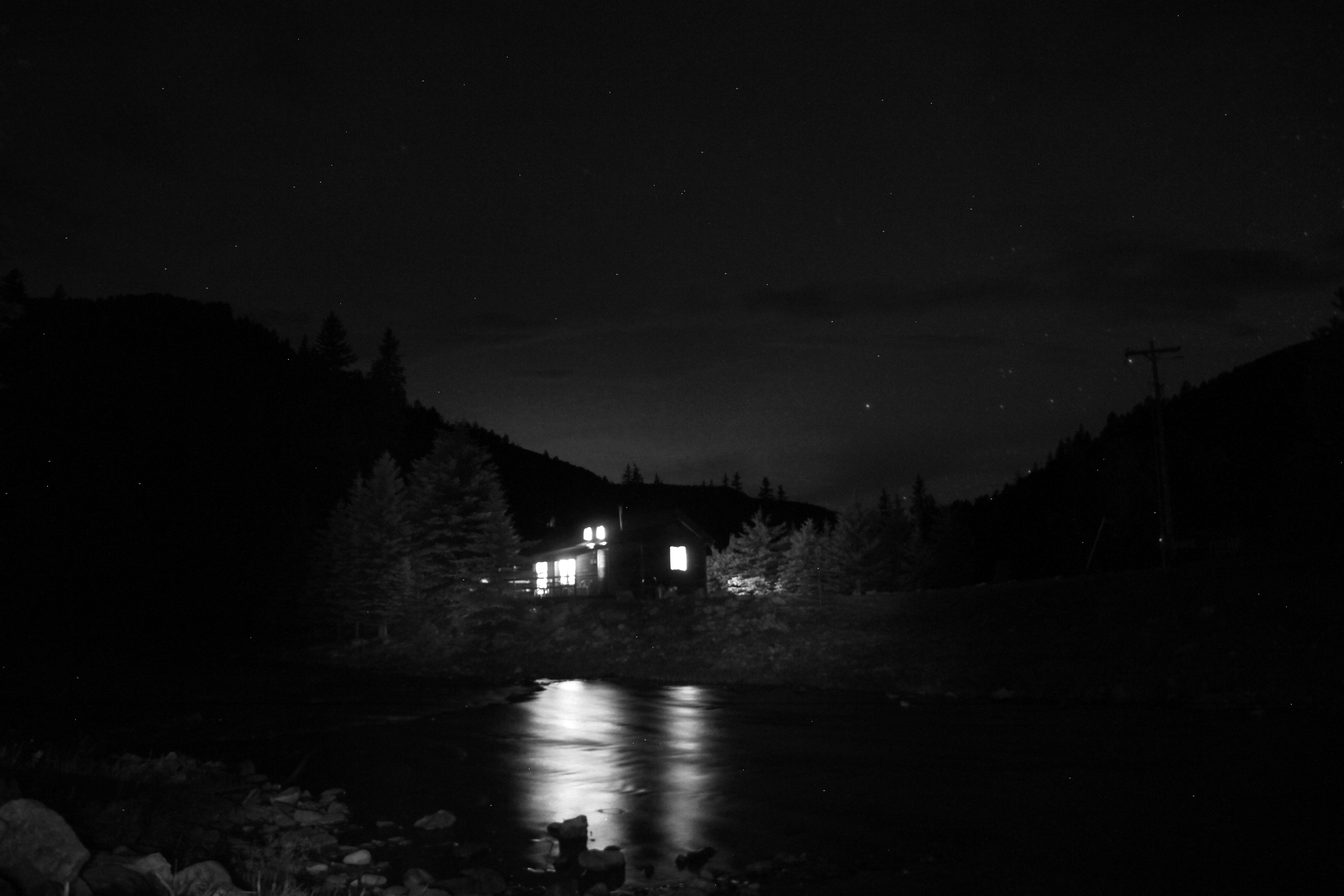
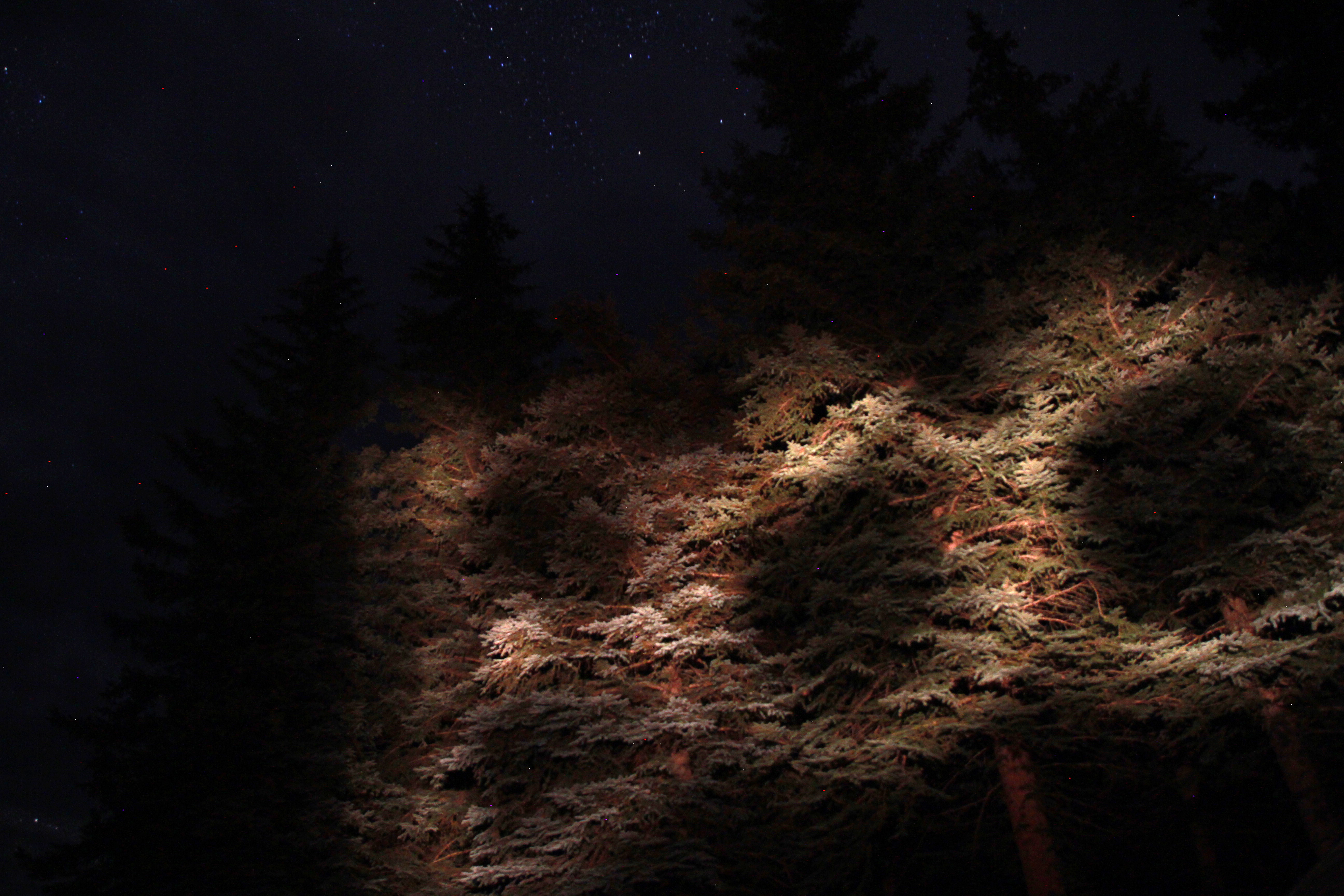
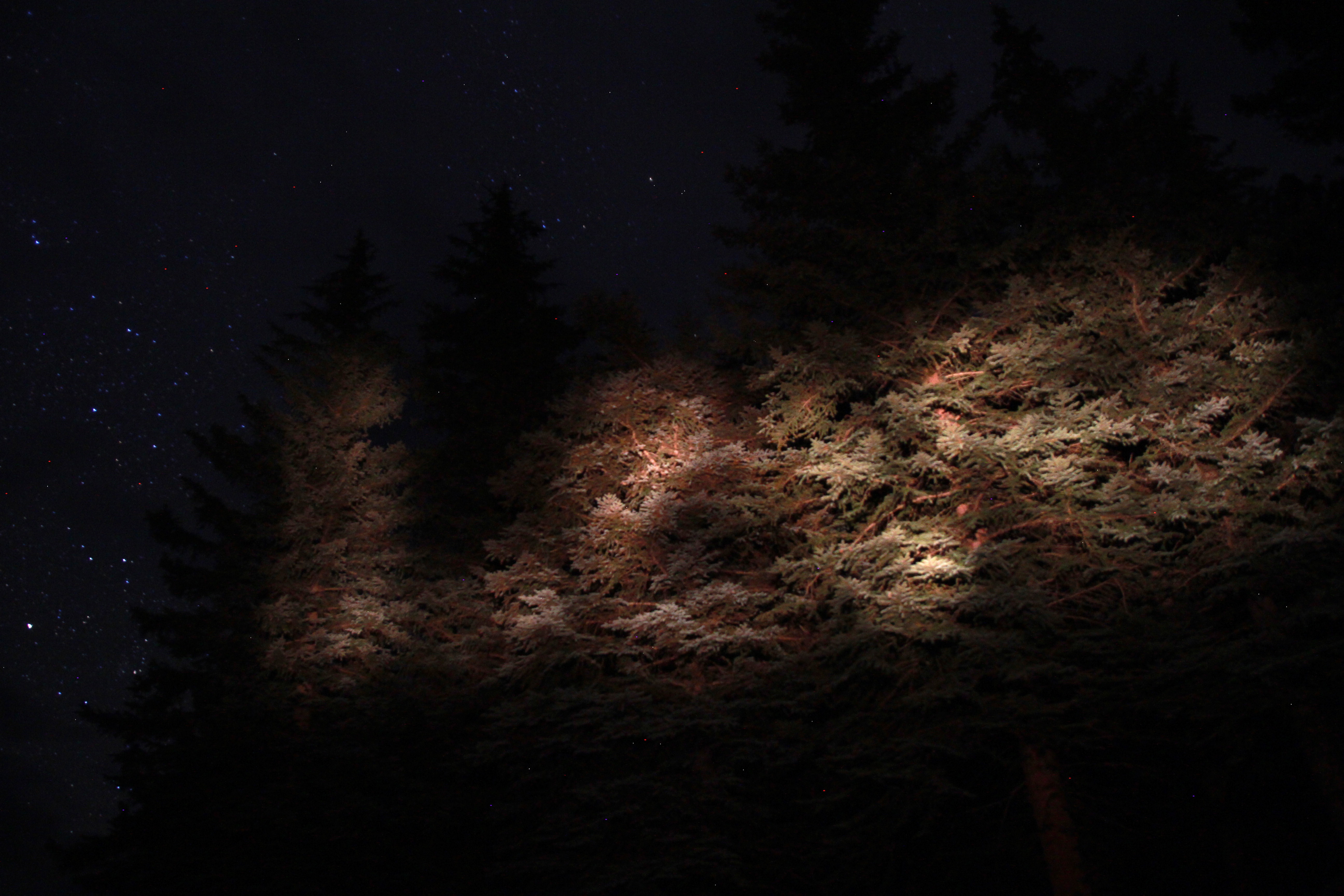
And finally, I tried my hand at photographing stars and had some fun light painting with a flashlight. I really got a lot of use out of my tripod. I wish I could have used a more precise flashlight, but it was still fun.

Image


Image


Image

Image


And with that I will say goodnight. This blog also marks the launch of my new website and as the blog is tied to it, I really plan to update regularly, so thank you for looking and I do hope that you check back. I have some exciting adventures to come- everything from photographing newborns to weddings to traveling to nurse and volunteer in Ecuador. I leave for that one on Saturday. Stay well and keep shooting and exploring your world.


Sun Flares

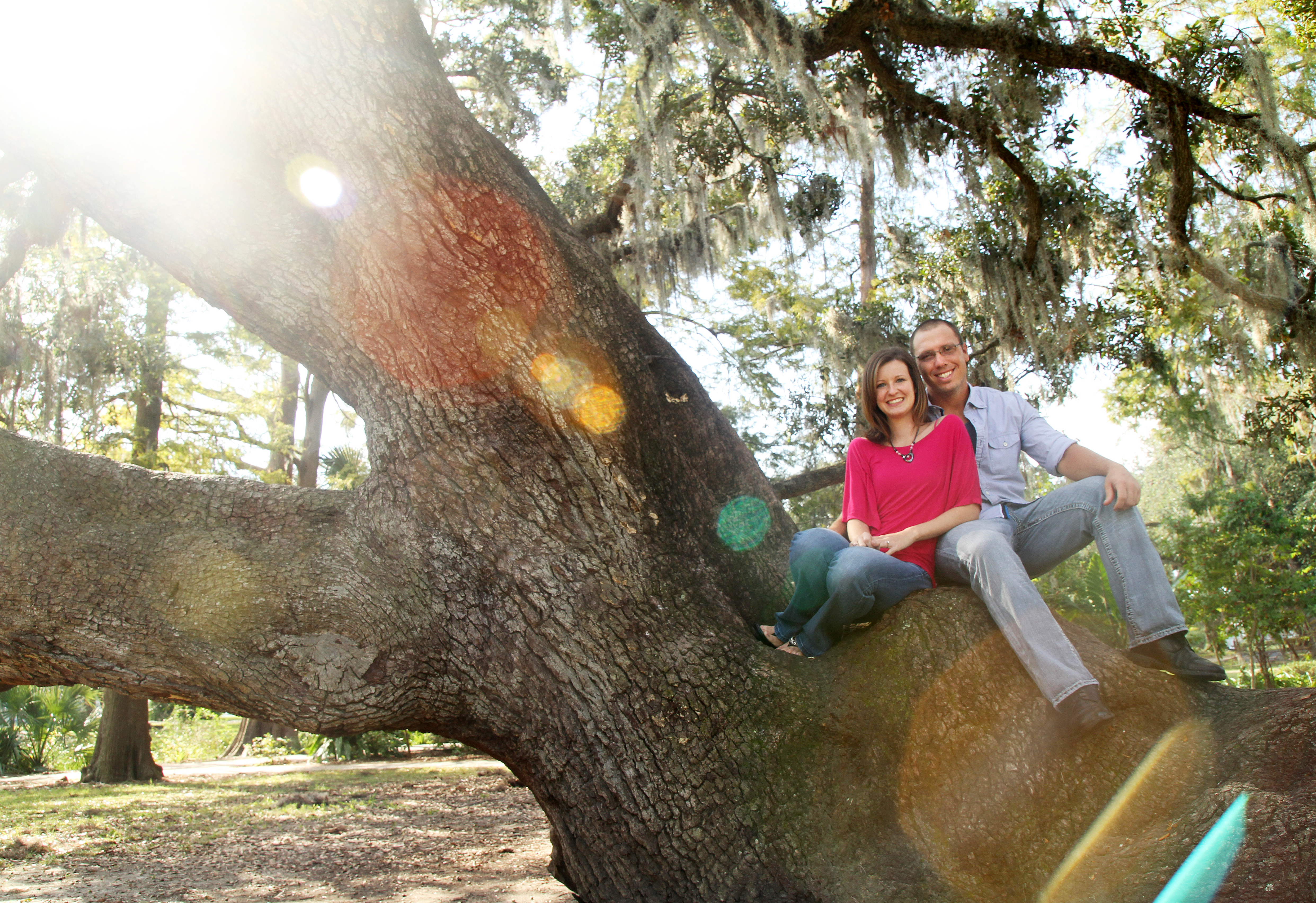
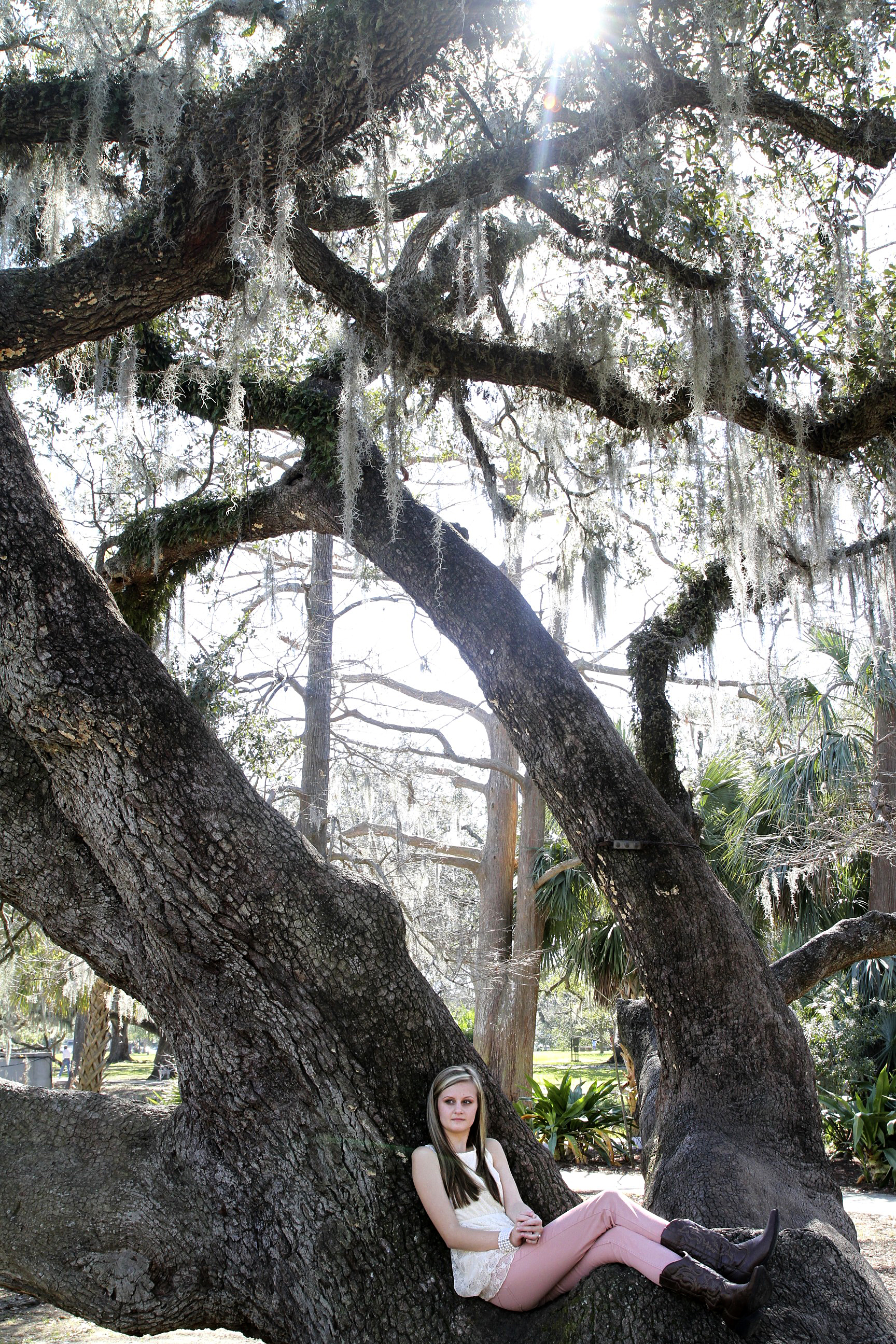
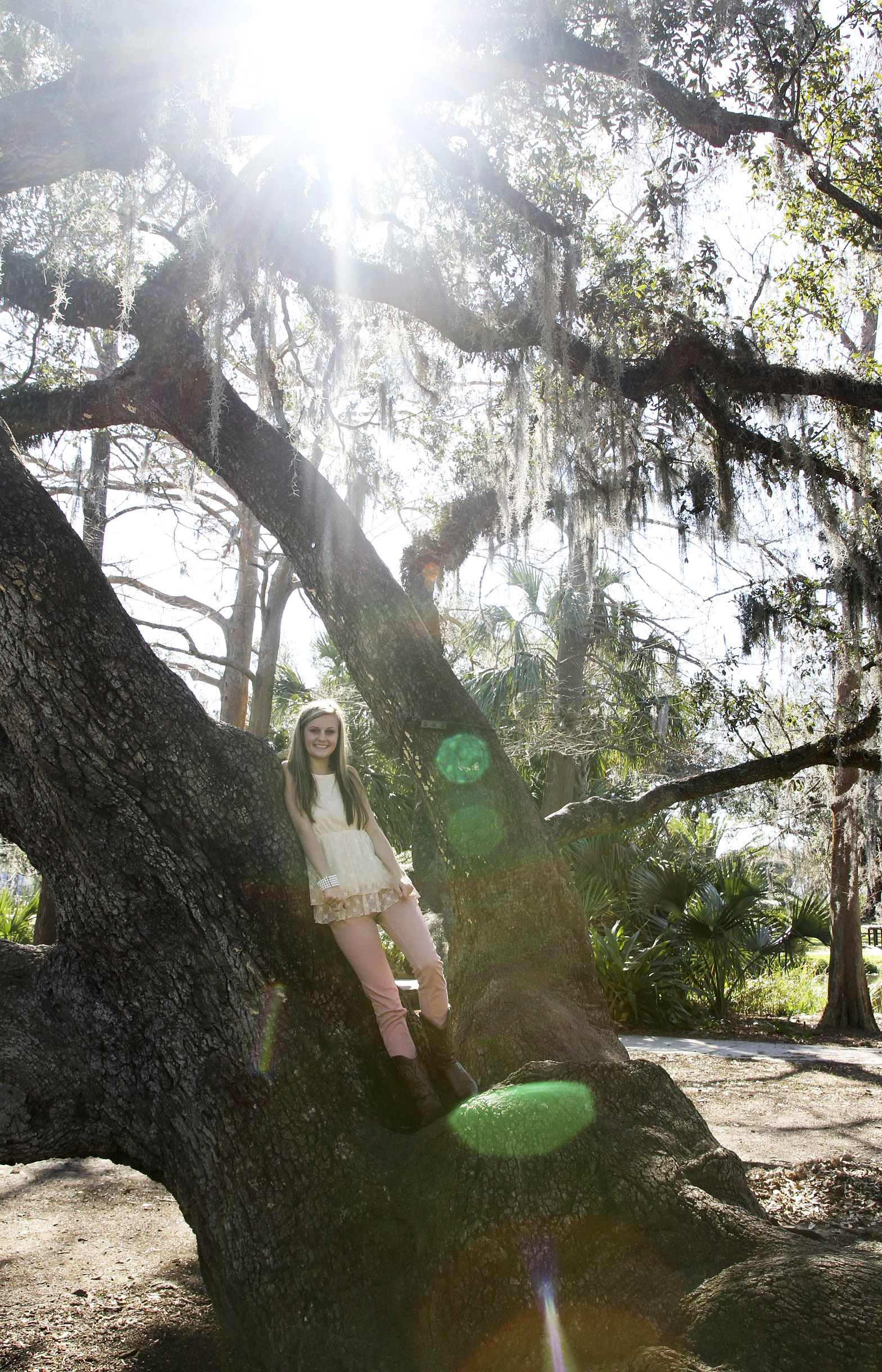
A photographic nightmare: when your client wants to take portraits in a park at noon on a sunny day. What can you do? Make the light work for you. Be creative and create sun flares and other fun effects that give your subjects a dream-like quality.001031 037

Portraits

Image

Portraits

I have been meaning to come back to this blog for a long time. It has sat here for far too long without any updates and I think I’ve been waiting for some reason to bring it back, but it is time to just make myself be more diligent about updating. I’ve been editing portraits I took of a high school senior today. I like her awkward pose.

Layers

I meant to update my blog weeks ago, but my life has been crazy with travel and work. This means more blogs to come, however, when I get the chance.

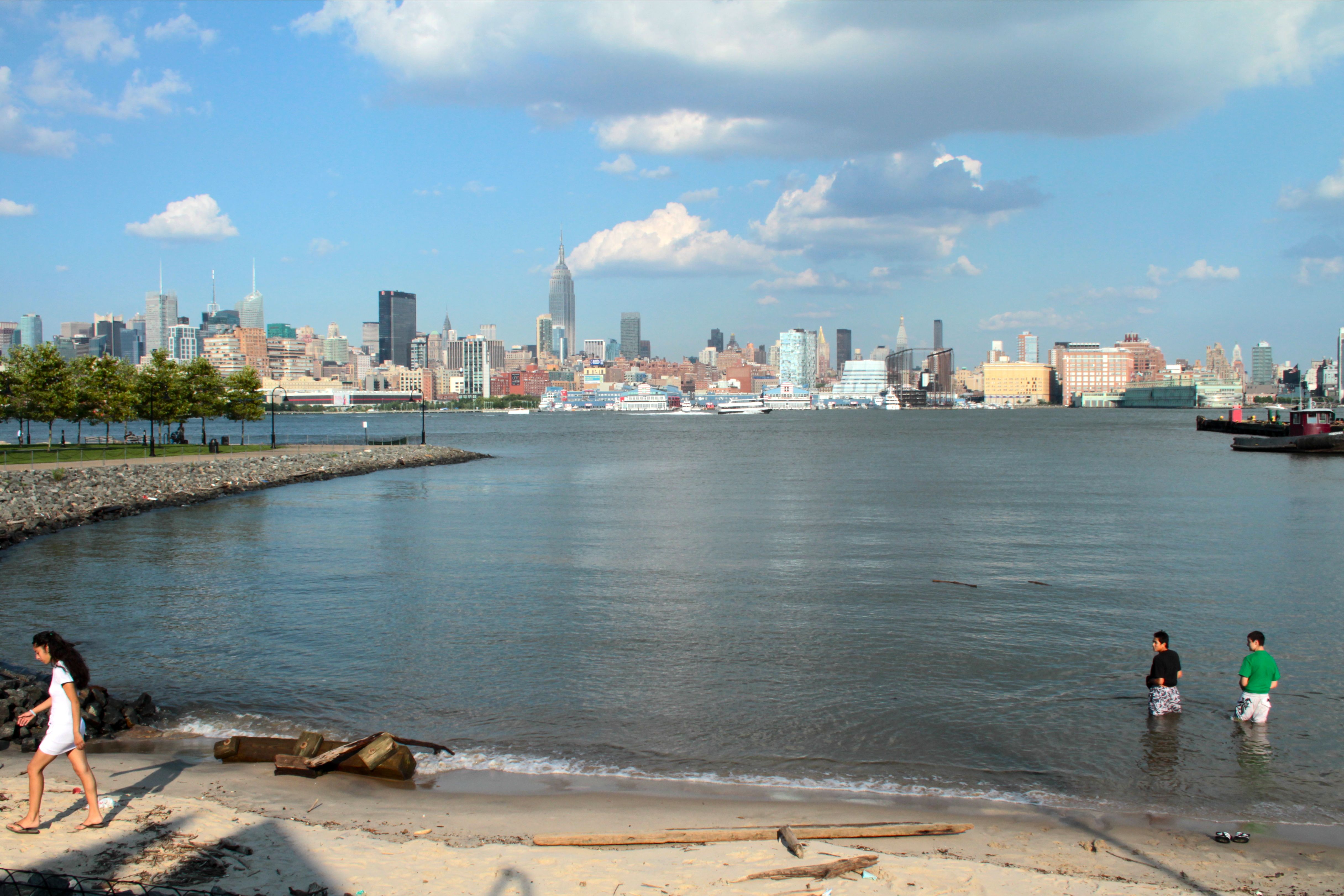
While I was in New Jersey, I spent a day wandering around Hoboken while my cousins worked. This was the day after I wandered around New York City in my previous blog. It was so wonderful to have 2 days to do nothing but walk around and take photos. I wasn’t on assignment, I wasn’t shooting a wedding and I didn’t set out with a purpose.

Light and Shadow

Hoboken has a safe charm to it. It is close to the city, but it feels quieter and safer. In some ways this makes it less exciting than NYC, but I can definitely understand the appeal. It feels like a small town and a big city at the same time.

Small town, Big city

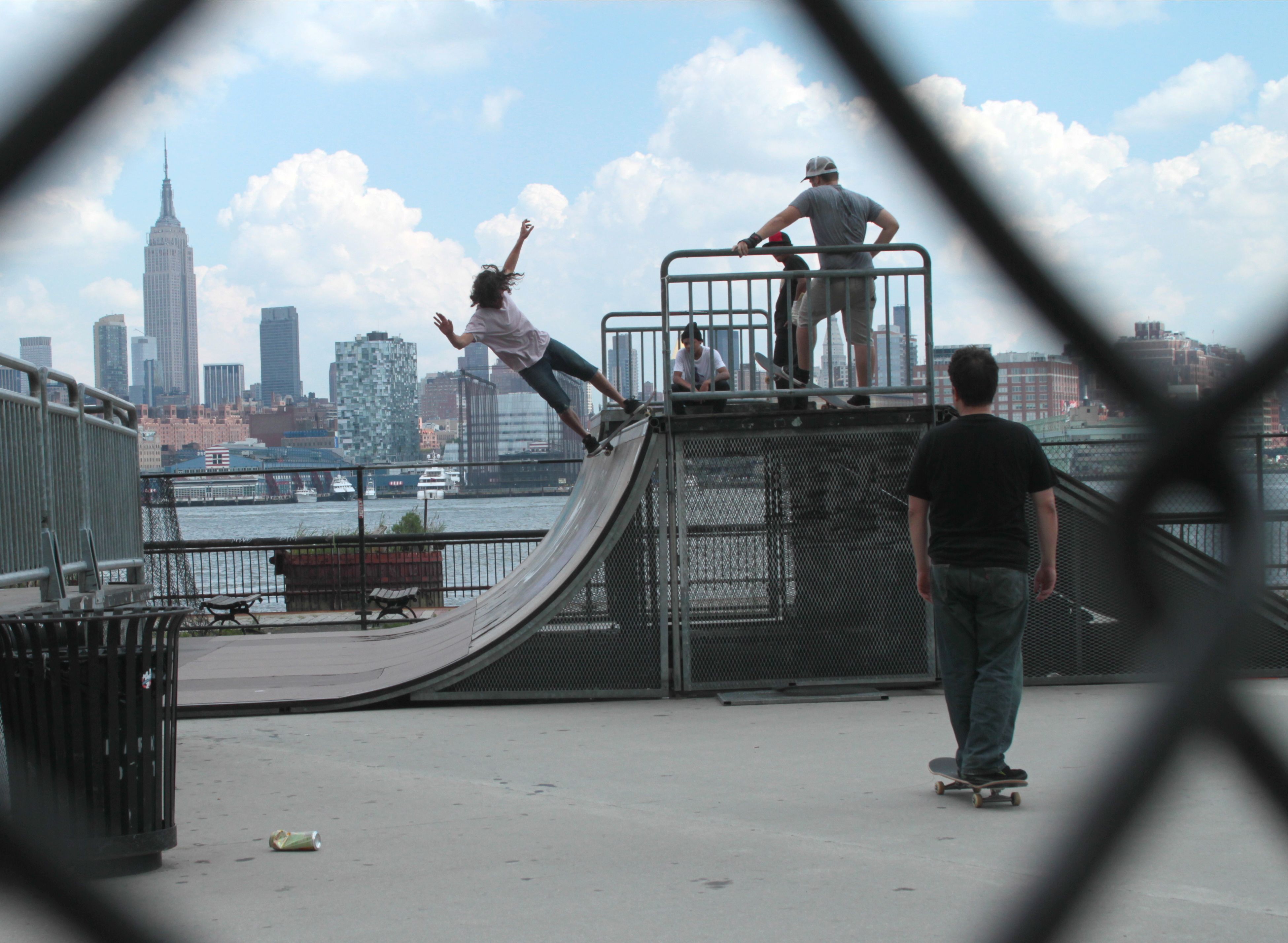
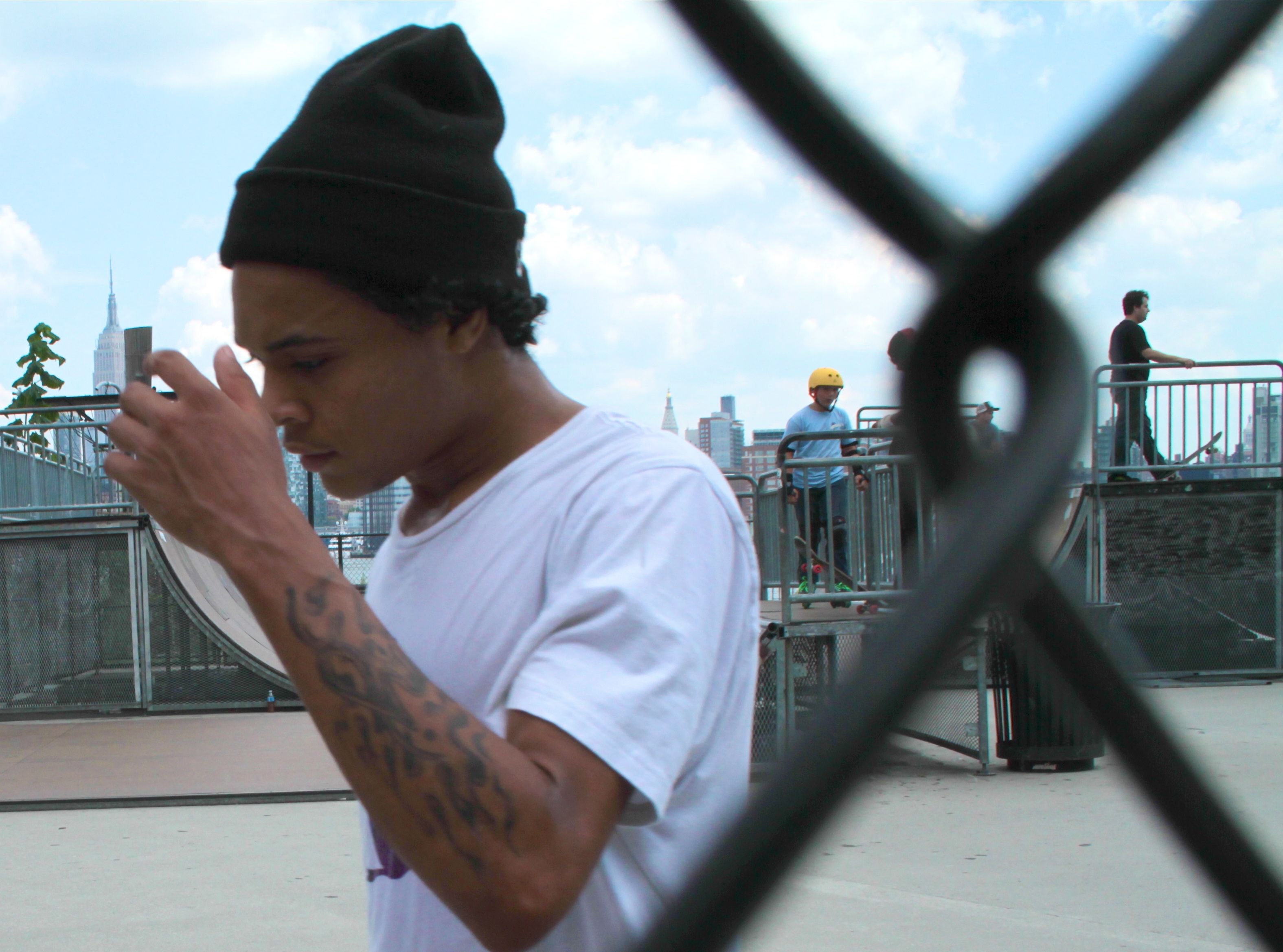
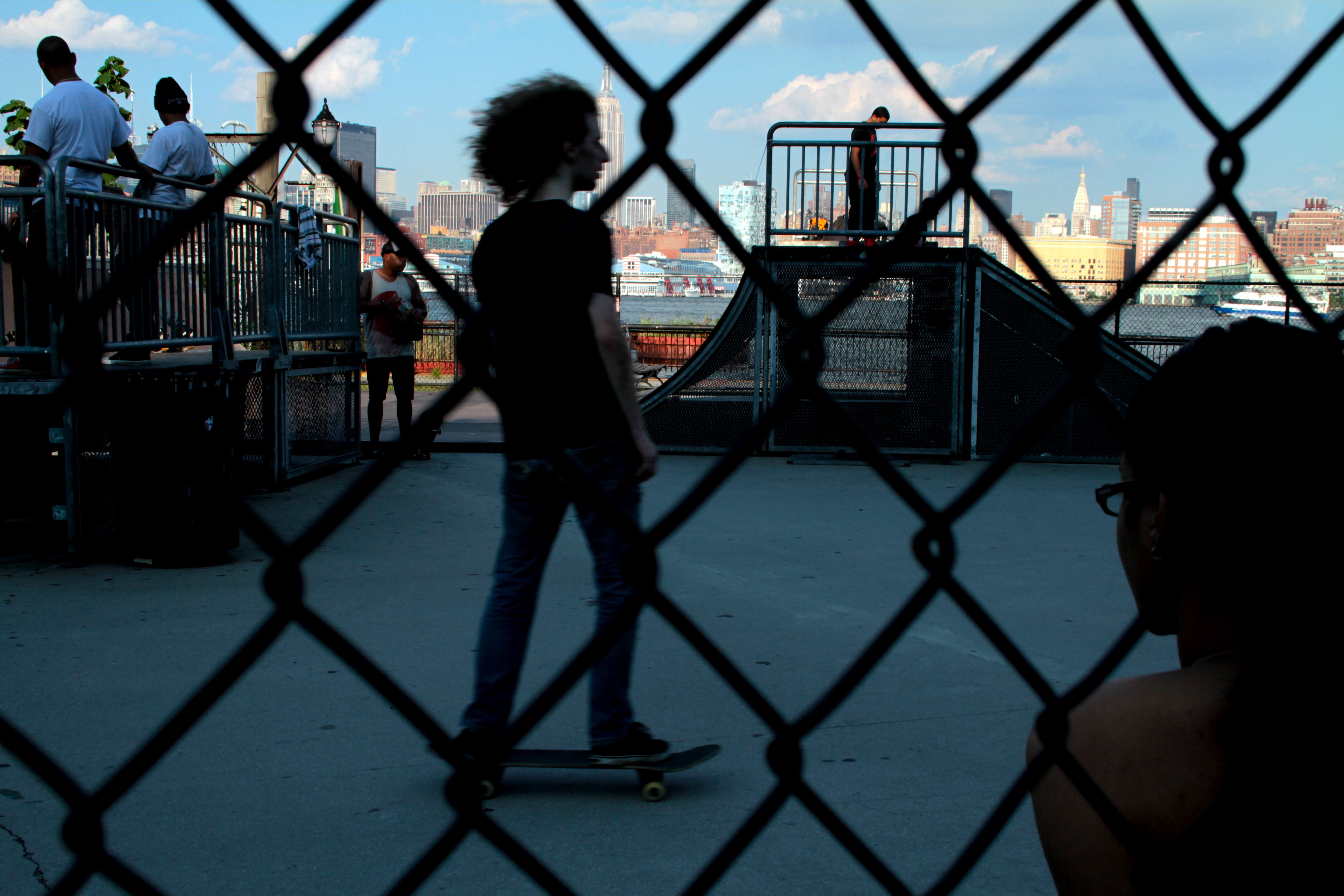
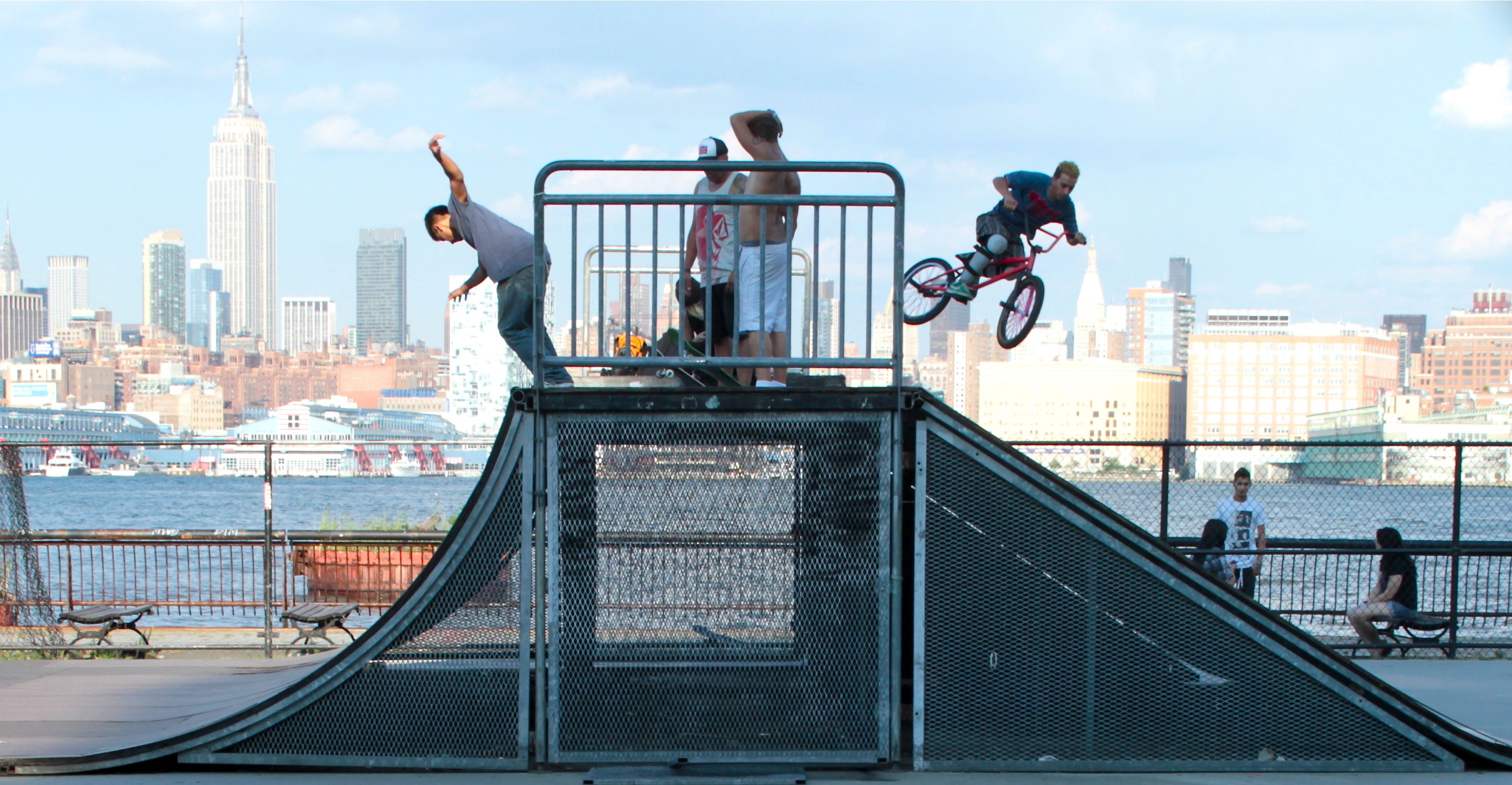
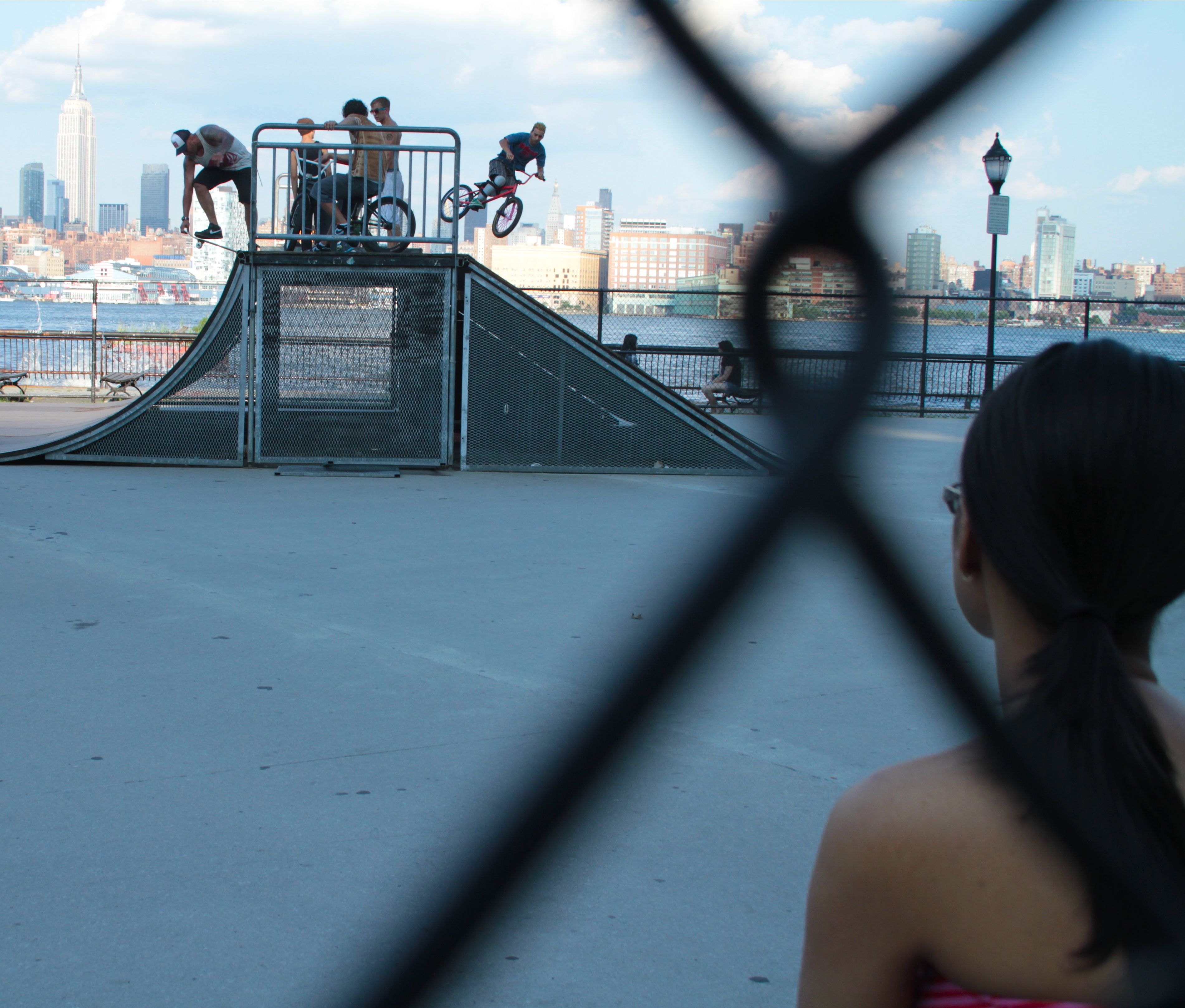
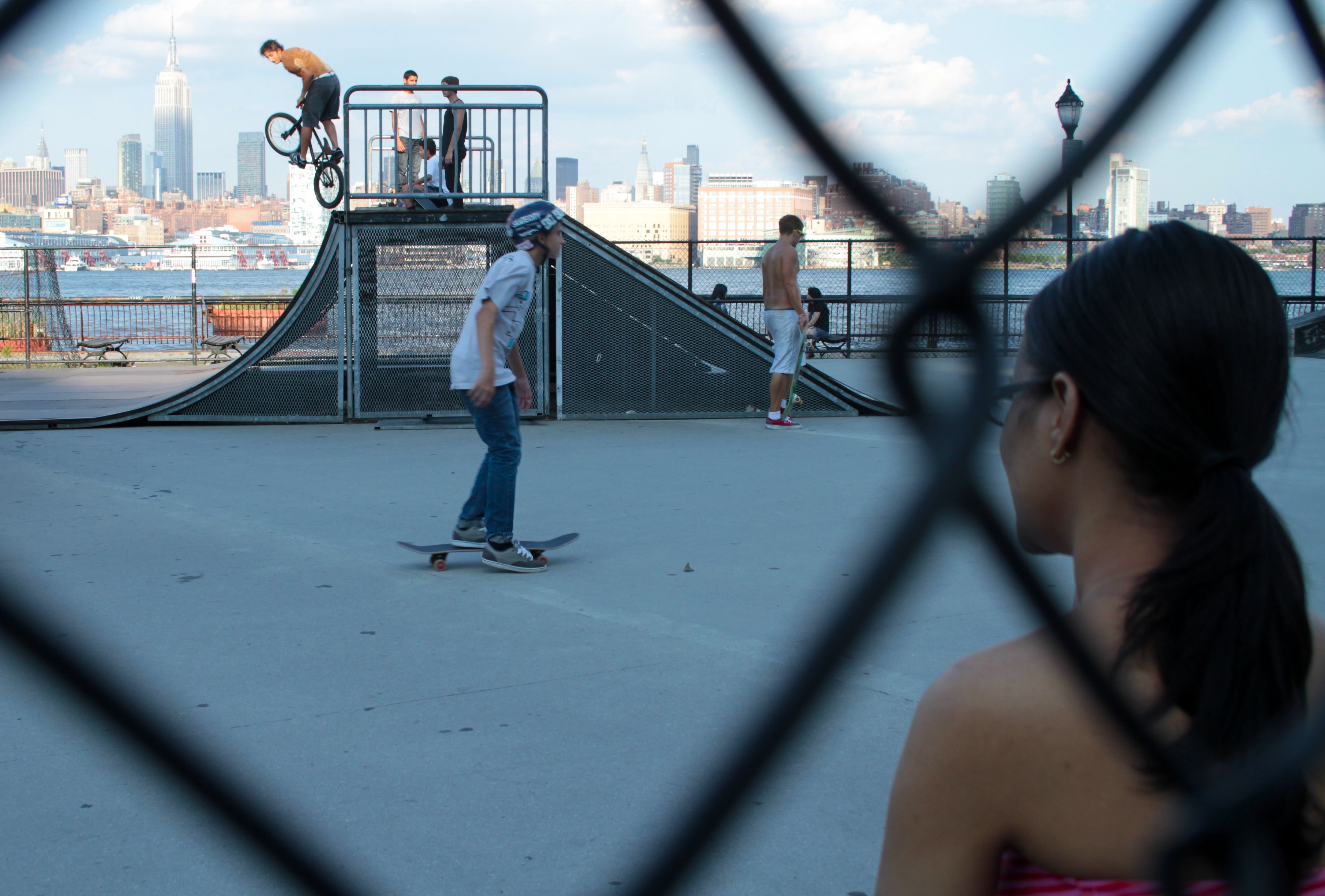
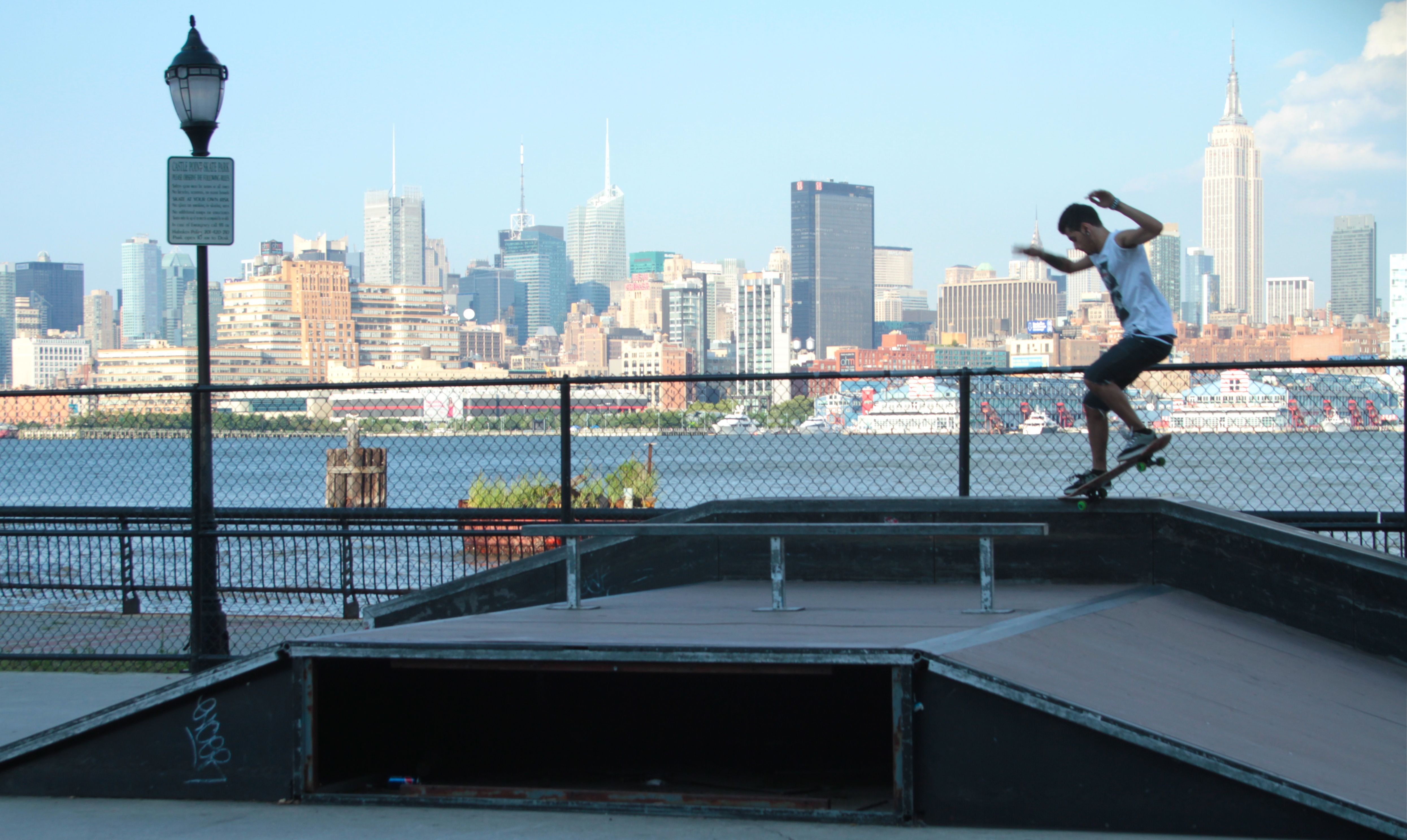
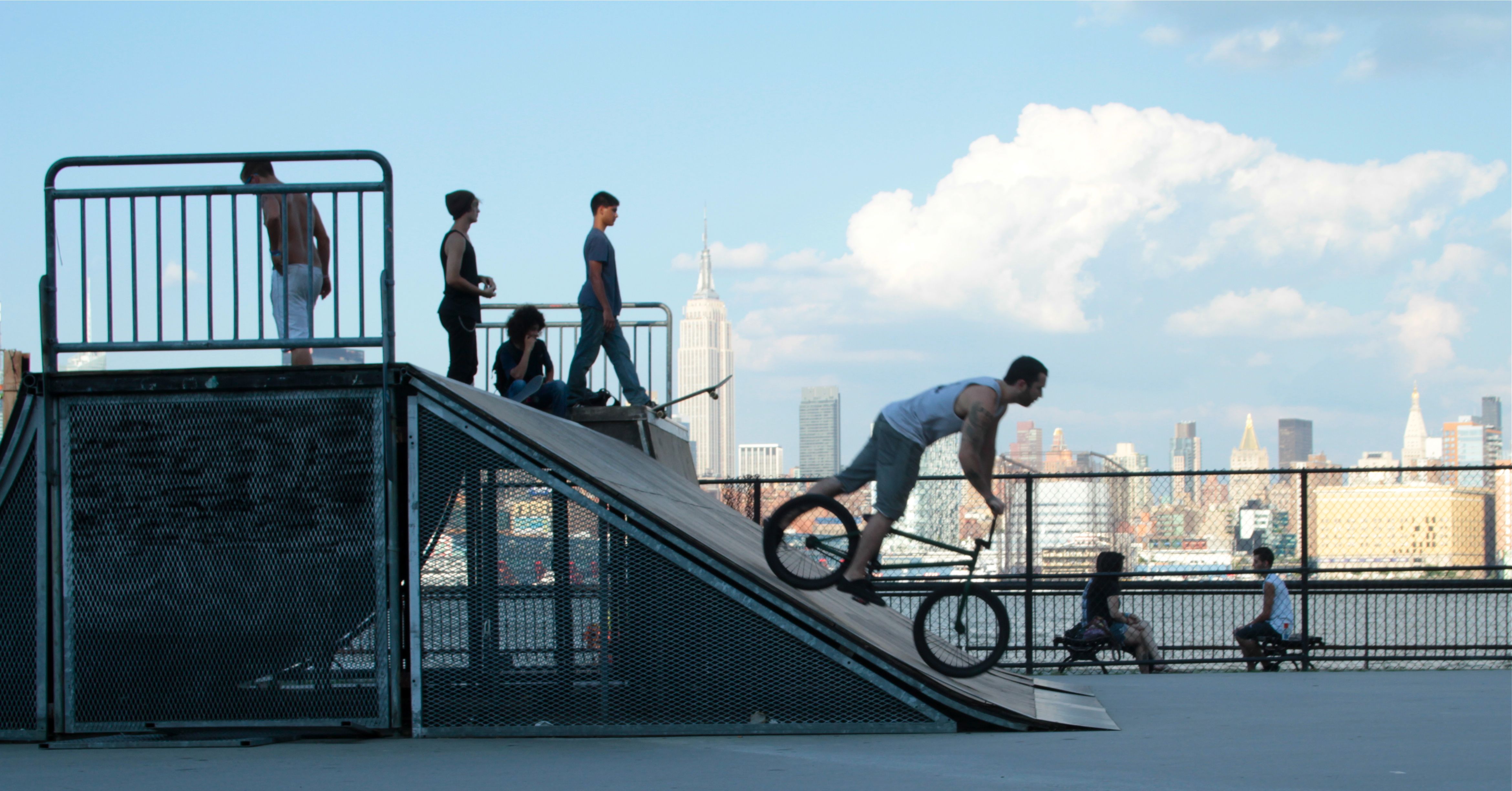
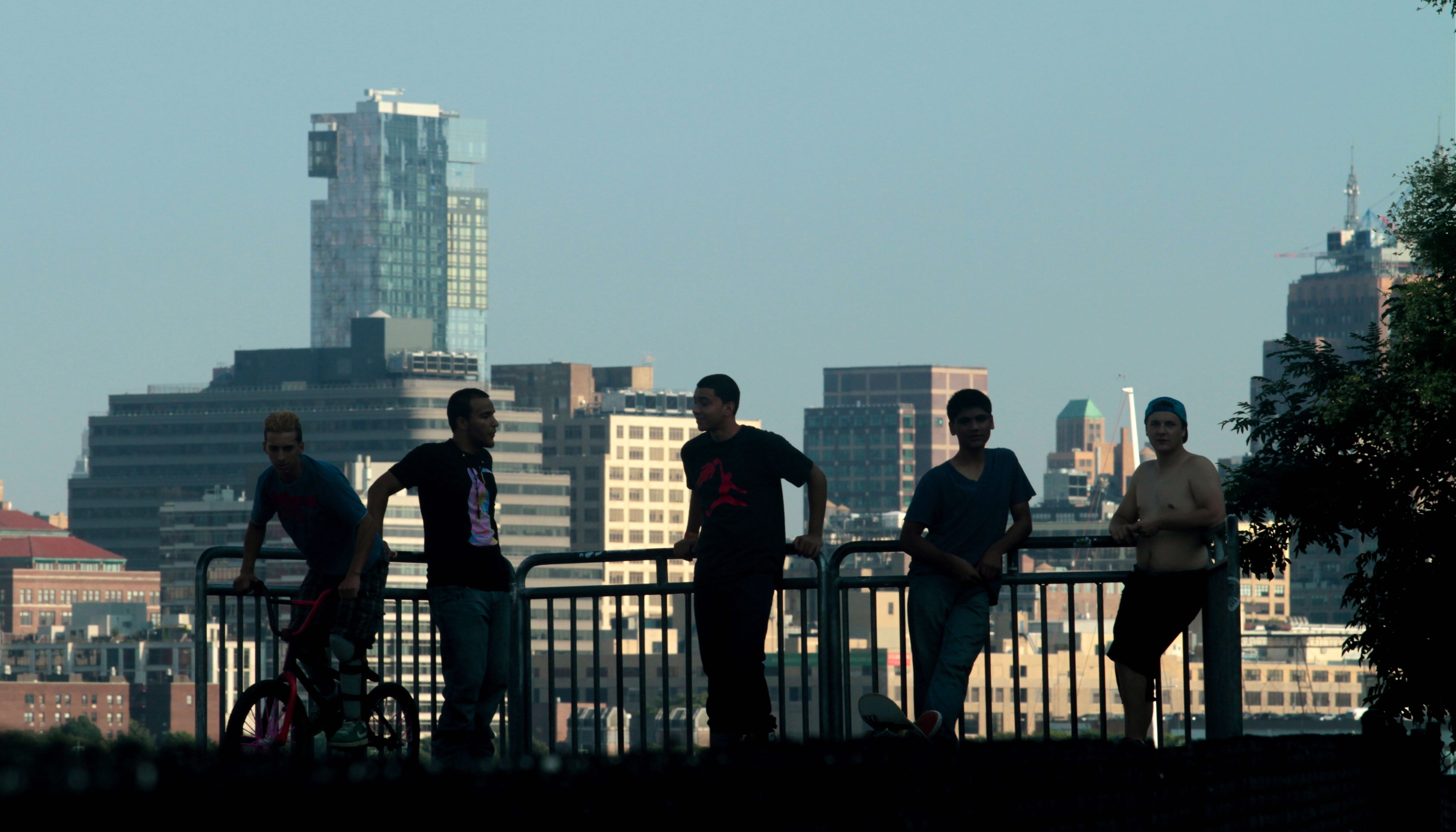
As I explored Hoboken, the most interesting thing I found to photograph was a skate park. For some reason the scene just resonated with me- so much so that I went back to photograph it for a second session. I have photographed skate parks many times, but this time I was in love with the entire scene- the way the park was tucked away from the rest of Hoboken, the way New York City was the backdrop for the crazy tricks these kids were attempting and the variety of people who came to the park. This scene became the perfect backdrop for me to work on layering. For hours I sat and watched the scene unfold and attempted to capture a moment in time in which interesting things were happening in multiple layers in the photo. I already had an interesting back layer with the city, but the rest of my layers were moving, so this took time, patience and planning. When pulled off well, photos that are layered make for very powerful and interesting images. It is always important to pay attention to what is going on in every layer in every photo you take. This is one thing that separates a hobbyist from a professional. Henri Cartier Bresson, one of my photographer idols, did this very well. Below are the results of my attempts- any feedback on which photos work the best would be much appreciated. I am having a hard time editing this shoot down.

And at the end of the day, it was this scene that summed it all up for me.

New York City: Rain or Shine

I have had a love affair with New York City my entire life. There is something about the vibe in that city that is unlike any other to me. I have been going there at least once a year since I was a tween and convinced my parents that my cousins and I were capable of riding the train in on our own. In all my adventures to the city, the list of hallmark traditional touristy things to see that I’ve completed include Grand Central Station, Central Park, Broadway, Chinatown, the Met and Times Square–no Empire State building, Statue of Liberty, Ellis Island, or Ground Zero, etc. I realize that the list I have acquired includes some key highlights, but considering how many day trips I’ve taken, you’d think I would have made it to the top two tourist attractions–the Empire State Building and the Statue of Liberty.

My reasons for this are two-fold. First of all, I usually travel to the city with people who live there or have friends there and it is not a touristy adventure for them. Secondly, my favorite thing to do in a city is to wander around the streets, people watch, and practice my street photography skills, studying the way a city breathes by watching the locals go about their daily lives.

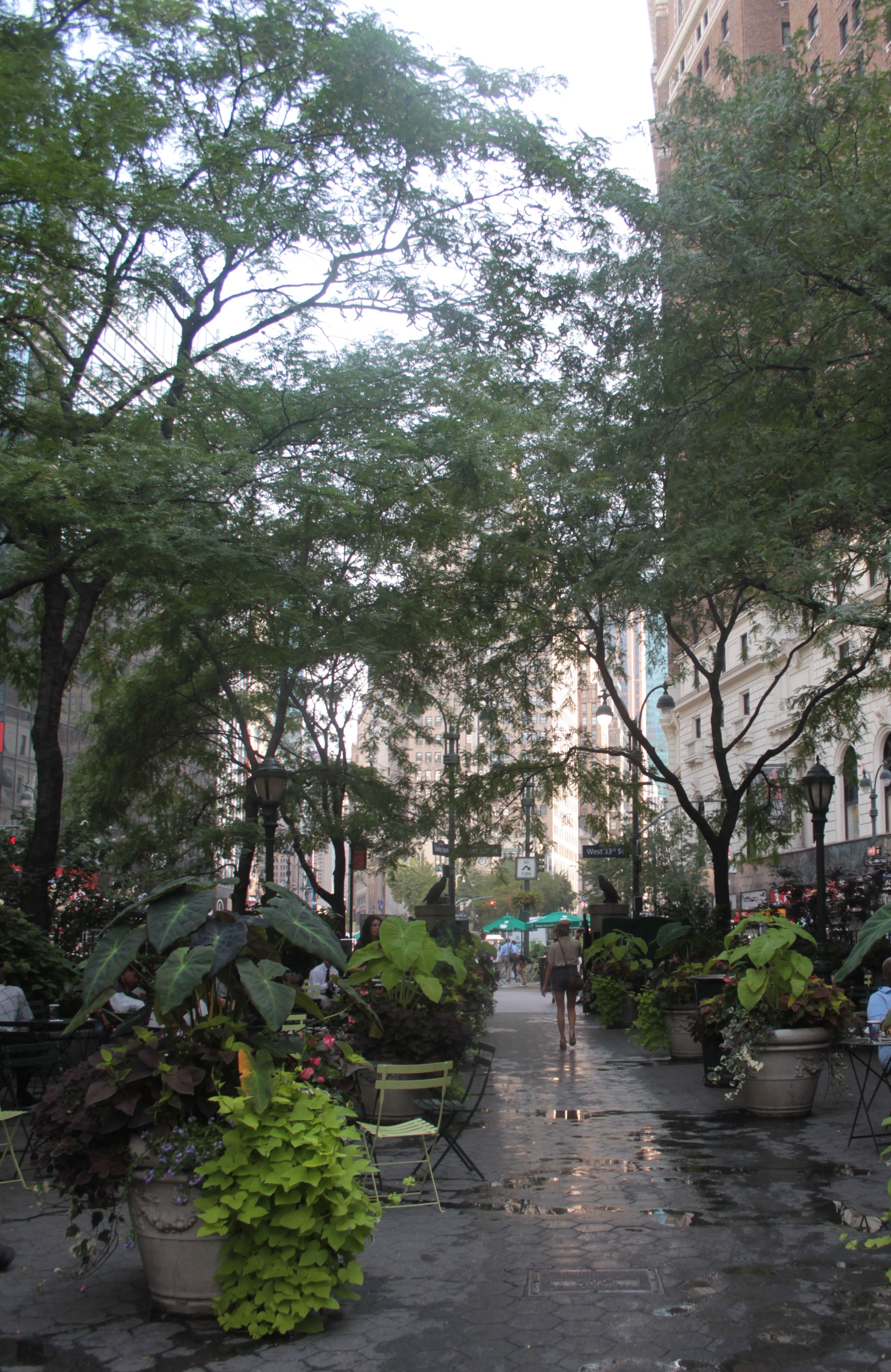
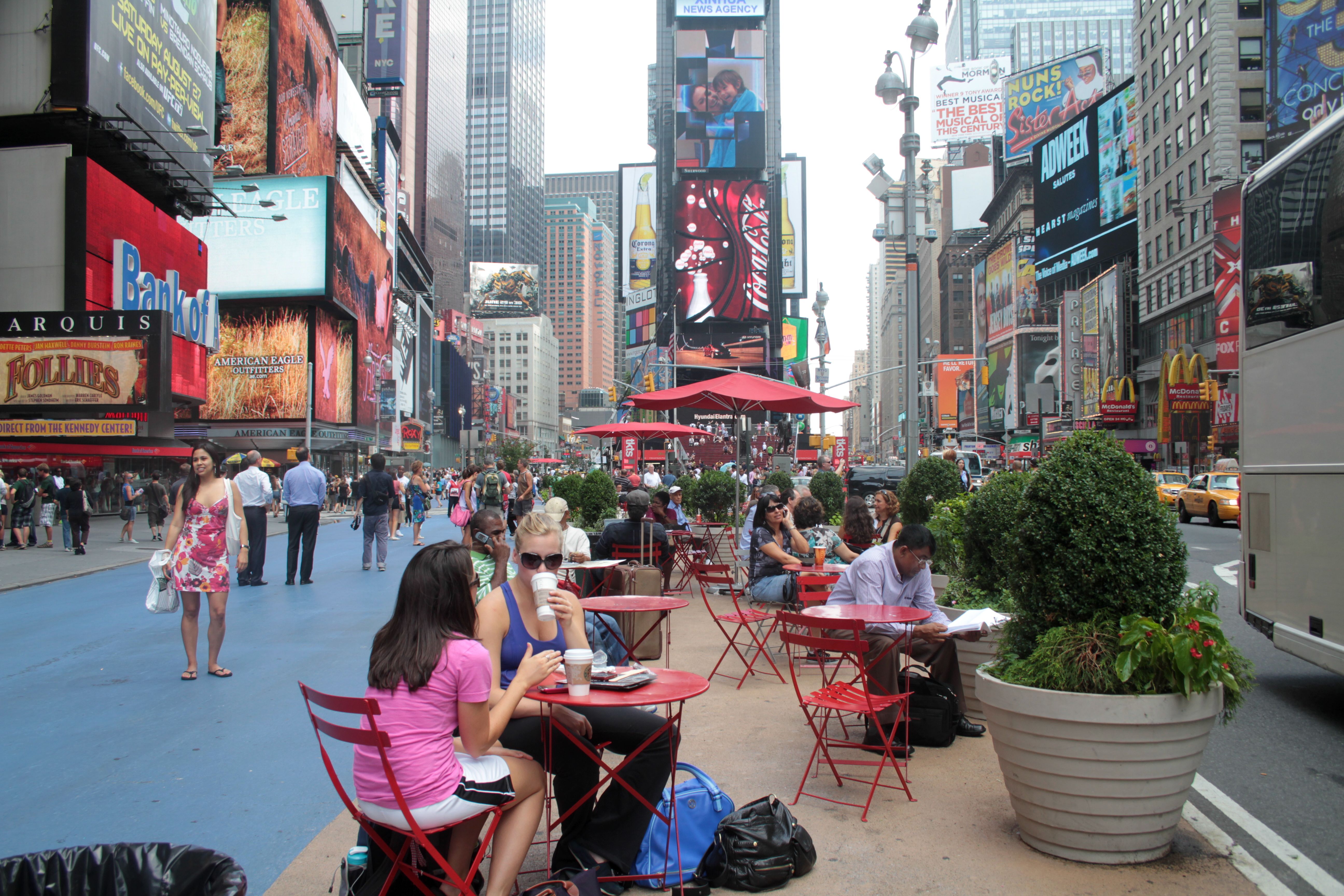
This latest trip was the first time I had been in the city by myself. I was staying with my cousins Laura and Kelly in Hoboken, New Jersey, which is a mere 15 minute train ride into the city. While they were working, I took the pathway into Manhattan and began my adventure. First I ate breakfast at a little outdoor cafe. The weather was beautiful and the atmosphere was perfect. I love all the little escapes you can find in such a huge, crowded city.

Breakfast of Champions

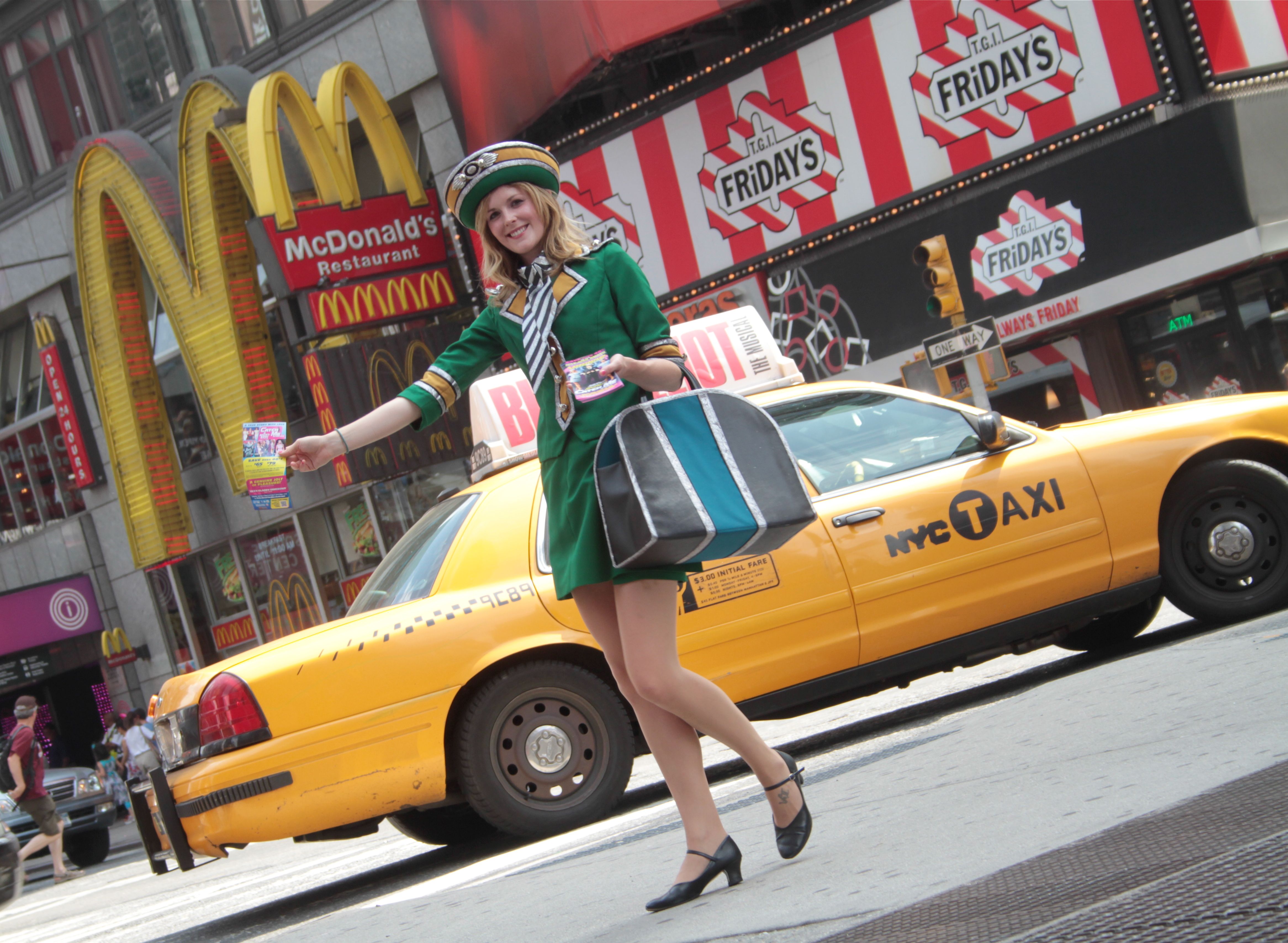
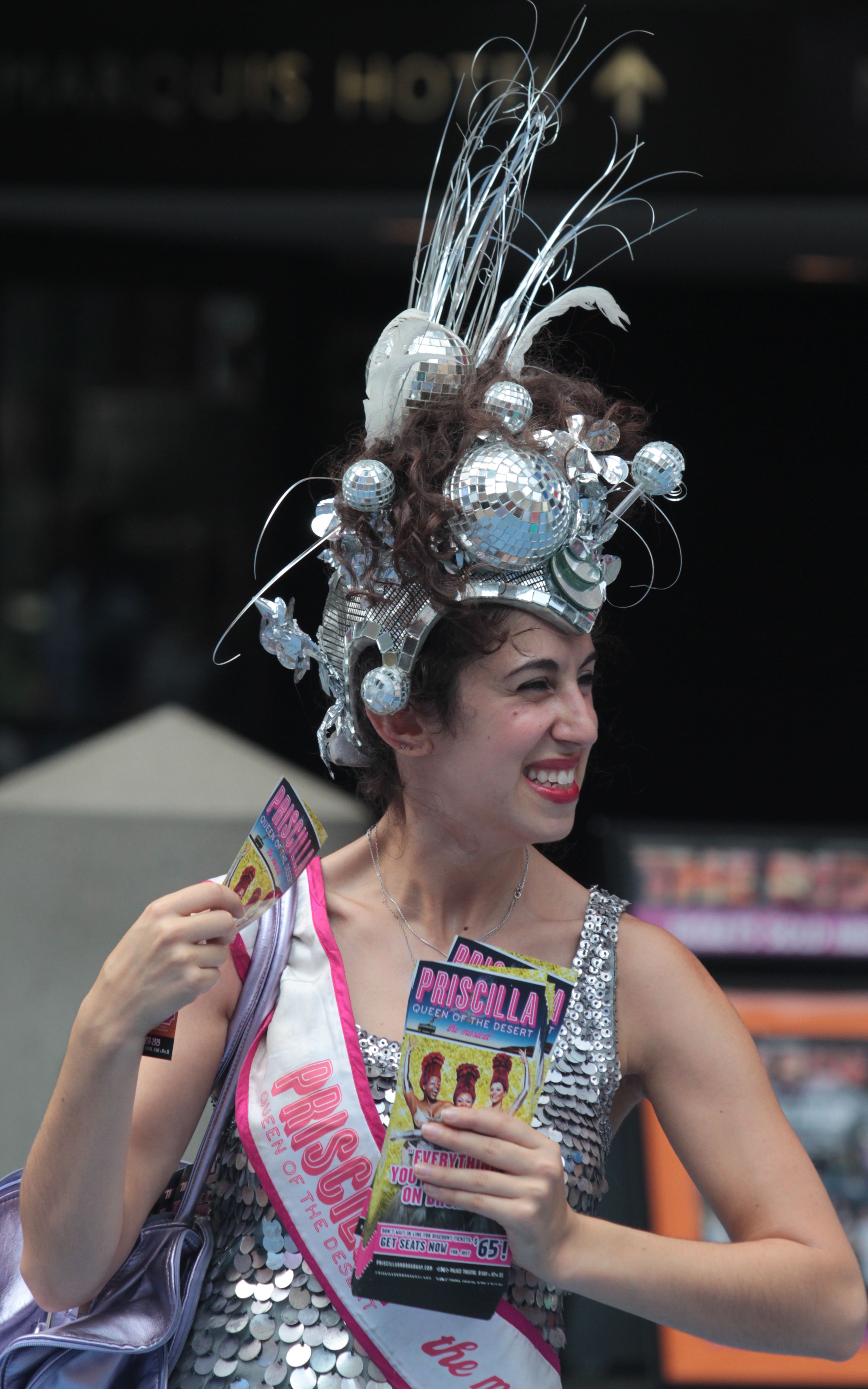
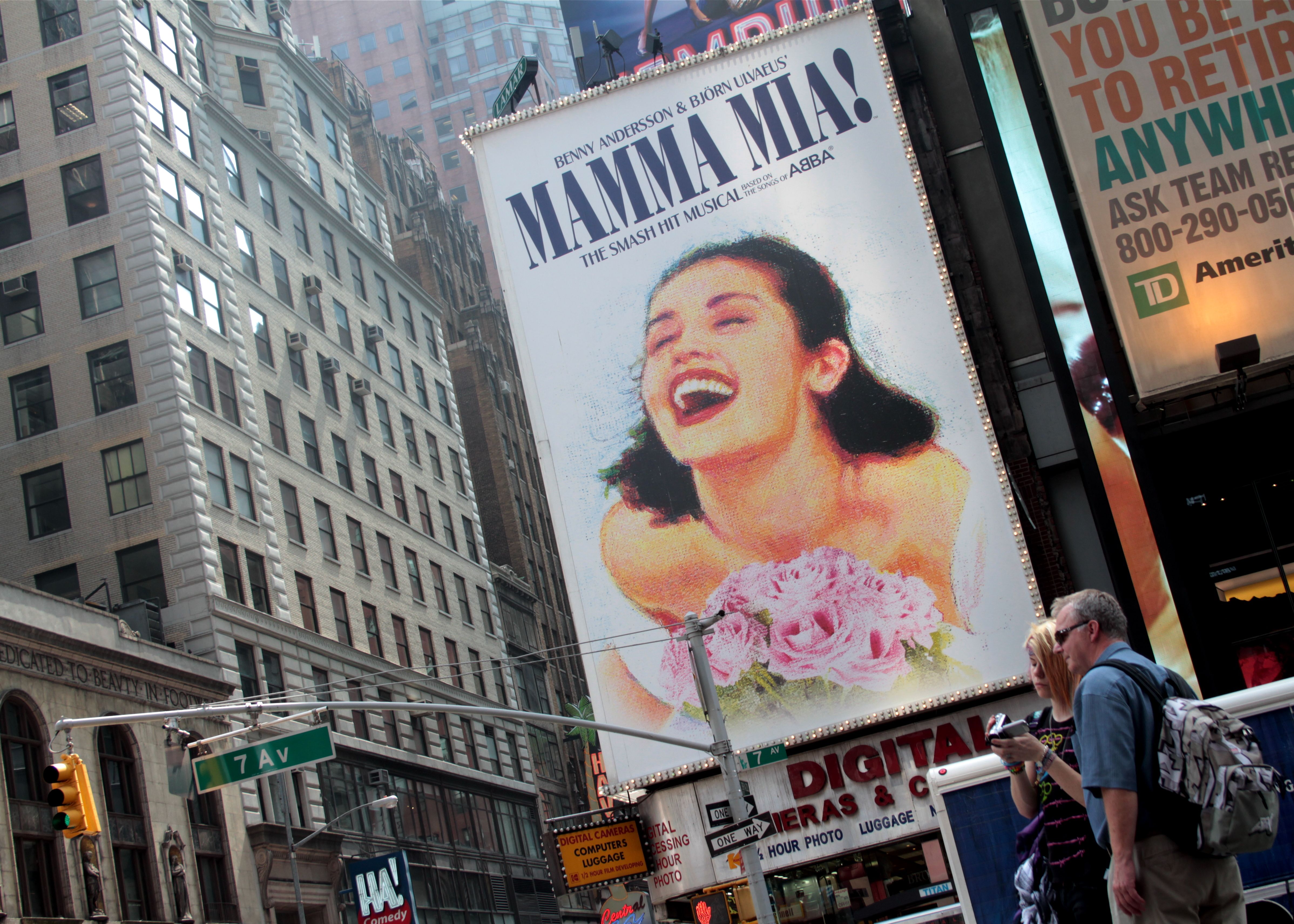
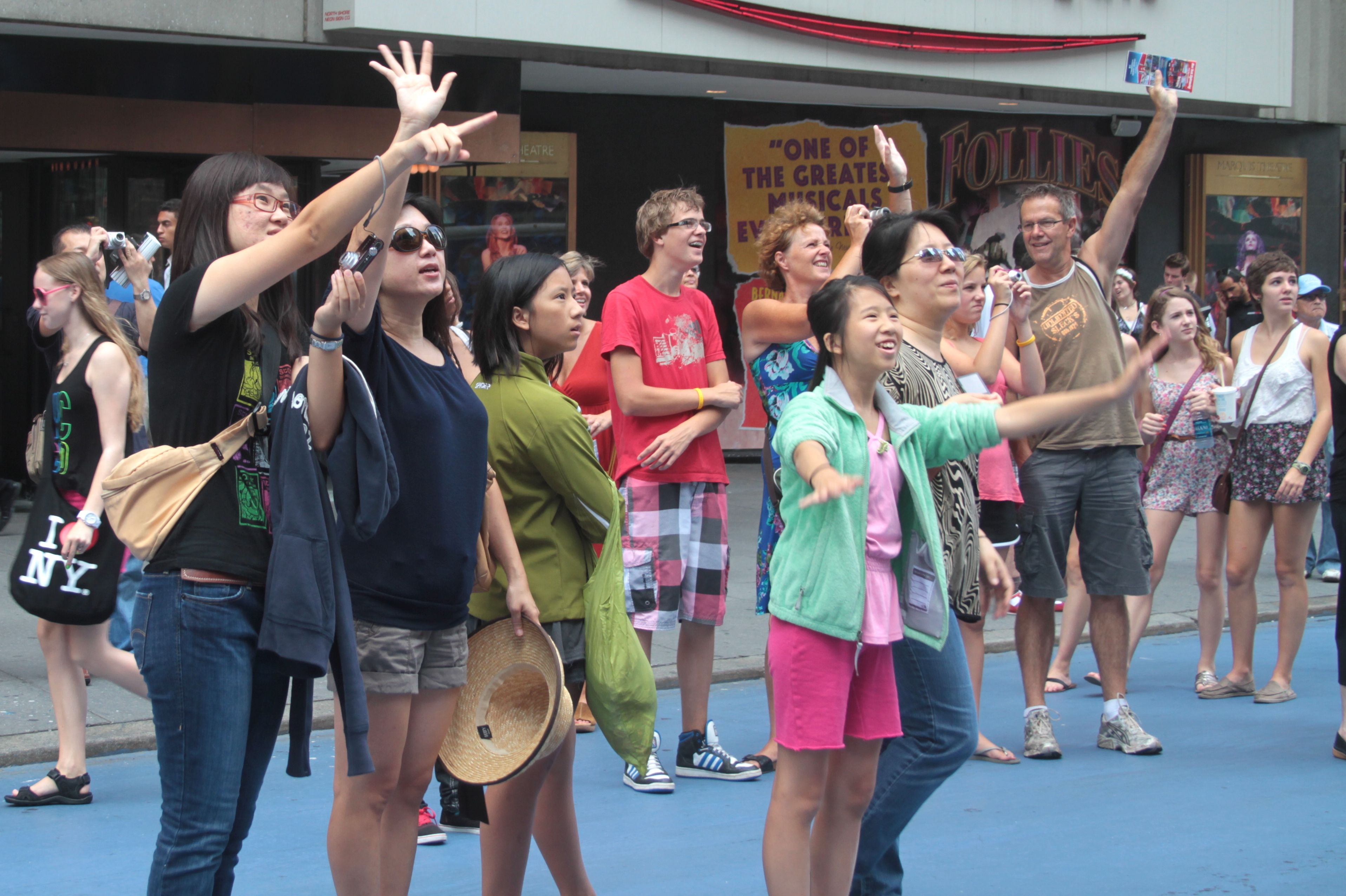
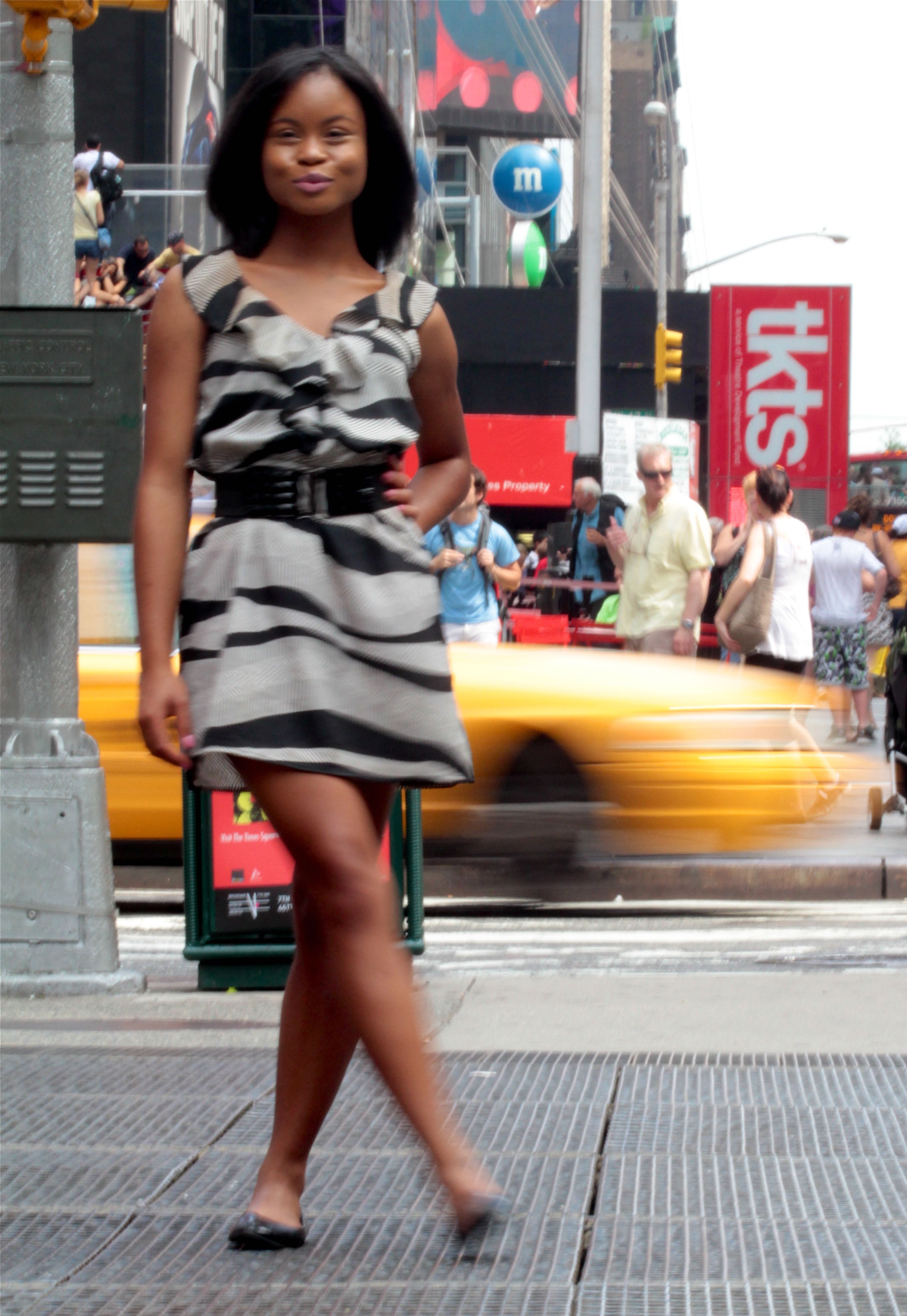
I was close to the Broadway, so I decided to head there first and snapped a few shots of the actors selling discounts.

NYC Cab

Priscilla Queen

I was very tempted to go see a show, but opted to save money and spend more time taking photos instead.

Casual Cat

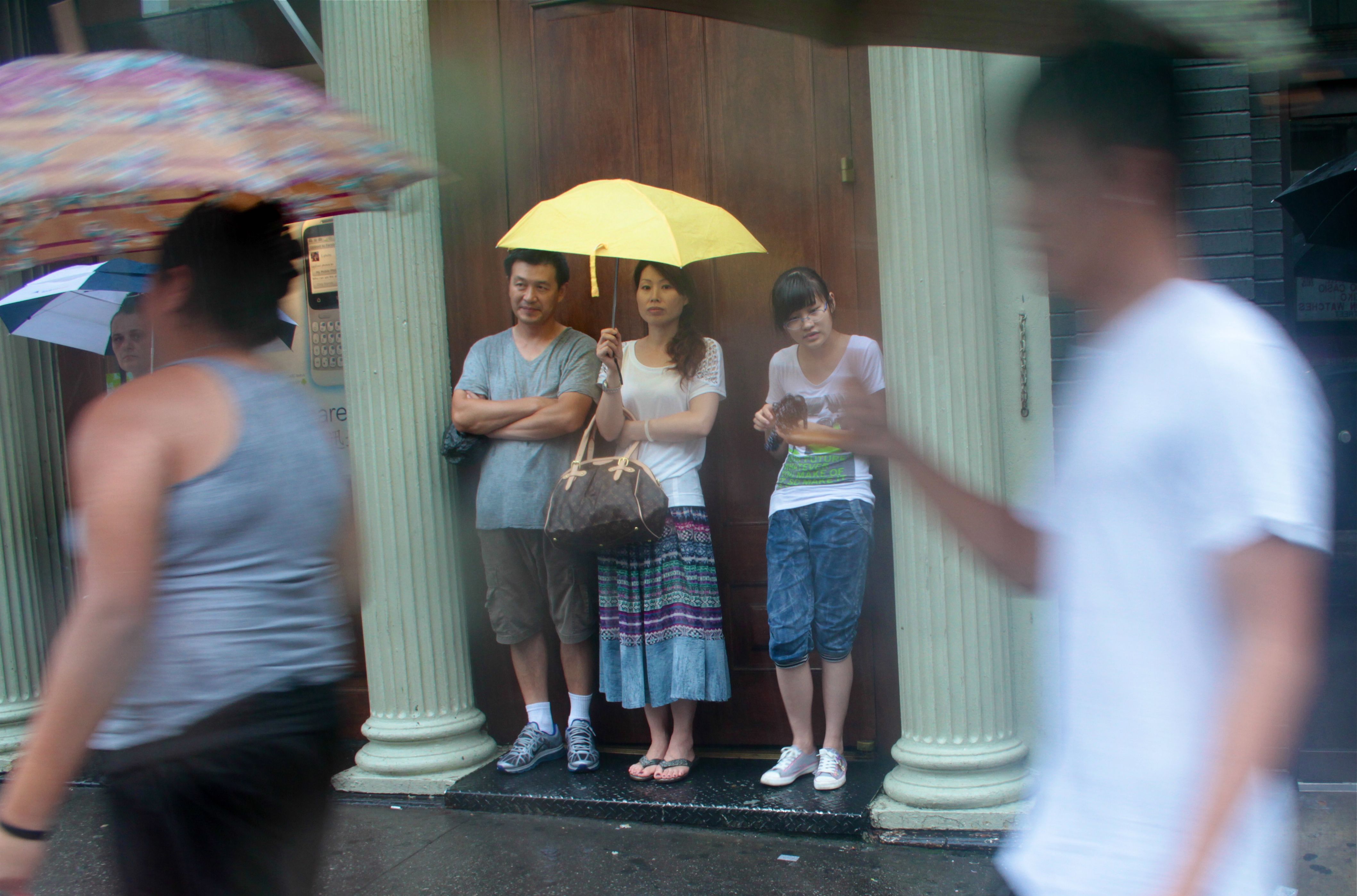
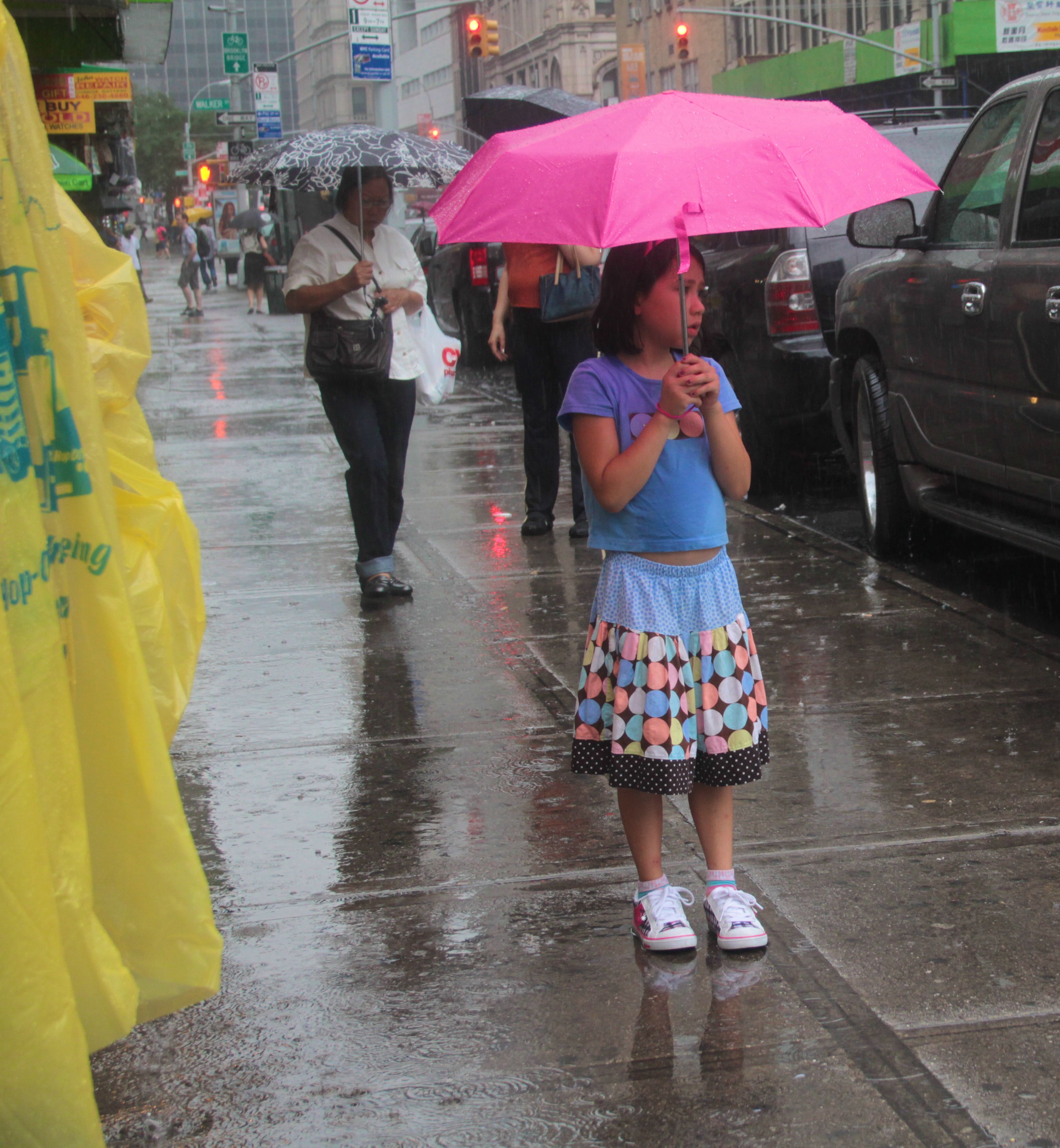
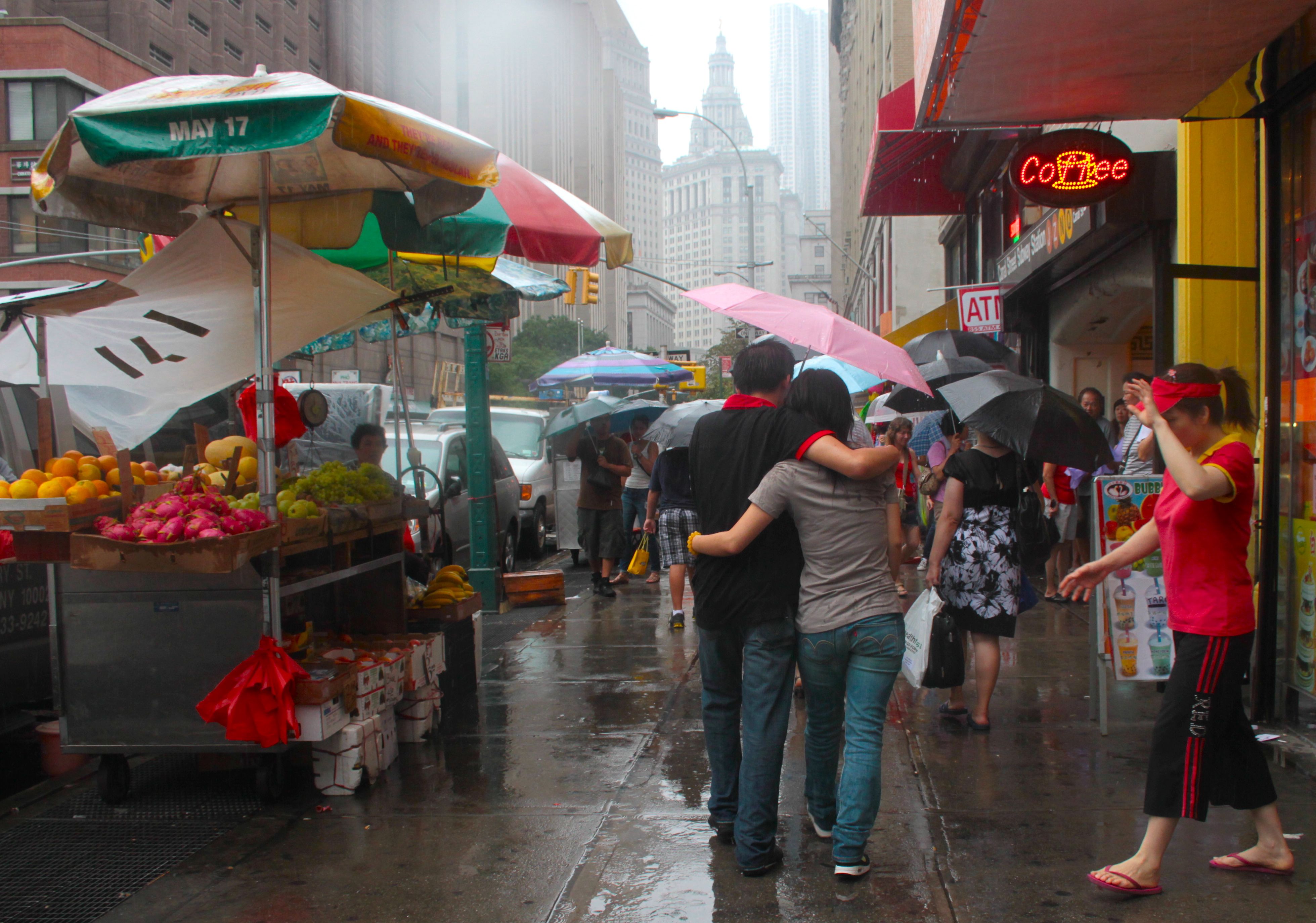
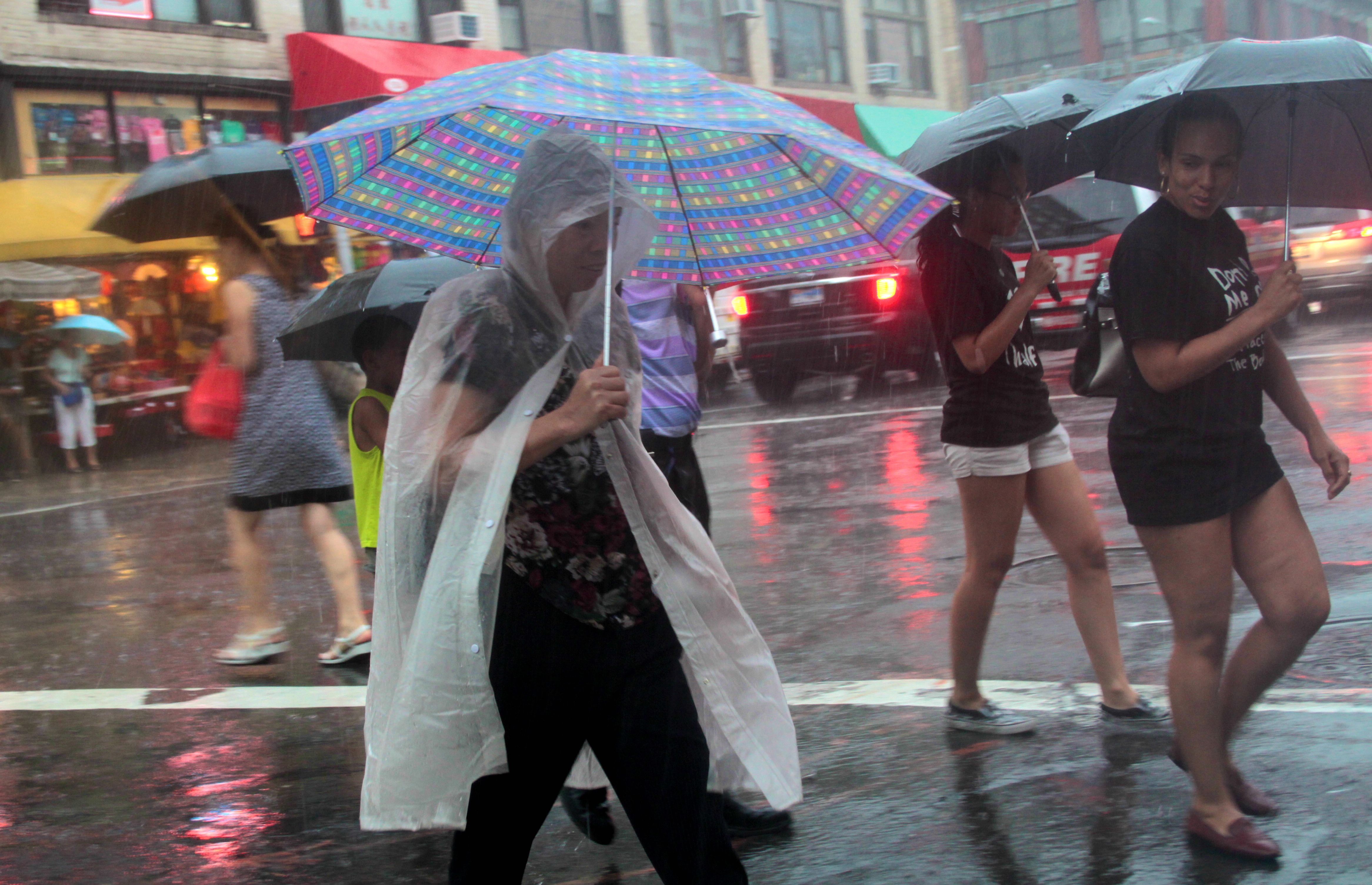
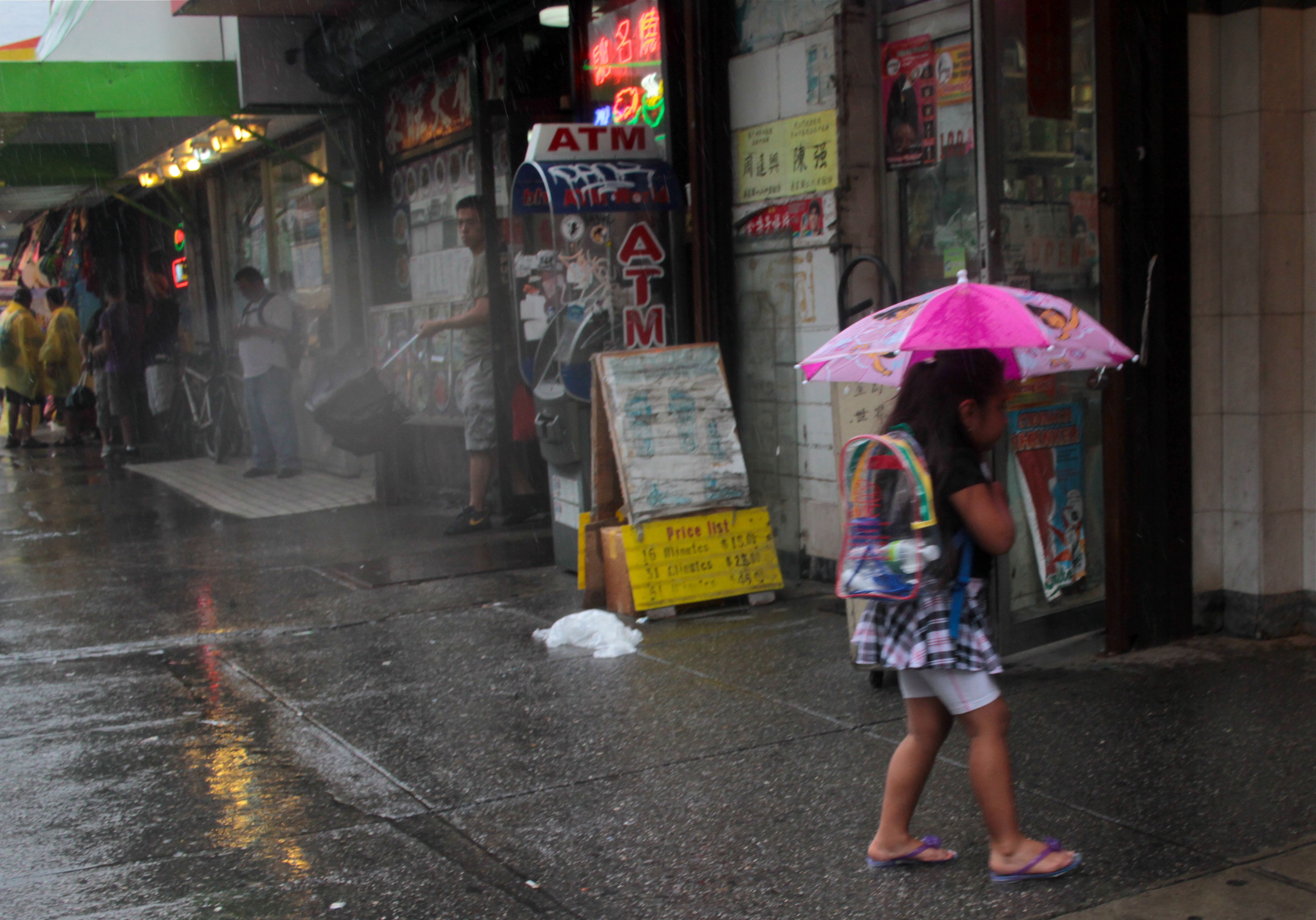
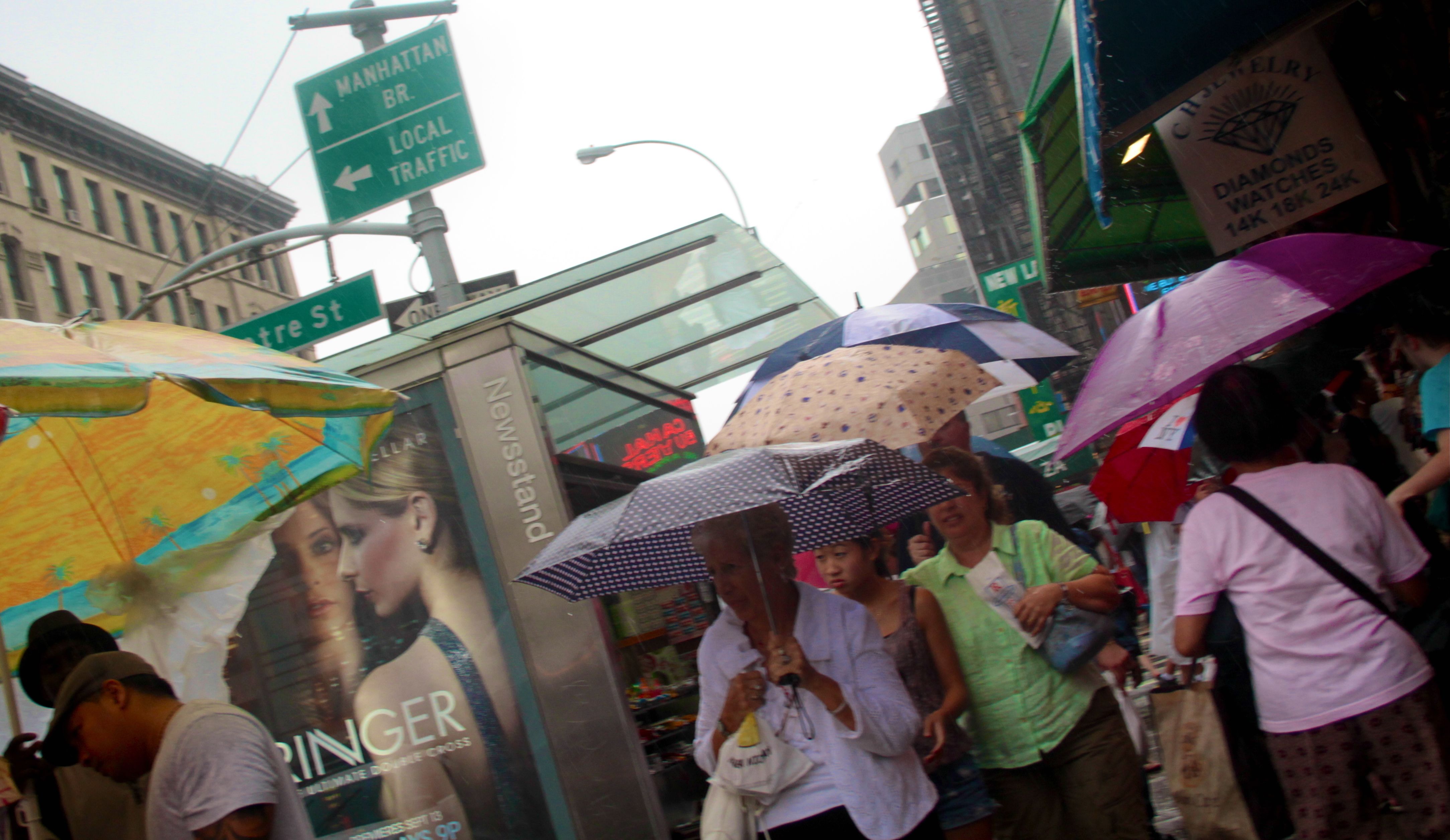
After my feet began to tire a bit, I decided to duck into H&M, where I promptly spent way too much money on clothes I decided I needed. When I emerged from my shopping spree, the clouds were rolling in. I grabbed a cab to Chinatown- always one of my favorite spots in the city. I wanted to buy my mom a scarf for her birthday. As soon as I got there, it began to pour. I found a scarf, protected it from the rain, and bought myself an umbrella. At first I was annoyed, but it ended up being a good thing, because it made for really beautiful pictures. New York is so romantic in the rain. It’s like the people all of a sudden pay more attention to everyone around them and share a common bond. I love the way the light reflects off the rain-soaked streets, the colorful umbrellas and the way a couple is instantly brought closer together in seek of shelter. The water may not be good for the camera, but it’s great for the images.

Red Light- This may be my favorite rain photo from the day. I love the way the light plays off the water and the way the red wall, red lights and pink umbrella work together. The photo has a nice contemplative mood to me.

After a challenging (my phone began to die because it was lighting up constantly when rain got in the bottom of it and I had to find my way to the nearest apple store to charge it, my clothes were soaked through and I could not get a cab to pick me up) but very beautiful day in the rain, I explored a few more shops in Soho (like Kid Robot) and then met up with my cousins and our friend Heather for dinner. It was a delicious Italian meal, at my request. The perfect end to a perfect day.

Rules of Engagement

Evan and I on white

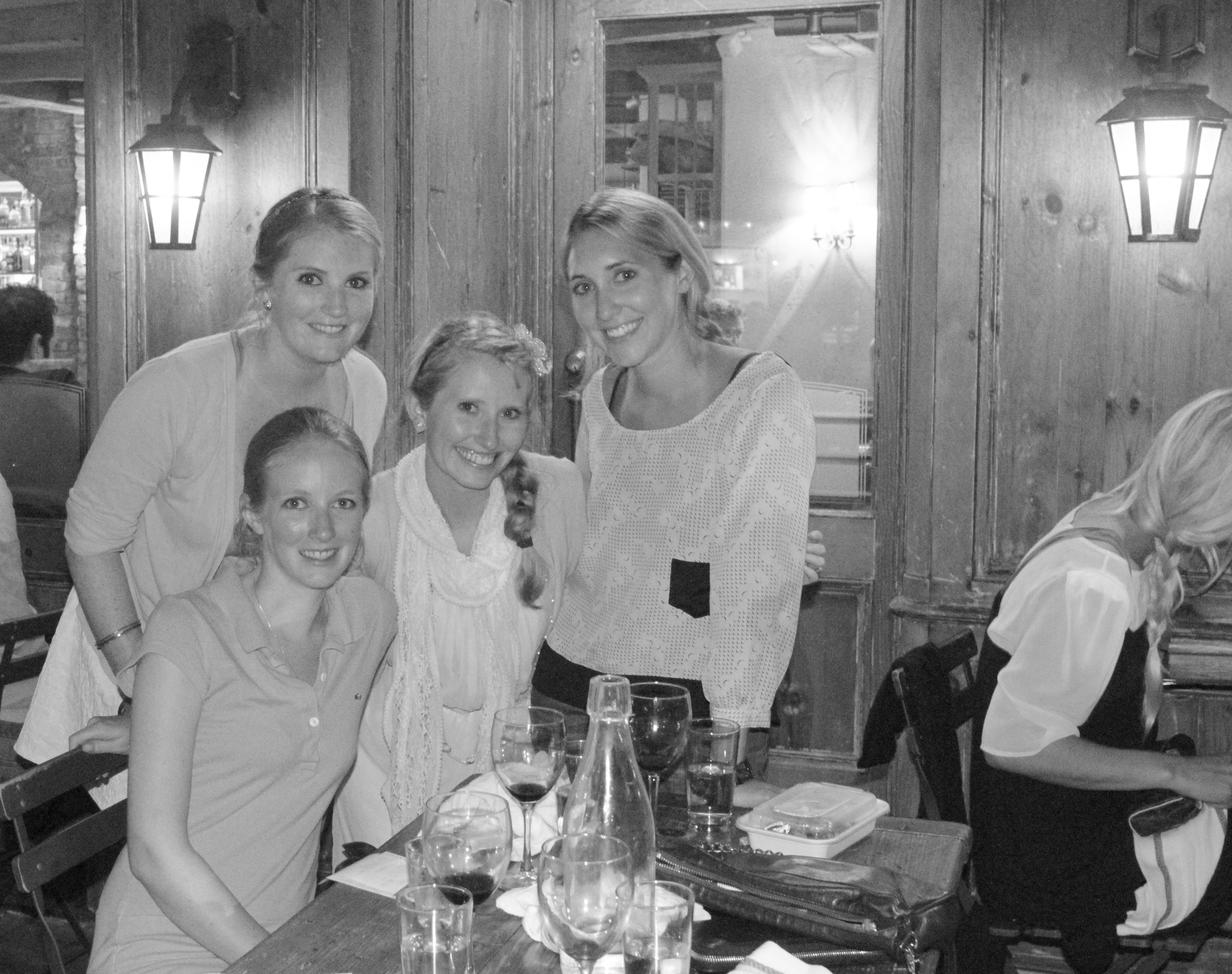
I recently returned from an amazing and much needed vacation to Jersey and New York City. Evan and I had our engagement party on the jersey shore at my aunt and uncle’s place, since we wanted to make sure my grandma got included in the festivities (she will unfortunately not be able to make it to the wedding).

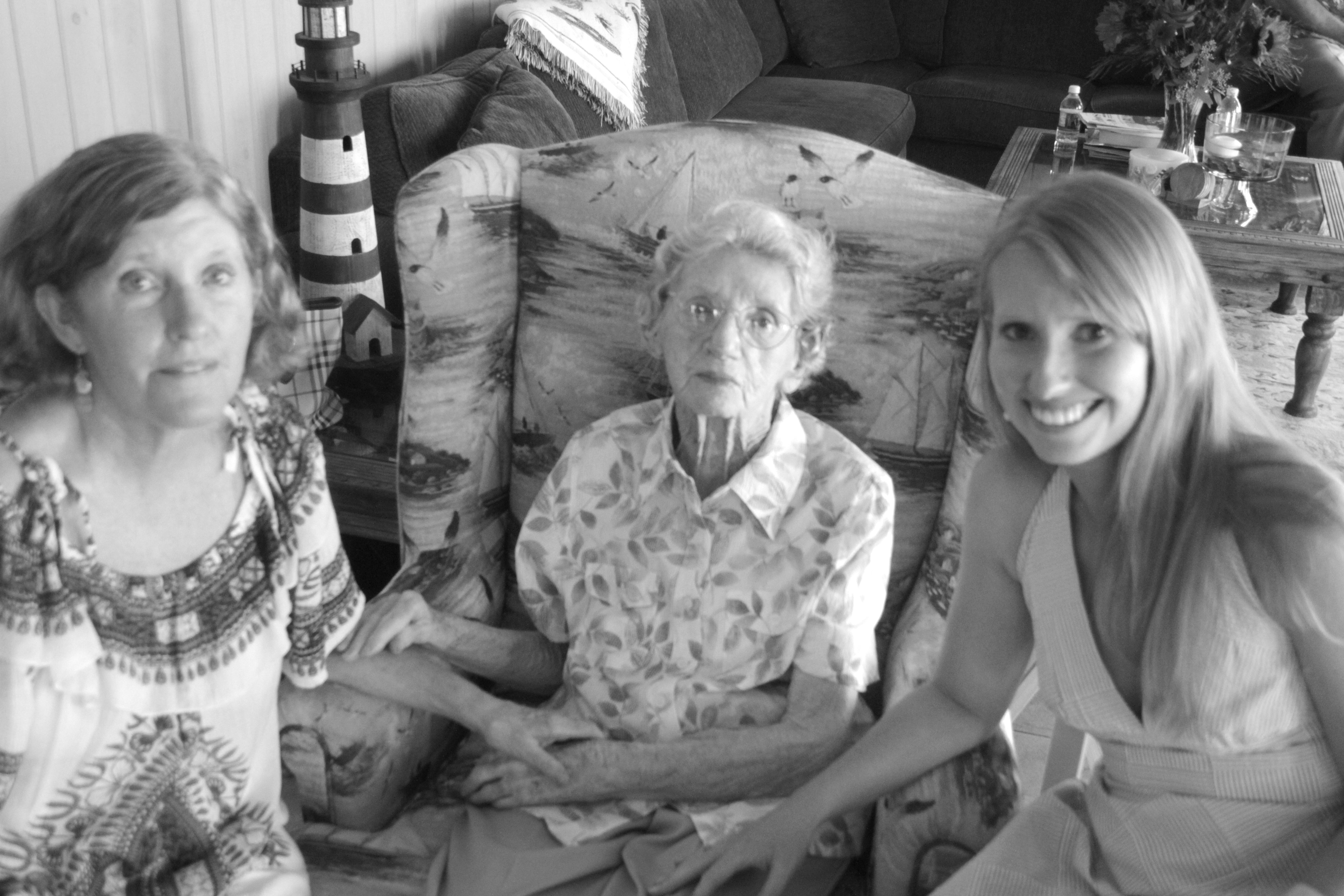
3 generations: my mom, my granny and I

I am going to split this trip up into a few different posts, because otherwise it will be too big of a post and too scattered. I will just start with the party and a few jersey photos in this post.

I’m often asked, jokingly, whether I will be shooting my own wedding. I did bring my camera to my engagement party- I couldn’t help myself. My camera is like an extension of myself. I think this is what makes the difference between a photographer and someone who likes taking pictures. I took a bunch of photos and I let other people use my camera too. Below are the results of a gathering of close friends and family on the Jersey Shore.

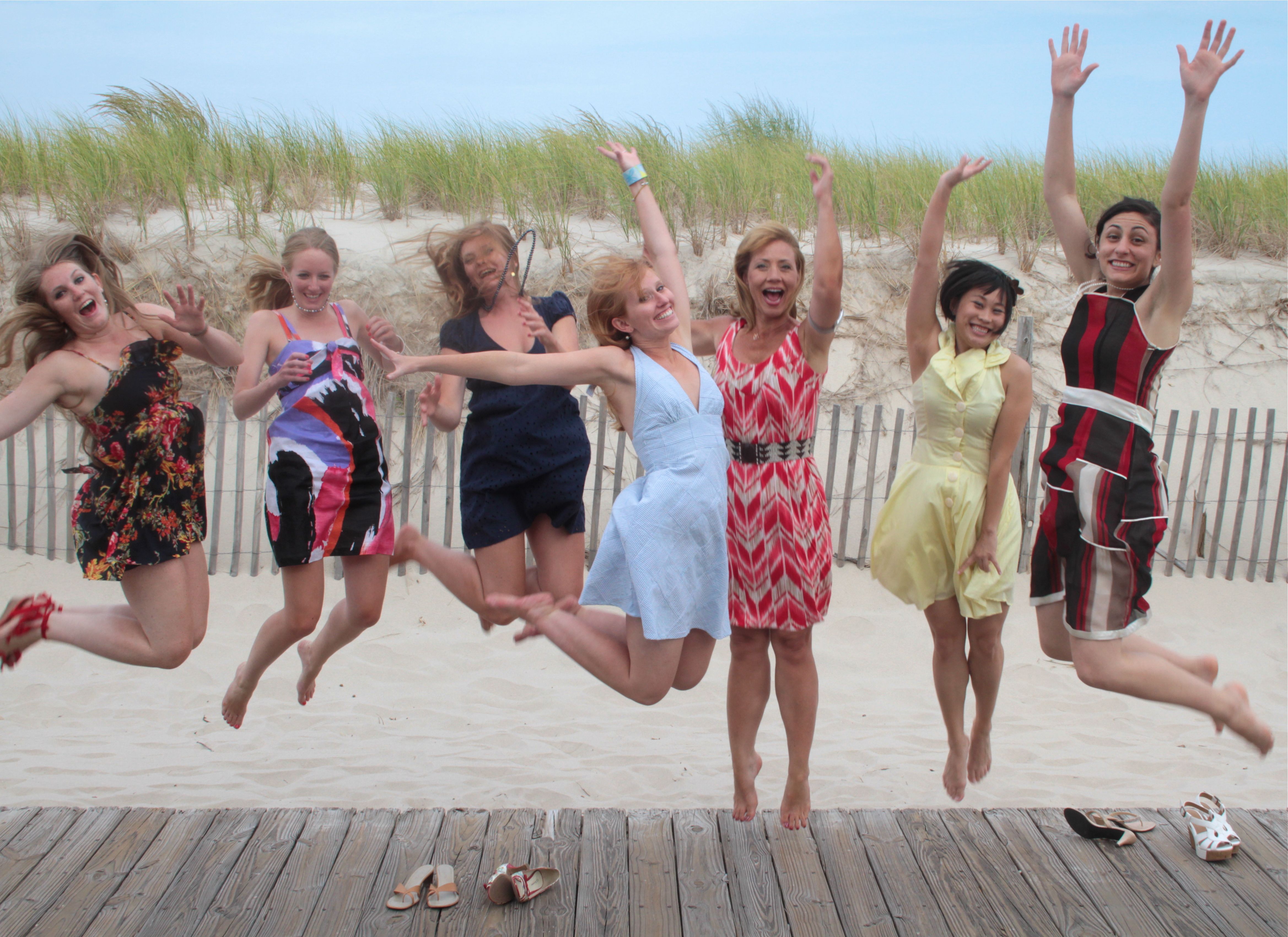
Jump! Most of my bridesmaids and I

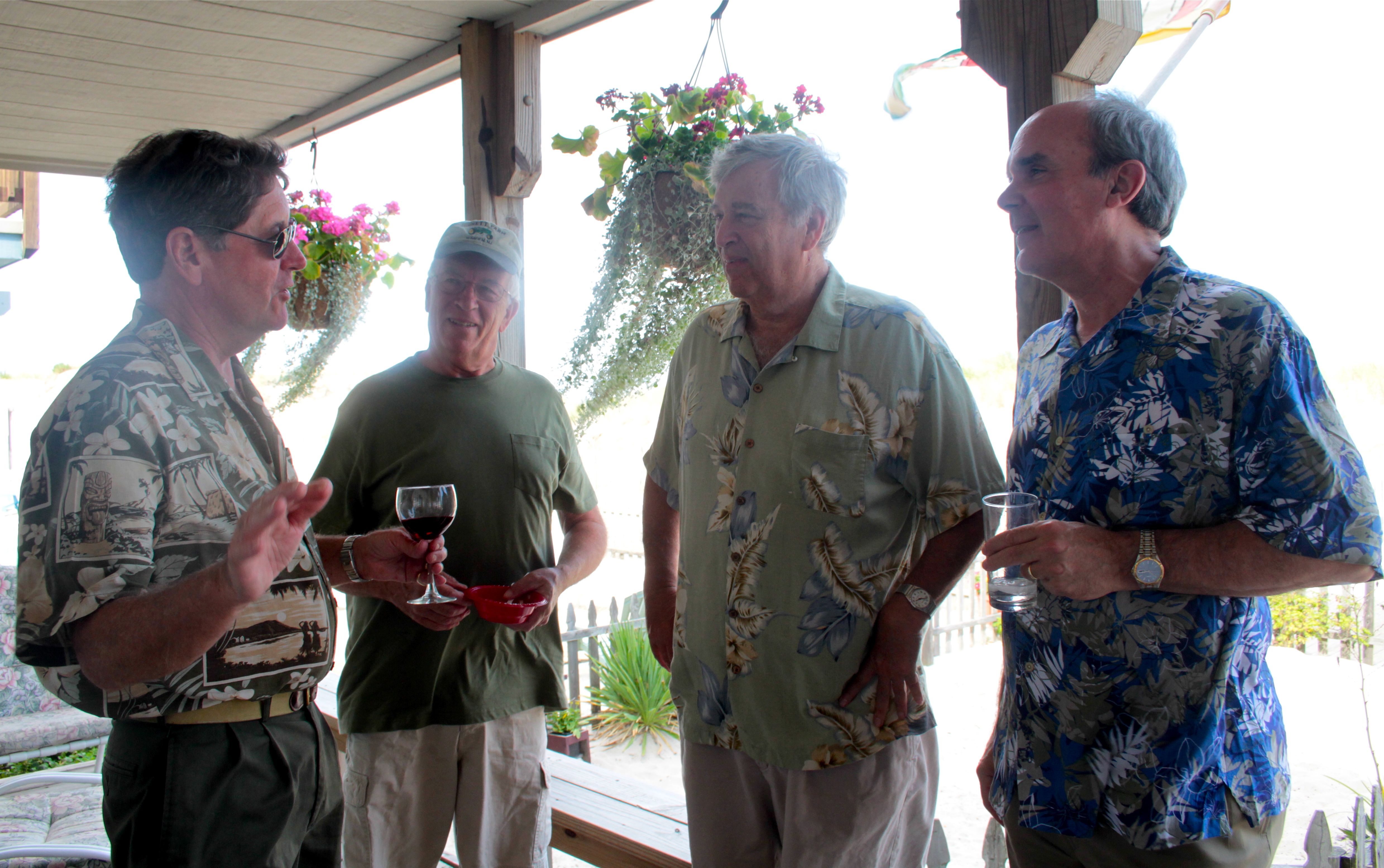
Evan's dad meeting my uncle

Our moms with the ring bearer and flower girl

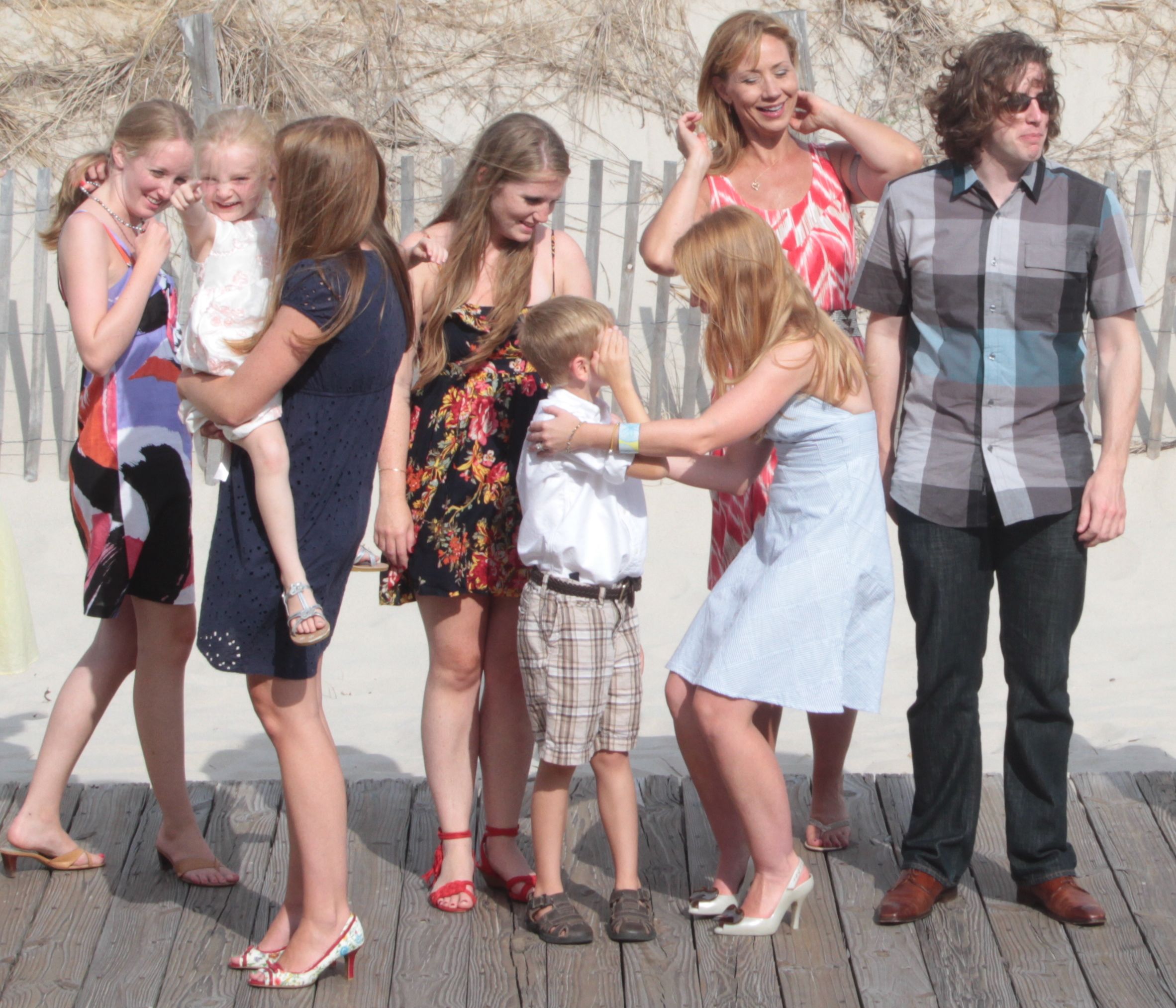
Organizing the troops

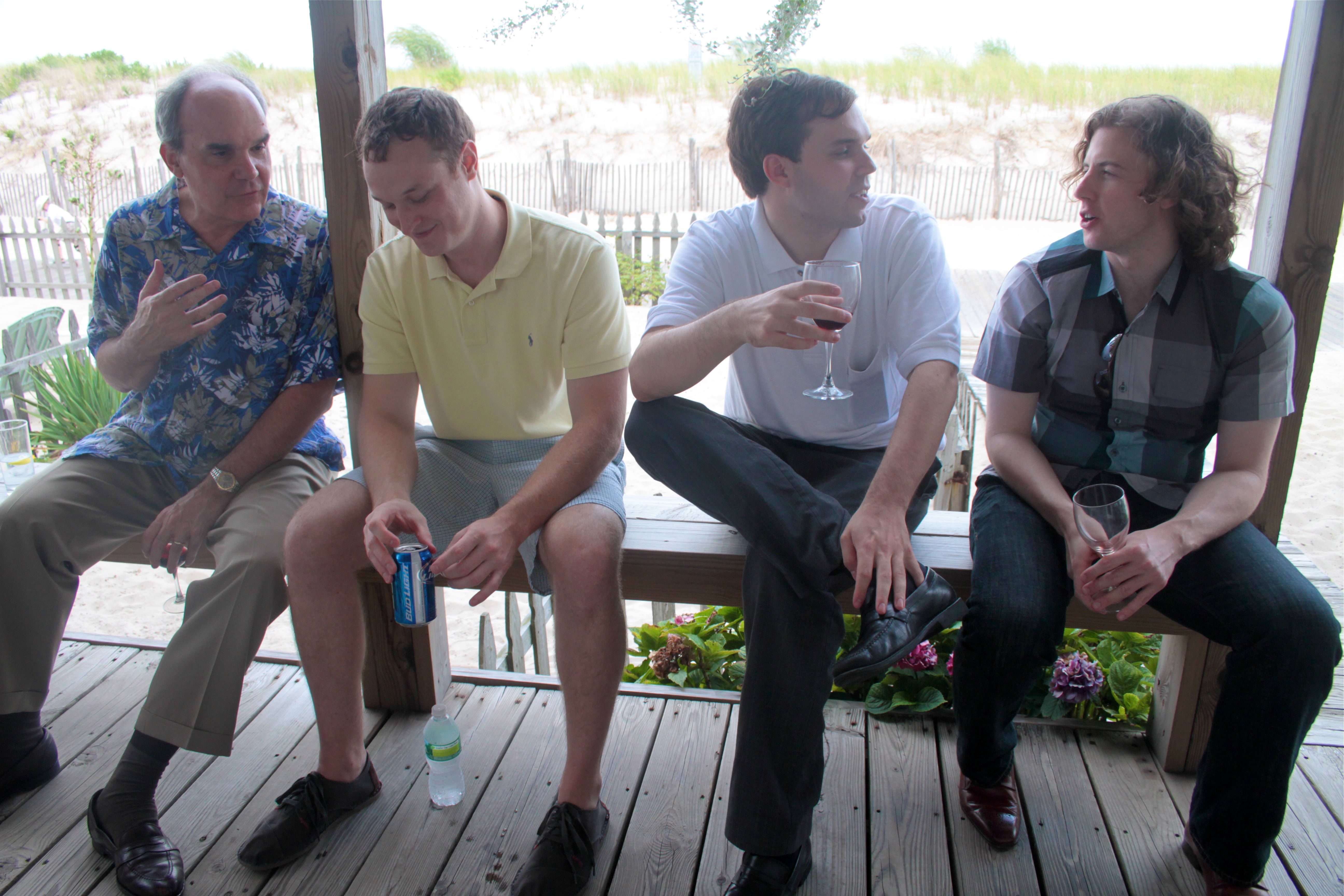
The Boys

Our Parents

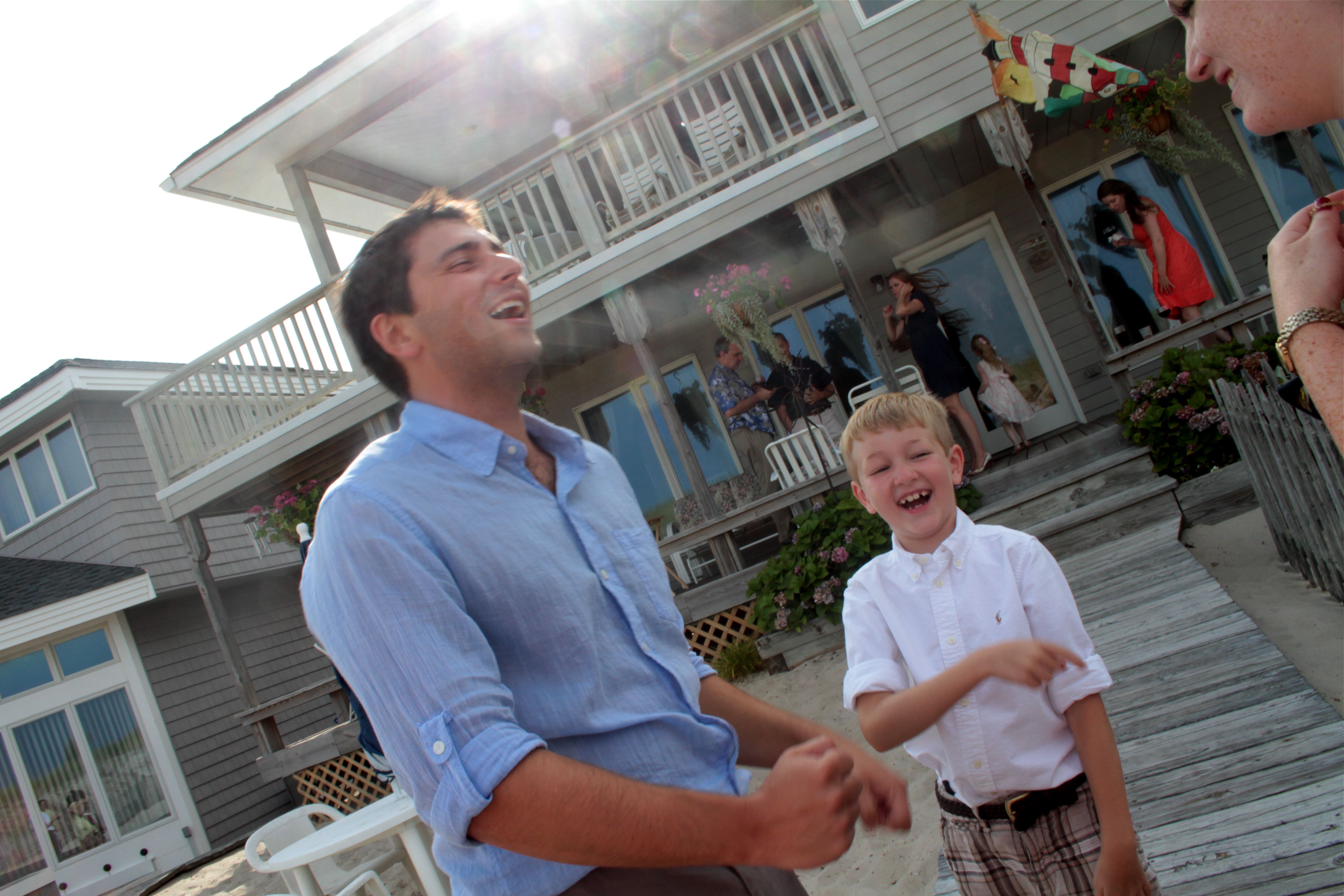
Billy and Ryan Laugh

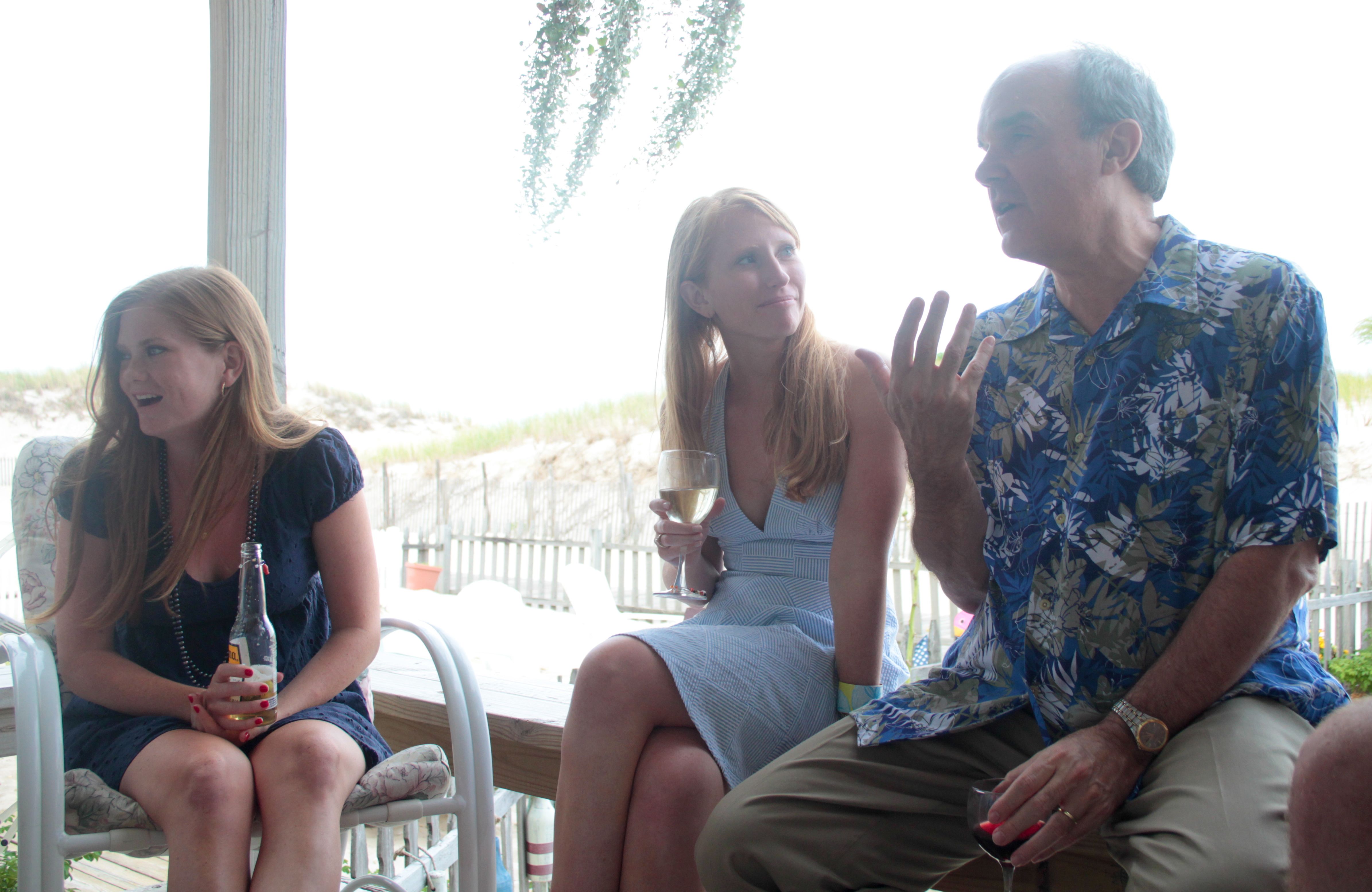
Talking with Evan's father

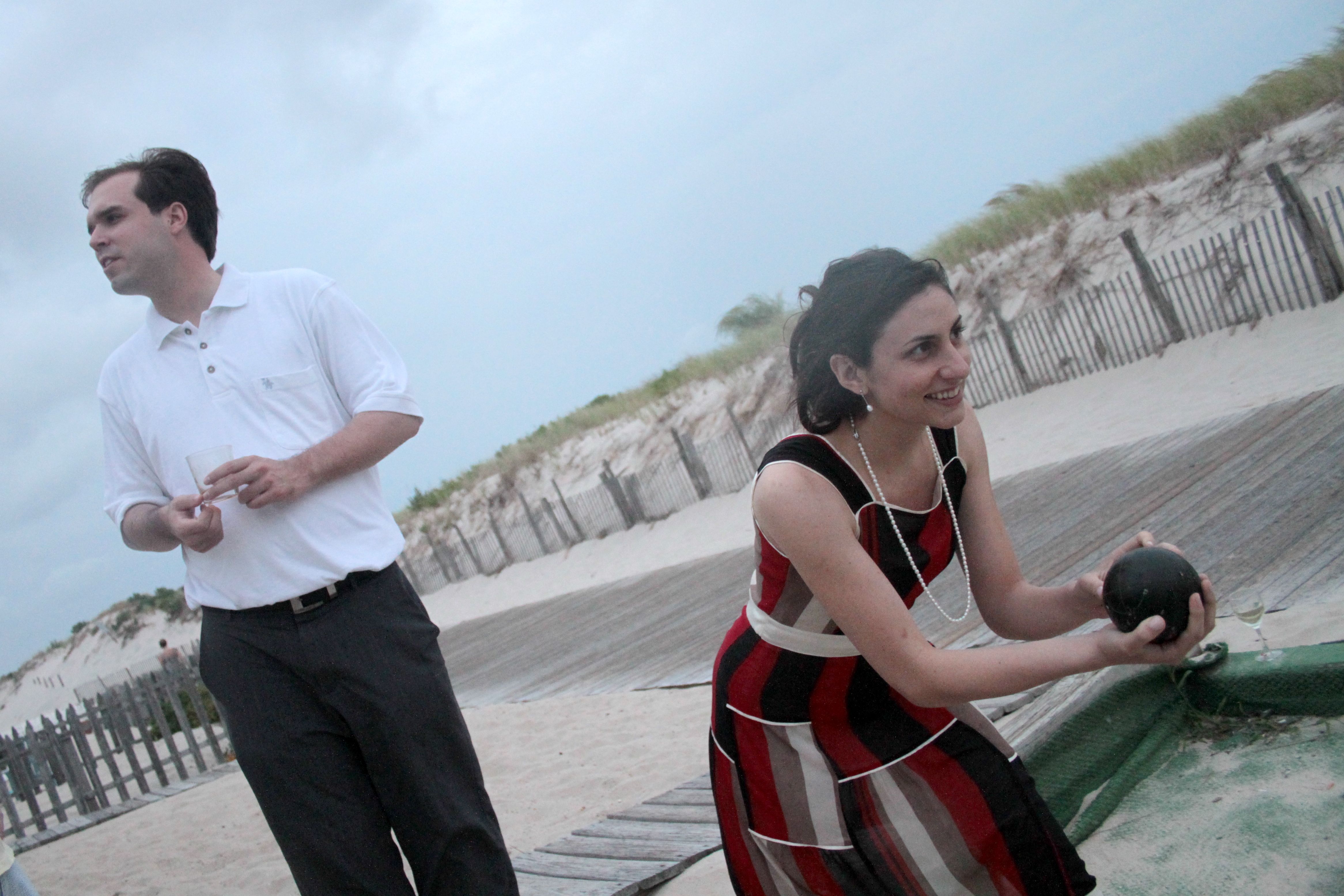
Bocce Ball

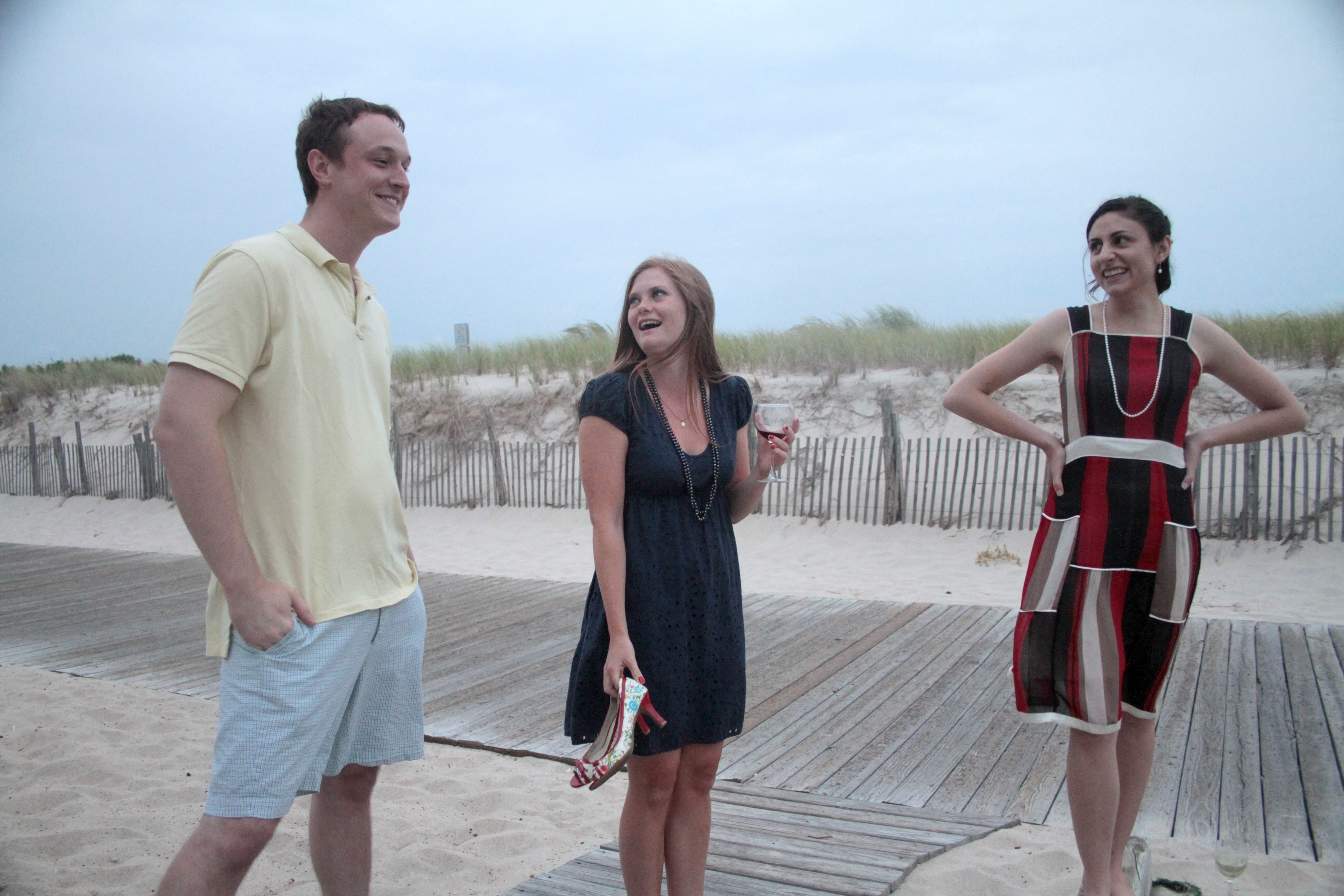
Catching Up

In the days after the party, I played family portrait photographer and enjoyed crabbing, relaxing on the beach and riding the boat.

After taking a lot of family photos the day after the party- these two decided they were done with photos

Family Portrait

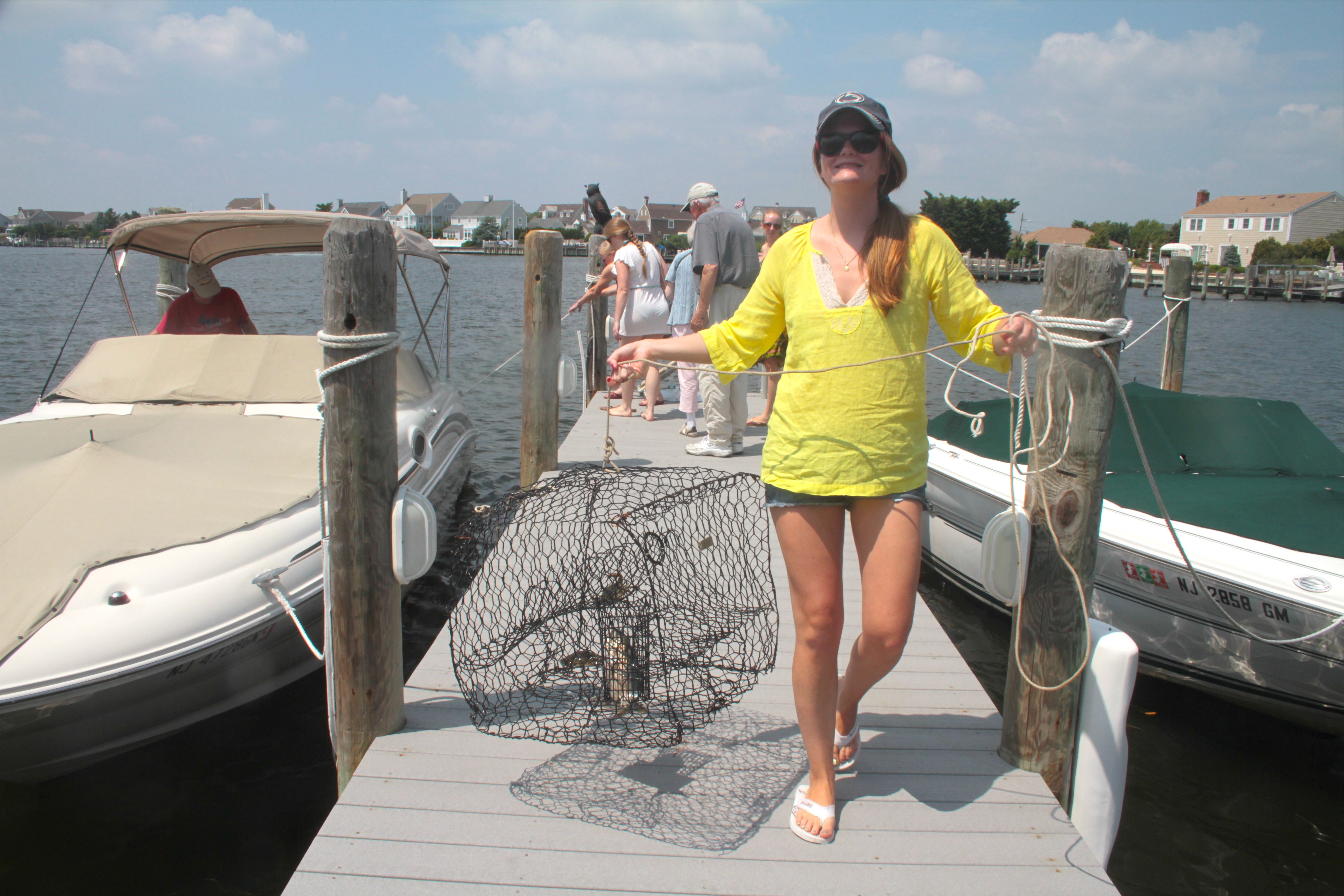
Sara carries a crab trap up the dock

On the Bay

Seagull Tracks

Thanks for the memories everyone. Much love.