
It was here and at a nearby women’s hospital that we volunteered our services to the peoples of Guayaquil. Our group was tasked with providing aid to those who could not afford to receive it otherwise. Our orthopedic surgery and neurosurgery teams were based here at Luis Vernaza and our OBGYN surgical team and a dentist volunteered at the other facility. For those who may be unused to seeing photos from inside hospitals, recognize Ecuador does not share the same privacy laws as the US. Nothing like HIPPA exists there. Instead, we asked patients if they minded being photographed when appropriate and, in return, patients and their family members often gleefully took photos of and with us.
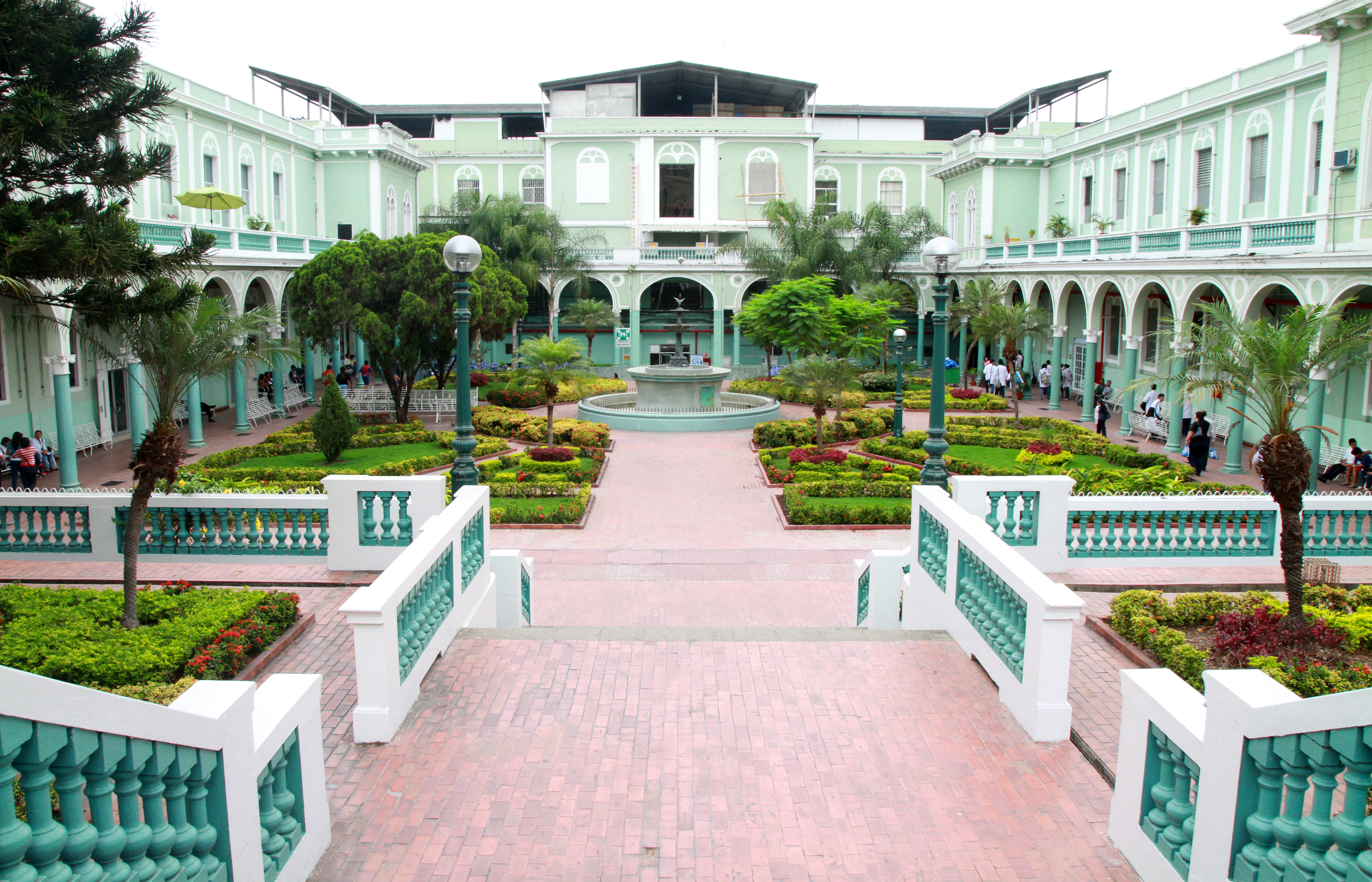
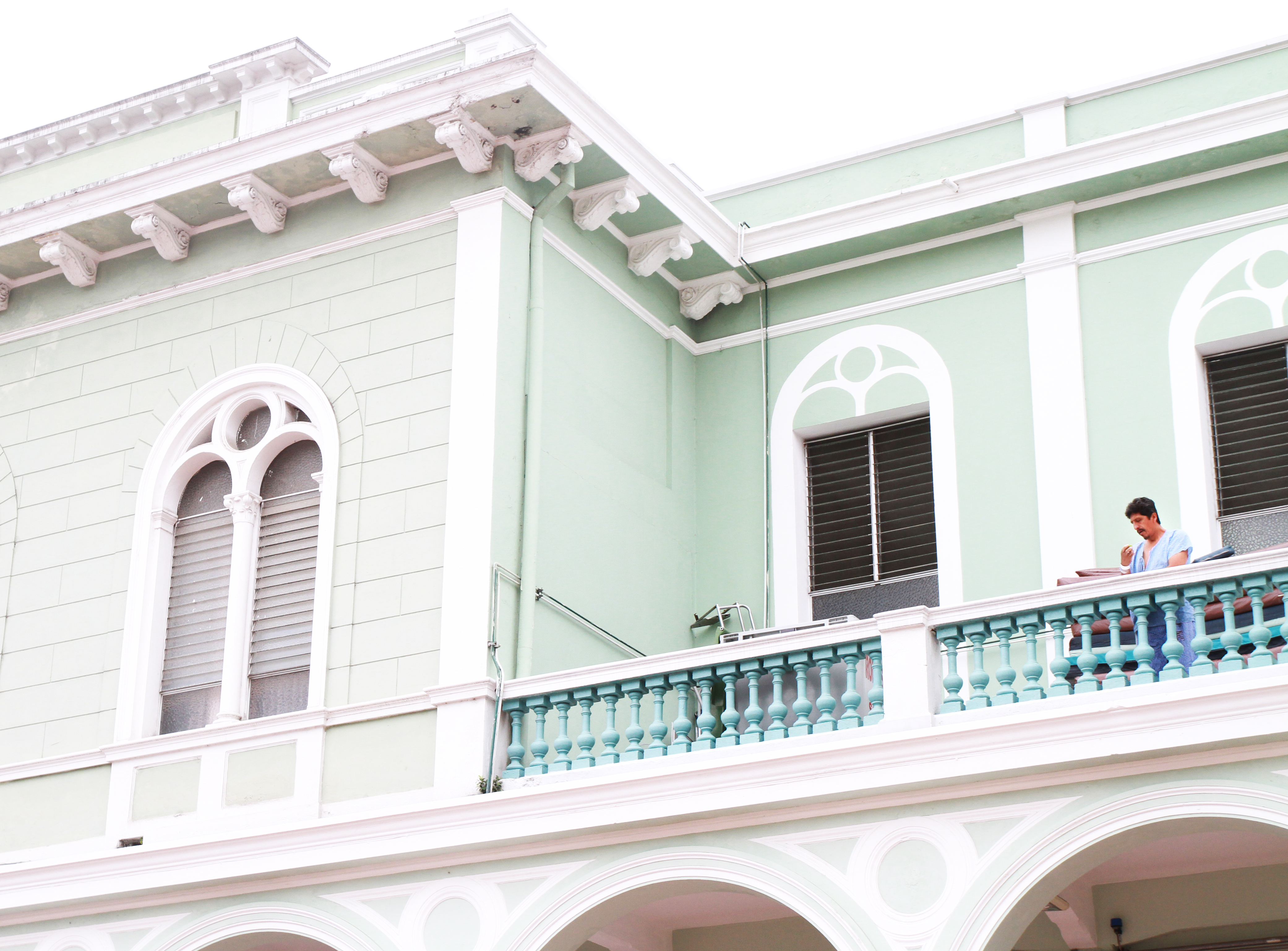
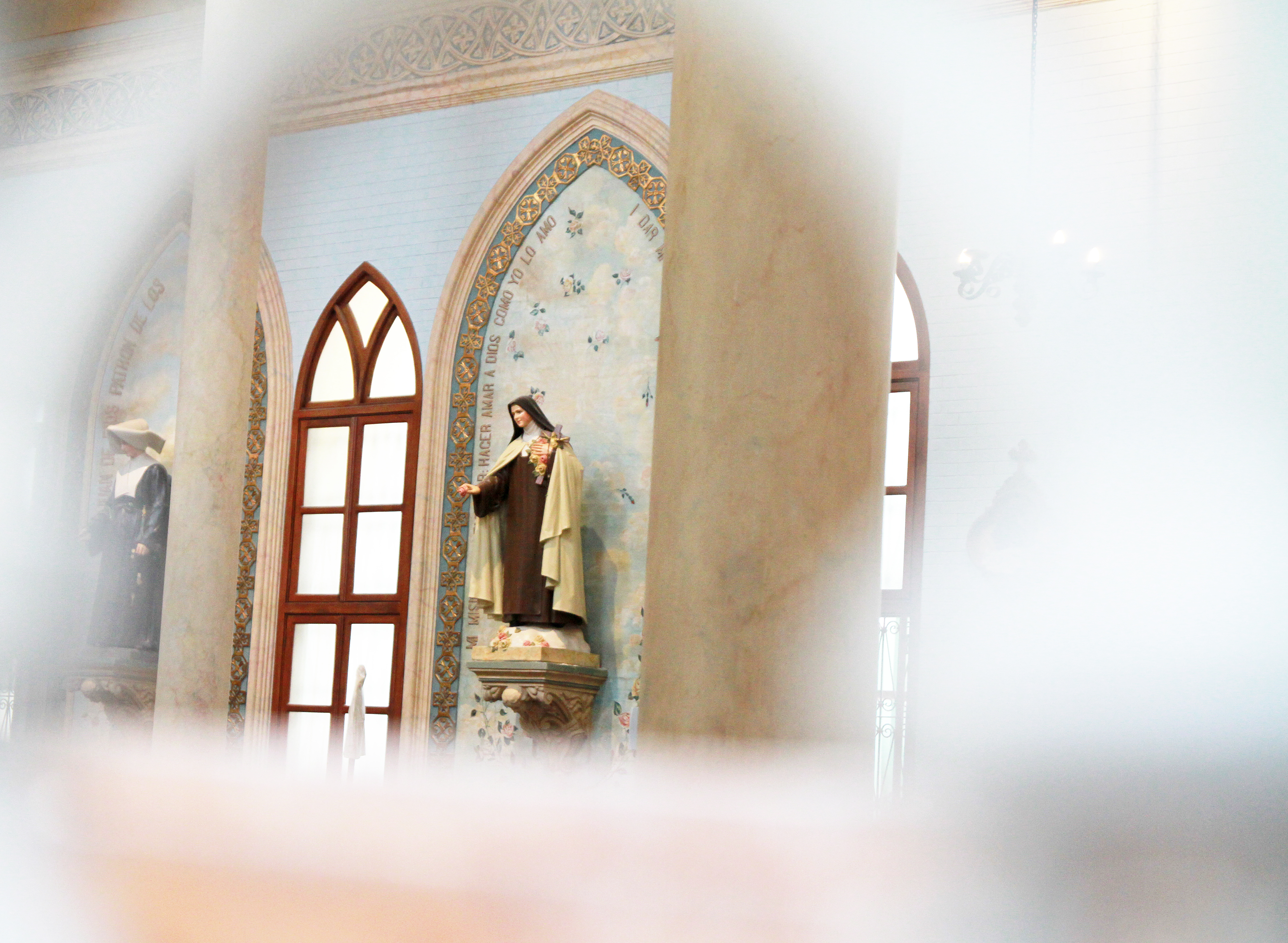
Below is a photo of the hospital’s courtyard. The grounds are beautiful, but I have a feeling the money that goes into maintaining the grounds and the stunning church on site could probably be better used elsewhere.
The lack of privacy laws put me in the unique position to take photos, even during surgery. The experience reminded me of my journalism days as it is the closest I have come to working with hard news in a long time. My medical expertise also gave me an insider’s perspective. It was nice to be somewhat of an expert in the subjects I was covering for once.
This is a typical ambulance serving this community.

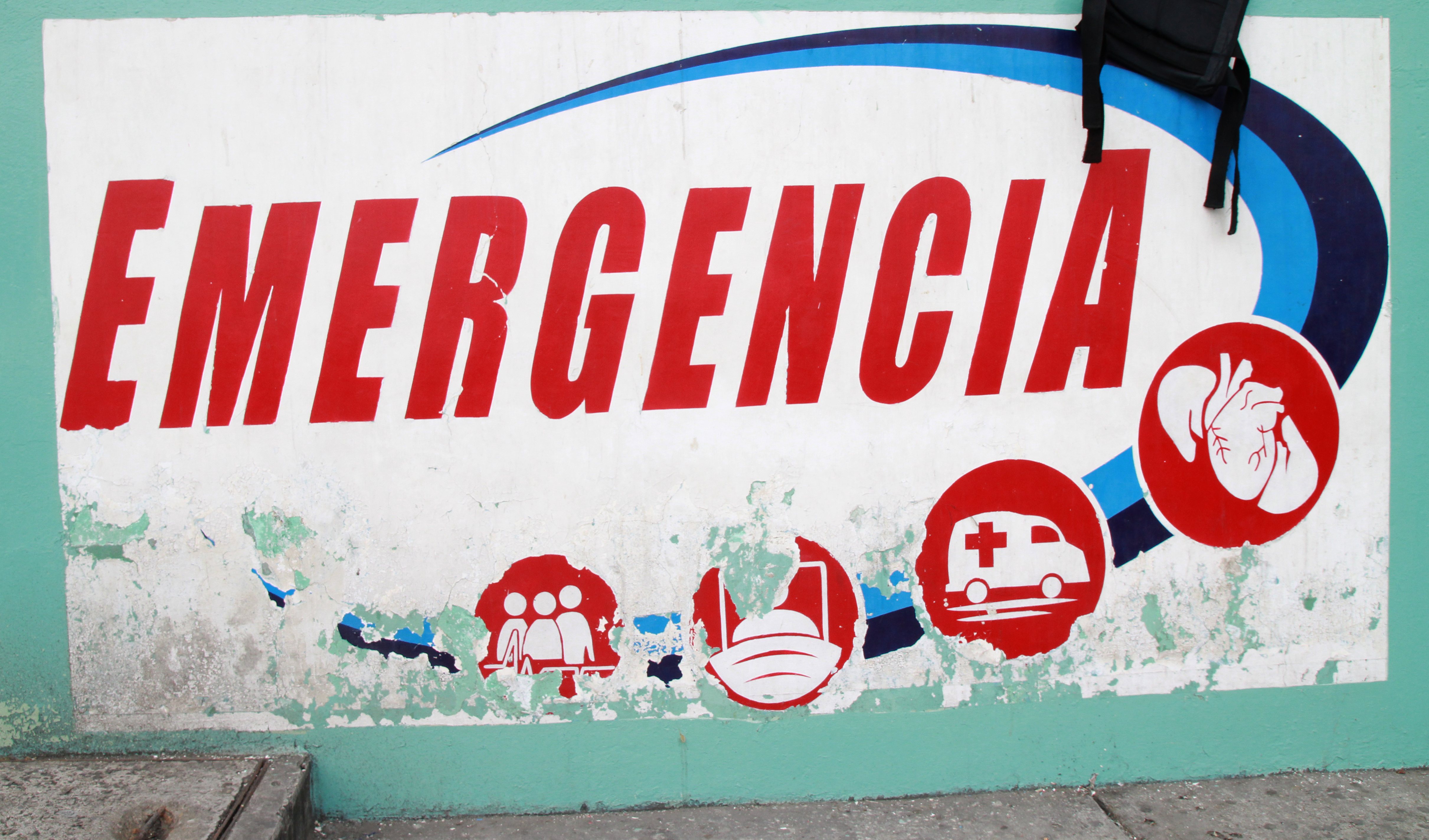
I was particularly interested to see the ER. One of the volunteers, a neurosurgery resident, was from Ecuador and he had studied at our hospital. We were lucky to have him with us as he knew the place and could connect with the local staff and community.
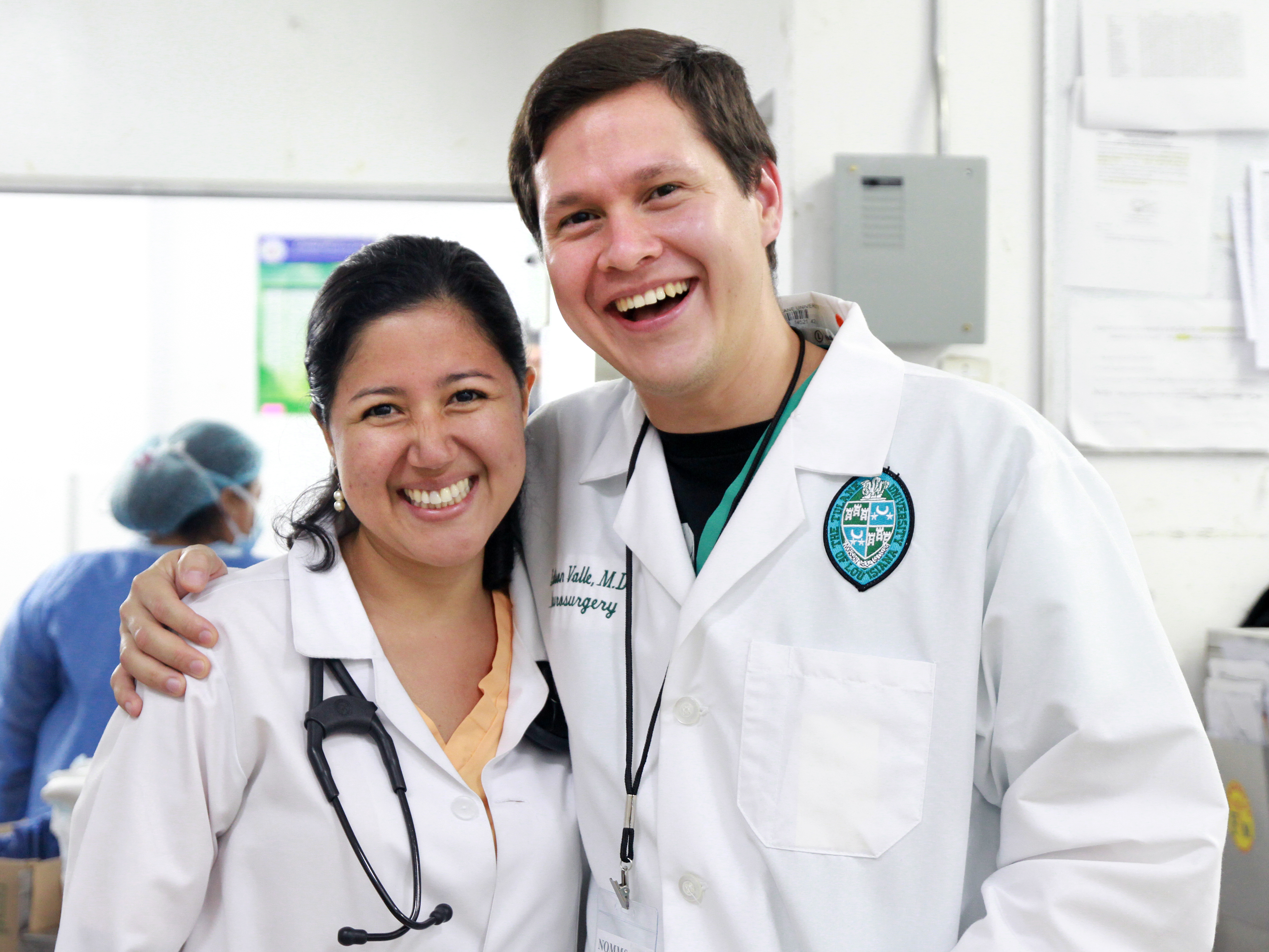
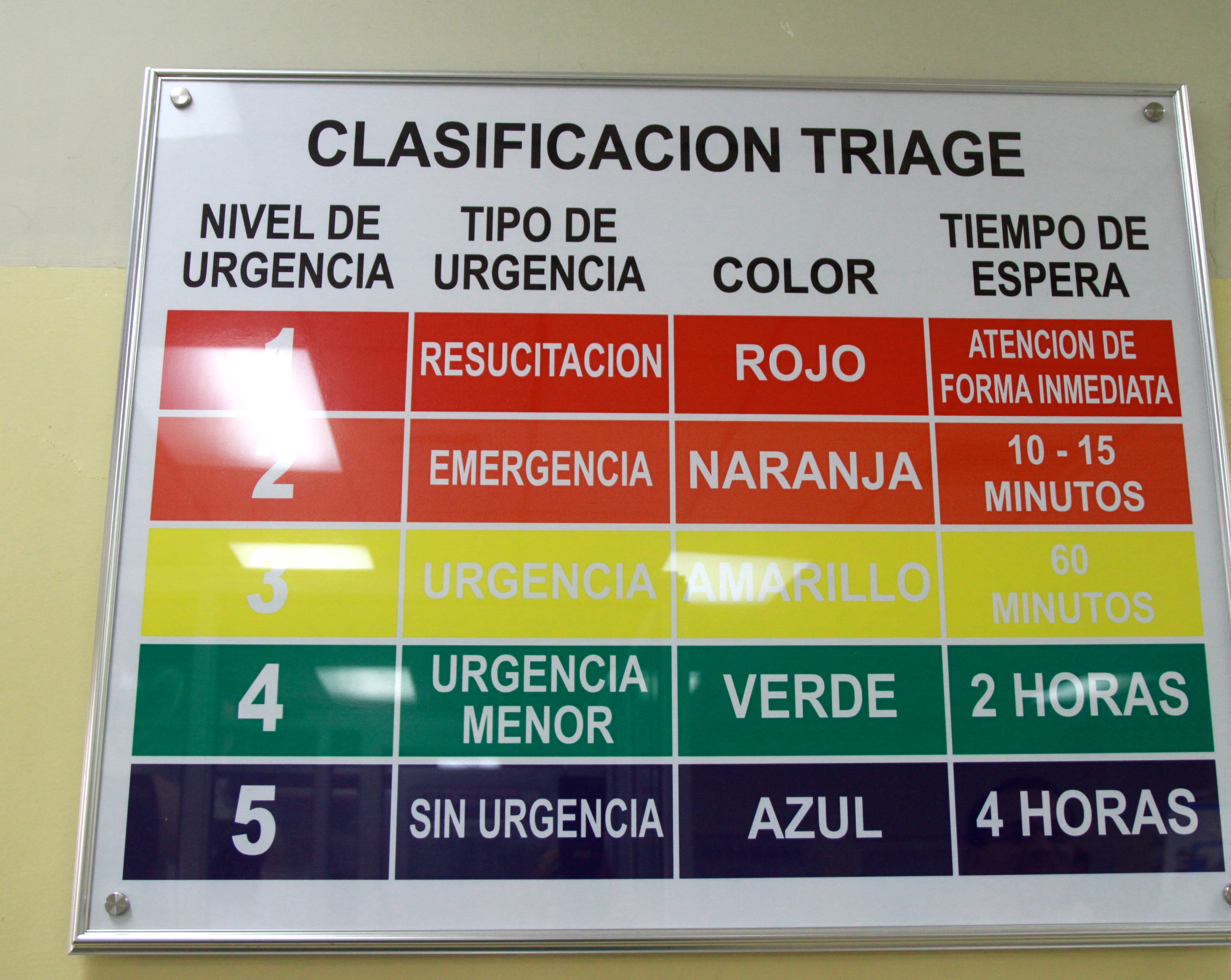
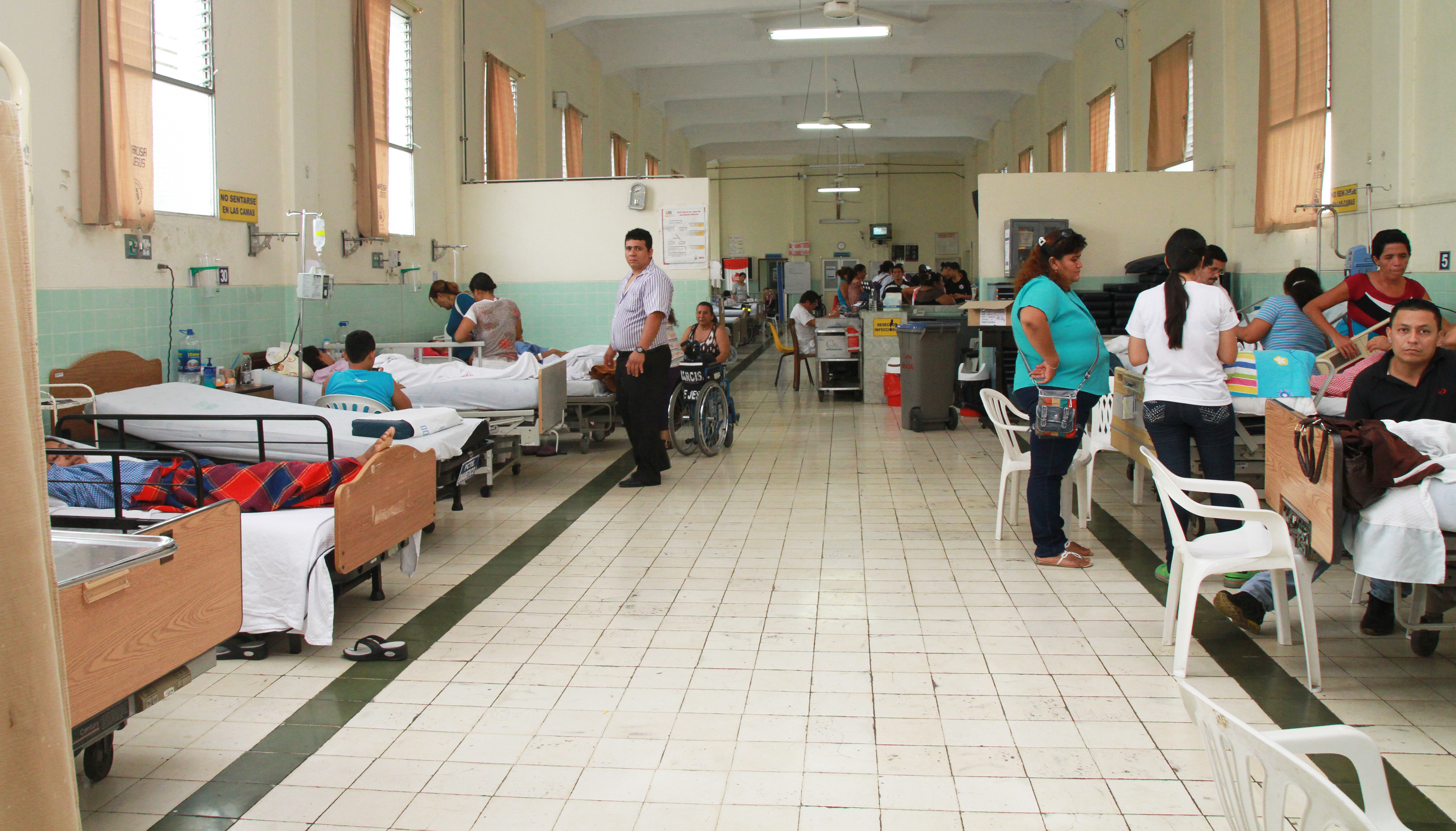
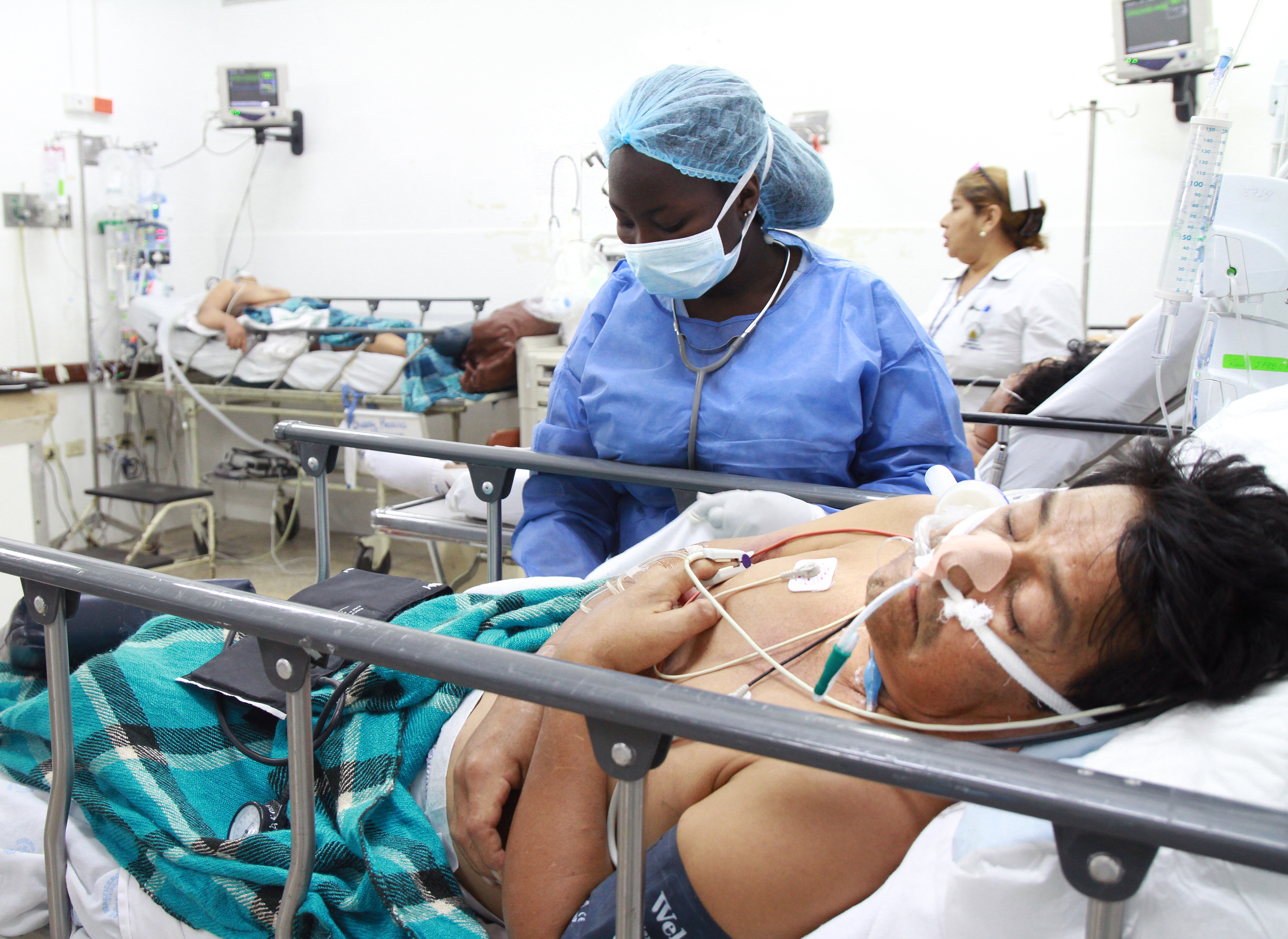
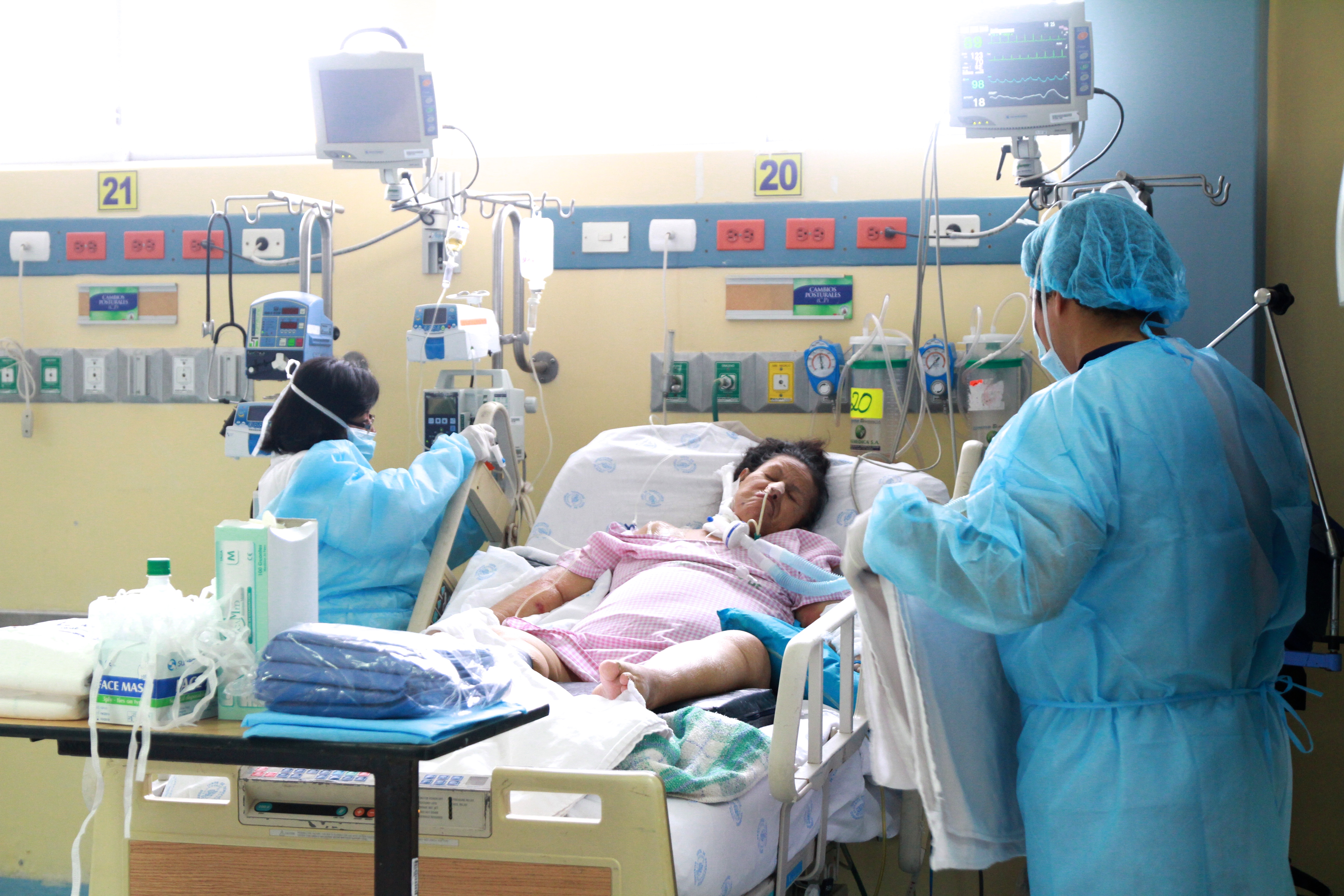
He was kind enough to show us around the ER and ICU. Other than some notable differences, like using a communal patient room, from what I could tell it was run similarly to our home system. There was a triage area where patients were tagged based on their acuity and how serious their problem was determined how long they waited.
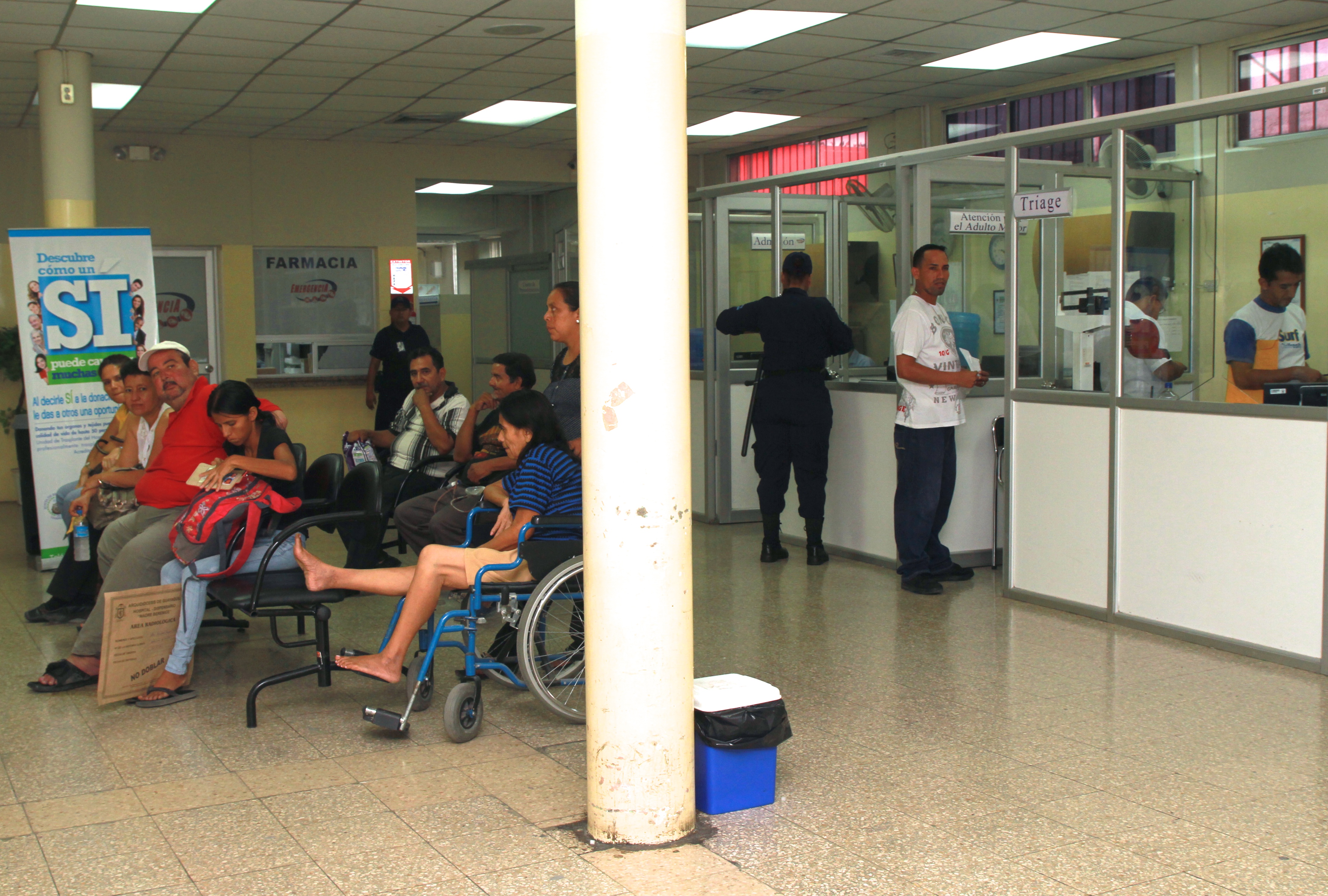
Mostly people were curious as to what we were doing there but thankful for our help, and as such they were happy to pose for a photo.
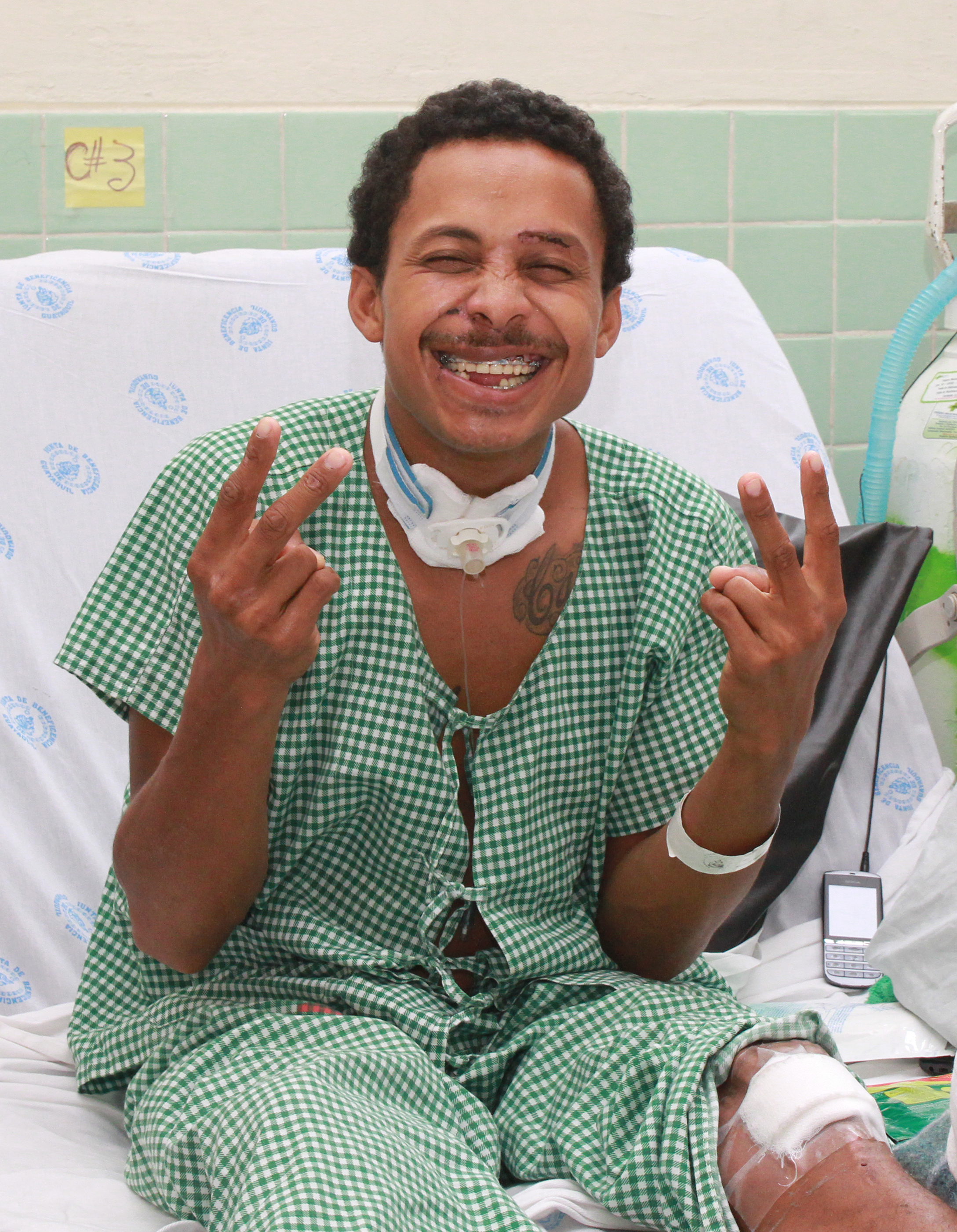
The ICU and recovery areas really demonstrate how resourceful people can be with a lack of funds.
Buck’s Traction is the use of weights to hold tension on broken bones. We use this often on broken hips, for instance. In the US, we use weights. In Guayaquil, they use water jugs. A gallon of water is 2.5 pounds. Good to know.

Even the patients get pretty creative, like this wheelchair one of our knee surgery patients fashioned from an old lawn chair.

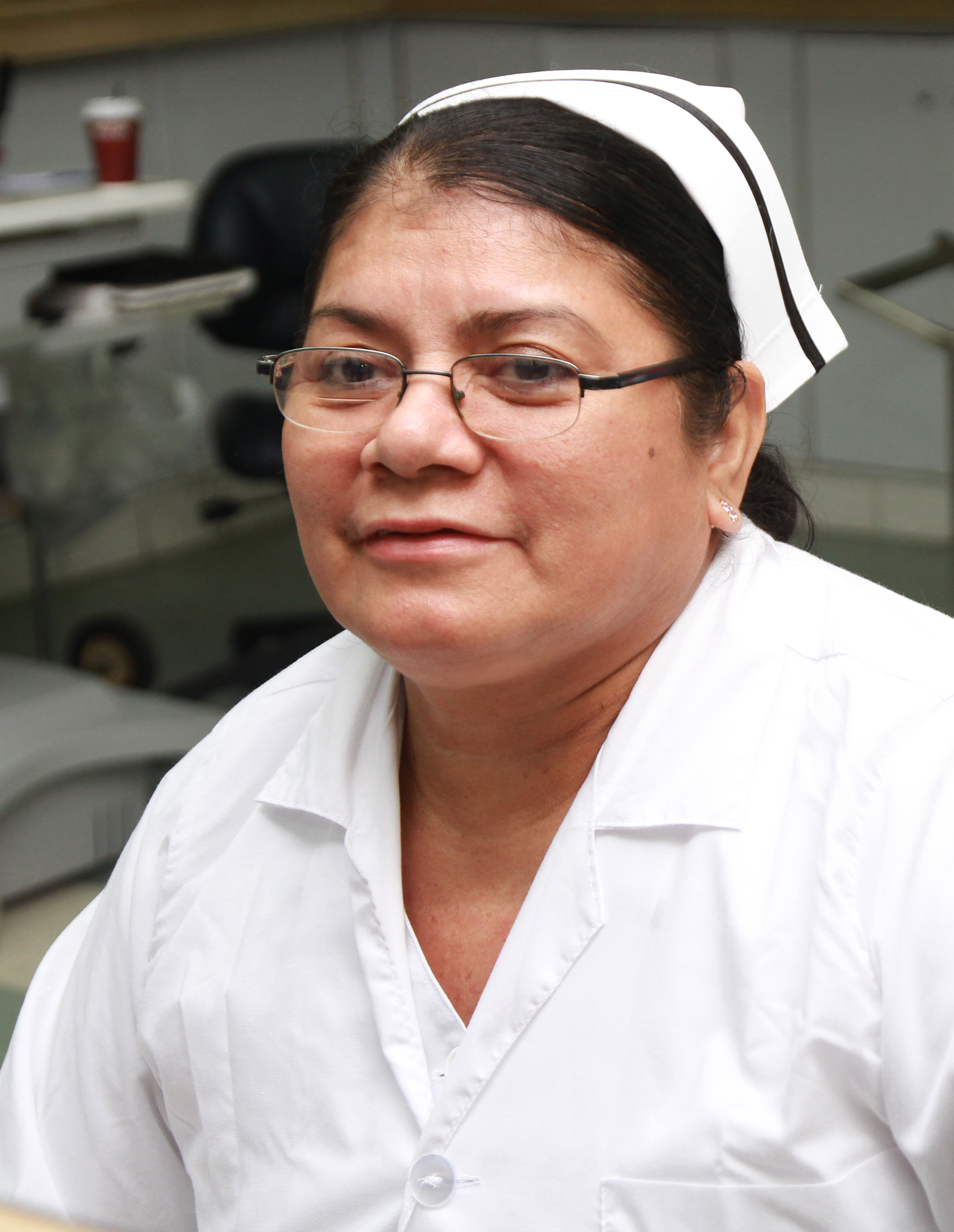
It was nice to see how proud the nurses were of their jobs. Apparently a nurse hat is a badge of honor for female nurses in their community. These women carried their hats to work everyday in protective boxes.
Each day, by the time we arrived at the hospital, a line for the clinic had formed around the courtyard.
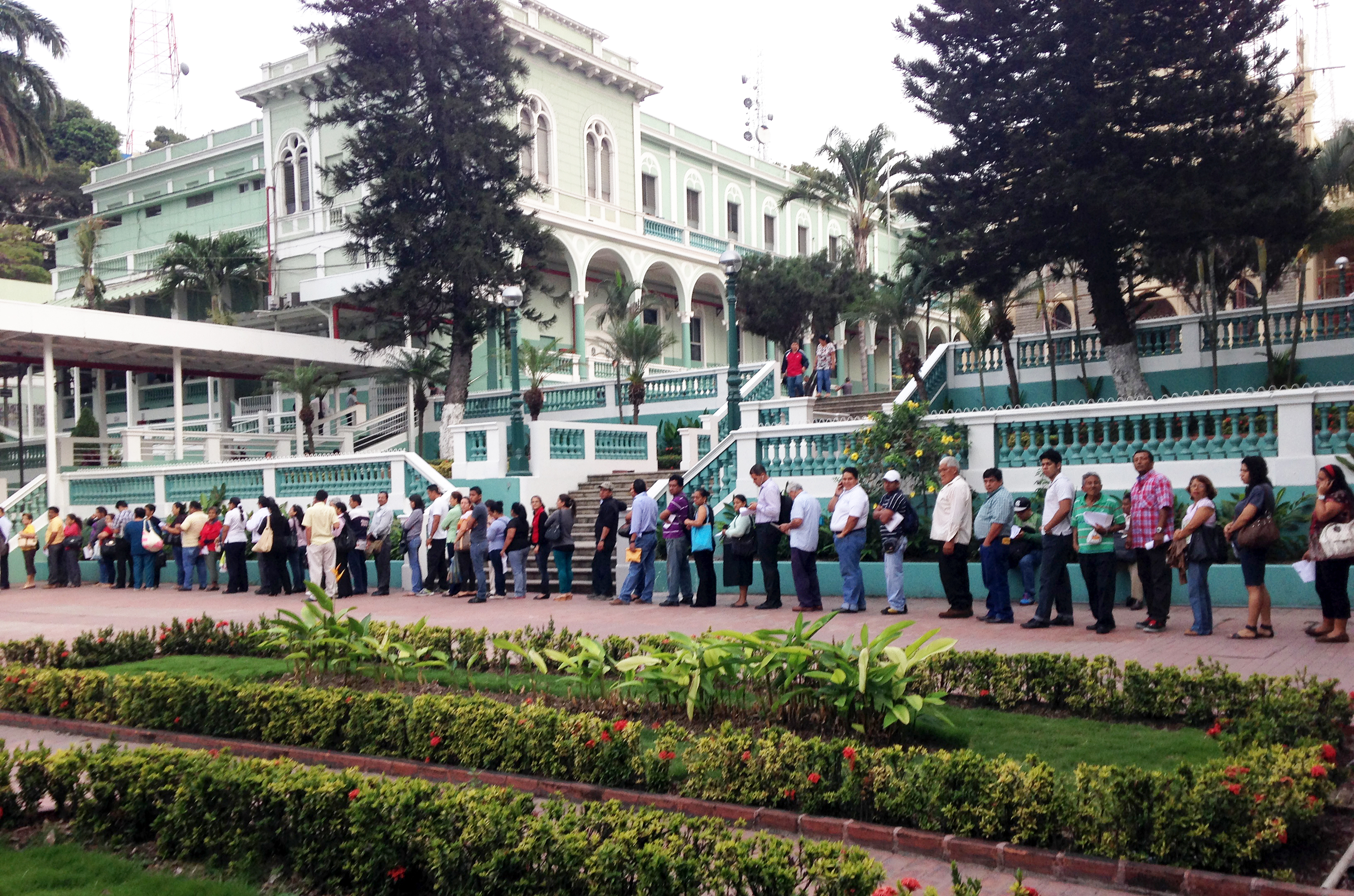
We were only in this clinic on our first day at the hospital. Though maybe more than a hundred candidates queued up, Dr. Estrada, the orthopedic surgeon, only had time to meet with 60 of them, each with x-rays in hand and the hope of qualifying. Of those 60, he selected 31 cases based on age, need, size and lack of comorbidity. Though we had to turn away so many, everyone seemed to appreciate the mere fact we were there to help whoever we could.
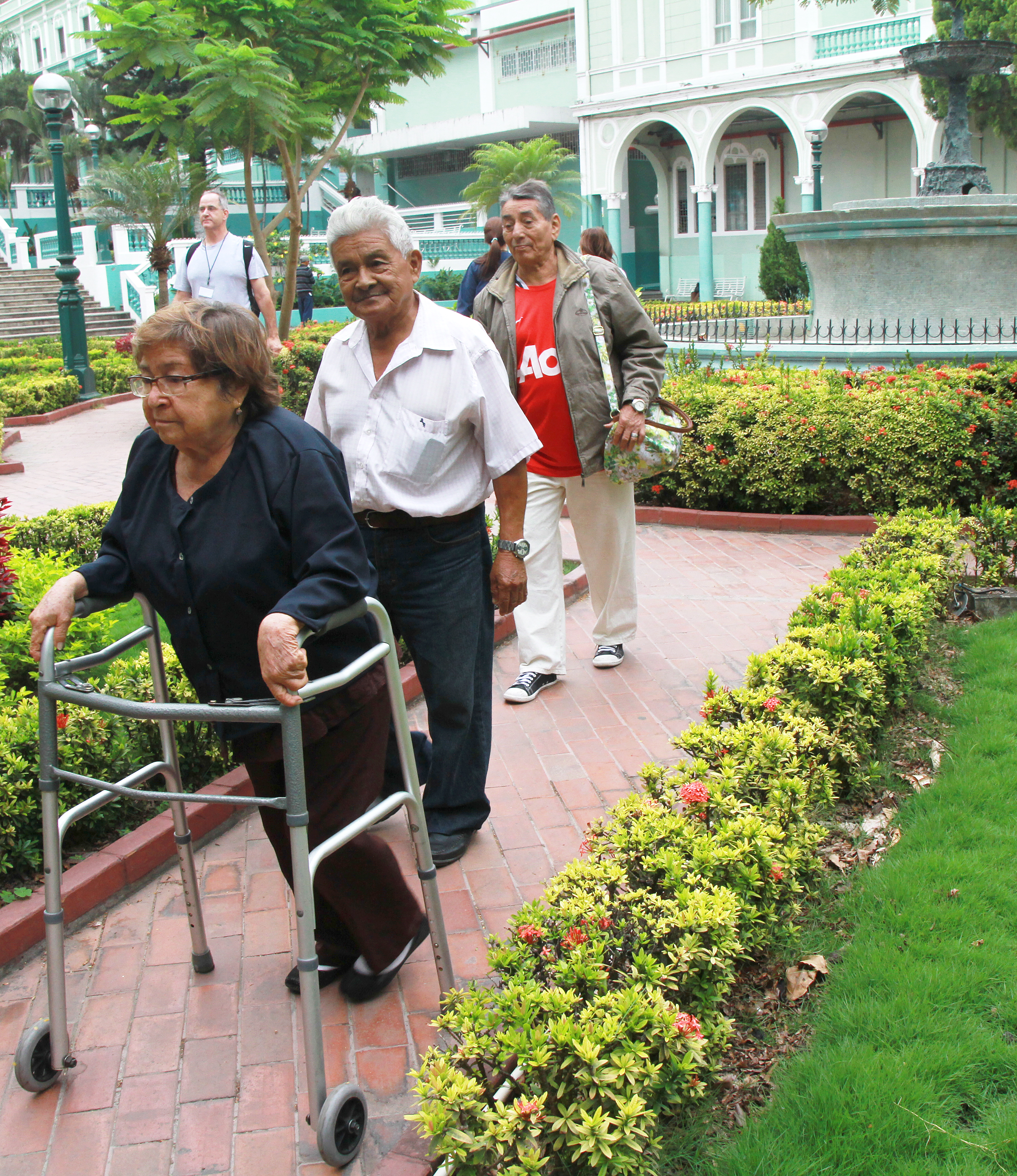
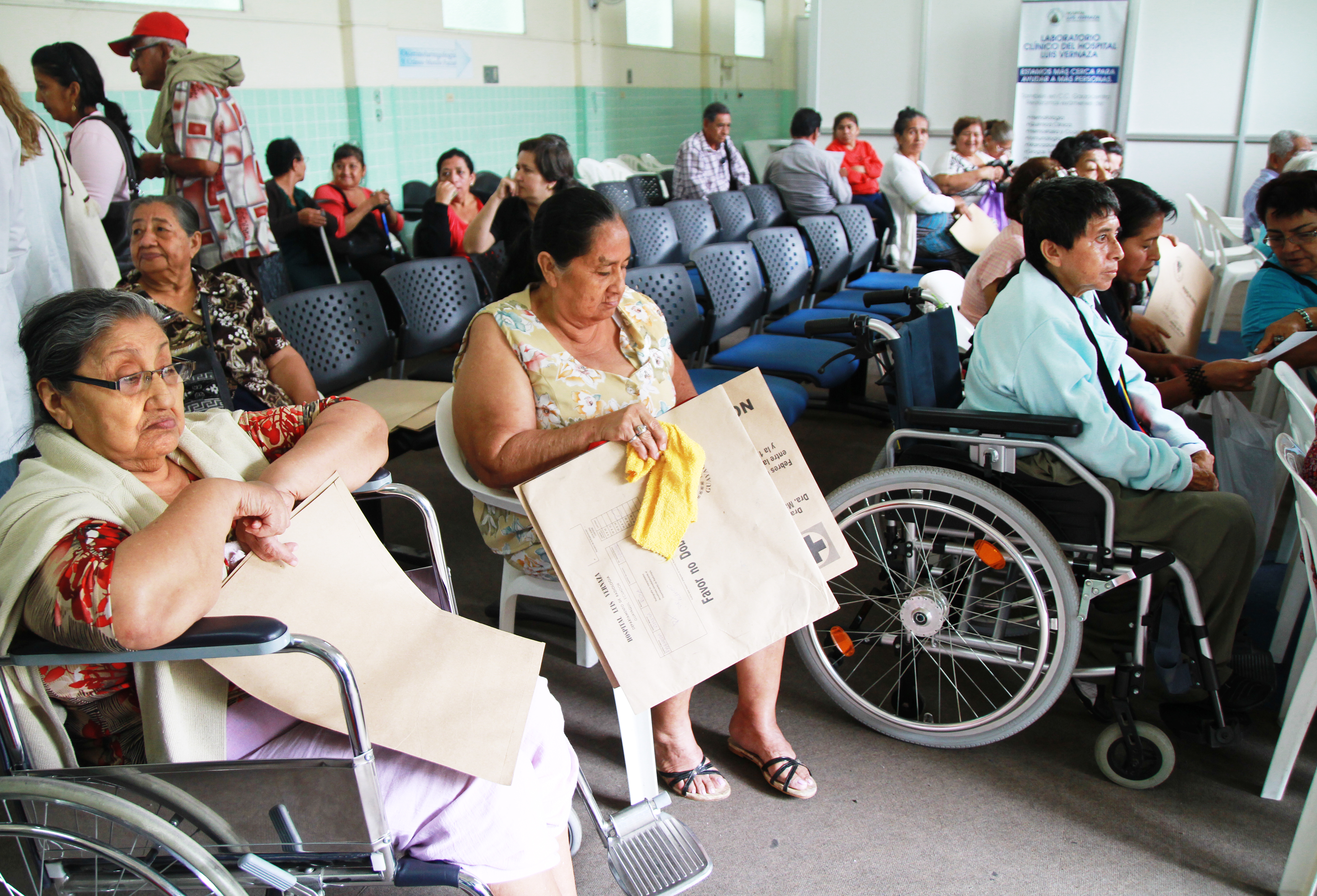
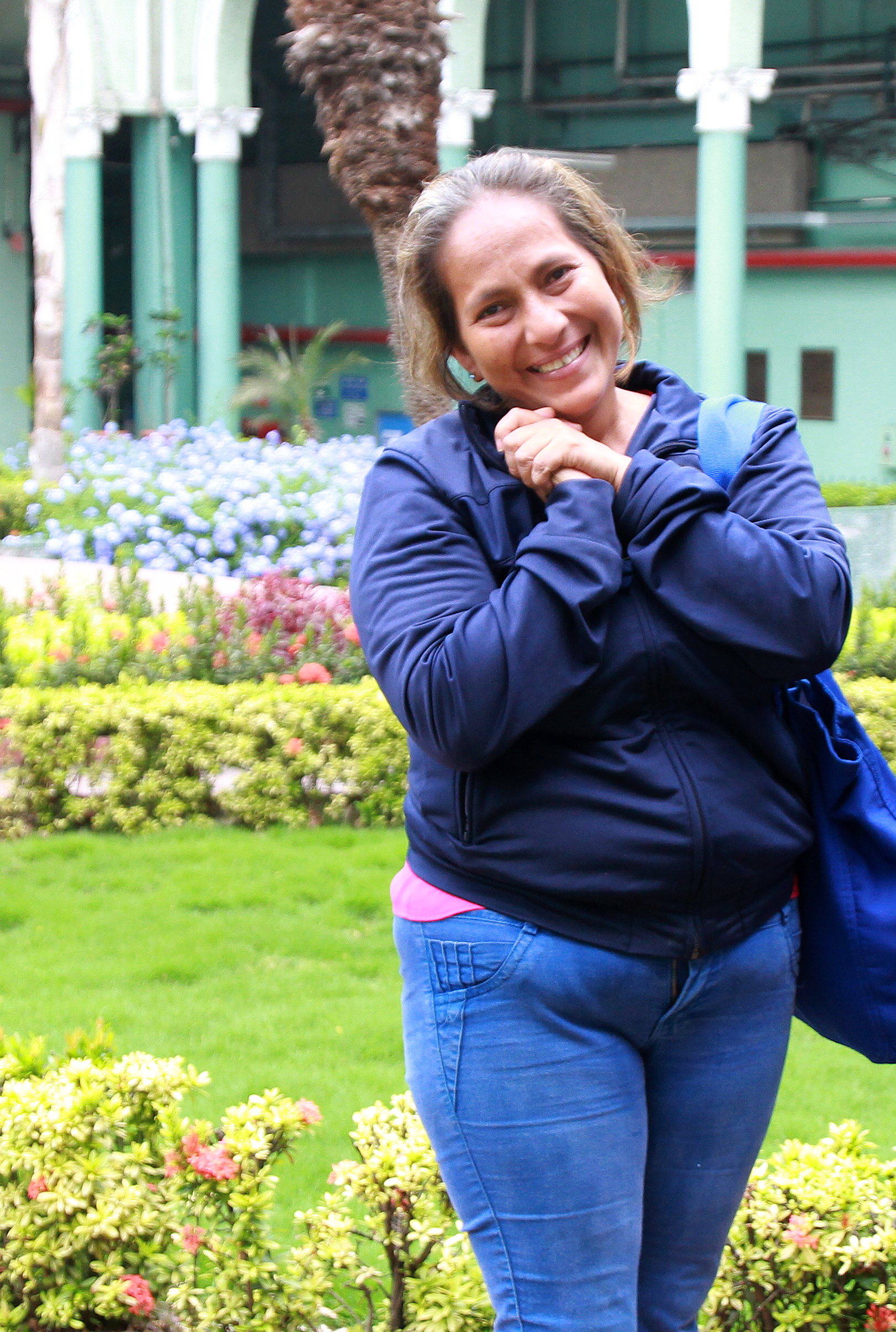 Stay tuned for a look at individual stories of some of the patients we helped.
 Everyday moments. Beautiful memories.
Such a wonderful and insightful look at your time volunteering. It looks like the people there were truly grateful for your services.
It was a very rewarding experience.
Hey there Jacqueline. I am a pre-med student (30 y.o., btw) here in Portland, Or and am looking at finding an internship in or around Guayaquil. Wondering if you may have any leads.
Mason Goché
Portland, Or
Mason,
I apologize for responding so late to you. I thought I already had for some reason. I know one person with ties to that hospital and could ask him for you if you are still looking, but my role was just as a volunteer from the states, so I cannot do much to help personally.